Whether you’re planning day hikes in the Canadian Rockies, exploring the misty forests of Vancouver Island, or following quieter trails through Quebec, having the right kit is essential. Canada’s wilderness is beautiful but unpredictable, with fast-changing weather, remote trails, technical terrain and wildlife all adding extra responsibility to your packing list. That is why this Canada hiking gear list is designed to help you stay warm, dry, safe and prepared on the trail.
This hiking gear list Canada guide breaks down the key items I would pack for day hiking, including waterproof layers, warm insulation, technical footwear, navigation, hydration, first aid, bear-aware safety tools and the 10 essentials. If you are planning a Banff, Jasper or wider Canadian Rockies hiking gear setup, this checklist will help you build a reliable kit system for mountain conditions.
This guide is focused on a practical day hiking gear list, rather than a full multi-day camping setup. For most Canadian day hikes, the goal is to carry enough gear to handle changing weather, minor emergencies and long hours outdoors without overpacking. If you are planning overnight backcountry routes, hut trips or camping adventures, check out the Kit Room for more detailed trekking and backpacking equipment advice.
Field Note: This guide contains affiliate links. If you purchase gear through these links, I may earn a small commission at no extra cost to you. I only recommend equipment I have personally mountain-tested and trust.

Why Your Gear Choice Matters in Canada and Why Trust Us
Unlike hiking in more temperate climates, hiking in Canada requires a genuine “prepare for anything” mindset. This Canada hiking gear list is built around that reality, helping you pack for unpredictable weather, remote trails, rugged terrain and wildlife encounters without carrying unnecessary weight.
To make this guide easier to use, I’ve organised the essential kit into four key categories: the 10 Essentials, Core Equipment, Footwear & Clothing, and Backcountry Safety. Canada is beautiful, but it is also vast, wild and often remote. On many trails, especially in the Canadian Rockies, Vancouver Island or the North Shore mountains, you can quickly find yourself far from help, phone signal or easy exit routes. Following a Canada Hiking Gear List, hikers can actually rely on is one of the best ways to stay safe and enjoy the trail with more confidence.
The biggest lesson I learnt from day hiking in Canada was the importance of wildlife safety. With black bears, brown bears and grizzly bears found across different parts of the country, knowing how to be bear-aware and how to carry bear spray properly is essential. This is one of the biggest differences between a standard day hiking gear list and a proper Canada-specific checklist.
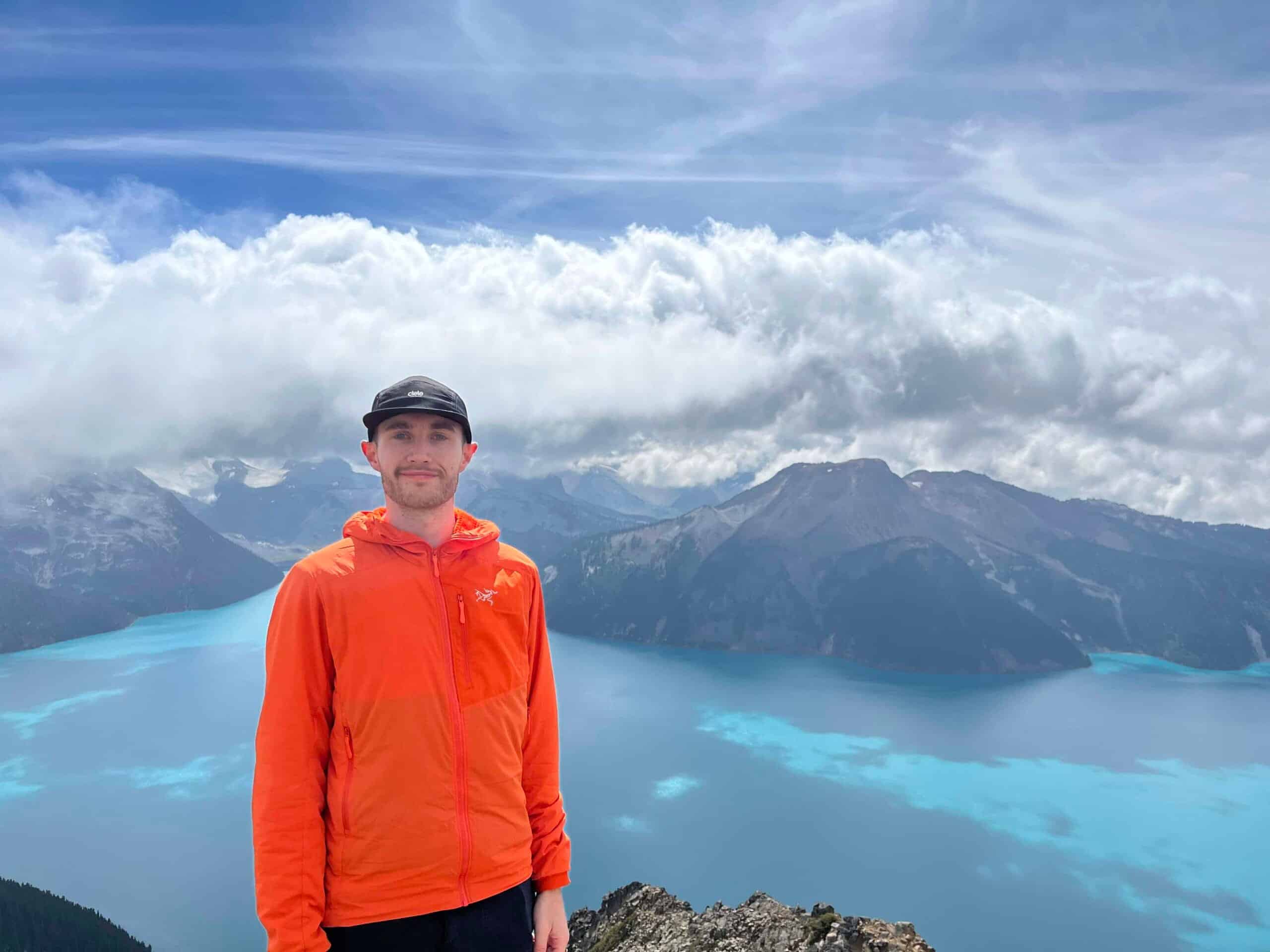
Now based in North Vancouver, we are fortunate enough to hike almost every week and have completed over 30 hikes in 2025 since moving to Canada. That experience quickly showed us that some gear we used on European hiking trails was not enough for Canadian conditions. This Canada hiking gear list has therefore been curated and refined through real trail use, with important additions such as bear spray, water filtration, GPS navigation and stronger emergency backup equipment.
The equipment and clothing in this guide have been tested across Canada, as well as in the Alps, Himalayas and Patagonia. Some of the items are premium purchases, but when the weather turns, the trail gets technical, or you are deep in the backcountry, reliable gear matters. For me, the best Canada hiking essentials are the pieces of kit that keep you warm, dry, visible, hydrated and safe when conditions stop being easy.
If you are building your own Canadian Rockies hiking gear setup, start with the basics: a comfortable day pack, waterproof layers, warm insulation, sturdy footwear, navigation, water, food, first aid and bear-aware safety tools. From there, adapt this checklist based on the trail, season, distance and remoteness of your hike. A short front-country walk near town requires far less than a full-day alpine route in Banff, Jasper or the backcountry, but every hike in Canada deserves proper preparation.
Provide your feedback on BizChat
The 10 Hiking Essentials for Canada
It’s common to see these 10 Essential Equipment items in a hiking gear list being suggested at trailheads to advise on what to carry. You too often hear of mountain rescue searches because hikers are underprepared and have an accident. These are the basics to follow, and see below the recommendations for the exact kit we use on every hike, as well as clothing, backpacks and footwear.
- Navigation: Topographic map, compass, and GPS/satellite messenger (e.g., Garmin inReach).
- Illumination: Headlamp or flashlight with extra batteries. Do not rely solely on a phone!
- Sun Protection: Sunglasses, sunscreen, and sun-protective clothing/hat.
- First Aid Kit: including blister care, wraps, and bug spray.
- Knife/Tools: Multi-tool or pocket knife for repairs and gear fixes.
- Fire Starter: Waterproof matches, lighter, or fire starter/candle.
- Emergency Shelter: Emergency bivy, foil blanket, or tarp.
- Extra Food: Energy bars, nuts, or extra meals, enough for an unplanned night out.
- Extra Water & Filter: Extra water bottle and a water filter or purification tablets.
- Extra Clothes (Insulation): Moisture-wicking layers, waterproof rain gear, gloves, and a toque (hat) to prevent hypothermia.
Hiking Backpack & Hydration
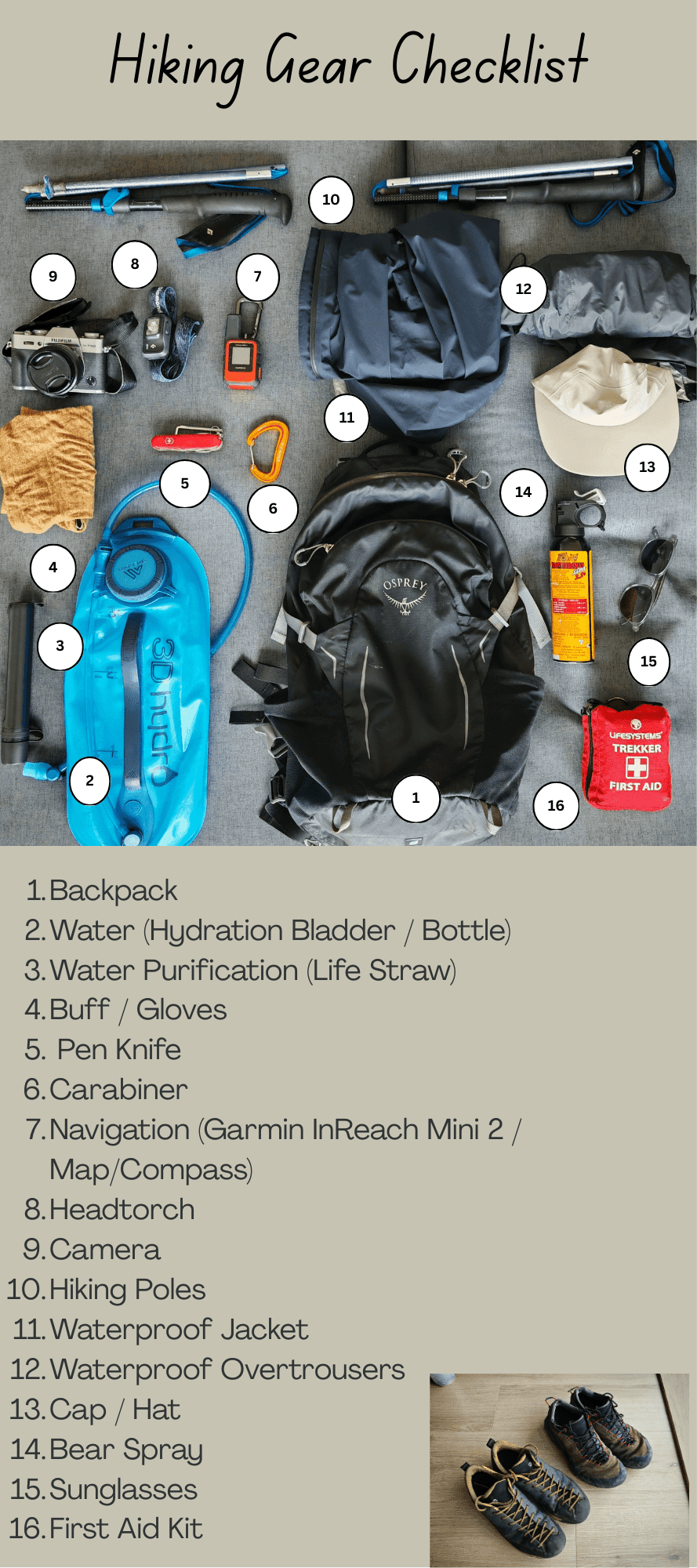
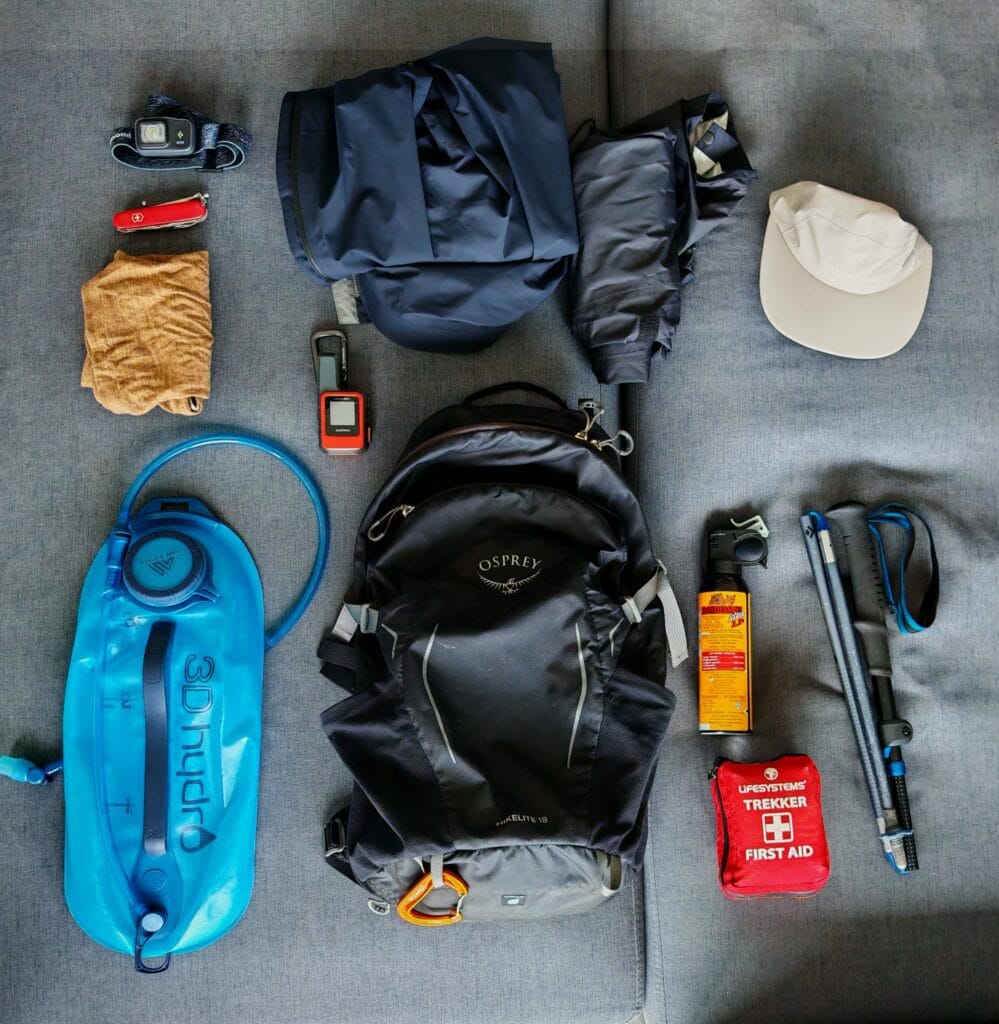
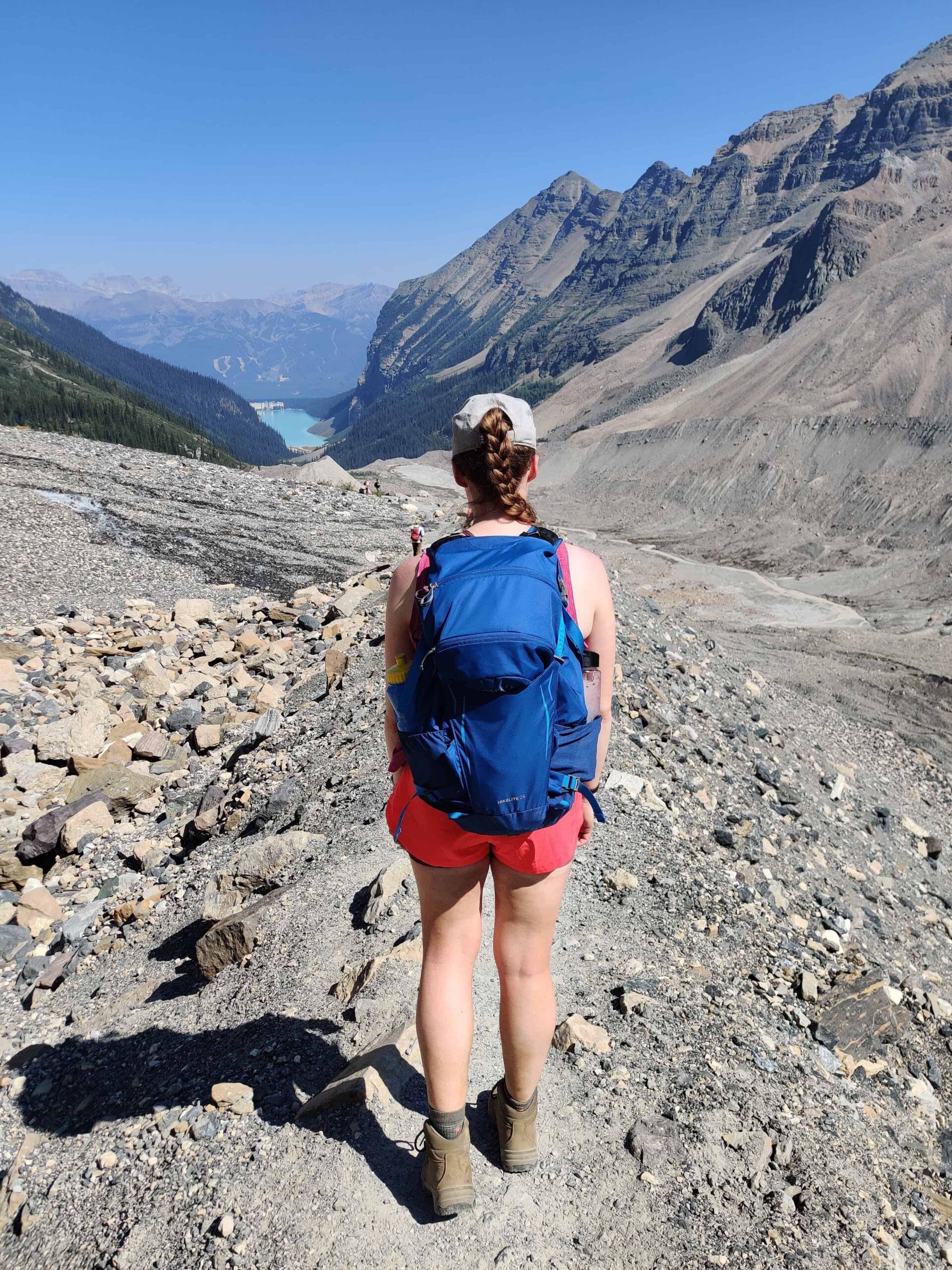
- Backpack – Osprey Hikelite 18 or Osprey Hikelite 26
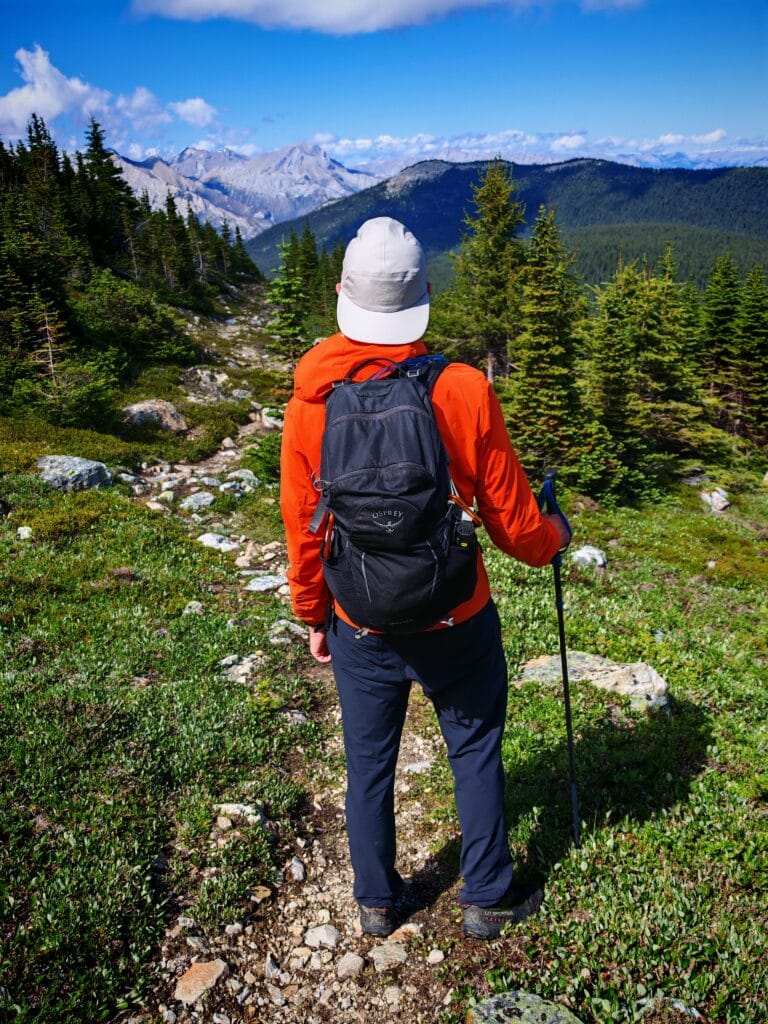
This reliable and versatile 18L daypack has been my go-to hiking backpack for over 5 years now. This is a minimalist style daypack with great ventilation thanks to the AirSpeed back panel, which keeps air flowing between you and the pack on hot climbs. The Hip belt and sternum strap transfer weight off the shoulders during long ascents. Plus, the integrated rain cover deploys in seconds when the weather turns—essential for unpredictable Canadian mountains. External hydration sleeve fits the Gregory 3L bladder perfectly. Multiple pockets to organise gear efficiently, while stretch side pockets hold water bottles or wet layers. The perfect capacity for day hikes without encouraging overpacking. - Hydration Bladder – Gregory 3L Hydro
A newer addition with some fantastic features to consider. First, the low-profile design fits cleanly in pack reservoirs, and the mega 3L capacity handles full-day hikes in dry conditions without refill stops. It’s very easy to refill and has a magnetic clip for the nozzle across the sternum straps. - Water Filtration – LifeStraw
Backup for longer routes or when water sources are uncertain. The LifeStraw Squeeze filters quickly and weighs almost nothing. Lets you refill from streams and lakes confidently. Essential for alpine routes where carrying 3L+ becomes impractical. Also useful if you run out of water unexpectedly on hot routes.
Canada Hiking Gear List: Essential Equipment
- Bear Spray –Frontiersman Bear Spray 225g Canister
Non-negotiable for Canadian hiking. It’s crucial you have Bear Spray to hand as it’s common to see Black, Brown or Grizzly bears on hiking trails. It’s best to carry it on your hip belt or on the outside of your backpack for instant access—being buried in your pack is useless! Minimum 225g canister with 7+ meter range, check expiry dates annually, and learn how to operate.
Pro Tip: Make noise, as Bears generally want to avoid contact as much as humans, so talk to make your presence known. - First Aid Kit – Life Systems Trekker
A compact kit with space blanket, blister plasters, bandages and medications. Essential for the remote Canadian backcountry hiking, where help isn’t always close. I would recommend one kit per group, minimum. Thankfully, I’ve only had to use the plasters for small cuts and scrapes so far. - Map / GPS Satellite Navigation – Garmin In Reach Mini 2
This extremely popular Two-way satellite messenger is a literal lifesaver. It’s premium tech which keeps you connected when cell service fails—which is most of the Canadian backcountry. The SOS function connects directly to emergency services (monthly subscription). You can share your location with contacts for peace of mind and use it for Navigation. - Sun Cream – SPF 30+ recommended
UV intensity increases with elevation—crucial for Rocky Mountain hikes and glacier approaches. Reapply every 2 hours, especially on exposed ridges with minimal cover. - Sunglasses – Goodr OG Running Sunglasses
Stable, lightweight, and affordable. For glacier hiking or high-alpine routes, upgrade to Category 3-4 polarised lenses to reduce snow glare. - Pen-knife – Victorinox Swiss Card Lite
Credit-card-sized multitool that barely adds space or weight. The blade, scissors, and tweezers cover most trail needs. Backup for gear repairs or first aid. - Head torch –Petzl Tikkina
Essential for early alpine starts or if you’re caught out late. Canadian summers have long daylight, but the shoulder seasons get dark quickly. 300 lumens is sufficient for trail navigation.
Canada Hiking Gear List: Other Equipment
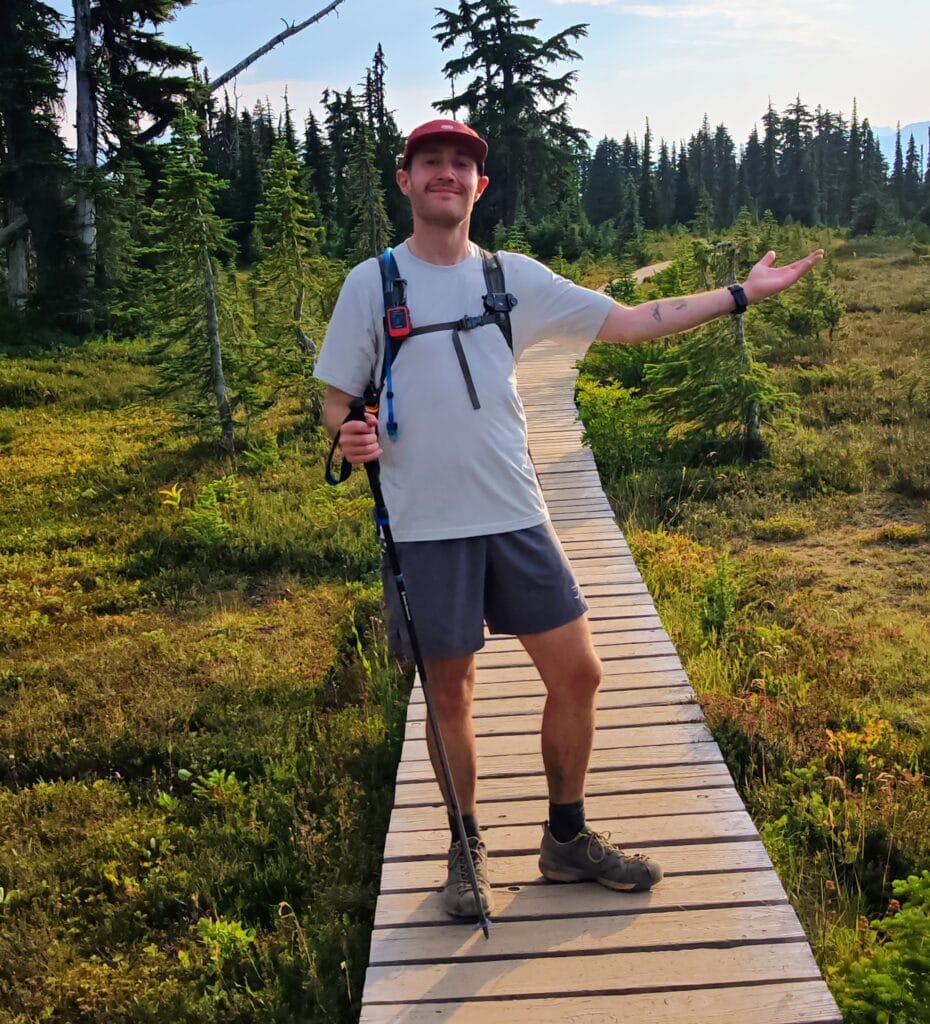
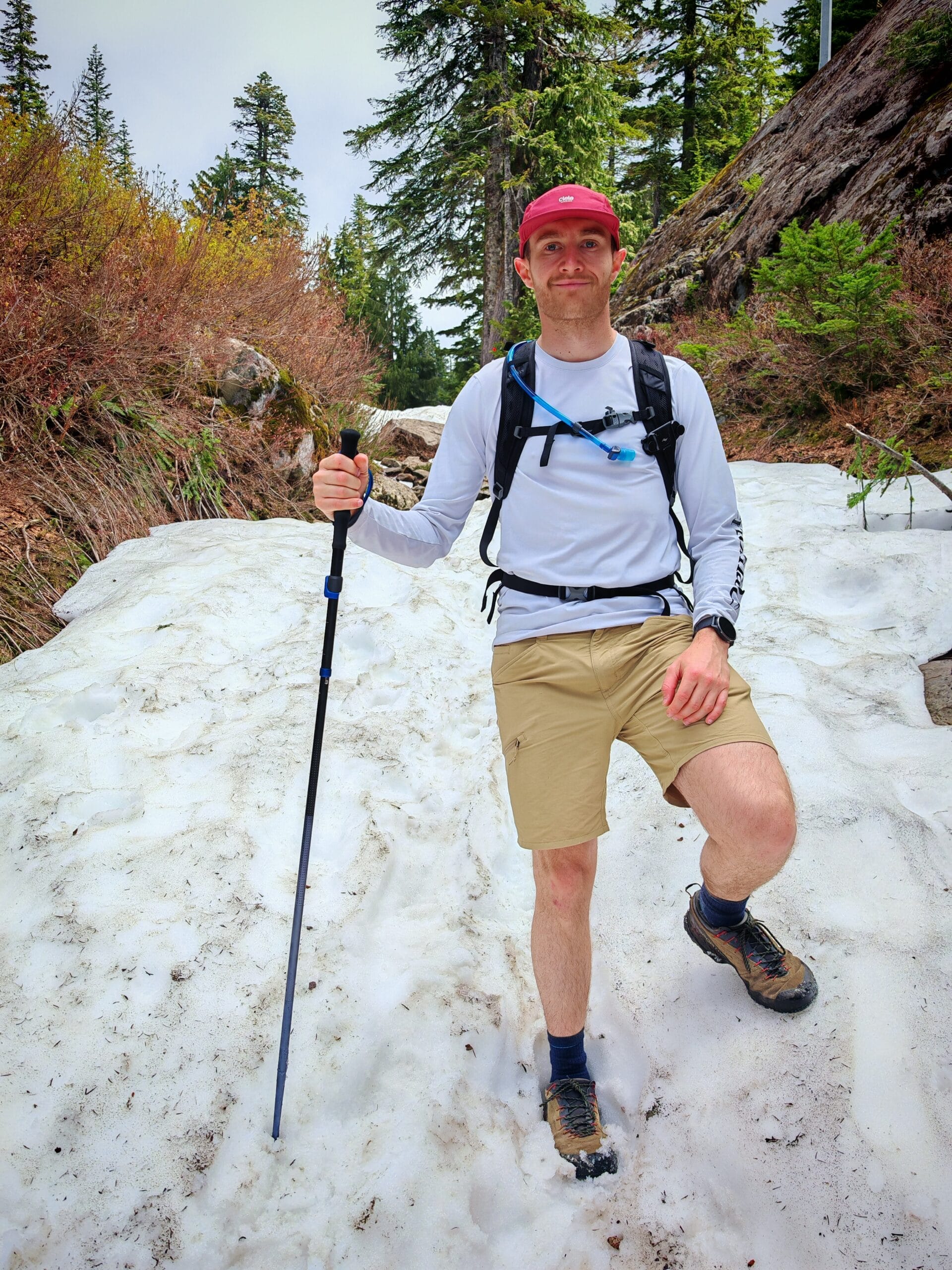
- Poles – Black Diamond Distance FLZ Trekking Poles
This is a personal choice, but the Canadian mountains are technical and steep, so use poles to help transfer the load. Ultralight collapsible poles that pack down to 13 inches for packability. FlickLock adjustments stay secure on technical terrain. Ideal for Canadian scrambles and creek crossings with good affordability from a reputable brand. - Carabiners – Petzl Attache
Versatile for clipping gear, hanging wet items to dry, or emergency use. Snap-gate works for most day hikes; screw-gate adds security for glacier travel or scrambling. I often use it to carry my cap off my bag. - Insect Repellant – DEET 25-30% or Picaridin
Very important for Canadian summer hiking. Mosquitoes, blackflies, and horseflies are relentless from June through August, especially near water sources, melting ice patches and in boreal forests. Apply to exposed skin and reapply after sweating heavily. Consider permethrin-treated clothing for added protection on multi-day trips or buggy areas. - Emergency Whistler – Fox 40 Classic
Lightweight signalling device that carries farther than your voice. Three sharp blasts is the universal distress signal. Essential in dense forests where visibility is limited. Attach to your backpack strap for instant access. - Crampons – MICROspikes
Traction for icy trails and hard-packed snow. Not needed for summer below-treeline hiking, but essential for early-season alpine routes or year-round glacier approaches. The Rockies and Coast Mountains hold snow into July at elevation. Lightweight and packable—bring them if recent trail reports mention snow or ice.
Canada Hiking Gear List:: Hiking Footwear
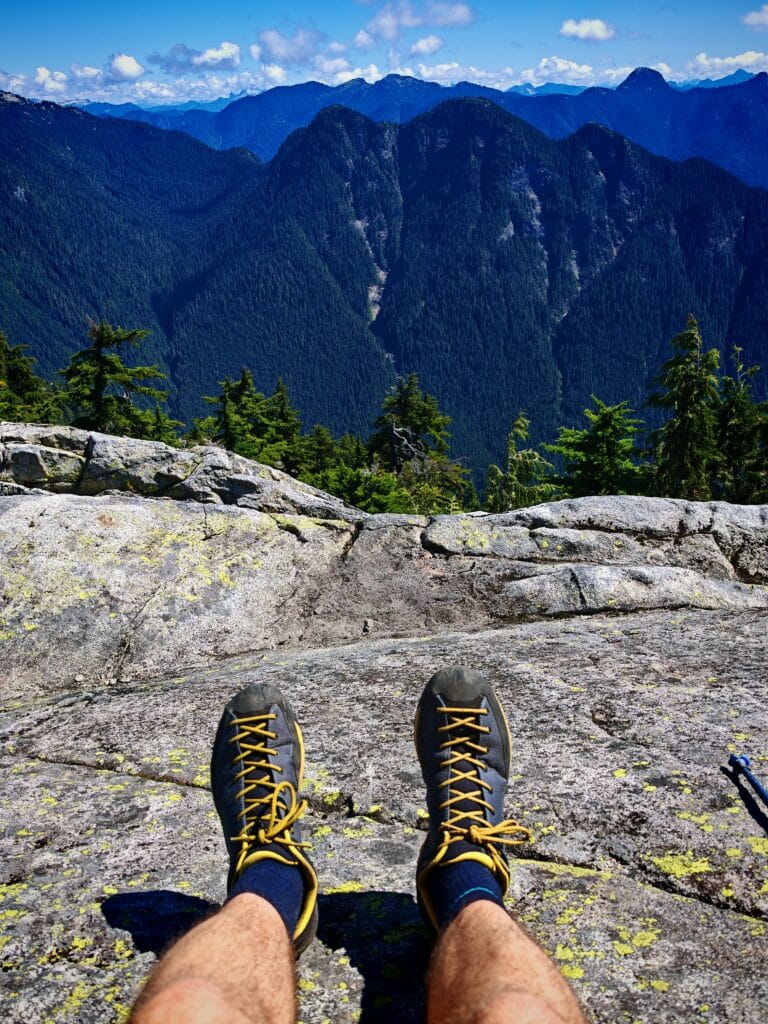
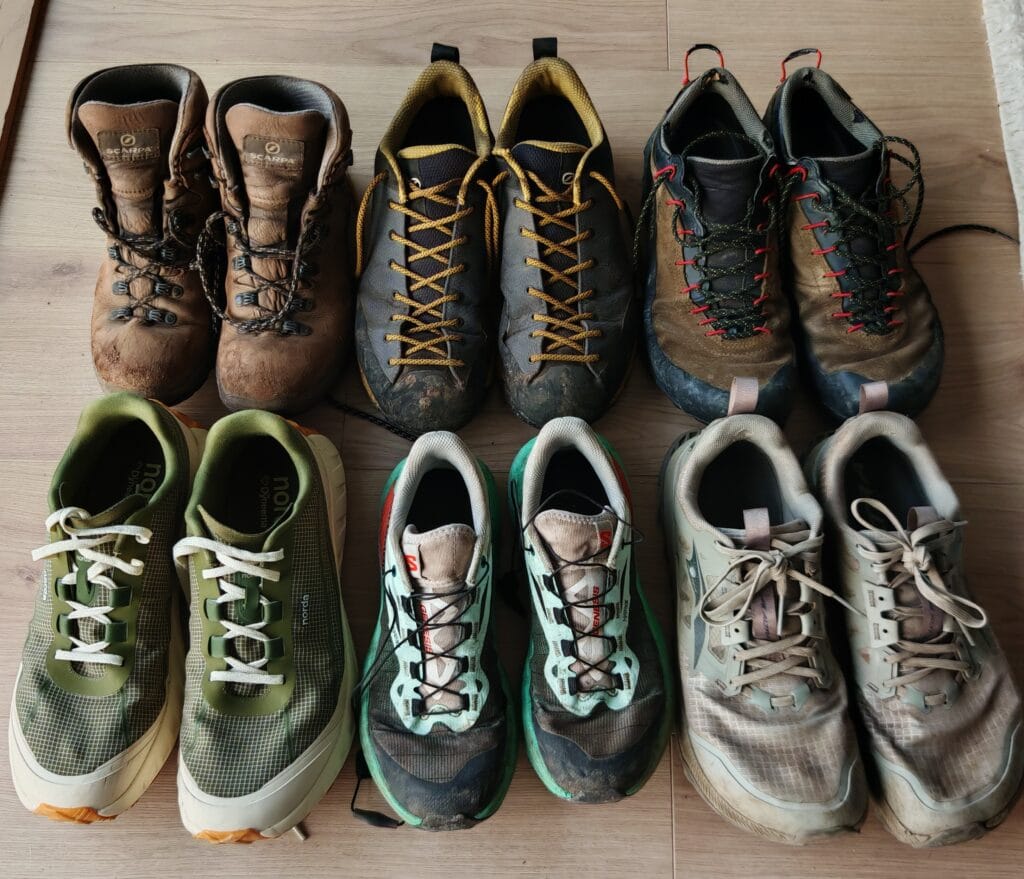
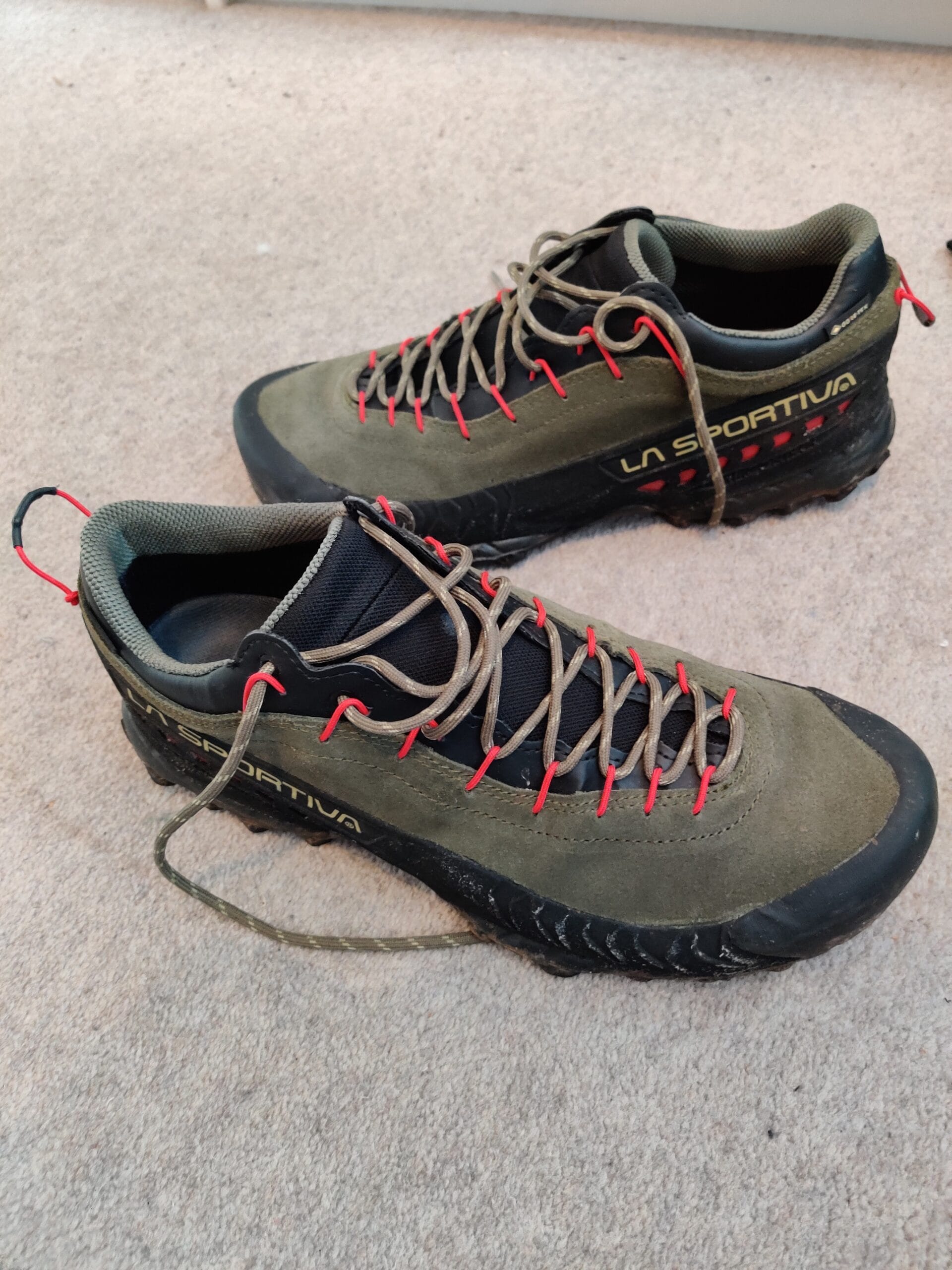
- Approach Shoes – Scrapa Mescalito Planets Approach Shoes
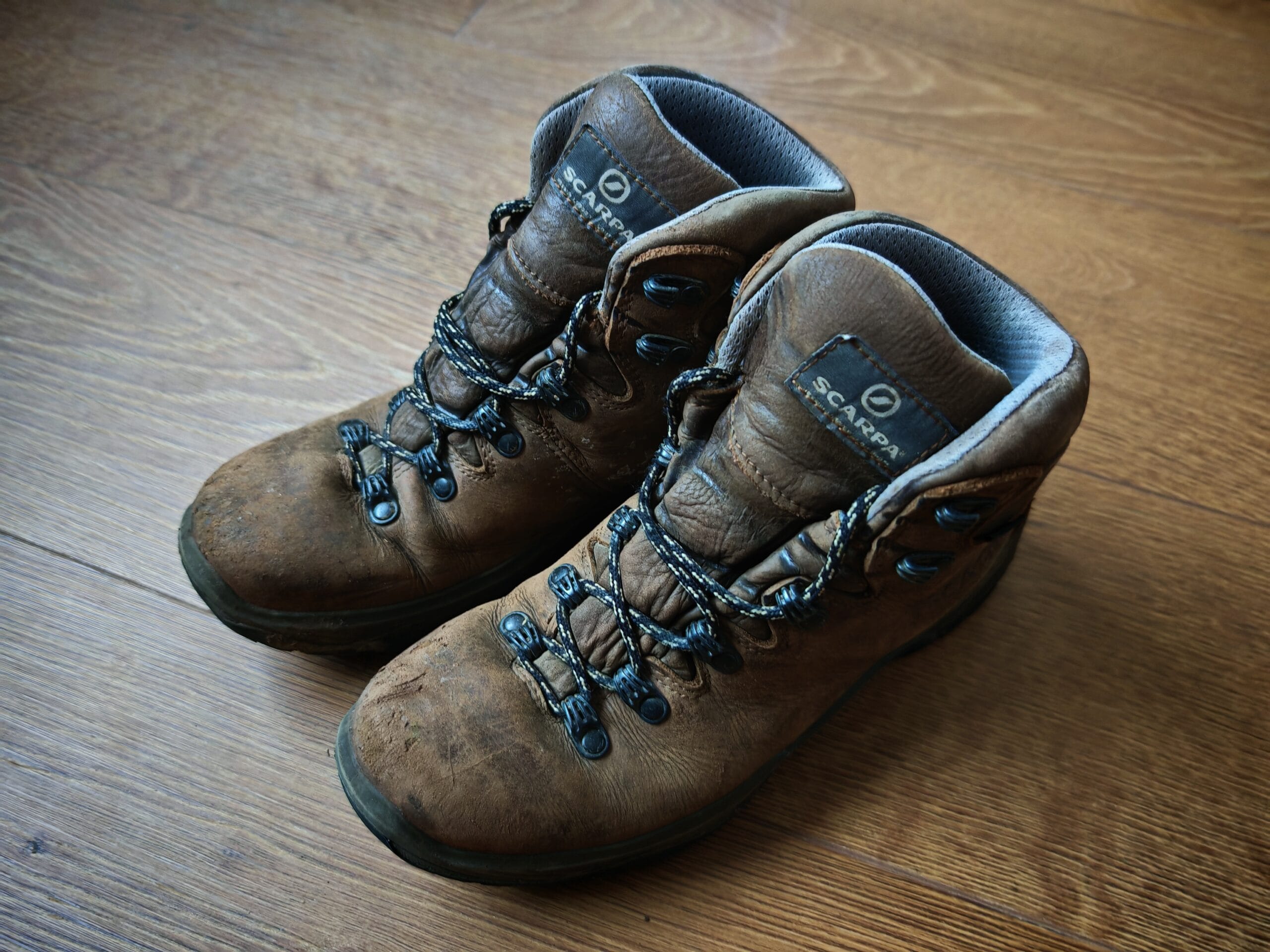
Built for technical trails with climbing-shoe precision on rock. Recycled materials construction with sticky Vibram soles and excellent all-day comfort. Excels on Canadian scrambles and exposed ridge walks where foot precision matters. If you’re curious about Approach Shoes and why I consider them the best mountain shoes, then check out this Detailed post I wrote. - Hiking Boots – Scarpa Terra GTX Hiking Boots
Traditional leather boot with ankle support for heavy packs and rugged terrain. Gore-Tex waterproofing for multi-day trips and wet conditions. Vibram sole provides stability on scree and talus fields common in the Rockies. A great all-around hiking boot used by my Girlfriend on all types of hikes. - Trail Running Shoes – Altra Lone Peak 8 Trail Runners
Zero-drop platform with wide toe box for natural foot splay on long days. MaxTrac outsole grips wet roots and muddy sections. Lightweight and quick-drying for fast-and-light missions or light summer hikes on less technical terrain or where it’s very hot weather. - Hiking Socks – Smartwool or Darn Tough
A good pair of hiking socks makes as big a difference as the shoes themselves. Choosing merino wool allows for odour control, natural comfort and helps prevent blisters.
Canada Hiking Gear List: Outdoor Hiking Jackets/Tops
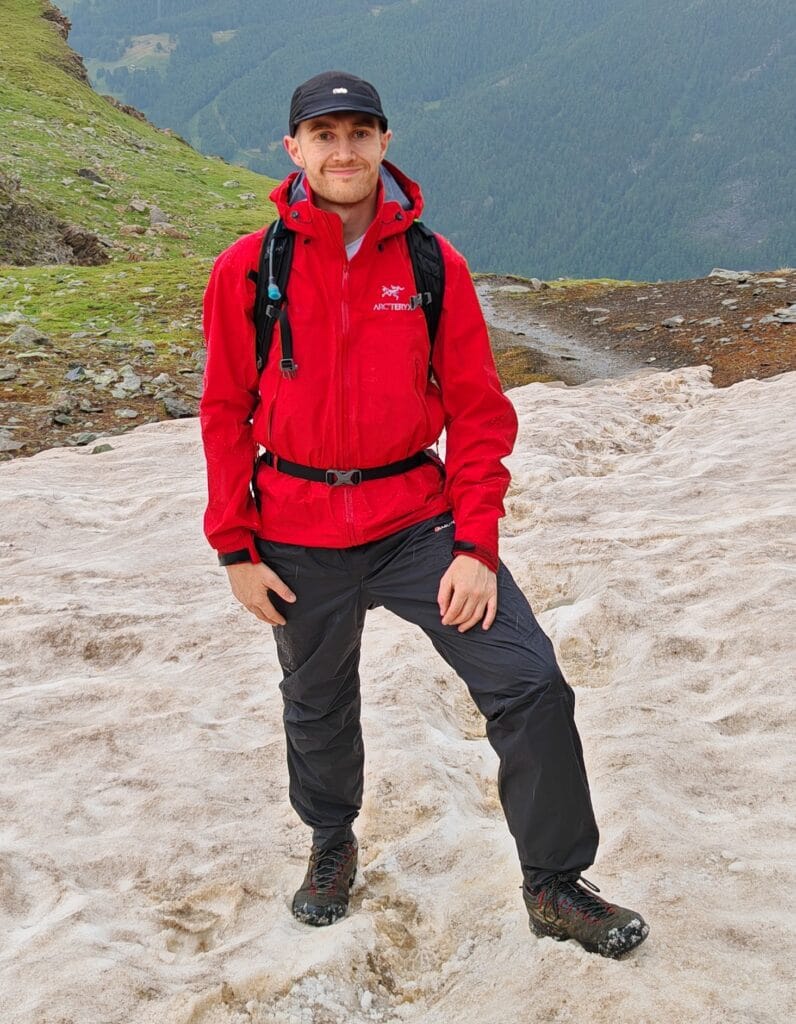
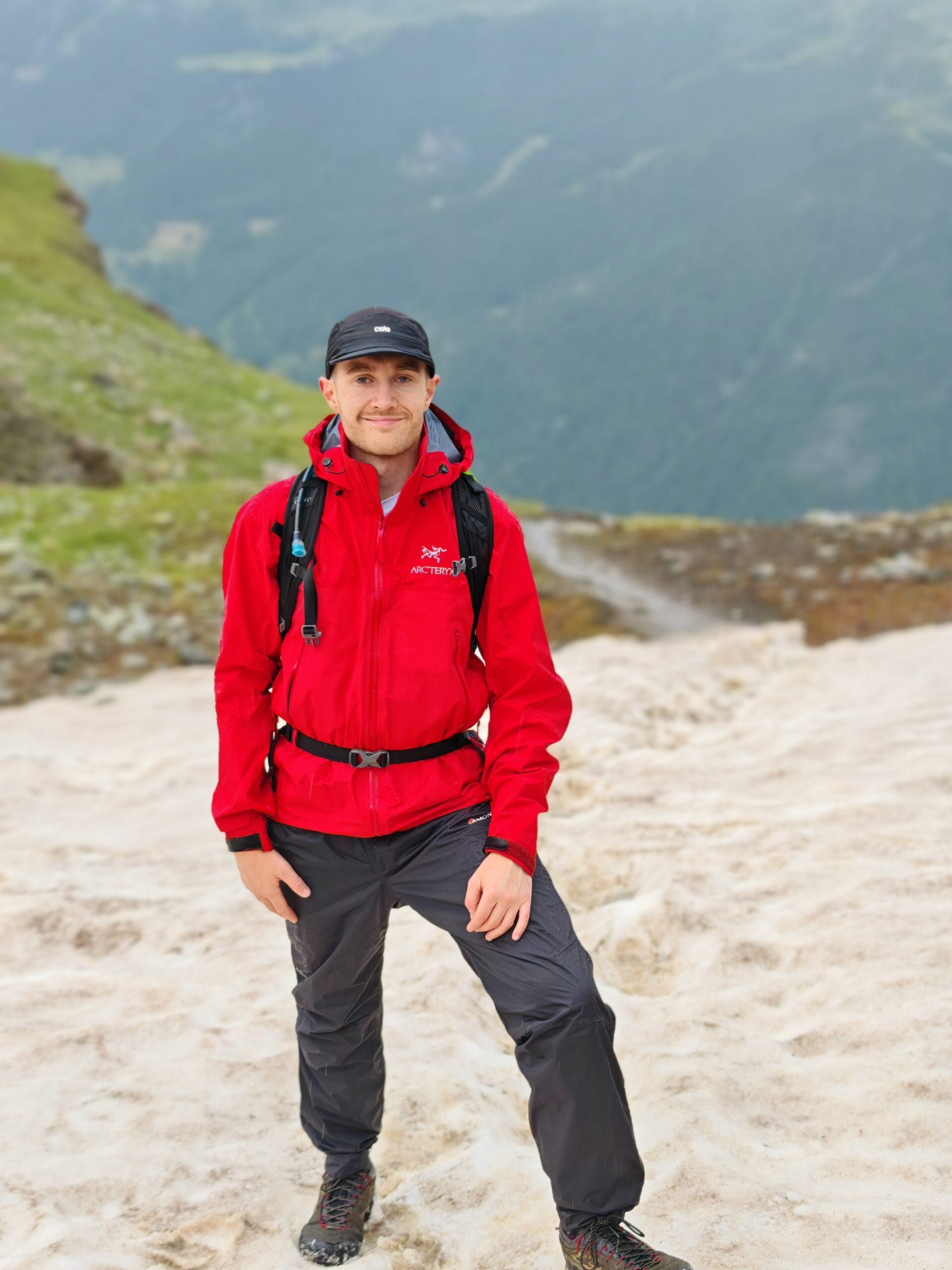
- Waterproof Jacket – Arc’teryx Beta AR
Single-handedly the best waterproof jacket I own and has withstood the worst storms in Patagonia, the Alps and Canada. All-round Gore-Tex Pro shell built for serious mountain weather. that uses a 3-layer construction. The fabric is extremely waterproof, and the zips allows ventialtion on steep hikes. StormHood design provides helmet-compatible coverage that cinches down for precision fit in wind. Articulated patterning allows a full range of motion for scrambling or reaching overhead. Plus, it packs down surprisingly small for a burly shell. The investment-grade jacket that handles everything from drizzle to alpine storms. - Mid Layer– Arc’teryx Proton Lightweight Hoody
My go-to midlayer due to its excellent comfort and performance in the mountains. It uses an Air-permeable synthetic insulation that breathes while you move—unlike down jackets that trap moisture. Coreloft™ insulation provides warmth even when damp, critical for wet conditions. Water-resistant Fortius™ outer fabric sheds light precipitation and morning dew. Stretchy side panels eliminate the restrictive feel of typical insulated layers as it targets climbing and movement. Works as an active mid-layer during cold ascents or as a stationary belay/summit layer. Manages the hot-cold cycle of alpine hiking better than fleece or down. - Down Jacket – Rab Microlight Alpine
Packable warmth for summit stops or cool evenings. Synthetic insulation (like the Proton) works better while moving, but down provides unbeatable warmth-to-weight for stationary moments. Essential for fall and spring hiking when temperatures drop significantly. - Sun Hoody – Mountain Hardwear Crater Lake Sun Hoody
Lightweight fleece hoody that breathes exceptionally well during high-output climbing. Quick-drying synthetic fabric won’t hold moisture like cotton. The hood adds warmth for windy summits or cool mornings. Ideal middle ground between a base layer and an insulated jacket for variable Canadian shoulder seasons.
Canada Hiking Gear List: Hiking Clothing
- Waterproof Trousers – Montane Dynamo
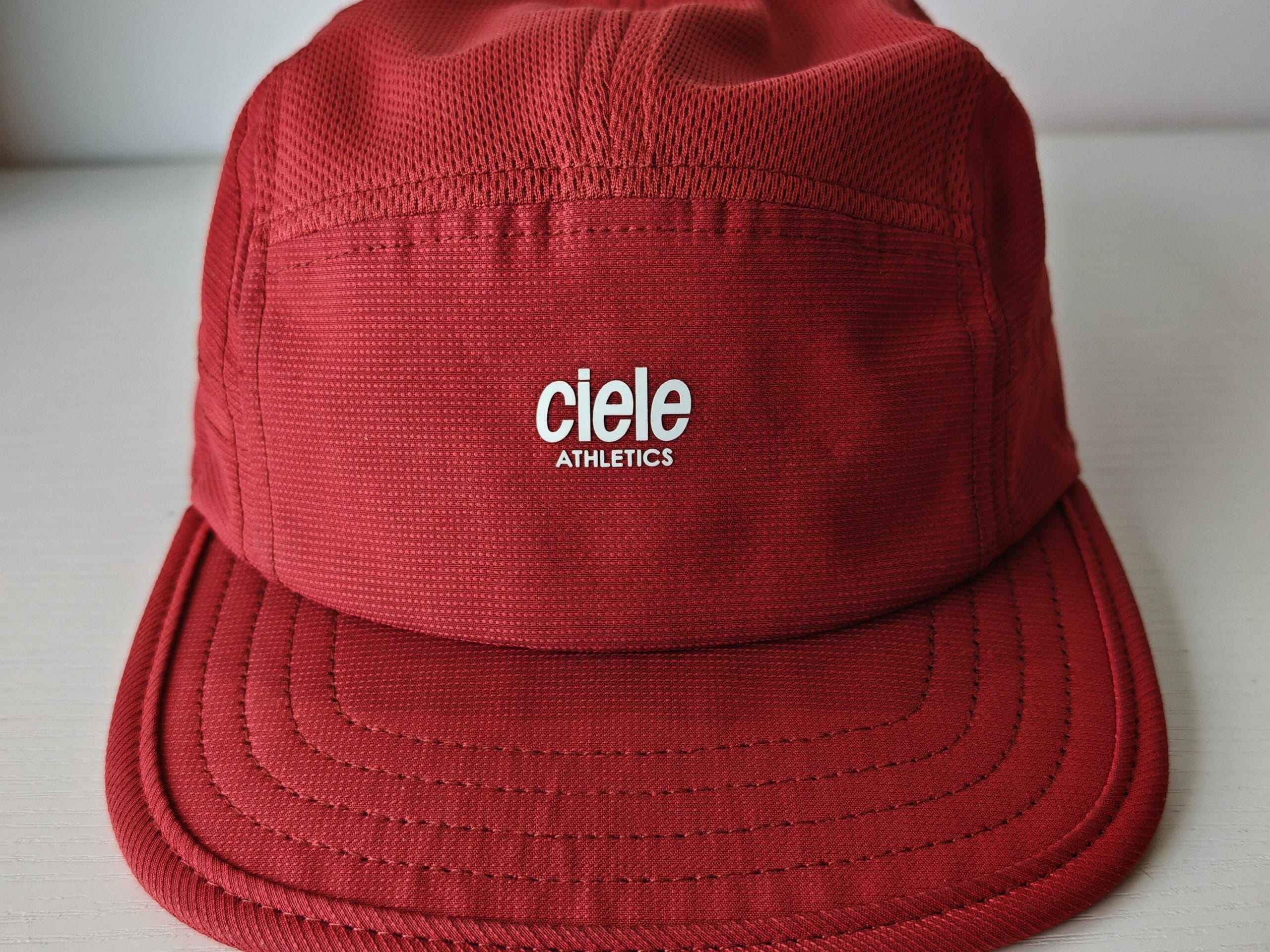
Pull-over style lets you add protection without removing boots. Lightweight and breathable for the Rockies’ afternoon thunderstorms or Pacific coast drizzle. - Cap – Ciele Athletics ALZCap
Breathable sun protection that folds into pockets. Essential for exposed alpine meadows, ridgelines, and glacier approaches where shade is scarce. - Gloves – Montane Windjammer
Packable windproof layer that cuts chill without the bulk of a waterproof jacket. Highly breathable for moving fast on exposed ridges or windy alpine traverses. Works as an outer layer in dry conditions or under your waterproof when temperatures drop. Essential for the Rockies, where wind is often more of a factor than rain. - Buff – Buff Merino Wool
Thin merino gloves provide surprising warmth for their weight. Wear alone in cool conditions or layer under shell gloves for winter hikes. Touchscreen-compatible fingertips let you use GPS or a camera without exposing your hands. Natural odour resistance means they stay fresh on multi-day trips.
Canada Hiking Gear List: Technology
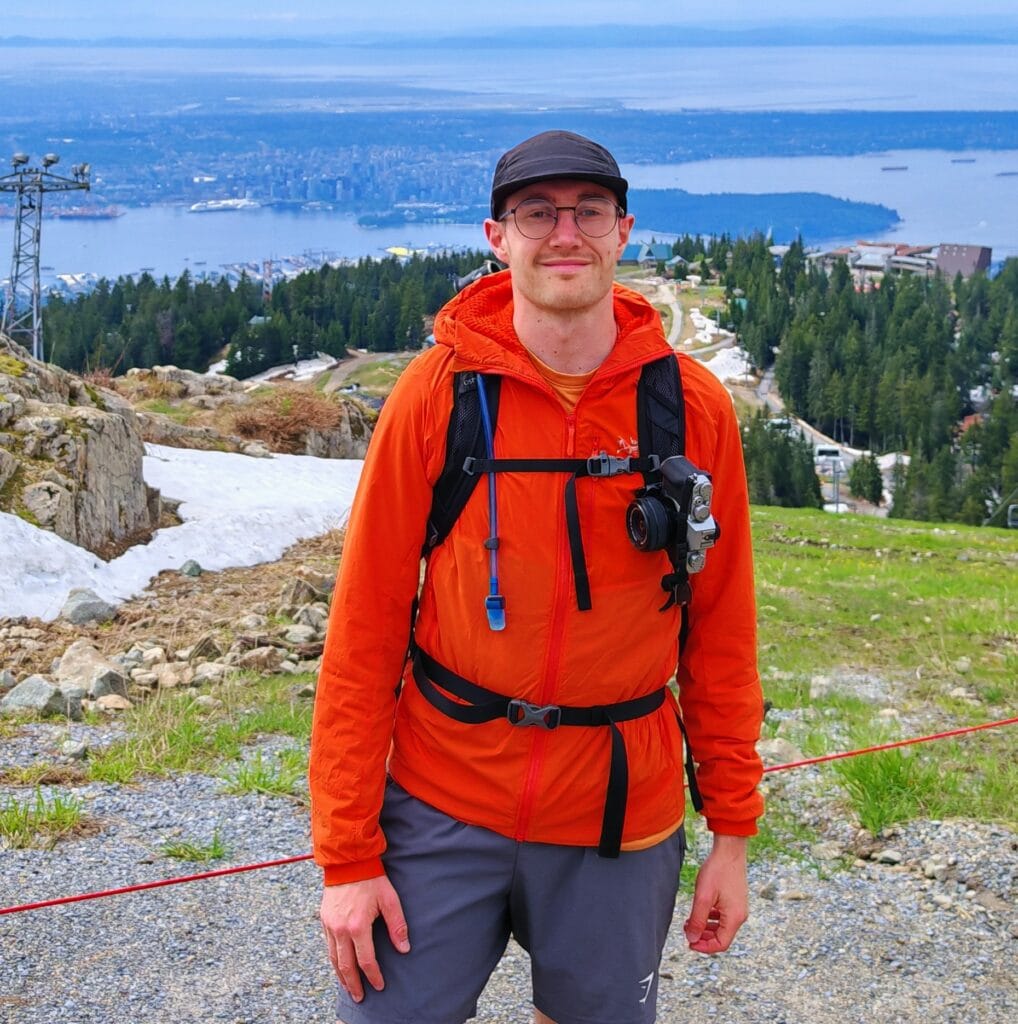
- Camera – Fujifilm X-T30 Mirrorless
Compact travel camera captures Canadian vistas without the weight of a DSLR. The 15-45mm lens handles wide mountain panoramas and wildlife at a distance. I use a Capture Clip to attach my Fujifilm to my Osprey for quick, secure and easy access. - Tripod – Joby GorillaPod 1K Kit
Flexible legs wrap around trees or rocks for self-portraits at viewpoints. Minimal weight for the creative options it enables. - Power Bank – Anker 325 (Optional)
Keeps devices charged on long trail days or multi-day trips. Consider a smaller 10,000mAh option to save weight on day hikes. - Wallet – Cash and Cards
Remote Canadian trailheads may lack cell service for digital payments. Carry cash for parking fees, backcountry camping permits, or post-hike meals. - Phone – Emergency Essential
Beyond photos, it’s your lifeline—download offline maps beforehand. Cell coverage is spotty in the backcountry; don’t rely on it for navigation.
Canada Hiking Gear List: Food & Drink
- Lunch – Pasta or Sandwich
Carb-heavy lunch provides sustained energy for afternoon climbs. Pack in a sealed container to prevent bear attractants or leaks in your pack. - Energy Bars & Gels – Nature Valley, MyProtein
Quick fuel for steep sections. Carry 200-300 calories per hour of hiking as a guideline. Emergency gel provides a boost when you hit a wall. - Hydration Tablets & Water – High5 Zero
Electrolytes prevent cramping on hot days or high-elevation hikes. Start with 3L for full-day alpine routes or dry conditions. The Gregory 3D Hydro handles this capacity perfectly. - Spork – Sea to Summit Delta
Lightweight eating utensil with an integrated knife edge. Easier than carrying separate cutlery and doubles for food prep tasks.
This Hiking Gear List has only used products paid for with my own money. I enjoy researching outdoor equipment and hiking clothing to find the best items for my budget and future adventures.
Day Hiking Essentials for Canada
Canada Hiking Gear List: Summary
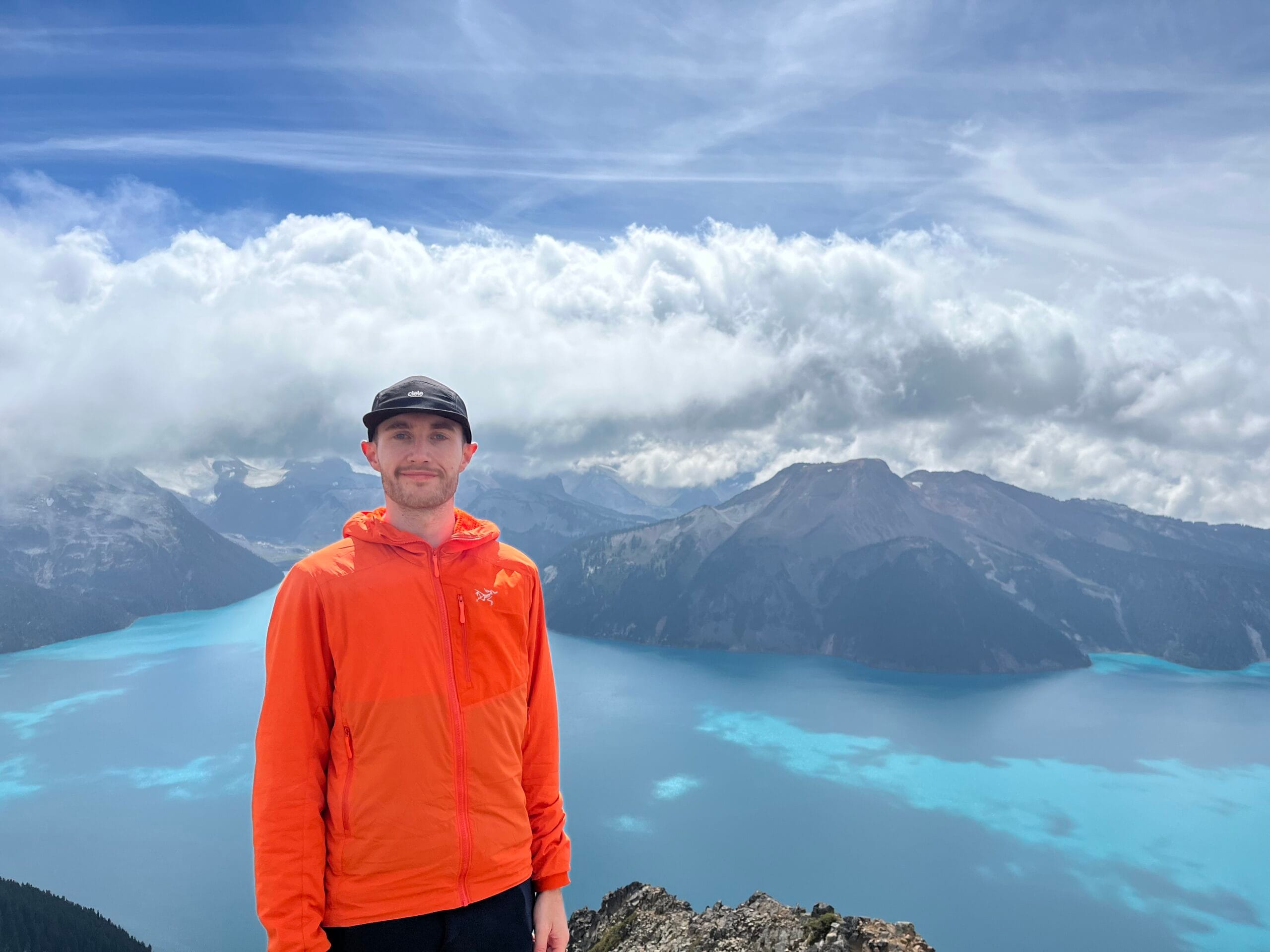
A reliable Canada hiking gear list should be built around safety first, then comfort and performance. Canadian trails can be wild, remote and exposed, especially in places like Banff, Jasper, Vancouver Island and the wider Canadian Rockies. Weather can change quickly, phone signal can disappear, and even popular hikes can become serious if you are underprepared.
For most hikers, the core Canada hiking essentials are simple: a comfortable day pack, reliable hiking footwear, waterproof clothing, a warm layer, navigation, enough water, extra food, first aid, emergency shelter and bear spray where appropriate. These items help protect against the biggest risks on Canadian trails, including cold, rain, dehydration, injury, poor visibility, wildlife encounters and unexpected delays.
The exact kit you need will depend on the trail, season and location. A short forest walk near town will require less than a long alpine hike in the Canadian Rockies, but every route still deserves proper preparation. A good day hiking gear list should be flexible enough to adapt to hot summer trails, wet coastal hikes, windy ridgelines and cold mountain mornings.
Overall, this hiking gear list Canada guide is designed to help you pack smarter for day hikes without carrying unnecessary weight. Choose dependable layers, supportive footwear, practical safety tools and an emergency kit to stay self-sufficient. With the right Canadian Rockies hiking gear and a sensible approach to planning, hiking in Canada becomes safer, more comfortable and far more enjoyable.
Canada Hiking Gear List: FAQs
What should I pack for hiking in Canada?
For hiking in Canada, pack the 10 essentials, including navigation, illumination, sun protection, first aid, a knife or repair tool, fire starter, emergency shelter, extra food, extra water and extra clothing. For Canadian trails, you should also consider bear spray, a water filter, waterproof layers, warm insulation, bug spray and a GPS or satellite messenger.
Do I need bear spray for hiking in Canada?
Yes, bear spray is strongly recommended for hiking in many parts of Canada, especially in areas with black bears, brown bears or grizzly bears. Bear spray should be carried somewhere instantly accessible, such as a hip belt or external pack strap, rather than buried inside your backpack
What are the 10 essentials for hiking in Canada?
The 10 essentials for hiking in Canada are navigation, illumination, sun protection, first aid, knife or repair tools, fire starter, emergency shelter, extra food, extra water or filtration, and extra clothing. These items help you stay safer if the weather changes, the trail takes longer than expected or an emergency happens.
What should I wear for day hiking in Canada?
For day hiking in Canada, wear moisture-wicking base layers, hiking trousers or shorts, supportive footwear, hiking socks, a waterproof jacket and pack an insulating layer. Canadian weather can change quickly, especially in the mountains, so carrying waterproof rain gear, gloves and a warm hat is sensible even on summer hikes.
How much water should I carry for hiking in Canada?
For a full-day hike in Canada, carrying around 3 litres of water is a good starting point, especially in dry, exposed or high-elevation areas. A water filter or purification tablets are useful backups for longer routes where safe water sources may be available.
Do I need a GPS or satellite messenger for hiking in Canada?
A GPS device or satellite messenger is highly recommended for remote Canadian hikes where phone signal is unreliable. A device such as a Garmin inReach can provide navigation, location sharing and emergency SOS communication when cell service is unavailable.