
Photography and travel are a classic combination, where beautiful places and lasting memories come together. We live in a generation where a phone can capture impressive images with almost no effort, and for many trips, mobile photography is more than enough. But despite how good phone cameras have become, there is still a noticeable gap in image quality, creative control and depth compared with a proper DSLR or mirrorless camera.
For years, I enjoyed the ease of taking travel photos on my phone, but eventually I wanted something that felt more intentional, creative and capable. That led me to the Fujifilm X-T30, a compact APS-C mirrorless camera that promised excellent image quality, retro styling, Fujifilm film simulations and a lightweight body that made sense for travel photography.
In this Fujifilm X-T30 review, I’ll explain why I chose Fujifilm over popular Canon, Nikon and Sony alternatives, with advice from my professional photographer cousin helping guide the decision. I’ll cover the camera’s strengths, weaknesses, image quality, travel performance, film simulations, second-hand value and whether the Fujifilm X-T30 is still one of the best affordable travel cameras to buy.
Field Note: This guide contains affiliate links. If you purchase gear through these links, I may earn a small commission at no extra cost to you. I only recommend equipment I have personally mountain-tested and trust.
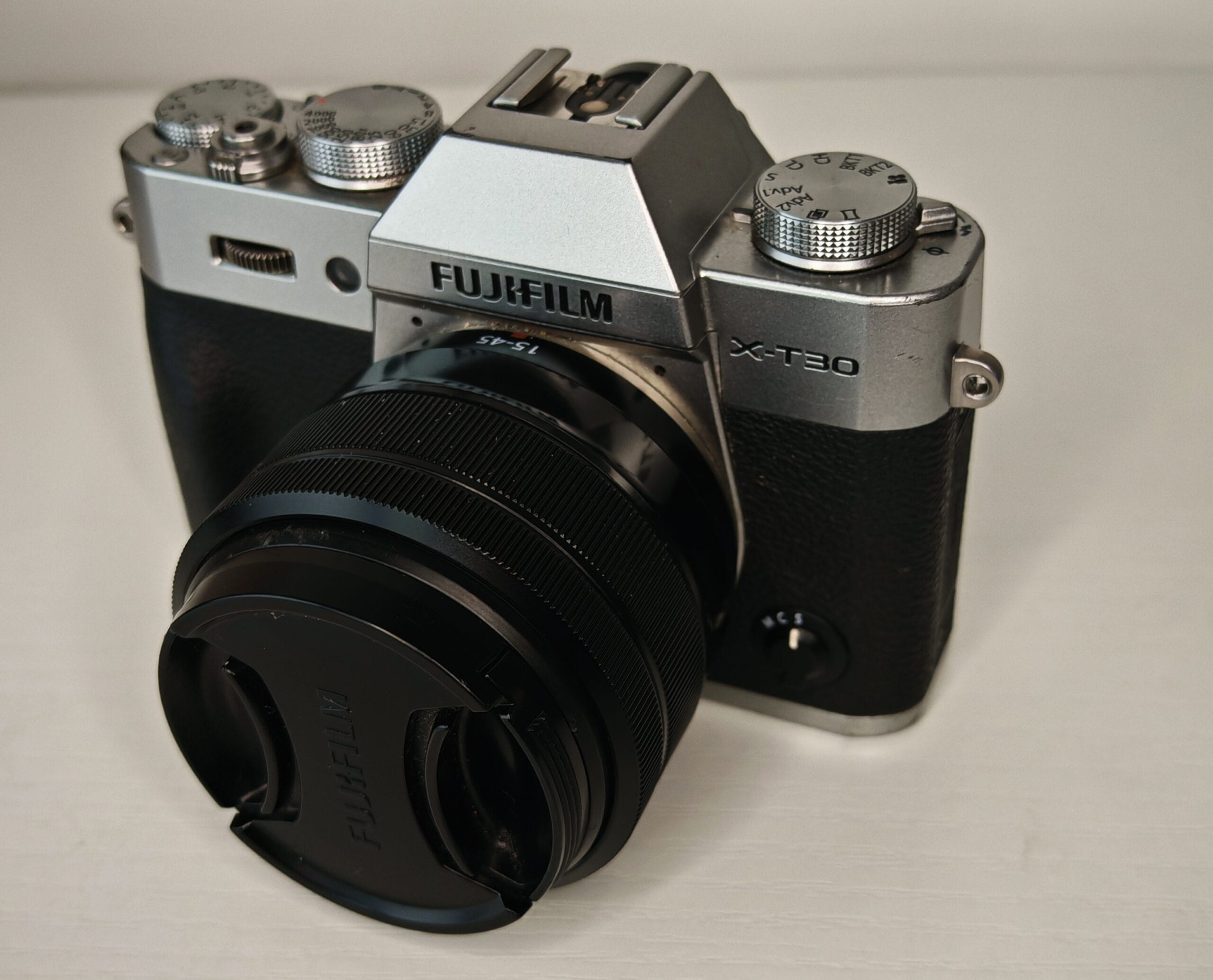
Fujifilm X-T30 Overview
- Camera Type Mirrorless APS-C camera
- Lens Mount Fujifilm X-Mount
- Sensor 26.1 megapixel APS-C sensor
- Original Price $999 USD / $750 body only
- Used Price 2025 $600–$900 USD
- Pros Excellent image quality, compact retro design, strong autofocus, film simulation colours, entry-level price
- Cons No in-body stabilisation, limited weather protection, modest battery life

Before diving into why the Fujifilm X-T30 is one of the best travel cameras available, the world of cameras is incredibly confusing. If you’re starting and need some guidance, I’ve written a short introduction to Photography and Camera Basics from an amateur’s point of view. It covers the basic types of cameras, settings and what to consider when buying a camera.
There is a lot of advice out there which can get overwhelming, from experts talking about complex technical details that sound alien to people beginning their photography journey. Throughout the blog, there are a variety of photos included to show the versatility of the Fujifilm X-T30 as well as for me to share my favourite photographs, which will be included in the Photography Gallery page.
Fujifilm: The Original Film Masters
Fujifilm stands out in the camera world by blending beautiful design, exceptional colour science, and a photographer-first shooting experience that few brands can match. Their cameras deliver stunning, film-like colours straight out of the camera thanks to Fuji’s iconic film simulations, making photography feel creative and intuitive without heavy editing. What I love about the film simulations is they photos look amazing with no to minimal post-production needed.
Each Simulation has its own character and allows for the same moment to be captured in such differing styles; it truly unlocks the inner creative. Generally, the compact, lightweight bodies paired with tactile dials and a retro aesthetic make them fashionable and perfect for travel and everyday shooting. Add in a sharp, portable lens lineup and fast, reliable performance, and Fujifilm offers a system that’s not just technically impressive, but genuinely fun to use.

Fujifilm X-T30 Introduction
When you’re exploring the world—whether wandering colourful Christmas markets in Europe, road-tripping across mountains, or getting lost in the backstreets of a new city—you want a camera that captures the moment exactly the way it felt. Something lightweight, reliable, and capable of producing images with character and precision. For many travellers, myself included, that is the Fujifilm X-T30 Camera.
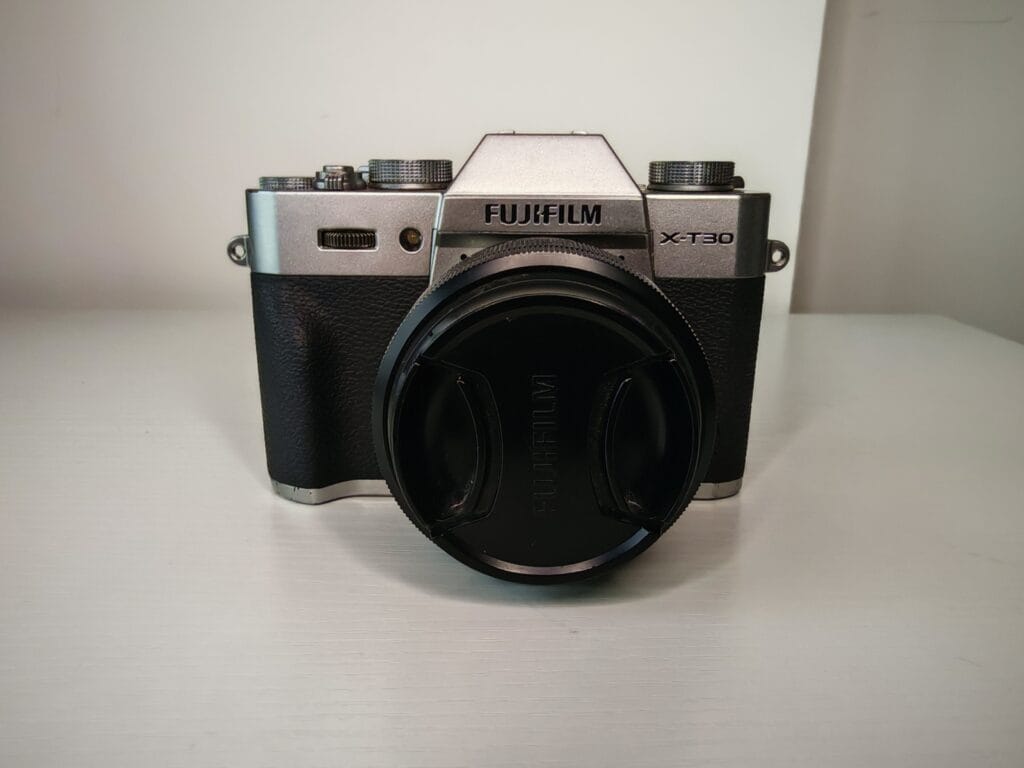
Designed as part of the X Series (see more below), the X-T30 has 3 generations with the same aesthetics and minor improvements over the years. The original RRP price was $999 USD for the body only, then a 14-45mm lens and 18-55mm lens kit offered for up to $1300. This review specifically pertains to the 1st Generation X-T30 with a 15-45mm lens, which I purchased for £700 ($ 935 USD) second-hand.
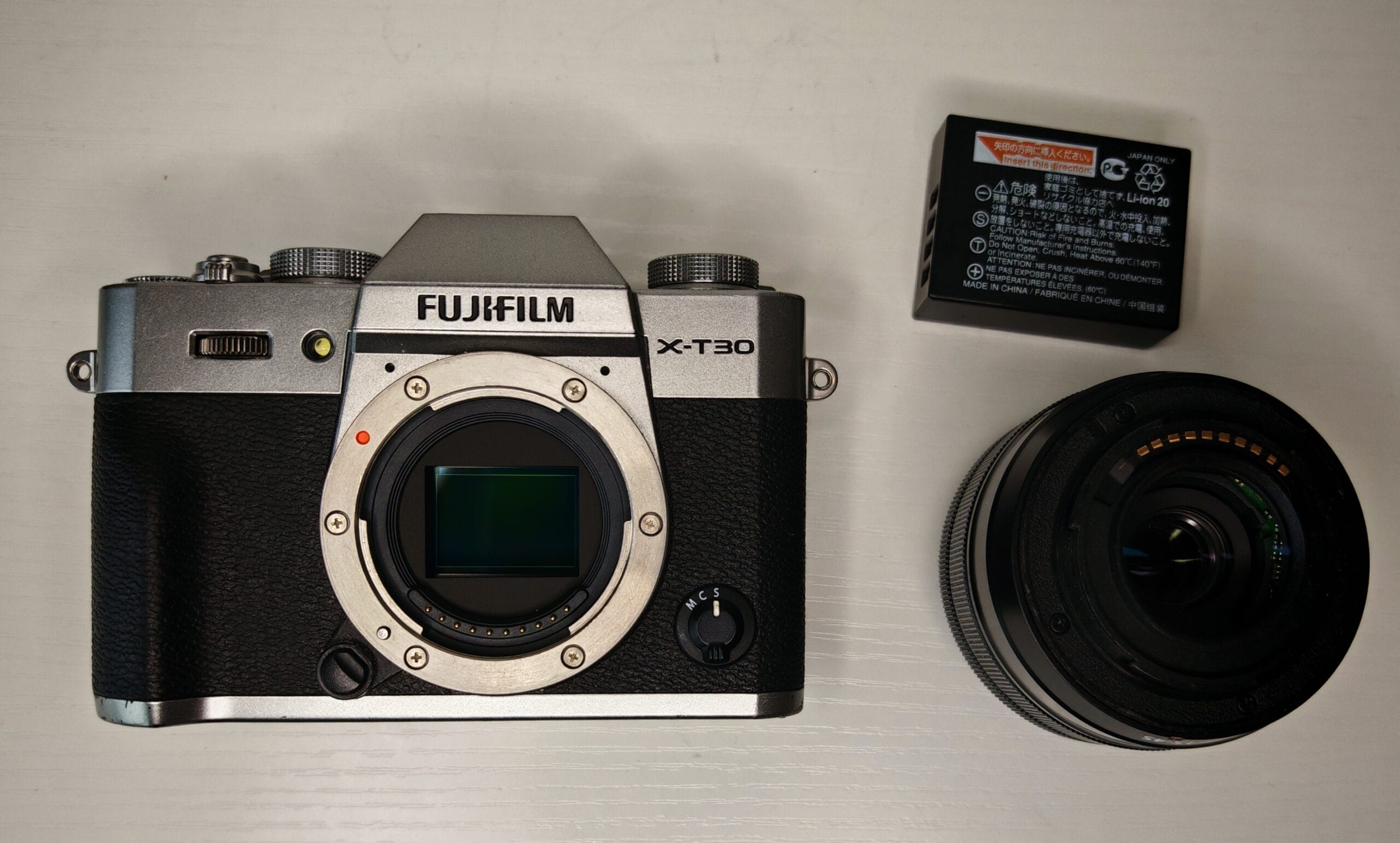
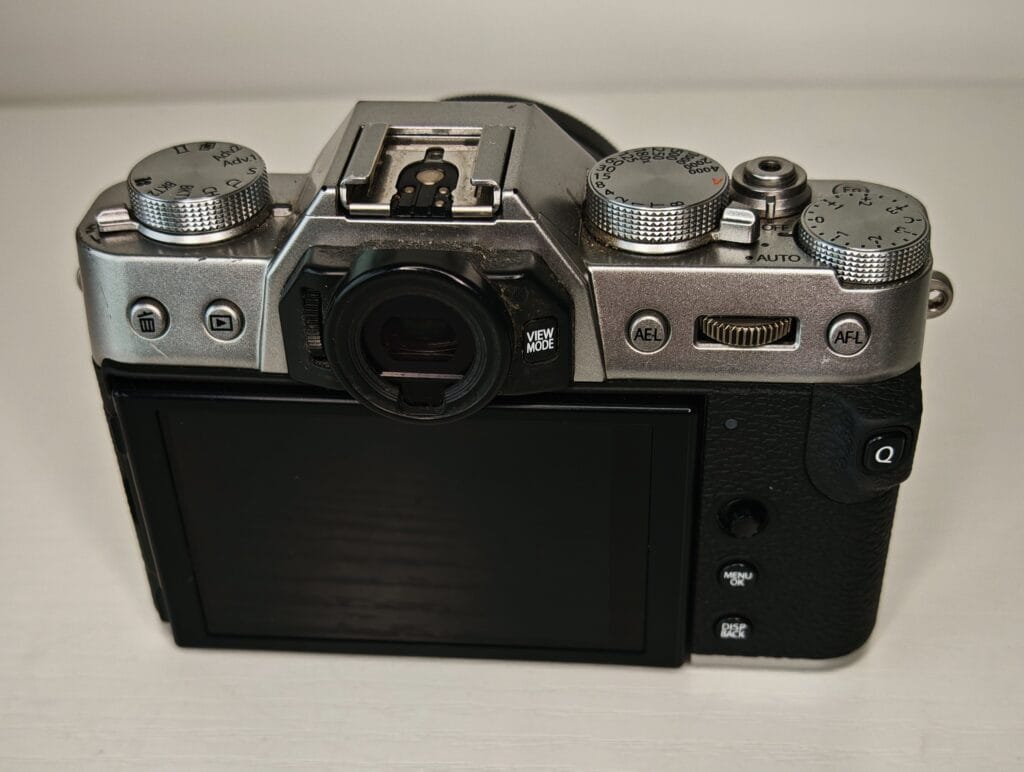
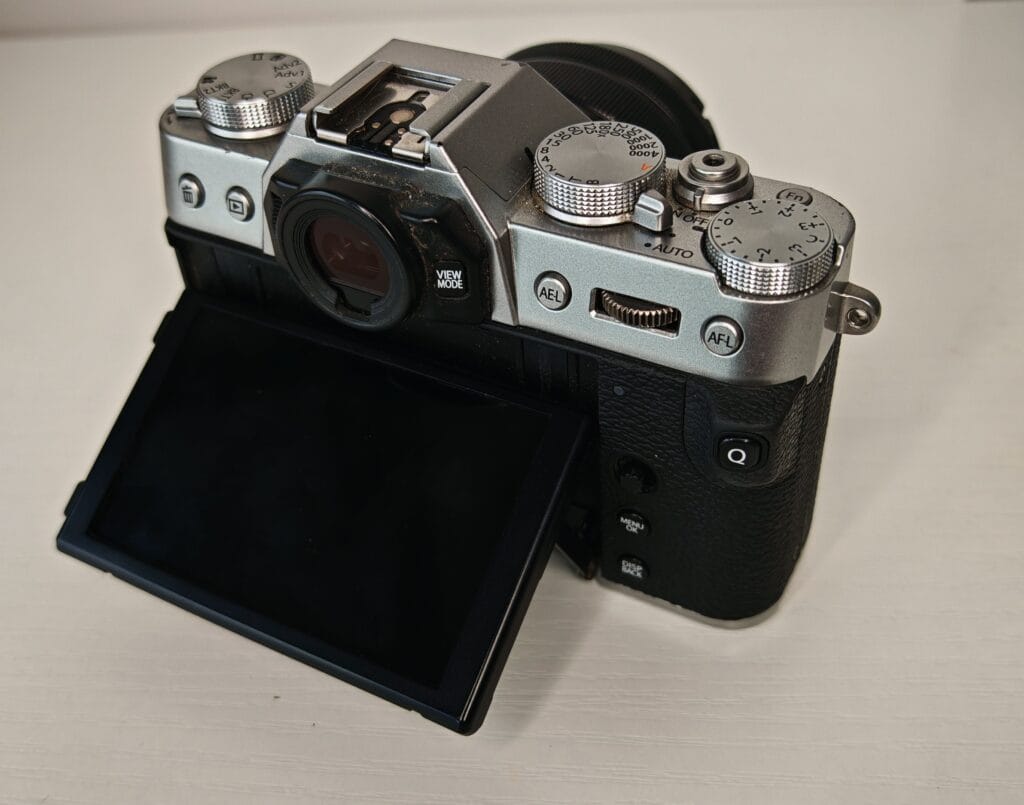
The features that make the Fujifilm X-T30 stand out are the compact size combined with the high-quality APS-C sensor and dial-based functionality, which makes this camera fun and creative to shoot with the film simulations. The rear tilting touchscreen, built-in flash and reliable fast performance make the X-T30 easy to reach for and convenient for travelling with to capture the special memories. One of the main reasons I chose the Fujifilm X-T30 was to use it when backpacking and trekking, thanks to its lightness and creative options.
This is why I’ve included the Fujifilm on the Trekking and Hiking Packing Lists. Before buying the Fujifilm X-T30, I spoke with my cousin Alex, who is a professional sports photographer, to get his opinion and recommendations. He strongly recommended getting a Fujifilm X Series for the film simulations and top-end specs provided for travel photography. Alex also suggested the Sony ZV-E10 as a great all-around camera with strong vlogging abilities.
Fujifilm X Series Intro
The Fujifilm X Series is a range of mirrorless cameras designed for photographers who value image quality, creativity, and portability. Built around APS-C sensors, X Series cameras deliver excellent detail, dynamic range, and low-light performance in bodies that are far smaller and lighter than traditional DSLRs. What truly sets them apart is Fujifilm’s legendary film simulations, which recreate classic film looks with beautiful colour and contrast straight out of the camera.
From beginner-friendly models like the X-T200 ($700 USD new but now discounted) to enthusiast and professional favourites such as the X100VI ($1800USD), X-T5 ($2000USD), and X-H2 ($2800). Generally, the lower the digits in the model name, the better the camera, such as X-T5 being superior to X-T30. The Fujifilm X-T30 sits in the middle of the lineup. Overall, the X lineup offers tactile manual controls, retro-inspired design, fast autofocus, and a superb range of compact X-mount lenses. Whether you’re shooting travel, street, landscapes, portraits, or video, the Fujifilm X Series is built to make photography feel intuitive, creative, and genuinely enjoyable.
Fujifilm X-T30 Technical Specs
When entering the world of photography, there is a lot of technical jargon to get your head around. Some of the basics are covered above to help you understand these technical specs for the Fujifilm X-T30. The main 3 specifications are the sensor type, image processor and lens mount below:
- Sensor: 26.1 megapixel APS-C sensor (23.5 × 15.6 mm), type X-Trans BSI-CMOS 4
- Image Processor: X-Processor 4
- Lens Mount: Fujifilm X mount (interchangeable lenses)
The key technical specs for Image & Focus, as well as Exposure, Iso and Shutter Speeds
- Max image resolution: 6240 × 4160 (3:2 aspect ratio)
- Autofocus: Hybrid AF — phase detection + contrast detection; 425 AF points
- Focus modes: Single-shot AF, Continuous AF, Manual focus; Face and Eye detection supported.
- ISO range (native): 160–12,800
- Extended ISO: 80 (low) up to 51,200 (high)
- Shutter speeds: Mechanical: 1/4000 s to 900 s (≈ 15 minutes), Electronic: up to 1/32,000 s to 900 s
- Exposure modes: Program, Aperture Priority, Shutter Priority, Manual. Exposure compensation ±5 EV (in 1/3 EV steps)
For the Video performance, these are the key specs:
- Video: 4K video (DCI/UHD 4096×2160 / 3840×2160) up to 30 fps. Full HD is also supported
- Viewfinder: Built-in electronic viewfinder (EVF), ~2.36 million dots, 100% coverage, 0.62× magnification (35 mm equiv)
- LCD: 3.0″ tilting touchscreen, ~1.04 million dots
Additional specs that are good to know when considering buying
- Storage: Single SD/SDHC/SDXC (UHS-I) card slot
- File formats: JPEG, 14-bit RAW (RAF), RAW + JPEG
- Lens compatibility: All Fujifilm X-mount lenses (primes, zooms, etc.)
- Built-in flash: Yes, with a hot-shoe for external flashes to be attached
- Battery: Uses NP-W126S rechargeable lithium-ion battery
- Body type: Compact, SLR-style mirrorless — small and travel-friendly.




Fujifilm X-T30: Key Selling Points for Travel Photography
1. Compact and Lightweight
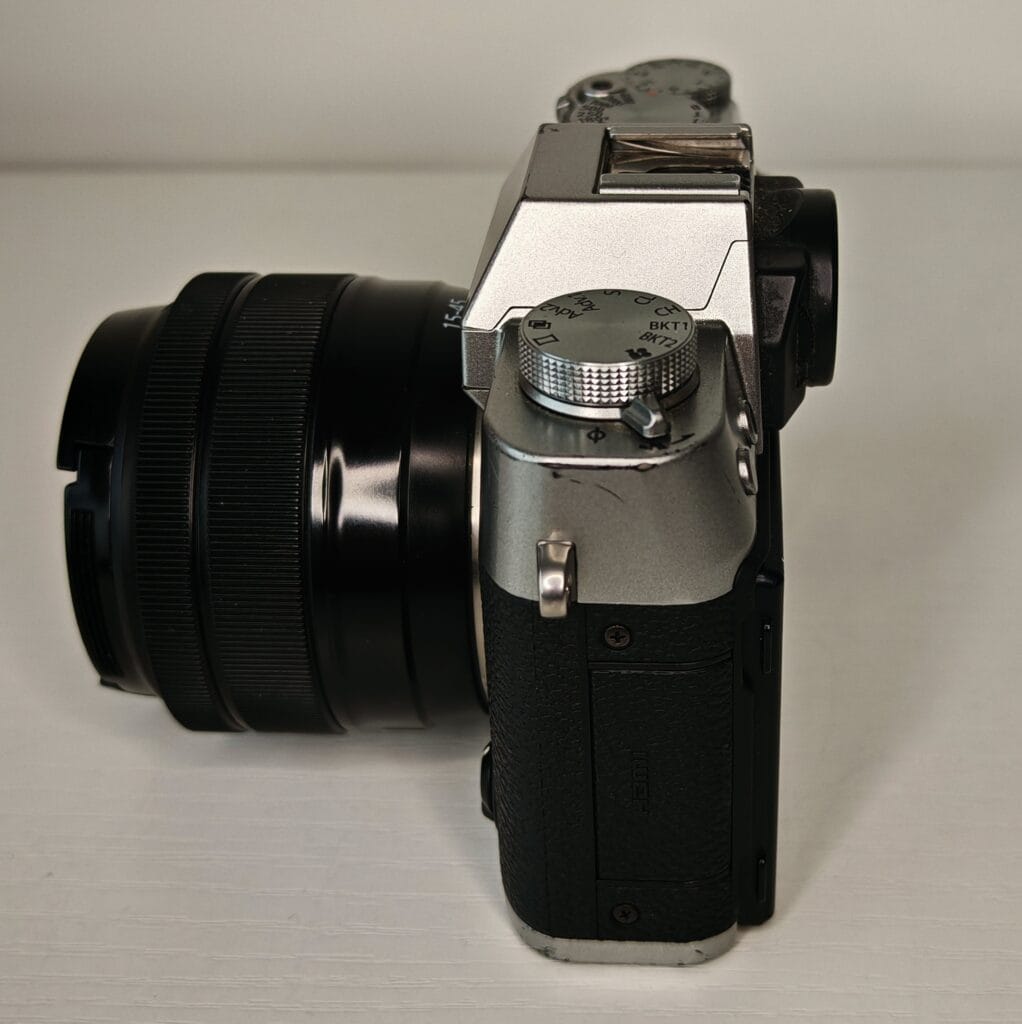
Travel gear needs to stay light, and the X-T30 nails portability. Weighing just 383 grams for the body, it’s worlds lighter than most DSLR setups while still offering the tactile control of a “real camera” and respectable battery life. Its compact body frees you to explore all day without shoulder ache and allows easy one-handed shooting. Despite a plastic construction, the body feels solid and premium in hand.
The small size and weight mean a dedicated camera bag is not required. Instead, I use a Fjallraven Hip Bag to store the X-T30, a 27mm prime lens and spare batteries. Otherwise, slip it in a daypack, like the Osprey Hikelite 18, or sling it across your body with a strap for easy access on the go. For Trekking, I use a Peak Design Capture Clip attached to my Osprey Atmos AG 50 Backpack so my camera is securely attached and within reach to avoid constantly unloading my pack.



2. Fuji’s Legendary Colour Science
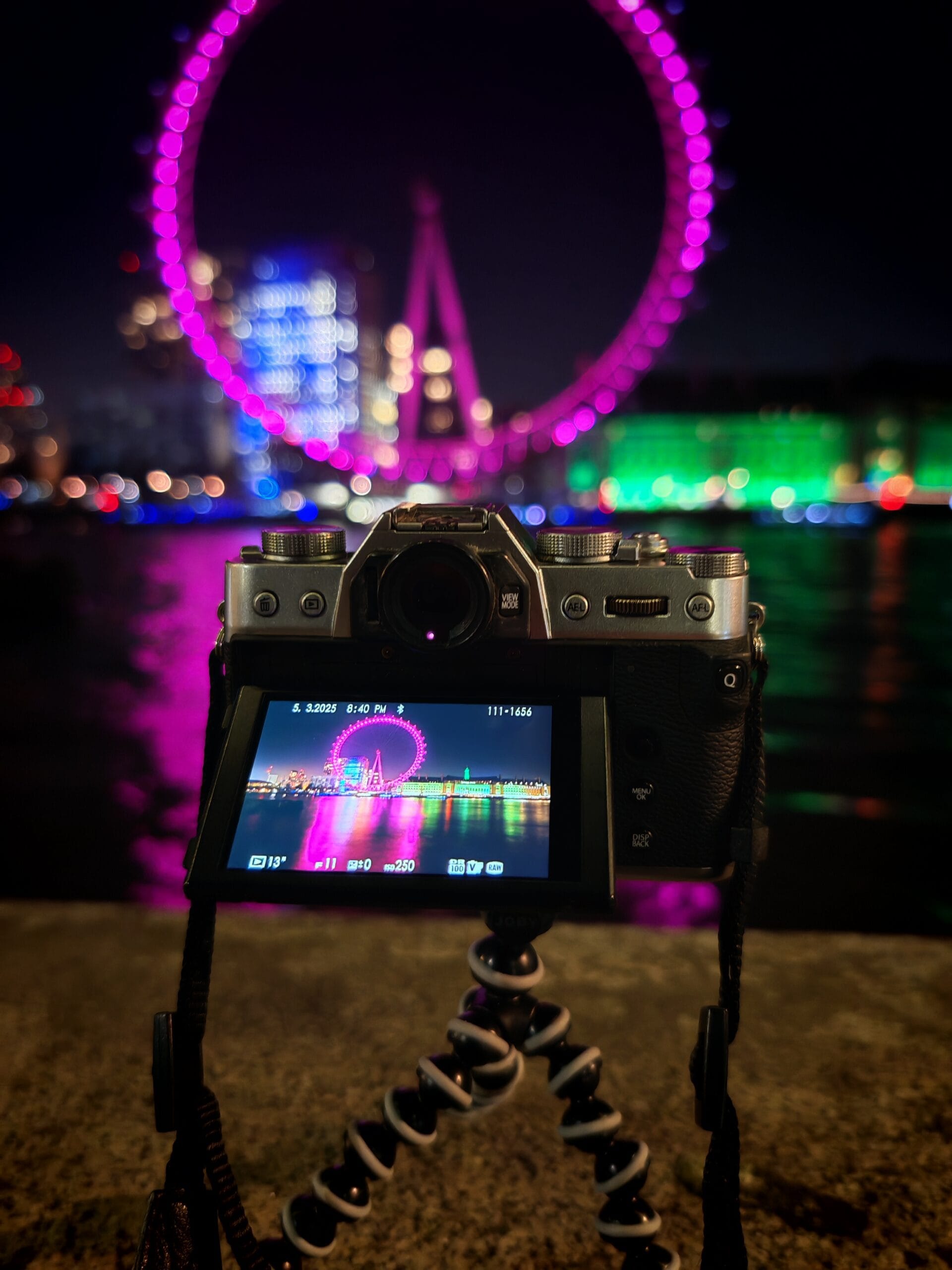
The X-T30 delivers stunning images straight out of the camera thanks to Fuji’s film simulations. There really is little to no post-production required, so don’t stress about mastering Lightroom or Photoshop. The automatic shooting produces JPEGs with high quality, but the manual shooting mode is where the creativity begins. There are preset Film Simulation recipes loaded onto the camera, with my favourite profiles being Velvia for nature and Classic Chrome for cities. It’s possible to download other recipes and load them onto the camera, but I have not ventured into this yet. The film simulation creates a classic film feel with curated tones, saturation and contrast to give each simaultion it’s own unique character.
- PROVIA/STANDARD: Neutral, versatile, great for all subjects.
- Velvia/VIVID: High contrast, rich, saturated colours.
- ASTIA/SOFT: Soft, faithful skin tones, vivid blue skies/greens.
- Classic Chrome: Inspired by documentary magazines, muted tones.
- PRO Neg. Hi/Std: Professional portrait looks (high/standard contrast).
- Classic Neg: From the SUPERIA film, high-contrast tonal gradation.
- ETerna/CINEMA: Low saturation for a cinematic look.
- ETerna Bleach Bypass: Applies a bleach bypass effect to Eterna.
- ACROS: High-quality black & white with smooth tones.
- Monochrome & Sepia: Classic black & white and warm tones.




3. Dials, Controls & Retro Style
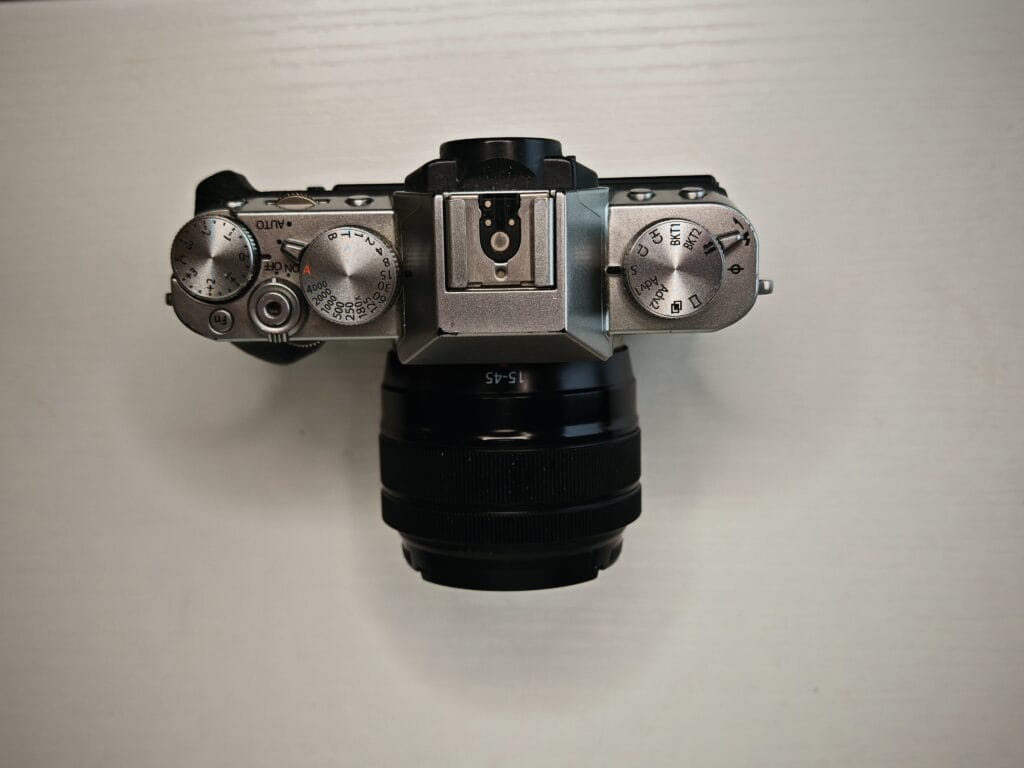
I would be lying if I said the retro style of the Fujifilm was not very appealing. I love the old-school classic charm of the camera, which makes it stand out from the crowd. With the manual dials for shutter speed, exposure compensation and the lens aperture control, the Fujifilm gives a hands-on experience. This allows you to instinctively swap shooting settings to capture the right feel for the scene and is engaging to compose with. The Fujifilm X-T30 camera is simply aesthetically perfect and looks great in photos as well as taking photos. I find people are more than happy to shoot (in auto mode) with the Fujifilm as it’s less intimidating than bigger, more complex DSLR cameras.



4. Excellent Autofocus and Performance
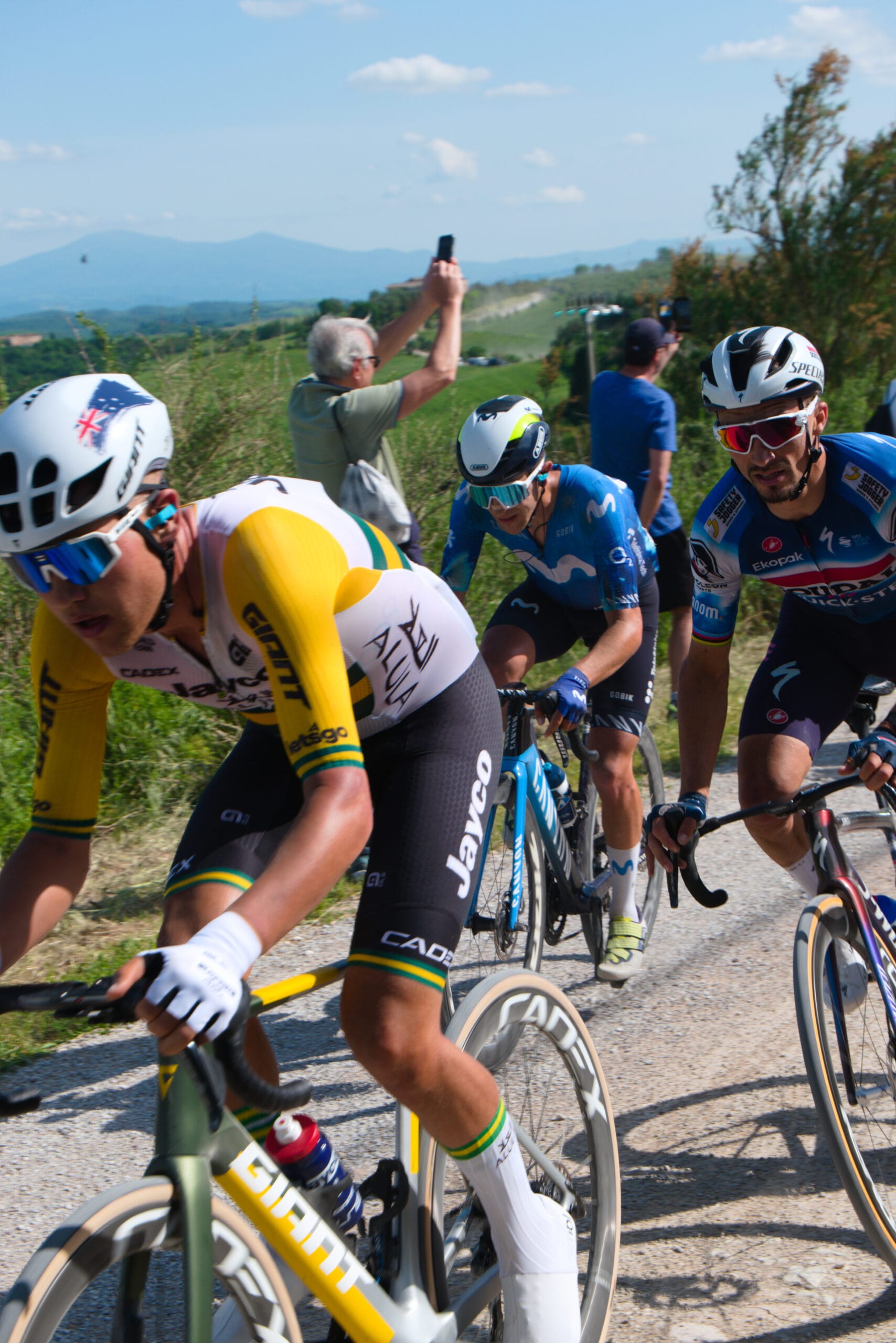
Whether you’re capturing a bustling market, wildlife on the move, or low-light city streets, the X-T30’s 425-point phase-detect autofocus locks on quickly and accurately. It was a key selling point for me, as this gives reliable autofocusing options for single point, zone or full image. It has great face and eye detection for portraits, whilst providing reliable tracking for moving subjects. The X-Trans CMOS 4 Sensor is particularly strong in low-light performance.



5. Professional Image Quality Without the Bulk

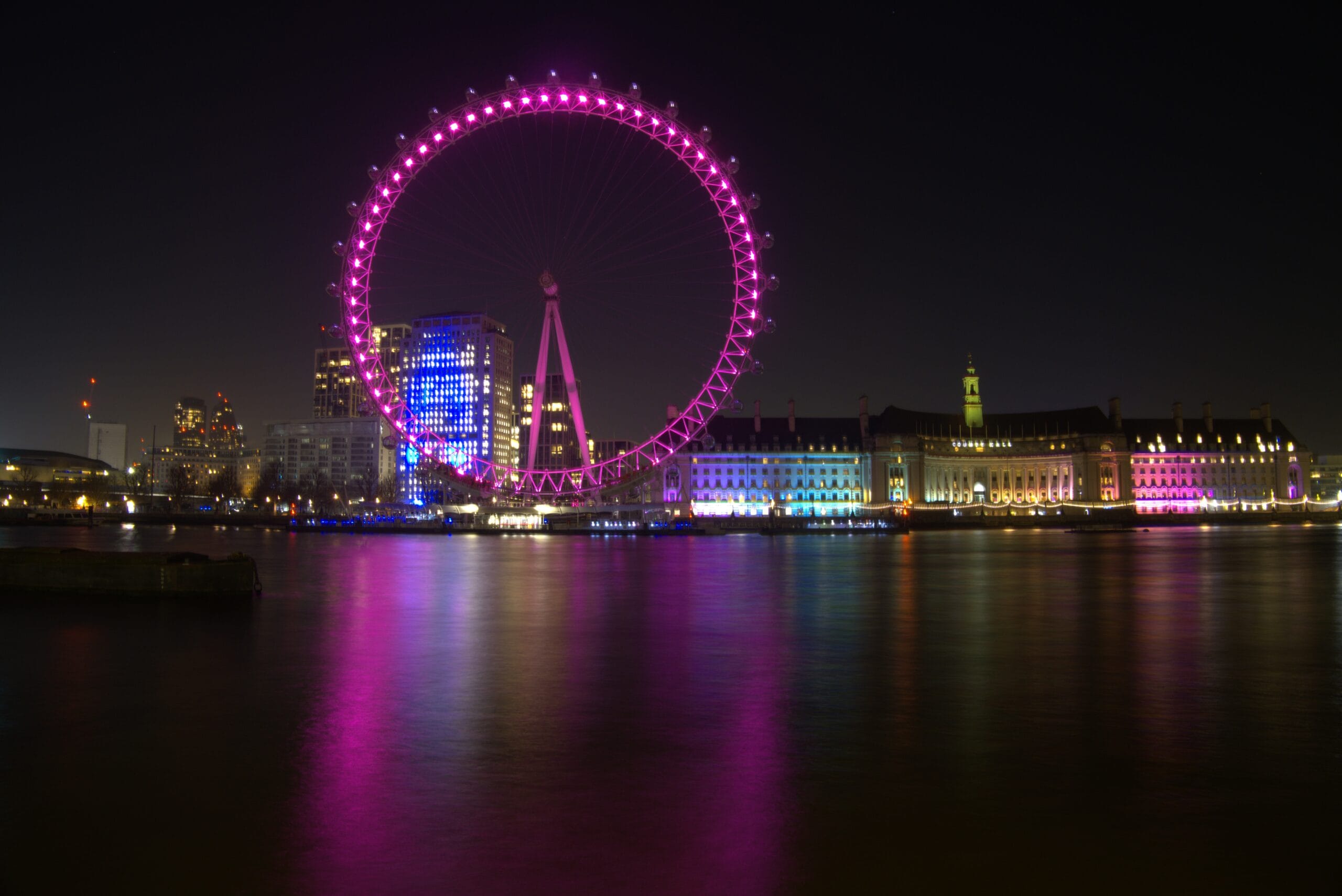
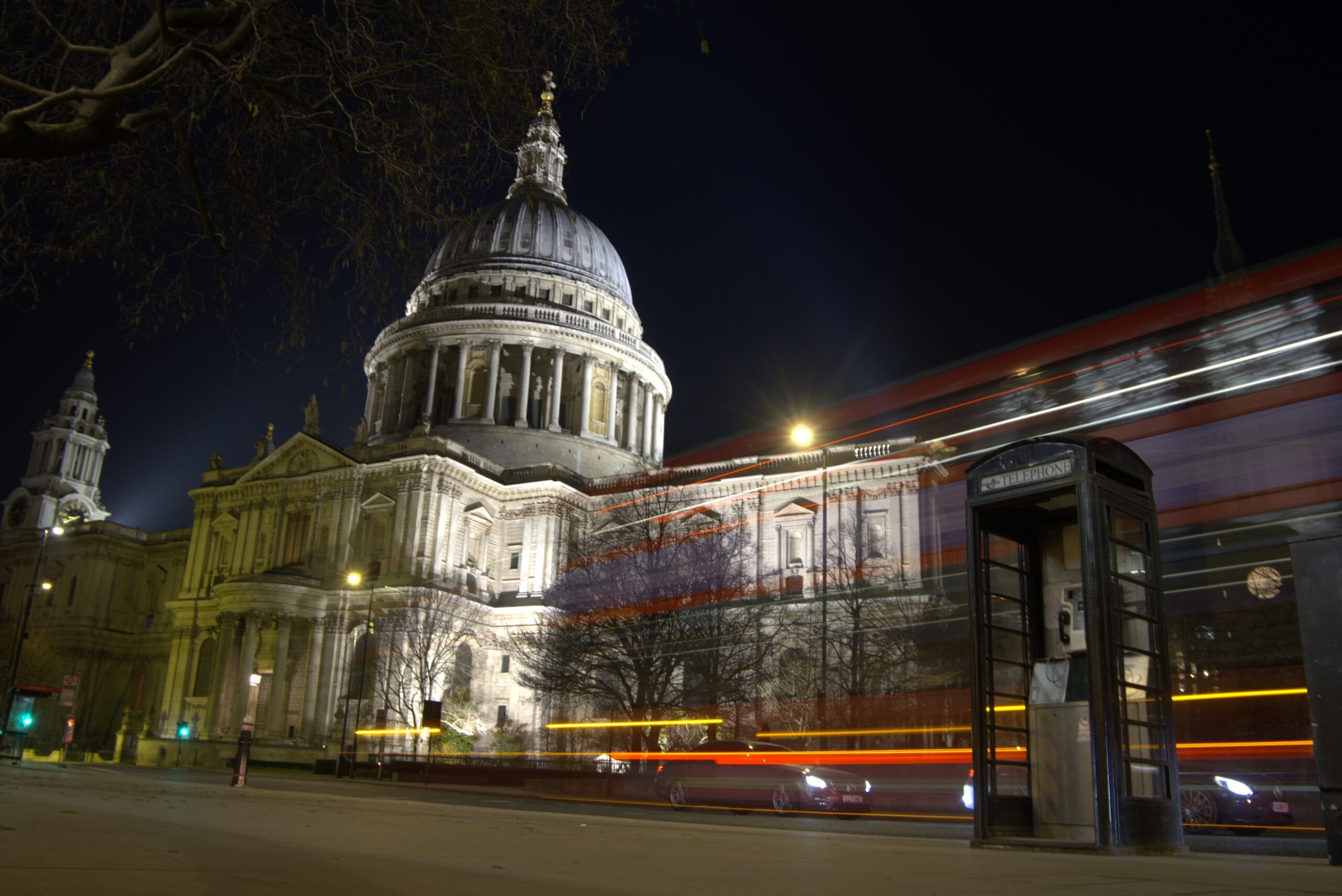
At the centre of the X-T30 is a 26.1MP APS-C sensor that punches far above its diminished weight. It was the same sensor used in the more premium and expensive Fujifilm X-T4. It produces crisp, detailed images with fantastic dynamic range. When combined with the film simulations and versatile ISO range, it creates a very diverse camera for everyday photography and is perfect for travel, when you never know what you’ll discover to capture. This can vary from golden hour landscapes, blue-hour architecture, indoor cafés with natural light, night time low light scenes without the graininess.



6. A Surprisingly Powerful Video Camera
Even though this X-T30 excels for still photography, it has great technical specifications for video. Whilst the Sony ZVE10 would be my choice for a dedicated vlogging camera, the Fujifilm allows 4K video at 30fps and 1080p up to 120fps for slow-motion. The tilting screen adds to the ease of filming, and the simulations add a cinematic touch for vlogging when travelling.
For a compact camera, the XT-30 allows travel content creators to capture videos without needing a separate camera or additional equipment. I would recommend a Gorilla tripod to help stabilise, as the X-T30 does not have in-built body stabilisation. As well as great video quality, the X-T30 excels at portrait photography, as mentioned in the autofocus performance section.




7. A Lens System Built for Travel
Fujifilm’s X-mount ecosystem is packed with compact, sharp lenses that pair beautifully with the X-T30 for travel and everyday photography. Personally, I have a Fujifilm XC 15-45mm f/3.5-5.6 OIS PZ lens that was included in the camera lens kit package. This standard lens provides a 23-69mm equivalent focal range for wide to short telephoto shots, featuring electronic zoom (PZ) for smooth video, optical image stabilisation (OIS), and impressive close-up ability (down to 2″ from the front element). The benefits of the size and value tick the boxes for an affordable travel camera; however, the plastic material and slower f/3.5-5.6 aperture are trade-offs. Other popular lenses for the X-T30 include:
- 23mm f/2 – the perfect everyday street lens
- 35mm f/2 – small, sharp, great for portraits
- 18–55mm f/2.8–4 – one of the best kit lenses ever made
- 16mm f/2.8 – wide-angle goodness for landscapes and cities
- 70–300mm – for wildlife and distant details



8. Perfect Balance of Price and Capability for Beginners
The X-T30 sits in a sweet spot for a mid-range camera, which is definitely affordable second-hand or on a discount. It’s a fantastic camera to learn the basics of photography with the manual dials and controls. This will teach the essential settings and how to get the best from the camera and film simulations. It also has room to grow into, thanks to it’s high end ASP-C Sensor, and doesn’t feel as overwhelming as more expensive camera bodies.
The X-T30 gives professional features for the price as well as a compact body, fast and easy-to-use performance, which is perfect for enthusiastic travellers, creators or anyone who wants to develop their photography skills without splashing crazy money. Warning: Photography is an expensive hobby, especially with the cost of lenses and accessories.




Fujifilm X-T30 Alternatives And Competitors
Fujifilm X-T30 II
The most obvious alternative to the Fujifilm X-T30 is the Fujifilm X-T30 II. It keeps the same compact retro-style body and Fujifilm X-Mount system, while offering refinements over the original model. It remains a strong option if you like the X-T30 concept but want a slightly newer version with improved usability and newer firmware support.
The X-T30 II is the easiest recommendation for people who already know they want Fujifilm colours, film simulations and a compact travel-friendly body. However, if the original X-T30 is significantly cheaper second-hand, the older model may still offer better value for travel photography.
Choose the Fujifilm X-T30 II if you want the safest newer version of the same camera. Choose the original Fujifilm X-T30 if you find one used at a good price and want maximum value.
Fujifilm X-T30 III
The Fujifilm X-T30 III is the newest evolution of the X-T30 line. Fujifilm lists it with a 26.1MP APS-C X-Trans CMOS 4 sensor, Fujifilm X Mount and the newer X-Processor 5, making it a more modern version of the same compact travel camera concept.
This is the better choice if you want the latest autofocus improvements, newer processing, updated film simulation handling and stronger long-term support. The trade-off is price. The original Fujifilm X-T30 is much more appealing if you are shopping used and want an affordable mirrorless camera rather than the latest model. Choose the X-T30 III if you want the newest compact Fujifilm body. Choose the original X-T30 if second-hand value matters more.
Sony A6400
The Sony A6400 is one of the strongest non-Fujifilm alternatives. It uses a 24.2MP APS-C sensor, Sony E mount and is well known for fast autofocus, strong video performance and a huge lens ecosystem. B&H lists the Sony A6400 as a direct comparison point against the Fujifilm X-T30 II, Nikon Z50 II and Canon R10 in the compact APS-C mirrorless category.
Compared with the Fujifilm X-T30, the Sony A6400 is arguably the more practical hybrid camera, especially for autofocus-heavy shooting, wildlife, action and video. However, it lacks the same retro handling and Fujifilm film simulation appeal. For me, the X-T30 feels more enjoyable and creative, while the Sony feels more efficient and technical. Choose the Sony A6400 if autofocus and video are priorities. Choose the Fujifilm X-T30 if colour, design and the shooting experience matter more.
Canon EOS R50
The Canon EOS R50 is a modern beginner-friendly mirrorless camera and a strong alternative for people entering interchangeable-lens photography for the first time. It is light, easy to use and built around Canon’s newer RF mount system. PXLMAG lists the Canon R50 among the top Fujifilm X-T30 alternatives, with a 24MP APS-C sensor and strong travel scores.
Compared with the Fujifilm X-T30, the Canon R50 is probably easier for beginners who want a simple, modern camera with strong autofocus and straightforward menus. The downside is that it does not have the same tactile retro controls or Fujifilm film simulations, which are a huge part of the X-T30’s appeal. Choose the Canon R50 if you want a simple, modern beginner camera. Choose the Fujifilm X-T30 if you want a more creative and tactile travel photography experience.
Nikon Z50 / Z50 II
The Nikon Z50 and newer Z50 II are good options for travellers who prefer Nikon handling, a comfortable grip and the Nikon Z mount system. The Z50 line is particularly appealing if you want a compact camera that still feels secure in the hand, especially with longer lenses.
Compared with the Fujifilm X-T30, the Nikon Z50 feels more conventional and ergonomic. It may suit hikers or travellers who want a deeper grip and a more DSLR-like experience. However, Fujifilm still has the edge if you want compact retro styling, film simulation colours and a more distinctive JPEG look straight out of the camera. Choose the Nikon Z50 or Z50 II if ergonomics and Nikon handling matter most. Choose the Fujifilm X-T30 if style, colour and compact creativity are higher priorities.
Fujifilm X-S10 / X-S20
The Fujifilm X-S10 and X-S20 are excellent alternatives if you like Fujifilm image quality but want in-body image stabilisation. PXLMAG lists the Fujifilm X-S20 and X-S10 as strong X-T30 alternatives, with both offering sensor-based stabilisation and Fujifilm X-Mount compatibility.
This is probably the biggest reason to choose an X-S model over the X-T30. If you shoot video, handheld low-light scenes or unstabilised prime lenses, IBIS can make a real difference. The trade-off is that the X-S bodies are slightly less classic in style and do not have quite the same compact retro feel. Choose the Fujifilm X-S10 or X-S20 if stabilisation is important. Choose the Fujifilm X-T30 if you want the smaller, more classic Fujifilm body.
Which Fujifilm X-T30 Alternative Should You Choose?
If you want the closest upgrade, choose the Fujifilm X-T30 II or X-T30 III. If you want better stabilisation, look at the Fujifilm X-S10 or X-S20. If you want fast autofocus and strong video, the Sony A6400 is a serious competitor. If you want a simple beginner-friendly modern camera, the Canon EOS R50 makes sense. If you prefer a stronger grip and Nikon handling, consider the Nikon Z50 or Z50 II.
For me, the original Fujifilm X-T30 still hits a brilliant sweet spot. It is compact, creative, stylish, affordable second-hand and produces excellent travel images without making photography feel overly complicated.
Final Thoughts: The Camera That Makes You Want to Explore
The Fujifilm X-T30 is not just a nice-looking camera from a well-known brand. It is a compact, creative and genuinely enjoyable mirrorless camera that makes travel photography feel more intentional. After researching Canon, Sony and Nikon alternatives, the combination of Fujifilm film simulations, strong image quality, a lightweight retro body and access to X-Mount lenses made the X-T30 feel like the right choice for me.
What stands out most is how fun the camera is to shoot with. The physical controls, compact size and colour science make the photography process feel more engaging than simply taking a quick phone photo. The images have a depth, sharpness and character that still impresses me, especially when travelling through dramatic landscapes, cities and mountain environments.
It is not perfect. The lack of in-body image stabilisation, limited weather sealing and modest battery life are worth considering, especially for hikers, bad-weather travel photographers or anyone shooting long days away from power. But for the price, especially second-hand, the Fujifilm X-T30 remains a brilliant, affordable travel camera for beginners, enthusiasts and anyone wanting to take photography more seriously without carrying a bulky DSLR setup.
Overall, I would still recommend the Fujifilm X-T30 if you want a compact mirrorless travel camera with excellent image quality, beautiful colours and a shooting experience that makes you want to pick it up. For me, it has been the camera that turned photography from a travel habit into a creative part of the adventure.
FAQs
Is the Fujifilm X-T30 good for travel photography?
Yes, the Fujifilm X-T30 is excellent for travel photography because it combines a compact body, 26.1MP APS-C sensor, strong image quality, Fujifilm film simulations, fast autofocus and access to lightweight X-mount lenses. It is small enough to carry all day while still producing images that feel far more detailed and creative than most phone photos
Is the Fujifilm X-T30 still worth buying?
Yes, the Fujifilm X-T30 is still worth buying if you can find it second-hand at a good price. It uses a 26.1MP APS-C X-Trans CMOS sensor, X-Processor 4 and Fujifilm X mount, which still makes it a capable mirrorless camera for travel, street, landscape and everyday photography.
What are the main weaknesses of the Fujifilm X-T30?
The main weaknesses of the Fujifilm X-T30 are the lack of in-body image stabilisation, limited weather sealing and modest battery life. For travel photography, these are manageable trade-offs, but hikers, vloggers and bad-weather shooters may need extra batteries, a weather-conscious setup or a stabilised lens.
Is the Fujifilm X-T30 good for beginners?
Yes, the Fujifilm X-T30 is a strong camera for beginners who want to learn photography properly. The physical dials, aperture controls, film simulations and manual shooting modes make it more engaging than many entry-level cameras, while automatic settings still make it easy to use when starting out.
What replaced the Fujifilm X-T30?
The Fujifilm X-T30 was followed by the X-T30 II, and Fujifilm later announced the X-T30 III in October 2025. The X-T30 III keeps the compact X-T30-style body but adds the newer X-Processor 5, a dedicated Film Simulation dial, updated autofocus and 6.2K/30p video support.