Finding the right balance of jackets for mountain adventures is a notoriously difficult task. While a bomber waterproof shell is an absolute essential, and a lofty down jacket is mandatory when the freezing weather bites back, the reality of hiking is that it is highly active and dynamic. You are constantly shifting between varying core temperatures, unpredictable weather systems, and gruelling terrains. To avoid the dreaded “sweat-and-freeze” cycle, a reliable, highly breathable, and warm midlayer is arguably the most crucial piece of your kit to prepare you for whatever is thrown your way.
When I was finally willing to invest in a premium synthetic midlayer, the ultimate showdown came down to two legendary options: the classic Arc’teryx Atom and the Arc’teryx Proton LT Hoody. In this comprehensive Arc’teryx Proton LT review, find out why this specific piece of active insulation became my absolute favourite hiking jacket, and exactly why the Arc’teryx Proton hoody is a vastly superior choice to the Atom for serious mountain pursuits.
Field Note: This guide contains affiliate links. If you purchase gear through these links, I may earn a small commission at no extra cost to you. I only recommend equipment I have personally mountain-tested and trust.
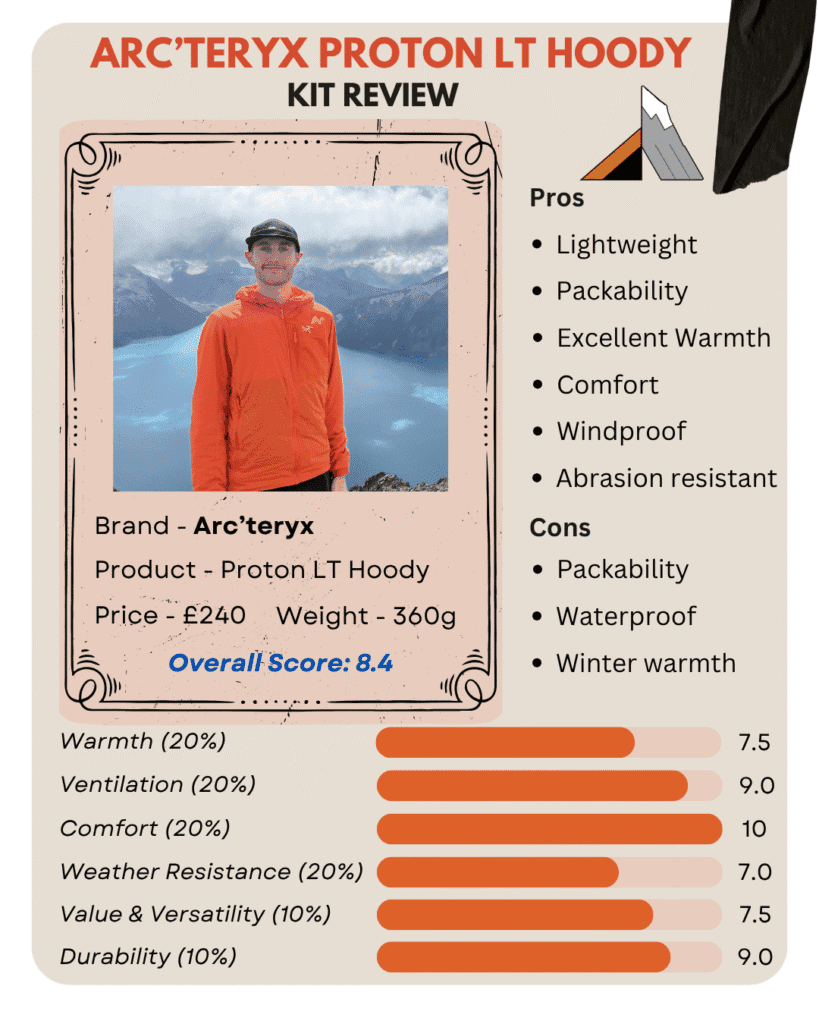

Introducing: Arc’teryx Proton LT Hoody
The Arc’teryx Proton LT Hoody is part of Arc’teryx’s Proton range, designed for climbing and high-output activities. These products are air-permeable and insulating mid-layers with a toughened and weather-resistant outer. The Arc’teryx Atom Hoody is a very similar model with higher breathability and less abrasion resistance. The Proton Men’s Jacket range used to include the Proton Hoody (Base), Heavyweight (Winter), Hybrid (ski-focused) and Lightweight/LT Hoody (Summer & Spring) variants.
However, they streamlined by combining the Base & LT into 1 jacket to create the Proton Hoody. The Proton is ideal as a versatile high-performance jacket for varying conditions and activities. Since purchasing it in 2022, this Arc’teryx Proton LT serves as my go-to outer layer when hiking, climbing or trekking or as a mid-layer when the weather is near freezing under a down jacket or waterproof hardshell. Unsurprisingly, the Arc’teryx Proton LT features in both of my Ultimate Trekking and Hiking Packing Lists.
Update: Arc’teryx have replaced the LT with the SL (Superlight), but the technical details and design are very similar. The Proton Hoody is still more insulated and warmer, which is comparable to the Arc’teryx Atom Hoody.
Tip: Use the Arc’teryx Jacket Finder to help narrow down the options!

Proton LT Key Specs
- Insulation Type Coreloft™ Compact 80 (Active Synthetic)
- Face Fabric Fortius™ Air 20 (Highly durable & breathable)
- Weight 375g (13.2 oz)
- Fit Profile Trim fit, hip length (Harness compatible)
- Best Use High-output climbing, hiking, and ski touring
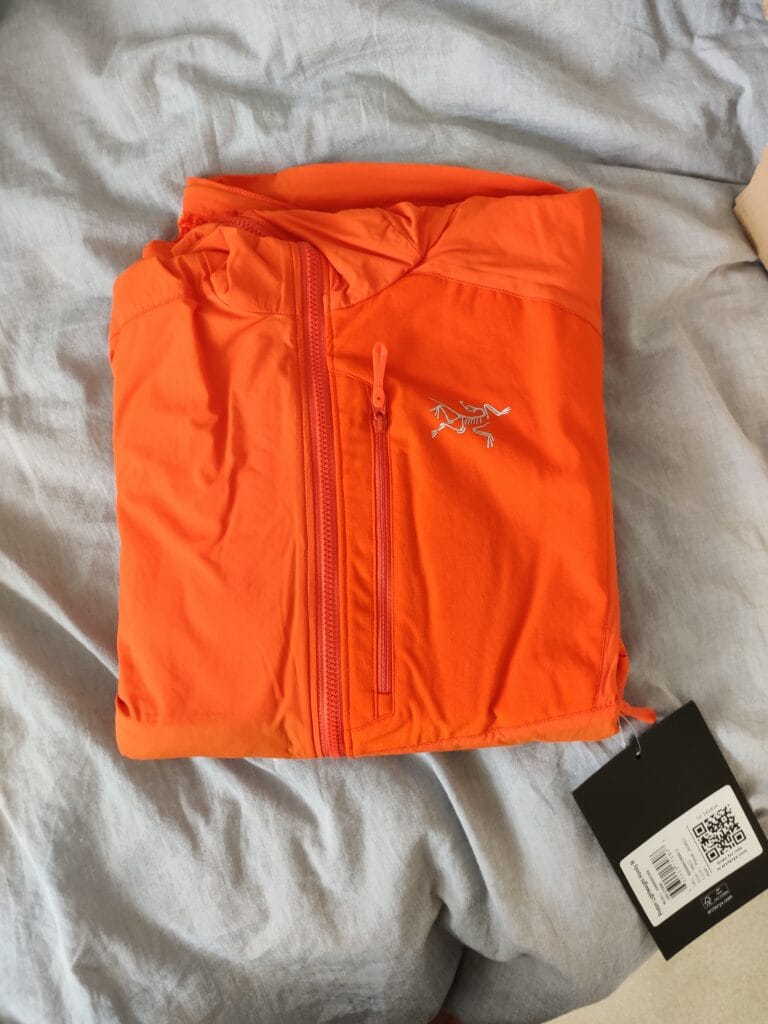
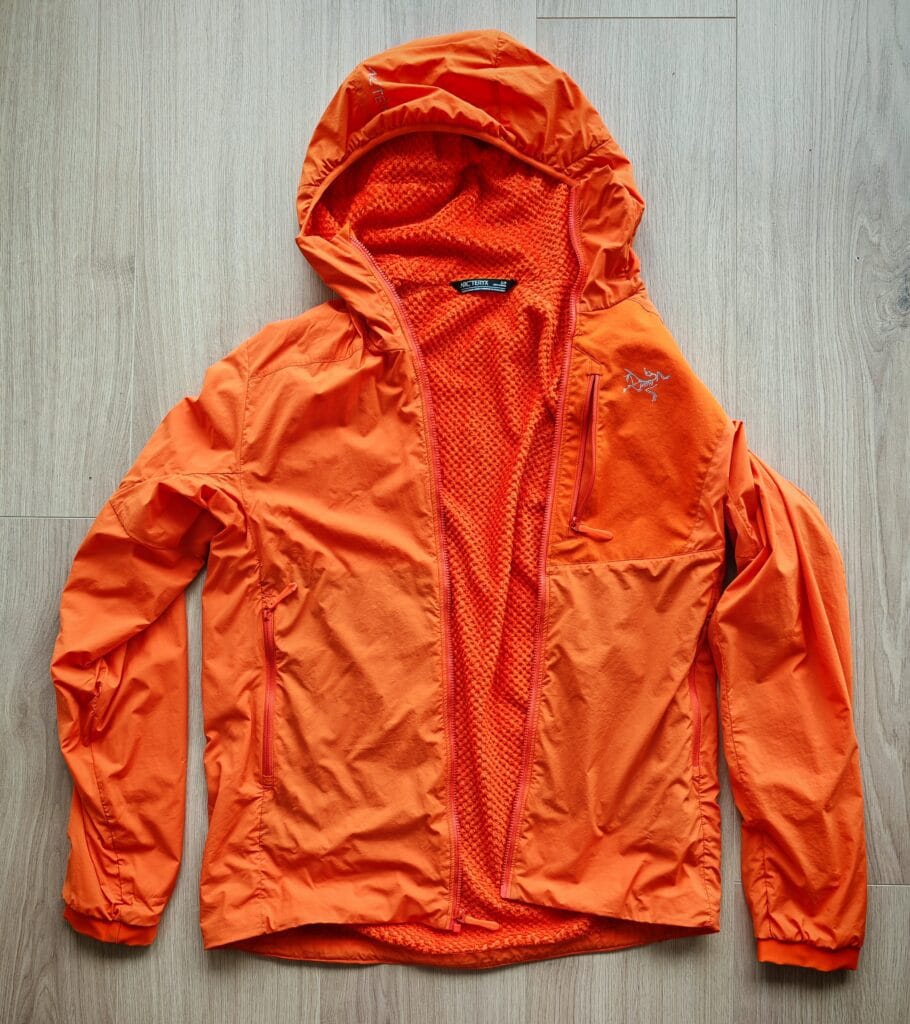
Arc’teryx Proton LT: Key Features
- Fortius Air 20 Moisture-resistant Outer Fabric – FC0 DWR finish repels moisture and is PFAS-free
- Coreloft Compact Synthetic Insulation – reliable thermal performance
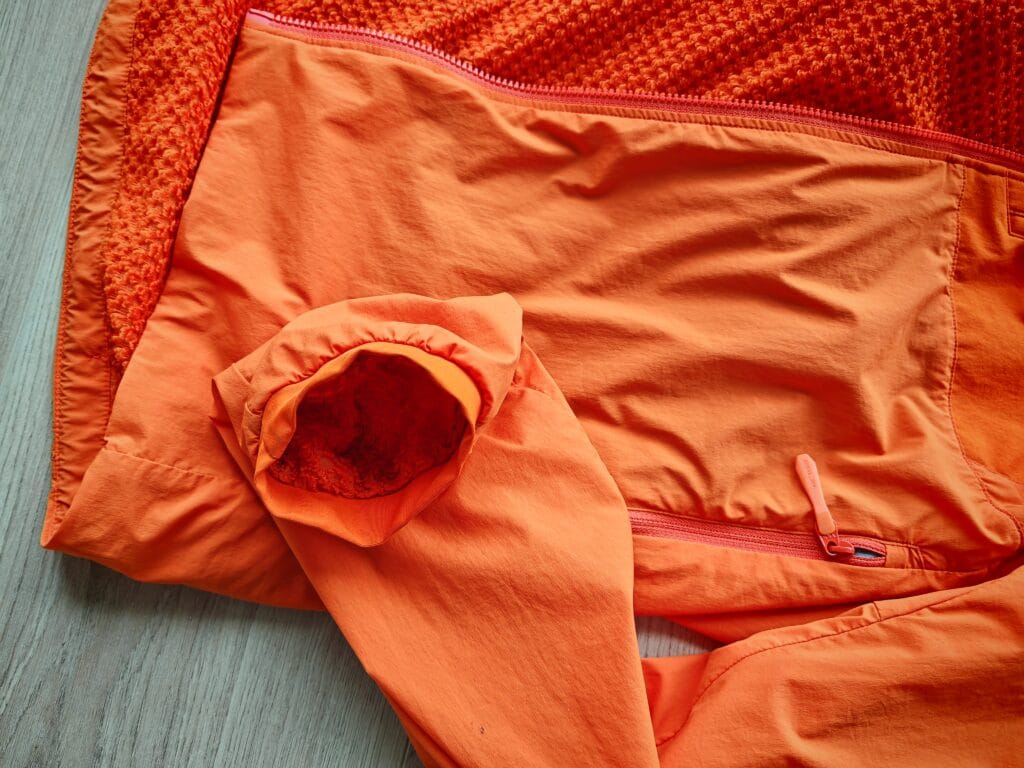
- Trim and Mobility– Fitted with articulated patterning for mobility and comfort, elasticated sleeve cuffs
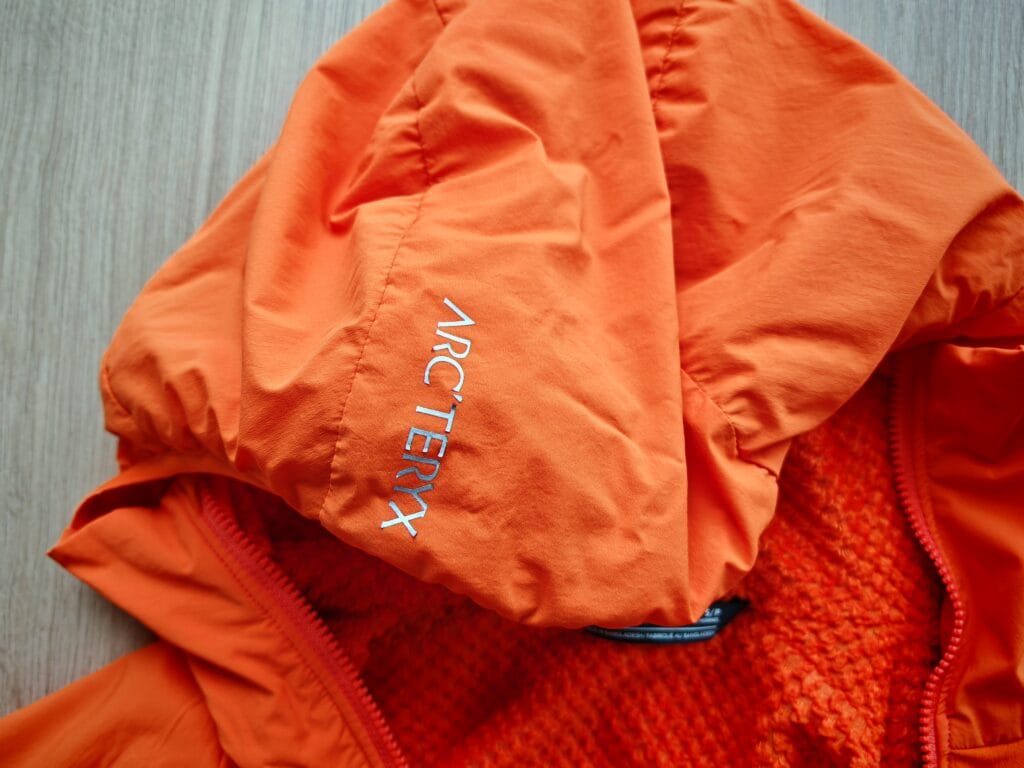
- Hood configuration – Helmet-compatible and adjustable insulated hood with top toggle with Arc’teryx logo
- Pocket configuration – Two zippered hand warmer pockets and a single stretch woven zippered chest pocket
Arc’teryx Proton LT: Selling Points
Insulation
- The warmth of the Arc’teryx Proton LT Hoody jacket is surprising, given how thin the insulation feels. An advantage of synthetic insulation over down feathers is the higher warmth when wet. The Proton uses 80g CoreLoft Compact in the body and 60g CoreLoft in the hood as construction. As this is an active jacket, it’s not designed to be super toasty when standing around, but when moving, it will keep you from freezing. It adds great warmth as a mid-layer in winter months and as a top layer in warmer conditions, which adds to its versatility. The Dope Permeair outer keeps the wind chill factor to a minimum.
Comfort
- The softness of the CoreLoft knit inner insulation is one of my favourite features. The jacket has an athletic fit, which suits the high-output activities it is designed for. There is a good amount of stretch to the fabrics, which helps them not feel stiff or restrict articulation. The inner lining is incredibly comfortable against the skin and does not become annoying when sweating a little. I appreciate the stretch knit cuffs, which keep close to the wrist and prevent any cold air or rain from getting in.
Breathability
- The primary job of an active mid-layer is to help manage body temperature. And the Arc’teryx Proton LT, despite being warm, has excellent ventilation to prevent overheating due to the Dopeair fabric. I have used this jacket on steep ascents in gusty winds and when on Via Ferrata treks, and so far it has reliably kept me at a comfortable temperature and protected from the elements. The Dope Permeair outer is effective at letting air ventilate out of the jacket in cool temperatures without the need for armpit vents.


Weather Resistance
- The Arc’teryx Proton LT Hoody is not a waterproof jacket, but with the DWR coating, it holds up to a shower or light rain. For worse weather, a waterproof shell is required, but the impressive water resistance means it performs well in unpredictable spring, summer and autumn conditions. The hood has a draw cord on the rear and can be adjusted to keep the weather out and the warmth in. Plus, it is compatible with a climbing helmet as well. The Insulation performs excellently in windy conditions, serving as an outer layer in dry but cool conditions.
Design and Fit
- From the first time I tried on the Arc’teryx Proton LT Hoody, I loved the trim fit and feel of the jacket. The Phenom Orange colour stands out on the trail and is distinctive in photos. The 2 handwarmer side pockets and chest pockets are high quality and have deep pockets with soft lining. As mentioned, the knit cuffs keep the sleeves close to the body for an athletic look. And on the chest pocket is the Arc’teryx logo, with the hood having a small Arc’teryx script written across it. The overall fit is true to size and does not have excess material to worry about.
Durability and Abrasion Resistance
- I was unsure how durable this jacket would be; however, it has handled weather, scrapes with rock faces and trekking with 50L backpacks with ease. As it’s designed for climbing and backcountry, the outer material uses highly durable Fortius Air 20 face fabric. The outer shell has good abrasion resistance, and I’ve not had any tears when climbing or hiking. The zips have never stuck, and there is no discolouration from the elements.


Arc’teryx Proton LT: Considerations
Price
- It’s an investment of over £200 for a mid-layer, but the versatility of the jacket helps justify it. With Arc’teryx, there is a premium price tag to go with, but the materials are high quality and will last many years of use. It’s a simple, minimalist design for the money, but it is similarly priced to the competition.
Waterproof
- The Arc’teryx Proton LT has a DWR treatment on the outer fabric, which can fend off light rain and precipitation. However, this is not a fully waterproof jacket. The synthetic insulation won’t lose its thermal performance compared to feather down jackets. This midlayer is ideal to work alongside a fully waterproof hardshell jacket such as the Arc’teryx Beta AR.
Packability & Weight
- This is a very lightweight jacket with impressive warmth and ventilation, but there are lighter jackets on the market. If having the minimum weight possible, there’s a trade-off for warmth or using natural Down instead of synthetic insulation. The Proton is comparable to the Atom LT Hoody (370g) but is heavier than the Cerium Down Hoody (306g). Even though there is no integrated stuff sack, the Arc’teryx Proton LT packs down very well, but it can’t compete with a down jacket.
Summer & Winter Warmth
- The CoreLoft Compact insulation is very effective and, as mentioned, has great weather resistance. But once the sun comes out and the weather is above 15°C, the jacket can run warm even with good ventilation. And whilst great for cooler temperatures, this jacket is not as suitable for freezing temperatures compared to a goose down jacket like the Rab Microlight Alpine.


Arc’teryx Proton LT sv Arc’ertyx Atom LT
While the Atom LT has long been the gold standard for everyday mountain insulation, the Arc’teryx Proton LT is explicitly engineered for high-output alpine environments. The biggest difference lies in the construction: the Proton utilises a highly air-permeable Fortius™ Air 20 face fabric paired with Coreloft™ Compact 80 insulation, allowing it to actively dump excess heat and moisture while you are moving. It focuses on higher abrasion and better articulation for movement, such as climbing.
In contrast, the Atom relies on Tyono™ 20 fabric and standard Coreloft, which traps heat much more effectively but lacks the breathability needed for strenuous ascents, functioning better as a static midlayer or casual around-town jacket. Furthermore, the Proton’s face fabric is noticeably more abrasion-resistant against rock and overgrown trails, making it the superior choice for technical climbing and rugged trekking.
Alternatives
- Patagonia Nano-Air Hoody – Uses a FullRange synthetic insulation which provides comparable breathability with a focus on cold weather hiking and casual wear. It has great mobility, but is not as windproof as the Proton. The Nano-Air is comparable in price but closer to the Atom than the Proton.
- North Face Summit Series Casaval Hybrid Hoody – The closest competitor to the Arc’teryx Proton LT in style and function, with a cheaper price tag. It is part of The North Face’s Summit Series, so it is focused on mountaineering and high-output activities. It is even lighter and more packable, but it is very specific in design.
- Rab Xenair Alpine Light Insulated Jacket – Featuring a PrimaLoft Gold Active inner with a Pertex QuantumAir outer, the Xenair is designed for Alpinism and fast hiking. It balances breathability and warmth as well as the Proton with an even slimmer and athletic cut.

Best Use Cases
Because active insulation behaves differently from standard fleece or down, it thrives in very specific environments. Here is exactly where the Proton LT outshines the competition.
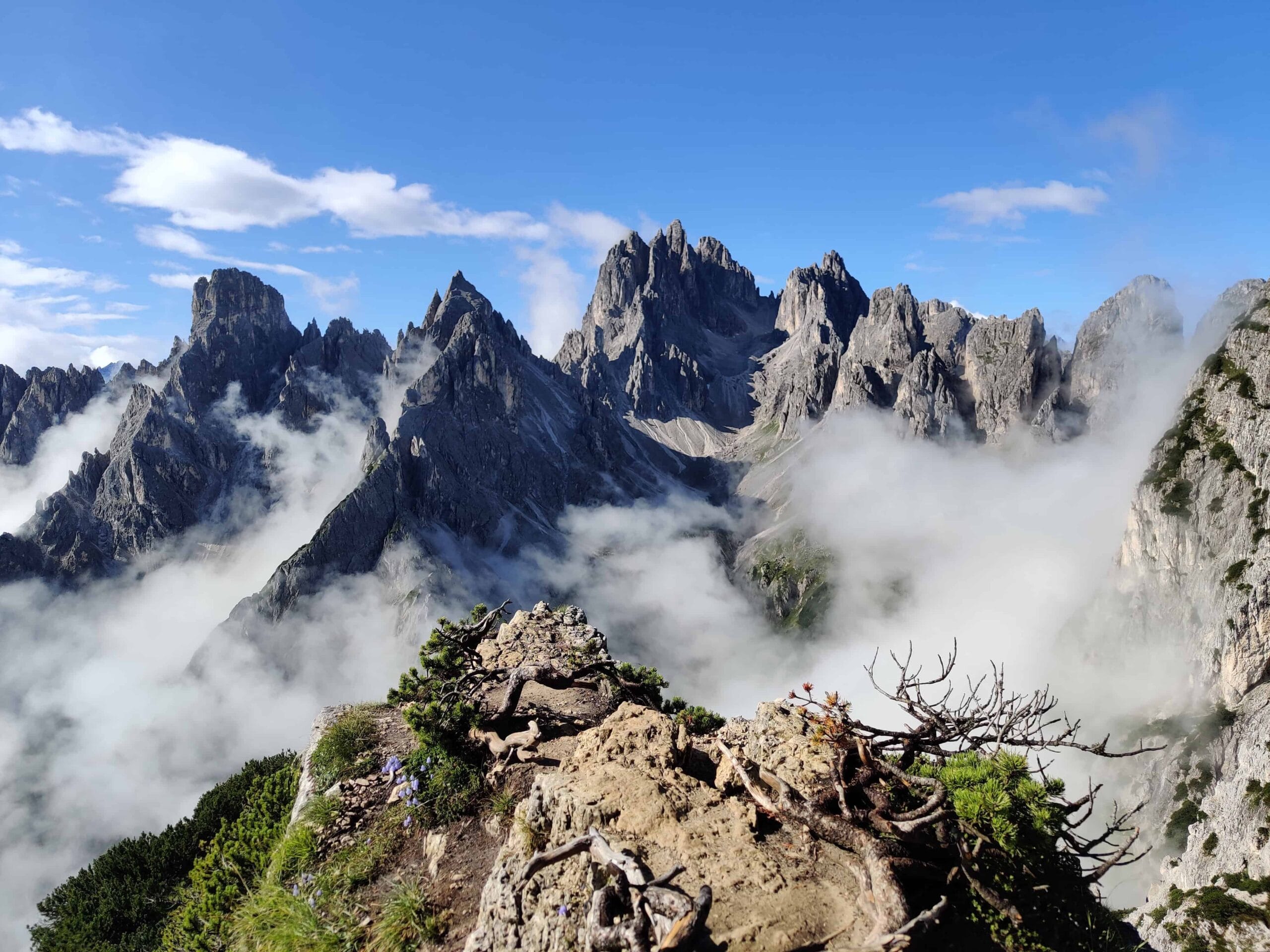
- Hiking & Multi-Day Trekking: My main use for the Arc’teryx Proton LT is as a standalone outer shell in cool, dry conditions, or as a highly breathable midlayer tucked under a waterproof hardshell when the weather turns aggressive. Simply put, it is the most versatile mountain jacket I own. The beauty of the Proton on a multi-day trek is that you rarely have to take it off. Usually, when you hit a steep incline, you immediately have to strip layers to avoid sweating out. Because the Proton breathes so effectively, it regulates your microclimate, saving you from constantly stopping to adjust your clothing. Its lightness, high durability, and unmatched comfort mean it earns a permanent spot in my backpack. It flawlessly handled the relentless, biting winds while I was trekking the Torres del Paine O Circuit in Patagonia, and provided the perfect balance of warmth and breathability on the strenuous high-altitude ascents of the Alta Via 4 in the Italian Dolomites.
- Alpine & Rock Climbing: Arc’teryx originally engineered the Arc’teryx Proton line specifically for the rigorous demands of rock and alpine climbing, and it shows in every inch of its design. Its biggest advantage here is the Fortius™ Air 20 face fabric, which boasts significantly increased abrasion resistance over the fragile Tyono 20 fabric found on the Atom LT. You can confidently scrape your arms and shoulders against rough granite and abrasive limestone without worrying about tearing the jacket to shreds. Furthermore, the jacket features incredible articulated patterning and gusseted underarms. This means when you reach high for a handhold, the hem of the jacket doesn’t lift up and expose your back. Combined with a trim fit that sits perfectly under a climbing harness without bunching, and a fully adjustable, helmet-compatible hood that easily stretches over a climbing helmet, it is an absolute masterpiece for long, exposed days on the wall.
- High-Output Activities & Ski Touring: With its exceptional air permeability, the Arc’teryx Proton is tailor-made for intense, high-energy sports where managing sweat is just as important as retaining heat. I frequently rely on this jacket when carrying heavy expedition backpacks; the breathable Coreloft™ Compact 80 insulation actively wicks away moisture from my back, preventing the dreaded “sweat and freeze” cycle when you finally stop to rest. Beyond heavy trekking, it is the ultimate layer for backcountry ski touring, fast-packing, or cold-weather kayaking. In stop-start activities like ski touring—where you are generating massive amounts of heat skinning up a mountain, but need instant warmth the second you transition to ski downhill—the Proton regulates your temperature so perfectly that you never have to mess with your layers.
- Travel & Everyday Urban Use: While it is undeniably a highly technical alpine tool, the Arc’teryx Proton also excels in everyday life. The clean, minimalist lines and matte finish of the face fabric give it a very sleek, modern aesthetic that doesn’t scream “I just climbed a mountain.” Because it regulates temperature so well, it is incredibly comfortable to wear while navigating stuffy airports, sitting on drafty flights, or simply walking around town during the unpredictable shoulder seasons. It compresses down relatively small, making it a brilliant, do-it-all travel companion when suitcase space is at a premium.
Where this gear earned its keep
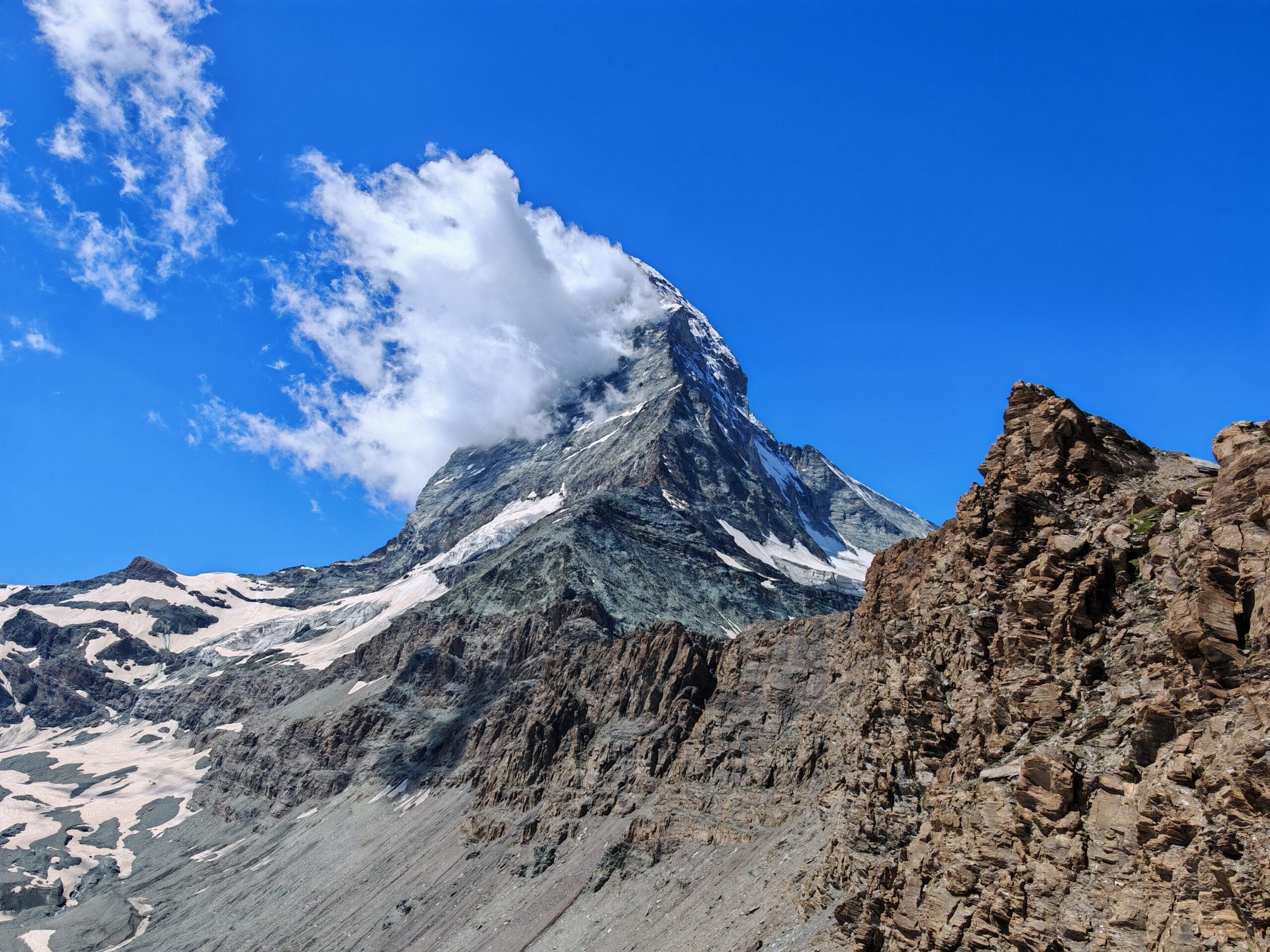
I don’t review gear out of a box. Read the full destination guides and itineraries where this equipment was pushed to its limits.


Kit Ratings
Final Thoughts
The final piece of the jigsaw for my climbing and hiking wardrobe was undeniably the Arc’teryx Proton LT Hoody. As arguably the best active insulation jacket on the market, it is warm, incredibly breathable, and offers enough standalone weather protection to confidently tackle unpredictable mountain challenges. It now joins me on literally every hike and alpine trek, while also serving as my go-to casual jacket around town during the crisp coastal shoulder seasons.
At first, spending £225 (or $299 USD) on a synthetic midlayer jacket seemed like a steep investment. However, after pushing it to its limits across the Canadian Rockies, the howling winds of Patagonia, the sheer rock faces of the Italian Dolomites, and the alpine trails of Zermatt, that investment has been entirely justified. It is a visually minimalist jacket, yet it is so flawlessly designed and manufactured that it excels at regulating core body temperature, balancing weather resistance, and maintaining high-output comfort.
When settling the Arc’teryx Proton vs Atom debate, I would highly recommend the Proton LT Hoody over the Atom purely for its vastly superior face-fabric durability and active ventilation. In my opinion, it is unequivocally better than the Atom if you want a technical synthetic insulated jacket engineered specifically for rigorous mountain adventures and harness-compatible comfort. However, if you prioritise static warmth or a looser, more casual urban style, then the classic Arc’teryx Atom might still be the right choice for you.
What is your favourite active midlayer jacket right now? Have you made the switch to the Proton, or are you firmly on team Atom? Please share this blog post with fellow hikers looking for an excellent addition to their kit, and let me know your thoughts in the comments below!
FAQs
Is the Arc’teryx Proton LT warmer than the Atom LT?
If you are standing completely still, the Atom LT will feel slightly warmer because its face fabric traps body heat. However, the Proton LT uses “active insulation” and highly air-permeable fabrics. It is designed to dump excess heat while you are moving, so you don’t sweat out, making it the vastly superior jacket for hiking, climbing, and ski touring.
Is the Arc’teryx Proton LT waterproof?
No, it is highly water-resistant, not waterproof. The Fortius™ Air 20 face fabric is treated with a DWR (Durable Water Repellent) finish that easily sheds light rain, mist, and snow. For heavy, sustained downpours, you will still need to layer a dedicated hardshell over it.
How does the Proton LT fit compared to the Atom?
The Proton LT features Arc’teryx’s “Trim Fit” but is cut noticeably longer in the torso than the Atom. This extra length prevents the jacket from riding up while wearing a climbing harness or a heavy backpack hip belt. If you prefer a loose, casual fit, you may want to size up, but it is tailored perfectly to sit close to the body for technical use.
Pingback: Arc'teryx Beta AR: The Best Waterproof Jacket - Backpacker's Mentality
Pingback: Why Is the Rab Microlight Alpine Jacket Popular Among Hikers? - Backpacker's Mentality
Pingback: What Are the Best Tips for Backpacking for Beginners - Backpacker's Mentality