Navigating the hundreds of options for daypacks is a daunting task, especially when a single brand like Osprey offers such a vast collection with only minor differences in capacity and features. Finding the perfect balance for quick local hikes in the North Shore mountains versus longer weekend trips requires serious trail testing. In this comprehensive Osprey Hikelite 26 review, I will explain exactly where this bag sits in their lineup and why it deserves your attention.
This post is closely linked to my recent Hikelite 18 review due to their vastly similar DNA. Both backpacks combine Osprey’s signature durability with a highly breathable, minimalist design, making them ideal for casual walkers and experienced trekkers alike. However, the Osprey Hikelite 26 version brings a few key upgrades to the table. Let’s dive into the technical features, the major strengths, the hidden weaknesses, and my final verdict on the amazing Osprey Hikelite 26.
Field Note: This guide contains affiliate links. If you purchase gear through these links, I may earn a small commission at no extra cost to you. I only recommend equipment I have personally mountain-tested and trust.
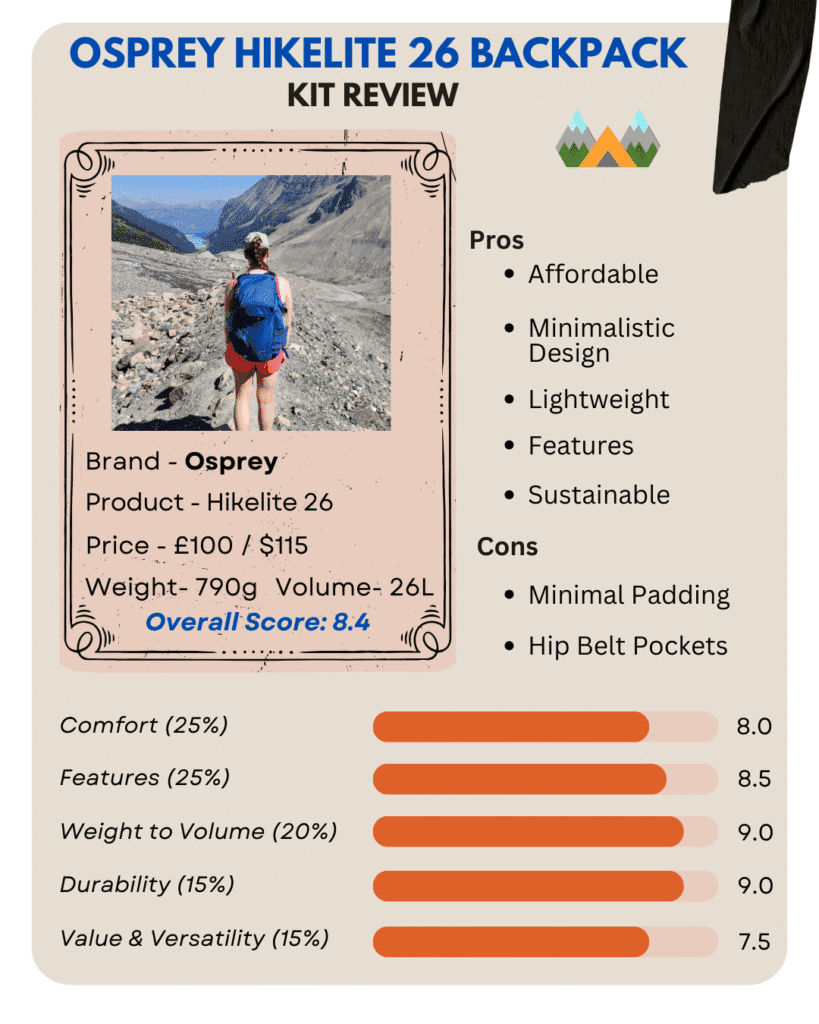

Introducing: The Osprey Hikelite 26 Backpack
Osprey Hiking Backpacks Explained
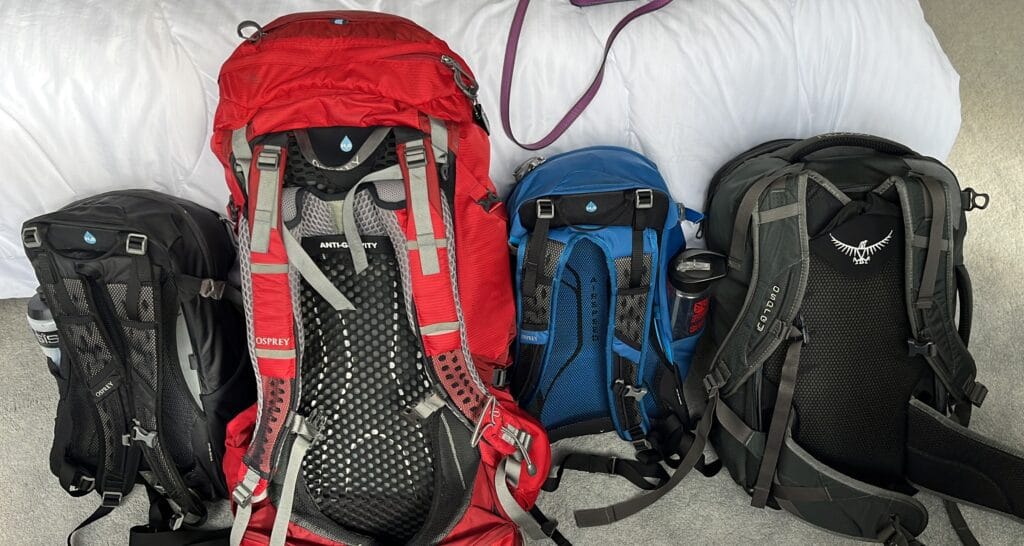
Let’s explore the Osprey hiking options to help find where the Hikelite sits and what’s best. Within the range, the Hikelite sit in the lightweight and streamlined category. There are fewer bells and whistles, whilst giving the essential functionality for day hiking. A popular and affordable backpack for all hikers, with the Osprey Hikelite 26 being the best-selling. Next, there are the Talon/Tempest series (Men’s/Women’s versions), which start at 11 litres up to 44L.
The Talon & Tempest are great multi-sport backpacks for hiking, cycling or climbing, with the 22L being a best-seller size. Then the Exos/Eja Backpacks are the true ultralight backpacks and great for multi-day trips! These are offered from 38L-58L, so not as suited to day hiking in my opinion. The Kestrel & Kyte are more rugged and technical backpacks suited for overnight trips or hiking on challenging terrain. With capacities from 38L to 68L, there is a huge offering to get the right size for trekking and backcountry exploring.
Whereas the Stratos & Sirrus are in between the Kestrel series and Hikelite series, where they offer durability, comfort and a range of sizes from 24L to 44L. The Sportlite series is even simpler and cheaper than the Hikelite, with sizes of 15L to 30L available. Finally, a backpack designed for bad weather, the Downburst in 26 or 36L provides IPX5 waterproofing to keep the rain out.
Osprey Hiking Backpacks Summary
- Day Hiking: The Hikelite 26 is great for long day hikes with enough capacity and ventilation.
- Multi-Sport Activities: The Talon 22 balances gear attachments and a snug fit for high versatility.
- Heavier Loads: The Stratos 24 ensures comfort with its suspension system and suits challenging conditions.
- Ultralight Backpacking: The Exos 38 is a super lightweight pack for trekking with premium materials
- Minimalist Day Trips: The Sportlite 20 is very simple, cheaper and lightweight for quick hikes
- Technical Hikes & Overnight Trips: The Kestrel 38 offers durability and ample storage for rugged adventures.
- Wet Conditions: The Downburst 26 provides waterproof protection, suitable for rainy environments.
Osprey Hikelite 26 Overview
The Osprey Hikelite 26 is a top-tier unisex daypack designed with hikers and casual adventurers in mind. Lightweight, durable, and equipped with thoughtful features like an integrated rain cover and ventilated back panel, they strike a solid balance between comfort and functionality. Both the 18L and 26L versions hit that sweet spot between simplicity and performance. They are only offered in One Size and are unisex compared to other Osprey models, which are tailored for Men/Women.
One of the major design differences is the kangaroo pouch on the outside of the 26L pack. The 18L retails at £90 ($110), whereas the 26L sells for £100 ($115). Both Backpacks use sustainable materials such as bluesign® approved fabrics with DWR treatments made without PFAS. The Hikelite series ranges from 18L to 32L, with a 28L option and 2 Touring versions available to consider.
Osprey Hikelite 26
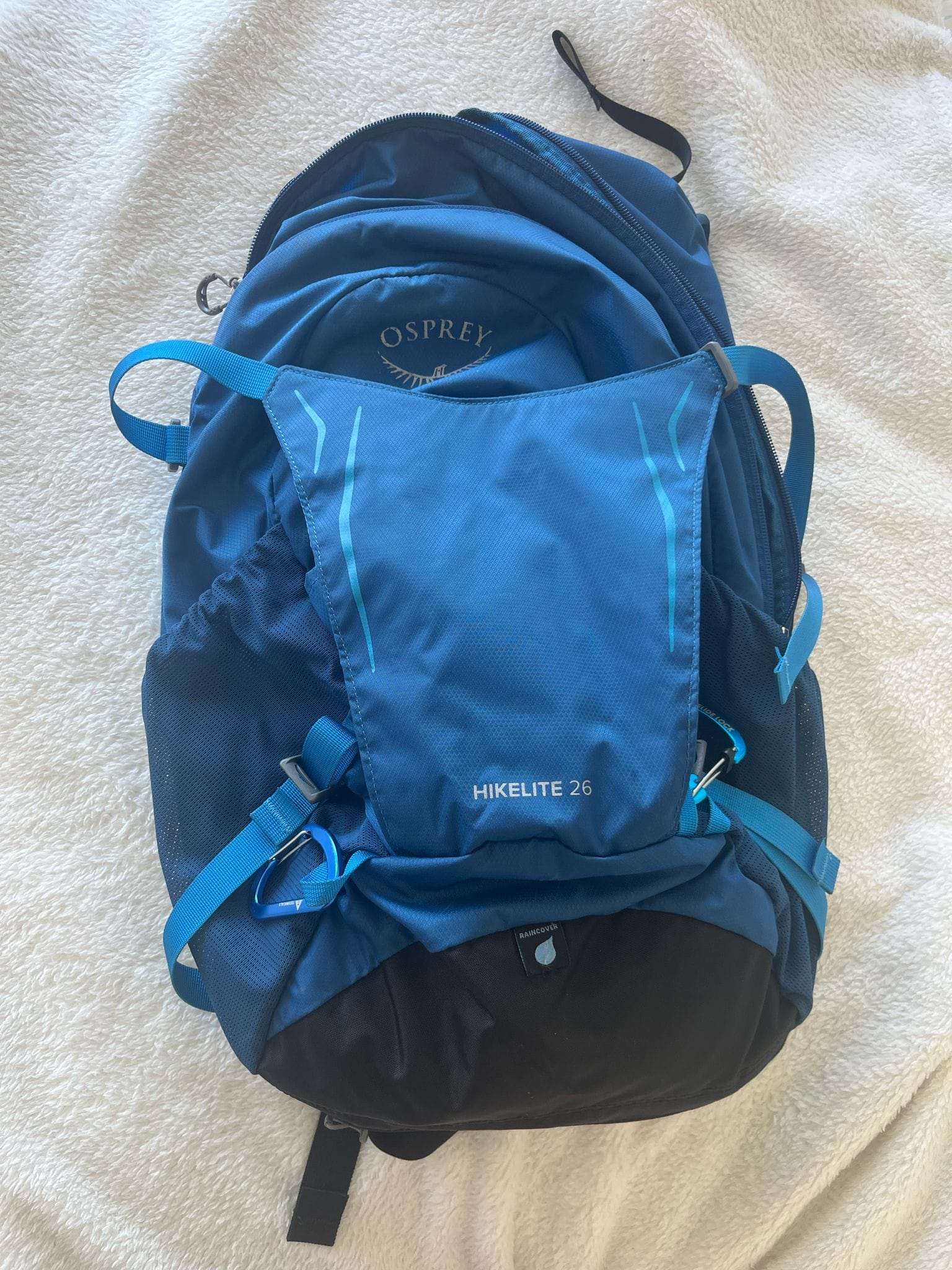
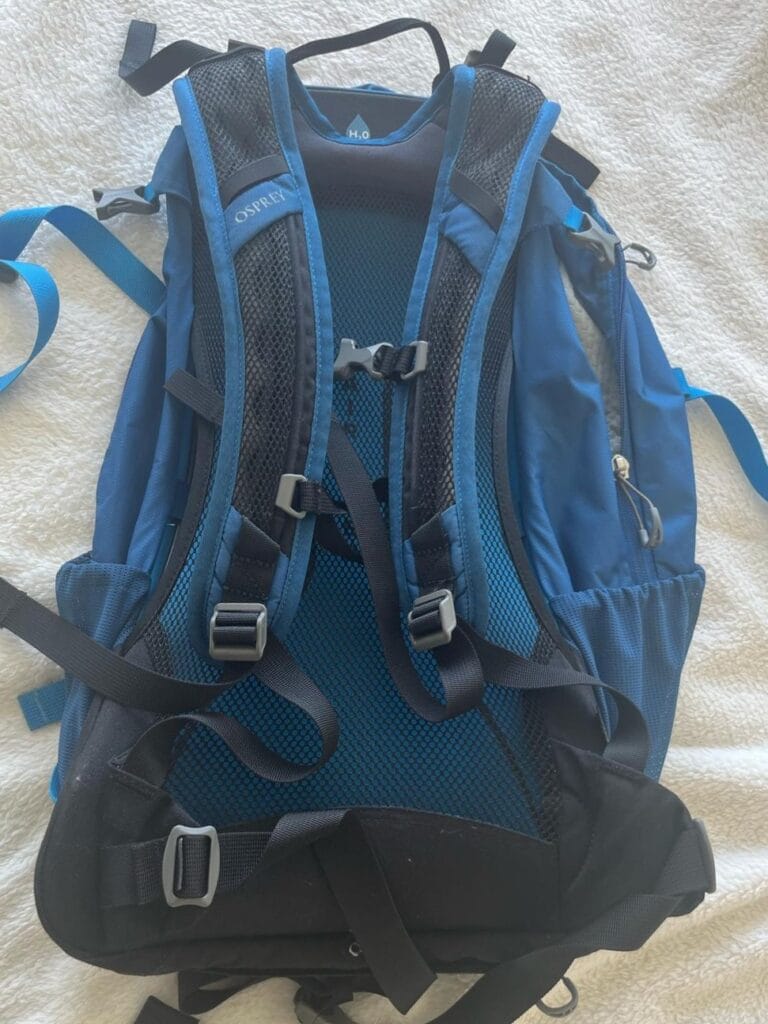
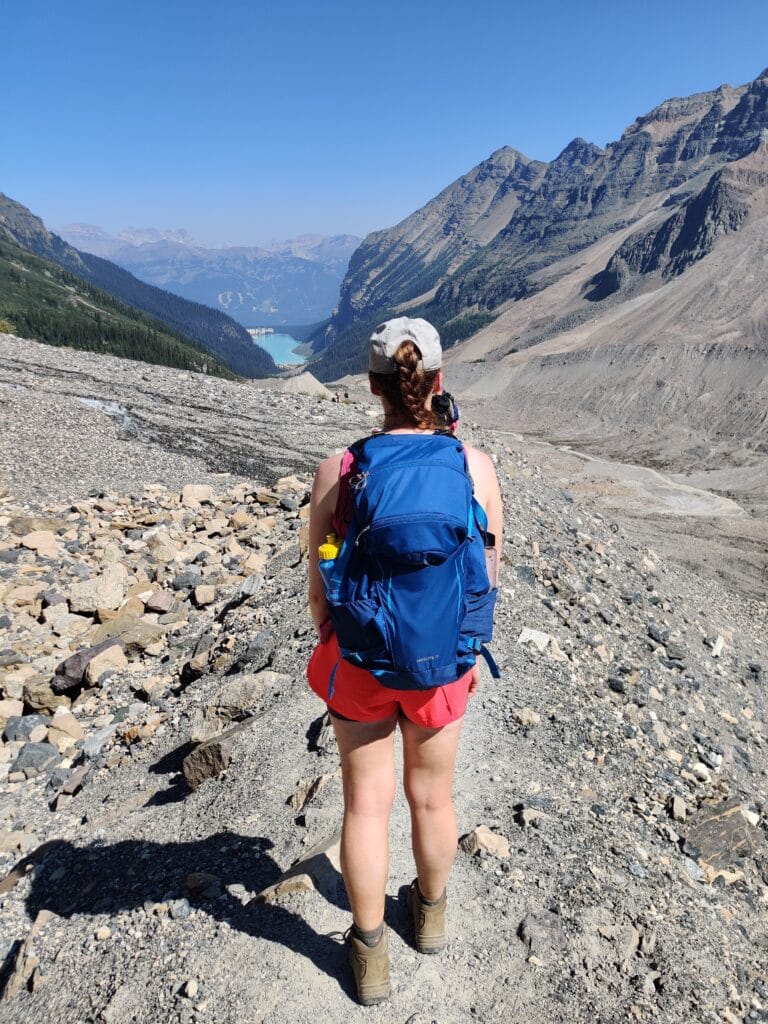
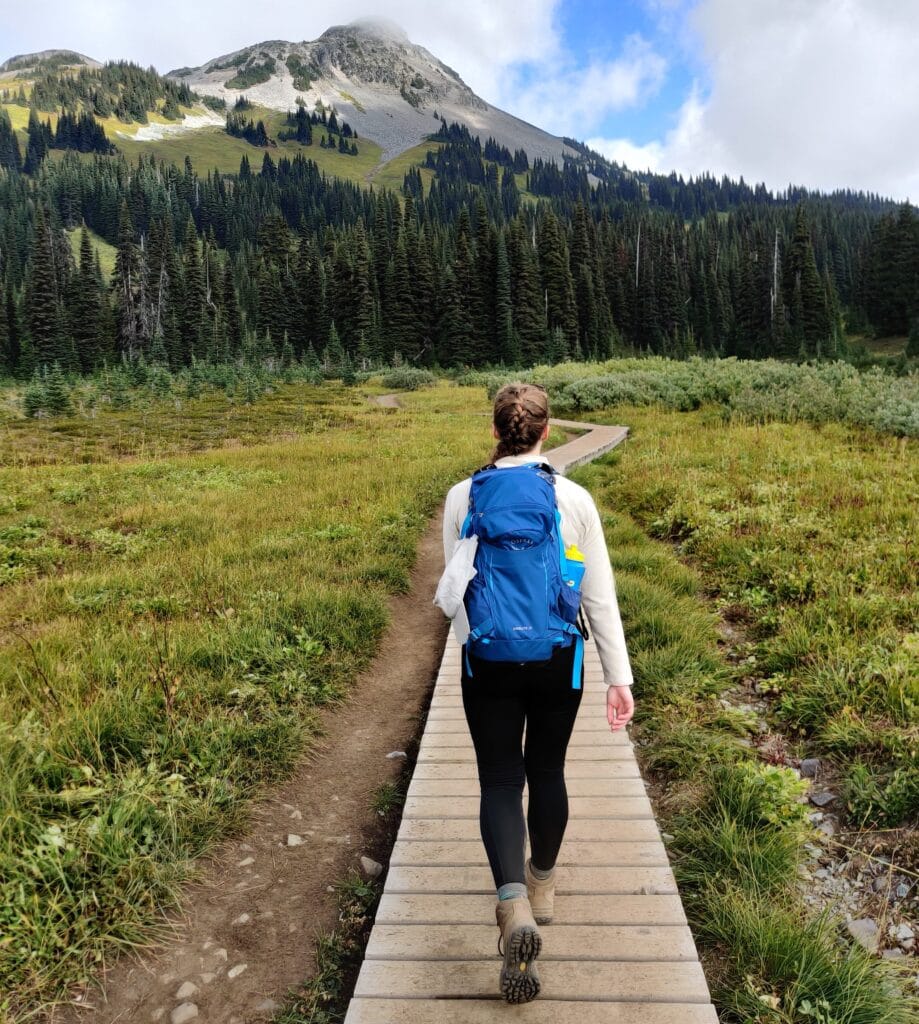
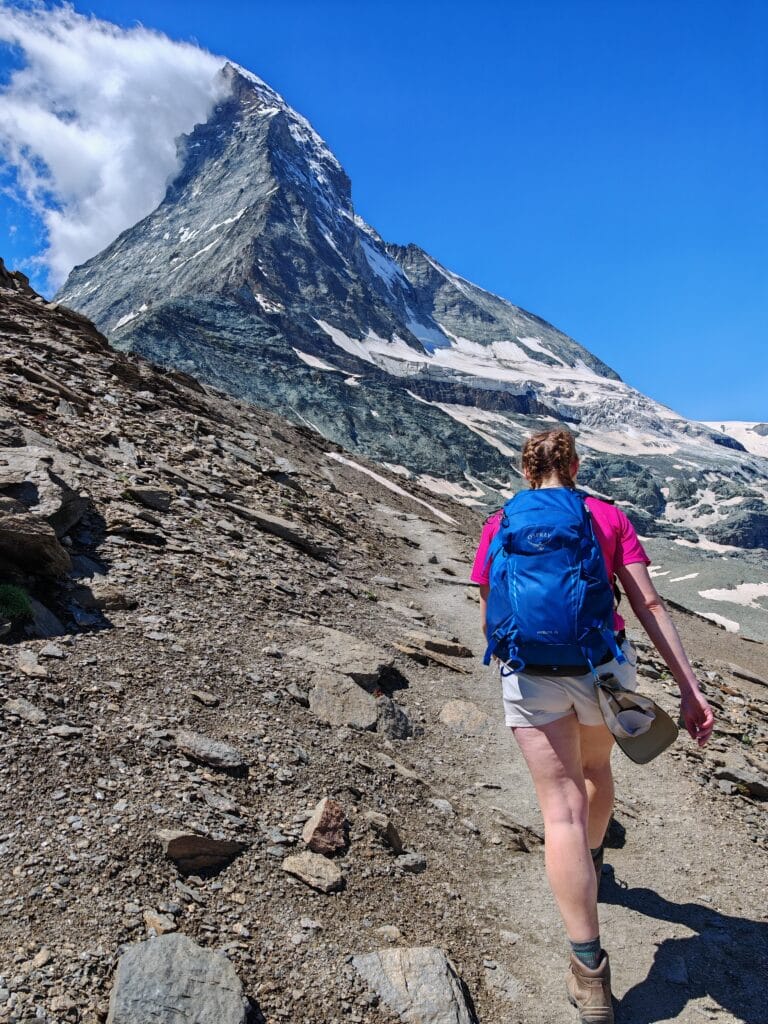
The Hikelite Backpacks are lightweight and streamlined daypacks which effectively combine essential features and quality construction with the fantastic ventilation thanks to the AirSpeed™ back panel. Its minimalist panel-loading approach keeps its silhouette clean and uncluttered for simplified and versatile use. I bought my girlfriend the Osprey Hikelite 26 around 2 years ago, and it has been a trusty companion on our travels. Often, we swap backpacks, so I carry the Osprey Hikelite 26, and she will use my Hikelite 18. As much as I like mine when it’s hot, I need minimal gear. The extra space is useful when the weather is unpredictable, or I’m bringing photography gear too.
Osprey Hikelite 26 Key Features
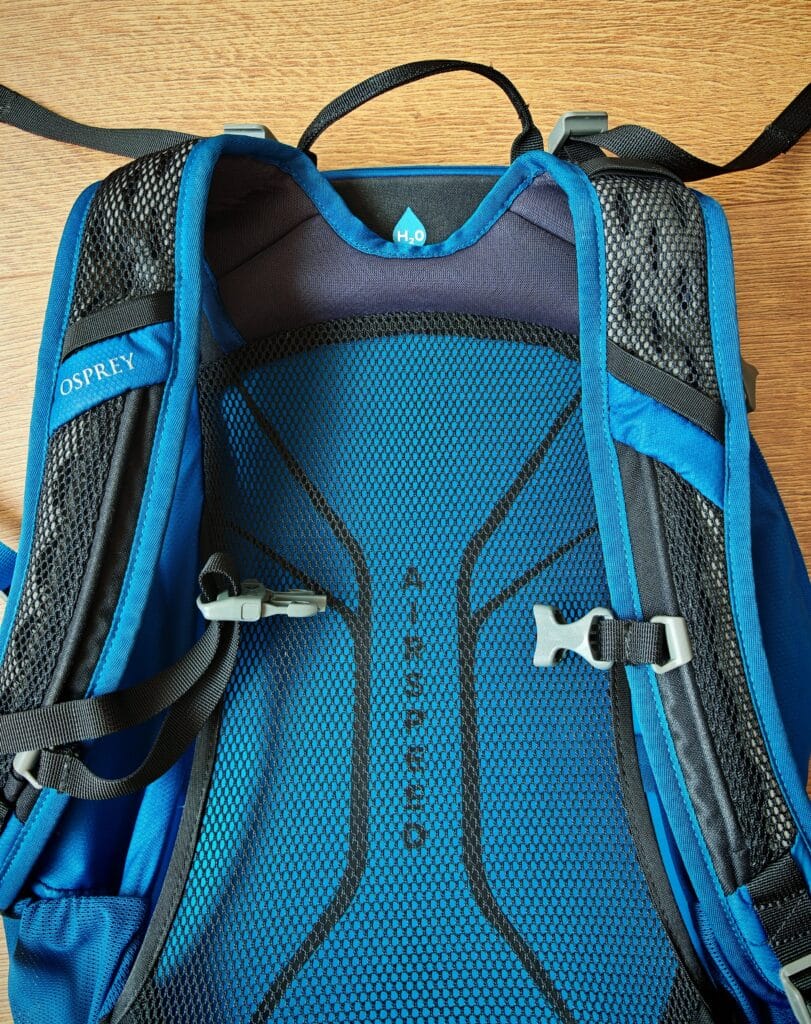
- AirSpeed™ Suspension & Ventilation: The key feature for on-trail comfort is the tensioned mesh back panel. This helps to distribute the pack load and improve comfort. It is not as effective as Osprey’s Air Gravity system used in the Atmos 50. The low-profile design offers excellent ventilation due to the mesh, improving airflow, which helps to avoid a sweaty back, which no one likes! Both backpacks feature the AirSpeed mesh technology, which has been updated with a taller and wider frame for an improved fit.
- Easy Access: Traditional panel loader design with convenient top zip access to the main compartment. This means fitting waterproofs, layers, food and extras inside and accessing items is quick.
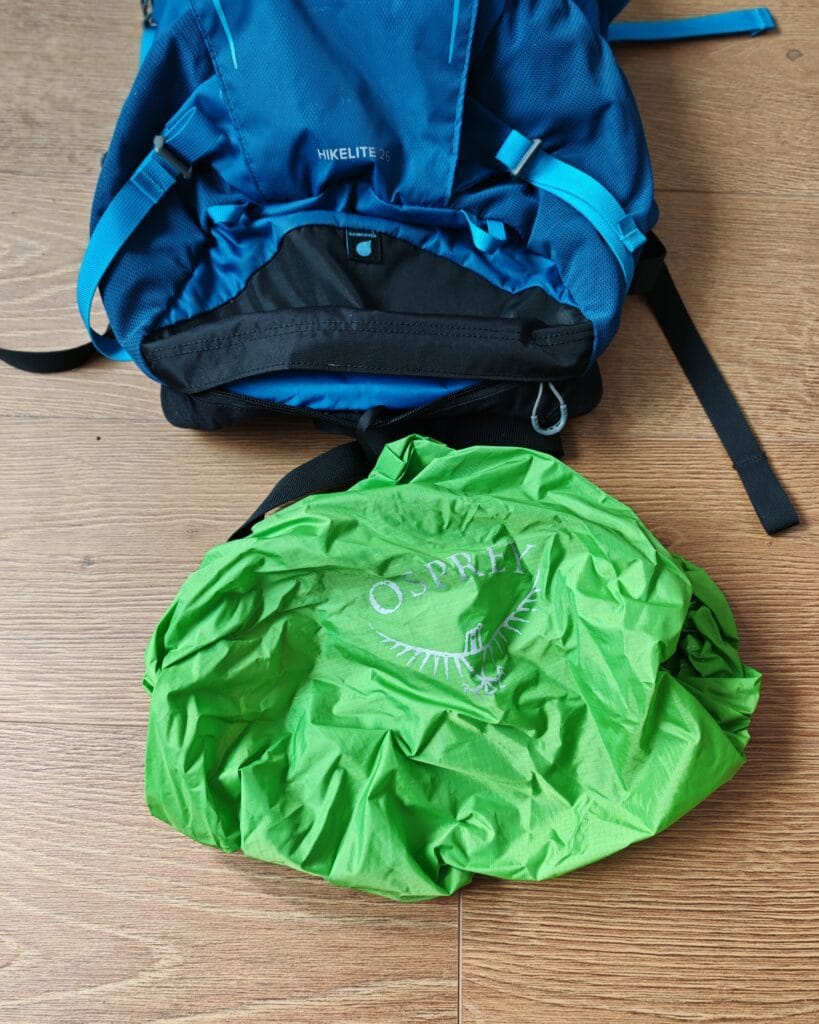
- Bright raincover: The trademark fluorescent Osprey raincover is made with bluesign® approved fabrics and DWR treatments, stored in a zippered pocket at the base of the pack for easy access
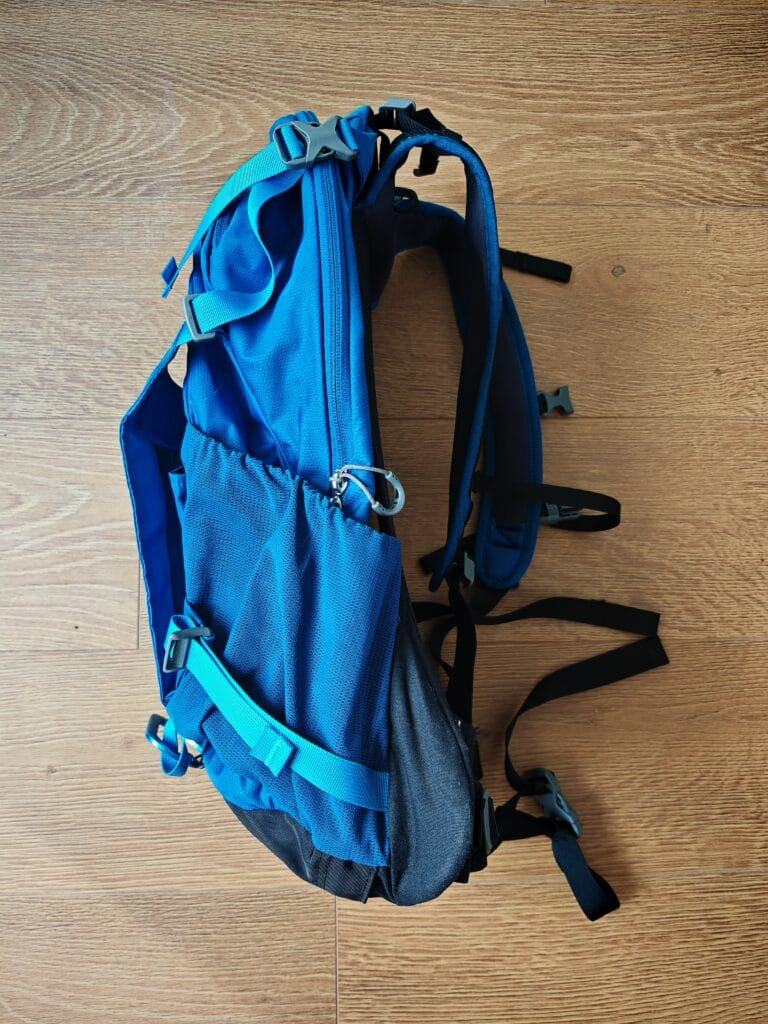
- Extra-tall stretch mesh side pockets: keep contents secure in the Osprey Hikelite 26, such as water bottles
- External zip pocket: A very useful pocket with a key clip keeps small, essential items handy
- Adjustability straps & loops: Dual upper side compression straps with dual trekking pole capture. The Straps have adjustable sternum straps with an integrated rescue whistle for added customisability and safety. There is a 25mm removable webbing hip belt to help reduce backpack movement and give better stability. The shoulder straps are padded to improve comfort.
- Hydration Bladder: Internal reservoir sleeve up to 3L bladder with hose port in back panel to feed the hose to the strap loops. There is an Osprey Hydraclip for easily hanging a reservoir to stop it from moving around within the sleeve.
Osprey Hikelite 26: Selling Points
- Increased capacity: Featuring the same AirSpeed Suspension as the Hikelite 18, the additional 8 litres of volume allow more practicality and equipment for longer trips.
- Front shove-it pocket: One of the key differences between the Hiklite Backpacks is the addition of the front ‘kangaroo pouch’. I’ve used one on the Osprey Atmos 50, and it’s a great feature for storing an extra layer when the weather quickly changes. And given the expandability, it can be used to store food securely.
- Excellent Ventilation: With a larger frame on the Osprey Hikelite 26, there is a larger mesh to give better airflow and support for light to moderate loads
- Carrying Heavier Loads: With the extra capacity and AirSpeed technology, it’s possible to carry slightly more and up to around 10Kg comfortably.
- Hydration options: With a hydration bladder sleeve up to 3L, a large main compartment and dual side bottle meshes, there are plenty of options.
- Integrated rain cover: Not always available on cheaper backpacks, and having a raincover that is bright helps with visibility.
- Added organisation: the Osprey Hikelite 26 includes a front shove-it pocket and internal hydration sleeve.
Osprey Hikelite 26: Worth Knowing
- Minimal Padding: As with the Hikelite 18, the lack of padding might put some people off, as the extra space would add more weight to carry on the shoulder and around the waist.
- No Hip Belt Pockets: As mentioned above, it’s a small and useful feature, especially with the larger size on the Osprey Hikelite 26.
- Shove-it pocket size: A great feature, but when compared to the Atmos style elasticated kangaroo pouch, the Osprey Hikelite 26 shove-it pocket could be deeper and have an elasticated top instead of the open flap or buckled straps.
- Not compact and heavier than the 18L: Naturally, the larger capacity is not as small and is bulkier than a carry-on backpack.
Best Use Cases
While the smaller Hikelite 18 is a fantastic, minimalist grab-and-go option, the extra capacity and the incredibly useful front “shove-it” pocket on the Osprey Hikelite 26 open up a whole new tier of versatility. It isn’t just a bag for the mountains—it’s a multi-tool. Here is where this pack truly shines:
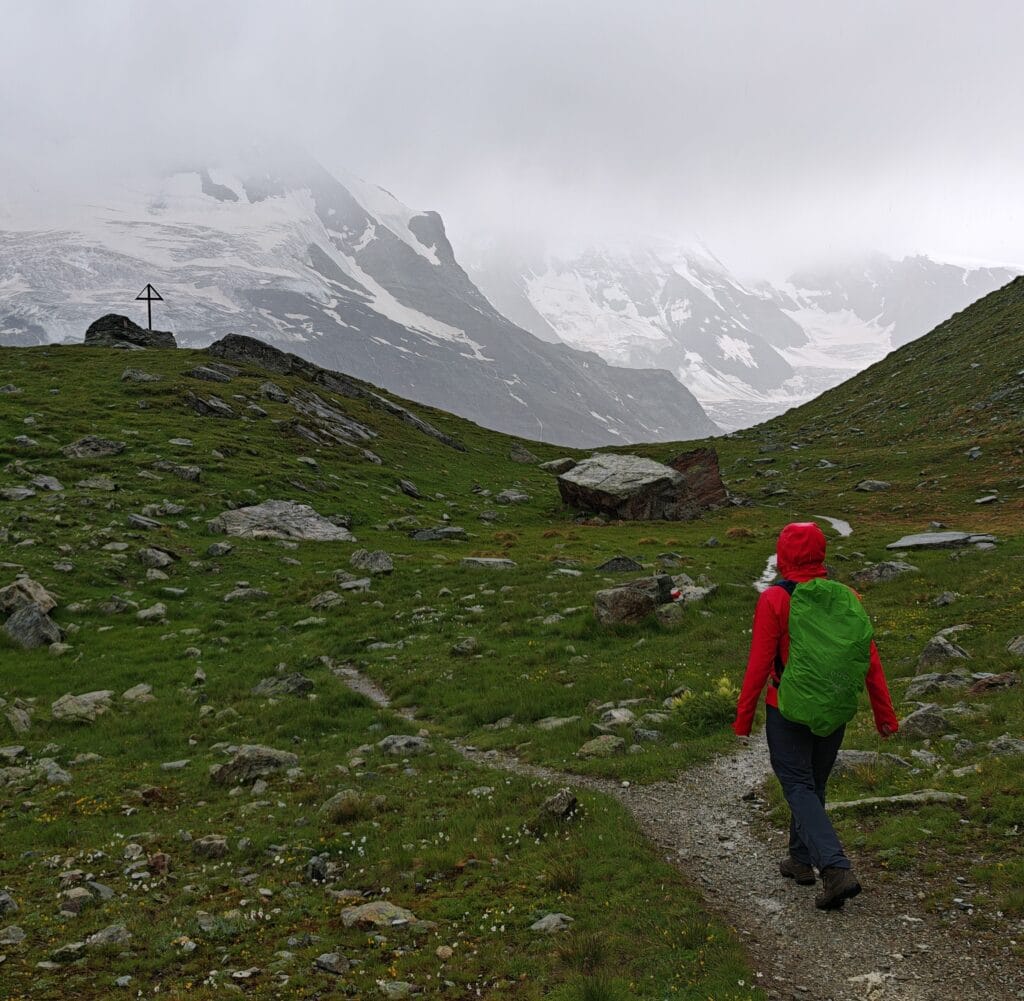
- Longer Day Hikes & Changing Weather: When tackling demanding, full-day routes where the temperature fluctuates, the Osprey Hikelite 26 added capacity easily swallows an extra fleece, a rain shell, and plenty of food. The AirSpeed suspension keeps your back completely dry, even when pushing the pace up the steep, humid climbs right here on the North Shore trails.
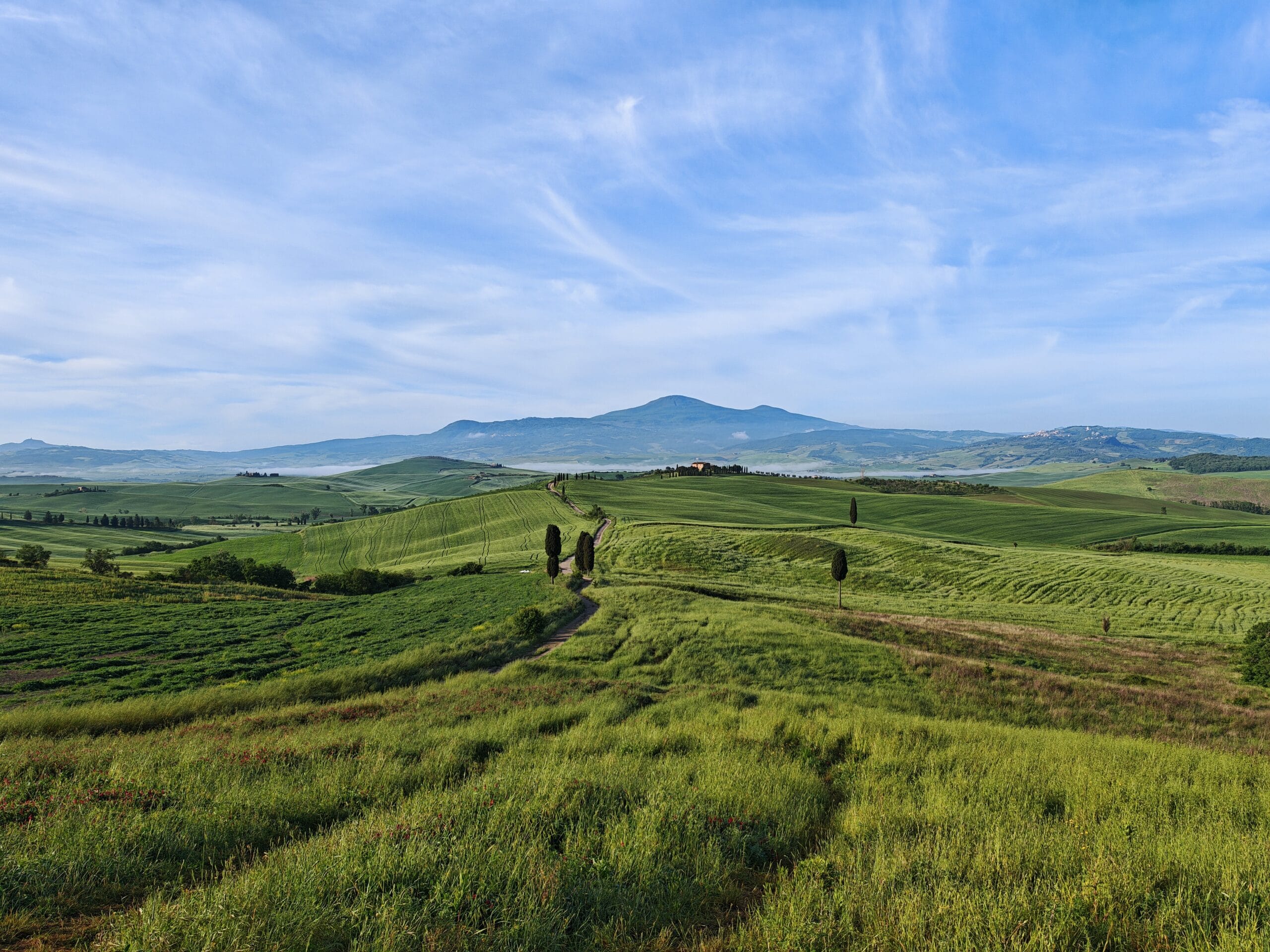
- Travel & City Exploration: Whether you are wandering through the rolling vineyards of Tuscany or navigating the unpredictable, harsh elements of Iceland, this pack serves as the perfect travel companion. It’s streamlined enough not to feel bulky in a crowded city centre or museum, yet rugged enough to handle any impromptu wilderness detours.
- Active Commuting & Cycling: Throwing the pack on for a ride across town or tossing it in the back of the car alongside my road bike for a weekend trip is effortless. The ventilated back panel prevents that dreaded sweaty shirt when cycling, and the deep side pockets securely lock down water bottles while on the move.
- Light Overnights & Photography: If you are a minimalist packer who doesn’t mind roughing it for a single night, or a photographer carrying a mirrorless camera setup and extra lenses, the internal space and organisational pockets provide just enough room to keep your gear safe without having to upgrade to a massive 40L trekking bag.
Where this pack earned its keep
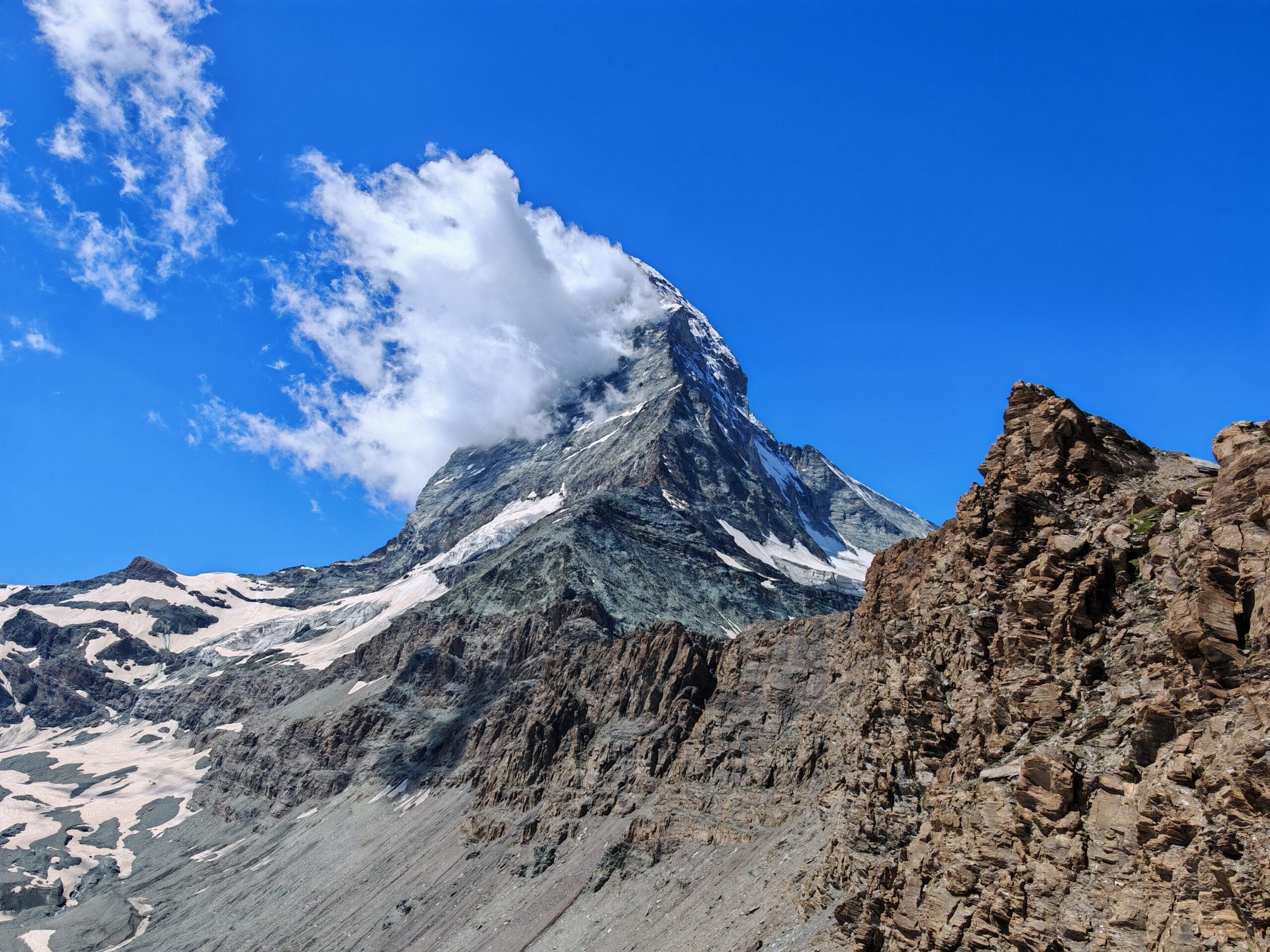
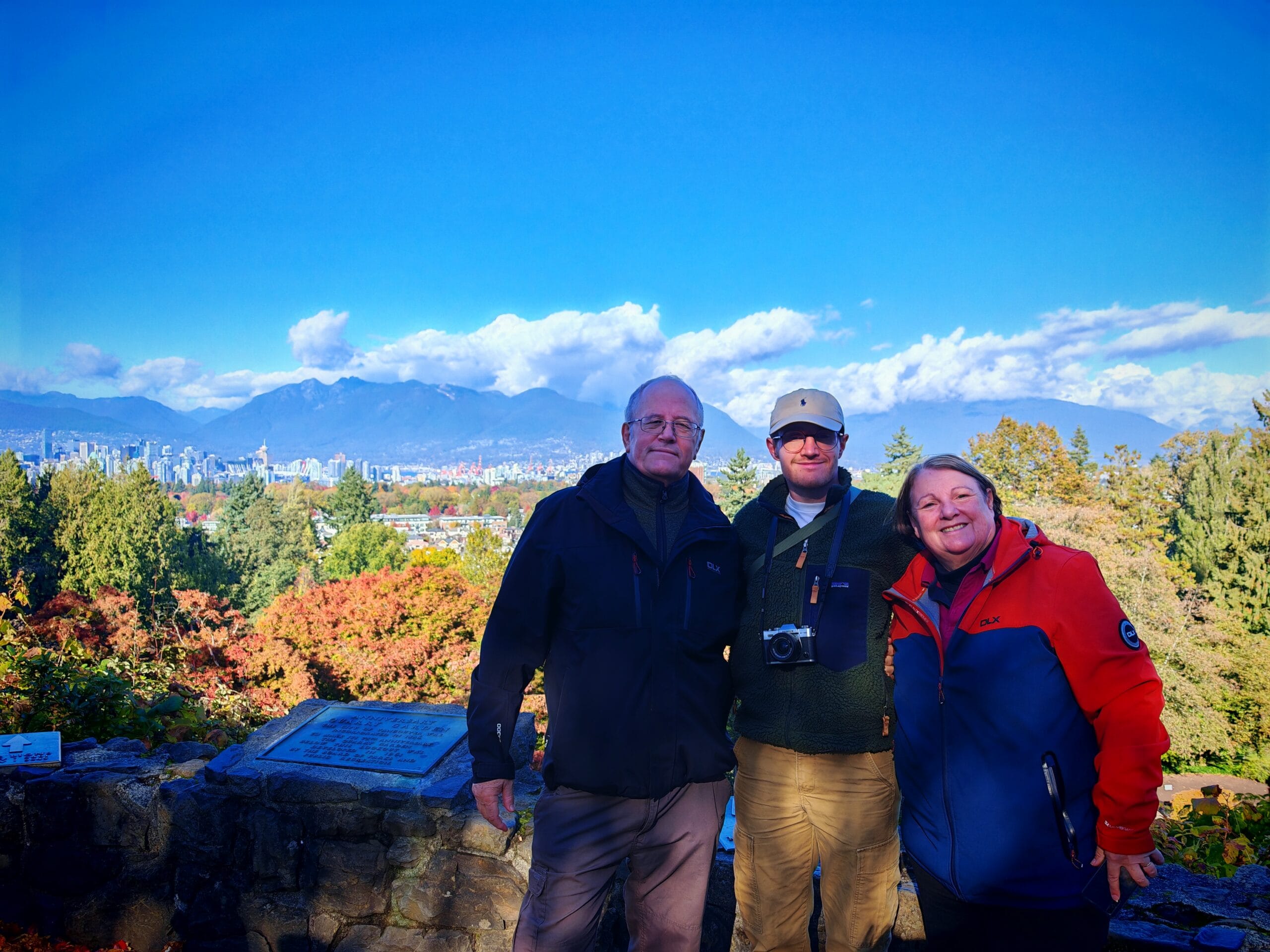
I don’t review gear out of a box. Read the full destination guides where the Osprey Hikelite 26 proved itself as the ultimate companion for demanding day hikes and global travel.

Competitors & Alternatives
While the Osprey Hikelite 26 is an absolute powerhouse for ventilated day hikes, the 20L–30L backpack market is incredibly competitive. Depending on whether your priority is moving fast, saving money, or finding a bag that doubles as a daily commuter, here is how the Hikelite stacks up against its closest rivals:
1. Deuter Speed Lite 24 / 25
- The Verdict: The body-hugging choice for fast-paced alpine missions.
- The Details: If you prefer a pack that moves seamlessly with your body rather than sitting away from it, the Speed Lite is a fantastic alternative. It ditches the suspended trampoline mesh in favour of a much sleeker, V-shaped profile that provides exceptional load stability. When pushing a fast pace up steep, punishing ascents like the Grouse Grind, this pack won’t sway or throw off your balance. However, the trade-off is a massive reduction in back ventilation compared to the airy Osprey.
2. Gregory Nano 24
- The Verdict: The budget-conscious organiser.
- The Details: Gregory is Osprey’s biggest direct competitor, and the Nano series targets hikers looking for maximum utility without the premium price tag. It features excellent internal organisation and a dedicated hydration sleeve, making it a highly practical bag. However, it relies on a much simpler, die-cut foam suspension system. It is slightly heavier and won’t keep your back nearly as cool as the Hikelite, but it is a rock-solid, affordable option for casual weekend hikers.
3. REI Co-op Flash 22
- The Verdict: The ultimate stuffable travel companion.
- The Details: The Flash 22 is a cult classic among peak-baggers and ultralight travellers. Unlike the rigidly structured Hikelite, the Flash is essentially a frameless rucksack. This means you can roll it up and stuff it into a larger 50L trekking pack to use as a secondary summit bag. It is incredibly versatile, but because it lacks a structured frame and doesn’t come with an included rain cover, it falls short if you plan on carrying heavy loads or hiking through heavy Pacific Northwest downpours.
4. Patagonia Refugio 26L
- The Verdict: The sleek urban-to-outdoor crossover.
- The Details: If you only want to own one single backpack for both the office and the trail, the Refugio is the undisputed king. It features a removable padded laptop sleeve and a beautifully sleek, minimalist aesthetic that looks right at home in a city coffee shop. While it can easily handle a moderate forest hike, it severely lacks the technical trail features of the Hikelite—meaning no load-lifters, no robust hip belt, and limited back ventilation. It is a commuter bag first, and a hiking bag second.
Kit Rankings
Conclusion
The Osprey Hikelite 26 is an exceptional all-around hiking backpack that strikes a perfect balance between a minimalist design and high-end functionality. Osprey’s longstanding reputation for quality means the durable materials will easily withstand years of abrasion on rugged trails. The absolute standout feature remains the tensioned AirSpeed Suspension, providing unparalleled ventilation and comfort even on humid, steep ascents.
While it shares much of its architecture with its smaller sibling, the addition of the front fabric “Shove-it” pouch is entirely worth the slightly higher price tag. That quick-stash pocket, combined with the extra 8L of internal space, makes it the ideal choice for longer day hikes, carrying extra layers for unpredictable coastal weather, or packing extra snacks for a group.
What hiking backpack do you currently rely on for your day hikes? Please share this post with fellow adventurers looking for a gear upgrade, and don’t forget to subscribe to the Backpacker’s Mentality newsletter to stay up to date with new gear reviews each month!
FAQs
What is the difference between the Osprey Hikelite 18 and 26?
The main difference is capacity and accessibility. The Hikelite 26 offers 8 extra litres of storage, making it better suited for long day hikes where you need extra layers, food, or a larger first-aid kit. Additionally, the 26L version features a front fabric “shove-it” pocket that is perfect for quickly stashing a wet rain jacket or a map, which the 18L version lacks.
Does the Osprey Hikelite 26 come with a rain cover?
Yes. It includes a fully waterproof, integrated rain cover that stows away neatly into a dedicated zippered pocket at the base of the pack. You can deploy it in seconds if you get caught in a sudden mountain downpour.
Can the Osprey Hikelite 26 fit a laptop?
While it is not designed as an urban commuter bag, the Hikelite 26 does feature an internal hydration sleeve that can easily double as a laptop sleeve for a standard 13-inch or 15-inch laptop. However, be aware that the bottom is not padded to protect fragile electronics from hard drops.
Is the Hikelite 26 good for sweaty backs?
Absolutely. It utilises Osprey’s AirSpeed™ suspension system, which relies on a tensioned mesh trampoline back panel. This creates a physical gap of airspace between your back and the main body of the pack, allowing for maximum airflow and drastically reducing sweat buildup on steep climbs.
Pingback: The Osprey Hikelite 18 Backpack: A Hiker's Perspective - Backpacker's Mentality
Pingback: Osprey Fairview 40: The Most Versatile Women's Travel Backpack - Backpacker's Mentality