
When you’re planning a mountain adventure that involves more than simply walking on established trails, choosing the right footwear becomes a real dilemma. Do you wear hiking boots and accept less precision on technical terrain? Do you choose trail runners for lightweight comfort but lose confidence on rock, scree and scrambling sections? Or do you wear climbing shoes and suffer through the approach before you even reach the route?
There is a better option for mixed mountain terrain: approach shoes.
Approach shoes are designed to bridge the gap between hiking shoes, trail runners and climbing footwear. They offer the grip, precision and confidence needed for rocky terrain, while still being comfortable enough for day hikes, scrambling routes, via ferrata and long mountain approaches. For hikers who regularly move across rock, scree, slabs, boulder fields and steep trails, approach shoes can be some of the most versatile mountain footwear available.
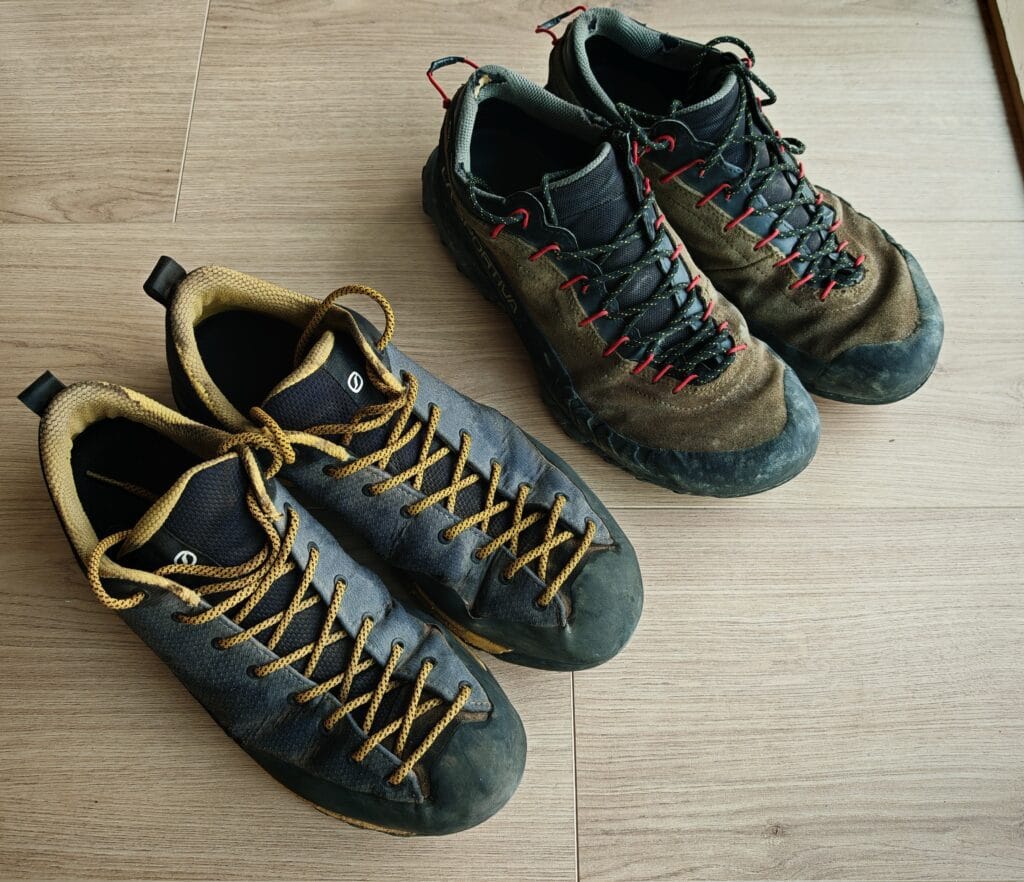
In this guide, we’ll look at why approach shoes for hiking make so much sense, how they compare in the debate of approach shoes vs hiking boots and approach shoes vs trail runners, and when they are the best choice for technical mountain terrain. We’ll also spotlight two of the best approach shoes I’ve used: the La Sportiva TX4 GTX and the Scarpa Mescalito Planet.
The Versatility Problem with Traditional Mountain Footwear
Hiking Boots
For years, there has been a fierce debate amongst the hiking, climbing and backpacking communities about the best footwear to use. I was in the mountain shoe/boot camp in my youth, casting a vote for the more rigid and traditional approach with a low cut due to my preference for ankle flexibility. Since the first hikers and mountaineers exploring the Alps and the Himalaya famously used leather boots. And to this day, these are incredibly popular and trusted by millions on trails each year.
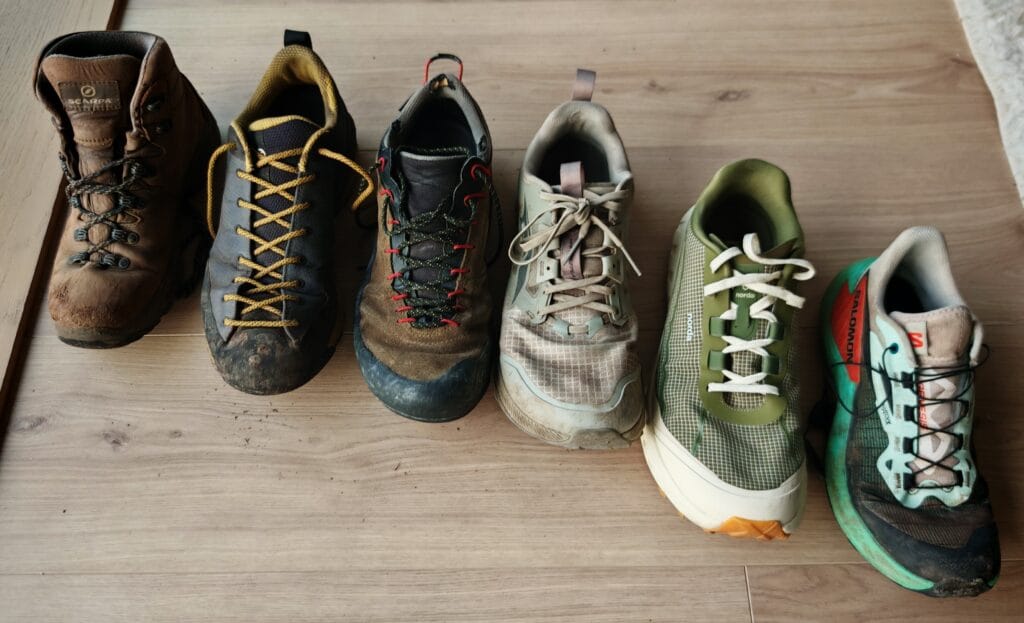
Traditional hiking boots excel on trails that are muddy, soft or snow-covered ground and in need of added protection or support, but become clumsy and imprecise when you need to navigate boulder fields, cross scree slopes, or scramble up rocky ridges. Their thick, heavily lugged soles provide excellent grip on dirt and mud but lack the sensitivity needed for technical footwork. For example, the Scarpa Terra GTX Hiking Boot.
Trail Runners and Climbing Shoes
Rock climbing shoes offer incredible precision and grip on stone, but are uncomfortable for anything beyond short approaches. Try hiking several miles in climbing shoes, and your feet will quickly remind you they weren’t designed for walking. To add to the confusion, trail running shoes have exploded in popularity thanks to being lighter and often more cushioned than hiking boots.
Many trekkers and thru-hikers swear by trail running shoes as they dry quicker, add focused protection in areas and allow you to be quicker on your feet on long days. Over the last year, I’ve used the popular Altra Lone Peaks for summer hiking and recently acquired a pair of Norda 002 for future trail runs and hiking adventures. Whereas my girlfriend has opted for the Solomon Genesis Trail Runners, which have been brilliant on trail runs and several summer hikes!
Approach Shoes
Approach shoes bridge this gap beautifully. They give you enough hiking comfort for long approaches while maintaining the technical performance needed when the trail turns into a scramble, or you need to navigate complex terrain. Originally designed for rock climbers to wear while hiking to their climbing routes, approach shoes have evolved into the perfect all-around mountain footwear for anyone who ventures into rugged, variable terrain. When it comes to rugged terrain, technical trails, and unpredictable mountain ground, one thing becomes clear fast: not all footwear is created equal.
For many outdoor enthusiasts, approach shoes have become the go-to choice — blending the traction of climbing shoes with the protection and comfort of hiking boots. They are trusted by Mountain Guides, Rescue Teams, and Elite Mountaineering Climbers for their exceptional technical ability, reliability, and versatility. Here’s why they should be your go-to choice for mountain hiking, scrambling, and trekking with my favourite 2 approach shoes below…

I have used Hiking Shoes over Hiking Boots since I started hiking. Primarily because I like the ankle flexibility for fast descents and scrambling on rocks; however, this does come at the cost of support and worse water/puddle performance. I discovered Approach Shoes, which are a combination of hiking and climbing shoes. This hybrid shoe sounded perfect for my future adventures. If you enjoy scrambling or need versatile footwear for approaches or backpacking, then approach shoes could be the sweet spot shoe. The La Sportiva TX4 approach shoes were highly rated and popular amongst mountaineers and climbers for a reason. They have been included on my Hiking and Trekking Kit Lists.
What Makes Approach Shoes Stand Out?
Sticky Rubber Outsoles
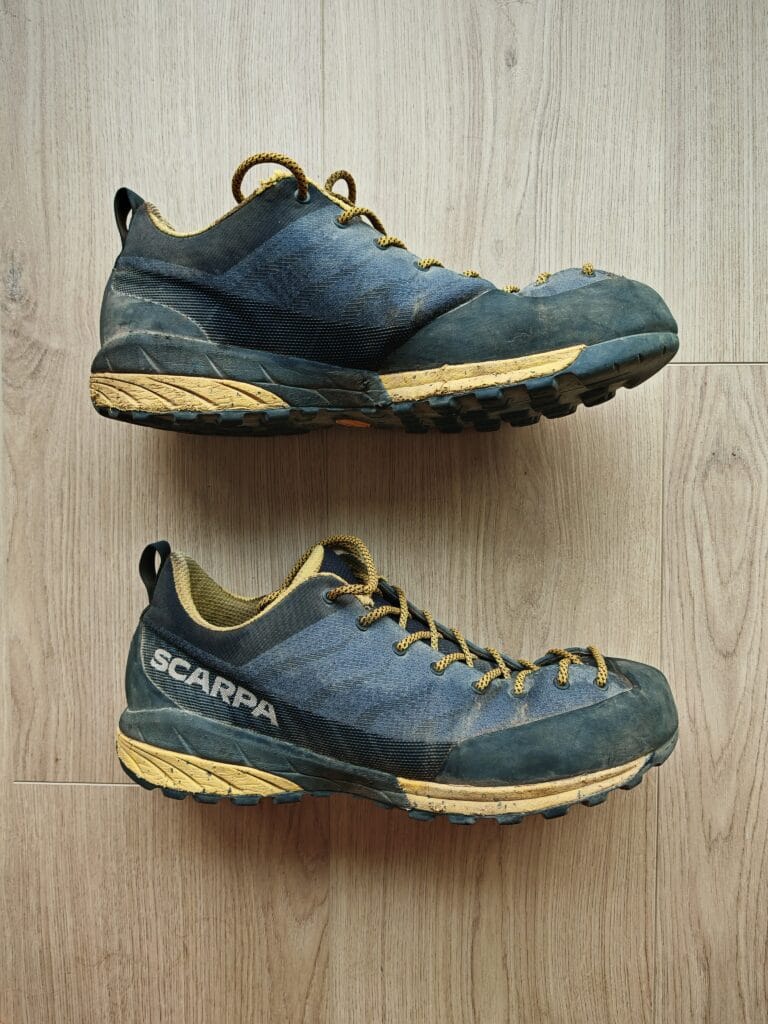
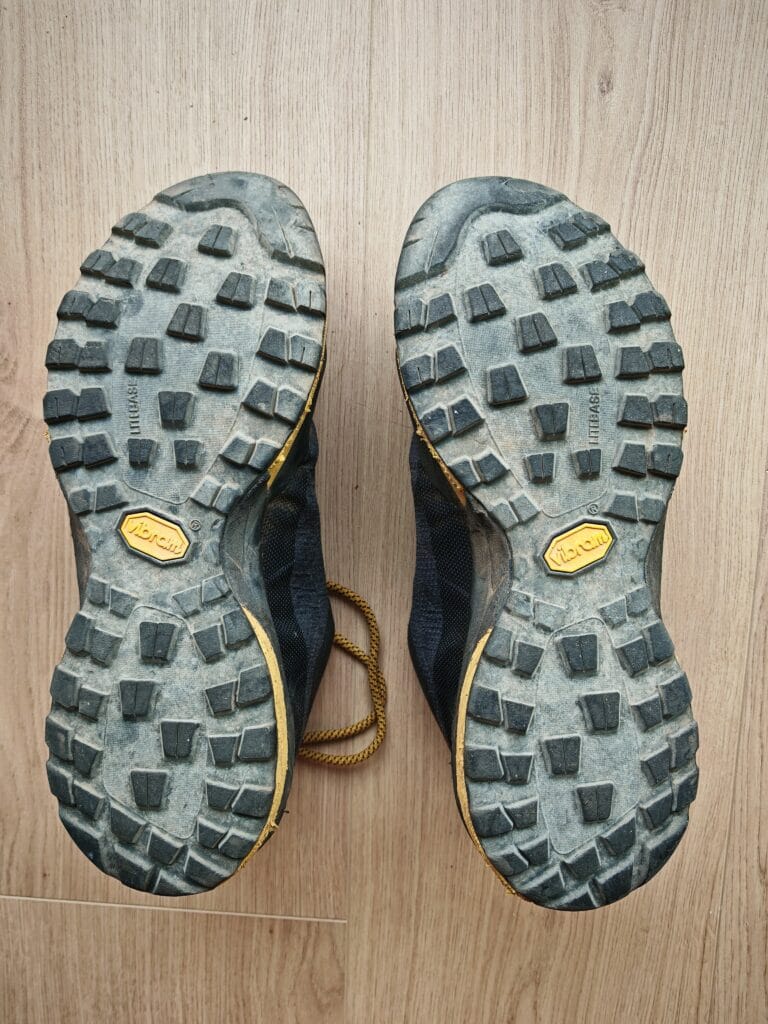
Approach shoes use climbing-grade high-friction rubber compounds on their outsoles. This means exceptional friction on rock surfaces, allowing you to confidently weight small edges and trust your feet on slabs that would be sketchy in hiking boots.
Precision Fit
Unlike chunky hiking boots, approach shoes fit more snugly and offer better ground feel. You can actually sense what’s under your feet, which is crucial when you’re picking your way across a boulder field or balancing on exposed terrain. You’re less likely to feel your foot slide around inside the shoe — a major confidence booster on technical terrain.
Climbing-Style Rands
Many approach shoes feature sticky rubber that wraps around the toe and sides of the shoe. This allows you to edge effectively and even do some light toe hooking when needed—techniques that are impossible in hiking boots. Approach shoes balance protective build with the rand and durable materials, yet still with a nimble profile — padded but not heavy, rigid but not clunky.
Durable Construction
The best approach shoes combine the durability needed for rough mountain terrain with the precision required for technical movement. Reinforced toe boxes, protective rand wrapping, and robust uppers handle the abuse of scrambling and rock abrasion, without falling apart.
Lower Profile
Approach shoes typically have a lower profile than hiking boots, which improves your connection to the terrain and makes technical footwork more intuitive. You move more like a climber than a hiker.
Stiffer Midsoles
By having a higher stiffness, Approach shoes have greater protection on trails with better stability underfoot. Also, this helps with rock climbing by keeping toe holds and foot grip.
Climbing-style Lacing System
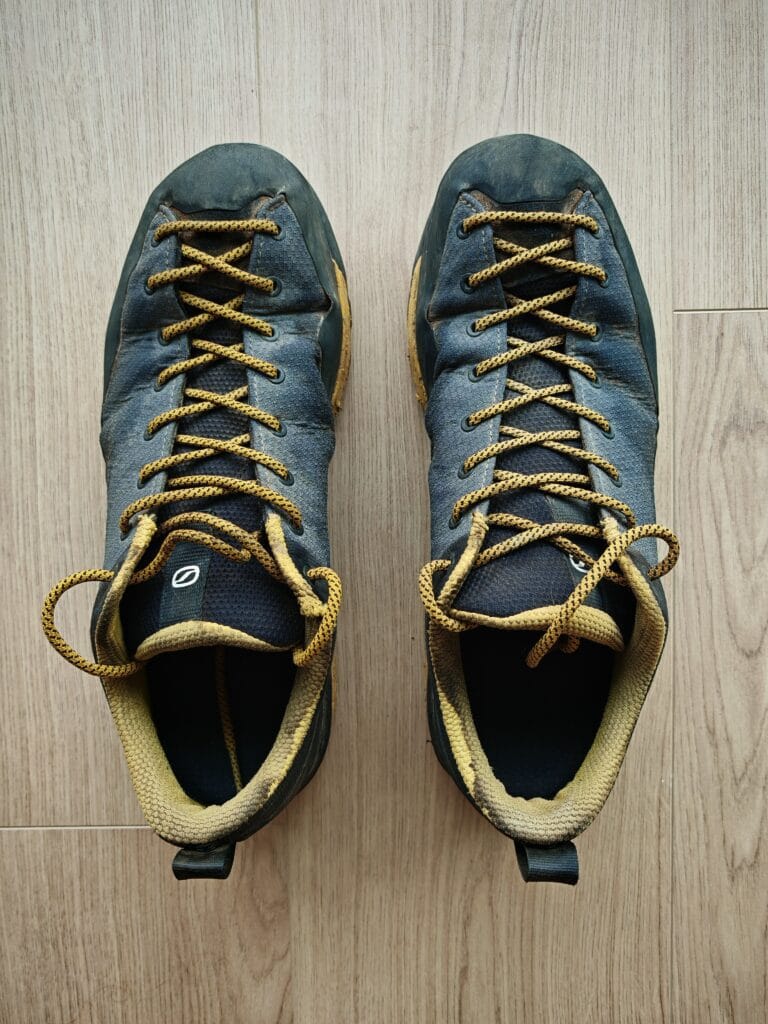
The extended laces allow for a precision fit on steep ground and a better custom fit. It’s an obvious differentiator from hiking shoes and adds to the versatility by quickly being able to adjust the laces depending on the terrain. The extended lacing lets you dial in a snug fit all the way to your toes. When you’re edging on narrow ledges or placing feet on small holds, that control counts.
Where Approach Shoes Perform Best
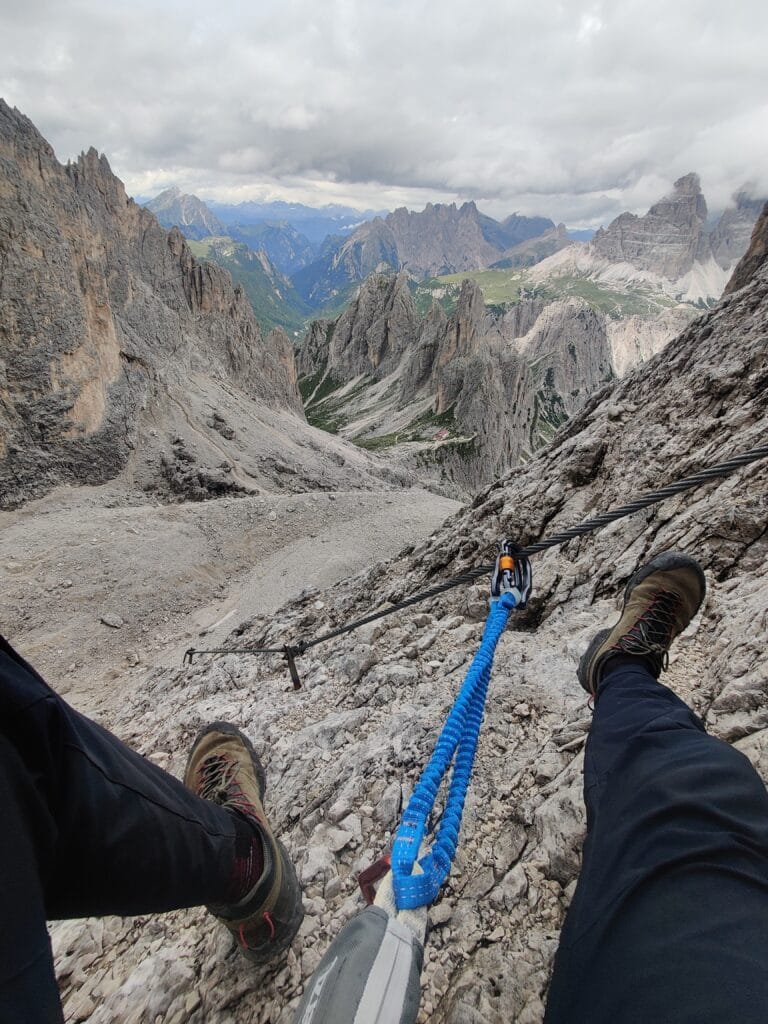
Whether it’s loose dirt, rocky trails, small scree fields, or easy 3rd-class scrambling, approach shoes transition seamlessly. That versatility makes them a top pick for multi-day trekking routes where the terrain varies from forest paths to mountain passes. Find out some specific mountain terrain types below:
Alpine Scrambling: When you’re moving through Class 2 and Class 3 terrain where you occasionally need to use your hands for balance, approach shoes provide the sticky rubber and precision you need while remaining comfortable enough for the hiking portions.
Peak Bagging: Many mountain summits require leaving the trail and navigating talus, scree, and rock slabs. Approach shoes handle these challenges far better than traditional hiking boots while keeping your feet comfortable over long distances.
Via Ferrata Routes: For fixed-cable routes that combine hiking with technical sections, approach shoes offer the perfect blend of comfort and performance. You can hike the approaches and confidently tackle the exposed, rocky sections.
Mixed Terrain Trekking: When your route involves everything from forest trails to boulder fields to rocky ridges, approach shoes adapt better than specialised footwear. You’re not compromising on any one terrain type.
Technical Mountain Trails: Even on maintained trails in the mountains, you often encounter rock steps, root networks, and stream crossings where the precision and grip of approach shoes make a noticeable difference.

Approach shoes are a hybrid, not a replacement for every style of footwear. But for mountain hikes with exposure, rocks, and varied surfaces, they often outperform both hiking boots and trail runners.
Choosing the Right Approach Shoe
Not all approach shoes are created equal. Some lean more toward hiking comfort with moderate technical performance, while others prioritise climbing ability with less cushioning. Consider what your adventures typically involve. The best approach shoes will offer exceptional traction on rock, precision and control when scrambling, high protection without excess weight and versatility for mixed terrain
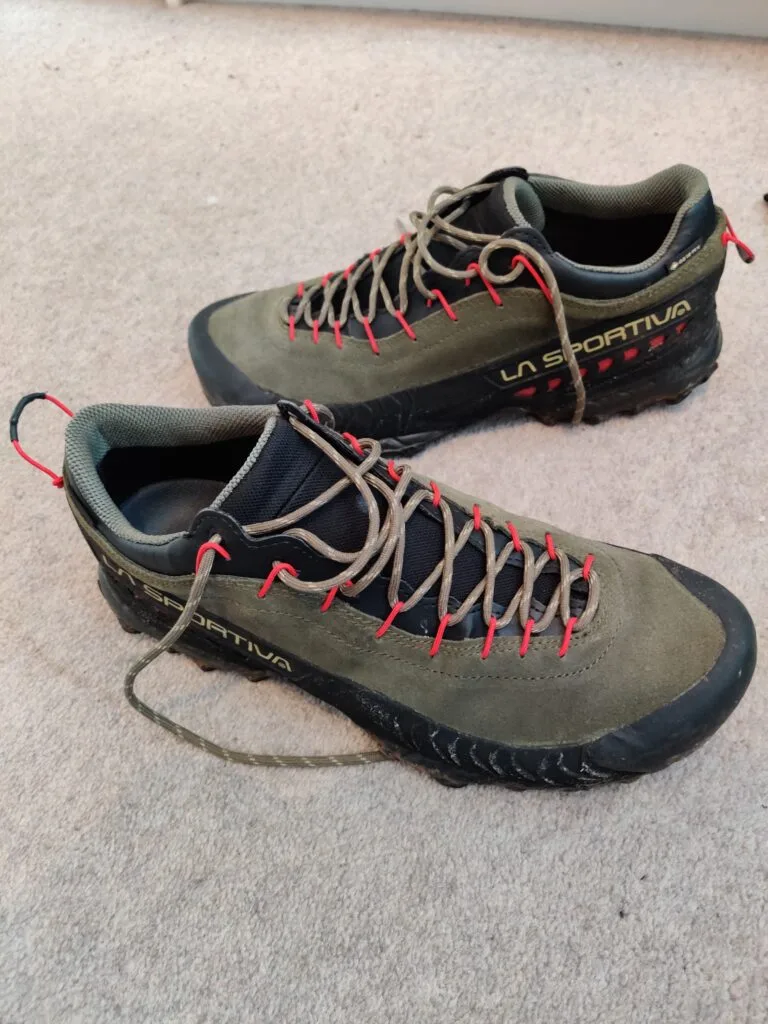
Spotlight: La Sportiva TX4 GTX
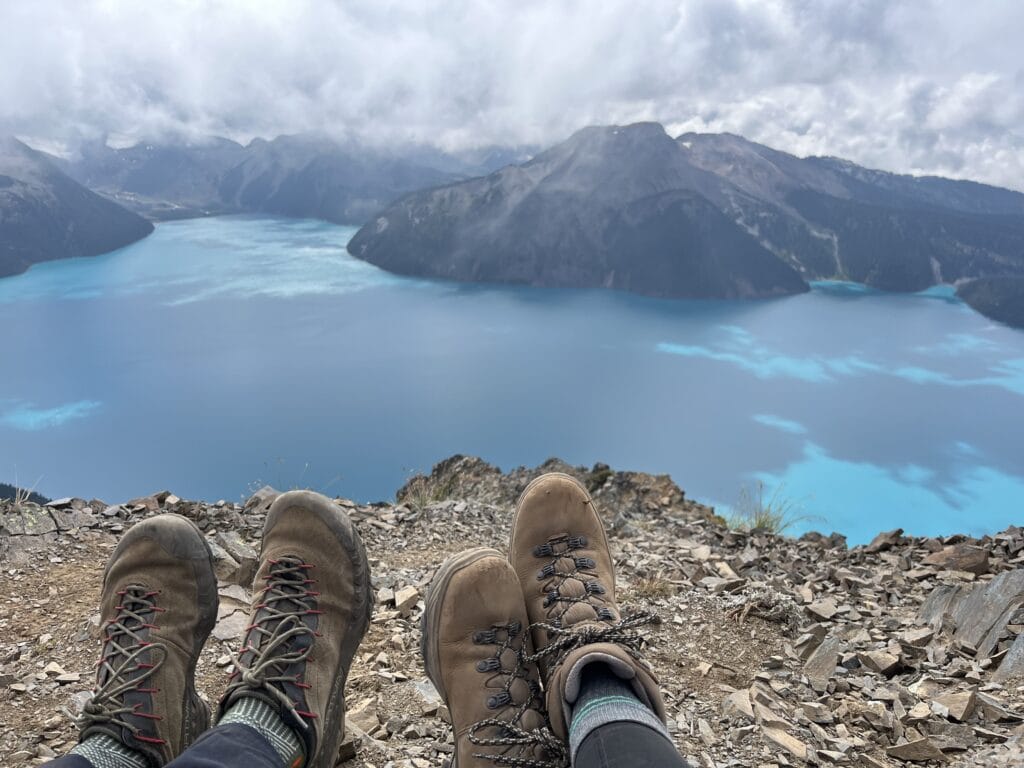
A versatile favourite among outdoor adventurers, the La Sportiva TX4 GTX blends rugged capability with waterproof protection. For serious scrambling and technical terrain with moderate approaches, you’ll want a shoe that emphasises sticky rubber, precision, and sensitivity. Models like the La Sportiva TX4 GTX offer an excellent balance of technical performance with enough comfort for day-long adventures, plus waterproof protection when conditions demand it.
- Sticky FriXion® rubber outsole for tacky rock grip
- GORE-TEX lining to keep feet dry in wet conditions
- Reinforced rand and toe bumper for durability
- Well-balanced between stiffness and flexibility
For hikers tackling wet, varied terrain — from muddy trails to granite slabs — the TX4 GTX is a go-to choice that’s equally at home on the approach and under backpack loads.
📌 Look for our full La Sportiva TX4 GTX review here!
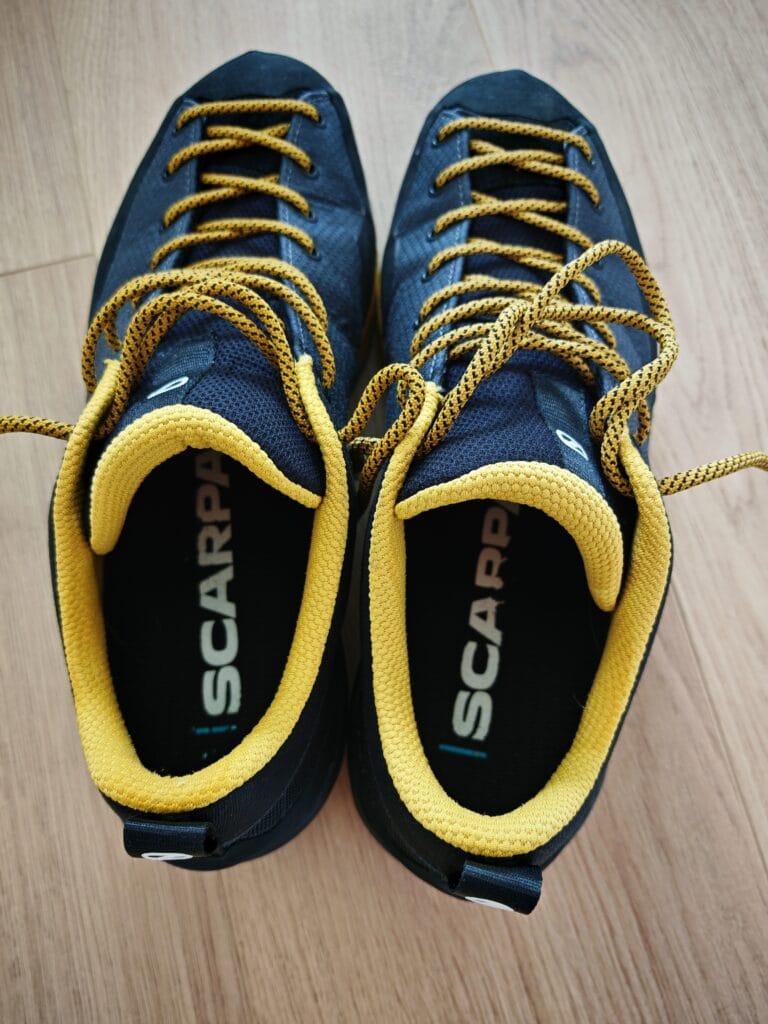
Spotlight: Scarpa Mescalito Planet
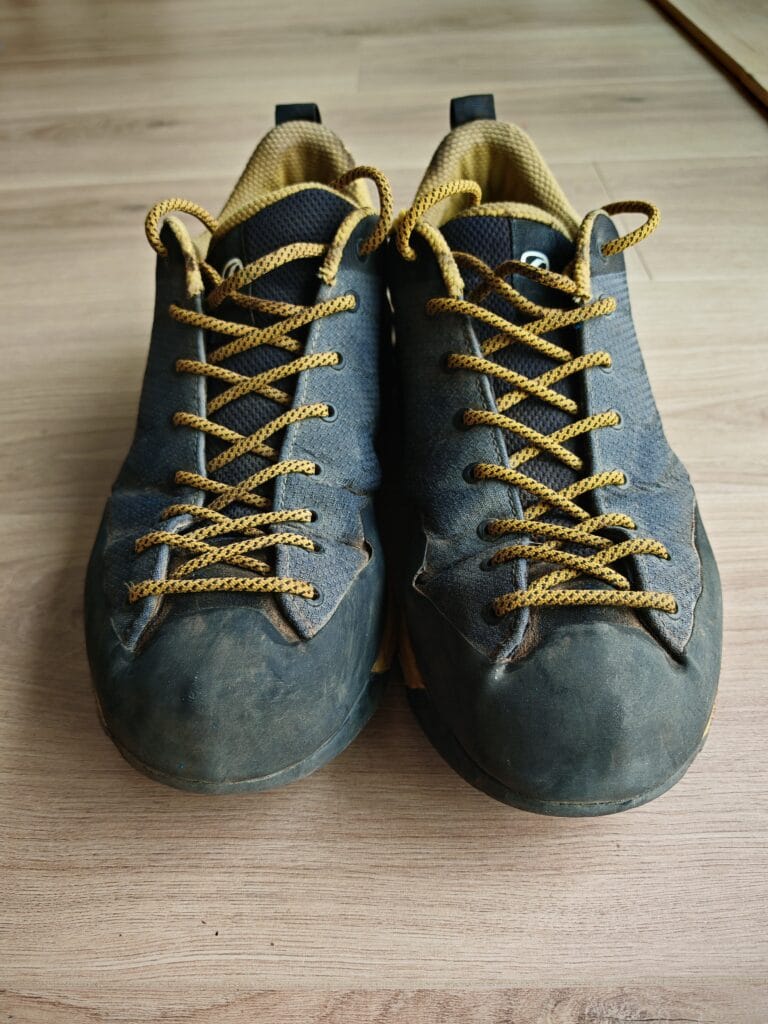
The Scarpa Mescalito Planet brings climbing-inspired performance to rugged trail and mountain terrain. For longer treks with occasional technical sections, consider shoes like the Scarpa Mescalito Planet, which provides more cushioning and support for extended mileage while maintaining the sticky rubber and technical features needed when terrain gets challenging. Sustainable construction is a bonus for environmentally conscious adventurers.
- Vibram® Megagrip outsole for exceptional traction on rock and wet surfaces
- Protective rand and toe cap for aggressive terrain
- Durable, supportive upper that stands up to alpine abuse
- Slightly freer feel than a stiff boot — perfect for long days
Whether you’re ridge-hopping or cruising rocky trails, the Mescalito Planet delivers confidence where it counts.
📌 Check out our detailed Scarpa Mescalito Planet review here!
Other Approach Shoes To Consider
While the La Sportiva TX4 GTX and Scarpa Mescalito Planet are my two favourite options, there are plenty of other strong approach shoes worth considering depending on your terrain, fit preference and budget.
The Black Diamond Technician is a good choice if you want a more climbing-focused approach shoe with a precise fit, sticky rubber and better performance on rock. It is less of an all-day hiking shoe than the TX4, but it makes sense for scrambles, via ferrata and routes where technical footwork matters.
The Salewa Wildfire Edge is another excellent option for technical mountain terrain. It feels closer to a hybrid between an approach shoe and a light climbing shoe, with a snug fit and strong edging ability. If your hikes often involve exposed rock, steep slabs or scrambling, this is one to look at.
For something more comfortable and trail-friendly, the Merrell MQM range is worth considering. It feels more like a fast hiking shoe than a pure approach shoe, so it is better for mixed trails, lighter scrambling and people who want comfort over maximum climbing precision.
The Arc’teryx Konseal is a premium option with a clean design, durable build and strong performance on rocky approaches. It suits hikers and climbers who want a technical shoe that still looks understated enough for travel.
Overall, the best approach shoe depends on how technical your routes are. For hiking-first adventures, choose something comfortable and supportive. For scrambling, via ferrata and rocky alpine terrain, prioritise sticky rubber, a precise fit and strong toe protection.
The Bottom Line
If your mountain adventures involve more than walking on smooth, established trails, approach shoes deserve serious consideration. For routes with rock, scree, exposed steps, light scrambling or off-trail terrain, they offer a level of grip, precision and confidence that standard trail shoes often cannot match.
Approach shoes sit in the sweet spot between trail runners, hiking boots and climbing shoes. They are not designed to replace every type of footwear, but for mountain hiking, scrambling and adventurous trekking, they are often the best single option. Compared with trail runners, approach shoes usually feel more protective and precise on rock. Compared with hiking boots, they often feel lower profile, grippier and more agile on technical ground.
That is why the approach shoes vs hiking boots debate really depends on terrain. For muddy trails, heavy packs and long backpacking days, hiking boots still make sense. For fast, non-technical trails, trail runners are hard to beat. But for rocky mountain routes, via ferrata approaches, scrambling and mixed alpine terrain, approach shoes are often the most confidence-inspiring choice.
Yes, they can feel different at first if you are used to traditional hiking boots. The lower cut, snugger fit and stiffer sole take some adjustment. But once you experience how secure they feel on rock, and how well they balance grip with all-day comfort, it becomes clear why approach shoes have become a secret weapon for hikers, climbers and mountain travellers.
For me, the best approach shoes are not just specialist climbing approach footwear. They are some of the most practical technical hiking shoes for real mountain terrain, especially when the route is too rocky for trail runners but not heavy enough to justify full hiking boots.
FAQs
What are approach shoes?
Approach shoes are hybrid mountain shoes that combine the grip and precision of climbing shoes with more comfort and protection for hiking. They were originally designed for climbers walking to climbing routes, but they also work well for rocky hikes, scrambling, via ferrata and technical mountain trails
Are approach shoes good for hiking?
Yes, approach shoes are good for hiking when the terrain is rocky, steep, exposed or technical. They are especially useful on scrambles, boulder fields, scree, via ferrata routes and mountain trails where standard hiking shoes or trail runners may not provide enough precision or grip.
Are approach shoes better than hiking boots?
Approach shoes are better than hiking boots for rocky scrambling, technical footwork and precise movement on stone. Hiking boots are usually better for muddy trails, snow, heavy backpacking loads and situations where ankle support or deep lugs are more important.
What is the difference between approach shoes and trail runners?
Trail runners are usually lighter, softer and more breathable, making them ideal for fast hiking and non-technical trails. Approach shoes are generally stiffer, more protective and use stickier rubber, making them better for rocky terrain, scrambling and technical mountain routes.
What are the best approach shoes for hiking and scrambling?
Two strong options are the La Sportiva TX4 GTX and the Scarpa Mescalito Planet. The La Sportiva TX4 GTX offers waterproof protection, sticky rubber and a durable rand, while the Scarpa Mescalito Planet offers strong traction, support, durability and a more sustainable construction. [backpacker…tality.com]