Starting your first backpacking trip can feel overwhelming. There are flights to book, hostels to choose, bags to pack, routes to plan and the constant question of what you actually need to bring. But backpacking for beginners does not need to be complicated. With the right mindset, a simple plan and a lightweight kit list, travelling independently becomes far less intimidating.
My first few trips taught me that the best backpacking tips for beginners are usually the simplest ones: pack less than you think, stay flexible, choose hostels carefully, keep valuables secure and build your confidence one trip at a time. You do not need the most expensive gear or a perfectly planned itinerary to start backpacking. You just need reliable basics, common sense and a willingness to learn as you go.
This guide covers how to start backpacking, from choosing your first destination and booking hostels to packing the right gear, staying organised, managing money and avoiding common beginner mistakes. Whether you are planning a weekend city break, a European interrailing route, a gap year trip or your first long-term adventure, these beginner backpacking tips will help you travel lighter, smarter and with more confidence.
What is Backpacking?
Backpacking is a travel style that focuses on carrying only essentials in a backpack. It emphasises freedom, minimalism, and adventure. Often, it involves budget-friendly choices, flexible itineraries, and immersive cultural experiences, making the journey as meaningful as the destination. No wonder so many people look to backpacking as a way to experience as much of the world as possible, meet people, learn about new places and go on a journey of self-discovery. Instead of relying on luxury or convenience, backpackers carry everything needed for their adventures and can travel for extended periods on a budget. It’s about exploring the world with freedom — moving between cities, trails, or countries, often staying in hostels, camping, or using local transport. Backpacking isn’t just about saving money; it’s a mindset that values experiences over possessions.
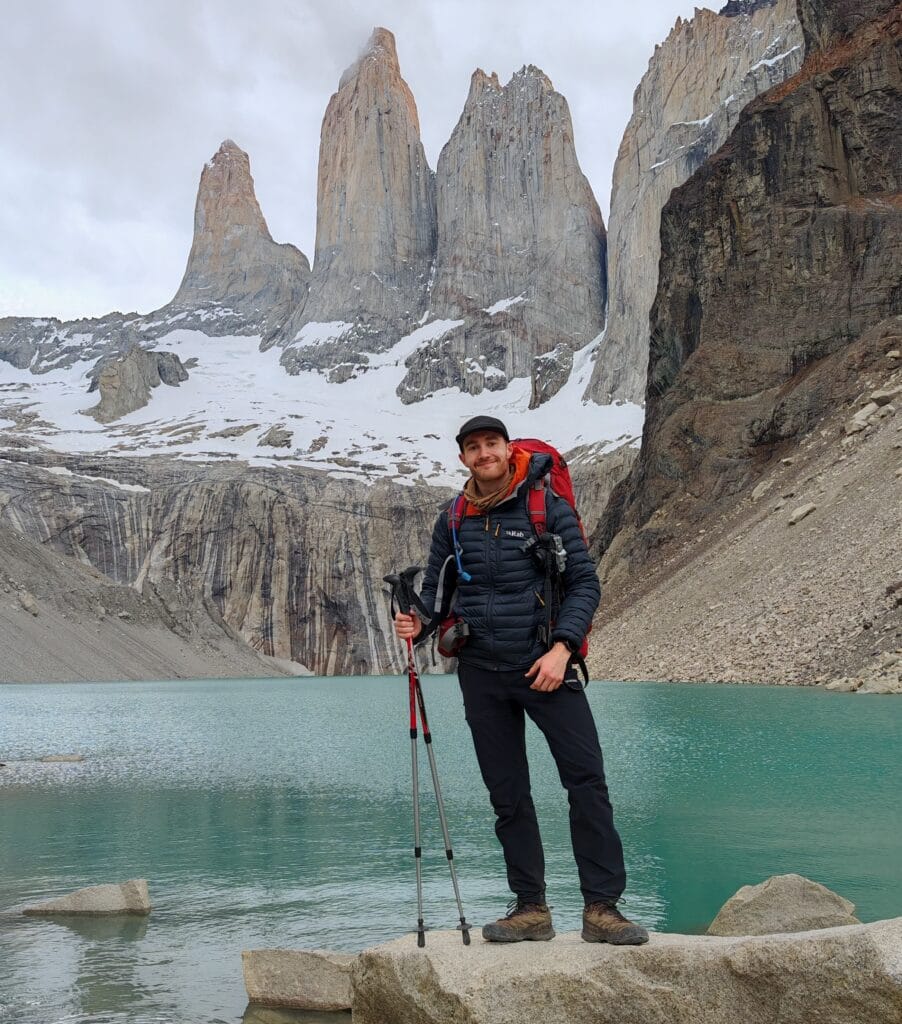
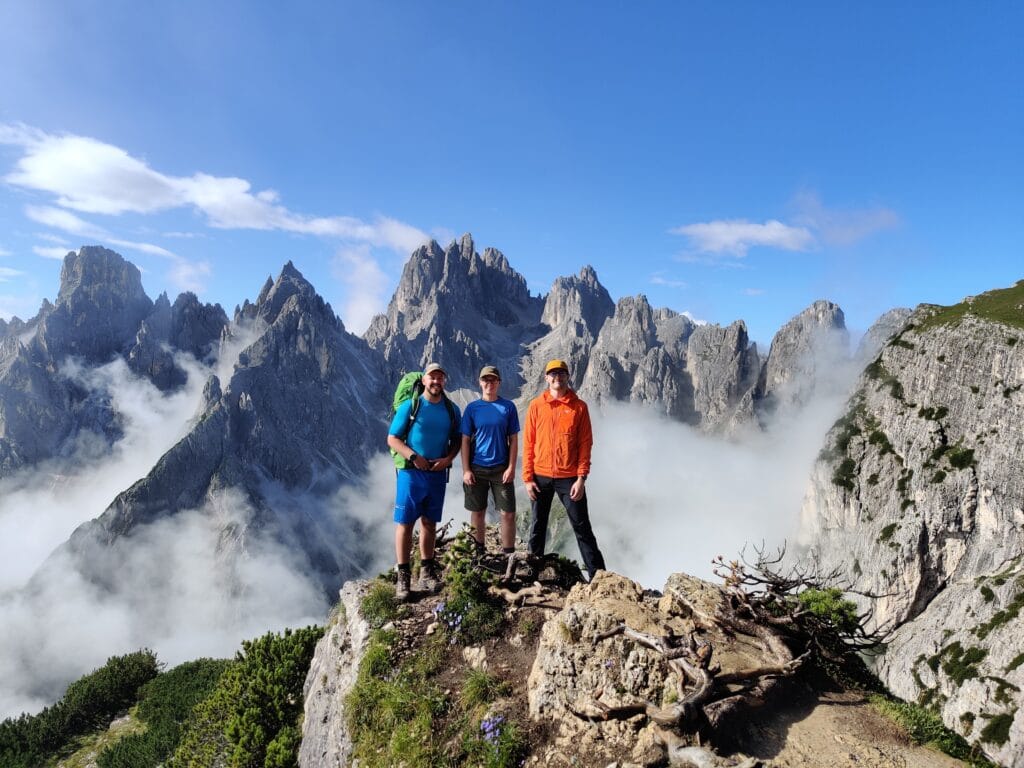
Most backpackers I have met have been open-minded and seeking meaningful connections with people, places, and cultures along the way. At its core, backpacking is about travelling light, living simply, and discovering more. And that is where this mentality about minimalist, experience-focused travel resonated with me. I’ve been inspired by the other backpackers I’ve met in hostels, campsites or on trails. The only issue is that you gain so much advice and recommendations, you could almost travel nonstop! The backpacking for beginner tips below I have learned from my first trek on the Annapurna Circuit, along the Dolomites Alta Via 4 and in Patagonia. Plus, more recently, Backpacking in Canada near Whistler and Squamish. I wish someone had told me some backpacking for beginners advice before starting, yet sometimes the best way to learn is by doing it and trying again.
Backpacker’s Mentality
For a long time, I have considered writing about what exactly a Backpacker’s Mentality is. So here is the origin story and a brief overview of the main elements of this travelling mindset. The mission for this blog is to create a guide to adventurous, mindful and minimalist travel. I love outdoor adventure and connecting with nature, so it’s important to highlight the mindfulness. I believe in being fully present and engaged in each moment of travelling. So many of us dream about holidays and trips abroad, but then are too caught up in our stresses and worries to see what is there in front of us. And for many years, I have enjoyed the challenge of minimalist travel with the essentials and carrying the minimum amount on my back to have a great time.
This inspired the slogan of “Exploring the world with less, living with more” – a little generic, but it gets the picture across. Backpacking has the opportunity to boost our mental health with time in nature and making new connections. It is a humbling experience visiting less fortunate places, and it broadens your horizons. Physical exercise, building resilience and self-confidence through backpacking, are some of the boosts you can get, which make you feel more alive and connected with the world and communities. I have met many backpackers from Nepal, Chile and hostelling around Europe. They all brought authenticity and fascinating travels and memories to share and inspire. It’s the friends who I have met whilst backpacking that have influenced the mentality and characteristics listed below. Their advice and my own experience have then formed the backpacking for beginners tips.
Backpacker’s Mentality Elements
Adventure & Exploration
Do you have a strong desire to explore new places, cultures, and experiences? Backpackers are driven by a sense of curiosity and a quest for adventure. And the beauty of backpacking is that it is so broad and encompassing, anyone can love exploration. You don’t need to be doing a huge expedition to be adventurous!
Minimalism
There is a challenge and balance when travelling light and carrying only essential items. This often reflects a broader minimalist lifestyle, valuing experiences over possessions. When trekking in the mountains or through nature, having a light load to carry will make the journey more enjoyable.
Adaptability
Willingness to adapt to changing plans, unexpected challenges, and new environments. Backpackers often embrace uncertainty and are open to going with the flow. At first, it is hard to let go of rigid plans, but when joining new friends on excursions, you learn quickly to trust in spontaneous and flexible planning.
Budget-conscious
A focus on affordable travel options, such as staying in hostels, using public transportation, and seeking out cost-effective activities, is key. Hostels and campsites are great places to meet new people and share new experiences. There are many cheap ways to travel, such as trains, coaches and overnight transport to keep costs down. This often involves creative problem-solving to stretch their budget and possibly working for bed & board.
Cultural Immersion
An interest in immersing oneself in local cultures, including learning about local customs, trying new foods, and engaging with local communities. This can also involve learning new languages and respecting local traditions. Meeting new people, whether locals or fellow backpackers, is a great way to explore the culture. I have learnt to cherish the social side of Backpacking and have met so many amazing new friends in hostels and on treks.
Independence and Self-Reliance
Valuing independence and the ability to rely on oneself for navigating new places and situations. This often involves developing strong problem-solving skills and resourcefulness. I have built my self-confidence massively by solo backpacking and learning to trust my instincts and decisions. I’ve learnt that a plan and preparation will help with logistics, but be prepared to adapt and change your plan when there.
Open-mindedness
Being open to new ideas, perspectives, and ways of life is one of the most obvious traits of backpackers. There is a stereotype of backpackers being liberal, but this comes from a compassionate and connected point of view based on a broad range of experiences. This includes an acceptance of different cultures, lifestyles, and viewpoints encountered during travels.
Backpacking for Beginners: Tips & Hacks
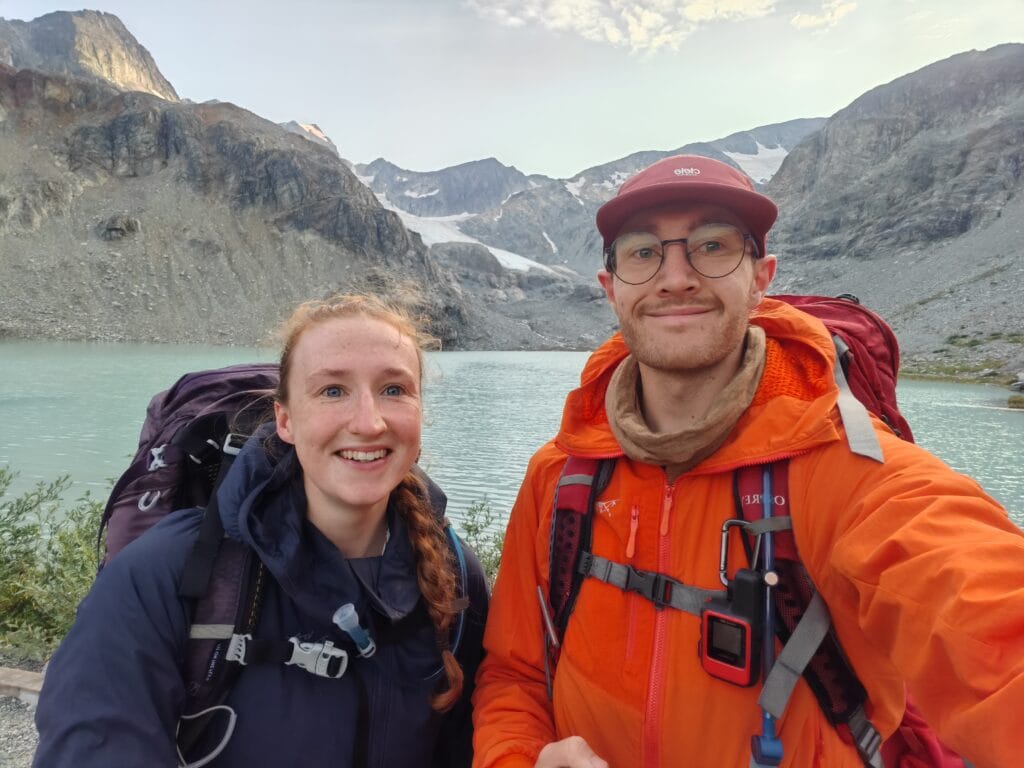
A topic that has been relevant in August, with Rosin doing her first backpacking trip with her new Osprey Aura AG 50 Backpack (review coming soon). And for me, my first taste of backcountry backpacking and camping. I’m experienced in hiking difficult trails, but this most recent trip has been a great challenge, especially after being injured for most of August. So we thought we would share some tips about backpacking for beginners.
Minimise Weight & Pack Adjustment
A general rule of thumb is to try not to carry more than 20% of your body weight. I have done treks with 25% after much strength and conditioning to improve my fitness. For a beginner, it’s easy to carry too much, as I did on the Annapurna Circuit with my Osprey Atmos AG 50. It’s recommended to aim for 10-12kg (22-26lbs) for a long weekend and 15-18kg (33-40lbs) for longer backpacking trips. Aim to only take the essentials and invest in lightweight equipment if possible. It’s good practice to pack the heaviest items at the bottom of the backpack to avoid being top-heavy and unstable when hiking.
Practice Hike & Pack
It’s good to know before a long hike with a heavy backpack how it feels. Naturally, it will take longer to hike carrying a load, so take this into account when planning the route to a campsite. And give enough time for breaks and to set up camp before it gets late. Always know your hiking limits, so if you struggle with steep gradients with a day pack, would it be possible when carrying a 50L backpack full of gear for the night?
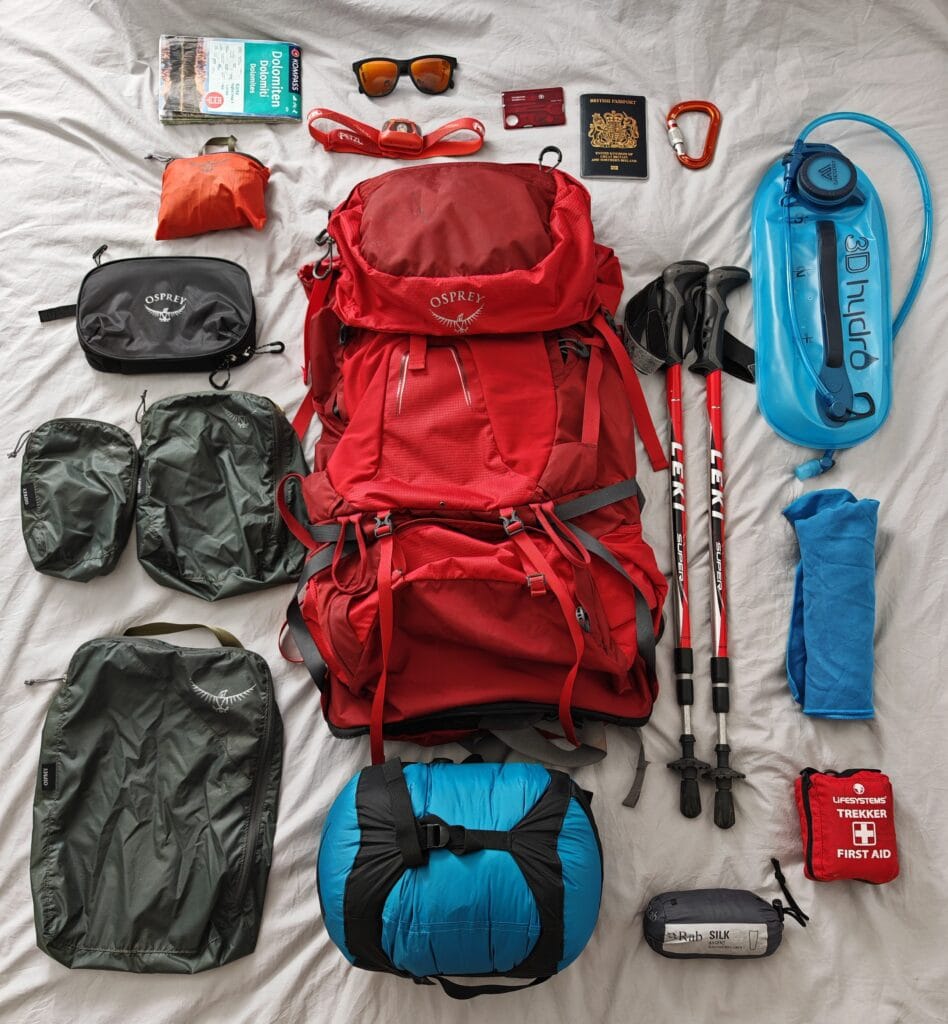
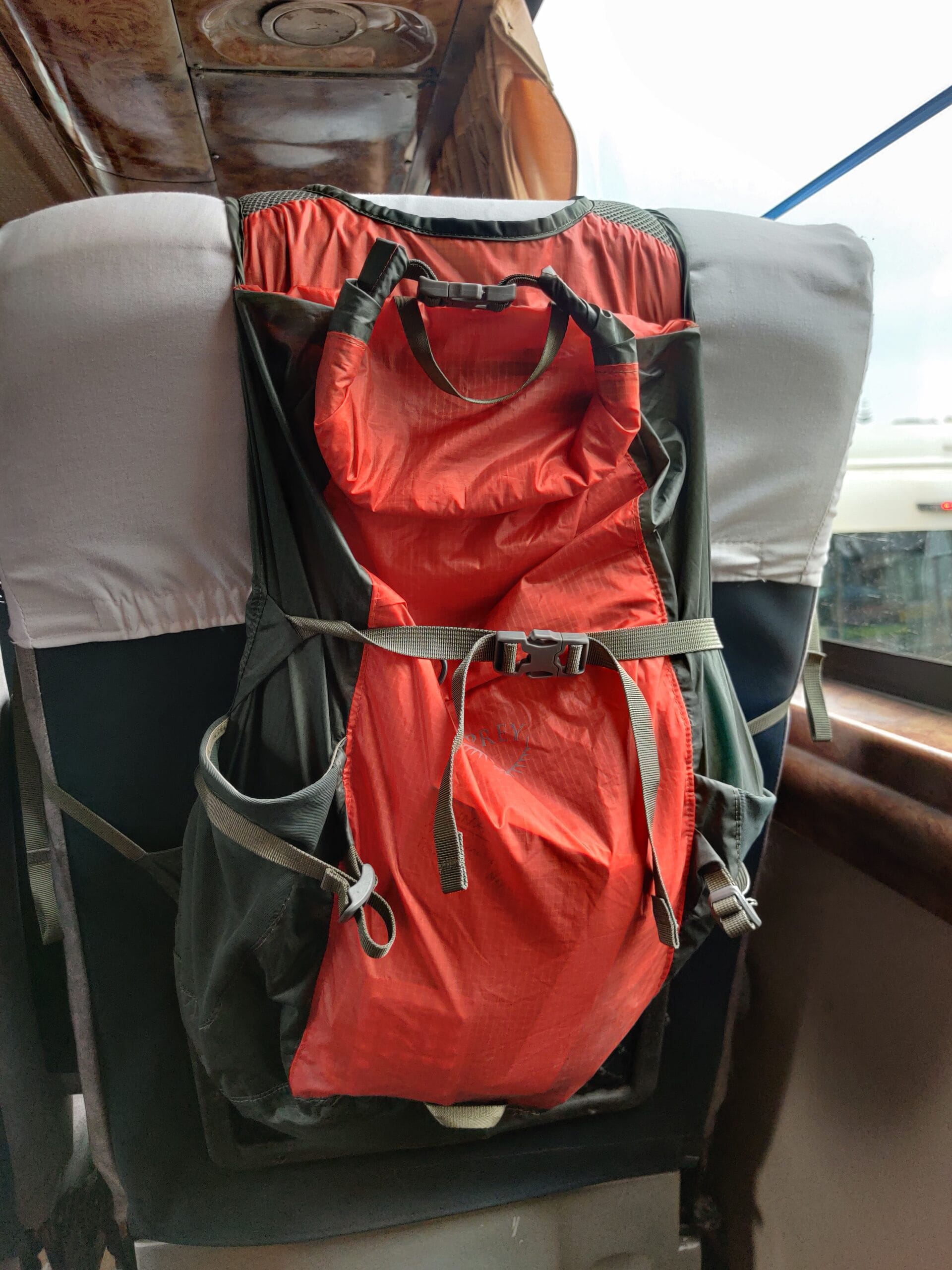
I highly recommend practising packing and weighing the backpack before setting off. Ask yourself, do I need to carry this? Every gram saved feels better on the trail. Making sure you have your backpack adjusted for the best fit is very important. It’s best to get it done properly in-store or by watching a guide for hipbelts and shoulder straps to optimise the weight. Another tip is to use compression sacks and packing cubes to keep your equipment stable and distributed efficiently. Check out the Ultimate Trekking Kit List for a full list of what to pack for Backpacking and Trekking adventures.
Essential Backpacking Gear for First-Time Travellers
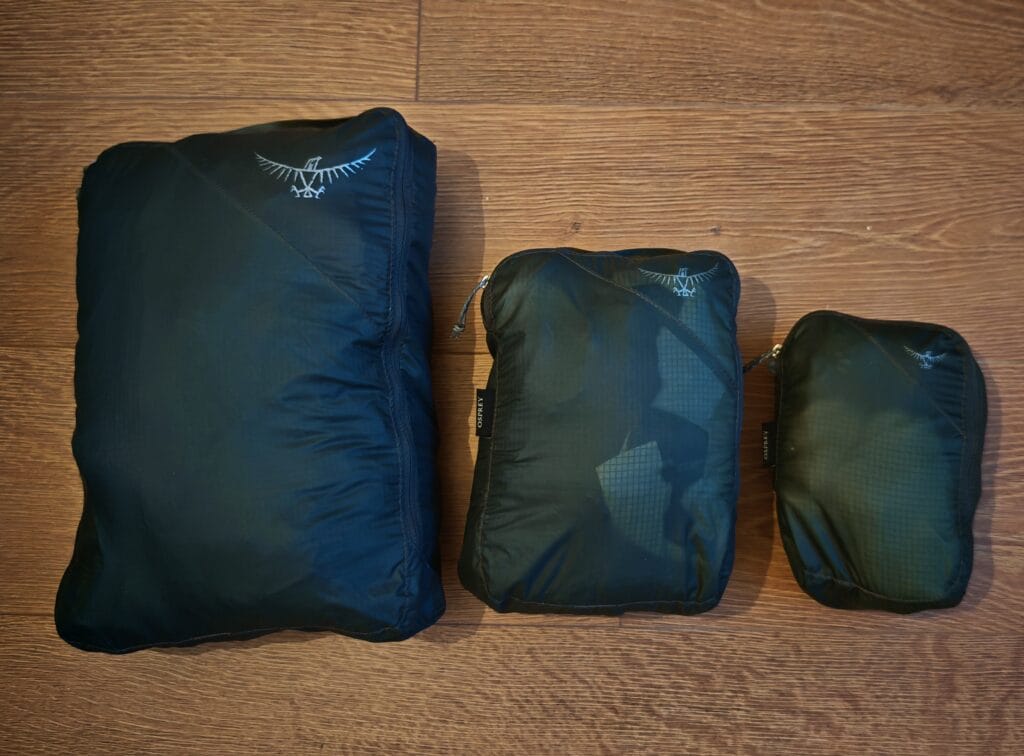
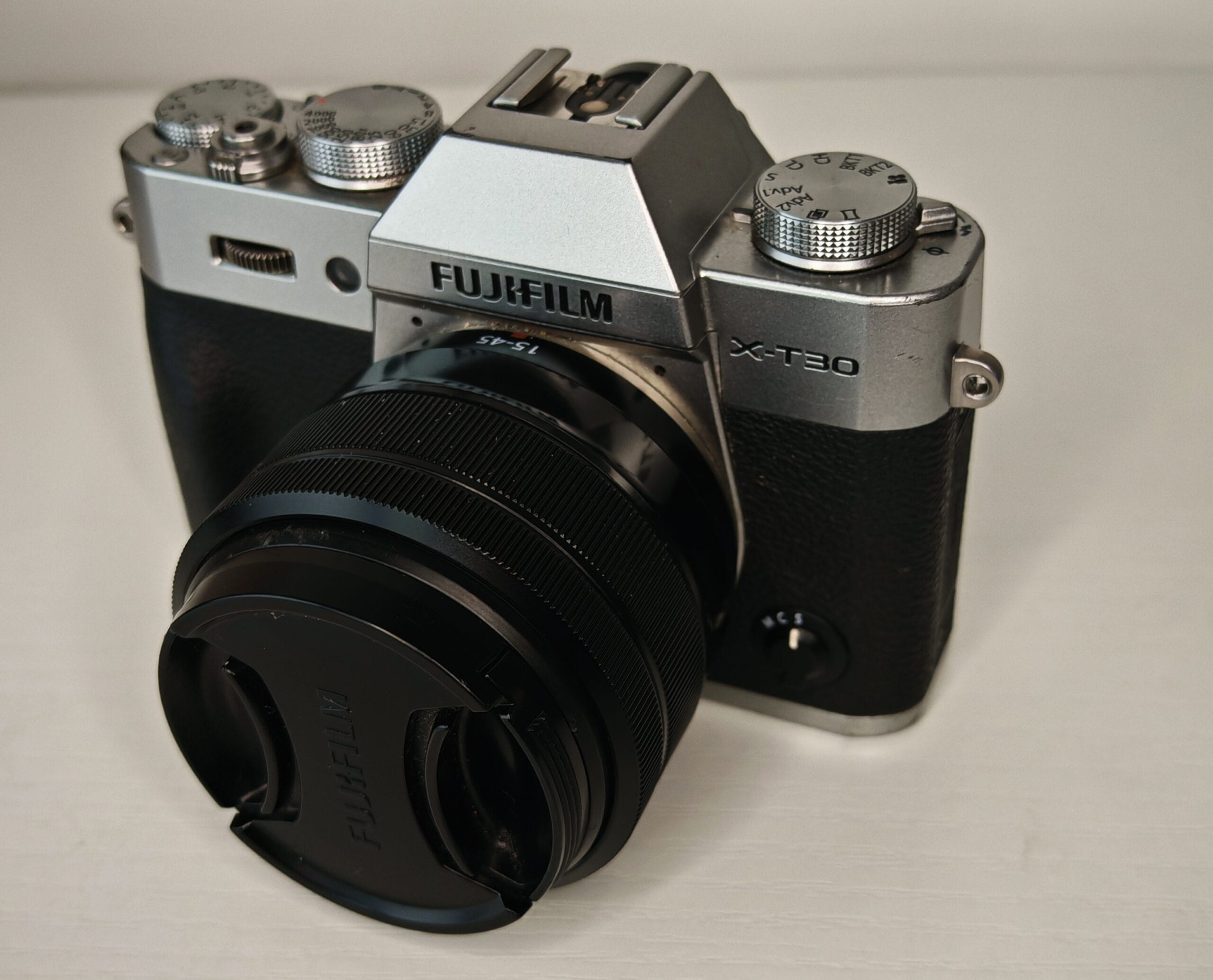
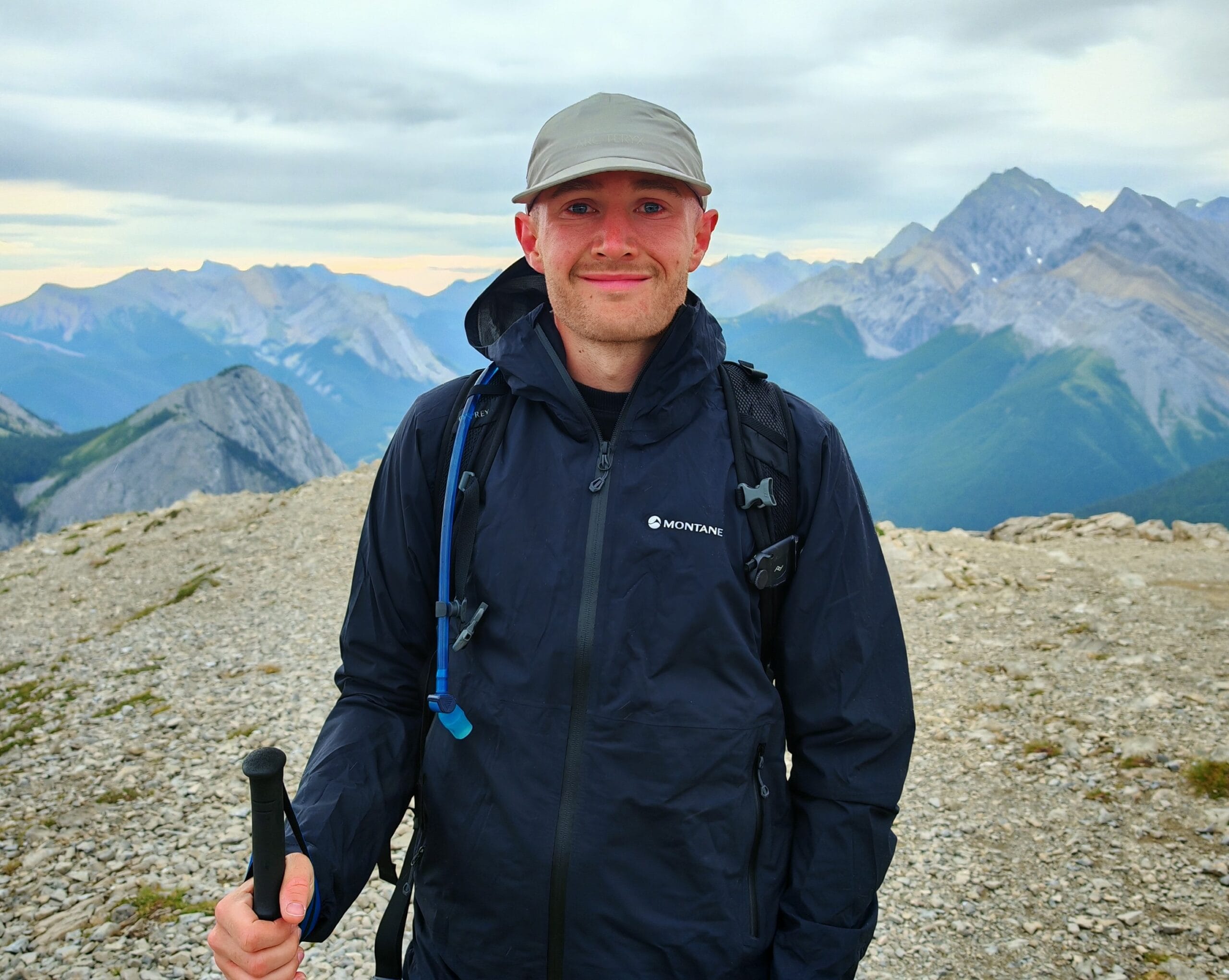
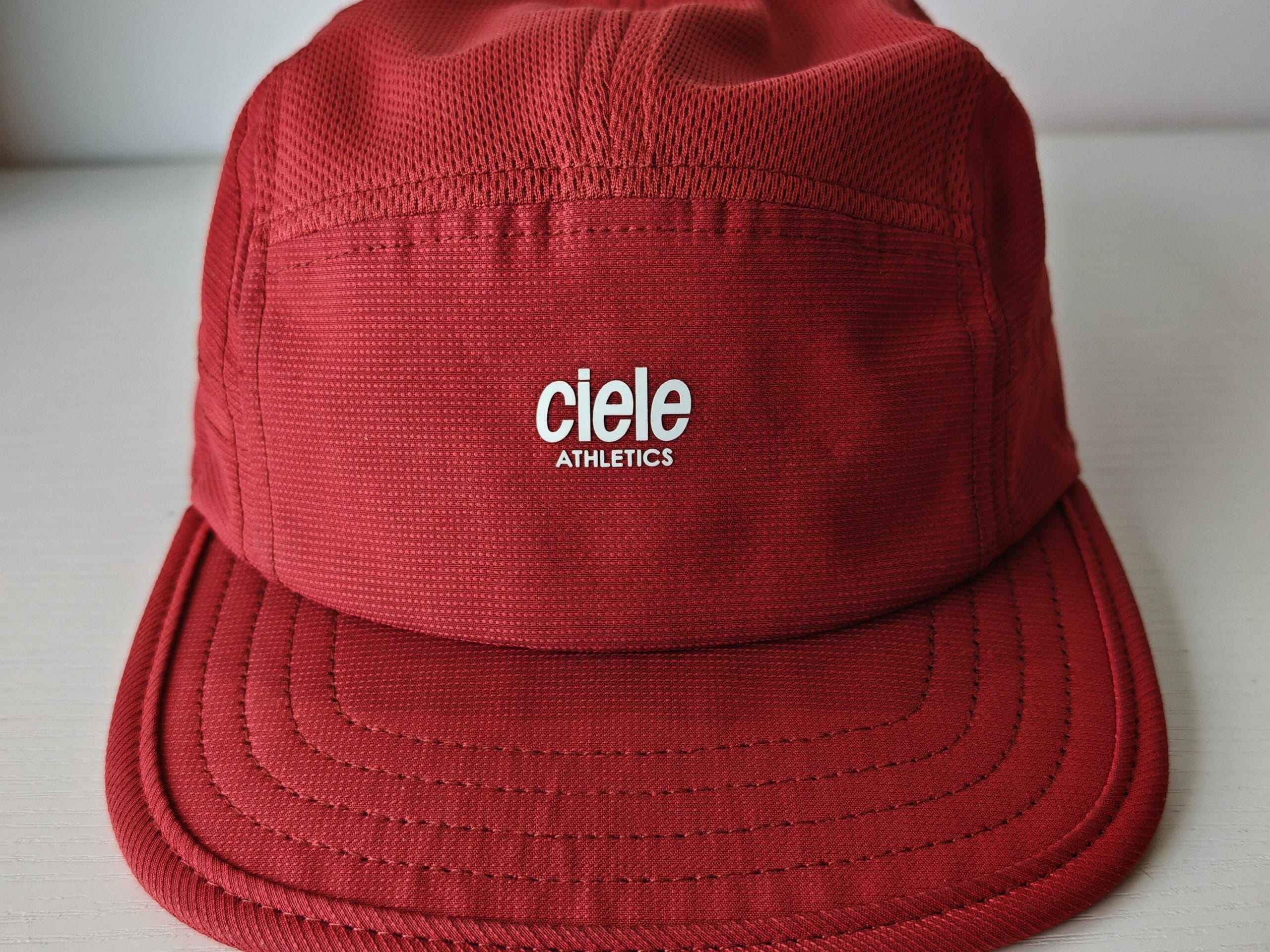
Plan your Campsites
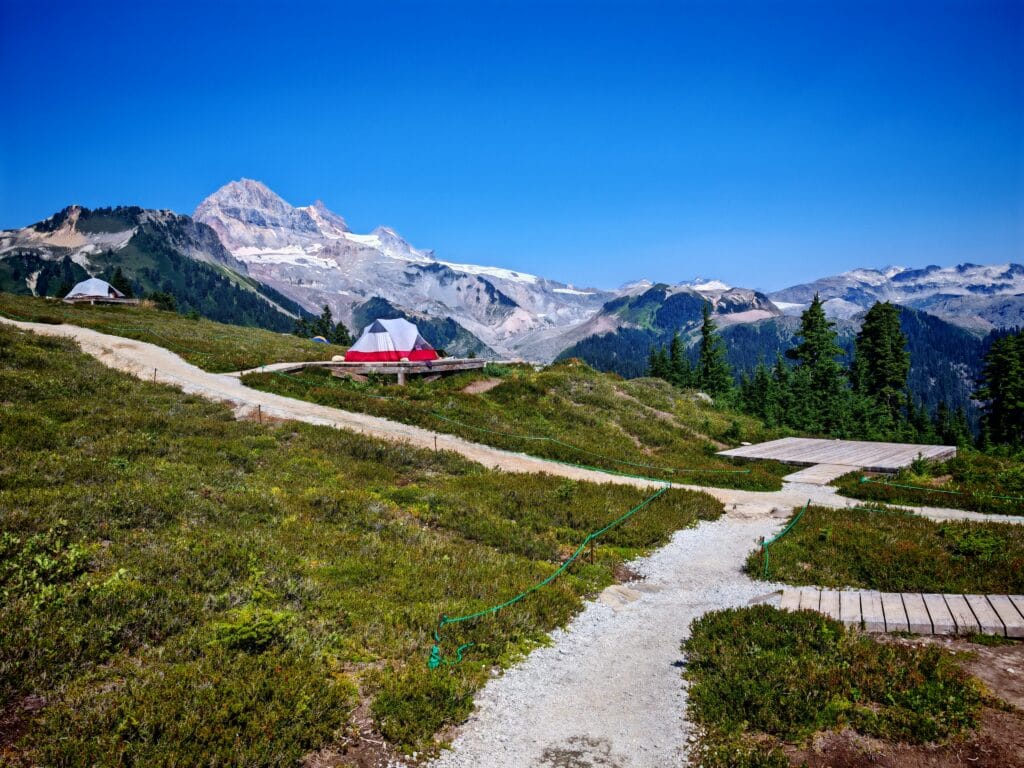
It’s always recommended to have a camping reservation to avoid pitching a tent illegally. Print off or have the permit available offline in case needed. If you’re wild camping, then try to arrive late enough to avoid hikers but not too late that you have to pitch in the dark. For beginners, it’s good to start with shorter trips such as 1 night or a weekend to test the gear, fitness and routines. This will make you more comfortable when tackling longer treks and backpacking trips.
It’s best to plan exactly where to sleep and have a backup plan if your main spot isn’t suitable or available. Doing research for the route is advised, including the types of terrain, elevation and water sources. In some National Parks, permits and passes are required to hike and camp, so be sure to check beforehand to avoid any disappointment. And if possible, find out what facilities are available at each campsite, such as ground to pitch a tent, food storage, cooking facilities and toilets. Remember to carry a map or GPS to help navigate when signposts are not available. This can be an offline map on AllTrails or a dedicated GPS device.
Setting up Camp & Sleeping
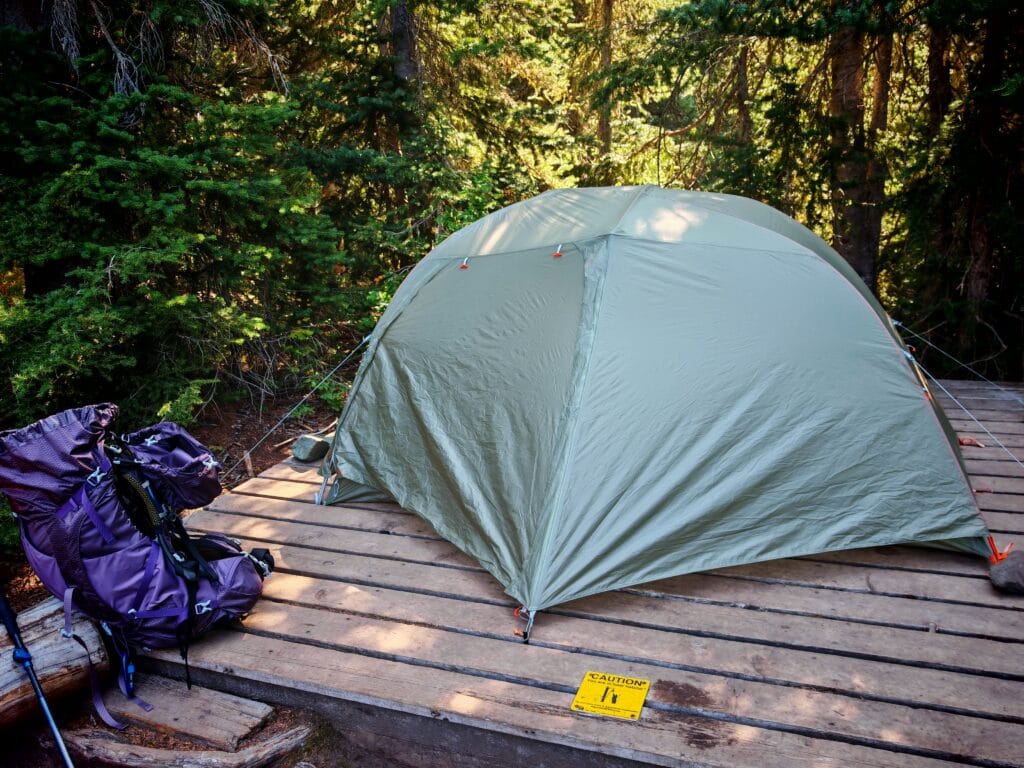
One of the best pieces of advice I can give for backpacking for beginners is to practise pitching your tent beforehand. I’ve experienced pitching my Big Agnes Copper Spur in the rain and in darkness, which is not a fun time! This can be in a garden or somewhere with enough space and light to practise setting up and packing away. Then, when choosing campsites, avoid boggy areas and exposed hills. I learnt this the hard way in Patagonia when choosing the picturesque spot, but then had gale-force winds batter my tent. This forced me to pack up my tent at 3am, then find a new wooden platform to re-pitch in the middle of the night. Pitching with shelter or windbreak features is worth doing!
It’s useful to have a dry clothes bag, especially if you have wet clothes. And to improve comfort further, use this set of dry clothes for camp and sleeping. Similar to pitching your tent, know how to set up a sleeping mat and sleeping bag as well in your tent. Campsites can be noisy due to the wind, streams, wildlife or other people, so be prepared with earplugs and a mask.
Leave No Trace Principles
Especially when wild or backcountry camping, the 7 principles provide a guide for responsible outdoor ethics, helping to minimise human impact on natural and recreational environments. These are general rules that people obey when off the beaten path or in backcountry campsites. See more about the Leave No Trace Principles here and why they’re so important for backpacking for beginners to know.
- Plan Ahead and Prepare
- Travel and Camp on Durable Surfaces
- Dispose of Waste Properly
- Leave What You Find
- Minimise Campfire Impacts
- Respect Wildlife
- Be Considerate of Other Visitors
Water Purification
We used a LifeStraw to safely filter lake or stream water from hydration bladders into bottles. Another option is to use purification tablets, which take at least 30mins to purify. For tablets, there is Chlorine and Chlorine Dioxide, which is a stronger (and more expensive) purifier. Alternatively, you could boil the water using a stove, but this requires cooling down and doesn’t remove debris. Be sure to know where to safely collect water, such as upstream of camp or a designated lake for drinking water. A tip for if you don’t like the chlorine taste: use electrolyte tablets to give added hydration and flavour.
On the Trail Hacks
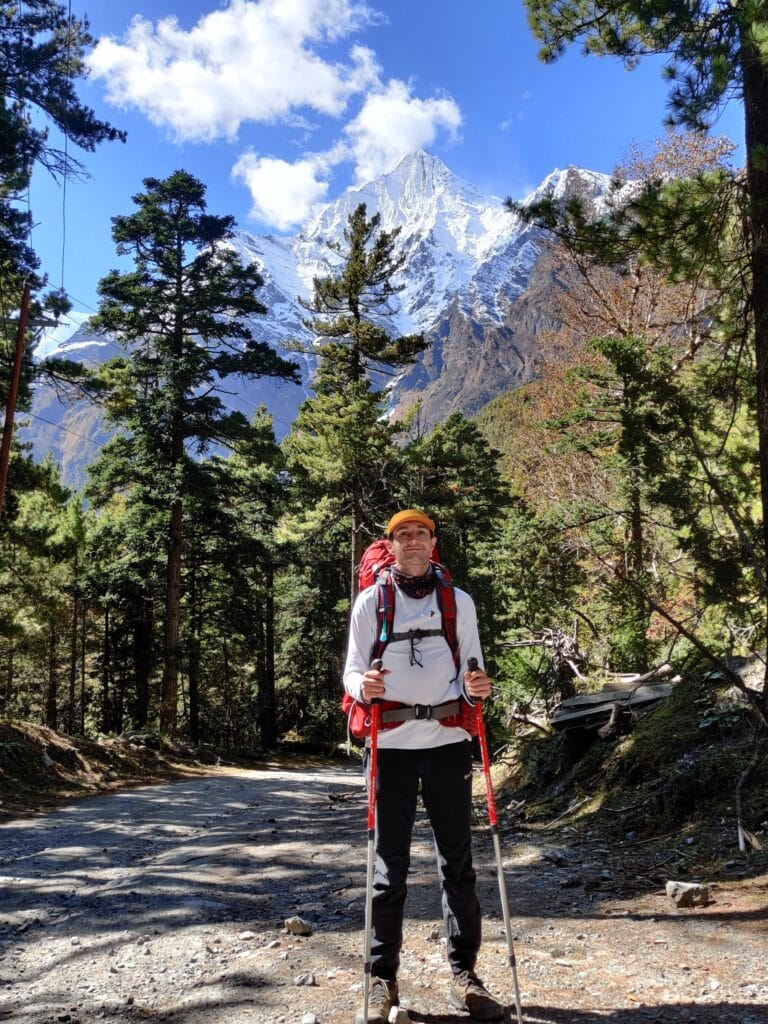
When carrying a larger backpack, more weight will be loaded onto your knees and ankles. So using a trekking pole will help on the climbs and safely descend by using it as another way to balance yourself. They can also be used to pitch tents and will save your knees! I would recommend a Z collapsible pair, such as Black Diamond, so they are easy to store and lightweight. To help with hydration, bring electrolyte tablets to replace salts lost through sweat. They can easily be added to bottles or hydration bladders, plus hide the taste of water purification tablets. It’s always recommended to break in your hiking shoes or boots beforehand. A good way is to combine this with practice hikes with a loaded backpack to train your fitness and get used to the gear.
Plus, to avoid any blisters, I would definitely recommend sock liners (bring Compeed blister plasters too). If you’re an avid hiker, it’s easy to want to start quickly, but when backpacking, it’s sensible to pace yourself with the added weight. Especially when you reach camp, you might be done hiking for the day. Take your time on the trail and enjoy the views. Finally, the mountains and outdoors are unpredictable, so have a tried and tested layering system. I generally hike in a moisture-wicking T-shirt or long-sleeved shirt. Then have a mid-layer insulation (Arc’teryx Proton) for if the temperature drops, and then a waterproof outer shell (Arc’teryx Beta AR) for if rain starts. If it’s very cold, then consider using merino wool base layers too and add in a down jacket for added warmth.
Food & Cooking
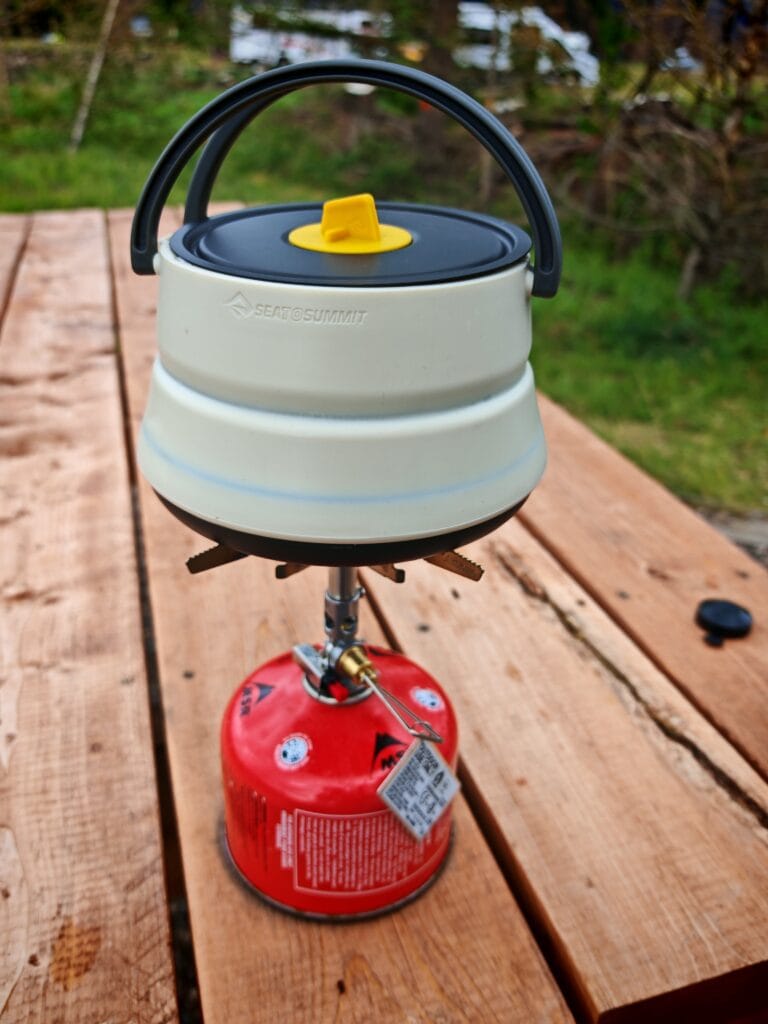
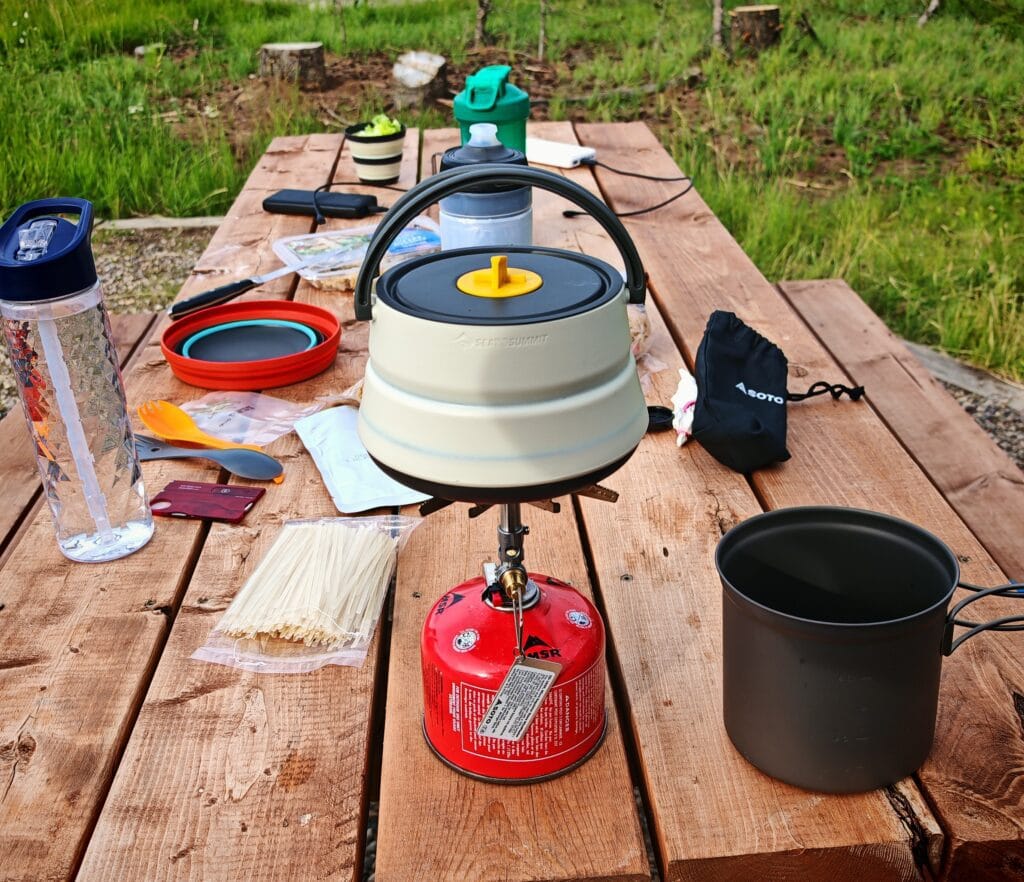
When backpacking for beginners, food is a major contributor to pack weight. There are many different approaches to cooking multiple meals a day. Remember, it’s important to stay properly fuelled and hydrated when hiking in rugged and strenuous terrain. Choosing simple meals such as noodles, couscous, dehydrated meals, and oats is popular for a reason. Try to only take fresh food on the first day, as there won’t be anywhere cold enough to store it. Most food packaging is bulky, so use sandwich or Ziplock bags to pre-portion food and snacks for quick access. It’s worth bringing a backup lighter as matches can get damp and stoves with ignitions can fail, so be prepared. Also, work out how much fuel is needed to avoid running out or carrying too much.
Wildlife Safety & Food Storage
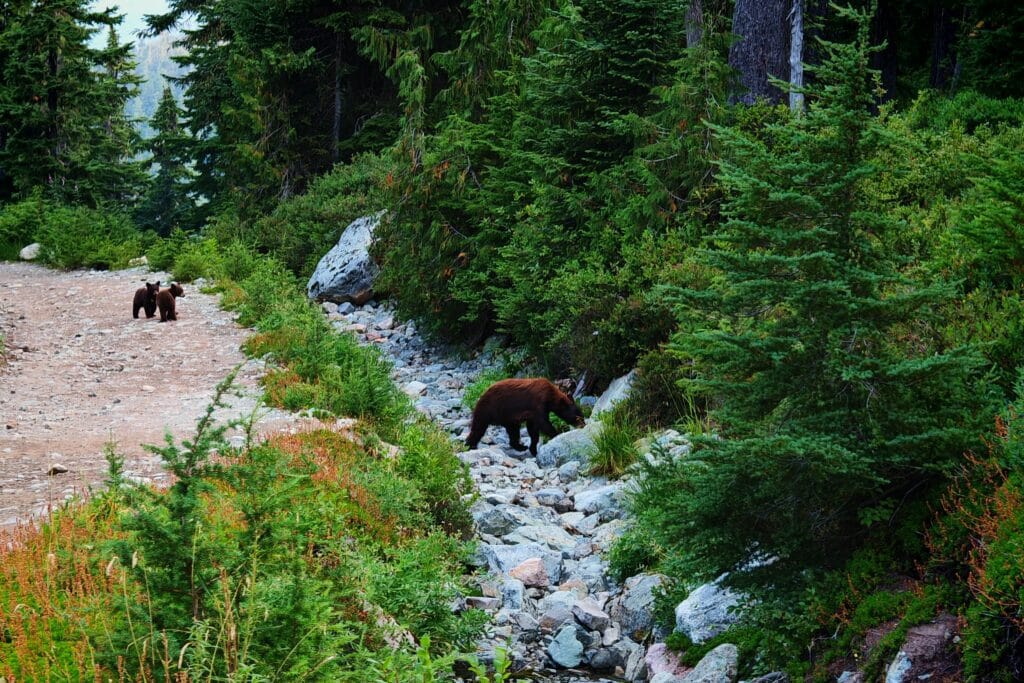
Most campsites provide a bear cache where a bag can be hoisted into the air out of reach of animals. Alternatively, food lockers can be used as well to store food and toiletries safely, which helps avoid attracting wildlife. When staying in the wild, a Bear Vault/Canister is a great solution. They come in different sizes and are designed to be difficult for bears to open. You place it away from your tent in a safe and known place around 30 meters, then use it when needed to collect food or other items. The downside is that it adds weight to your backpack to carry along with the other camping and backpacking gear.
When hiking in North America, Bear Safety is very important to not risk a dangerous encounter. It’s advisable to carry bear spray and keep it accessible on the outside of your backpack or on a holster. The best preventative action is to make noise on the trail so bears are not scared and startled. It sounds obvious, but don’t feed a bear! They have super-sensitive noses, hence will learn to attack people for food. And remember to stay calm and use a slow, low voice to alert a bear of your presence. Slowly back away but do not turn your back and run, as this will trigger their chase instincts. If you have to use bear spray, then aim for the feet, point downwind and give a short 1-second burst. Wildlife safety and safe food storage are essential for backpacking for beginners to understand and practise.
Backpacking for Beginners Summary
Backpacking for the first time can feel intimidating, but it becomes much easier once you realise that you do not need to pack for every possible scenario. The best backpacking essentials are the items that keep you organised, comfortable, secure and flexible without adding unnecessary weight.
For most beginners, I would prioritise a comfortable travel backpack, a small day pack, packing cubes, a reusable water bottle, a padlock, a quick-drying towel, a power bank, a travel adapter and a few versatile clothing layers. These simple items cover the majority of hostel stays, city breaks, travel days and short adventures.
The biggest lesson from years of backpacking is that your kit should support the trip, not dominate it. Pack light, leave space for mistakes, and refine your setup after each journey. You will quickly learn which items are essential, which are nice to have, and which never leave the bottom of your bag.
If you are wondering how to start backpacking, the answer is simple: choose an easy first destination, book a hostel, pack the basics and go. Confidence comes from experience, and every trip will make you a smarter, lighter and more capable traveller.
FAQs
What should I pack for backpacking for beginners?
For backpacking for beginners, start with the basics: a comfortable travel backpack, day pack, packing cubes, padlock, quick-drying towel, reusable water bottle, power bank, travel adapter, toiletries, simple clothing layers and important documents. Avoid overpacking and focus on versatile items you will use every day.
How do I start backpacking for the first time?
The easiest way to start backpacking is to choose a simple destination, book a well-reviewed hostel, pack light and plan a short trip first. A weekend city break or short interrailing route is ideal because it lets you practise hostel travel, public transport, budgeting and packing without committing to a long trip.
What are the best backpacking tips for beginners?
The best backpacking tips for beginners are to pack less than you think, keep valuables secure, stay in social hostels, carry a reusable water bottle, use packing cubes, keep copies of documents and leave flexibility in your itinerary. Most backpacking confidence comes from experience.
Do beginners need expensive backpacking gear?
No, beginners do not need expensive backpacking gear. Start with reliable basics and upgrade later once you know your travel style. A good backpack, comfortable shoes, waterproof layer, padlock and power bank are more useful than buying premium gear you may not need.
What size backpack is best for beginner backpacking?
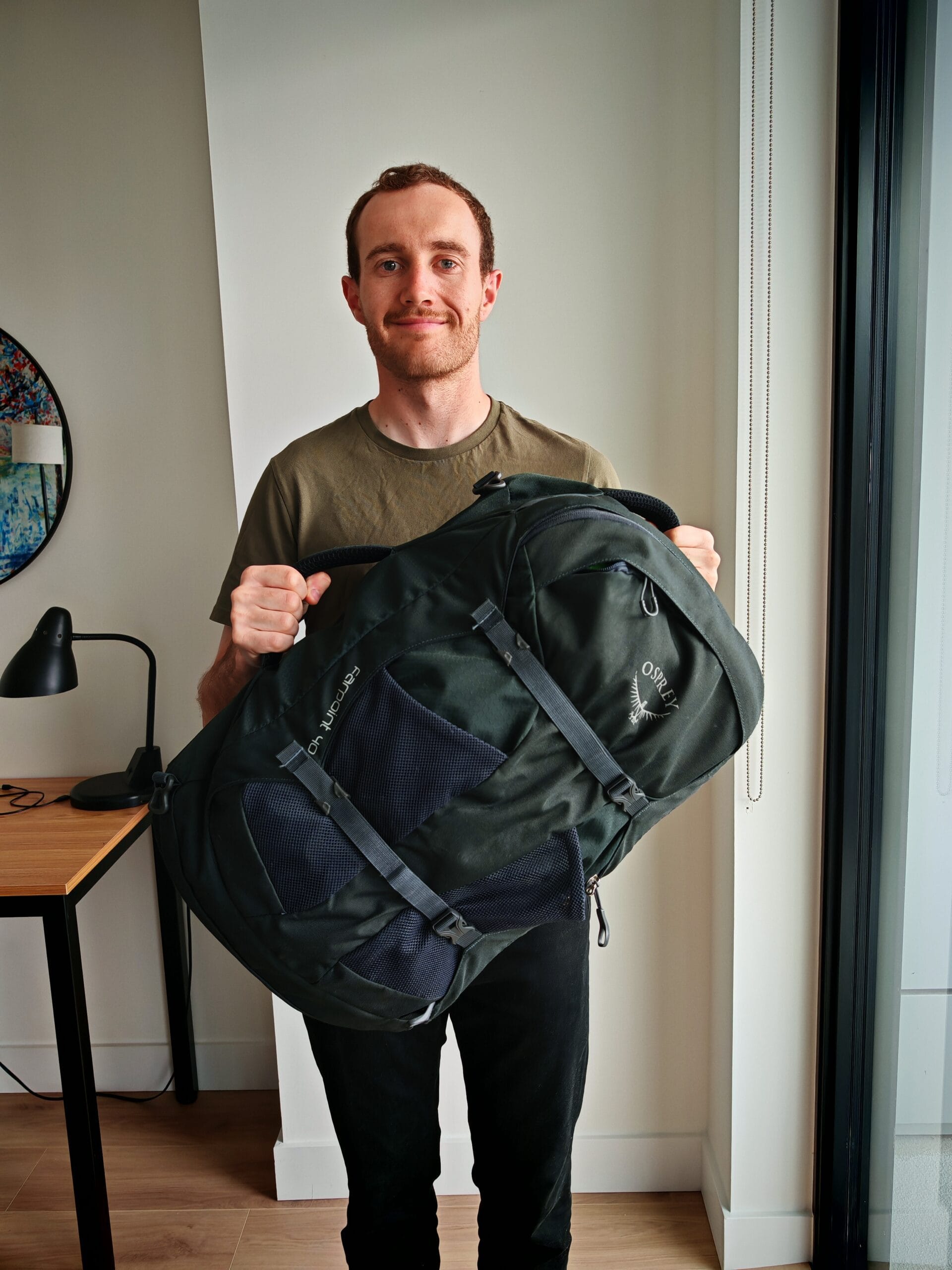
For most beginner backpacking trips, a 40L travel backpack is a great starting point. It is big enough for hostel travel, city breaks and interrailing, while still being compact enough for trains, buses and many airline carry-on limits.