Vancouver is one of the most spectacular cities in Canada, where mountains, ocean, beaches, forests and glassy downtown towers all sit within easy reach of each other. It is the kind of city where you can walk the Seawall in the morning, grab sushi or ramen for lunch, watch sunset from the beach, and still be close enough to the North Shore mountains for an evening hike.
This Vancouver City Guide is written from a more local perspective, not just as a quick tourist checklist. After spending time exploring Vancouver, North Vancouver and the surrounding trails, I wanted to create a guide that covers the classic highlights as well as the places that make the city feel special day to day.
Inside, you’ll find the best things to do in Vancouver, including major Vancouver attractions like Stanley Park, Granville Island, Gastown and the waterfront, alongside neighbourhoods, beaches, food spots, hikes, viewpoints and itinerary ideas. Whether you are visiting for a few days, planning a longer stay, or researching Vancouver tourism before moving to Canada, this guide will help you understand how to make the most of the city.
Rather than rushing through a list of sights, I’ll show how Vancouver fits together in this Vancouver City Guide, first with downtown, the West End, Kitsilano, Commercial Drive, False Creek, the North Shore and the outdoor adventures that make the city one of the best places in the world for combining urban life with nature.
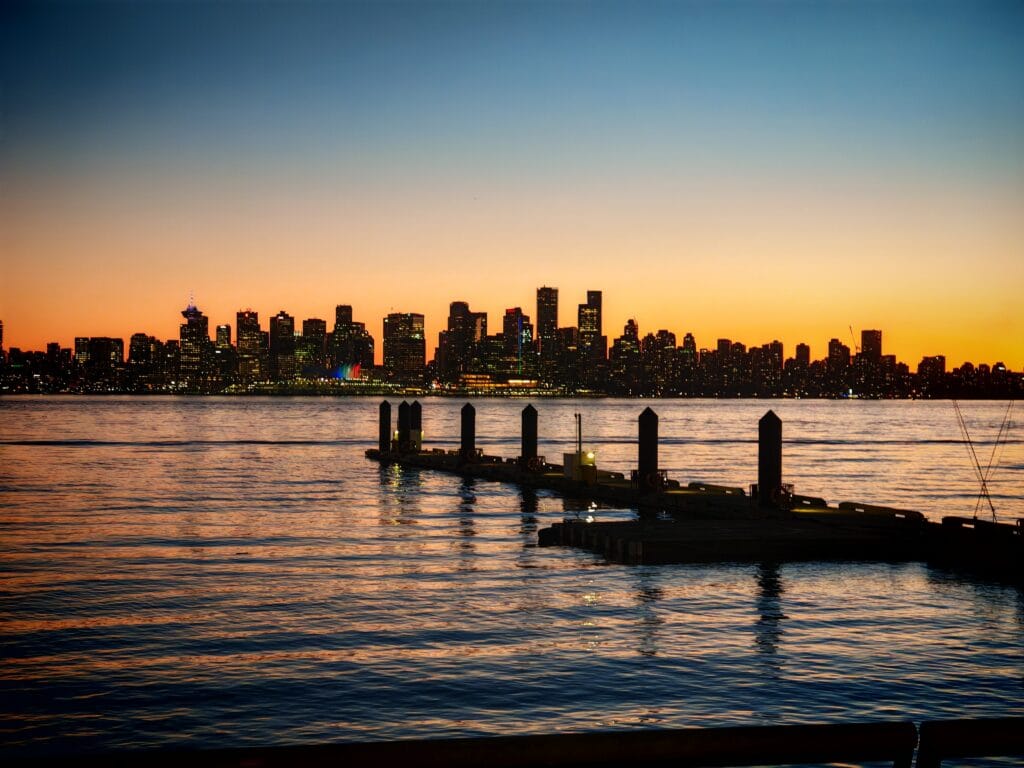
Vancouver: History lesson
Vancouver’s story starts long before the modern city skyline, the port, the railways or the glass towers of downtown. The city is located on the unceded traditional territories of the xʷməθkʷəy̓əm / Musqueam, Sḵwx̱wú7mesh / Squamish, and səlilwətaɬ / Tsleil-Waututh Nations. The City of Vancouver states that these lands have been stewarded by these Nations since time immemorial and were never ceded to the Crown.
Before European settlement, the area around Burrard Inlet, False Creek and the Fraser River supported long-established Indigenous communities, travel routes, harvesting places and cultural landscapes. The world-renowned city was named in 1886 to honour the British explorer Captain George Vancouver, who extensively surveyed the Pacific Northwest coast in the 1790s.
The city developed rapidly in the late 19th century. Vancouver was incorporated as a city in 1886, and the same year a major fire destroyed much of the young settlement. The arrival and expansion of rail, port activity and resource industries helped turn Vancouver into a major Pacific gateway, linking the city’s growth to trade, migration and Canada’s westward development.
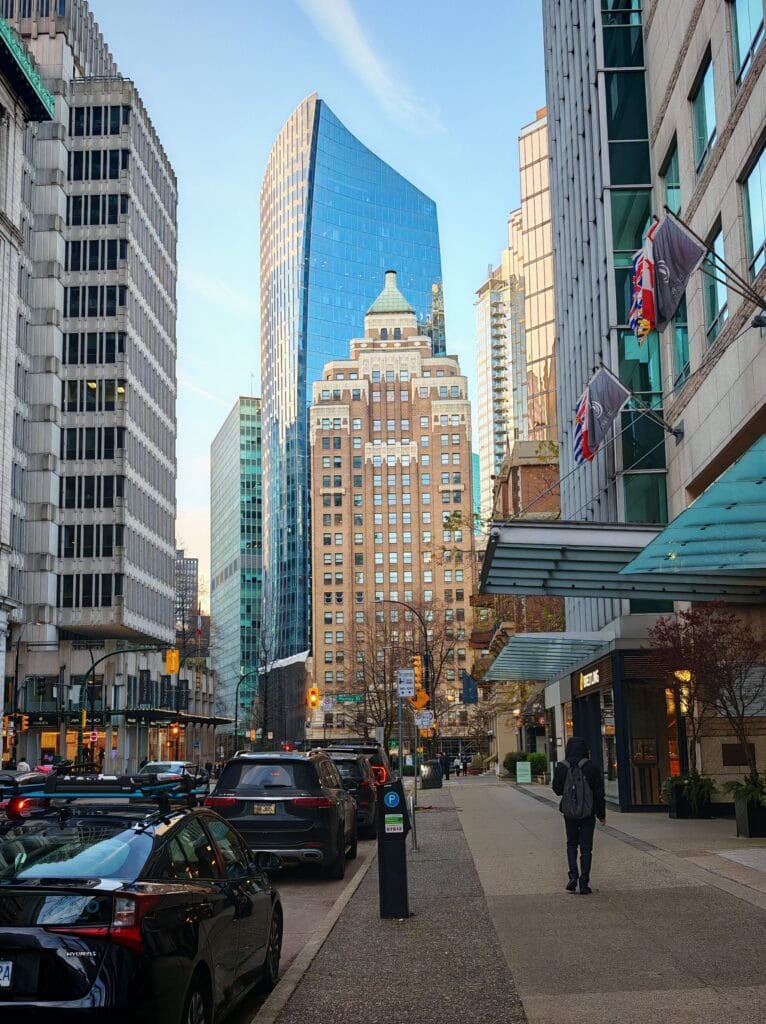
Stanley Park also reflects the complexity of Vancouver’s history. Today, it is Vancouver’s first, largest and most beloved urban park, covering around 400 hectares of West Coast rainforest, beaches, trails and waterfront views. But the land now known as Stanley Park also has a history of Indigenous presence and displacement, and learning that context makes visiting the park more meaningful.
Modern Vancouver is shaped by layers of Indigenous history, colonial expansion, immigration, port trade, neighbourhood identity, outdoor culture and constant tension around affordability and growth. That mix is what makes the city so fascinating: it is beautiful, complicated, multicultural, expensive, outdoorsy, and still deeply connected to the lands and waters that existed long before the city.
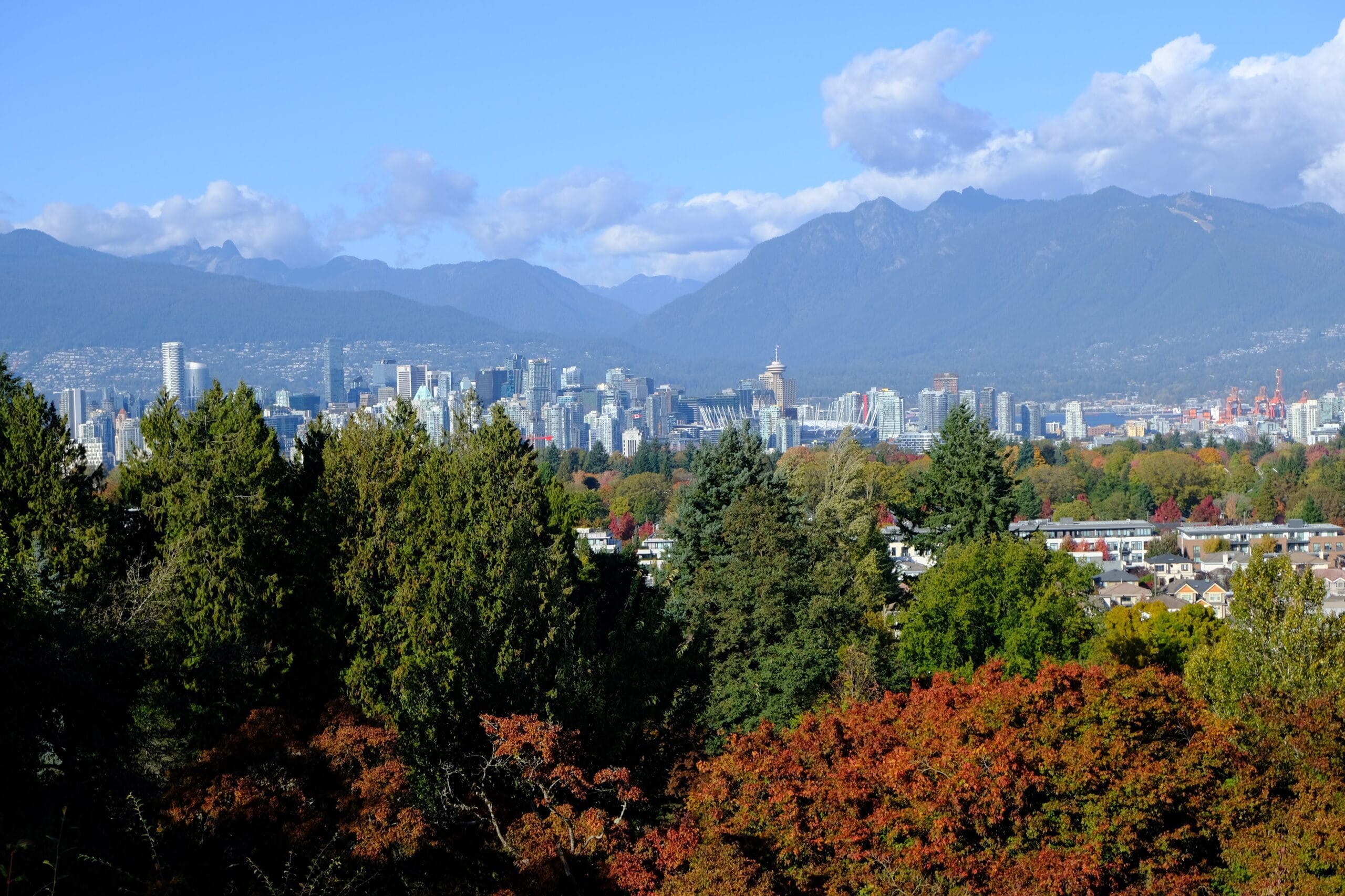
Vancouver City Guide: Planning Tips
When to visit Vancouver?
The first thing to decide is when is best to visit Vancouver, which simply comes down to your itinerary plans. As it’s located in the Pacific Northwest, the rainy season from October through to April transforms the city into a wet, moody and dramatic city. The added bonus is the possibility to ski or snowboard on the North Shore mountains such as Grouse, Seymour or Cypress. The perk of the rainy weather over winter is that the summer weather is absolutely stunning with clear blue skies, beaming sun and comfortable temperatures.
And Canada is known for its beautiful fall colours, with the trees turning into vibrant autumnal colours which are a must-see too. In my opinion, August and early September are the best time to visit. The days are dry and allow you to follow this Vancouver City Guide all day and see the beginning of Autumn as well. Springtime is also wonderful once the rain has subsided and the blossom season starts.
1. You Do Not Need a Car for the City
Vancouver is very easy to explore without a car if you are staying downtown or near a SkyTrain station. The public transportation in Vancouver is operated by TransLink, which includes buses, SkyTrain, SeaBus and the West Coast Express commuter train. For visitors flying into Vancouver, the Canada Line connects YVR Airport to downtown Vancouver in under 30 minutes.
2. Get a Compass Card or Tap to Pay
TransLink’s Compass Card is a reloadable fare card used across Metro Vancouver transit, including buses, SkyTrain, SeaBus and West Coast Express. Passengers can use contactless payment cards, but a Compass Card is often easier if you will be using transit regularly and can save around 20% per journey. To travel around all the places included in this Vancouver City guide, it will be easier to use public transportation unless you enjoy getting 20,000 steps a day.
3. Stay Longer If You Want the Outdoors
Three to four days is enough for city highlights, but add more time if you want North Shore hiking, Whistler, Vancouver Island, Bowen Island or a wider British Columbia road trip. This Vancouver City guide will highlight the key areas and attractions to see with more detailed blogs for North Vancouver below.
4. Use Vancouver as a Base for Outdoor Adventures
Vancouver is one of the best cities in North America for combining urban travel with nature. Most locals have an active lifestyle due to the wide range of outdoor and fitness activities available on their doorstep. Some of my favourite outdoor activities are hiking on the North Shore, cycling around Stanley Park and running around downtown and the seawall. Other options to consider are Kayaking in False Creek, visiting beaches and exploring nearby mountains in Whistler and Squamish. Whilst this Vancouver City guide details the tourist attractions, the North Shore Post covers more adventurous days out in the Mountains.
5. Book Popular Attractions Ahead
If you want to visit Capilano Suspension Bridge, Grouse Mountain, whale watching tours or major museums during peak season, book ahead. Most of the things to see and do in the Vancouver City guide are free, but it’s better to plan to avoid disappointment.
6. Pack Layers
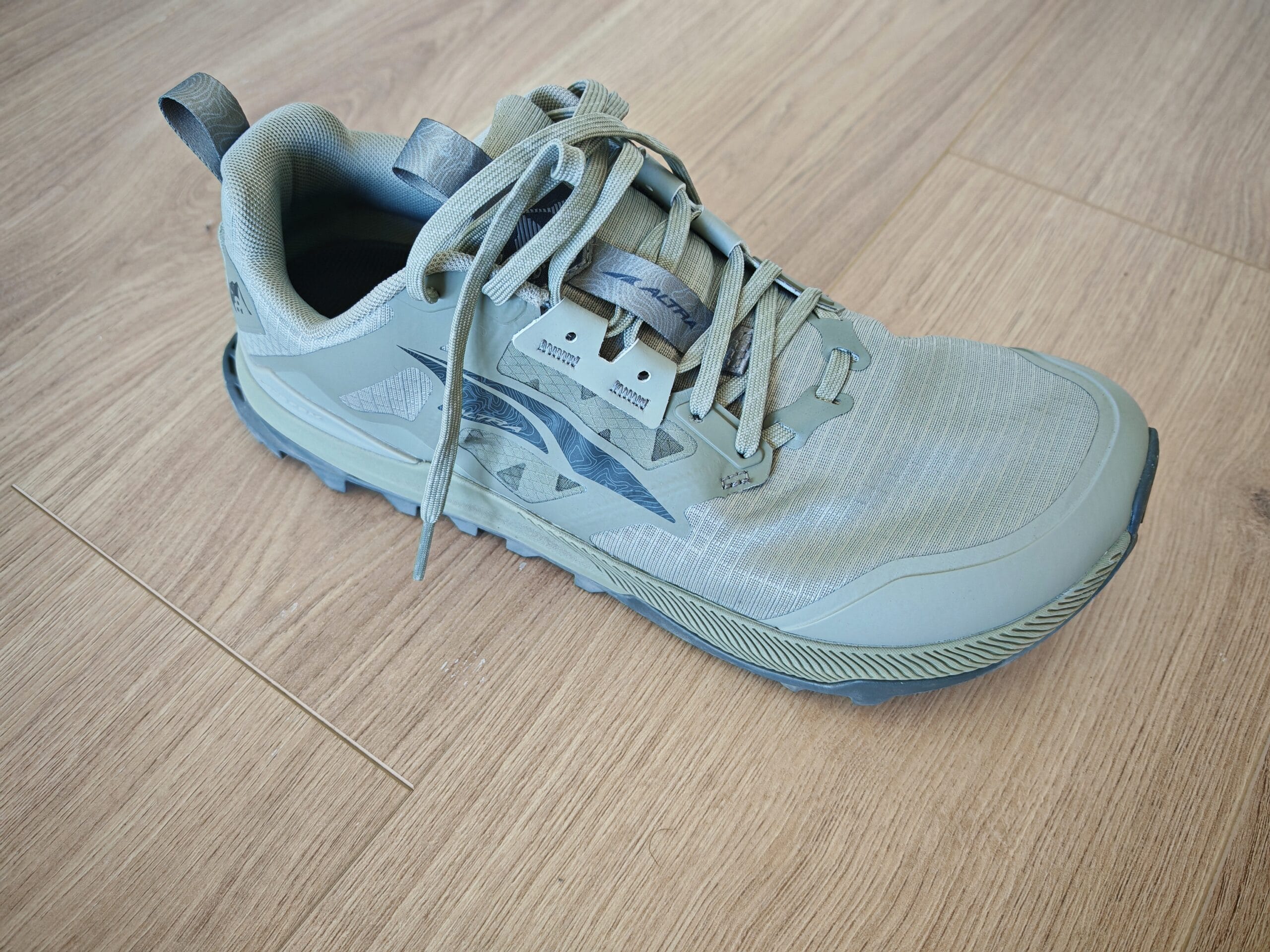
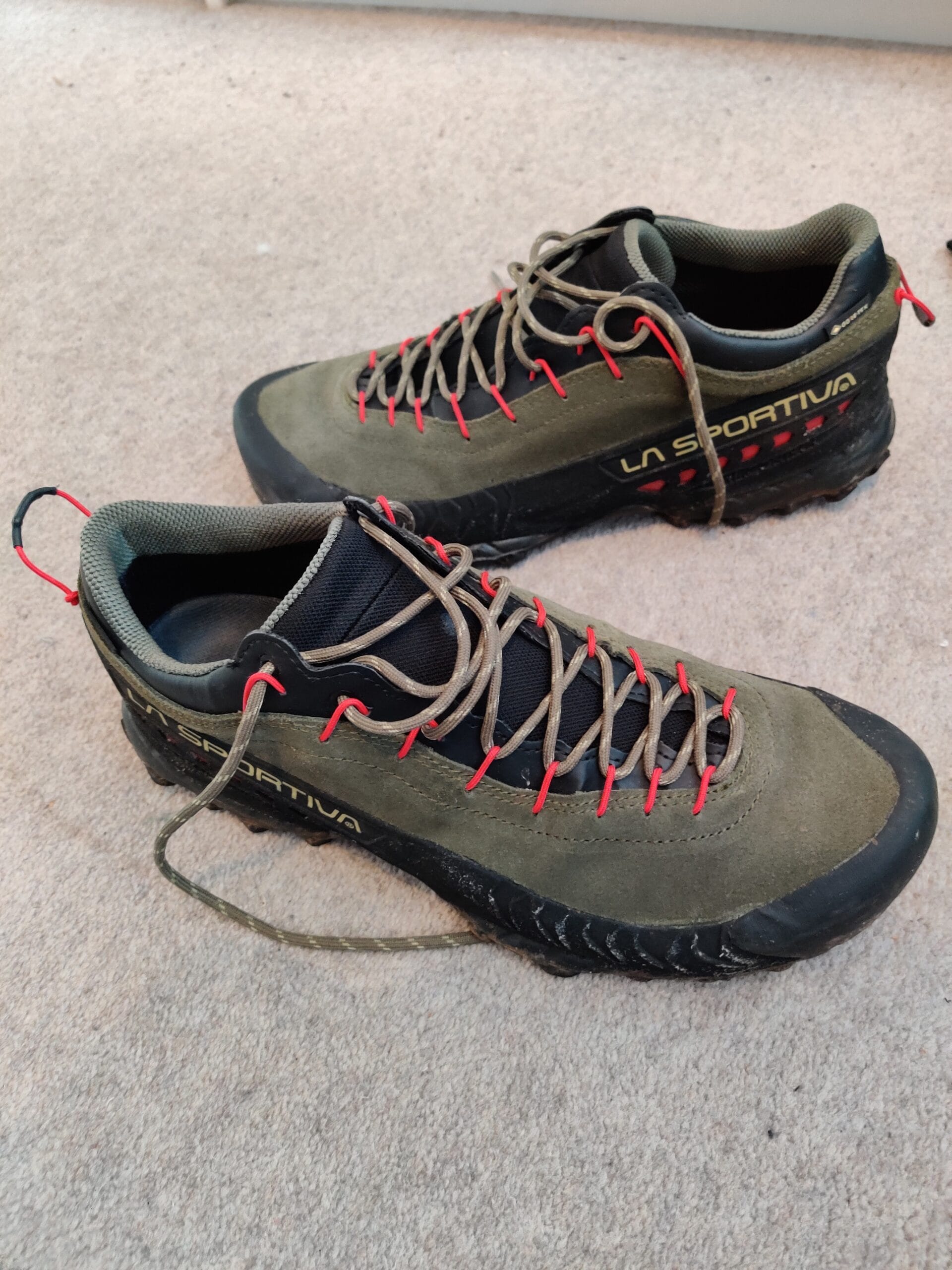
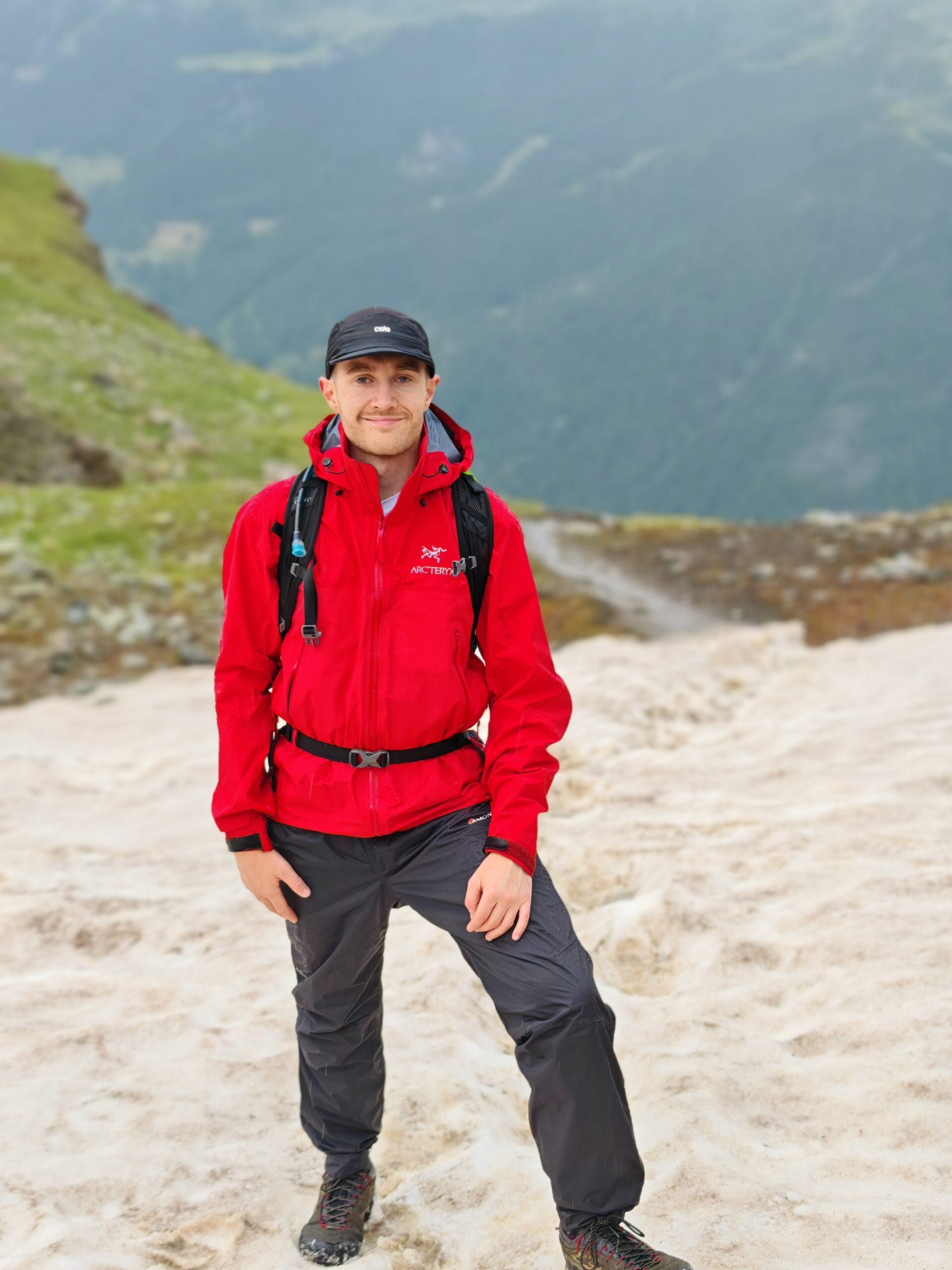
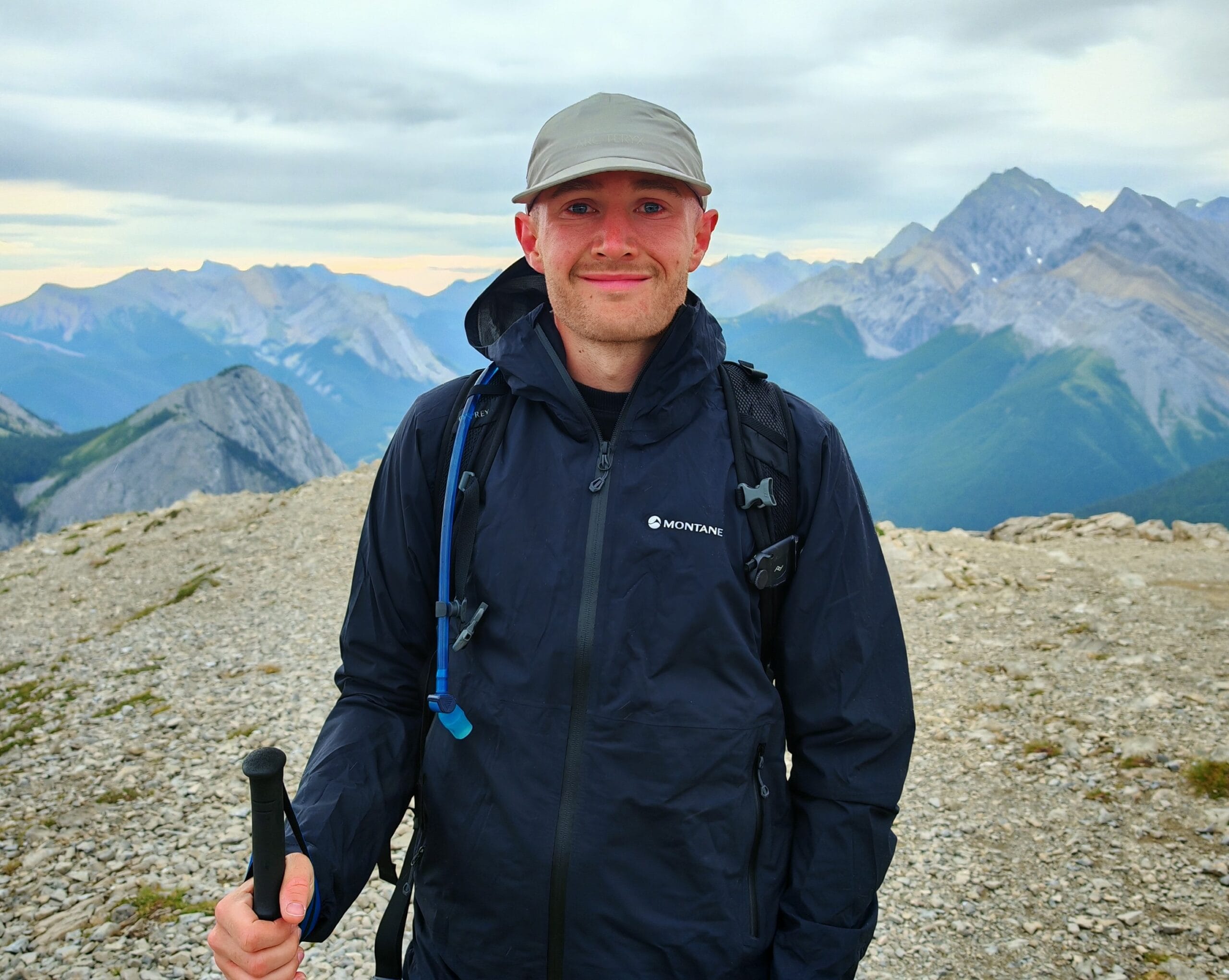
Even in summer, Vancouver can shift from warm sunshine to cool coastal wind quickly. Bring a waterproof jacket, comfortable walking shoes, a warm layer and day-pack essentials if you plan to mix city exploring with beaches or trails. Check out the Vancouver City Guide kit list below for more detailed reviews.
What I Use for Exploring Vancouver
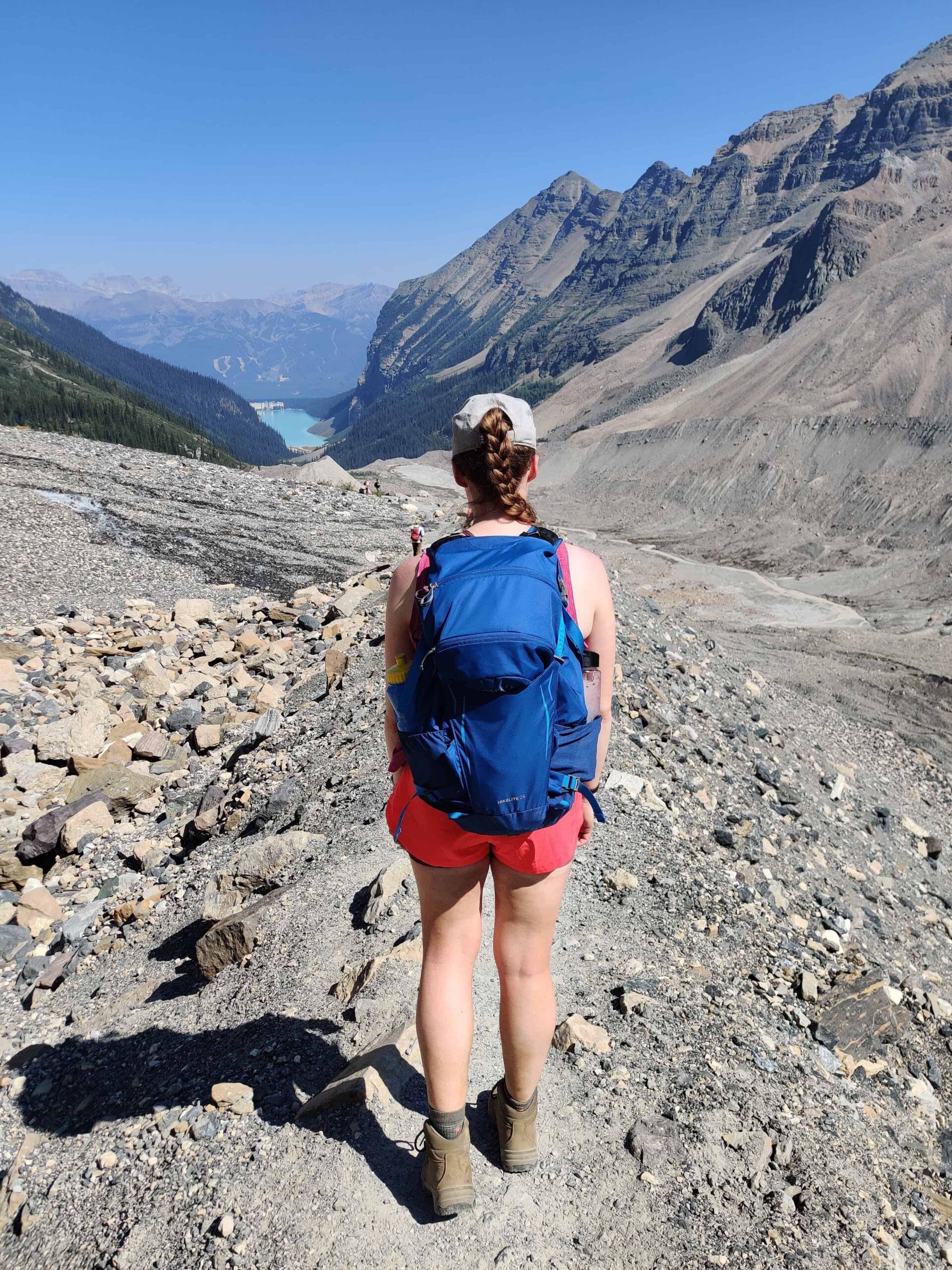
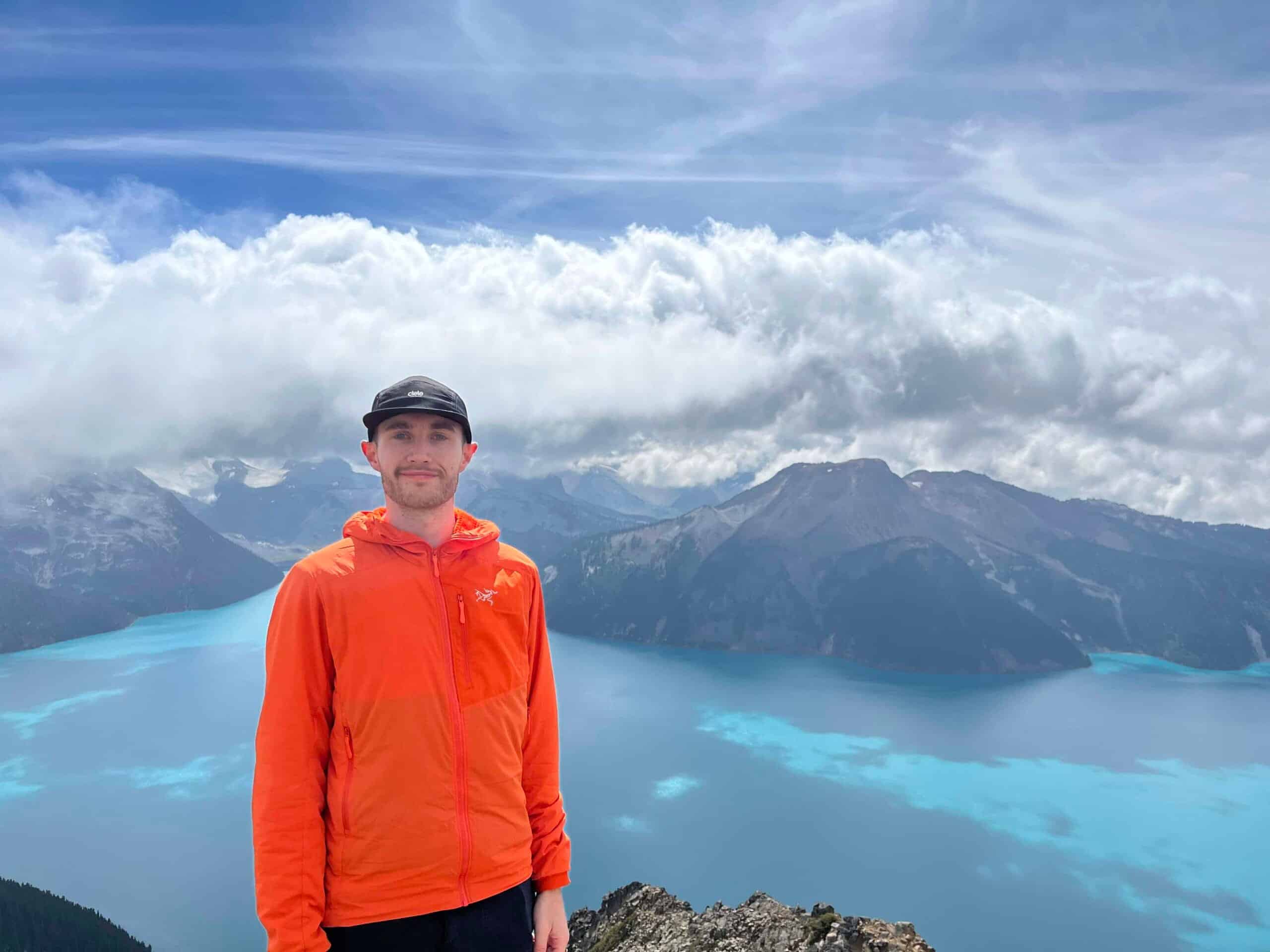
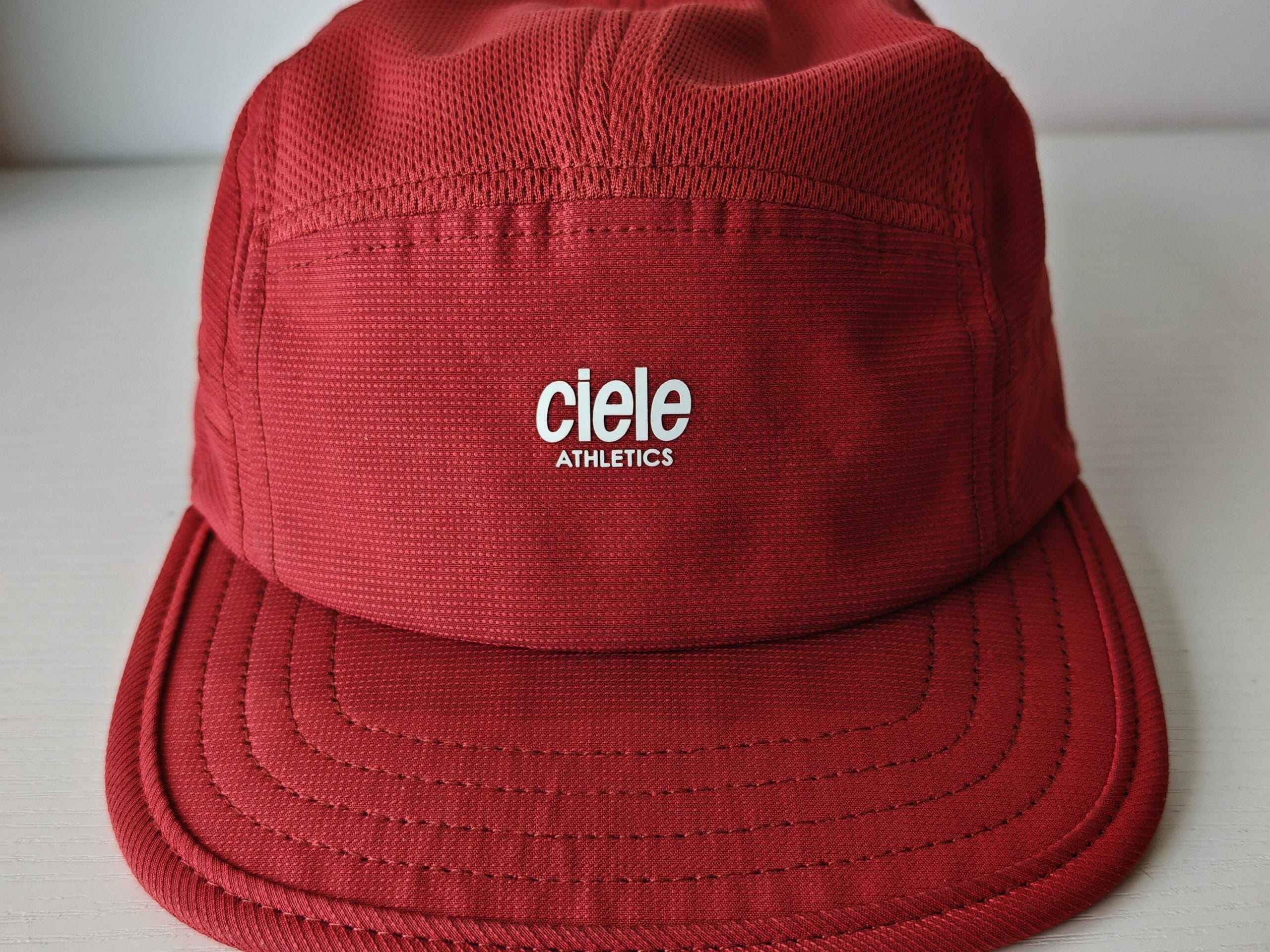
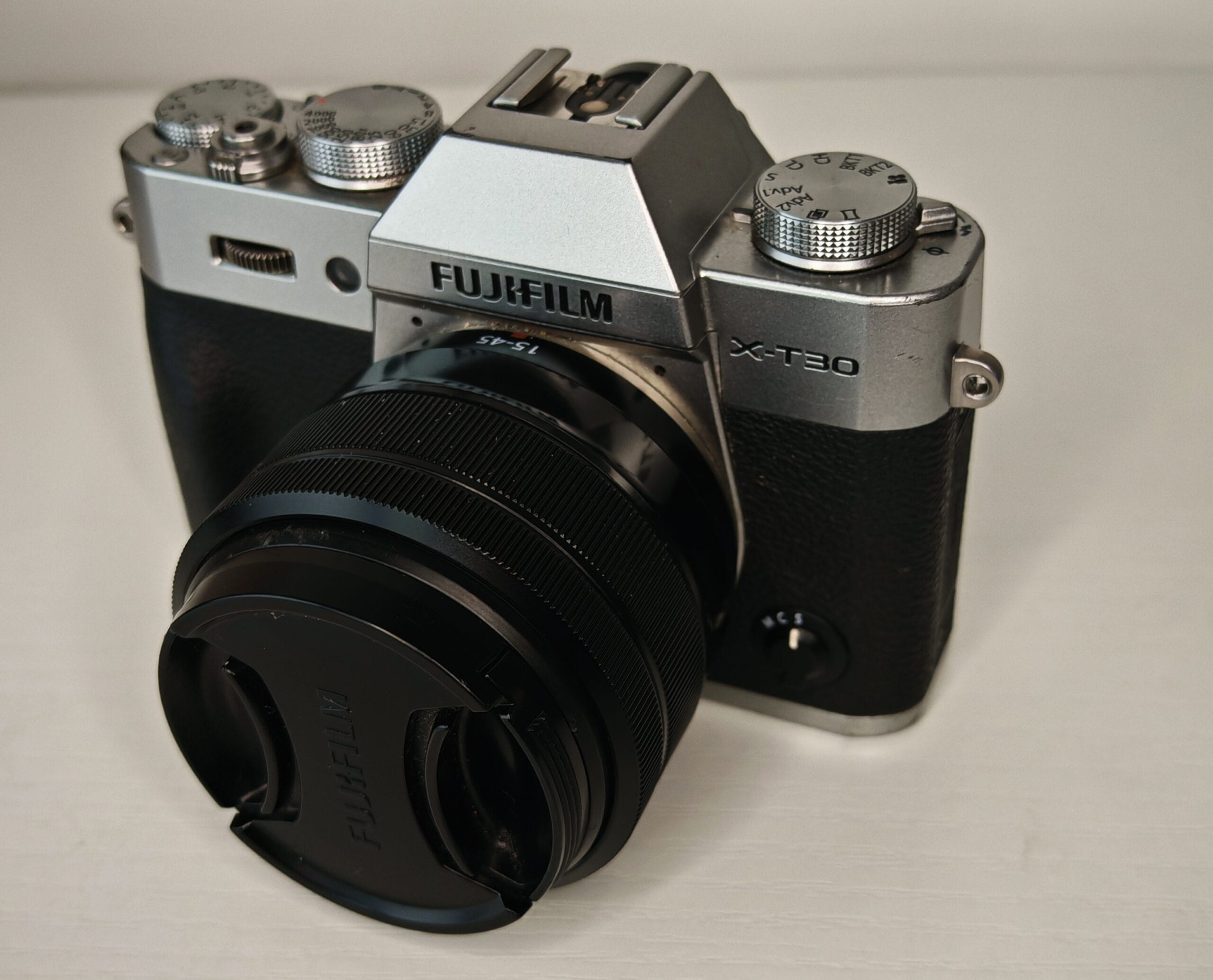
Downtown & The Waterfront
Downtown Vancouver is the city’s easiest area to explore on foot and the best place to start a Vancouver City Guide if this is your first visit. This is where the waterfront, skyline, shopping streets, hotels, restaurants, galleries and major landmarks all sit close together, making it simple to move between Canada Place, Coal Harbour, Robson Square, the Vancouver Art Gallery, Gastown and the Seawall without needing a car. It is polished and busy in places, but it also gives you that classic Vancouver contrast: glass towers in one direction, ocean and mountains in the other.
- Canada Place: Canada Place is one of the best places to start a Vancouver City Guide because it immediately gives you the city’s classic combination of ocean, skyline and North Shore mountain views. The white sail-like roof has become one of Vancouver’s most recognisable landmarks, and the waterfront promenade connects easily into Coal Harbour, the Convention Centre and the Seawall. If you are arriving by cruise ship or just want a scenic first walk, this area gives a strong introduction to the city’s harbour setting.
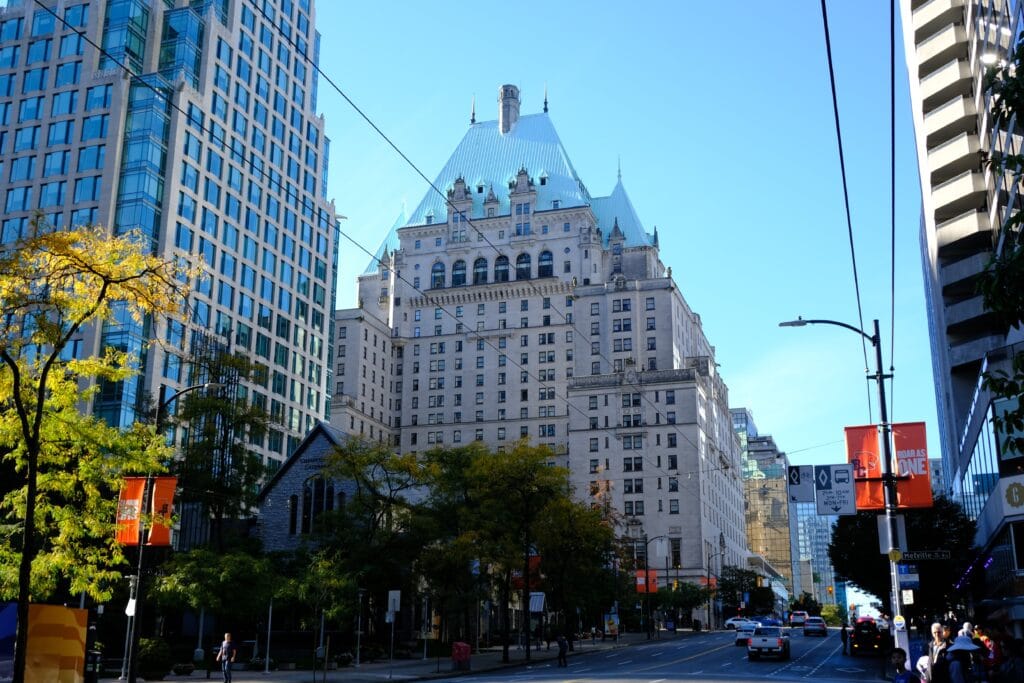
- The Fairmont Hotel Vancouver: The Fairmont Hotel Vancouver is one of the city’s grandest historic buildings and a useful stop if you enjoy old-school architecture. Known as the “Castle in the City,” it adds a sense of classic luxury to downtown Vancouver. Even if you are not staying there, it is worth walking past or stepping inside for the lobby, bar and heritage-hotel atmosphere before continuing towards Robson Square or the Vancouver Art Gallery.
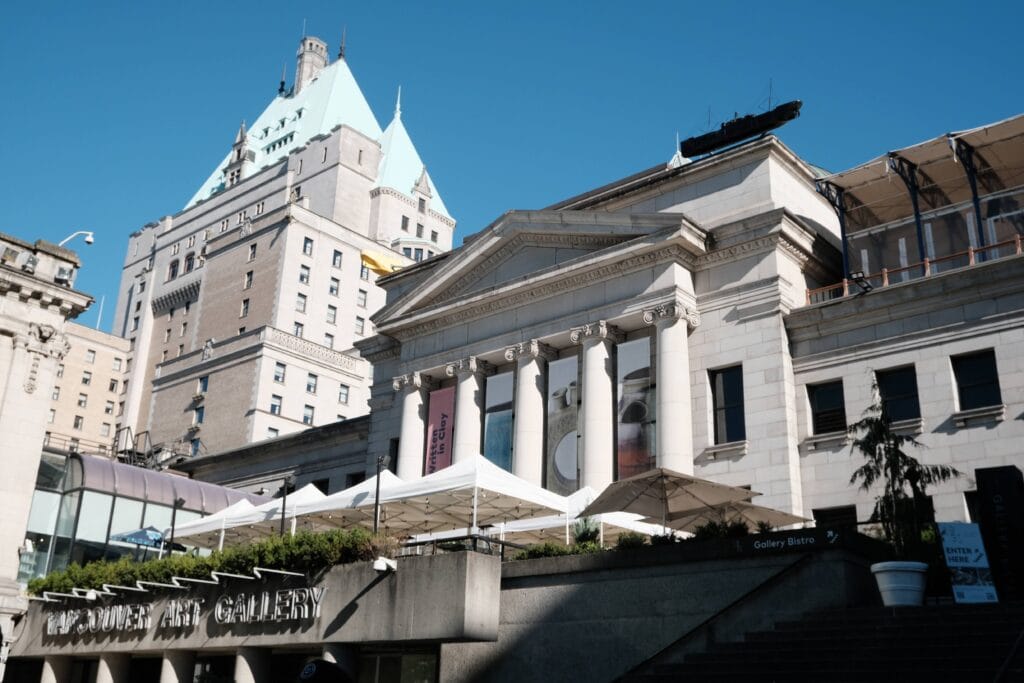
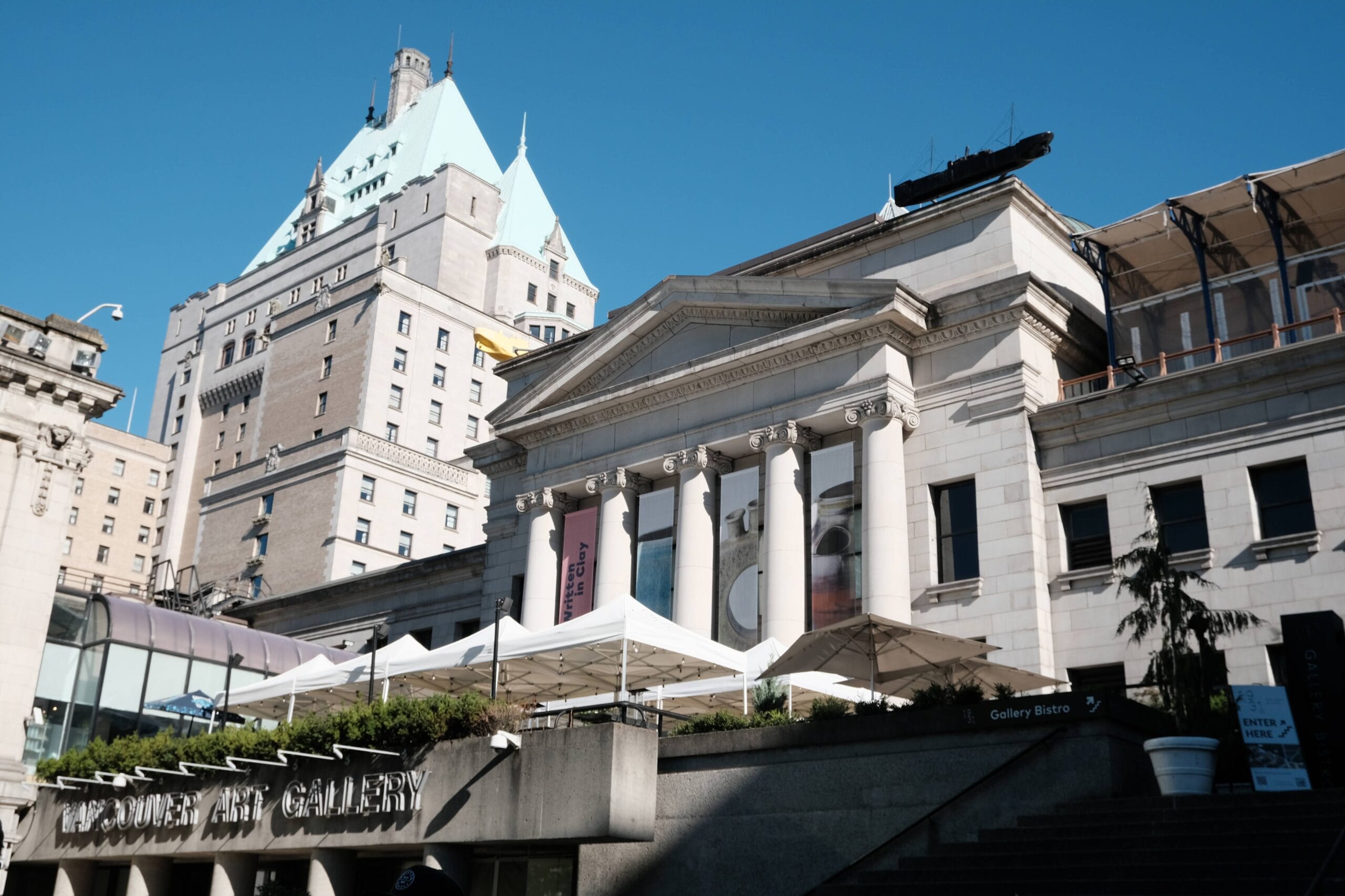
- Vancouver Art Gallery: The Vancouver Art Gallery is one of the best cultural stops in downtown Vancouver, especially on a rainy day or when you want a break from outdoor sightseeing. It sits at 750 Hornby Street, beside Robson Square. It’s worth booking online at the Art Gallery Website to save time queuing, and BC residents can get a discount by showing their driving licence. The gallery hosts major exhibitions, collection highlights and public events, so it is worth checking what is on before visiting.
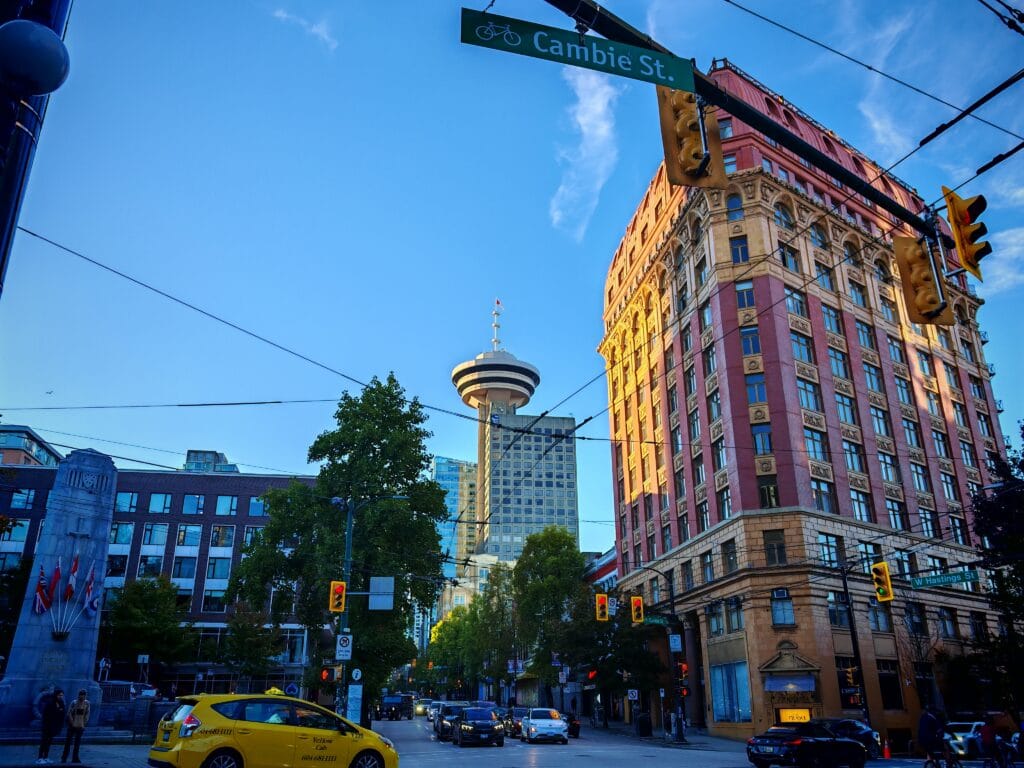
- Vancouver Lookout: The Vancouver Lookout is a straightforward way to get above the city and understand how Vancouver fits together geographically. It’s Vancouver’s only observation deck, with 360-degree views of Stanley Park, Gastown, the North Shore Mountains and downtown. Most visitors spend around 30–45 minutes on the deck, and the self-guided audio tour can help identify what you are seeing.
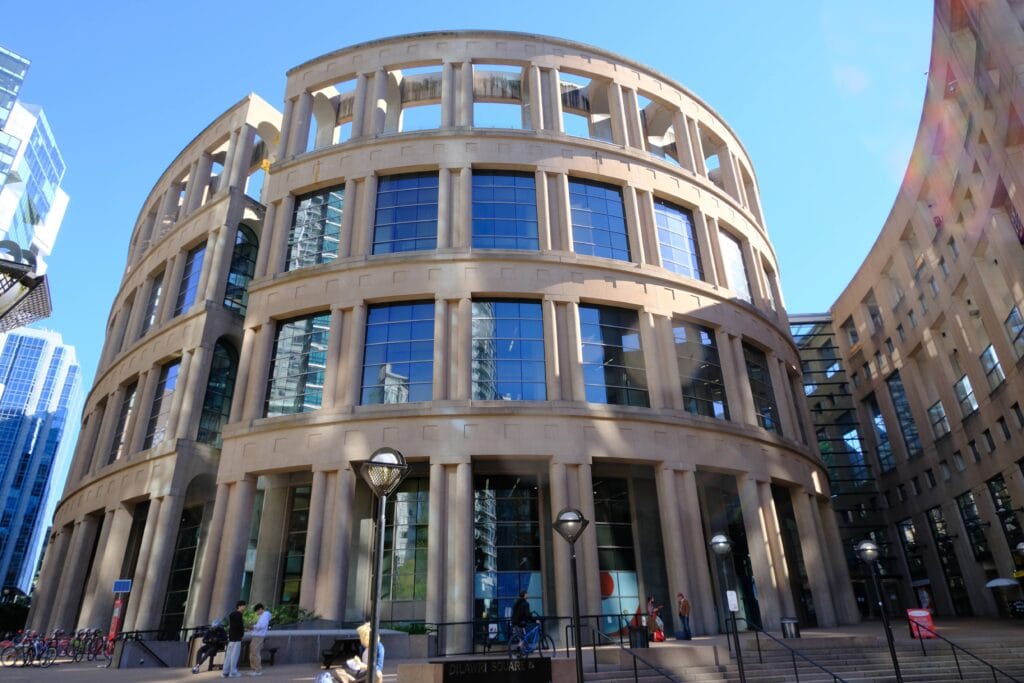
- Vancouver Library: The Central Library is one of Vancouver’s best free architectural stops. It’s a hidden gem in this Vancouver City Guide, with many people not knowing about the free rooftop garden. Its coliseum-inspired exterior makes it stand out immediately, while the upper levels and public rooftop garden add a quieter side to the building. The Phillips, Hager and North Garden on Level 9 is a publicly accessible rooftop garden with skyline views and local planting.
- Robson Square: Robson Square is more than just a cut-through beside the Vancouver Art Gallery. It is a civic space designed by Arthur Erickson, home to plazas, gardens, walkways, UBC’s downtown campus and Vancouver’s only outdoor ice rink in winter. There are often markets, events and demonstrations in Robson Square.
- Coal Harbour: Coal Harbour is Vancouver at its most polished: glass towers, marinas, seaplanes, mountain views and a beautifully walkable waterfront. Destination Vancouver describes Coal Harbour as a neighbourhood of yacht-filled marinas, sophisticated hotels and sea-to-sky views, with the Seawall leading towards Stanley Park. It is perfect for a relaxed walk from Canada Place towards Stanley Park, especially early morning or around sunset.
- English Bay: English Bay is downtown Vancouver’s classic beach and sunset spot, sitting on the edge of the West End beside the Stanley Park Seawall. It has a more relaxed, social feel than the business district, with sand, logs, volleyball courts, waterfront restaurants and big evening crowds when the weather is good. Come here at the end of the day for one of the easiest Vancouver wins: sit by the water, watch the sky change over the bay, and understand why beach culture is such a big part of the city.
Food & Drinks Recommendations
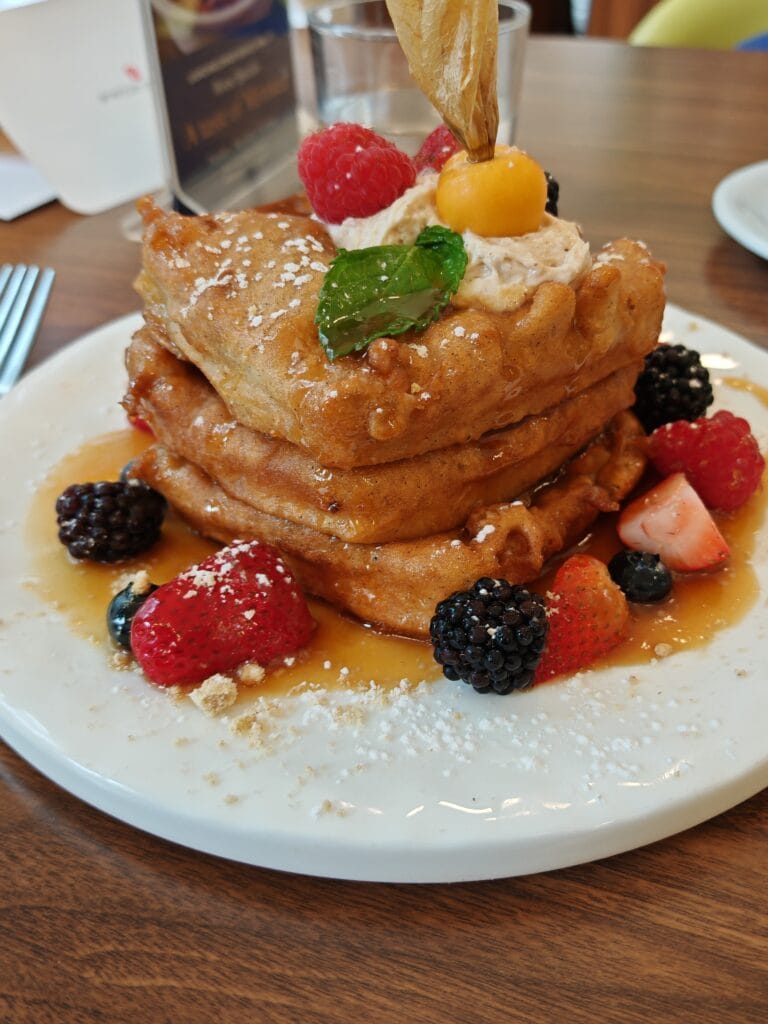
- Palate Kitchen is one of the best brunch stops in downtown Vancouver, especially if you want a spacious sit-down brunch rather than a quick café meal. Located at 848 West Hastings Street near the Marine Building, it combines a full restaurant with a to-go coffee bar, serving breakfast, brunch, lunch, dinner, high tea, speciality coffee, pastries and sandwiches. The French toast is the one to go for if you want a proper indulgent brunch dish
- Le Crocodile is a high-end French fine-dining restaurant on Burrard Street, now reimagined by chef Rob Feenie. The restaurant blends classic French technique with local ingredients and global influence, with dishes such as Dover sole, steak tartare, seafood, foie gras and refined tasting-menu-style dining. It is one of the strongest choices in downtown Vancouver for a polished special-occasion meal.
- Hawksworth is a landmark downtown fine-dining restaurant inside the Rosewood Hotel Georgia, focused on ingredient-led contemporary Canadian cuisine with a strong West Coast influence. It works well for a refined lunch or dinner tasting menu, with polished service, a serious wine list and dishes built around local and seasonal produce
- Cardero’s is a Coal Harbour seafood restaurant perched right on the marina, with views across the water, boats and North Shore mountains. The space has a classic waterfront feel, with an open kitchen, seafood-focused menu, live music and a lively marine pub atmosphere. It is a great dinner stop after walking Coal Harbour or the Seawall, especially if you want seafood with a proper Vancouver waterfront setting.
- Breka is a popular Vancouver bakery and café chain that is open 24/7, making it one of the easiest places to grab coffee, pastries, sandwiches, cake or a late-night snack while exploring downtown. It is not a fancy stop, but it is incredibly useful: reliable, casual, open all day and night, and good for a quick bite between neighbourhoods
- Steamworks is a classic Gastown brewpub beside Waterfront Station, making it one of the easiest food-and-drink stops if you are arriving by SkyTrain, SeaBus or walking between downtown and Gastown. The original brewpub has been part of Vancouver since 1995, with steam-powered brewing, rotating taps, harbour views, pub food, patios and a casual atmosphere that works for groups, happy hour or an easy dinner
Yaletown & Gastown
Yaletown is one of Vancouver’s most gentrified neighbourhoods, with converted warehouse buildings, patio restaurants, cocktail bars and easy access to the False Creek Seawall. It works well for an evening walk, drinks, or a more upscale dinner after exploring downtown. The area feels different from Gastown: cleaner, newer and more restaurant-led. In this Vancouver City Guide, Yaletown offers a relaxing area to find a high-quality dining option close to downtown.
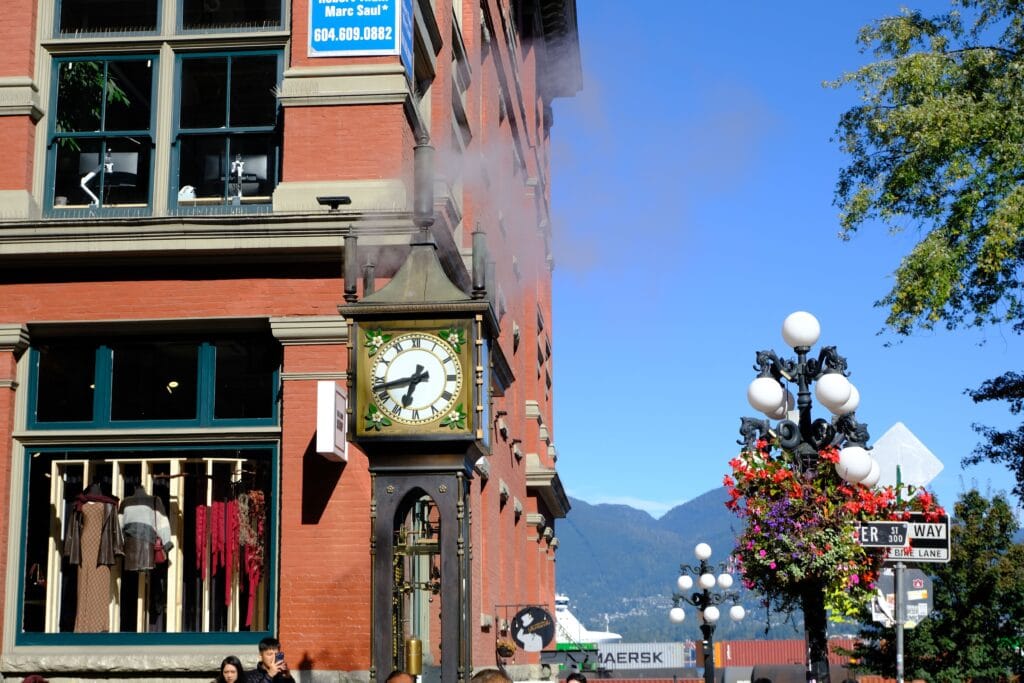
Gastown is Vancouver’s historic-looking district, known for cobbled streets, older brick buildings, boutiques, bars and the famous Steam Clock. It is touristy, but still worth visiting because the architecture and atmosphere are different from the glassy downtown core. Go during the day for photos and shops, then return in the evening if you want restaurants or drinks.
- Steam Clock: The Gastown Steam Clock is one of Vancouver’s most photographed tourist stops and had to be included in this Vancouver City guide. It is a quick visit rather than a major attraction, but it works well as part of a Gastown wander. Use it as a marker for exploring Water Street, nearby cafés, gift shops and the older architecture around the neighbourhood.
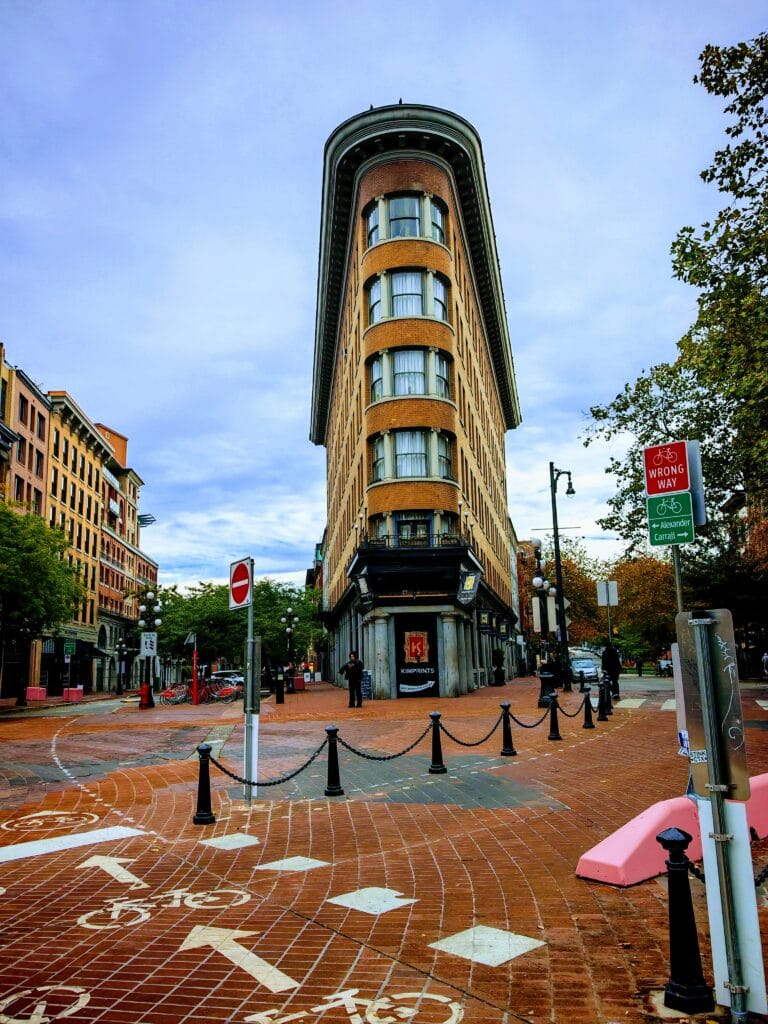
- Maple Tree Square is the historic heart of Gastown and a natural endpoint for a self-guided walk through the area. It is where Water Street, Carrall Street and Alexander Street meet, and it is often referenced as one of the neighbourhood’s key historic points. It’s where the strikign Flat-Iron styled buidling stands opposite the popular Local Public Eatery restaurant.
- Vancouver’s Chinatown is one of the city’s most historic neighbourhoods and works well as a short cultural stop between Gastown and False Creek. The main highlight is the Dr Sun Yat-Sen Classical Chinese Garden, a peaceful Ming Dynasty-style garden in the heart of Chinatown and the first of its kind outside China. Visit during the day, combine it with the Millennium Gate, heritage streets and a food stop, then continue towards Gastown or the waterfront.
- False Creek is one of Vancouver’s best areas for an easy waterfront walk, bike ride or Aquabus hop. The Seawall connects Yaletown, Science World, Olympic Village, Granville Island and Kitsilano, making it a great way to see the city from the water without leaving the urban core.
Food and Drink Recommendations
- Nuba is a Vancouver favourite for Lebanese and Mediterranean food, with locations in Gastown, Yaletown, Mount Pleasant and Kitsilano. The Gastown location has an underground feel, while the Yaletown “Canteen” works well for fresh mezze, bowls, falafel, hummus and shareable plates in a more modern neighbourhood setting.
- LOCAL Public Eatery in Gastown is a casual bar-and-restaurant stop on the neighbourhood’s historic cobbled streets. It is especially good for drinks, patio time, casual food, sports, and an easy group-friendly meal before or after exploring the Steam Clock and Water Street
- Tasty Indian Bistro in Yaletown is a modern Indian restaurant on Hamilton Street, mixing traditional Indian flavours with a more polished dining-room feel. Expect tandoor dishes, rich marinades, cocktails, sharing plates and a setting that works well for dinner, groups or a more elevated Indian meal downtown.
- Minami is one of Yaletown’s standout Japanese restaurants, best known for Aburi-style flame-seared sushi, Japanese tapas, cocktails and a more refined dining experience. It is a strong choice if you want sushi with a polished, date-night or special-dinner feel.
- Smith’s Irish Pub is an Irish-owned bar in the heart of Gastown, with a cosy pub, lounge areas, live music, traditional snugs and a hidden whiskey/cocktail bar called The Forge. It is a good option for Guinness, rugby, late-night drinks or a more atmospheric pub stop in Gastown.
- Le Parfait is a dessert café near the Yaletown/Gastown edge serving Lebanese ice cream, crêpes, waffles, fruit cocktails, knefeh and sweet Mediterranean-inspired treats. It is a good casual stop for something different after dinner or while walking between downtown neighbourhoods.
- Ignite Pizzeria is a Vancouver pizza spot focused on stone-fired pizzas that are affordable, casual and easy to grab for dine-in, takeaway or delivery. The Yaletown location on Mainland Street has indoor seating, a south-facing patio, beer and wine, while Ignite also has a Gastown location on West Cordova.
- OEB Breakfast Co. is one of Yaletown’s best brunch options, sitting on Marinaside Crescent close to the Seawall. It is known for creative breakfast dishes, brunch classics, breakfast poutines, eggs benedict, and a waterfront location that pairs perfectly with a False Creek walk afterwards.
Vancouver City guide: 1-Day Itinerary
1 Day in Vancouver Itinerary
A compact one-day Vancouver route for first-time visitors, linking downtown, Stanley Park, Granville Island, Kitsilano and a classic beach sunset.
Canada Place, Coal Harbour & Stanley Park
Start at Canada Place for harbour views, then walk along Coal Harbour towards Stanley Park. If you have time, rent a bike and cycle part or all of the Seawall for ocean, skyline and North Shore mountain views.
Best first impressionDowntown, Robson Square & Vancouver Art Gallery
Head back into downtown for Robson Square, the Vancouver Art Gallery exterior and the classic city-centre streets. This is a good window for coffee, shopping or a quick indoor stop if the weather turns.
Downtown cultureGranville Island Public Market
Take a bus, taxi, bike or Aquabus towards Granville Island. Grab lunch in the Public Market, wander the artisan shops and enjoy the waterfront views across False Creek.
Best food stopKitsilano & Kits Beach
Continue towards Kitsilano for a more relaxed neighbourhood feel. Walk around Kits Beach, explore West 4th Avenue or simply sit by the water with mountain views across English Bay.
Beach neighbourhoodEnglish Bay or Kits Beach Sunset
Finish the day with sunset at either English Bay or Kits Beach. English Bay is busier and more central, while Kits feels slightly more local and laid-back.
Classic Vancouver endingMount Pleasant & Granville Island
Mount Pleasant is one of Vancouver’s best neighbourhoods for craft beer, coffee, murals, vintage shops and a more local-feeling day out. It is centred around Main Street and the surrounding brewery district, making it a great contrast to downtown and the waterfront. Mount Pleasant is a charming neighbourhood that blends boutiques, restaurants, laid-back energy and urban excitement.
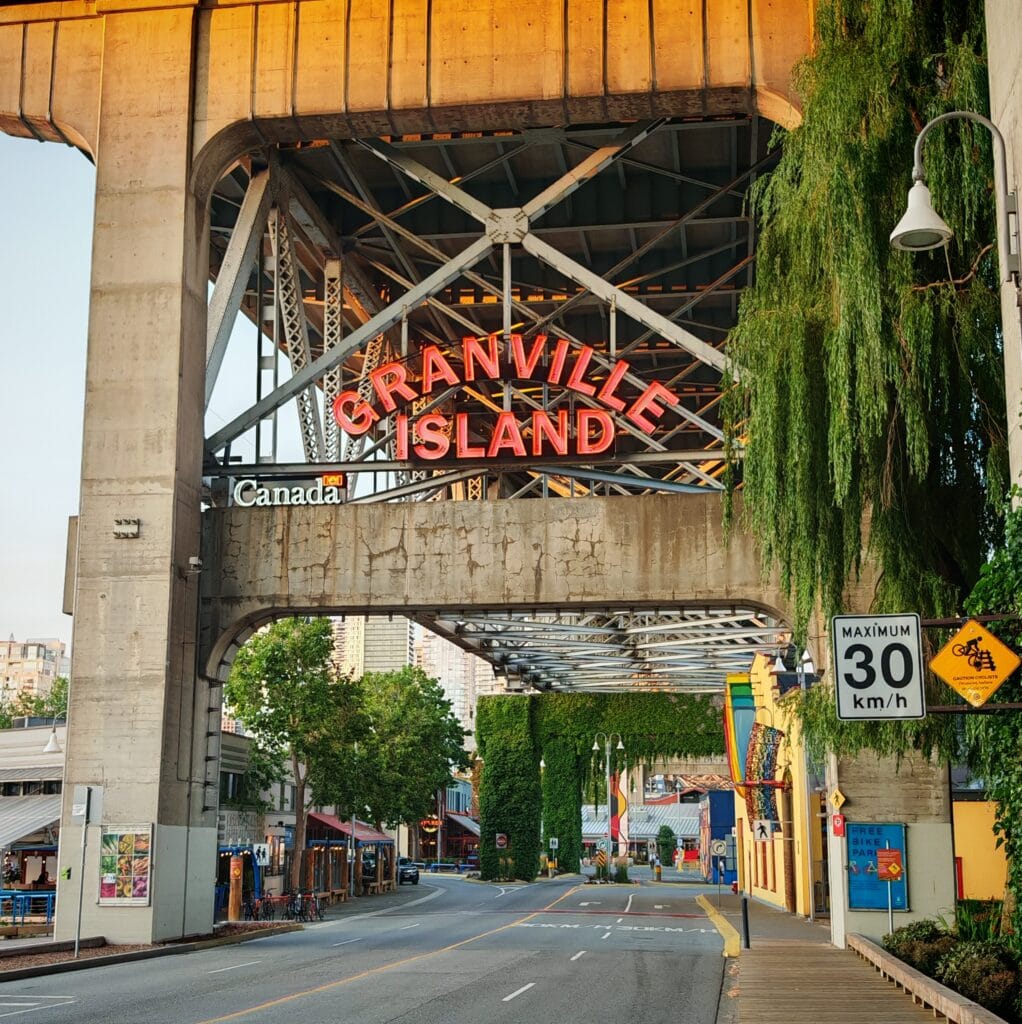
Granville Island Public Market is one of Vancouver’s best food stops and a must for first-time visitors. The official Granville Island site calls the Public Market the “jewel in the Island’s crown,” with colourful food stalls, produce, seafood, baked goods and artisan products. Destination Vancouver also describes it as a local-business showcase close to the shoreline and mountains, with BC produce, seafood, cheese, honey, tea and more
Commercial Drive, known locally as The Drive, is one of Vancouver’s best neighbourhoods for food, coffee, vintage energy and local culture. Destination Vancouver describes it as a multicultural, bohemian street neighbourhood with hundreds of local gems, officially designated Little Italy, and a wide mix of global flavours. It is less polished than downtown or Yaletown, but that is exactly the appeal: independent cafés, old-school delis, casual restaurants, music venues, bars and a strong East Van identity.
Olympic Village sits on the southeast side of False Creek and is separate from Mount Pleasant, although the two areas sit close together and can easily be combined. Olympic Village is more waterfront-focused, modern and polished, with Seawall access, Science World nearby, public art, breweries, patios and views back towards downtown. The City of Vancouver’s Olympic Village walk highlights the area’s connection to the 2010 Winter Olympic Athletes’ Village, Indigenous artworks, modern design and public waterfront space.
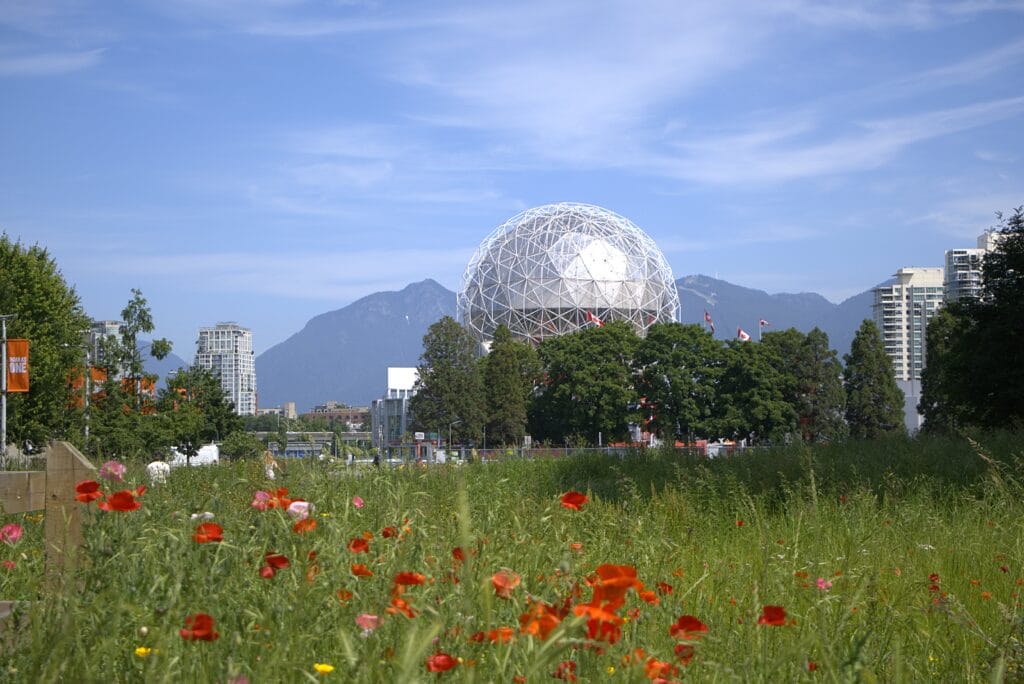
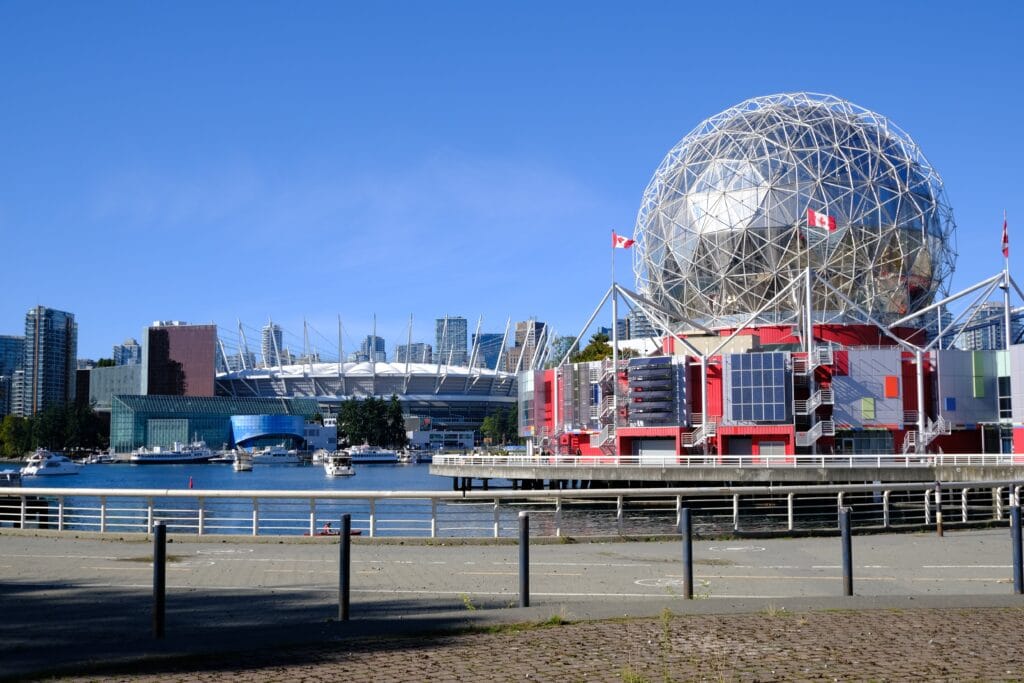
- Science World is one of Vancouver’s most recognisable buildings, sitting in the silver geodesic dome at the eastern end of False Creek. It is best known for interactive exhibits, live science demonstrations and family-friendly indoor activities, making it a useful rainy-day stop or an easy add-on to an Olympic Village / False Creek walk.
- Mount Pleasant is one of the better areas in Vancouver for vintage shopping, independent boutiques and more creative local retail. Around Main Street and the surrounding side streets, the area feels less polished than downtown and much more neighbourhood-led, making it a good place to browse slowly between coffee, food and brewery stops.
- Mount Pleasant is the heart of Vancouver’s craft beer scene and one of the best neighbourhoods for brewery hopping. The area has historic links to brewing through Brewery Creek, and the modern brewery scene grew with places like R&B Brewing, 33 Acres, Brassneck, Faculty and Main Street Brewing. It is a great afternoon or evening area if you want to walk between tasting rooms rather than stay in one bar
Food & Drink Recommendations
- Mount Pleasant Vintage & Provisions is a retro-inspired cocktail bar and wood-fired grill on West 6th Avenue. It leans into a nostalgic neighbourhood bar feel, with cocktails, food, patios and a playful vintage aesthetic that suits the Mount Pleasant mood.
- CRAFT Beer Market sits in Olympic Village rather than central Mount Pleasant, but it pairs perfectly with a False Creek or Science World walk. The False Creek location is in the historic Salt Building at 85 West 1st Avenue, with waterfront views, brunch, happy hour and a huge beer selection
- Brassneck is one of the classic Mount Pleasant brewery stops and works well as part of a self-guided brewery crawl. It is located on Main Street and is regularly mentioned among the neighbourhood’s standout breweries, especially for visitors wanting a more local craft-beer experience than the bigger beer halls.
- Faculty Brewing is a small, friendly craft brewery on Ontario Street with an open-source, education-led approach to beer. The brewery is designed to make craft beer feel more approachable, even publishing recipes and using a “course number” style naming system for its beers
- R&B Brewing is one of the original East Van craft beer names and has been brewing in the Brewery Creek area since 1997. Today it operates as an ale and pizza house on East 4th Avenue, making it a good stop if you want beer, casual food and a long-running local brewery with proper neighbourhood roots.
- Earnest Ice Cream is one of Vancouver’s favourite local ice cream shops, and the Quebec Street location is an easy dessert stop near Olympic Village and Mount Pleasant. The brand focuses on local ingredients, sustainability and reusable glass jars, with scoop shops across Vancouver and North Vancouver.
Parks, Beaches, & Nature
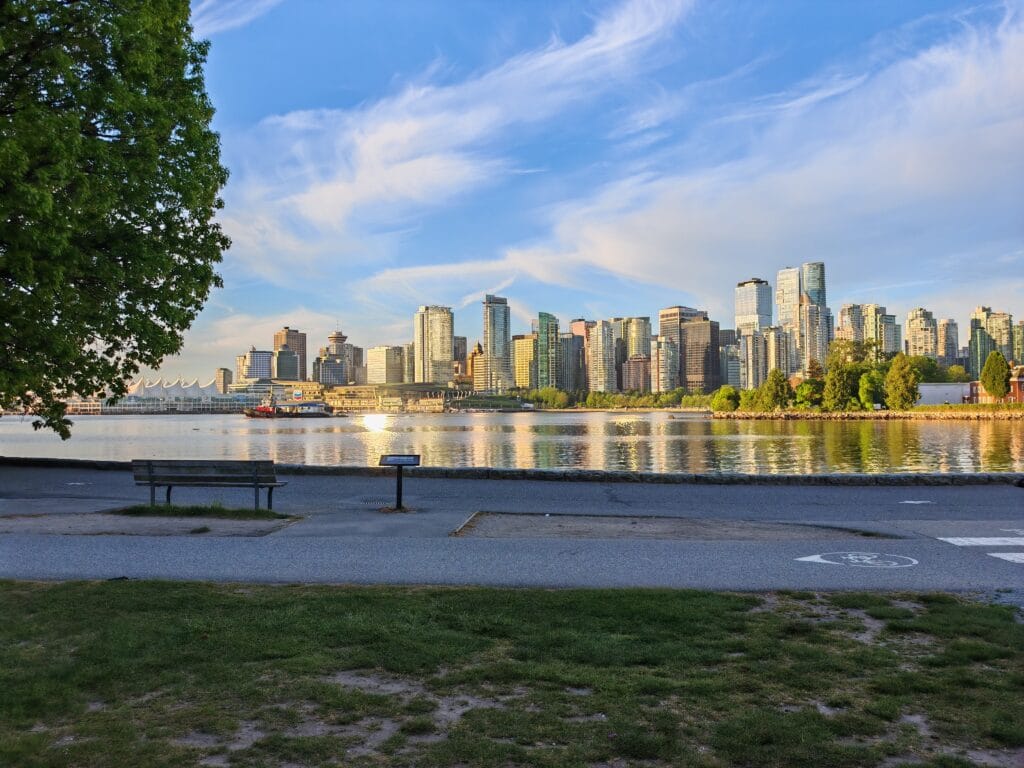
Stanley Park: Stanley Park is the crown jewel of Vancouver and still one of the first places I’d send any visitor. The famous Stanley Park Seawall is the world’s longest undisrupted urban seawall in the world! The City of Vancouver describes it as the city’s first, largest and most beloved urban park, with 400 hectares of West Coast rainforest, trails, beaches, landmarks and waterfront views. Cycling or walking the 8.8km Seawall gives you some of the best views of English Bay, Coal Harbour, the Lions Gate Bridge and the North Shore.
Vancouver Aquarium: The Vancouver Aquarium is located in Stanley Park and is a strong option for families, rainy days or wildlife-focused visitors. The aquarium describes itself as Canada’s largest aquarium, with around 65,000 animals, immersive exhibits, animal feedings and conservation-focused experiences. It is an easy add-on if you are already spending half a day in Stanley Park.
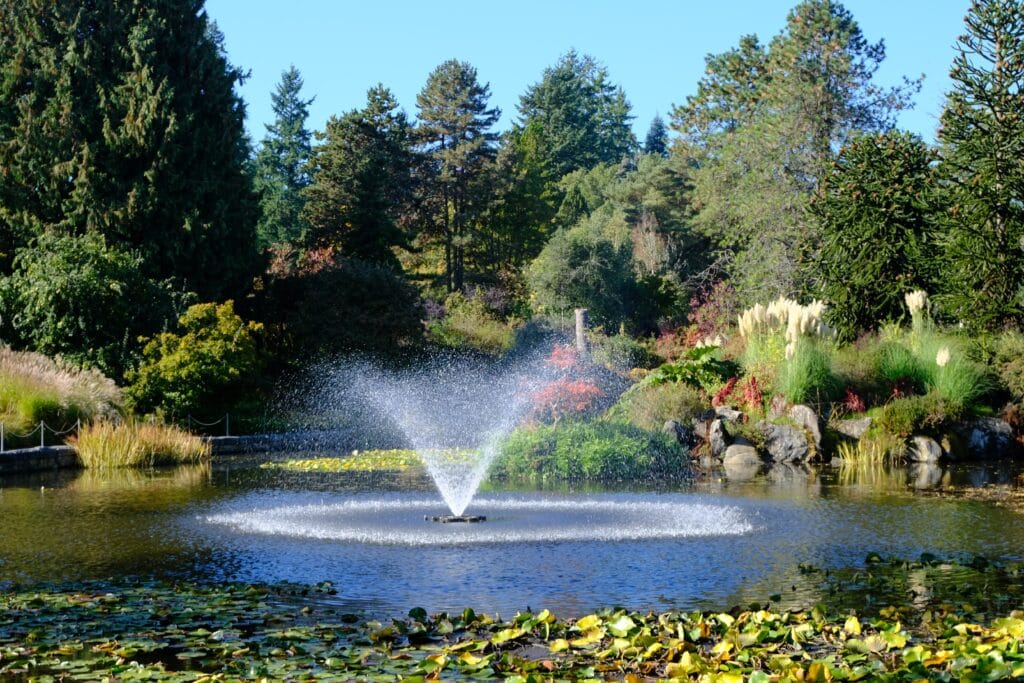
Van Dusen Botanical Gardens: VanDusen Botanical Garden is a peaceful escape in the middle of the city and a good option when you want something slower than downtown sightseeing. The City of Vancouver describes it as a 55-acre oasis with over 7,500 plant species and varieties from around the world. Destination Vancouver highlights VanDusen as a year-round garden with seasonal blooms, a hedge maze, lakes, bridges and changing displays.
Queen Elizabeth Park: Queen Elizabeth Park is one of the best viewpoints within the city itself. The City of Vancouver describes it as a horticultural jewel and says that at 125m above sea level, it is the highest point in Vancouver, with views of the park, city and North Shore mountains. It is also home to the Bloedel Conservatory, quarry gardens, sculptures and recreational facilities
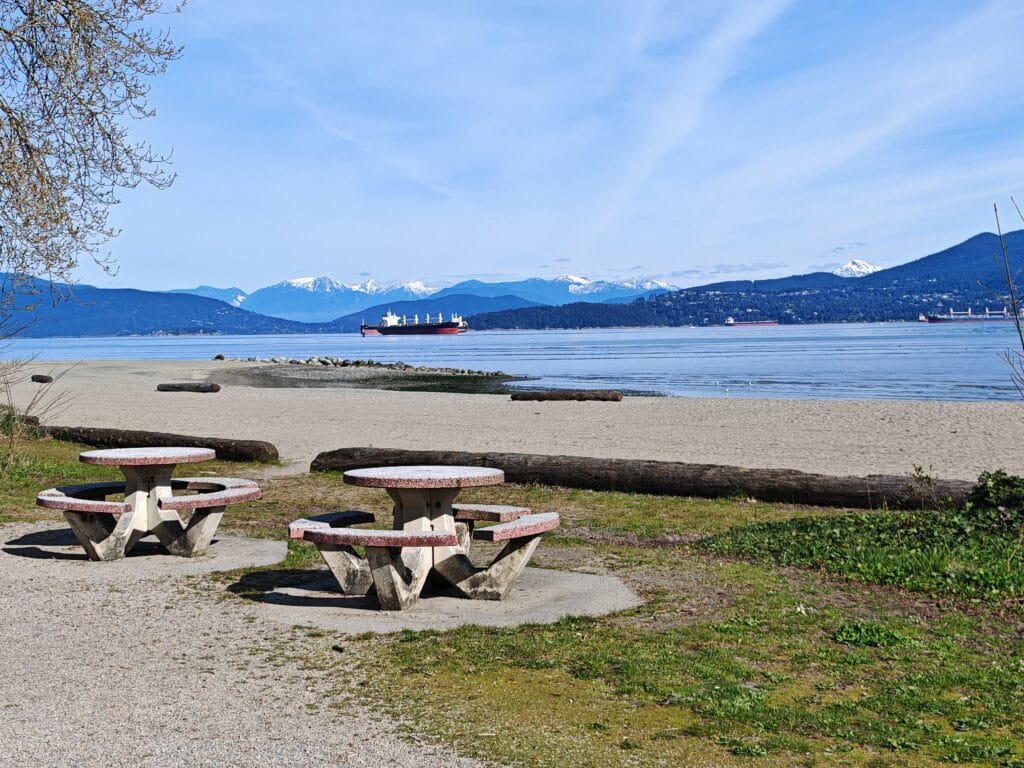
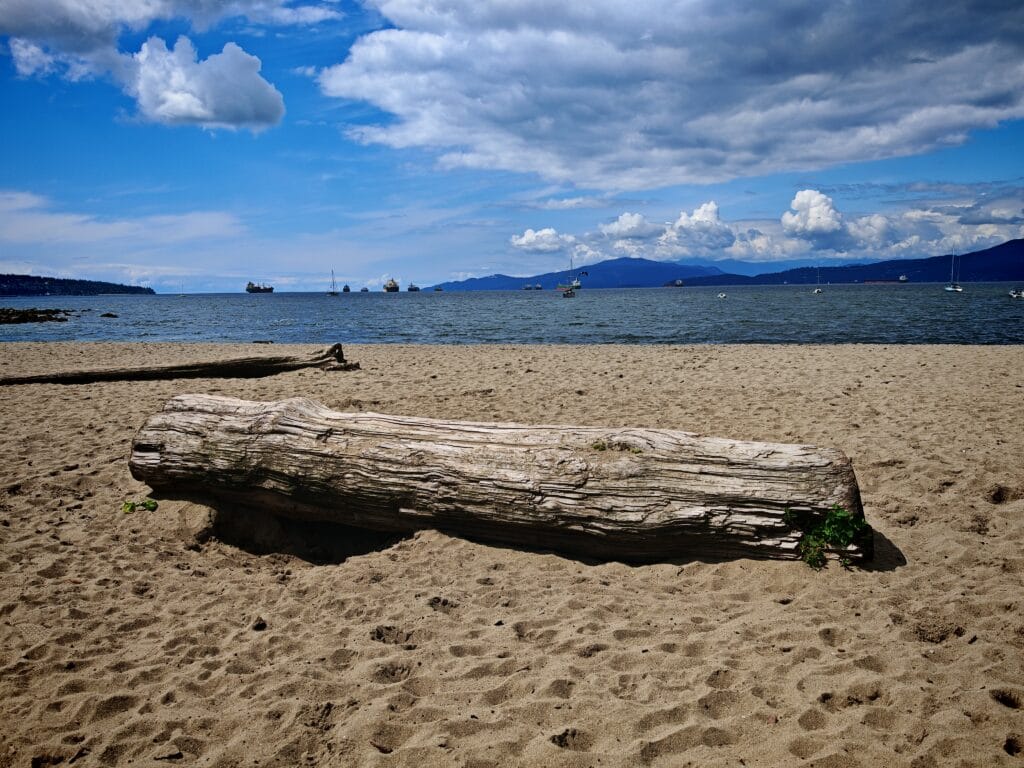
The Beaches: Vancouver has a surprisingly strong beach culture for a city known for rain and mountains. English Bay Beach is the easiest downtown beach and is the most populated beach area in Vancouver’s downtown, with the Stanley Park Seawall running beside it. Sunset Beach runs alongside, leading towards Burrard Bridge, which offers more sports-focused areas. Kitsilano Beach, or Kits Beach, has a sportier and more local feel, with the Seawall, Kitsilano Pool, volleyball, tennis, basketball, playgrounds and summer lifeguards.
Then Spanish Beach, Locarno and Jericho beaches further along from Kits Beach offer the best mountain views and quieter spots to relax. On the North Shore, there is Ambleside Beach, which offers views back across to Stanley Park and Lions Gate Bridge. All of the beaches in this Vancouver City Guide have refreshments, facilities, lifeguards and easy accessibility.
Vancouver City Guide: Weekend Itinerary
A Full Weekend in Vancouver Itinerary
A two-day Vancouver itinerary that balances classic city highlights with the North Shore mountains, markets, beaches and one of the city’s best viewpoints.
Downtown, Stanley Park & Granville Island
-
MorningCanada Place, Coal Harbour & Stanley Park
Start by the waterfront at Canada Place, then follow Coal Harbour into Stanley Park. Rent a bike if you want to cover more of the Seawall quickly.
-
LunchGranville Island Public Market
Head to Granville Island for lunch, market stalls, local produce, bakeries, seafood, artisan shops and False Creek views.
-
AfternoonKitsilano or Downtown Culture
Choose Kitsilano for beach time and a laid-back neighbourhood feel, or stay downtown for Robson Square, the Vancouver Art Gallery and shopping.
-
EveningEnglish Bay Sunset or Yaletown Dinner
Finish with sunset at English Bay, then head to Yaletown, Gastown or the waterfront for dinner and drinks.
North Shore Mountains & Lower Lonsdale
-
MorningSeaBus to Lonsdale Quay & The Shipyards
Take the SeaBus from Waterfront Station to North Vancouver. Start around Lonsdale Quay and The Shipyards for harbour views, coffee and a different angle of downtown.
-
Late MorningGrouse Mountain or Capilano Suspension Bridge
Pick your North Shore headline attraction. Choose Grouse Mountain for big city views and the Skyride, or Capilano Suspension Bridge for a forest walkway and classic visitor experience.
-
AlternativeLynn Canyon or Deep Cove
If you prefer a cheaper or more local-feeling option, visit Lynn Canyon for forest trails and a free suspension bridge, or head to Deep Cove for water views and a slower North Shore afternoon.
-
EveningLower Lonsdale Food & Breweries
Return to Lower Lonsdale for dinner, breweries or a drink around The Shipyards before taking the SeaBus back downtown.
The North Shore (Mountains & Markets)
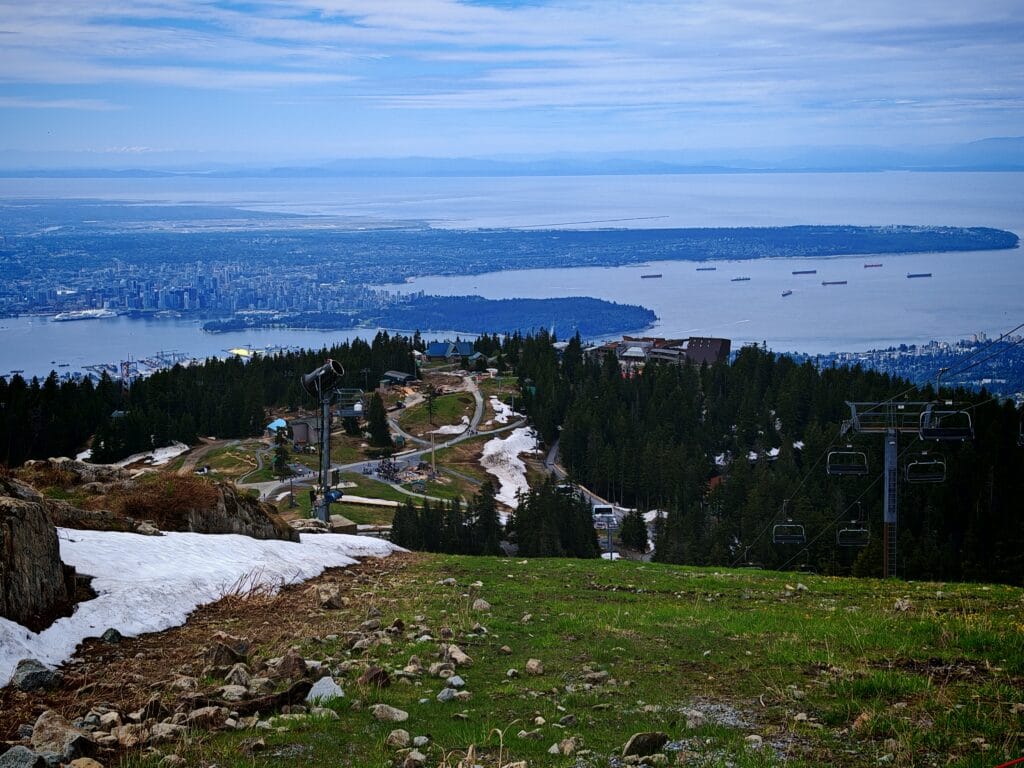
The North Shore is the mountain-and-water side of Vancouver, covering North Vancouver and West Vancouver across Burrard Inlet from downtown. It is where the city’s outdoor lifestyle really comes into focus, with Lower Lonsdale, The Shipyards, Grouse Mountain, Capilano, Lynn Canyon, Deep Cove, Cypress, Ambleside and some of the best hiking, biking, skiing and waterfront views in Metro Vancouver.
North Vancouver is the perfect mountain destination where urban communities sit on the edge of wilderness. After living in Lower Lonsdale for over a year, this is the easiest section to write for the Vancouver City Guide.
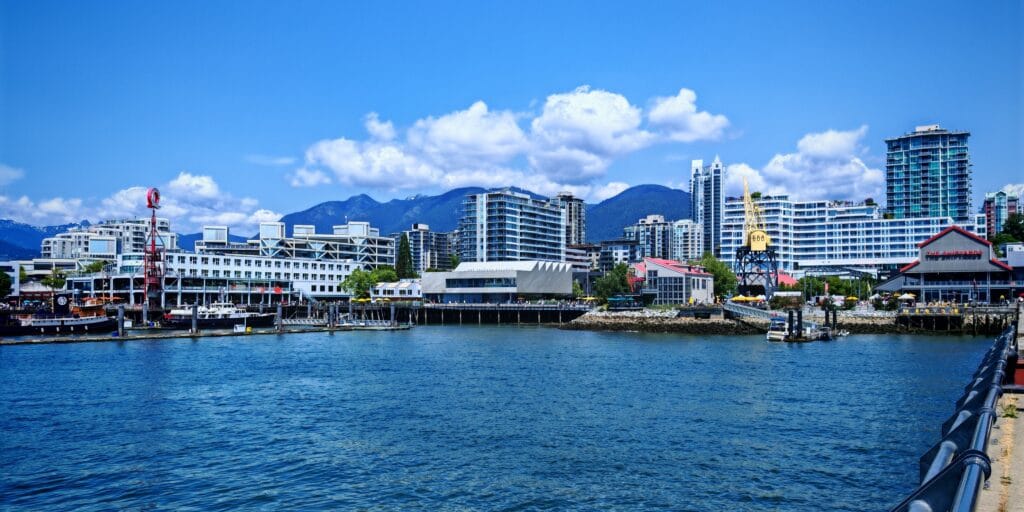
- The Shipyards: The Shipyards is one of the best places to start exploring North Vancouver. The City of North Vancouver describes it as an active waterfront public space with year-round events, shops, dining and places to play. It is also less than a five-minute walk from Lonsdale Quay Transit Exchange, making it one of the easiest North Shore areas to reach from downtown by SeaBus
- The Quay: Lonsdale Quay is the practical gateway to North Vancouver and a good first stop after stepping off the SeaBus. It has market-style food, waterfront views, quick access to The Shipyards and easy transit links deeper into the North Shore. For visitors without a car, this is one of the simplest ways to experience a different side of Vancouver.
- Ambleside Park: Ambleside Park in West Vancouver gives a different angle on the city: Lions Gate Bridge, Stanley Park, downtown towers, harbour traffic and big open water. It is quieter than the downtown beaches and works well for a relaxed walk or sunset view. This is a good recommendation for people who want North Shore scenery without a hard hike.
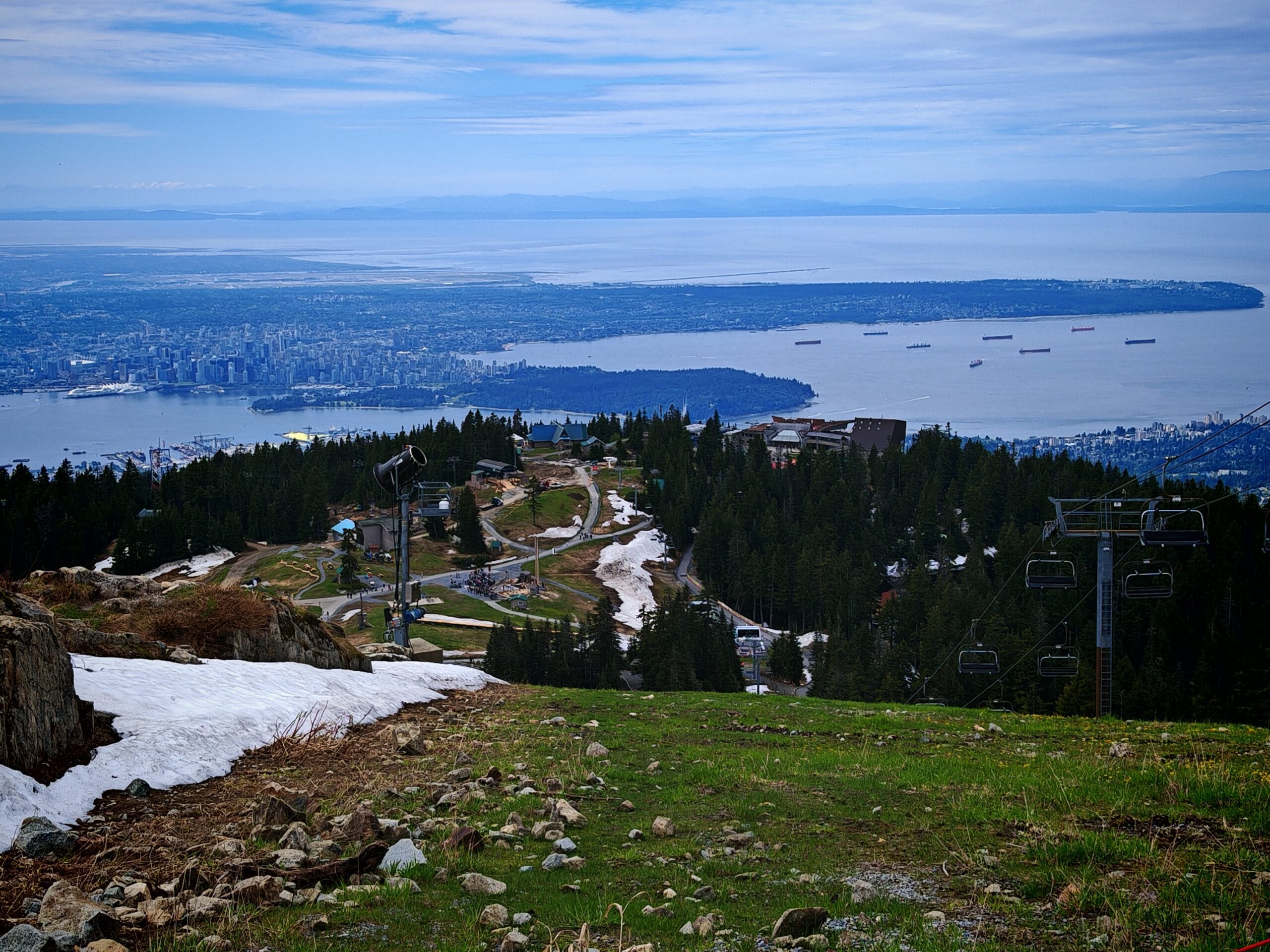
- Grouse Mountain: Grouse Mountain is one of the most famous North Shore attractions and gives big views over Vancouver, Burrard Inlet and the Lower Mainland. Destination Vancouver notes that Grouse’s Skyride climbs around 1,200m / 3,960ft, and that the Grouse Grind is a strenuous 2.9km trail with 853m of elevation gain. It is touristy, but it is also one of the most iconic Vancouver mountain experiences. See below for a full Grouse Grind hike post.
- Capilano Suspension Bridge: Capilano Suspension Bridge is one of the North Shore’s most famous paid attractions. It is dramatic, photogenic and well set up for visitors, but it can be expensive and busy. I’d frame it as worth considering for first-time visitors who want an easy forest-and-suspension-bridge experience, but not essential if you prefer free hikes and local trails.
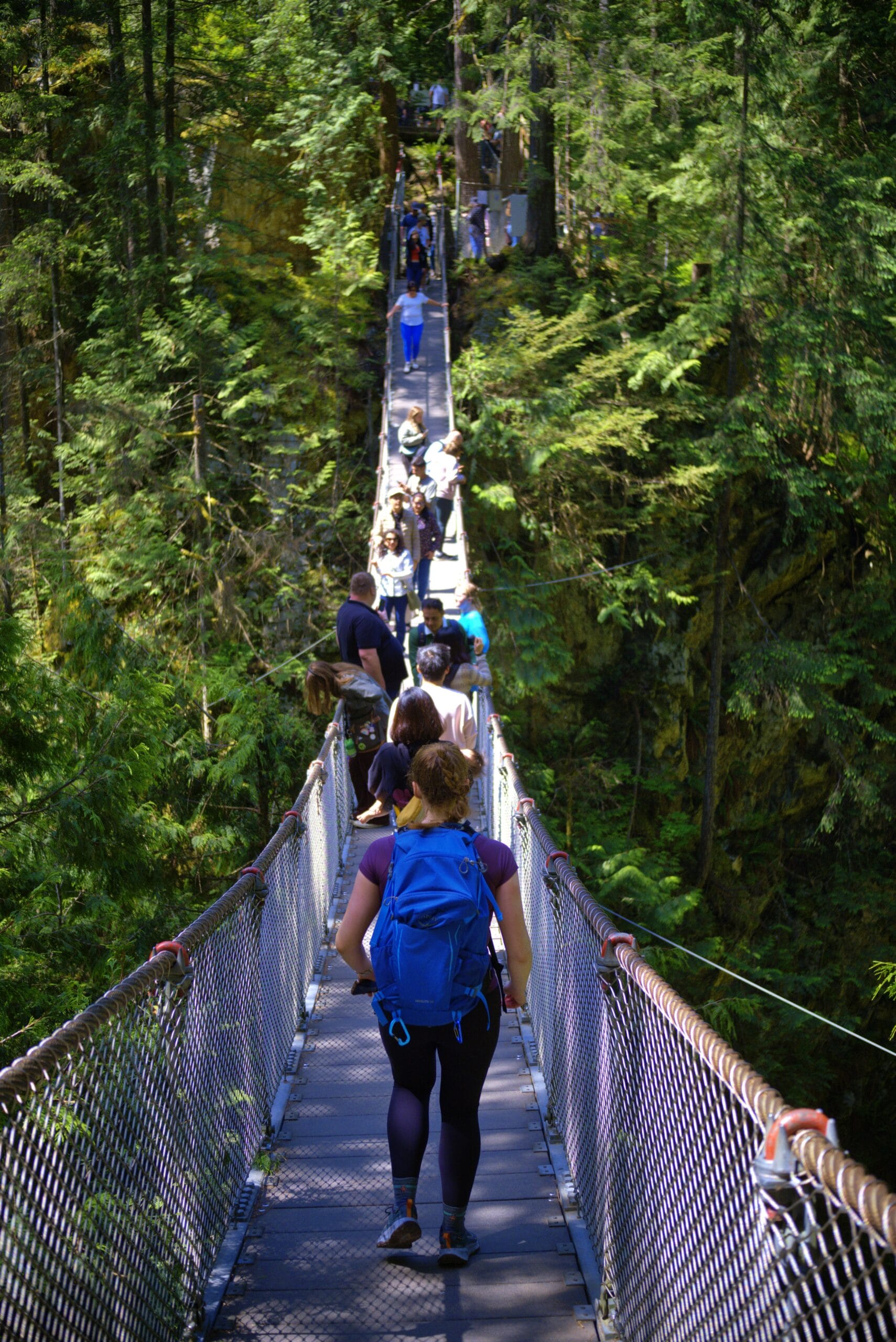
- Lynn Valley: Lynn Canyon is the obvious free alternative to Capilano, but it feels more like a local forest area than a polished tourist attraction. It has a suspension bridge, rainforest trails, pools and access to longer hikes. Destination Vancouver notes that Lynn Canyon Park covers 250 hectares / 615 acres of coastal rainforest with an ecology centre and accessible trails.
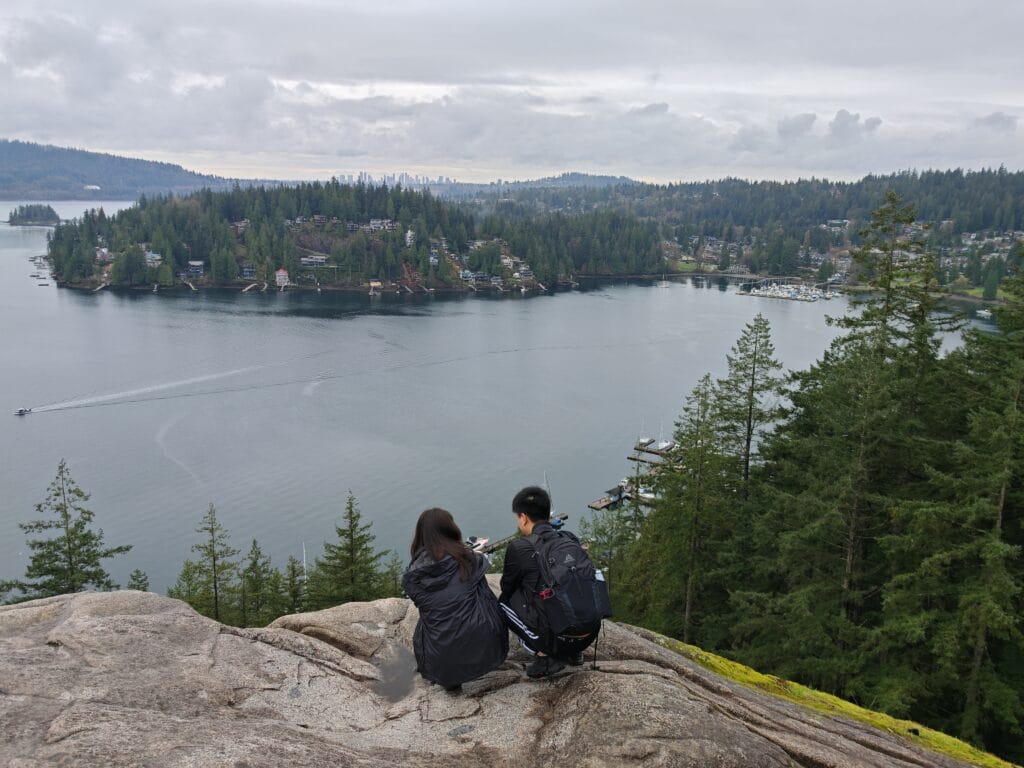
- Deep Cove: Deep Cove is one of the prettiest neighbourhoods on the North Shore, with calm water, mountain views, kayaking, paddleboarding and access to nearby trails. Destination Vancouver highlights Deep Cove and Mount Seymour Provincial Park as part of North Vancouver’s outdoor adventure scene, with activities ranging from sea kayaking to hiking and skiing. It is one of the best half-day escapes from the city, especially if you pair it with coffee, doughnuts or a short hike
Food & Drink Recommendations
Brunch, Lunch & Cafes
- Dip Co. Sandwich & Focabari Bakery is a Deep Cove sandwich spot built around its signature Focabari bread, a house-made fusion of Italian focaccia and Persian barbari. It is a great pre- or post-hike stop if you are heading to Deep Cove, Quarry Rock or the waterfront.
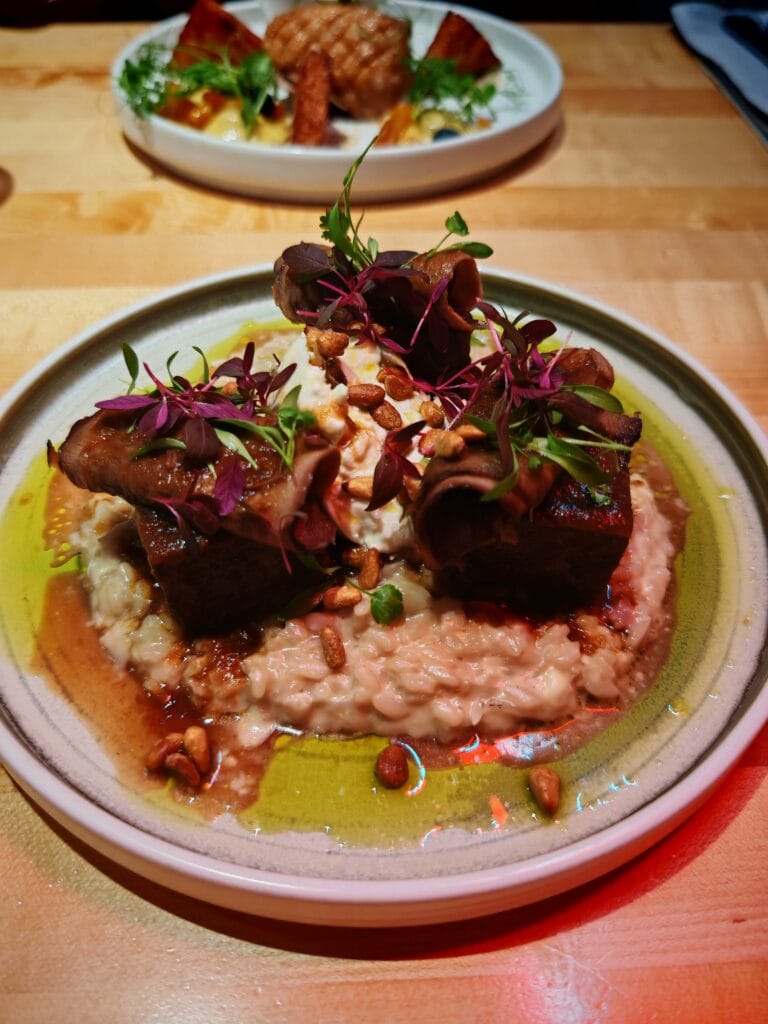
- Jam Cafe is one of the strongest brunch options in Lower Lonsdale, known for big West Coast breakfast plates, Southern-inspired comfort food, pancakes, French toast, hearty bowls and a lively brunch atmosphere. The Lonsdale location serves breakfast, brunch and lunch, with weekday reservations available and weekend service more walk-in focused.
- Thomas Haas is the North Shore’s go-to stop for polished pastries, chocolates, cakes, coffee and sweet treats. The North Vancouver café is on Harbourside Drive and works best as a morning pastry stop, coffee break or place to pick up high-end desserts.
- Nemesis Coffee is one of Vancouver’s best speciality coffee names, with a North Vancouver location beside The Polygon Gallery in Lower Lonsdale. It works perfectly as a coffee stop before exploring The Shipyards, Lonsdale Quay or the waterfront. Nemesis Coffee was named the 15th best coffee shop globally and the #1 highest-ranked cafe in Canada on the prestigious World’s 100 Best Coffee Shops list.
Dinner Restaurants
- Fishworks is a Lower Lonsdale seafood restaurant focused on fresh West Coast seafood, including local fish, oysters, mussels, clams and globally influenced dishes like ceviche, paella and chowder. It is a good dinner choice if you want something more refined but still relaxed near the waterfront.
- Catch 122 is my most underrated place in the Shipyards District and works across brunch, pastries, dinner, happy hour and high tea. It is a versatile Lower Lonsdale option, especially useful if you want something close to Lonsdale Quay and The Shipyards. It’s incredibly busy for breakfast, brunch and lunch, usually with a wait list showing it’s popaulrity!
- Earnest Ice Cream is one of the best dessert stops to add after eating in Lower Lonsdale or around the waterfront. The North Vancouver location is part of a local brand known for carefully made ice cream and a sustainability-focused reusable jar system
- Akbarjoojeh is a Persian restaurant on Lonsdale known for traditional Persian flavours, grilled kebabs, rice dishes, stews and its signature Akbar Joojeh-style chicken. It is a strong pick if you want something hearty and local away from the more tourist-facing waterfront restaurants.
- Scratch Kitchen is a casual North Vancouver spot for artisan pizza, bowls, salads and comfort food made from fresh, locally sourced ingredients. It has both Lonsdale and Deep Cove locations, making it useful whether you are staying central or heading east towards Deep Cove.
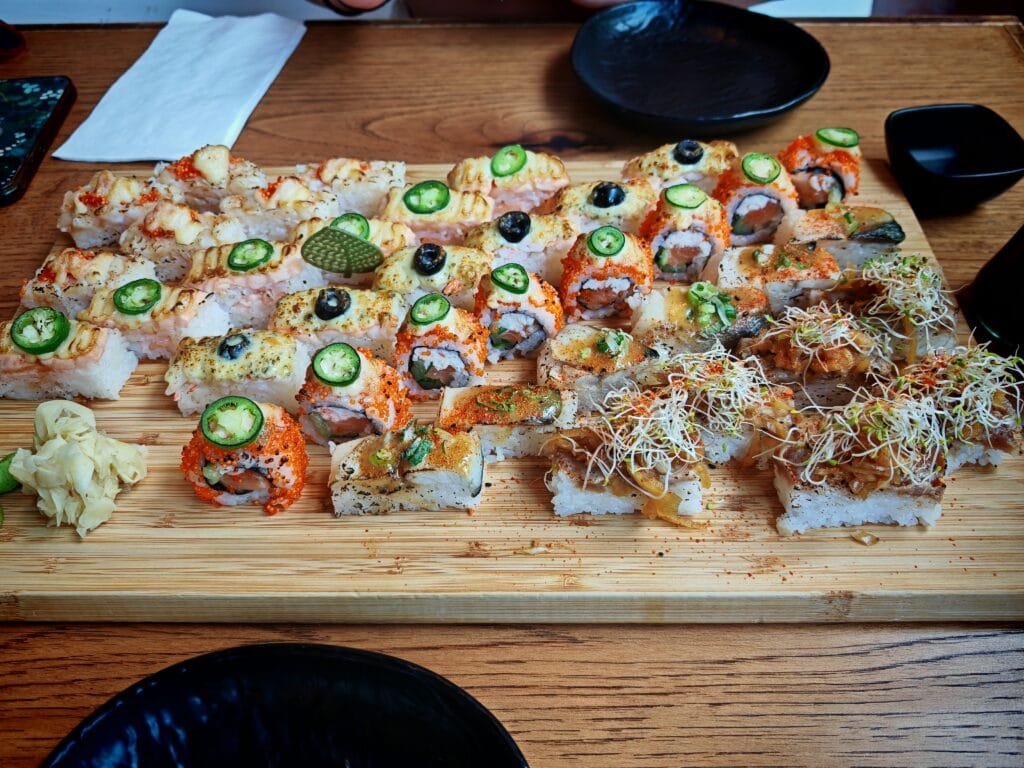
- Green Leaf Sushi is a reliable North Vancouver sushi option on West 1st Street in Lonsdale. It is a casual, easy stop for sushi, rolls and Japanese comfort dishes close to Lower Lonsdale. Known for the aburri style Suhi, the LoLo platter is amazing value.
Breweries and bars
- Beere Brewing is one of the key Lower Lonsdale craft breweries and part of the North Vancouver brewery district. It is a good stop for local beer lovers, especially if you are building a self-guided brewery crawl around East Esplanade and the Shipyards area.
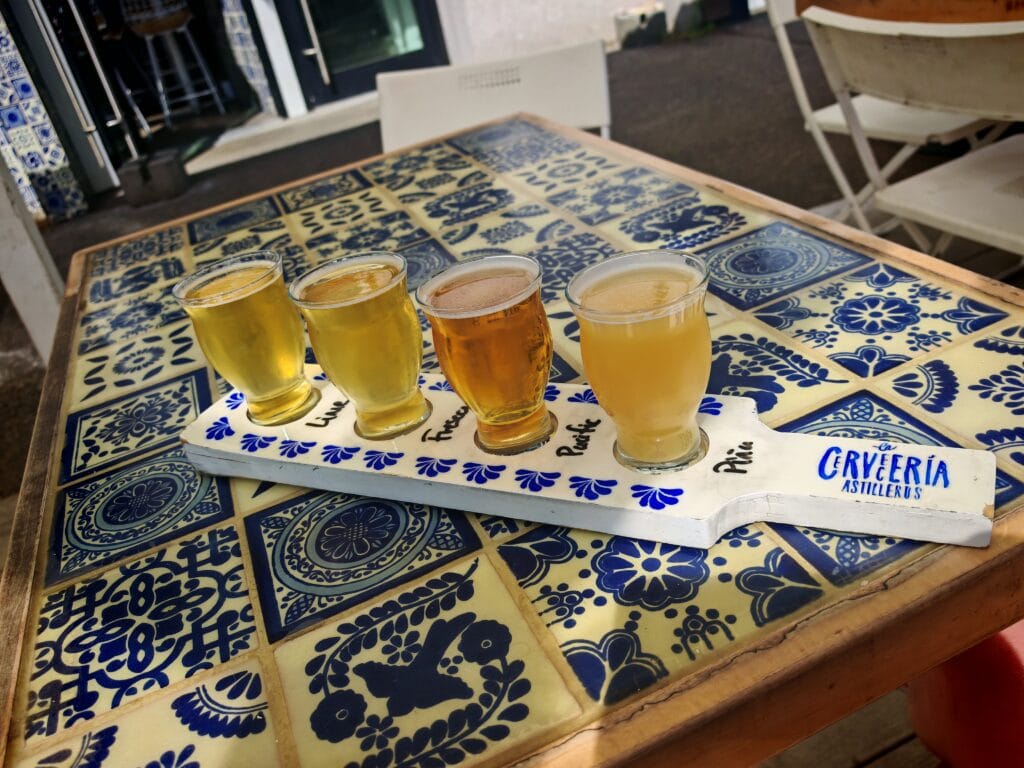
- La Cerveceria Astilleros brings Mexican-inspired craft beer, food and colour to the Shipyards Brewery District. Expect Mexican-influenced beers, tacos, tostadas, nachos, churros and a lively taproom feel on East Esplanade.
- North Point Brewing is a Shipyards District craft brewery with a cosy cabin-style atmosphere. It is a good choice if you want a warm, casual brewery setting close to Lower Lonsdale’s main food and drink area.
- Copperpenny Distilling is a Lower Lonsdale distillery and cocktail lounge known for gin, creative cocktails, tasting flights, bottle sales and private experiences. It is only a short walk from the SeaBus and makes a good alternative if you want cocktails instead of another brewery stop.
- Lonsdale Bridgedeck Brewing is one of the original North Shore craft beer names, with a brewery and tasting room on Charlotte Road plus additional North Vancouver locations. The Lonsdale Bridgedeck on Central Ave offers great burgers, an attractive happy hour and refreshing beers.
Sports & Culture
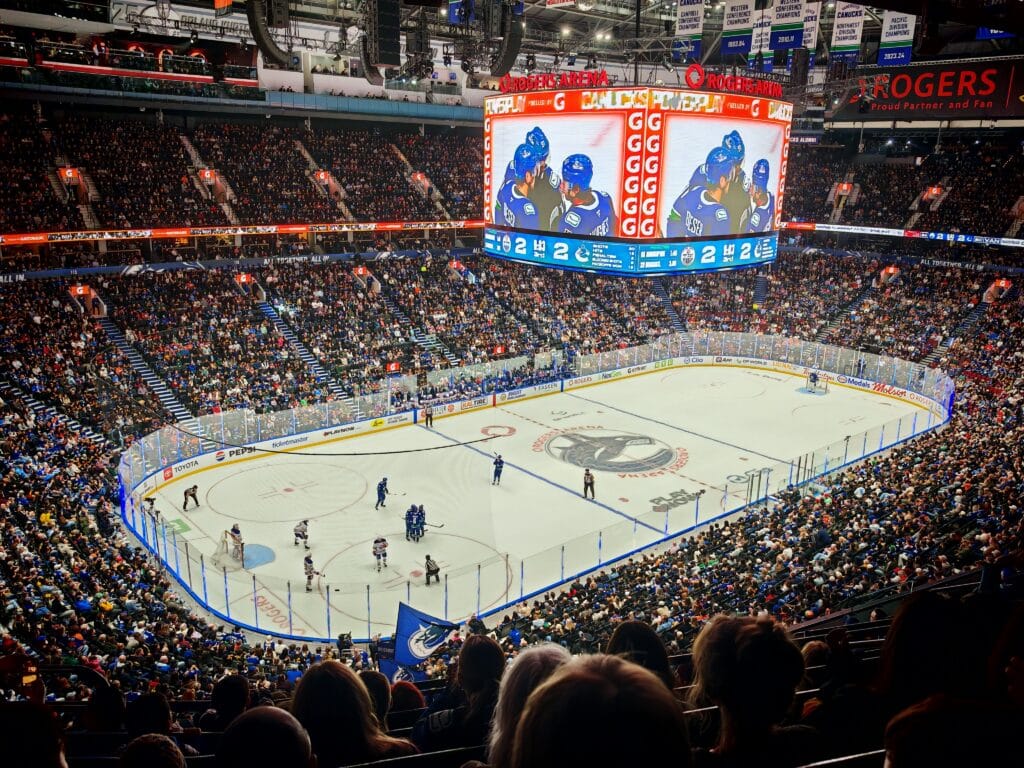
For such an active city, there is a strong sports connection to the local teams. As a big sports fan myself, the Vancouver City guide had to mention the NHL Ice Hockey team, the Vancouver Canucks, as a must-see sporting event to get the full Canadian experience.
- Ice Hockey & BC Place: Catching a Vancouver Canucks game at Rogers Arena is one of the best ways to experience Canadian sports culture as a visitor. Even if you are not a huge hockey fan, the atmosphere, speed and crowd energy make it memorable. Next door, BC Place hosts BC Lions football, Vancouver Whitecaps football and major concerts, so it is worth checking events during your trip.
- FIFA World Cup 2026: Vancouver is one of the host cities for the Football World Cup with group stage games and several round of 32 games. The city has been football (soccer if you’re a native) crazy, with fan zones to watch the games.
- The Museum of Anthropology at UBC is one of Vancouver’s most important cultural institutions and a must-see if you are interested in Indigenous art, global collections and Pacific Northwest cultural history. MOA is a world-class institution with around 50,000 works and a strong focus on First Nations of the Pacific Northwest.
- The Museum of Vancouver sits in Vanier Park near Kitsilano and is the city’s main civic history museum. MOV describes itself as a place that connects Vancouverites to each other and the city to the world through stories, objects and shared experiences, making it a strong cultural stop if you want to understand Vancouver beyond the skyline and mountains. Pair it with Vanier Park, Kits Beach, the H.R. MacMillan Space Centre or a False Creek walk
- The H.R. MacMillan Space Centre sits beside the Museum of Vancouver in Vanier Park, making it easy to combine both into one Kitsilano cultural stop. Destination Vancouver recommends it for planetarium-style space experiences covering planets, meteor showers, black holes and other astronomy topics.
Plan the rest of your Vancouver & Canada adventure
Use this Vancouver City Guide as a starting point, then dive deeper into local hikes, Canada travel planning, road trips and life in British Columbia.
Vancouver City Guide: Summary
Vancouver is much more than a pretty skyline beside the mountains. It is a city of neighbourhoods, beaches, forests, food, viewpoints, waterfront walks and outdoor escapes. The classic Vancouver attractions are absolutely worth visiting, but the city becomes far more rewarding when you slow down and explore it by the neighbourhoods this Vancouver City Guide covers.
For first-time visitors, Stanley Park, the Seawall, Granville Island, Gastown, Kitsilano, False Creek and the North Shore should all be high on the list. These are some of the best things to do in Vancouver because they show the city’s strongest qualities: ocean views, mountain backdrops, walkable neighbourhoods and easy access to nature.
If you are planning a short Vancouver itinerary, I would suggest spending at least three or four days in the city. That gives you enough time to see the main sights, explore a few neighbourhoods, eat properly, visit the waterfront and add at least one North Shore adventure. If you have longer, Vancouver becomes an ideal base for day trips, hiking, skiing, island escapes and wider British Columbia travel.
What makes this Vancouver City Guide different is the local perspective. Vancouver is not just a place to tick off attractions; it is a city best experienced through slow walks, coffee stops, beach sunsets, mountain trails, food discoveries and ferry rides across the water.
Whether you are visiting for a weekend, building a longer Canada itinerary or thinking about moving here, Vancouver is one of the best cities in the world for travellers who want both city energy and outdoor adventure.
Vancouver City Guide: FAQs
What are the best things to do in Vancouver?
The best things to do in Vancouver include walking or cycling Stanley Park and the Seawall, visiting Granville Island, exploring Gastown, relaxing at Kitsilano Beach, taking the SeaBus to North Vancouver, hiking on the North Shore and enjoying the city’s food scene. Destination Vancouver highlights Stanley Park, Granville Island, Gastown, beaches, hiking, skiing, kayaking and cultural attractions as major visitor experiences.
Is Vancouver worth visiting?
Yes, Vancouver is worth visiting if you enjoy a mix of city culture and outdoor scenery. The city combines ocean, mountains, beaches, parks, food, neighbourhoods and easy access to hiking, cycling and day trips. Destination Vancouver describes the city as surrounded by ocean, mountains and nature, with attractions, neighbourhoods, restaurants and outdoor activities shaping the visitor experience.
How many days do you need in Vancouver?
Three to four days is ideal for seeing the main Vancouver highlights in this Vancouver City Guide, including Stanley Park, Granville Island, Gastown, Kitsilano, beaches and the North Shore. Destination Vancouver also recommends adding extra time if you want to explore nearby mountains, islands or day trips.
Do you need a car in Vancouver?
No, you do not need a car for central Vancouver. TransLink operates buses, SkyTrain, SeaBus and West Coast Express, and many major attractions are reachable by transit. The Canada Line also connects Vancouver International Airport to downtown Vancouver in under 30 minutes. [destinatio…couver.com]
What is the best time to visit Vancouver?
The best time to visit Vancouver depends on your trip style. Summer is best for beaches, hiking and long days; spring is popular for blossoms; autumn is quieter and scenic, and winter works well for nearby skiing and festive city activities. Destination Vancouver says every season can be a good season depending on whether you want spring blooms, summer patios, fall colours or winter mountain experiences.