Camping is one of the best ways to enjoy the outdoors, slow down and create proper adventure memories. But if you are new to it, your first camping trip can feel intimidating. There is gear to choose from, weather to plan around, campsites to book, meals to organise and the worry that one bad night could put you off completely.
That is why these camping tips for beginners are focused on keeping things simple. You do not need to start with a remote wild camp or a multi-day trek. A local campsite, borrowed gear and one night outdoors can be the perfect way to learn the basics and build confidence.
This guide covers the most important beginner camping tips, including how to plan your first trip, pack smart, choose a good campsite, stay safe on the trail, practise basic camping skills, follow Leave No Trace principles and sleep more comfortably outdoors. If you are wondering how to start camping, begin small, prepare properly and treat your first trip as practice rather than perfection.
Camping & Trekking Tips for Beginners
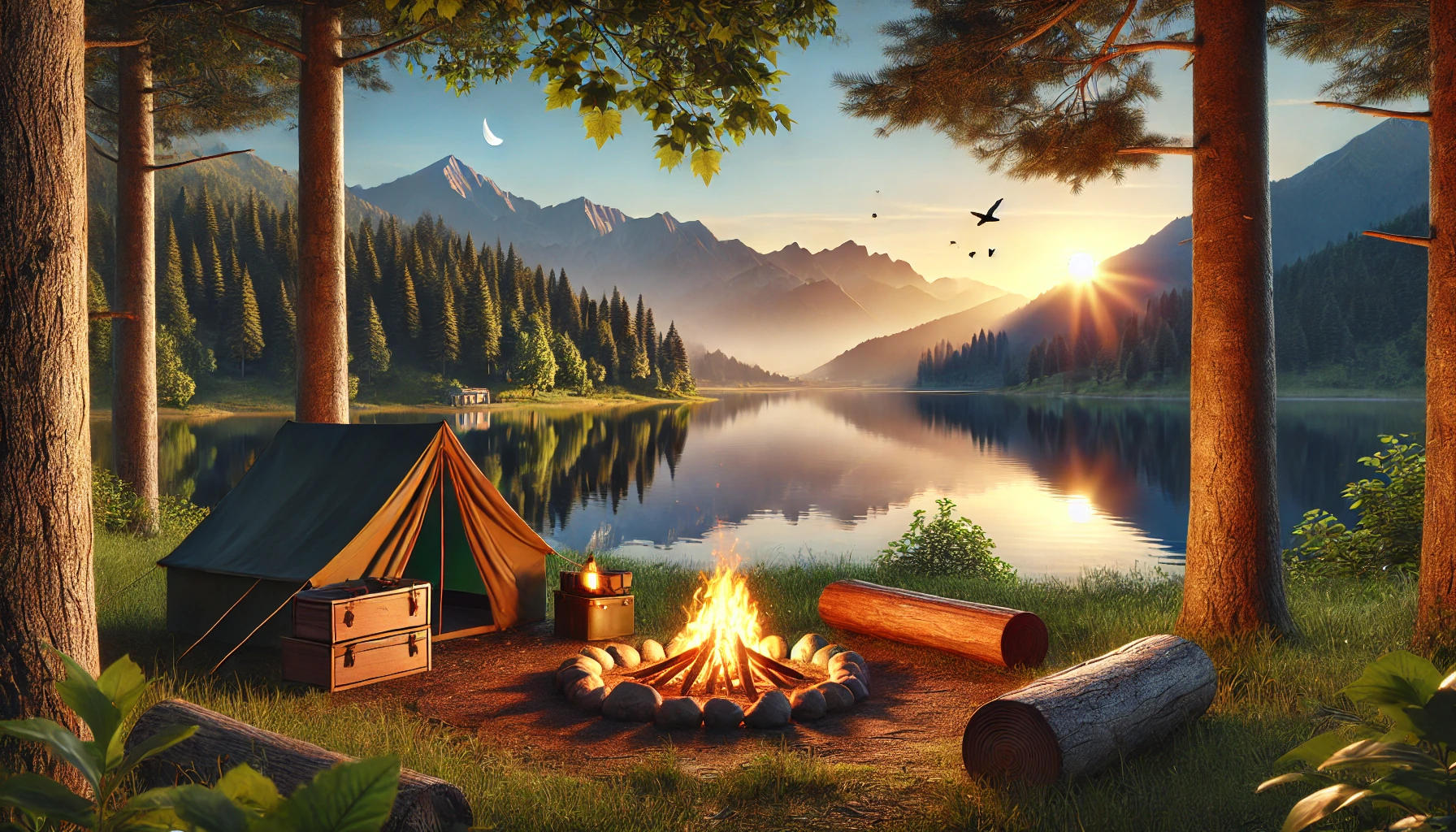
Camping and trekking can be an amazing experience, but preparation is key, especially for beginners. Here are 8 essential tips:
1. Plan & Prepare
- Research the Location: Know the weather, terrain, altitude, and potential risks.
- Check Permits & Regulations: Some areas require permits or have restrictions for campers.
- Inform Someone: Share your itinerary with a friend or family member just in case of emergency.
- Start Small: If you’re new, try a short overnight trip before a long trek with someone who’s camped before.
Finding the right camping spot is harder than it sounds, whether at a campsite or wild camping. Especially when camping trekking in the mountains, it’s good to know the trails to and from the researched location. And try to find a place with a running water source and some shelter from the elements.
2. Pack Smart & Light
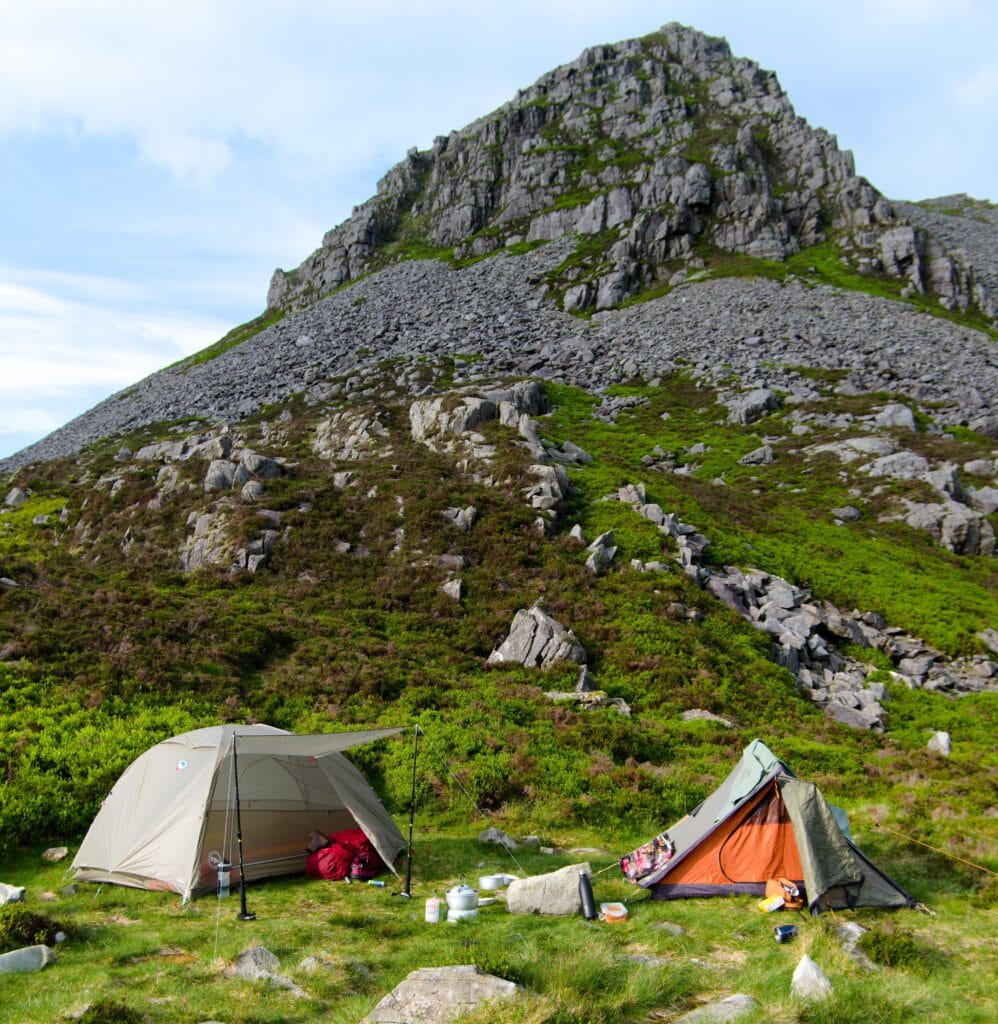
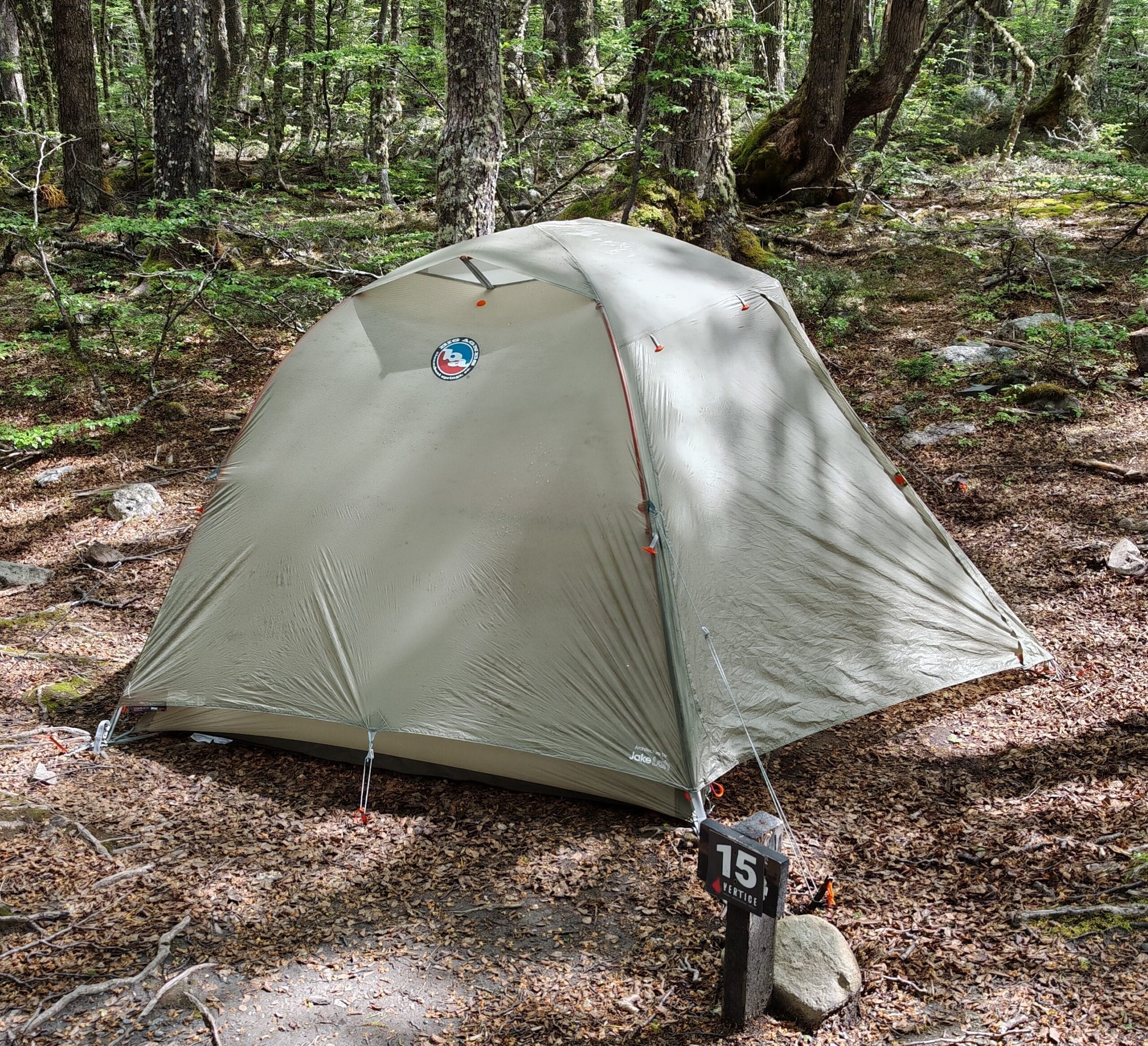
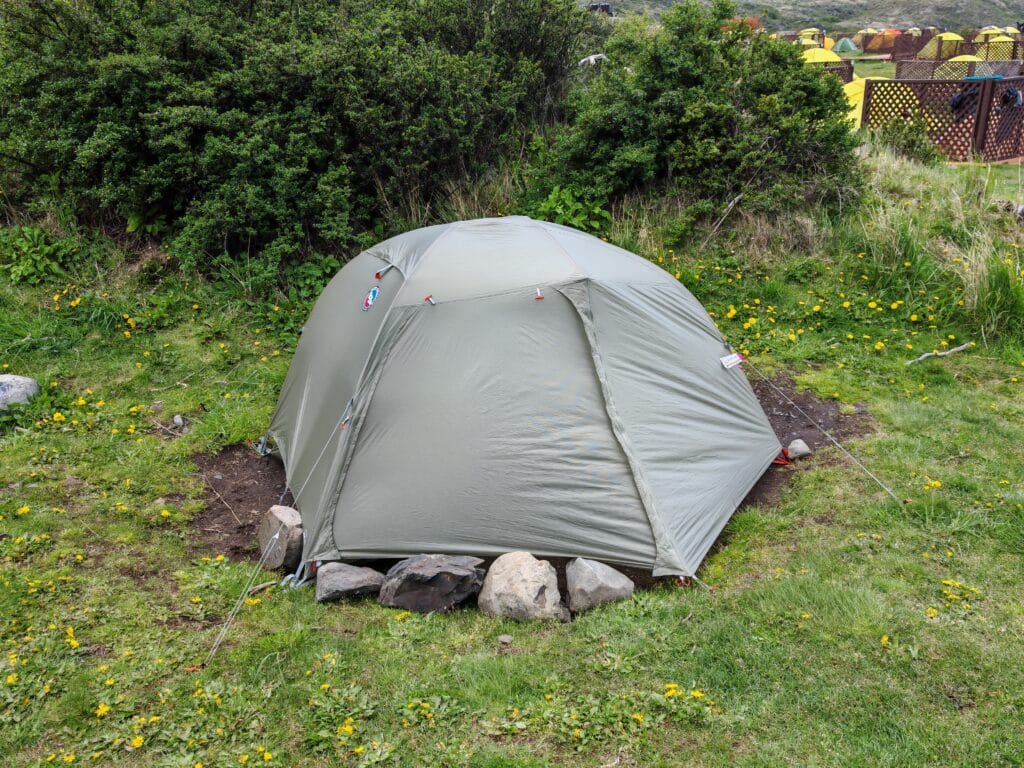
- Follow the Ultimate Packing List: Take only what you need and avoid overpacking, especially if hiking with the camping gear. My favourite tent is the Big Agnes Copper Spur series.
- Use the Layering System: Pack moisture-wicking base layers, an insulating mid-layer, and a waterproof outer layer. These versatile clothes will help adapt to all weather and temperatures.
- Break in Your Gear: Test your backpack, boots, tent and sleeping system before the trip.
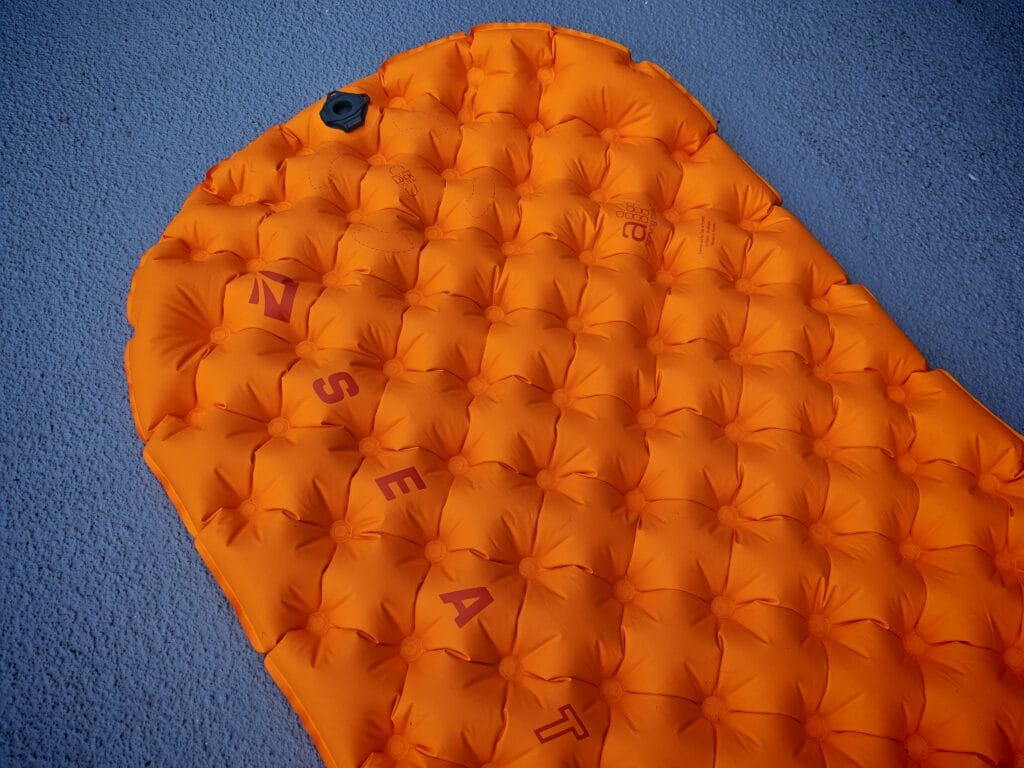
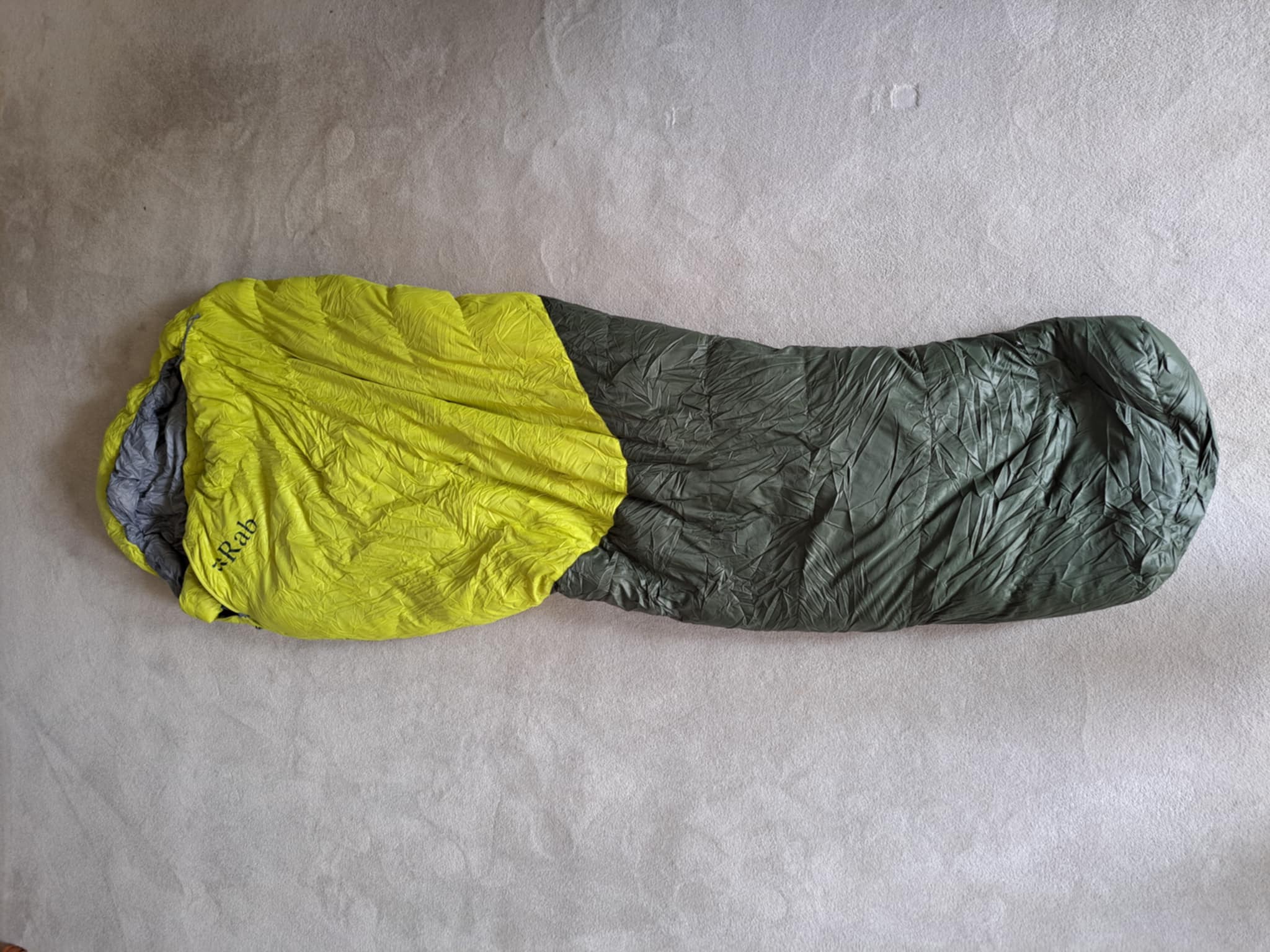
Getting a good night’s sleep outside can be difficult and will mainly depend on your equipment. Luckily, to get started it’s pretty affordable to buy a tent, sleeping bags, mats and a backpack! The more expensive gear will give you greater warmth, comfort, versatility and generally reduce the weight. It’s a good idea to practise using your gear before heading off on an adventure. This can be as simple as spending a night in the garden to figure out how to pitch and pack away the tent and equipment.
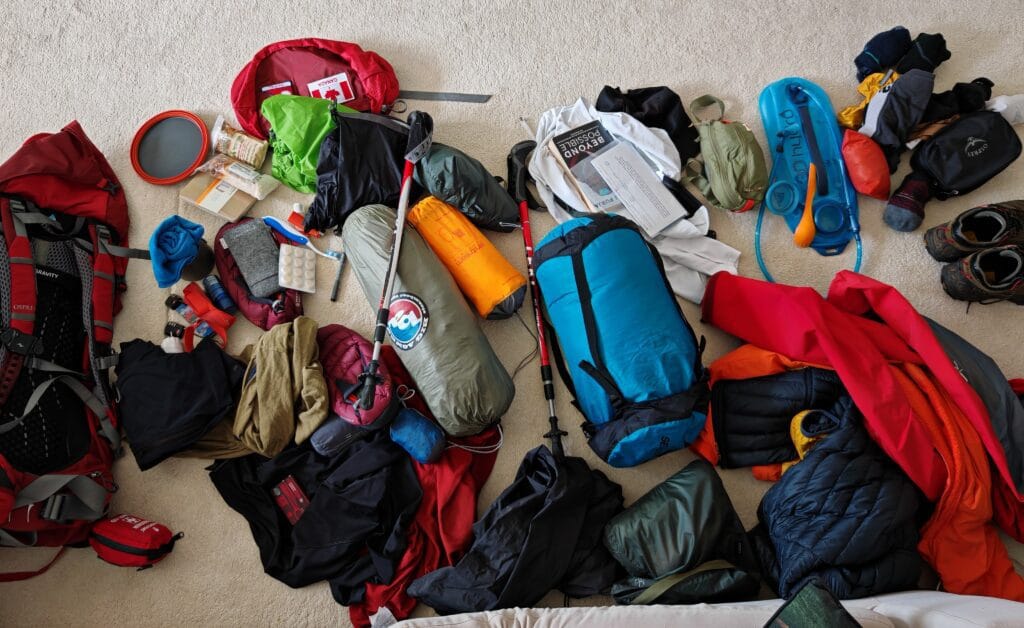
Essential Camping Gear for First-Time Campers
3. Choose the Right Campsite
- Look for Flat Ground: Avoid slopes or hills, but if unavoidable, put your head uphill. And don’t pitch in areas prone to flooding.
- Check for Wind Protection: Pitch your tent near natural windbreaks (like trees or rocks). From experience, strong winds and exposed camps are not a good combination!
- Avoid Water Sources: Camp at least 200 feet (60m) from lakes and streams to prevent contamination.
- Beware of Wildlife Trails: Avoid areas with animal tracks or signs of activity. Check with local rangers or boards for reports of wildlife.
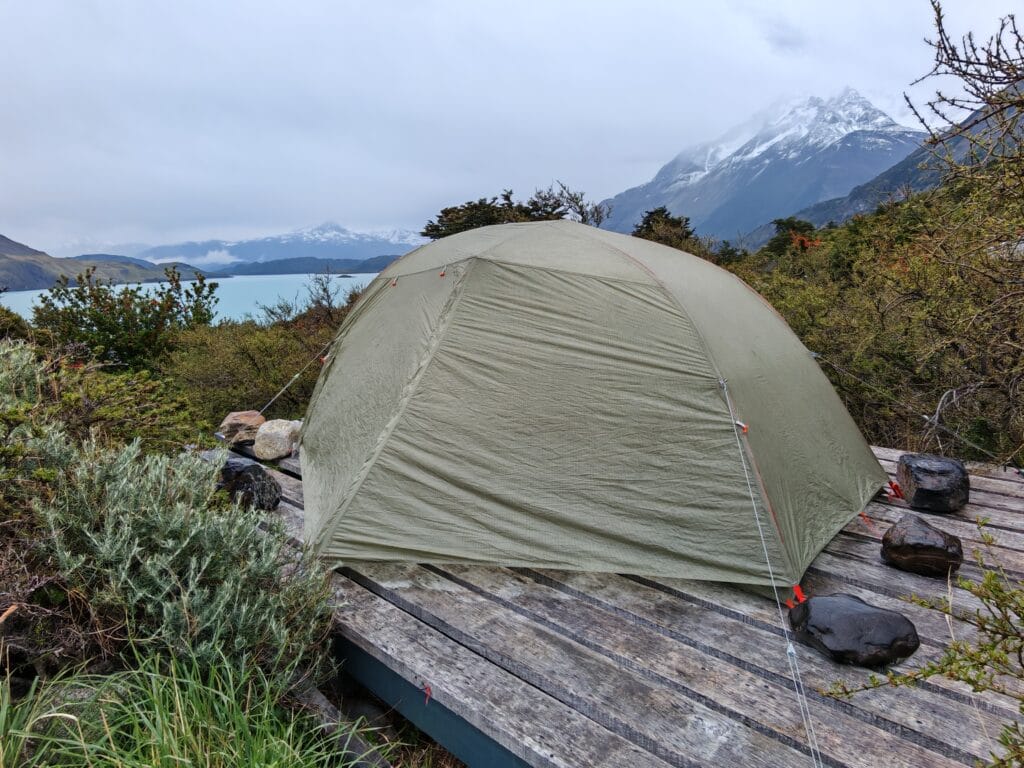
Once you rock up at camp, the fun begins to find a suitable spot to pitch. From learning the hard way, find somewhere with shelter and always choose wind protection over a view! The strong winds in Patagonia almost broke my tent and forced me to re-pitch at 3am in darkness to get some shelter and sleep.
4. Stay Safe on the Trail
- Pace Yourself: Take regular breaks when hiking, stay hydrated and fuelled when carrying camping gear. And don’t push too hard, as once at camp, you’re unlikely to be staying too far away.
- Use Trekking Poles: They help with stability and reduce joint strain. Plus can be used for awning vestibules.
- Stay on Marked Trails: Straying off can lead to getting lost or harming the environment. Have a map handy!
- Check the Weather: Sudden changes can be dangerous in the mountains and can ruin a planned campsite.
It’s best to not challenge yourself too much when starting out camping. If you need a guide on what equipment to take, then check out the Hiking Packing List and Trekking Packing List.
Where this beginner camping kit earned its keep
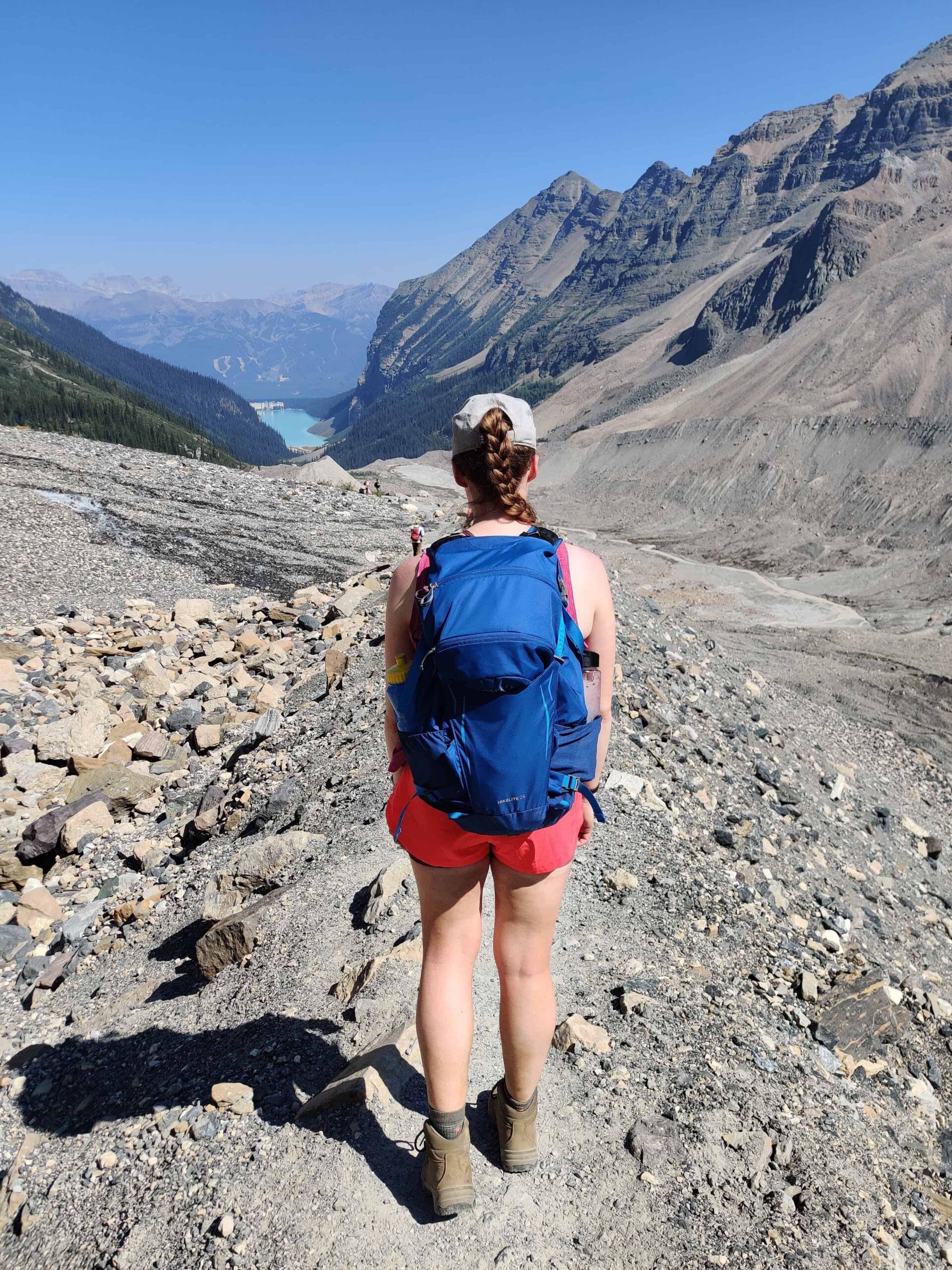
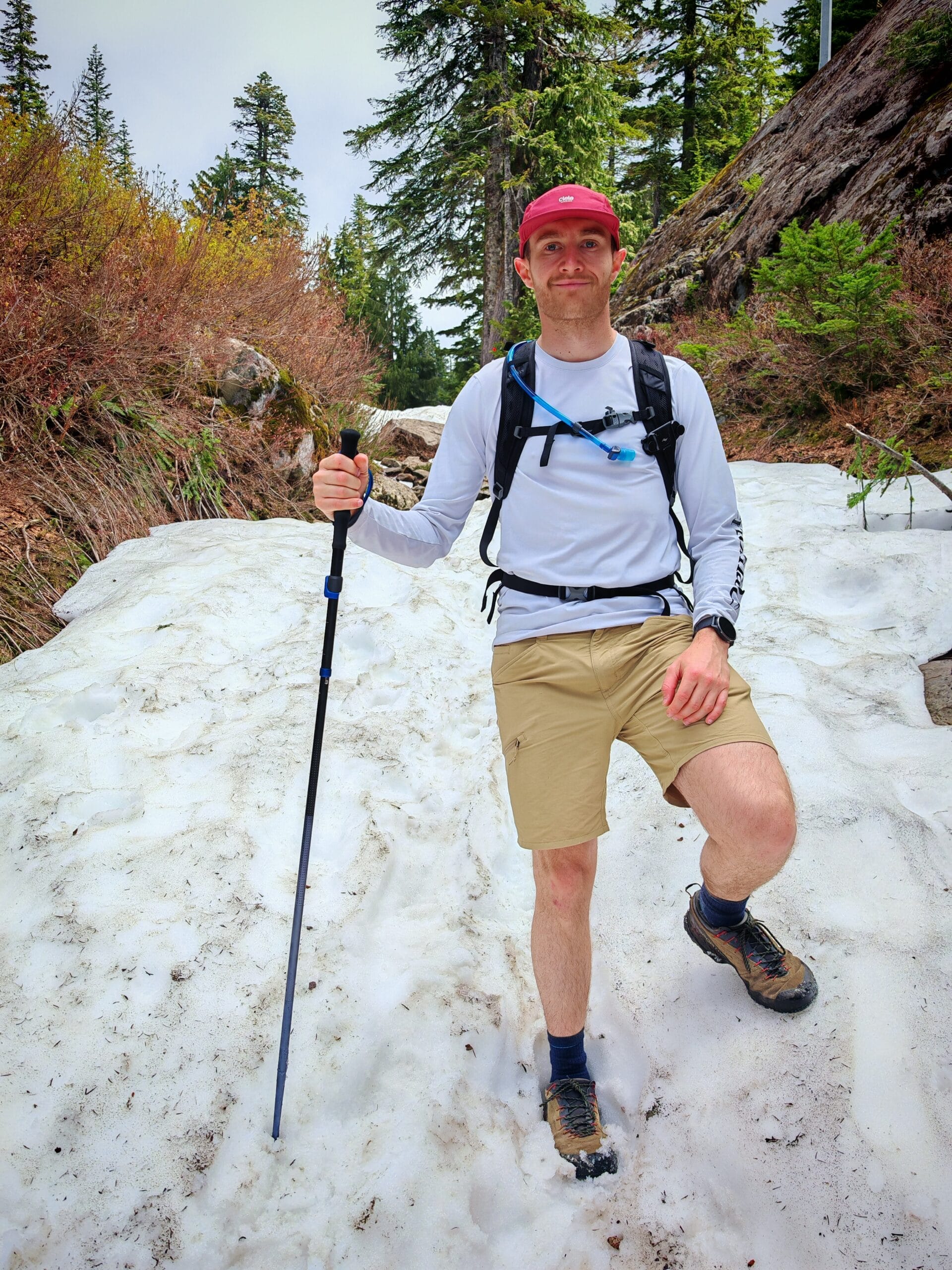
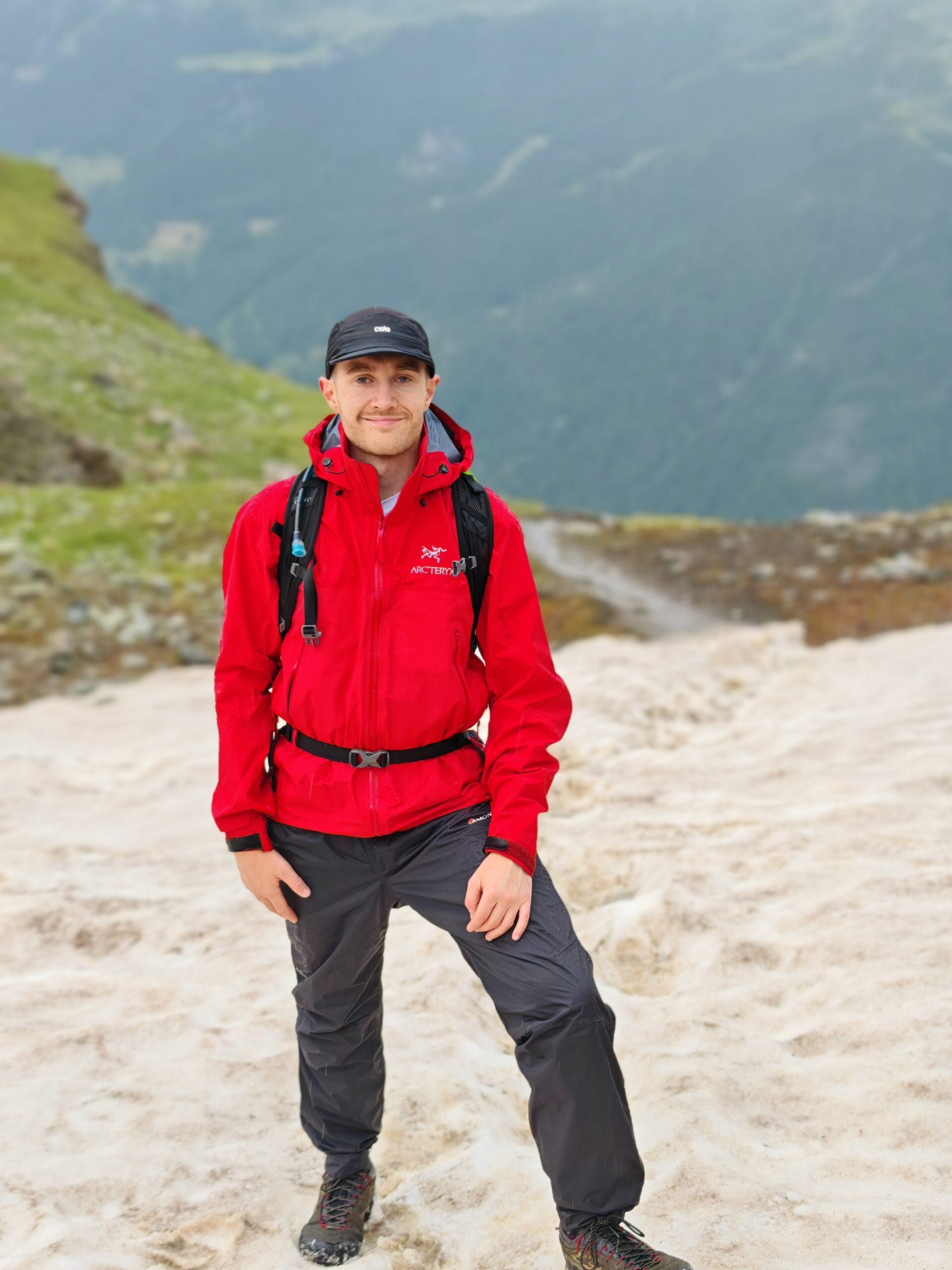
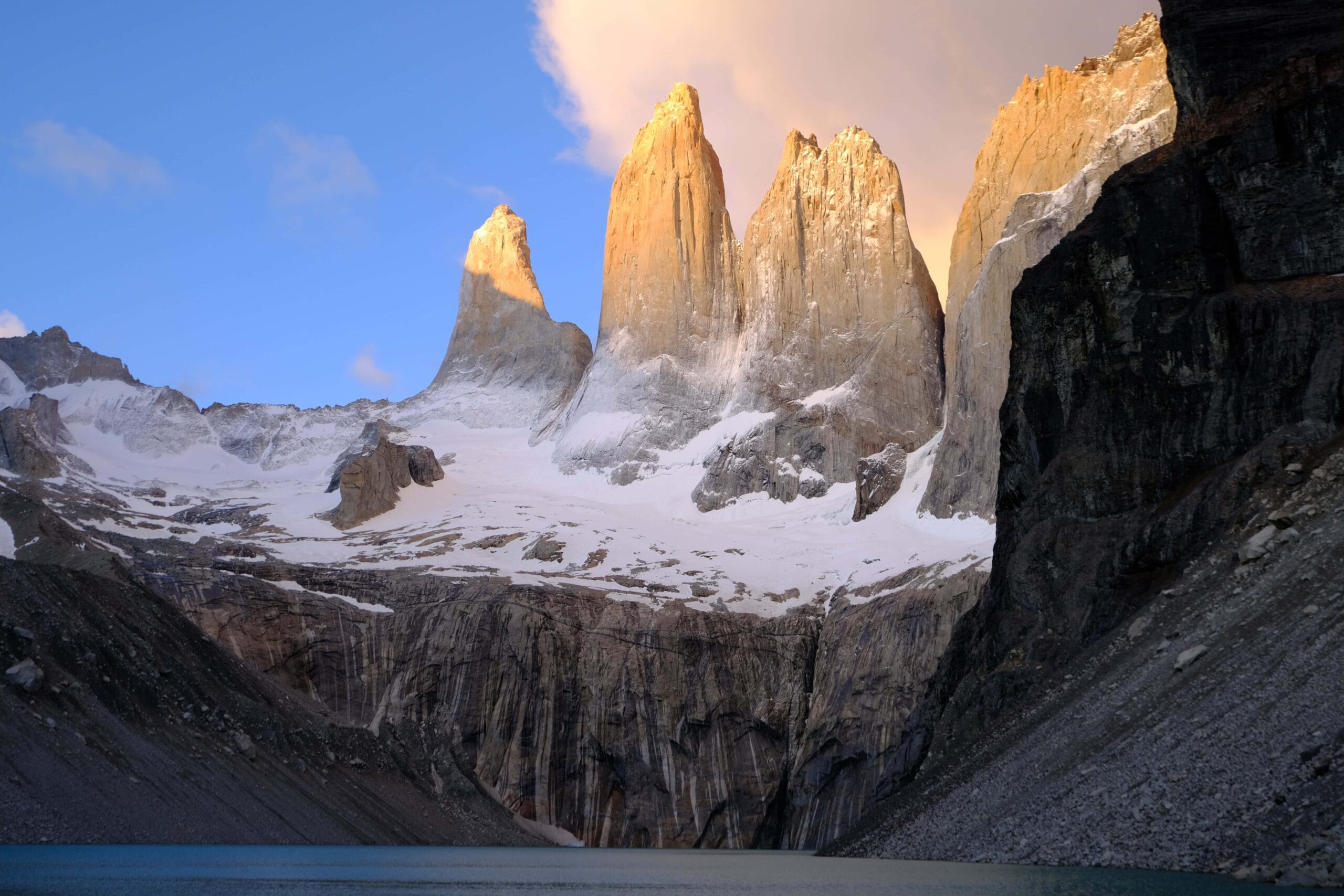
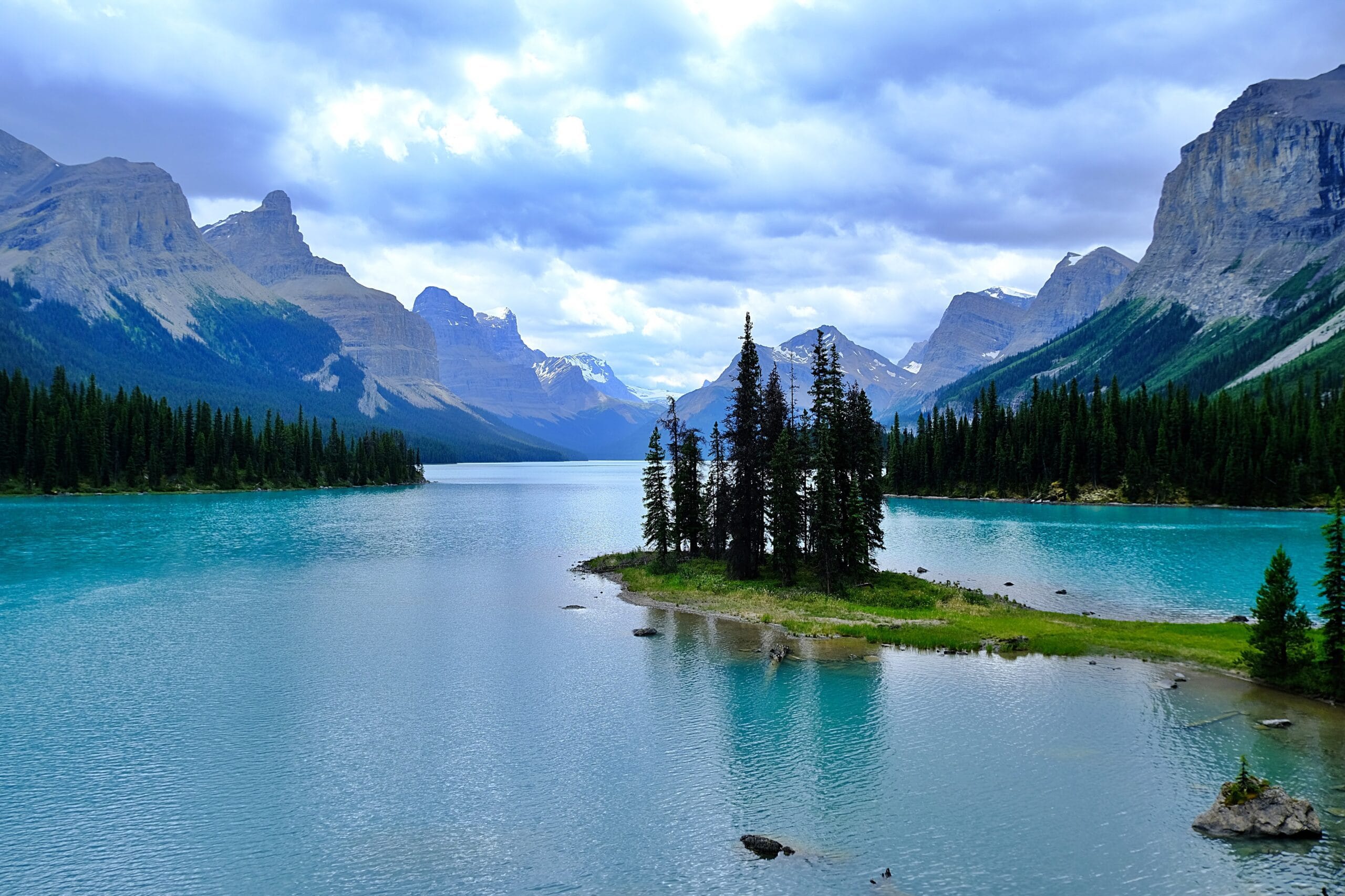
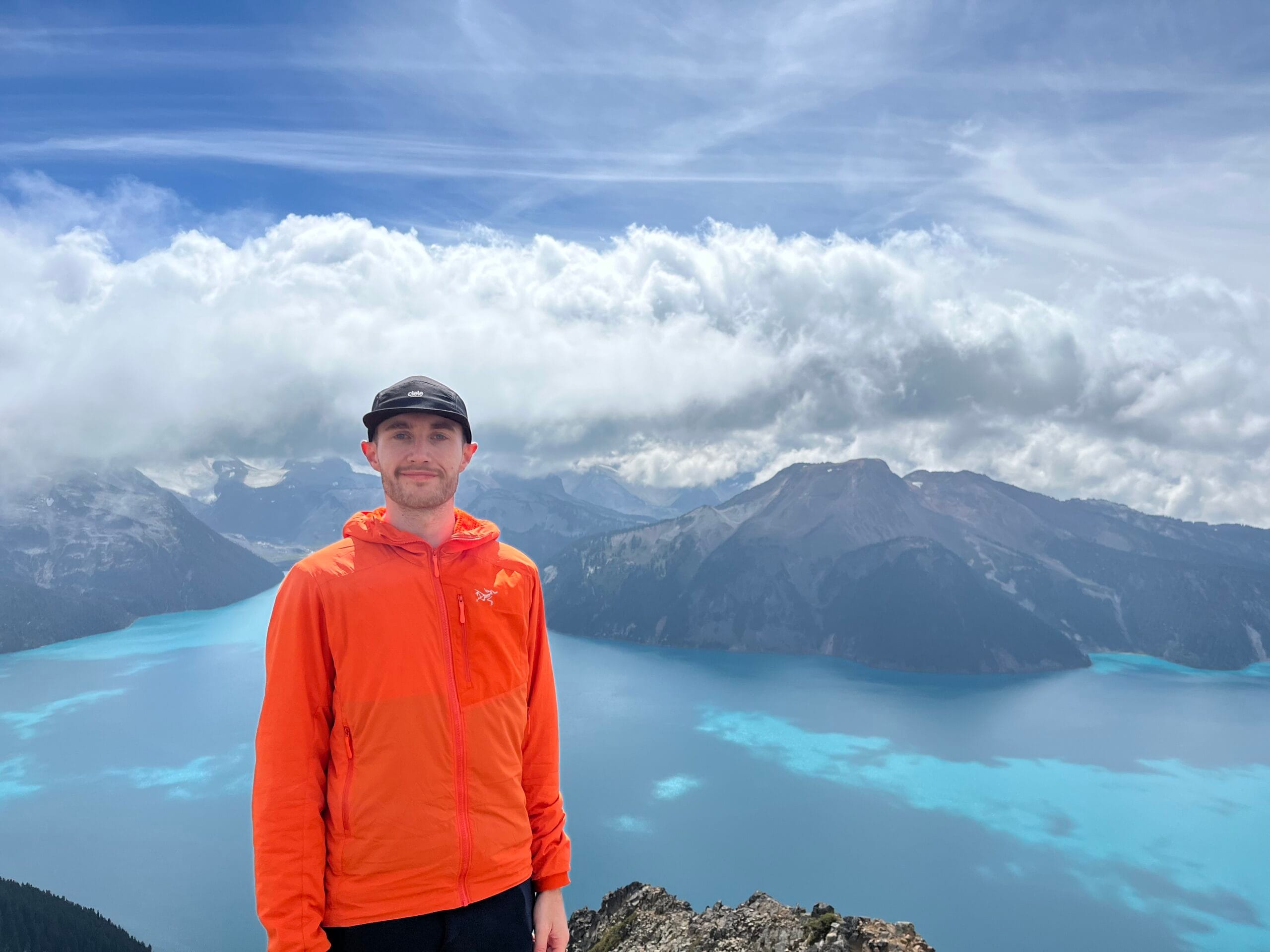
These camping tips and gear choices have been tested across wild trekking routes, Canadian campgrounds and lightweight backpacking trips.
5. Master Basic Camping Skills
- Practice Setting Up Your Tent: Do it at home before your trip. I regularly practice in the garden, as when conditions are poor, or you’re tired on the trail, it helps knowing how to pitch the tent.
- Learn How to Purify Water: Use filters, tablets, or boil water for safety.
- Start a Campfire Safely: Follow regulations, use dry wood, and fully extinguish before sleeping. Find an area protected from wind and check rules on fires beforehand.
- Cook Simple Meals: Choose easy-to-make, lightweight foods like dehydrated meals, pasta or instant noodles. For breakfast, porridge is fast and filling before leaving camp. And bring a mug for teas and coffees.
It’s wise to start off small and simple. If you think of it like a sports game, you want to do some training before the game! The worst is trying to work out how to pitch a new tent in windy and rainy conditions when you’re tired or worse in the dark. So practise pitching and rolling up the tent and how best to pack all your camping kit into a backpack.
6. Follow Leave No Trace Principles
- Carry Out All Rubbish: Leave the campsite cleaner than you found it.
- Use a Trowel for Waste: If no toilets are available, bury human waste 6-8 inches deep and 200 feet away from water sources.
- Respect Wildlife: Keep food stored properly and never feed animals.
The camping tips here are similar to the Wild camping advice given on the Camping Packing List Post. In summertime, it’s not unusual to see reports of people damaging the environment by camping and not respecting nature. Follow the basic principles to not harm where you sleep and ruin it for other people or wildlife.
7. Be Ready for Emergencies
- Take a First-Aid Kit: Include bandages, antiseptic, painkillers, and personal medications.
- Know Basic Navigation: Learn how to use a map, compass, or GPS device.
- Have an Emergency Plan: Know what to do if you get lost or injured.
- Carry a Whistle & Signal Mirror: These can help rescuers locate you.
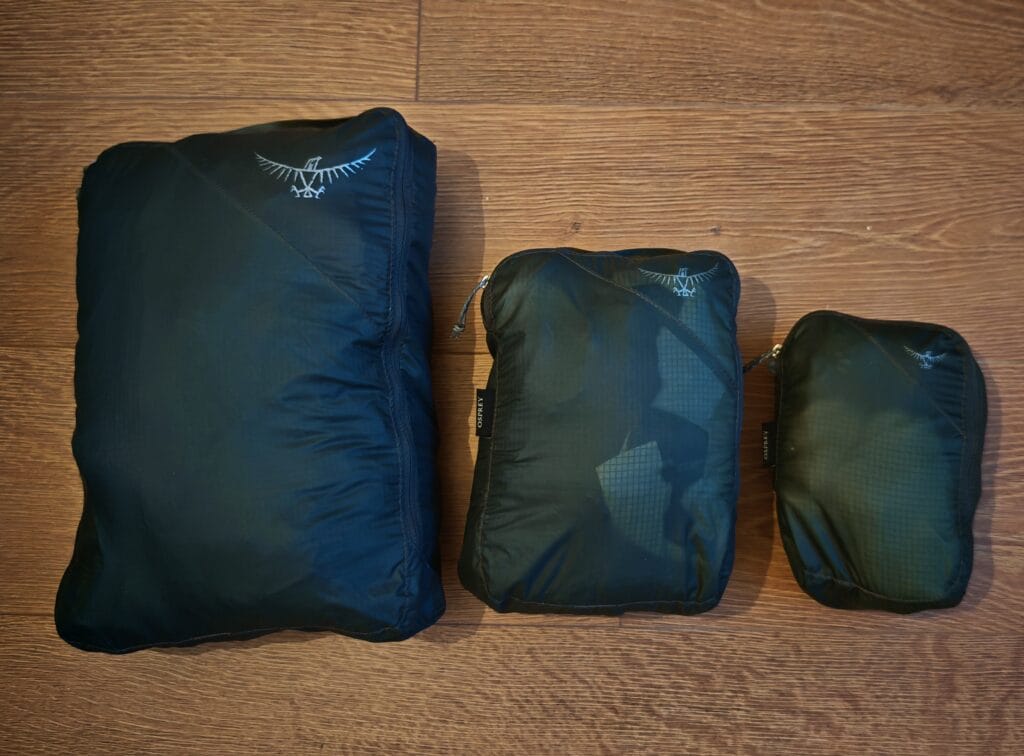
No one ever plans to have an accident, but these things do occur. Every hike I do, I carry a 1st Aid Kit and luckily have never used it and I have a whistle as part of my Osprey bags. If you are wild camping, then remember to tell someone where you plan on staying and the route to get there just in case emergency rescue is needed.
8. Get Comfortable Sleeping Outdoors
- Choose the Right Sleeping Bag: Ensure it’s rated for the expected temperatures. A 4-season sleeping bag is great for winter but an oven in summer.
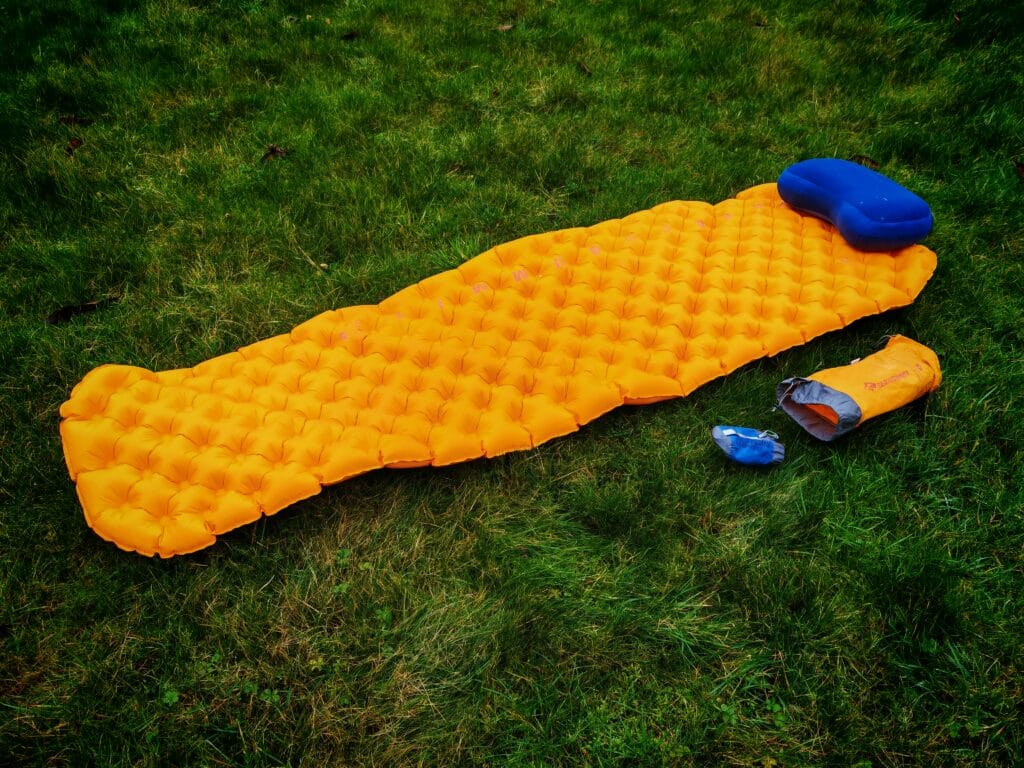
- Use a Sleeping Pad: An inflatable mat provides insulation and comfort. Use an inflatable pillow too!
- Wear Dry Clothes to Sleep: Change out of sweaty clothes before bed with specific nighttime clothes
- Use Earplugs & an Eye Mask: Helps block out noise from other campers or nature and early morning light.
Learning to get comfortable camping is tricky but not impossible! While a campervan or motorhome might be comfier and warmer, you don’t feel as connected to the outdoors as in a tent. And very much limits you to pre-existing camps near roads instead of getting into the wilderness.
Final Thoughts
Camping is a simple activity, but a good first experience depends on preparation. The best camping tips for beginners are not complicated: start small, check the weather, test your gear, pack only what you need and choose a campsite that gives you some comfort while you learn.
Once you understand the basics, camping becomes much easier. You learn how to pitch a tent quickly, cook simple meals, stay warm at night, manage water, respect nature and deal with small problems before they become big ones. Those skills make every future trip more enjoyable.
For your first camping trip, do not overcomplicate it. Book a local campsite, practise setting up your tent, take warm layers, bring a proper sleeping mat and keep your food simple. Once you are comfortable, you can build towards wilder trips, longer hikes and more adventurous camps.
Everyone has to start somewhere. If you follow these beginner camping tips, your first night outdoors is far more likely to be comfortable, memorable and the start of many more camping adventures.
FAQs
What are the best camping tips for beginners?
The best camping tips for beginners are to start with a short trip, check the weather, test your tent and sleeping setup, pack light, bring warm layers, choose a safe campsite and keep meals simple. Preparation makes your first camping trip much more enjoyable.
What should I take on my first camping trip?
For your first camping trip, take a tent, sleeping bag, sleeping mat, head torch, warm layers, waterproof jacket, stove or simple food, water bottle, first aid kit, toiletries and a rubbish bag. If you are hiking to camp, keep your kit as light as possible.
How do beginners choose a campsite?
Beginners should choose flat ground, some wind protection, safe distance from water, and an area that is not exposed to flooding or obvious animal routes. For a first trip, a managed campsite with toilets, water and facilities is usually the easiest option.
Is camping difficult for beginners?
Camping can feel difficult at first, but it becomes much easier with practice. The hardest parts are usually setting up the tent, staying warm, cooking outdoors and sleeping comfortably. Practising at home or in the garden before your first trip helps a lot.
How can I sleep better when camping?
To sleep better when camping, use a proper sleeping mat, choose a sleeping bag rated for the expected temperature, wear dry clothes to bed, use earplugs and an eye mask, and pitch your tent on flat ground. A good sleeping pad makes a huge difference.