Part 2 – Manang to Muktinath
Thorong La is the prize of the Annapurna Circuit, and the moment most trekkers dream about from the start of the route. Standing at 5,416m, Thorong La Pass is often described as the world’s highest trekking pass and has become one of the most famous high-altitude challenges in Nepal.
Part 1 of this series covered the journey from Kathmandu to Manang, introducing the Annapurna region through long travel days, teahouses, Dal Bhat, Buddhist villages and the first huge Himalayan views. But beyond Manang, the trek changes. The route becomes colder, higher and more serious, with every step focused on acclimatisation, altitude awareness and preparing for the climb to Thorong La Pass.
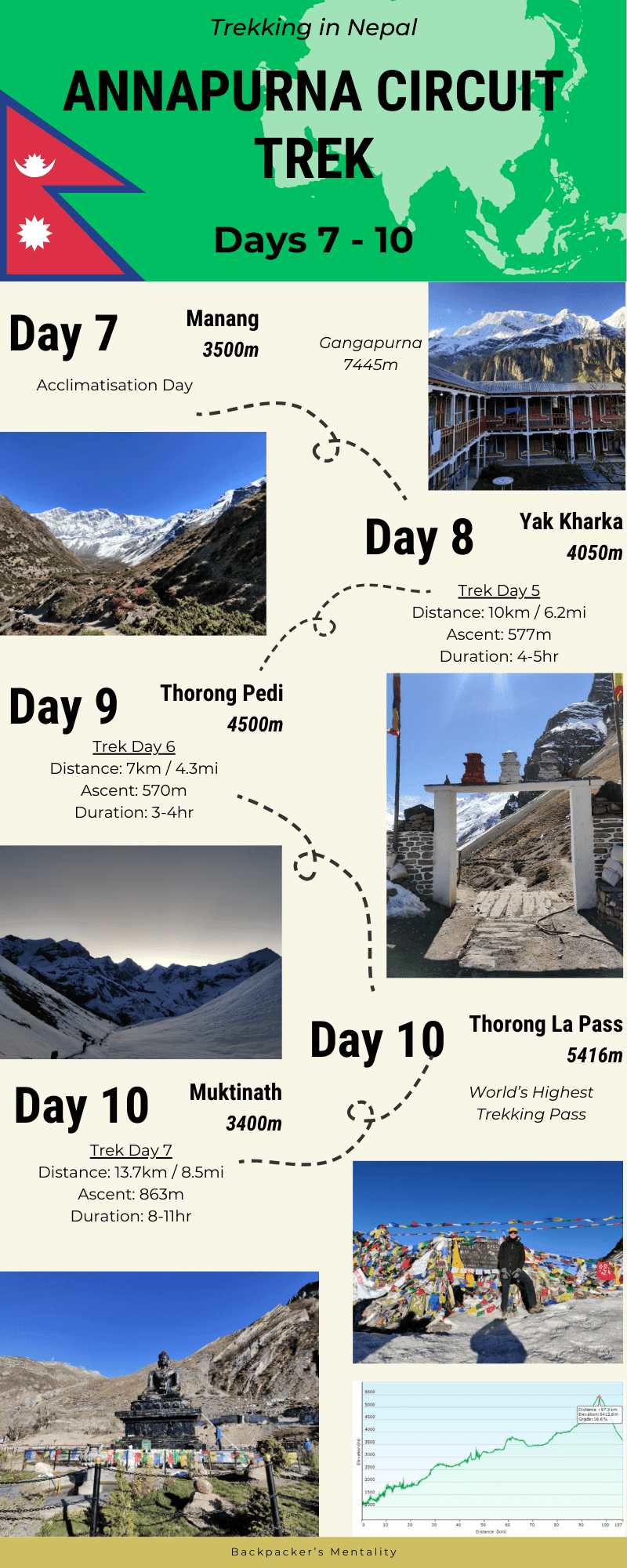
This Part 2 guide follows the high-altitude section of the Annapurna Circuit, from acclimatisation days in Manang to Yak Kharka, Thorong Phedi, Thorong La and finally the long descent to Muktinath. It covers what to do in Manang, how to acclimatise properly, what to expect from the climb, and why the Thorong La Pass Trek became my favourite day of the entire circuit.
The climb from Thorong Phedi to Thorong La was physically and mentally demanding, but reaching the prayer flags at the top of the pass was one of the most rewarding moments of my life. If you are preparing for the Thorong Pass section of the Annapurna Circuit, this guide shares the route, key tips, altitude advice and personal lessons that helped make the day unforgettable.
Map
Start the Annapurna Circuit from Kathmandu to Manang
Before tackling Thorong La, read the first stage of the trek from Kathmandu to Manang, covering Syange, Dharapani, Chame, Upper Pisang, teahouses, Dal Bhat and the first huge Himalayan views.
Read Part 1: Kathmandu to Manang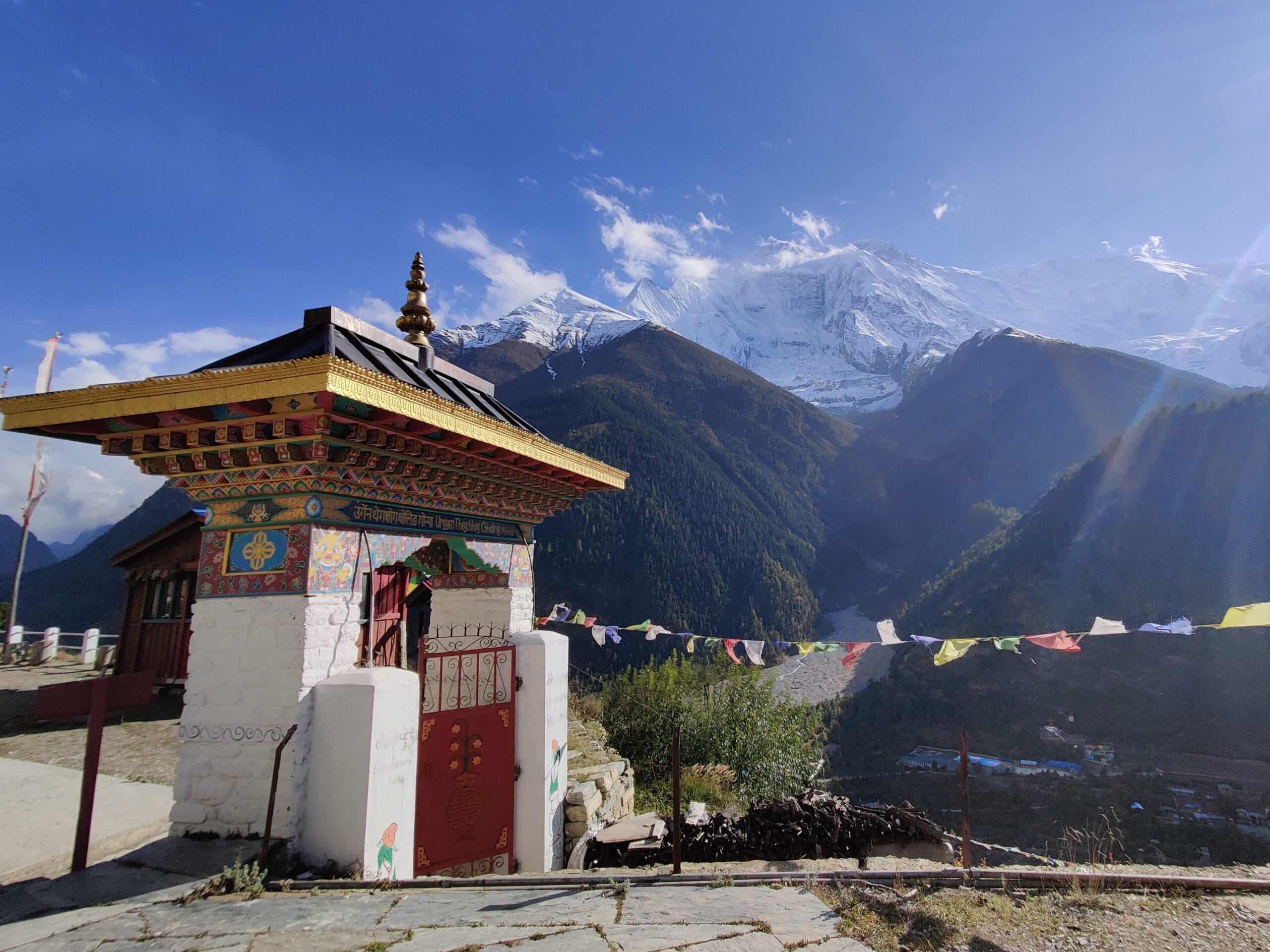
Annapurna Circuit: Day 5 – Manang Acclimation Day
Most tours will have an acclimatisation day in Manang (3500m) in the itinerary to help trekkers adapt to the thin air. Popular excursions include Tilicho Lake, which is a 2-day additional trek onto the Circuit taking you up to 4919m. There are many Buddhist monasteries and gompas around the area to visit and learn about the religious influence. Ice Lake (Kicho Tal) is a 16km day hike from Manang up to 4600m, and I was gutted not to challenge myself on this test. However, my Guide felt it was too much elevation gain to be safe in a day, so we did Chorkang Viewpoint instead.
Manang to Chorkang
Chorkang Hike
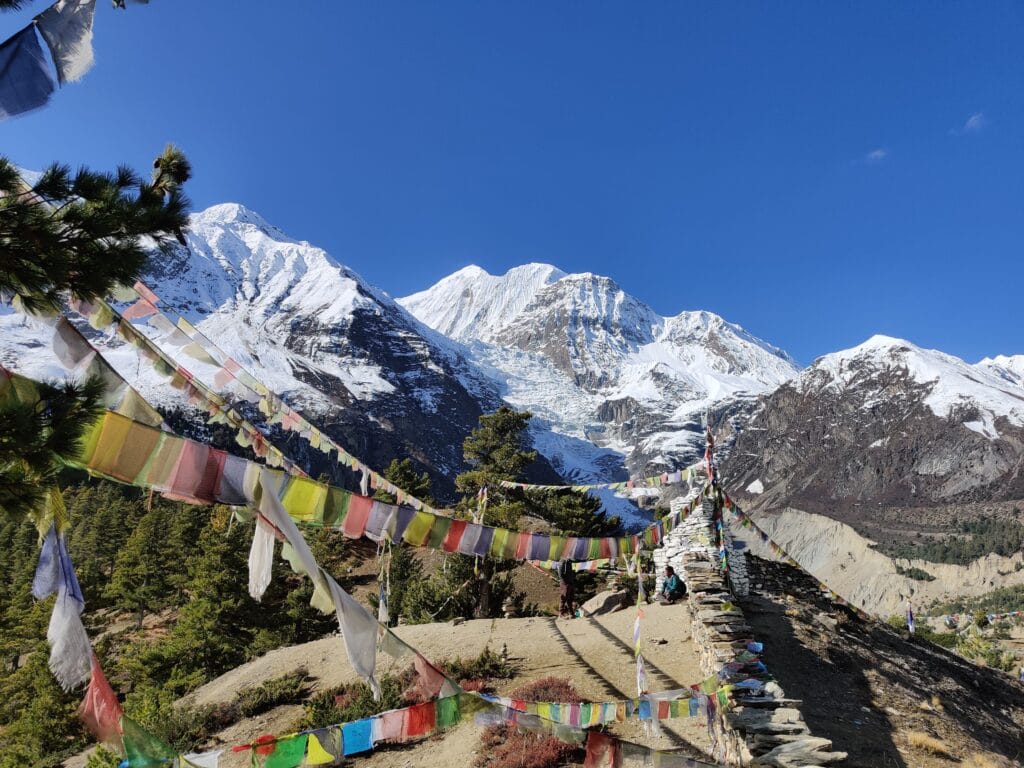
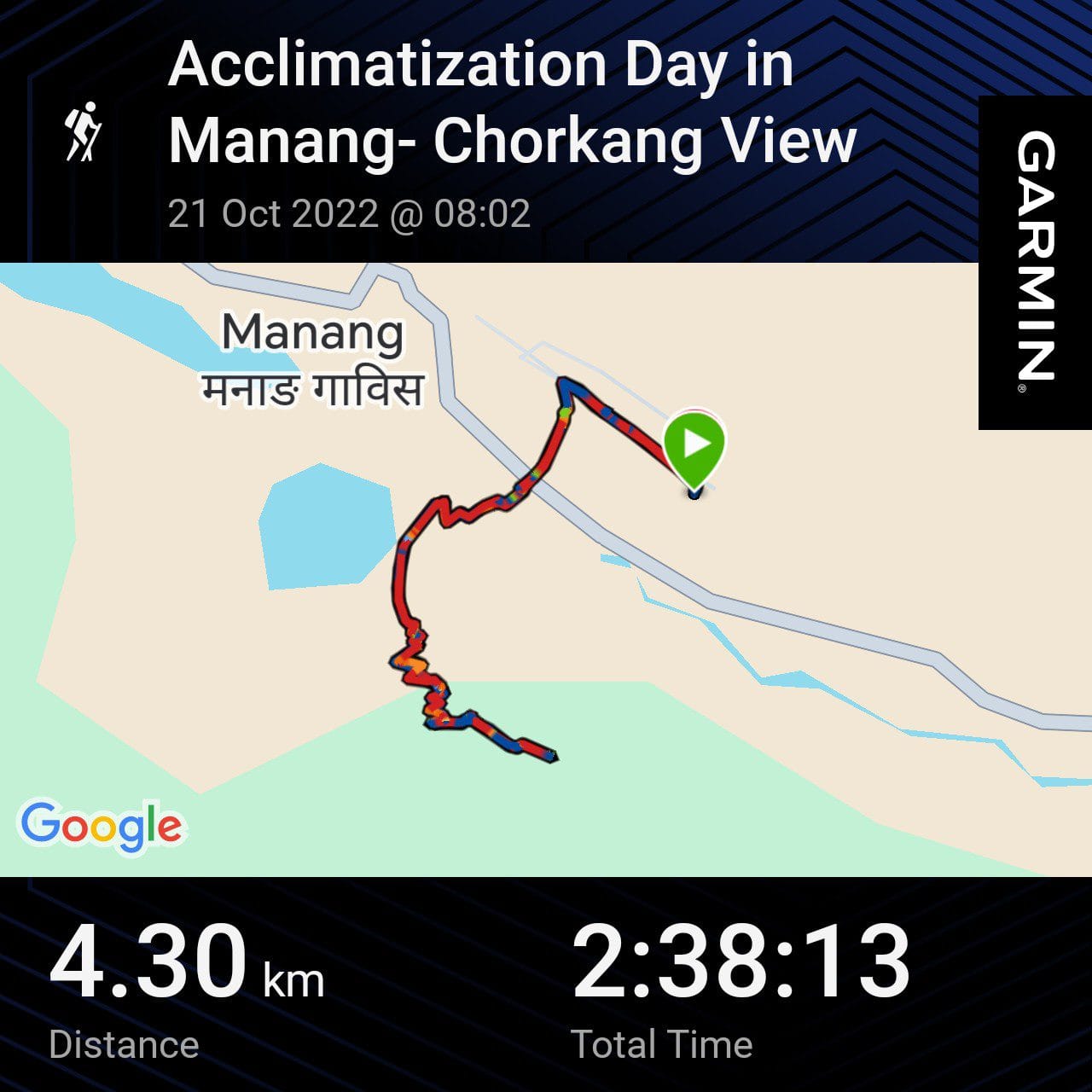
The hike up to Chorkang Viewpoint is a short morning walk which gives fantastic views of Manang, Chulu Range and Gangapurna. It starts in Manang and exits the village to cross the river and start hiking up past Gangapurna Lake. The path is steep as it zig-zags up the forest to the viewpoint. We walked up the trail with the shop owner who serves tea at the top.
The panoramic views around the valley are exceptional with the likely clear skies and little haze. There are prayer flags hung from trees and monuments to make it feel very Nepalese. The climb gained 329m, which is within the normal 500m recommended maximum altitude gain to acclimatise well for Thorong La Pass.
Monastery
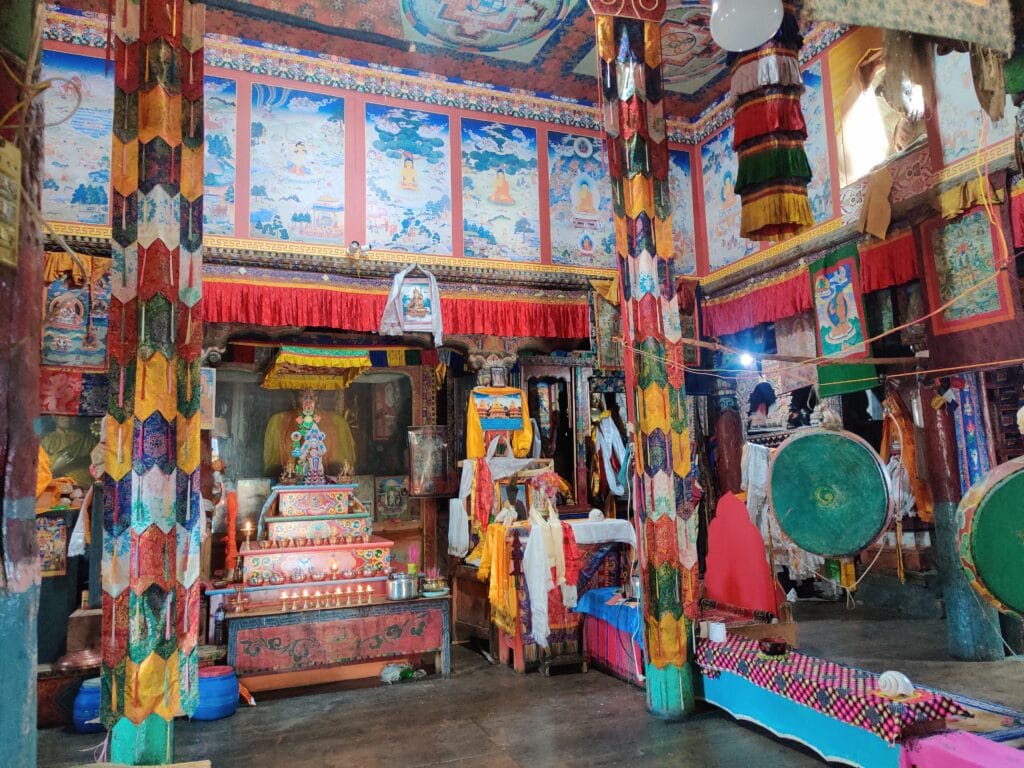
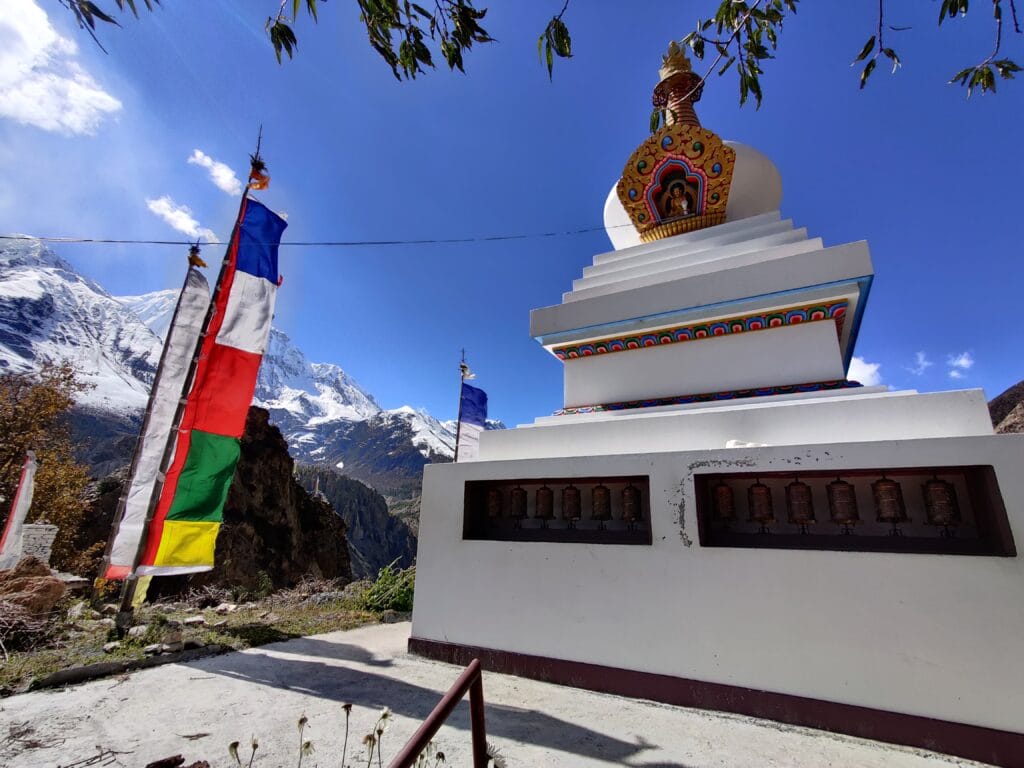
In the afternoon, Dawa and I walked to the Bhojo Buddhist Monastery just outside Manang. It was my first time visiting a Monastery, and I was captivated by the ornamentation. The first impression was ascending up to it and walking around the Stupa before entering the Monastery. There were prayer flags everywhere with intricate paintings, statues and decorations. We paid our respects with a candle and said a prayer for safe passage over Thorong La Pass. I was shown ancient books over 1000 years old and took in all of the symbolism. I left feeling a sense of calm and further curiosity about the Buddhist teachings.
Manang
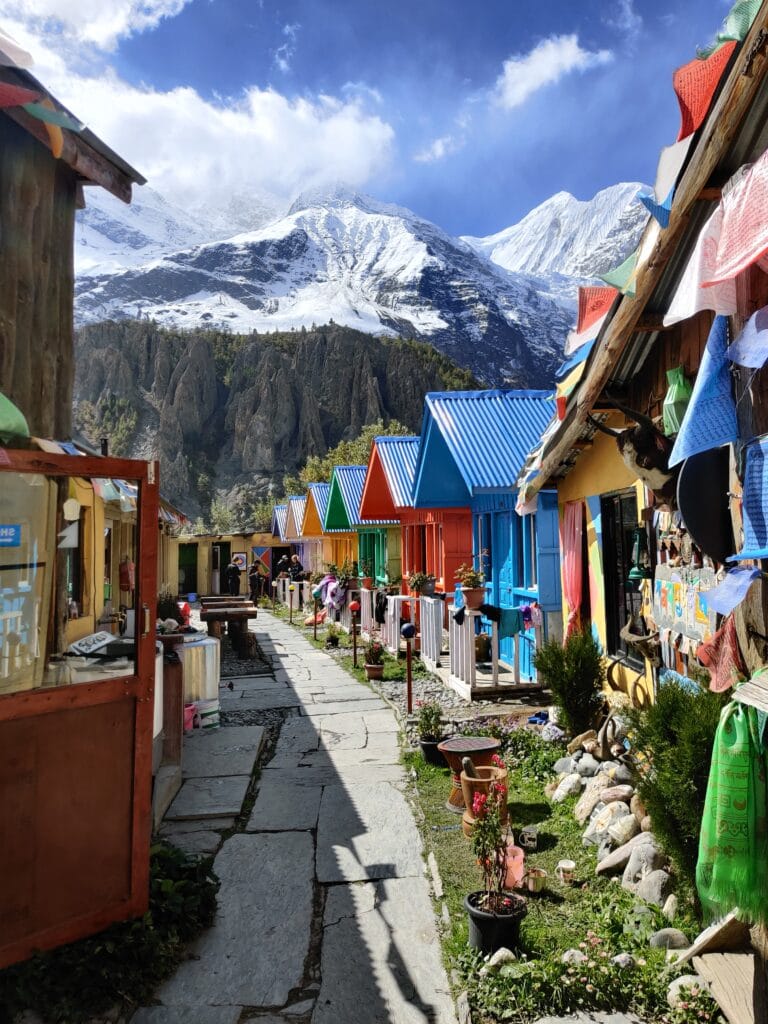
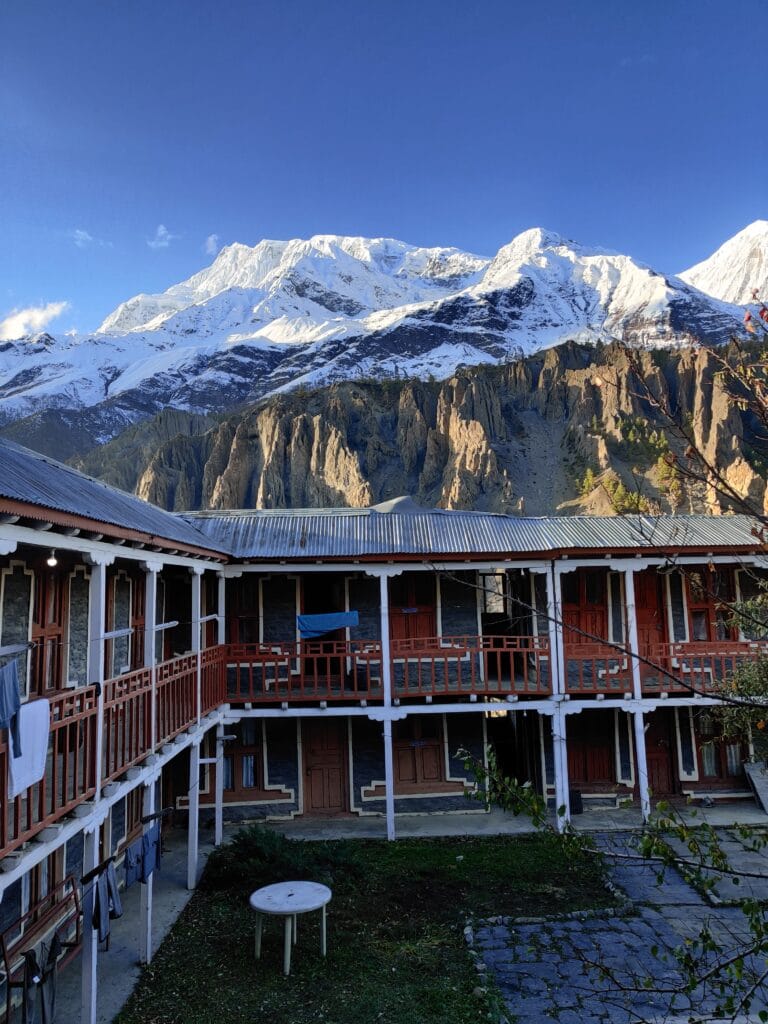
What I liked most about Manang was the sense of trekkers gathering together and everyone relaxing. It’s a great place to recharge and get accustomed to the thin oxygen at the altitude. Not carrying the trekking backpack is a nice rest for the shoulders and back, as trekking is physically tiring. There are plenty of shops selling souvenirs, hiking/climbing gear and food supplies to stock up. After Manang, there are not many options to buy snacks or items before Thorong La, which would be extortionately priced.
Annapurna Circuit: Day 6 – Manang to Yak Kharka
Manang to Yak Kharka
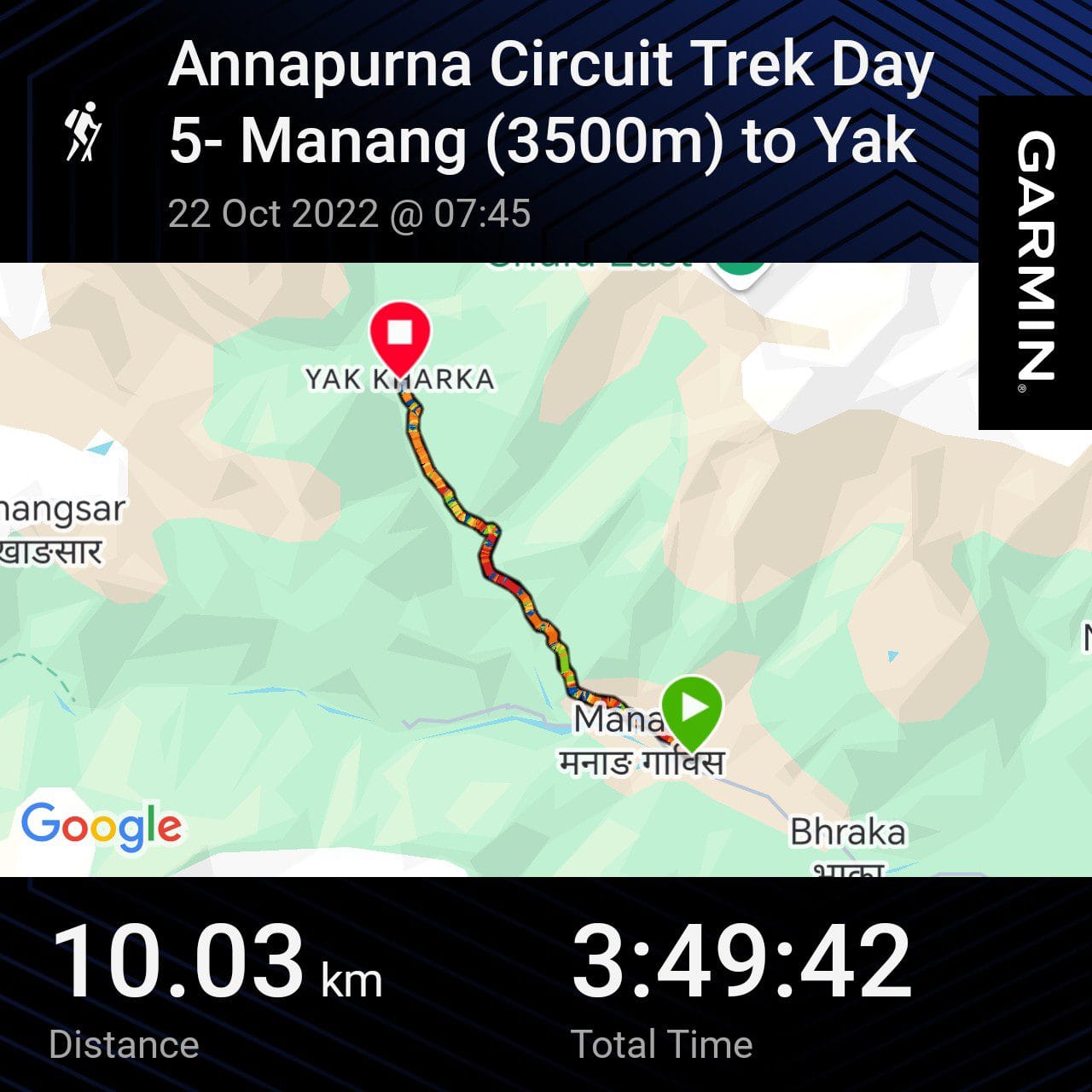
After the acclimatisation/rest day, the trekking days are much shorter as you begin to face the higher altitudes. The 1st stop is to check in at the ANCAP checkpoint before winding your way out of the old streets. The path climbs fairly sharply to Tanki Manang, giving good views back over the town and towards Annapurna 2.
There are fewer teahouses higher up the valley to stop for a beak or drinks. Along the route, there are more herds of goats or mule trains moving along with the trekkers to deliver goods. The Chulu Range can be seen spectacularly crossing a suspension bridge as you get views up the valley towards Yak Kharka & Ledar. The trail from Tilicho Lake can be seen on the other side of the valley.
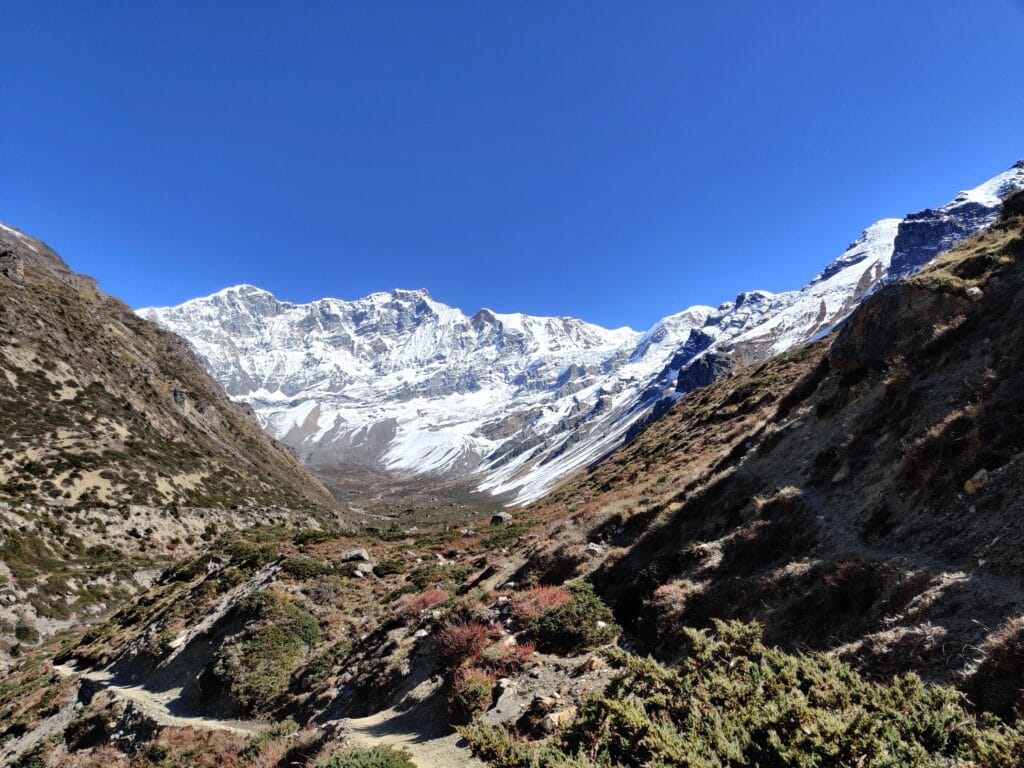
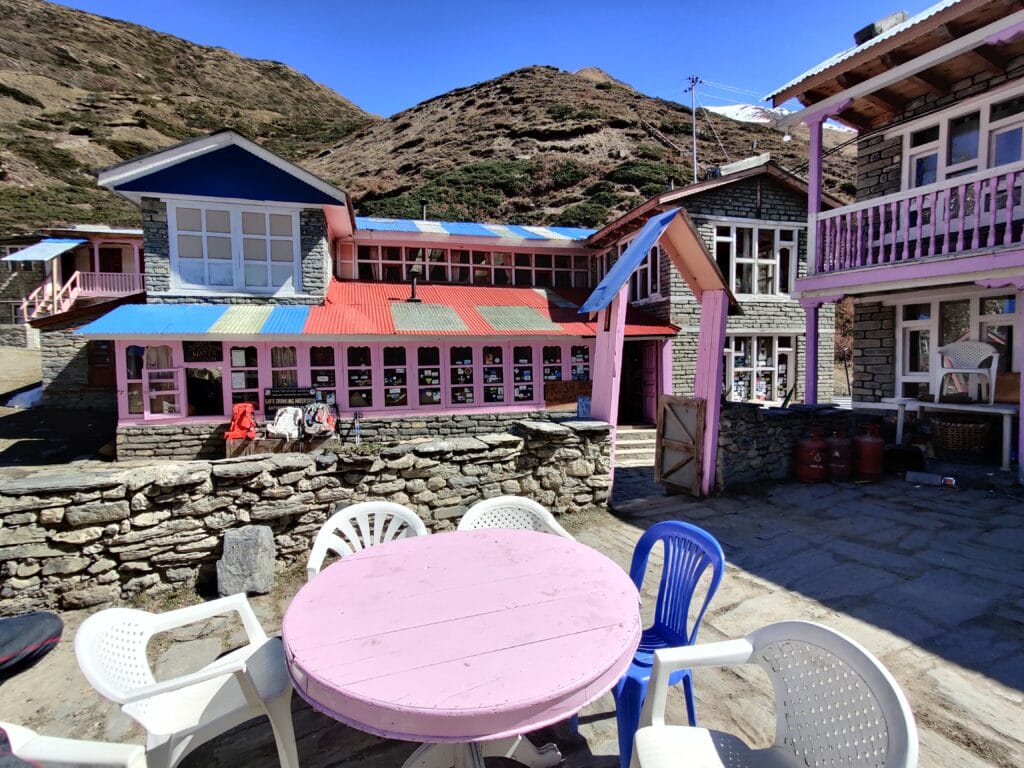
The next 2 days before the Pass will have a lot more downtime due to limiting the ascent per day to a recommended 500m. We arrived at Yak Kharka at midday to enjoy lunch at Gangapurna Hotel and get settled into our rooms. The accommodation was massive with pink-painted exteriors and 2 comfy lounges for food & drinks. To help acclimatise further, we hiked slowly up to Ledar before returning for a relaxed afternoon. There aren’t any shops in Yak Kharka, and you’ll notice the temperature drop once the sun leaves the valley. Take the time to enjoy the lack of WiFi or internet and try to connect with fellow backpackers over cards and tea!
Annapurna Circuit: Day 7 – Yak Kharka to Thorong Phedi
Yak Kharka to Thorong Phedi
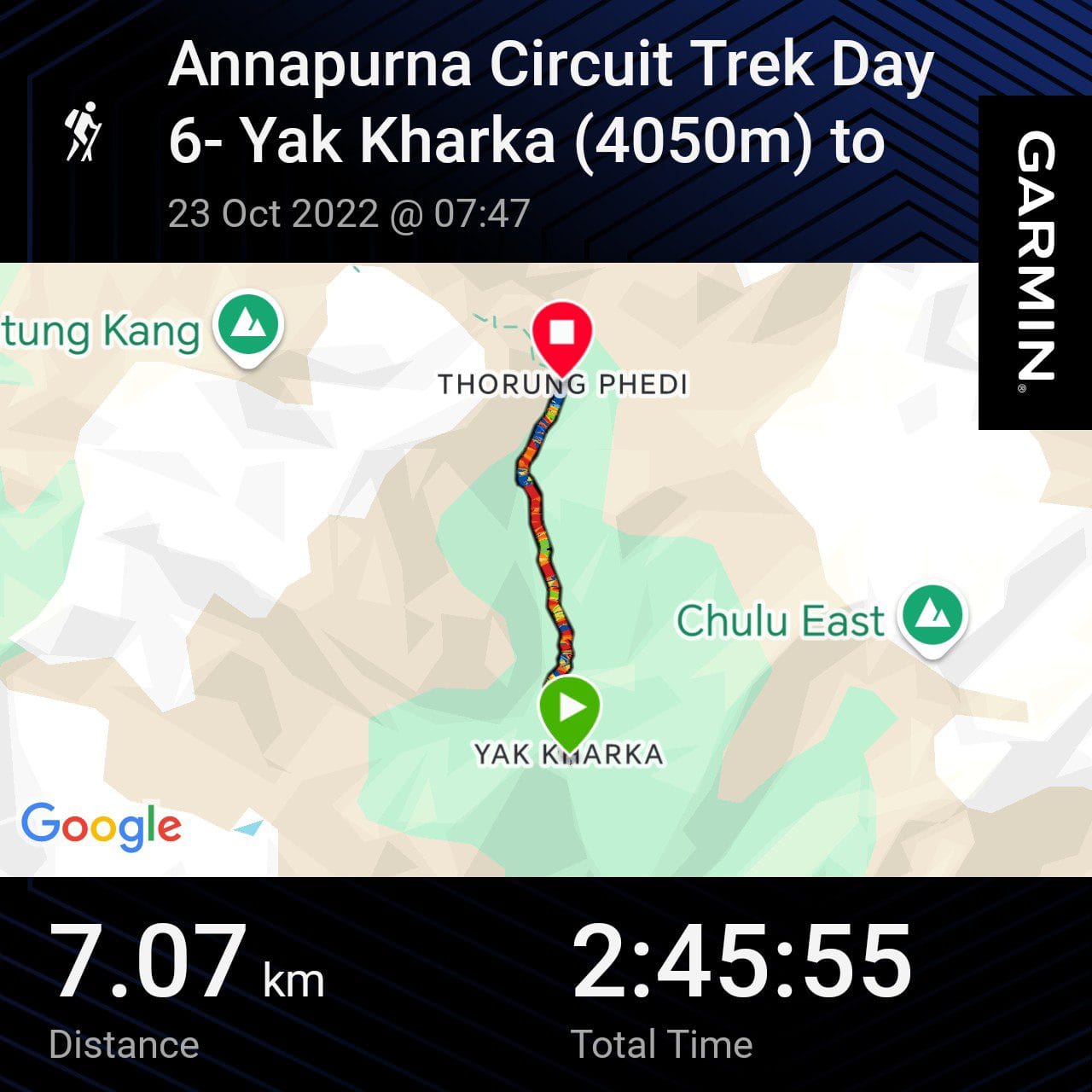
At higher altitudes, sleep is likely to be impacted due to the stress on the body with the reduced Oxygen. Luckily, the hike up to Thorong Phedi was not too strenuous and took us around 3 hours. Similar to Day 6, there are limited stops along the route for breaks, with the terrain very arid and rocky past Ledar.
It’s advised to take it slowly as you climb to 4000m to not increase the heart rate too much! As you approach Thorong Phedi, it’s a short descent down to cross the stream and a steep kicker up to a tea hut. The final hike was along a snow bank to reach the small settlement where several teahouses accommodated all the trekkers.
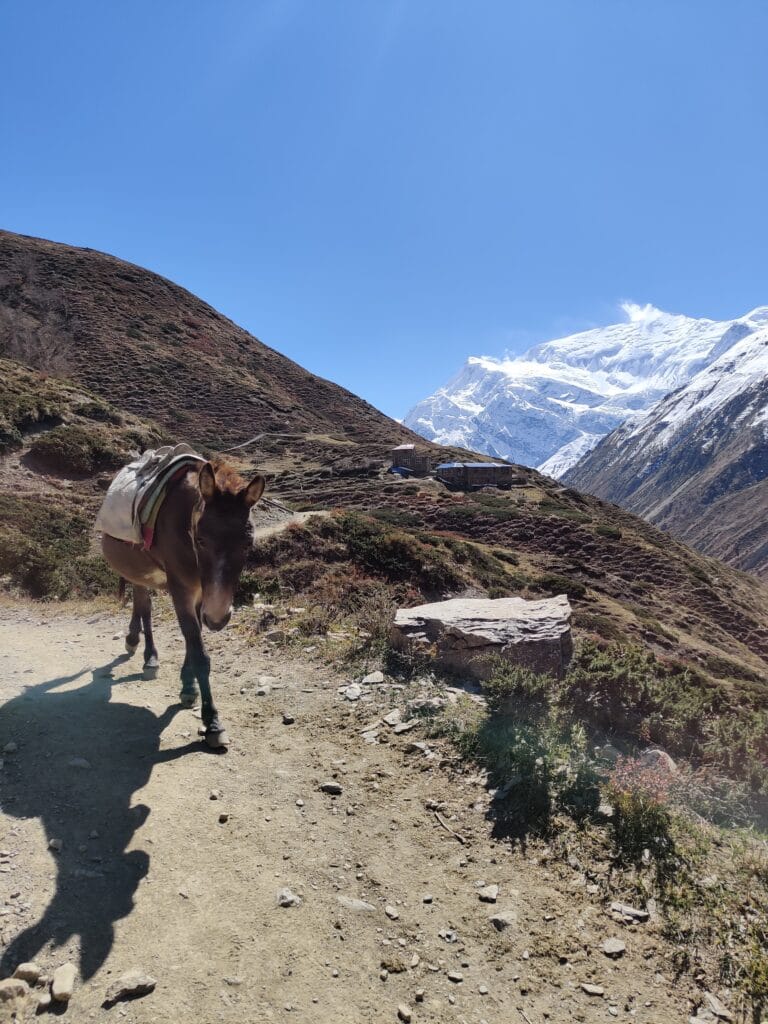
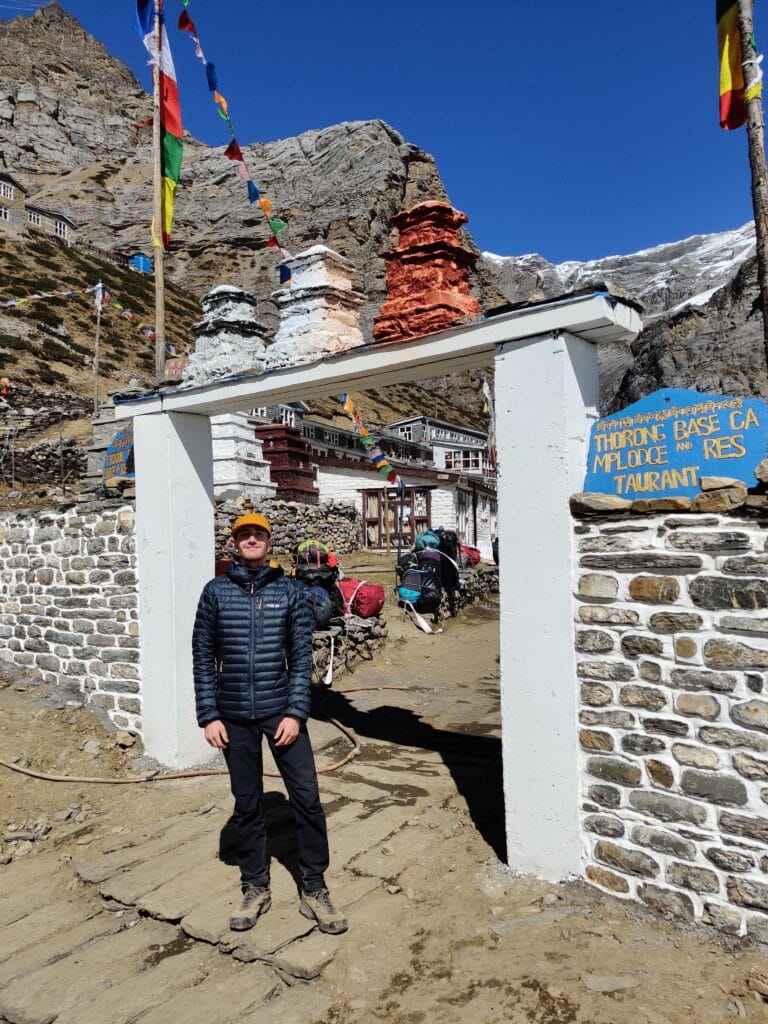
There is a buzz around Thorong Phedi as everyone has trekked for 6-9 days and is excited to cross Thorong La Pass. Some people were nervous about the Very High Altitude at 5416m and having physical issues climbing the Pass. There is not much to do apart from hike up to High Camp (5000m) to further acclimatise better for Day 8. Given how remote Thorong Phedi is, the Dal Bhat and Teahouse were very good! However, sleeping at over 4500m gave poor quality, which was not ideal preparation for the long hike to Muktinath. It’s an early night in freezing cold conditions as you’ll wake at 2-3am to climb Thorong La.
Annapurna Circuit: Day 8 – Thorong Pedi to Muktinath
Thorong Phedi to Muktinath
Climb to Thorong La
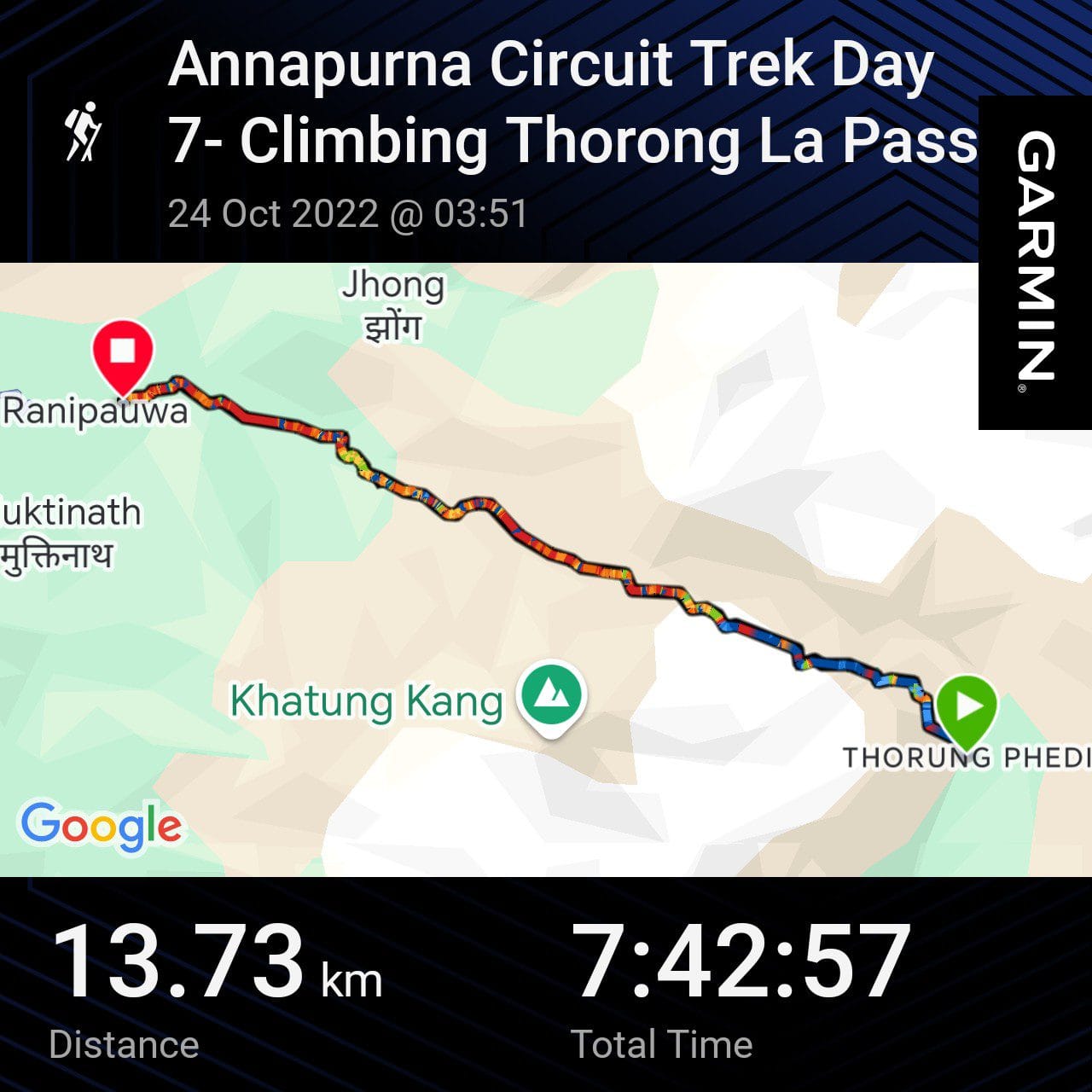
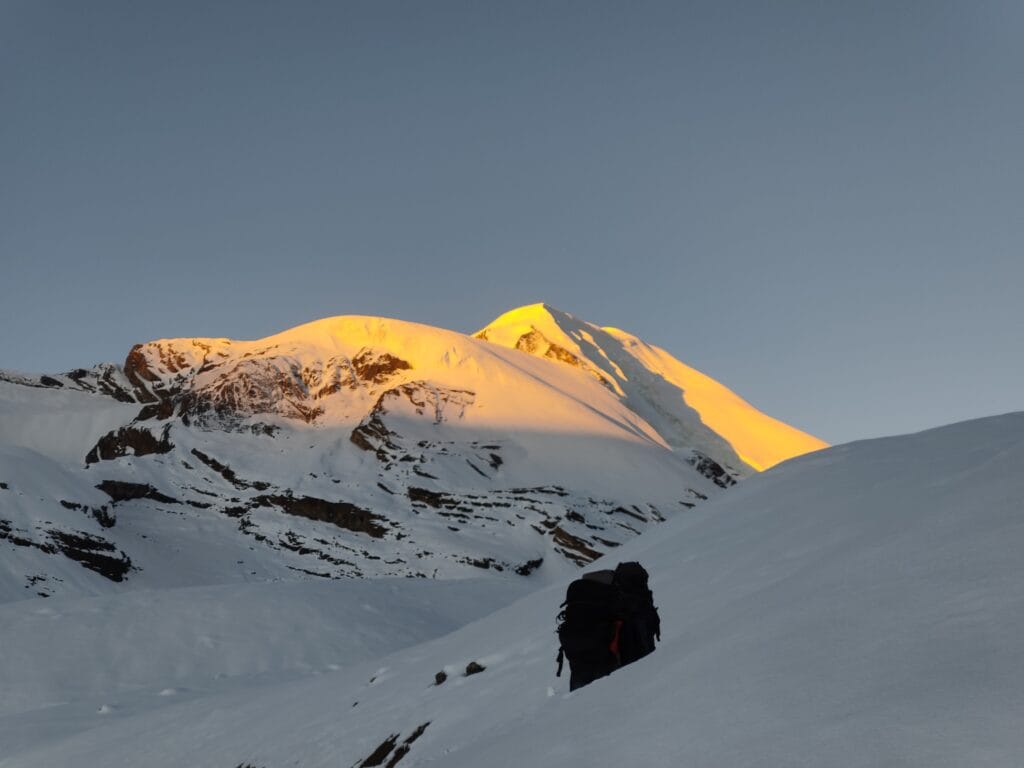
The alarm goes off at 2:30am. It’s -25°C outside, completely clear night sky with mind-blowing views of the stars & galaxies! The early start is because the winds will pick up later in the day at the pass and can take 10-12hours to hike to Muktinath. Thorong La Pass is 1000m climbing starting at 4500m up to 5416m with half the Oxygen than at sea level. The trek starts by zigzagging up to High Camp guided by headtorches.
The trail will be busy with fellow trekkers, guides and porters all making their way slowly up with limited overtaking. Snow and ice cover the trail as you climb to higher and higher altitudes. Hiking in darkness under the stars is beautiful but is risky with the slippery terrain. There is a tea hut, which is much needed warmth in the absolutely freezing cold conditions.
Thorong La Pass (5416m)
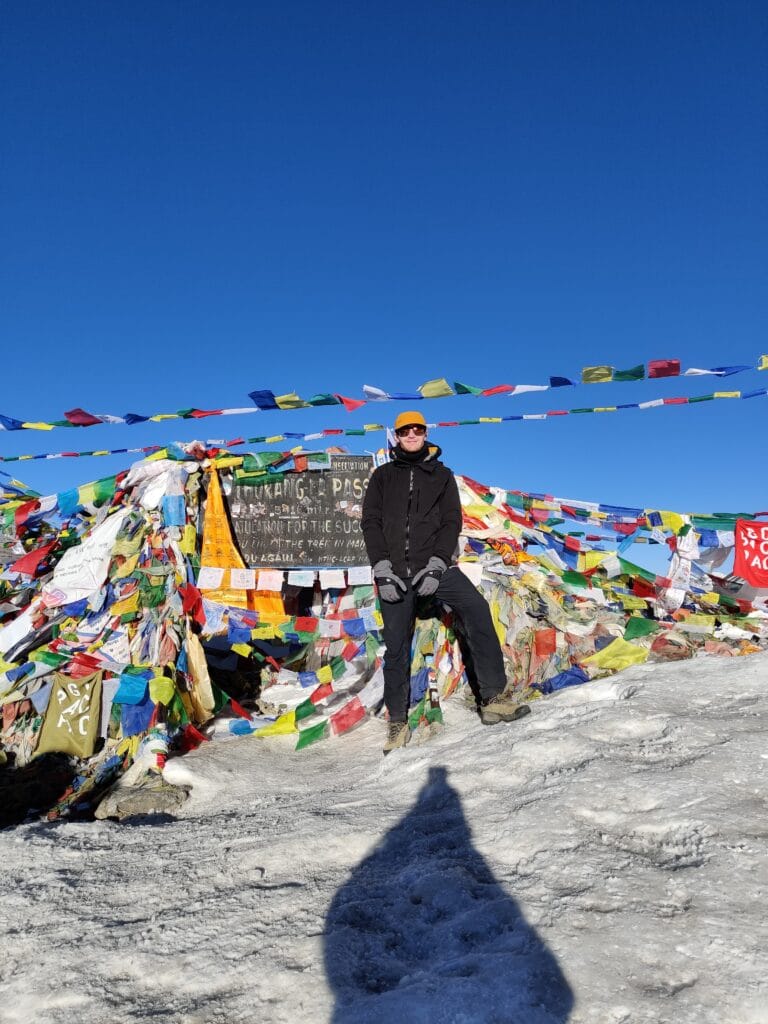
All of the training, preparation and acclimatisation had paid off as we smashed the climb and loved every minute! We were faster than most other trekkers and got to Thorong La Pass by 7am after 4 hours of hard work and thin air. As we climbed, it wasn’t ideal using the La Sportiva TX4 Approach Shoes on the snow, but on the descent, the crampons picked up in Chame were a lifesaver! As we approached Thorong La, the sun rose over the surrounding peaks, which was very memorable. There’s a tea hut at the top to celebrate the highest point of the Annapurna Circuit and get many photos with the prayer flag-covered sign.
Descending off Thorong La
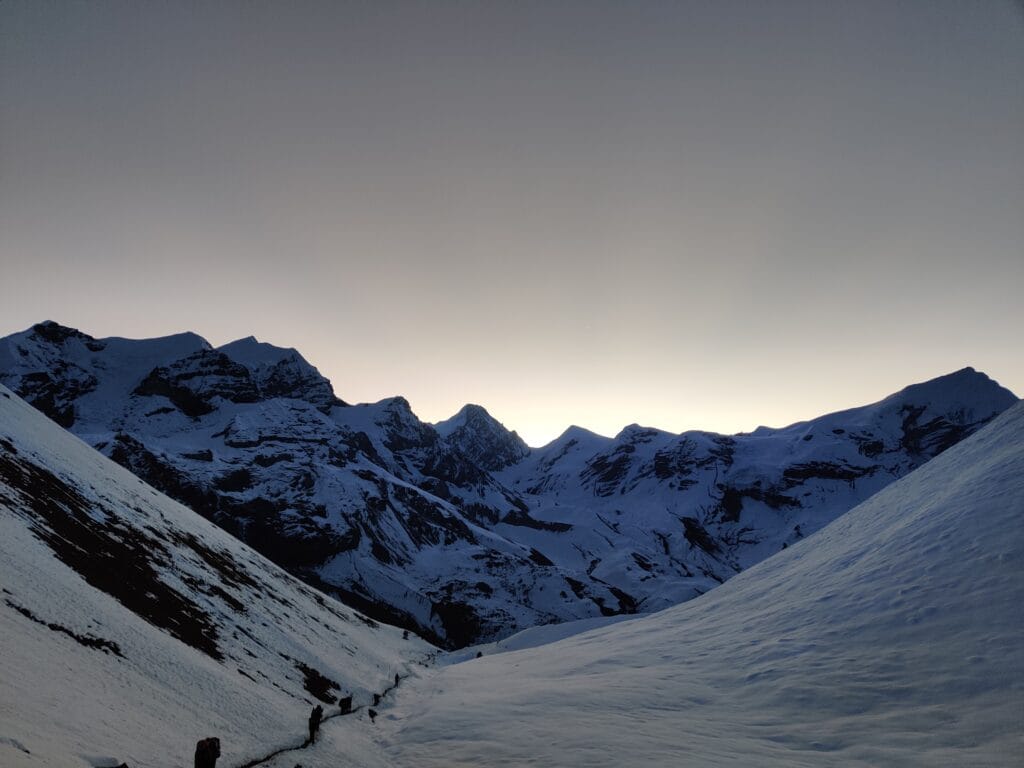
After soaking up the achievement, the long descent to Muktinath and Ranipauwa begins. Most of the mileage on Day 8 is on the way down, which starts with snow banks which are slippery without crampons and trekking poles. It’s hard work on the knees, with people helping each other navigate and find the vague path down the mountain.
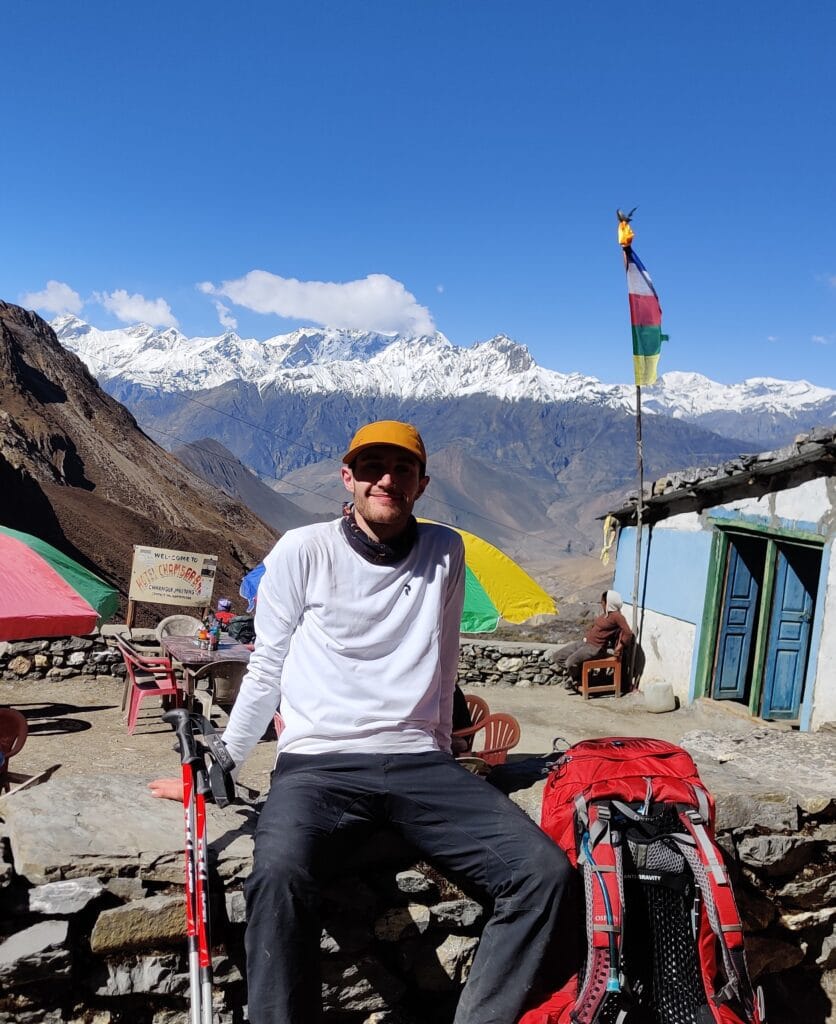
We had multiple stops for crampons, snacks, and to rest on the long day hiking where it warmed up as you lost altitude. A good spot for a break is Phedi restaurant with views into Muktinath Valley and even Dhaulagiri. After crossing a suspension bridge, you eventually arrive in the town and find some much-needed rest after the physical battle of Thorong La Pass
Muktinath
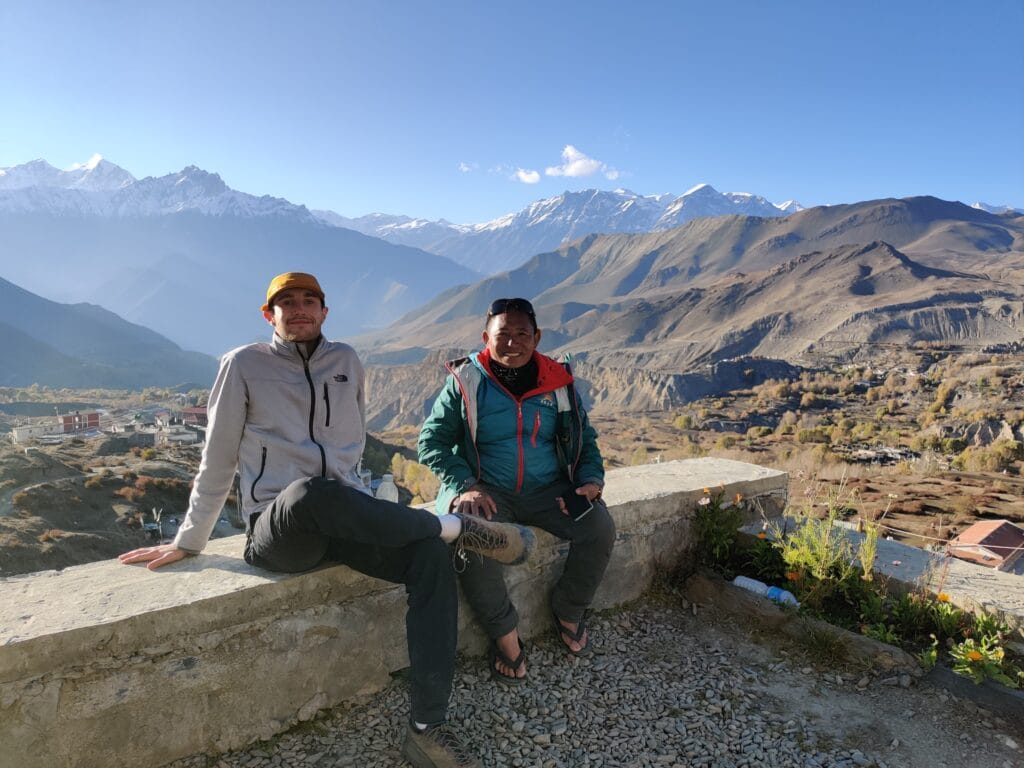
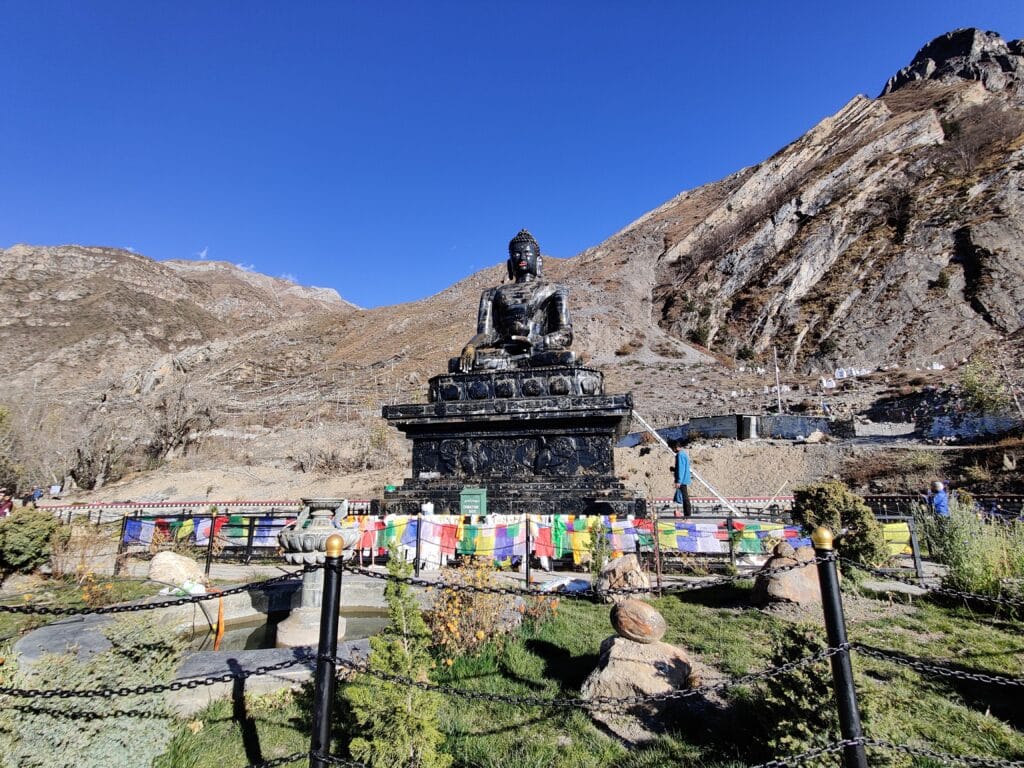
Muktinath is the valley with the famous Hindu & Buddhist temple in the town of Ranipauwa. We arrived in the middle of the afternoon, so we had time to explore the sacred temple. But to get to the Temple meant climbing unfriendly steps to the top after already climbing 1000 m in the legs. The Shree Muktinath Temple is the main attraction for pilgrims and tourists with free entry and is one of the world’s highest at 3800m. People travel from all over (and not just via Thorong La) to walk through the 108 water sprouts of liberation. For more information on the religious significance for both Hinduism and Buddhism, then check out Trip to Temples.
Acclimation
The hot conversation topic from Manang to Thorong La Pass is the Altitude! It’s easy to overthink altitude sickness as all the trekkers will mention how you’re feeling. The lack of Oxygen can affect anyone on the trek above 2500m and is something to take seriously. The expertise of the Guides is best to listen to about the symptoms of High Altitude Sickness and have regular checks.
The main pieces of advice from the Guides are to drink at least 3-4 litres of water a day and to climb high then sleep well, for the body to adapt. Some Guides had Oxygen Trackers to measure your blood oxygen levels, with above 90% being preferable. I started feeling the effects above Manang at 4000m but managed to acclimatise well in time for the ascent to Thorong La Pass. When talking with other trekkers in Muktinath, the speed Dawa and I climbed and then descended was hours faster than most other groups.
This was thanks to the fitness preparation and good acclimatisation. I found that Ginger chai tea helped reduce headaches, and iI drank more water than normal. The acclimatisation day hike in Manang, Ledar and High Camp afternoon hikes were effective in preparing. Diamox is a medication to help ease the effects of headaches and fatigue, which I ordered before travelling to Nepal. I started taking Diamox after Manang for 3 days and would say it’s a last resort if you feel symptoms.
Trekking Training
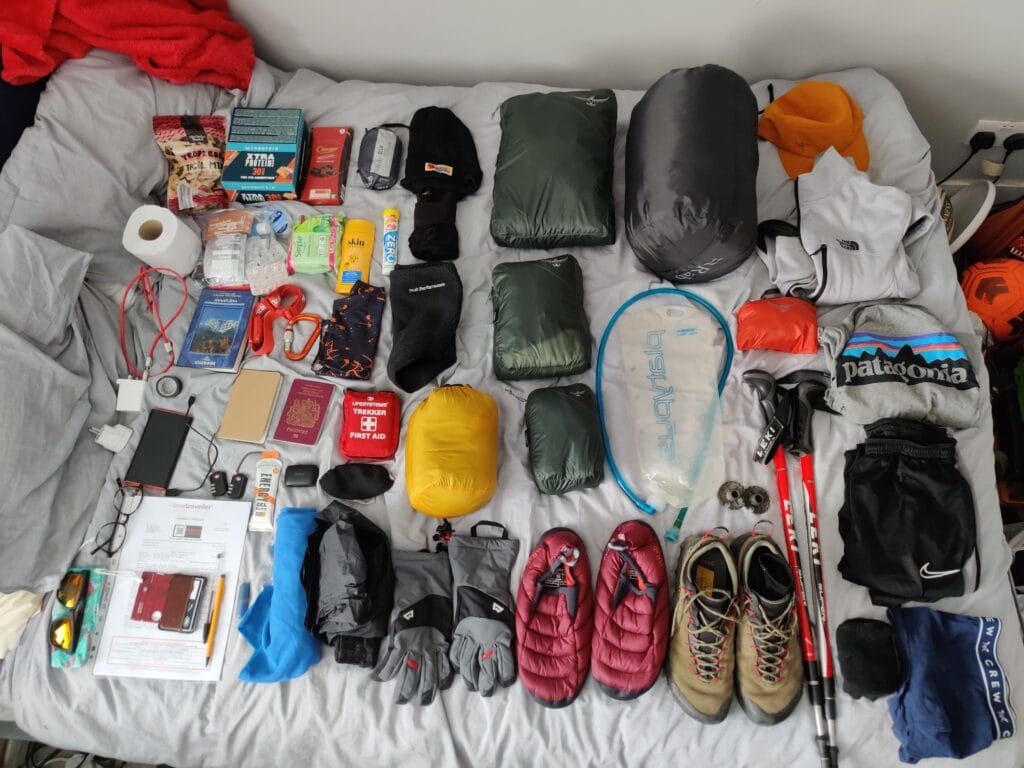
As it was my first trek, I spent months physically training for the weeks of climbing with a heavy backpack. To start with, it’s best to use a fully loaded pack with all the essentials for trekking (Here’s the Trekking Packing List for Annapurna Circuit). My backpack for the training hikes was around 18kg, but day hikes with other packs will still be beneficial.
The Circuit is on well-trodden trails, gravel roads and up rocky tracks but with days of over 1000m of climbing. So it’s best to hike 15-20km lengths where you can, ideally with lots of elevation gain. In the UK, the Lake District, Snowdonia, Peak District and Scottish Highlands are good places to hike in preparation for Nepal.
Gear we used on this route
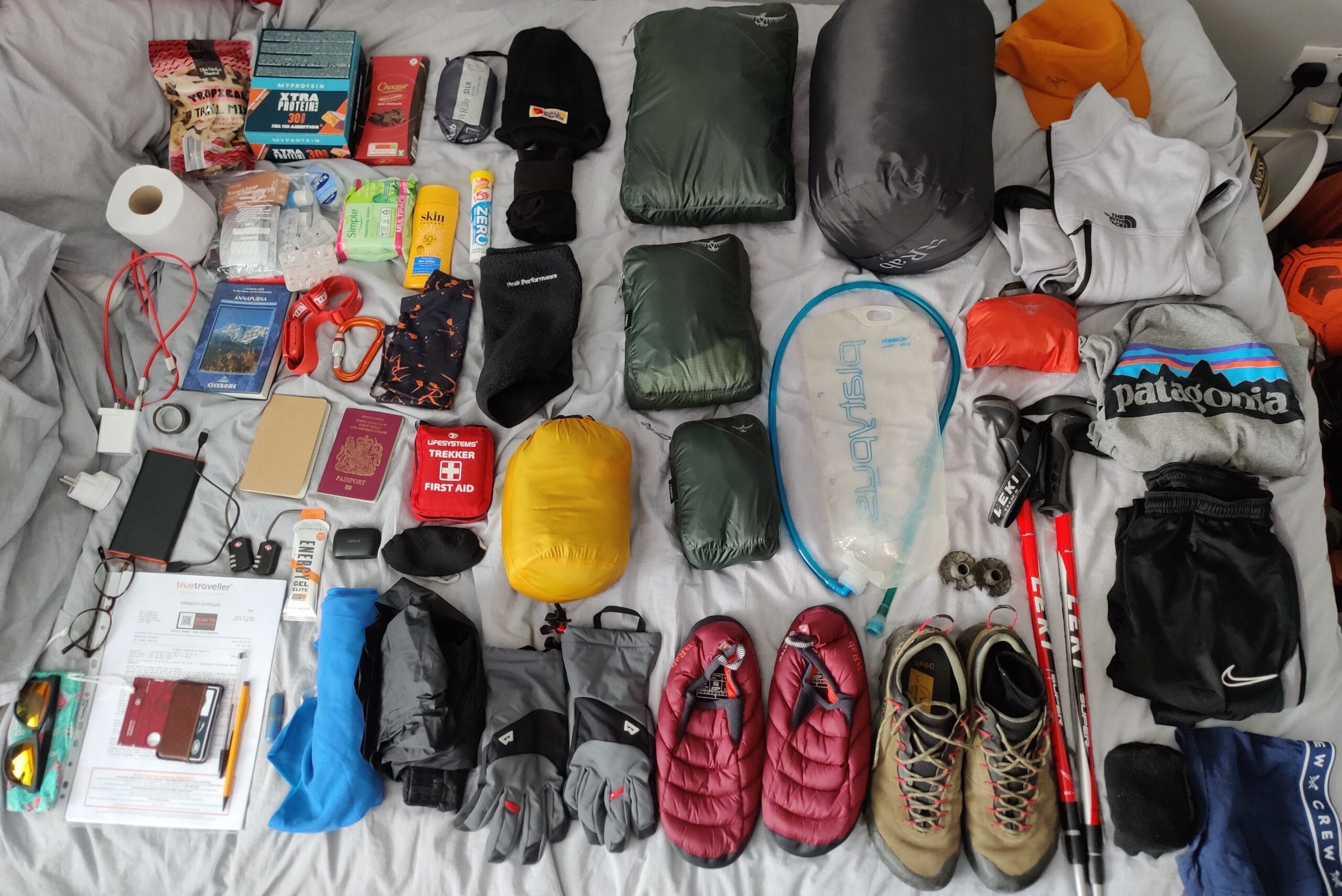
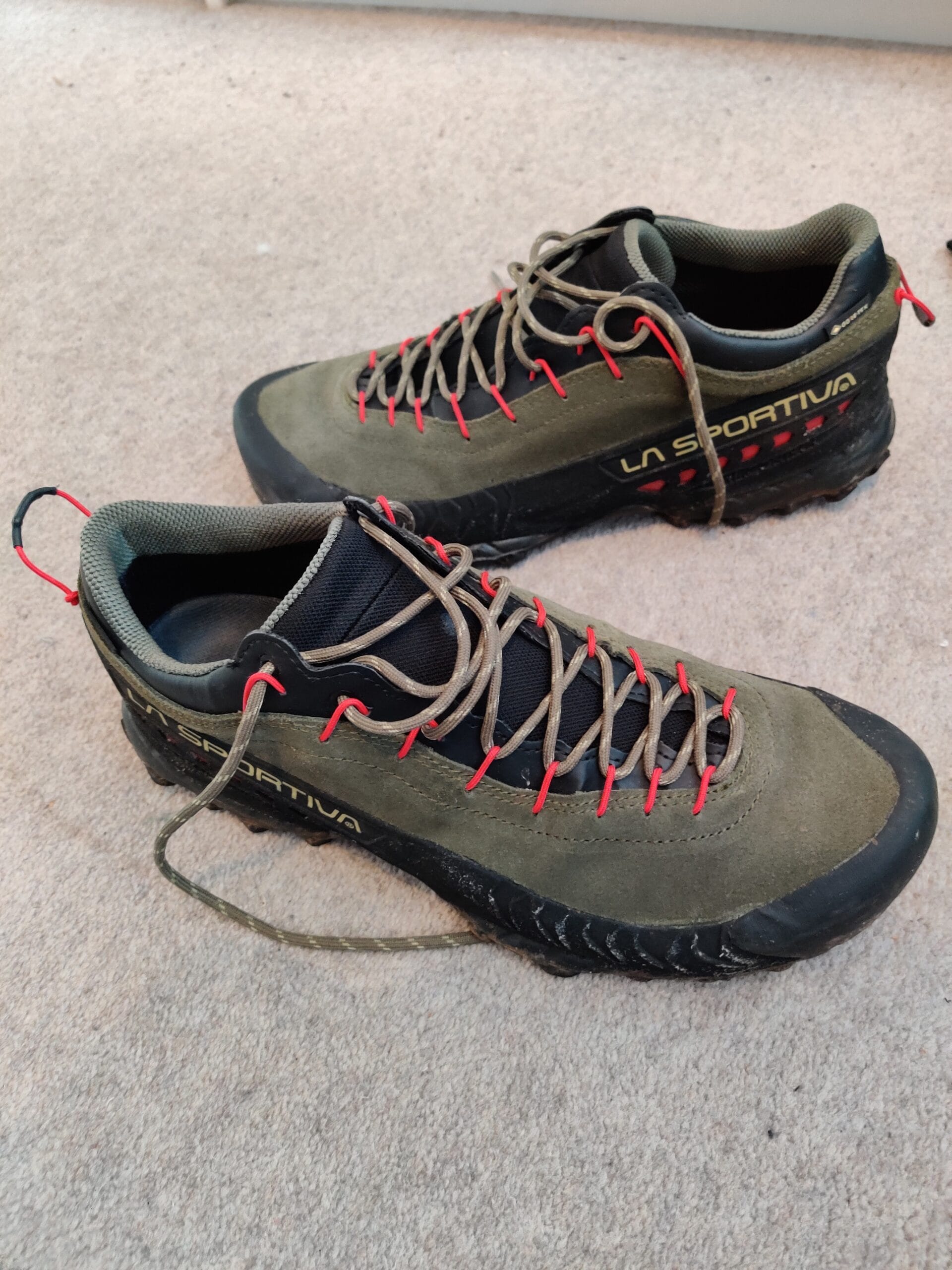
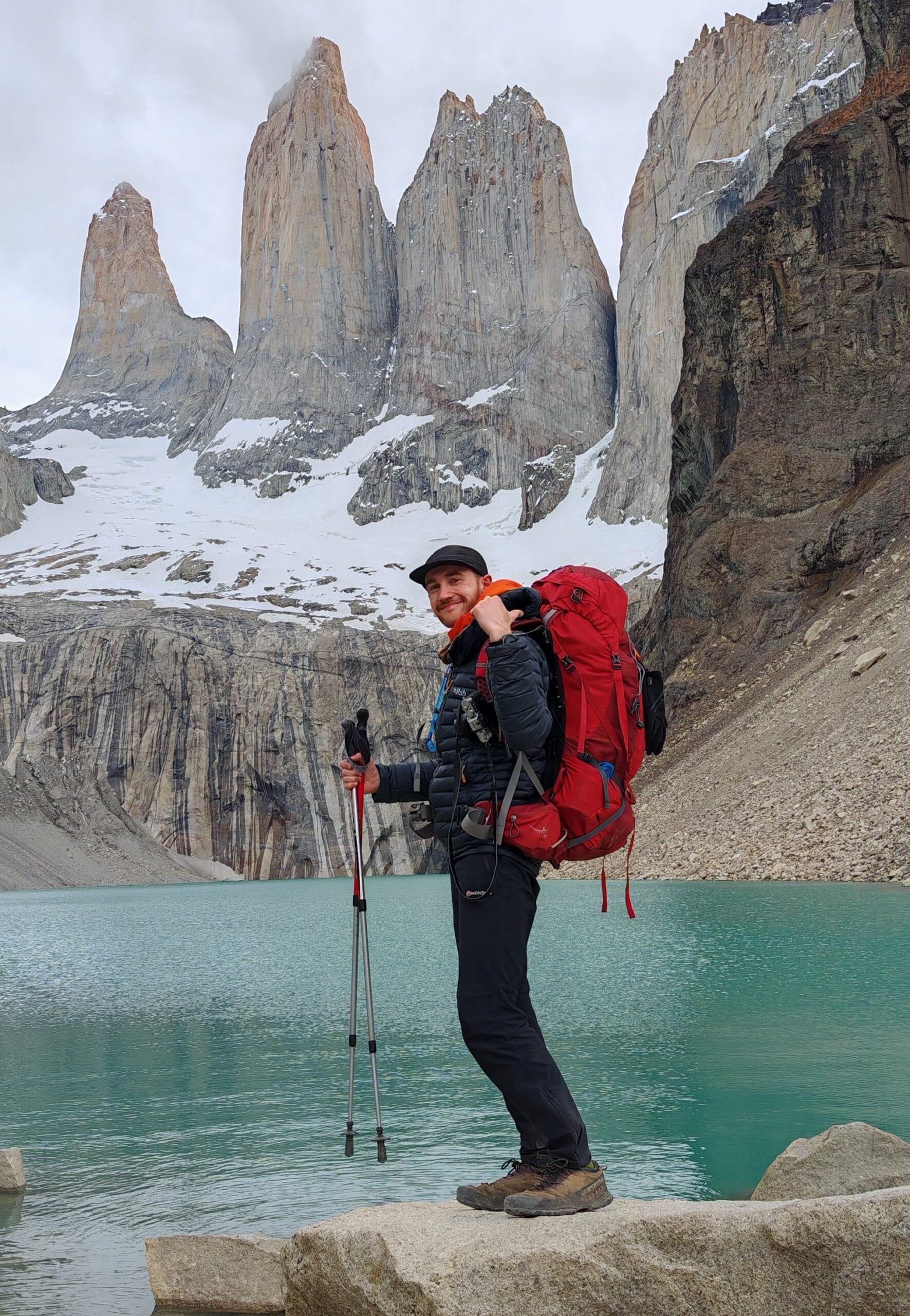
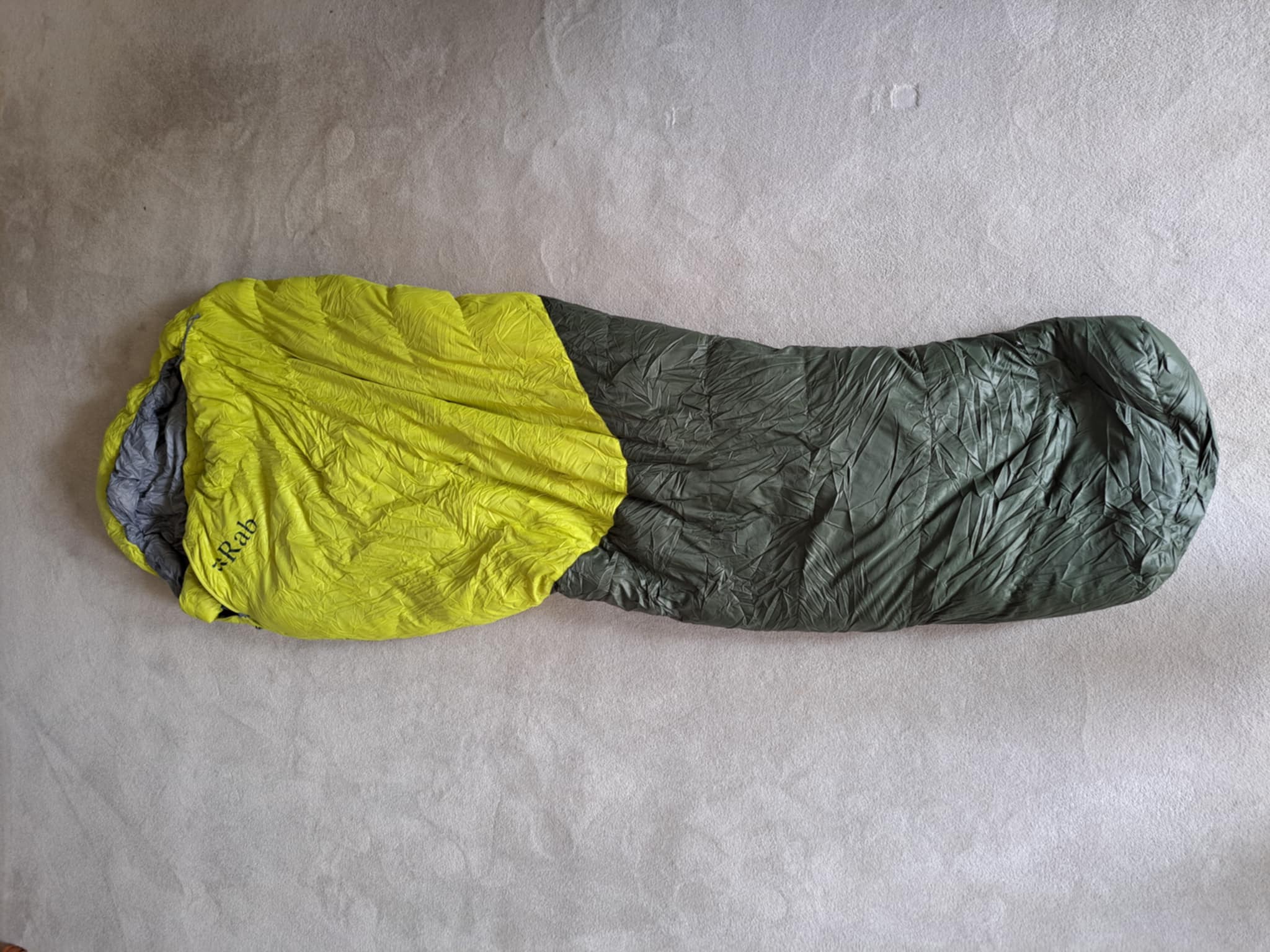
Additionally, I did a lot of running and team sports to increase my cardio fitness as much as possible. The weight of the backpack, especially on the shoulders and back, can be heavy, so try to improve upper body strength and core to help with the load. Unless you live somewhere with higher altitudes nearby, it’s difficult to train for the acclimatisation aspect in the UK. But in America, Canada or the Alps there are much higher altitudes above 2500m to help prepare. And it’s always a good idea to test out all of the trekking equipment, clothes and boots/shoes before heading out so it’s worn in and tried.
Final Thoughts
The trek to Thorong La was one of the best hiking days of my life. After seven days of trekking from Syange towards the pass, reaching the top at 5,416m felt like the true climax of the Annapurna Circuit. It was cold, tiring and mentally demanding, but the sense of achievement at Thorong La Pass was incredible.
What makes this section so special is the build-up. Manang gives you time to acclimatise, Yak Kharka brings you into thinner air, Thorong Phedi creates the pre-pass nerves, and the early morning climb to Thorong La delivers the challenge everyone talks about. By the time you reach the prayer flags, the tea house and the famous summit sign, every difficult step feels worth it.
The descent to Muktinath is long and tough on the legs, but arriving on the other side of the pass feels like a huge emotional release. It is not every day you get to experience high-altitude trekking in the Himalayas, so try to enjoy the challenge, move slowly and respect the altitude.
If you are planning the Thorong La Pass Trek, take acclimatisation seriously, prepare for freezing conditions, pack reliable layers and listen to your body. Hopefully, the tips in this guide help you make the most of the most famous day on the Annapurna Circuit.
Part 3 will continue the journey from Muktinath to Tatopani, then through the final trekking days towards Ghorepani and the unforgettable Poon Hill sunrise before travelling to Pokhara and back to Kathmandu.
What is the best trek you have completed? I’m always looking for new mountain adventures and would love to test myself at high altitude again. If you know anyone travelling to the Annapurna region, please share this series with them.
FAQs
How high is Thorong La Pass?
Thorong La Pass is 5,416 metres above sea level. It is the highest point of the Annapurna Circuit and one of the most famous high-altitude trekking passes in Nepal.
How hard is the Thorong La Pass trek?
The Thorong La Pass trek is physically and mentally demanding because of the altitude, cold temperatures, early start, snow or ice, and long descent to Muktinath. The trail is not technically difficult in normal conditions, but the altitude makes it a serious trekking day.
What is the route to Thorong La Pass?
Most trekkers approach Thorong La Pass from Manang, then continue to Yak Kharka, Thorong Phedi or High Camp before crossing the pass and descending to Muktinath. This post covers the route from Manang to Muktinath via Yak Kharka and Thorong Phedi.
When do you start crossing Thorong La Pass?
Most trekkers start very early, often between 3am and 5am, to cross Thorong La Pass before winds increase later in the day. Starting early also gives more time for the long descent to Muktinath.
Do you need acclimatisation before Thorong La Pass?
Yes, acclimatisation is essential before crossing Thorong La Pass. Most itineraries include a rest or acclimatisation day in Manang, followed by gradual height gain through Yak Kharka and Thorong Phedi before attempting the pass.

Pingback: Poon Hill: The Best Himalayan Mountain Sunrise Hike - Backpacker's Mentality