Part 1 – Kathmandu to Manang
The Annapurna Circuit Himalayas was the trip that changed the way I saw adventure travel. Before arriving in Nepal, I knew the Annapurna Circuit was one of the world’s great trekking routes, but I did not fully understand how quickly it would shift from a bucket-list hike into something far more personal.
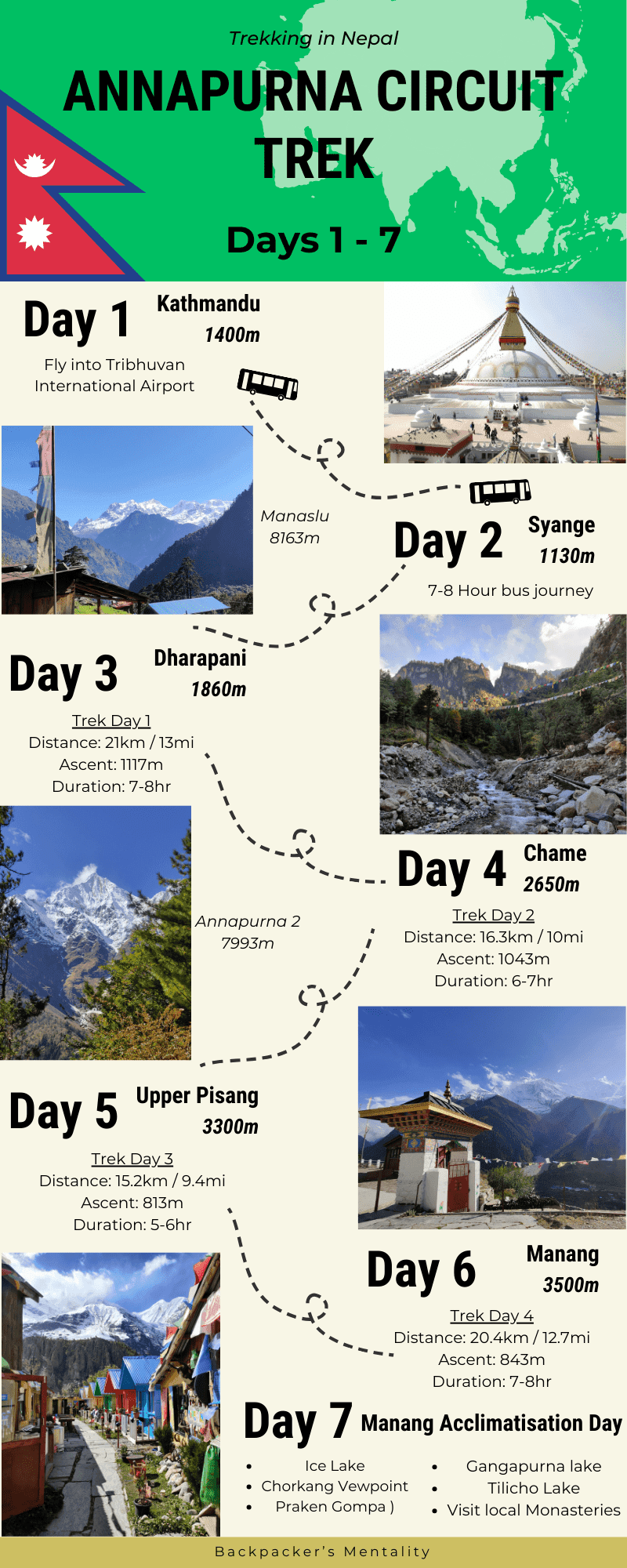
This is Part 1 of my Annapurna Circuit series, covering the first six days from Kathmandu to Manang. The journey begins with the chaos of Kathmandu, long and bumpy transport into the mountains, and the first proper trekking days through Syange, Dharapani, Chame, Upper Pisang and finally Manang.
The early stages of trekking the Annapurna Circuit are a gradual transformation. Busy roads and humid lower valleys slowly give way to pine forests, Buddhist villages, prayer wheels, suspension bridges and the first huge views of the Annapurna Himalayas. By the time you reach Manang, the landscape feels completely different from where the journey began.
This post focuses on the first section of the Annapurna Circuit Trek, including the route, daily experience, teahouses, food, scenery, physical challenge and the emotional impact of starting one of Nepal’s most famous long-distance treks. If you want the full route overview, budget and 15-day itinerary, start with my complete Annapurna Circuit Guide; this post is the personal day-by-day story of how the adventure began.
Why I Loved the Annapurna Trek
The Annapurna Circuit (or called Annapurna Circle by some) was my first experience of trekking and high altitude. I travelled outside of Europe for the first time with my backpack full and excited to discover the mysterious Nepalese Himalayas. After years of alpine hiking, I was keen on a new challenge and tackling the world’s highest trekking pass at 5416m sounded perfect. One reason I loved Annapurna was to see multiple 8000m mountains (Annapurna, Dhaulagiri & Manaslu) which tower above the valleys & other mountains.
These peaks have a reputation for being extremely dangerous, and it’s easy to see why given the sheerness. As a result, trekkers are mesmerised by the breathtaking mountainous landscapes with plentiful photo opportunities. The trek takes you through multiple climates and ecosystems from jungle to alpine forest, then up to arid villages before the snow-covered Thorong La Pass. And in combination with Buddhist culture, it gives this trek an added dimension. The other reasons for my love of this trek were the teahouses and fellow Backpackers. Each teahouse had a different but equally welcoming atmosphere with a log fire to stay toasty.
It was a place to meet other travellers over chai tea, playing cards or eating unlimited Dal Bhat! It’s a popular trek, but I found the trails were fairly quiet and you weren’t always staying with the same groups. As a solo trekker, it was easy with my guide to chat with other tour groups and make friends. Before the trek, I bought small Moleskine field journals to document and sketch my travels. These turned into a great chance to reflect on the experience and became a souvenir for afterwards. Since then, I have grown a collection of travel journals from every trip abroad. The Annapurna journals were where it started and sparked the idea for a blog!
Annapurna Circuit: Day 0 & 1
It all started with an evening flight from London Heathrow (Day 0) through the night to Doha, Qatar, for a connecting flight. I would be lying if I said I wasn’t anxious at Heathrow when I was dropped off about to begin the journey. I arrived in Kathmandu at Tribhuvan Int Airport the next day in the evening after 14 hours of flying. Upon arrival, it was a whole process to gain entry, including COVID checks, VISA fees, immigration docs, bag retrieval and exchanging cash.
Finally, I met my Guide, Dawa, from Sherpa Expedition & Trekking, where I felt slightly more at ease. My first impression of Kathmandu was chaos! The roads were an uncontrolled mess of taxis & buses slowly winding through the city with scooters squeezing into non-existent gaps. Day 2 of the Annapurna Circuit Himalayas Trek was a long travel day, so there was no time to explore Kathmandu unfortunately after arriving at Hotel Thamel Park late.
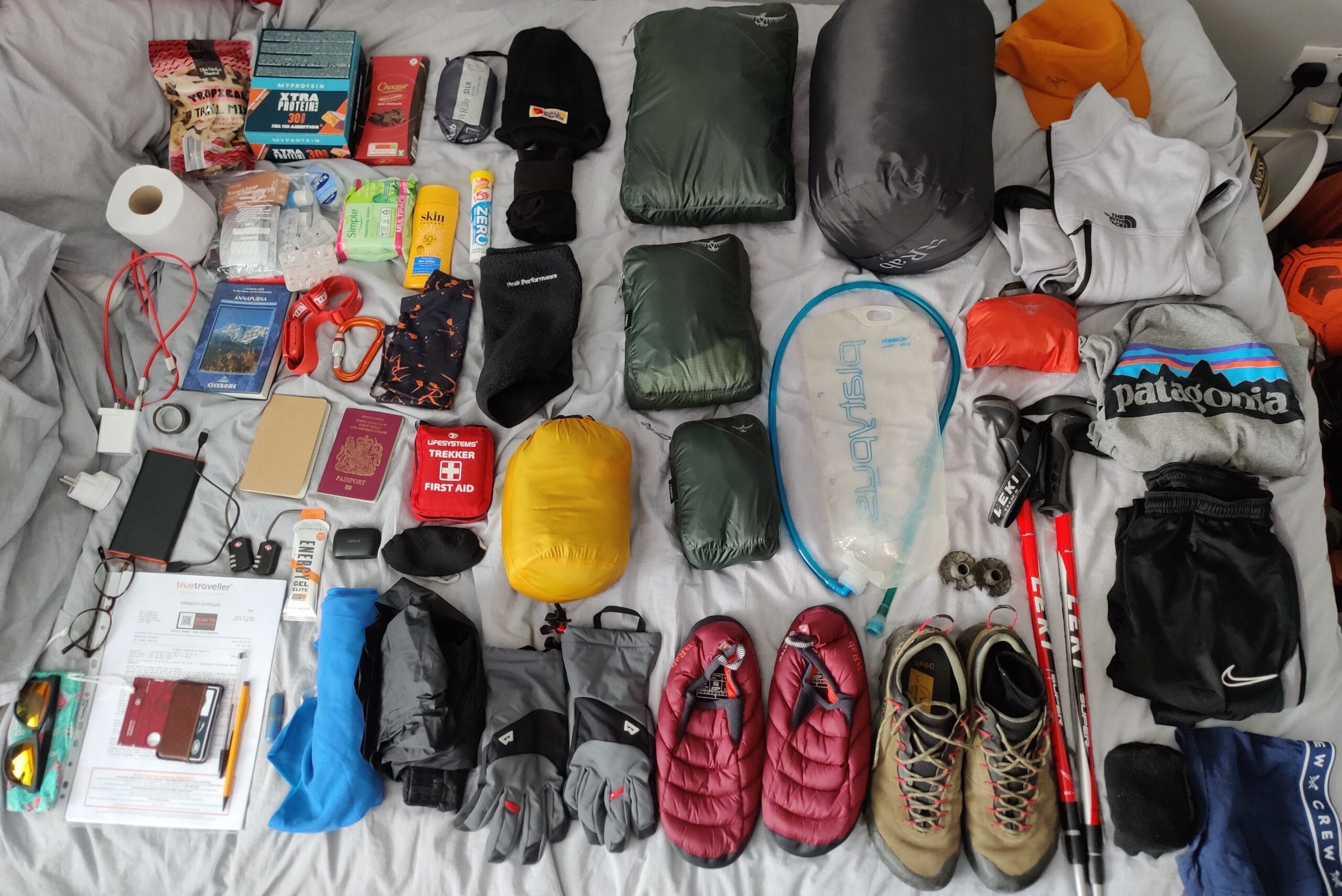
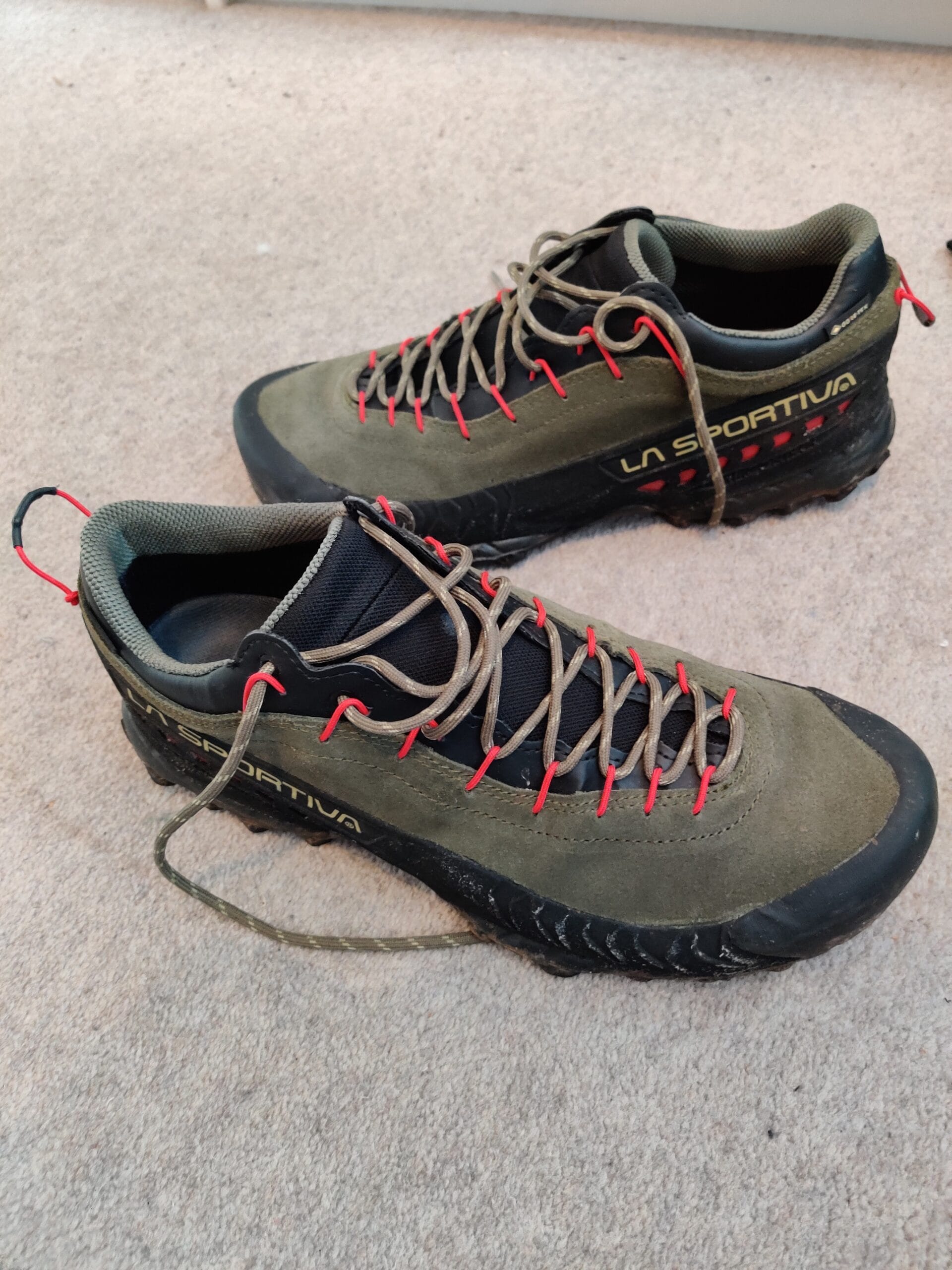
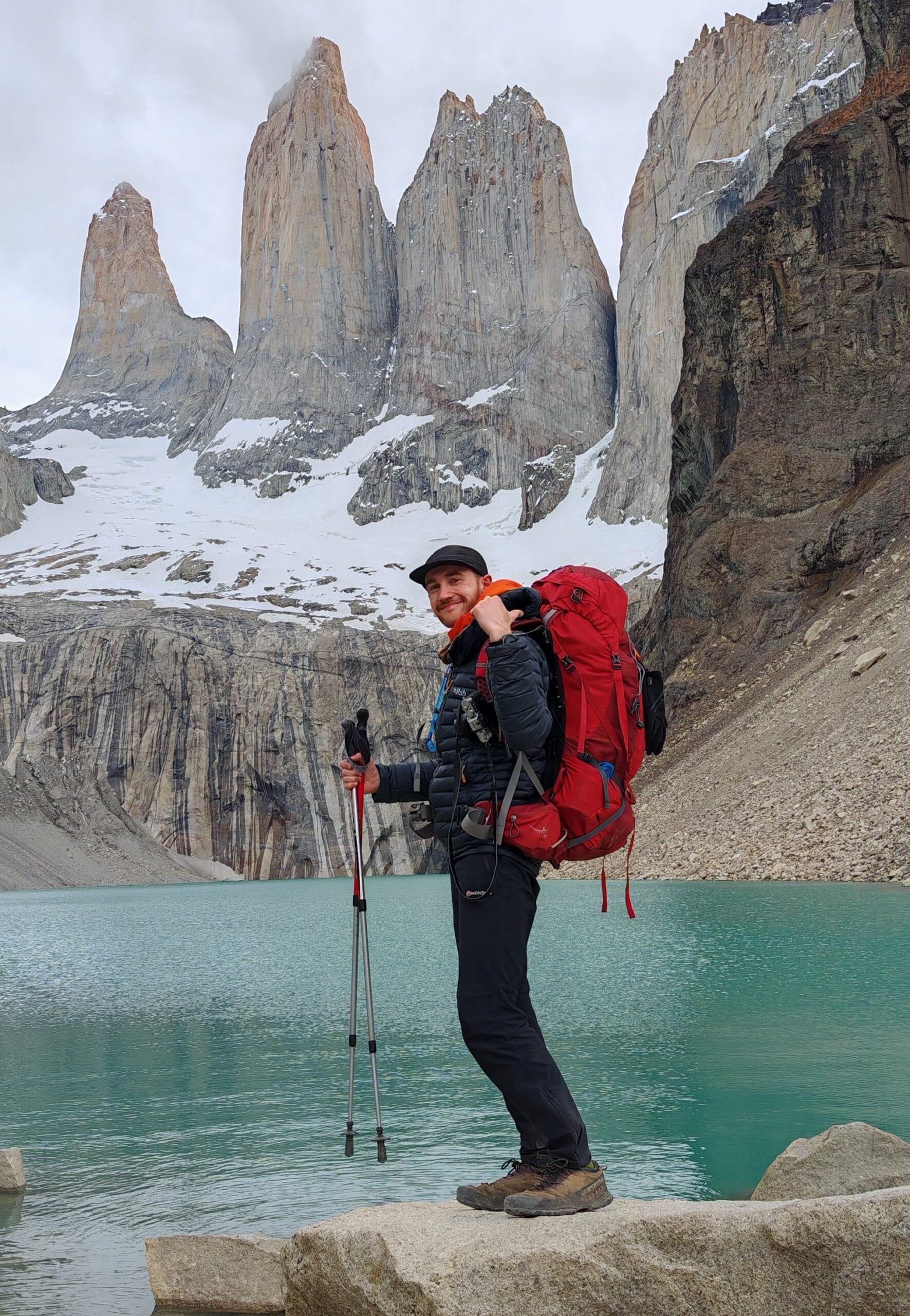
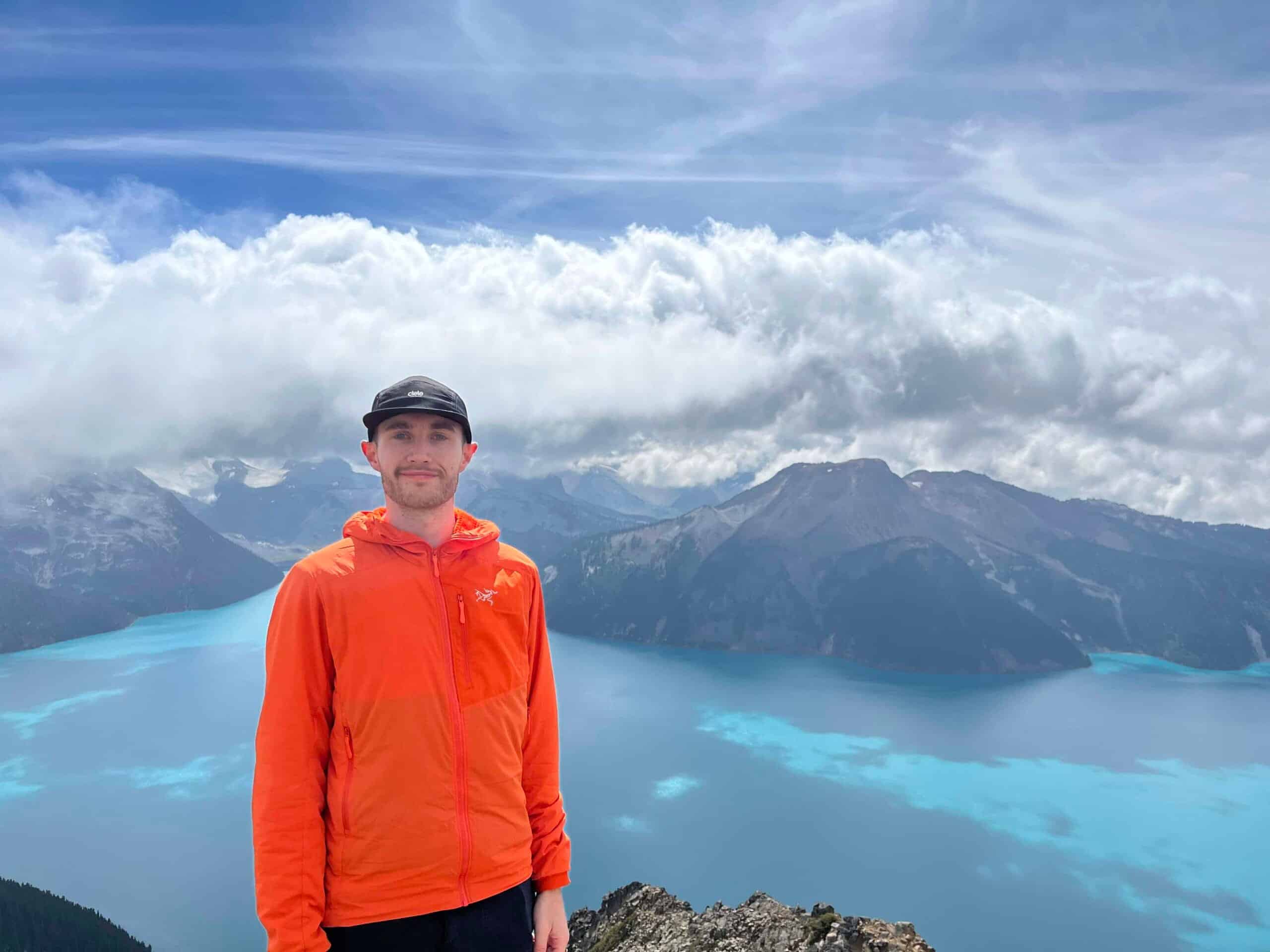
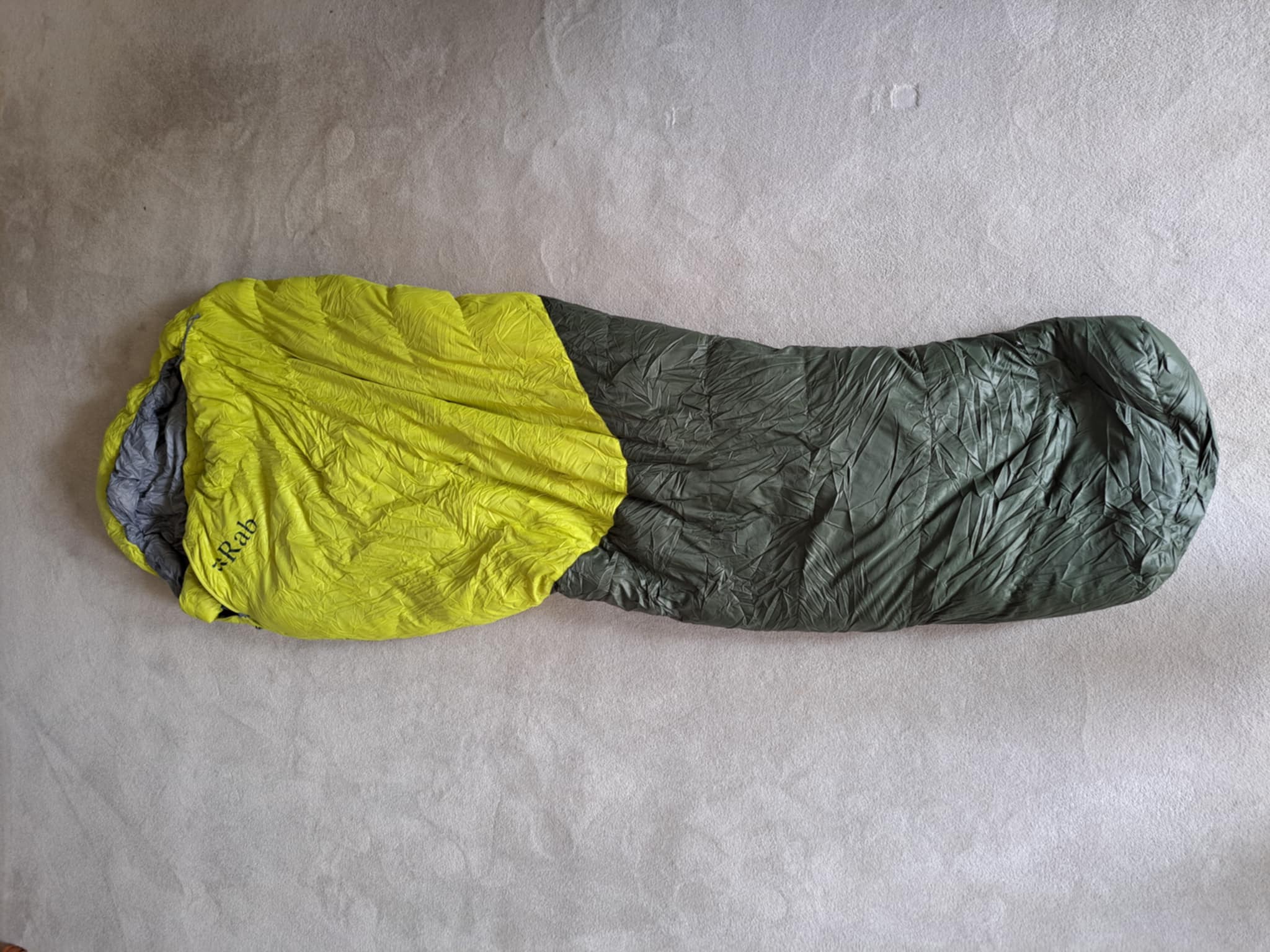
Gear we used on this route
Annapurna Circuit: Day 2 – Kathmandu to Syange
Today was a 7-8 hour bus journey from the Capital to Besisahar to start, then a Jeep ride to Syange. I was not fully prepared for the difference in Eastern bus travel compared to the West, and it was a cultural shock. To start with, a dodgy taxi ride to the bus station where you’re harassed to get onto various buses. Without Dawa, I would have been lost, but he managed to secure back-row seats! It’s odd seeing backpacks and luggage stored on the roof, and as I found out, along with food & goods deliveries, the driver does it as a side hustle.
Kathmandu had a layer of pollution overhead, so I was pleased to escape even if the traffic was walking pace. It was a long ride full of pauses and traffic with occasional breaks. During a lunch stop, I had my first taste of Dal Bhat, which was an explosion of flavour, and I was baffled by the second and third servings! One lesson was to not leave anything easy to steal off your backpack, as I lost a Petzl Carabiner. Despite this annoyance, my spirits were high while we sipped tea before a bumpy Jeep journey towards Syange.
Impressive waterfalls were plotted along the track, and the first views of the Himalaya peaks could be seen poking through the white clouds. The first teahouse on the Annapurna Circuit Himalayas Trek was colourful and had excellent amenities with an en-suite bathroom, double bed and WiFi! I started to chat with other Trekkers from various nationalities as we ate dinner together in the communal area. I was eager to start the trek after over 2 days of travel!
Annapurna Circuit: Day 3 – Syange to Dharapani
Syange to Dharapani
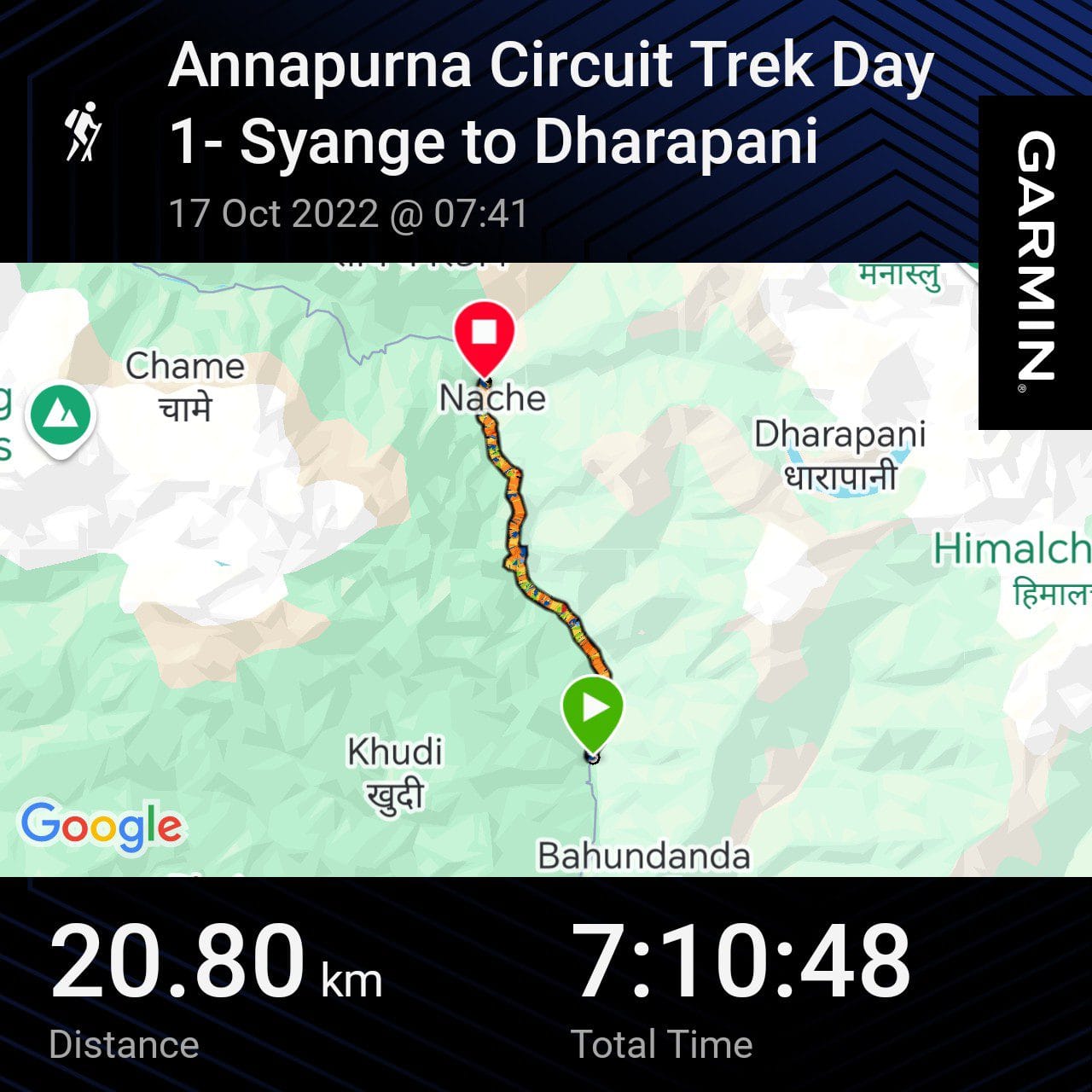
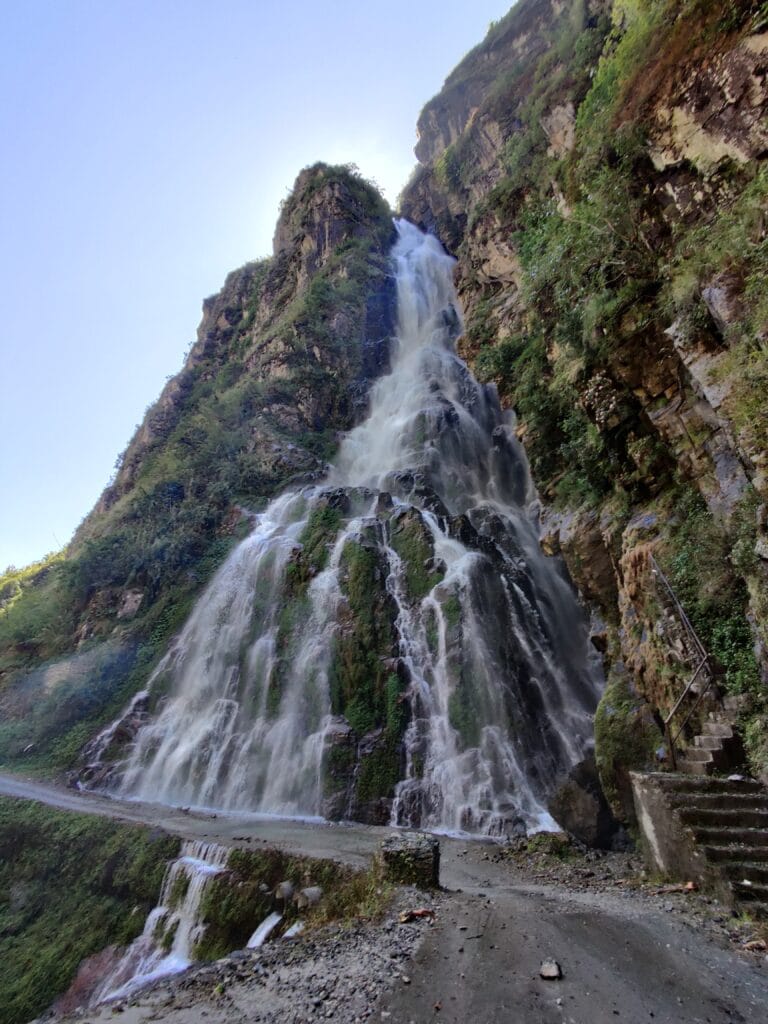
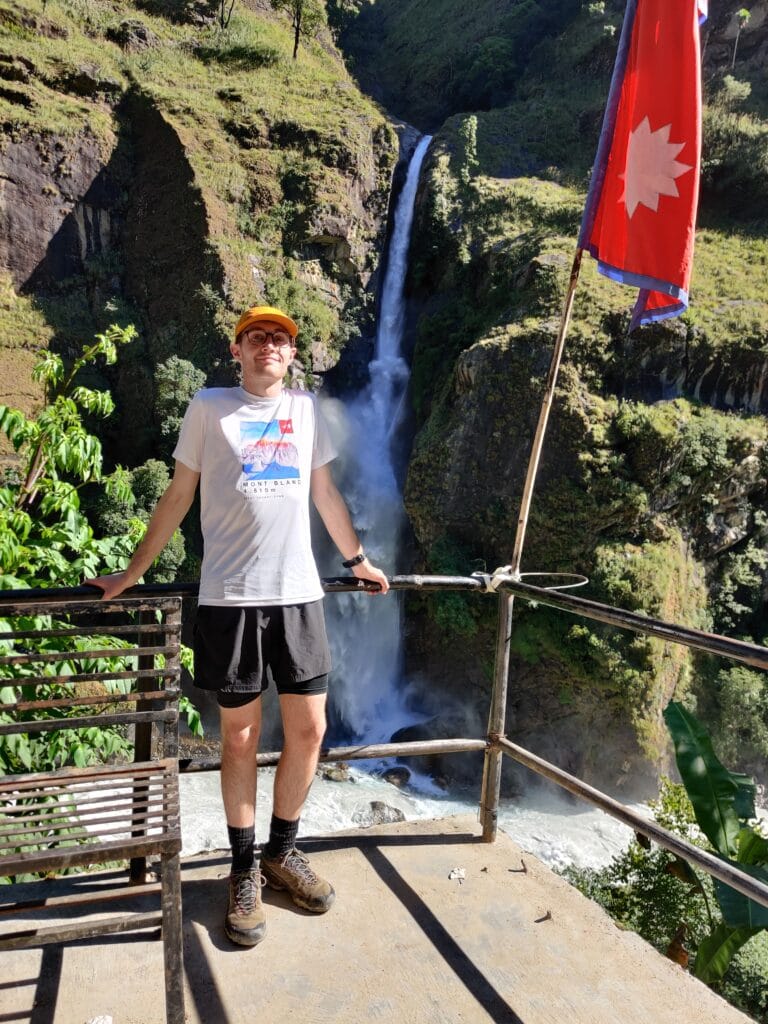
Day 1 of the Annapurna Circuit Himalayas Trek was a mighty 20km and 1100m climb – a nice introduction to Nepal. Firstly, we trekked along the road through the jungle, passing small settlements and huge waterfalls. The Osprey Atmos 50 AG was a great investment to carry all the trekking gear, weighing in at 18kg. At lunch, I noticed the relaxed pace of life in the mountains and villages, plus how welcoming the locals were.
In the distance, Pisang Peak and Kang Guru drew the eye’s gaze. We arrived at Dharapani by 3pm, which was another reason to not rush. At the teahouses, there’s not much to do unless you’re in a town like Chame, Manang or Pisang. Accommodation was a simple twin room and a very cold communal room, but good Dal Bhat (all that matters). Spent the evening exchanging stories with other trekkers and having a good laugh.
Annapurna Circuit: Day 4 – Dharapani to Chame
Dharapani to Chame
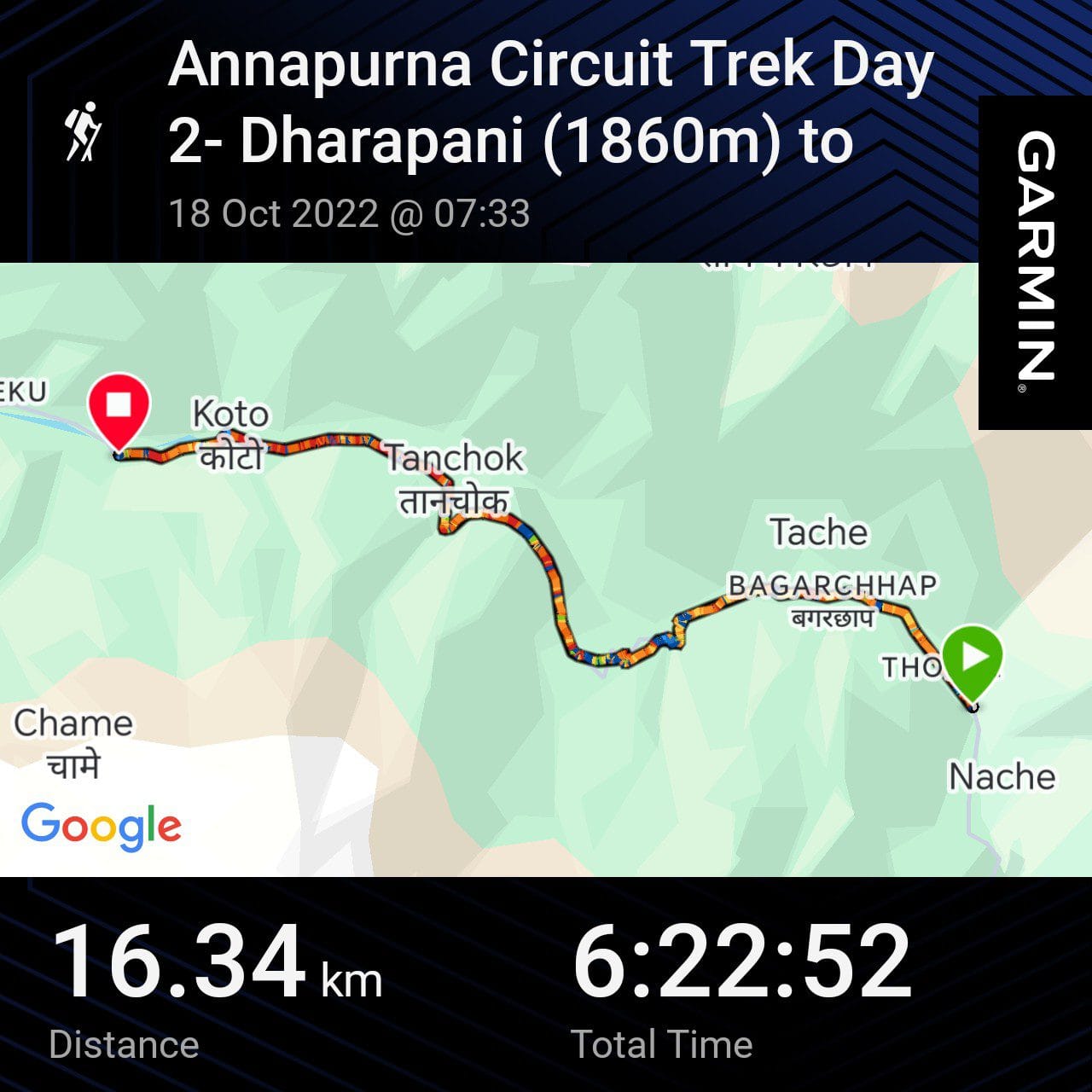
Most days I woke around 6am to meditate, stretch and pack up before breakfast at 7am. Once the 2L water had been purified with Chlorine Dioxide and I paid for the drinks bill, we were off towards Chame. A quick ANCAP checkpoint was close by, and I got the first views of Manaslu, Annapurna 2 and Lamjung! It felt much busier with groups, bikes and jeeps en route Day 4.
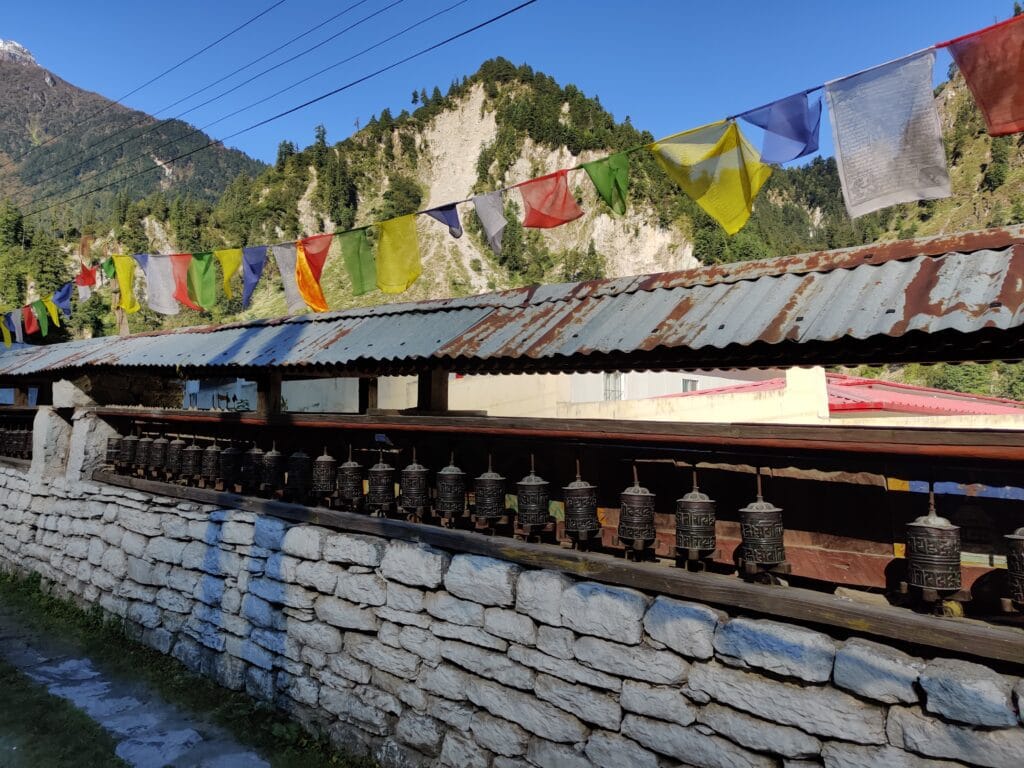
The villages we walked through had colourful prayer flags hung everywhere with mani wheels along the road. We climbed higher along narrow passages to Timang for lunch with a fabulous panoramic view. I sat on a rooftop enjoying chai tea and Dal Bhat with crystal clear views of Manaslu; I felt very content with life.
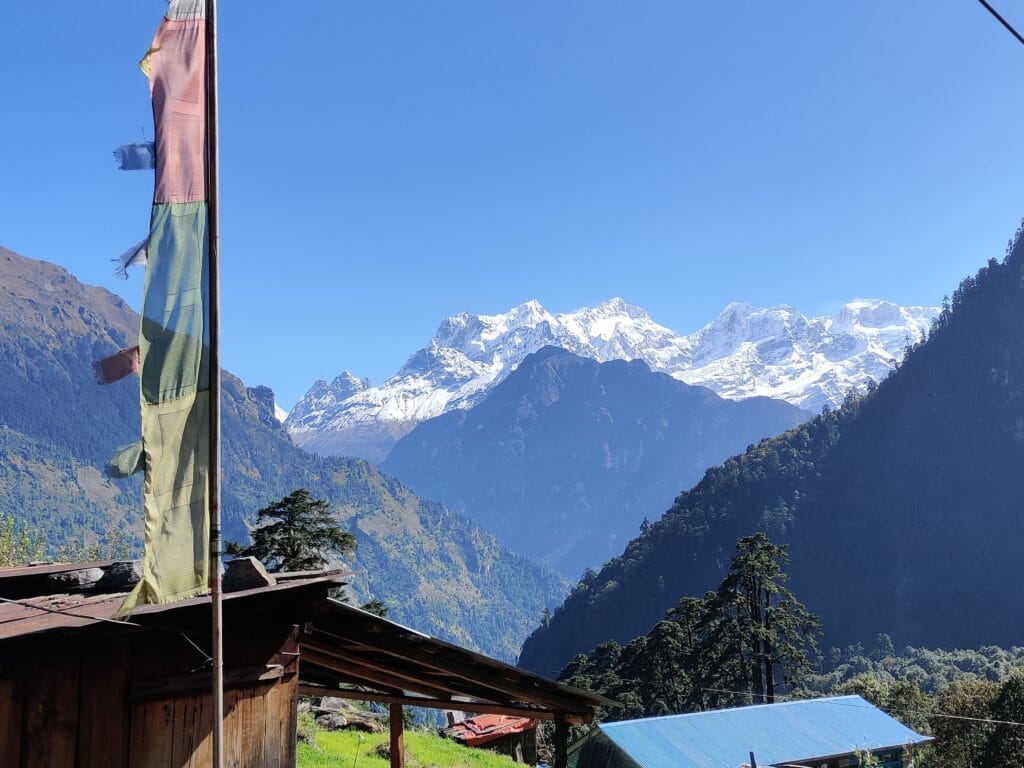
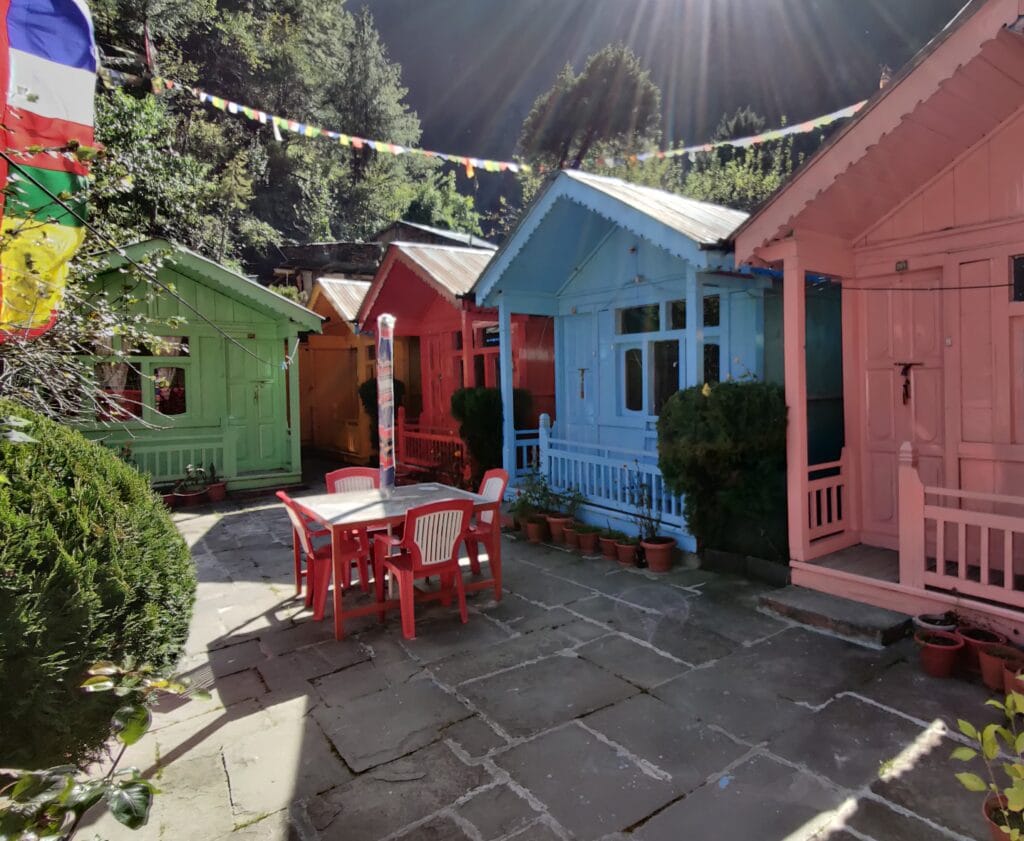
The trail continued to climb past buckwheat fields with Manaslu in the distance. Before long, we arrived at Koto for another checkpoint and saw the valley for the Nur Phu Trek and Tibet. A fast 25mins hike into Chame before resting up for the evening. My room was a brightly painted chalet with incredible views of Manaslu. Chame is a small village with bakeries, shops and plenty of tea houses! It is great to pick up any forgotten items such as ice crampons in my case.
This was wise advice from Dawa for Thorong La Pass later on the Annapurna Circuit Himalayas Trek and cheaper than Manang in a few days. Tilicho Guesthouse was our accommodation for the night, which had a good atmosphere where trekkers gathered around the large fire for warmth. The huts were freezing cold at night, so bring a 4-season sleeping bag!
Annapurna Circuit: Day 5 – Chame to Upper Pisang
Chame to Upper Pisang
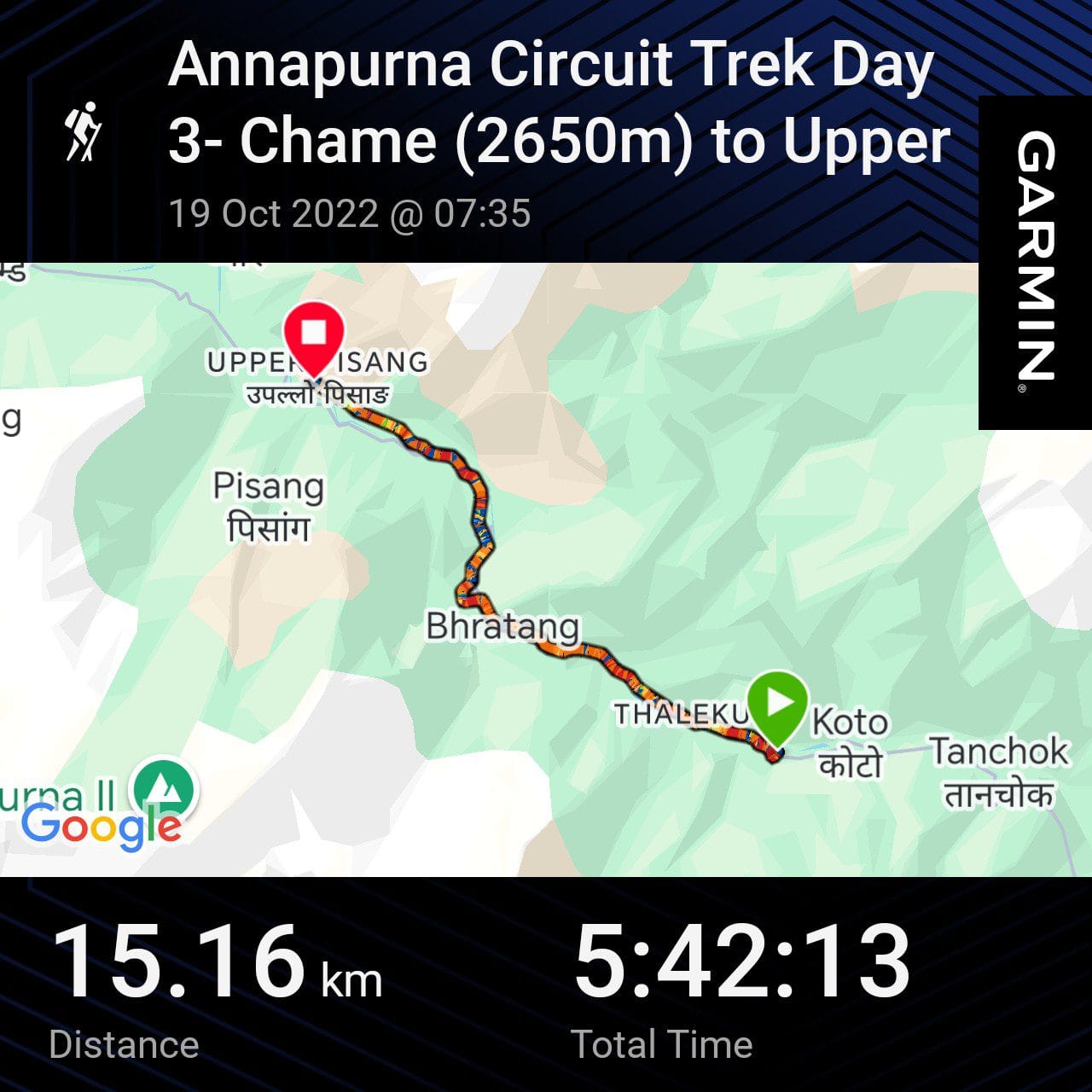
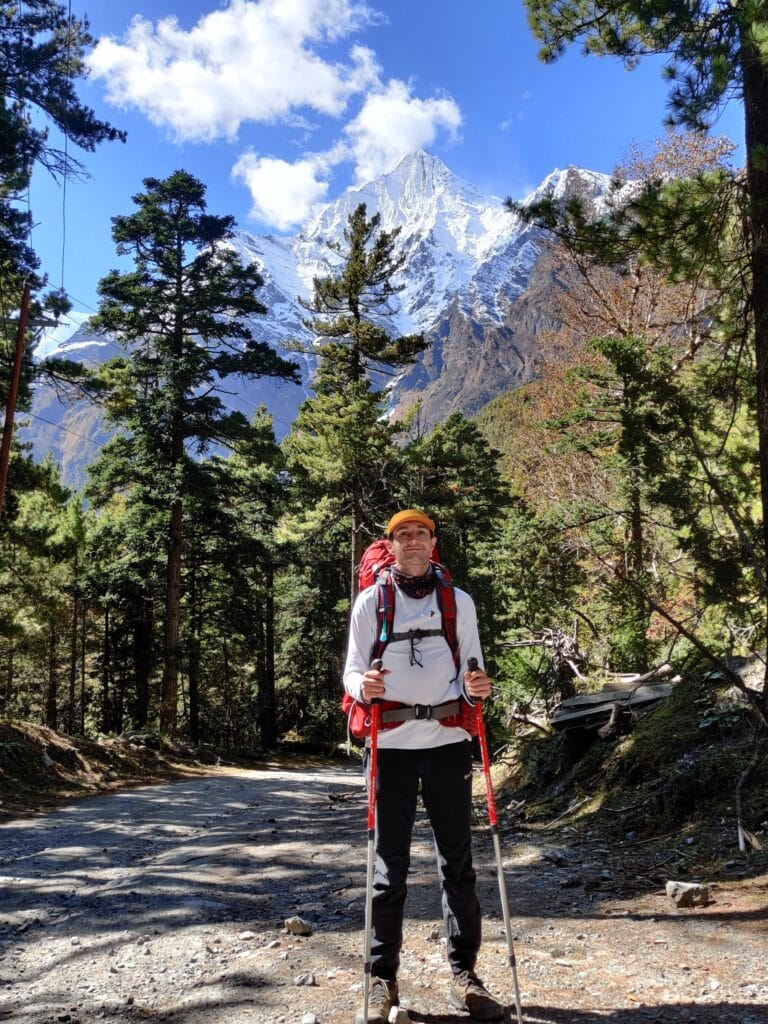
For breakfast, Tsampa porridge and pancakes were common options and great trekking fuel for the morning. By Trekking Day 3, the backpacks felt marginally lighter, and the body had adapted to the load even with the climbing & altitude. From Chame, the trek continues in thick pine forests similar to those of the Alps or North America. You’ll pass Brahtang with its impressive apple orchard that’s worth a stop for tea and apple doughnuts – to die for!
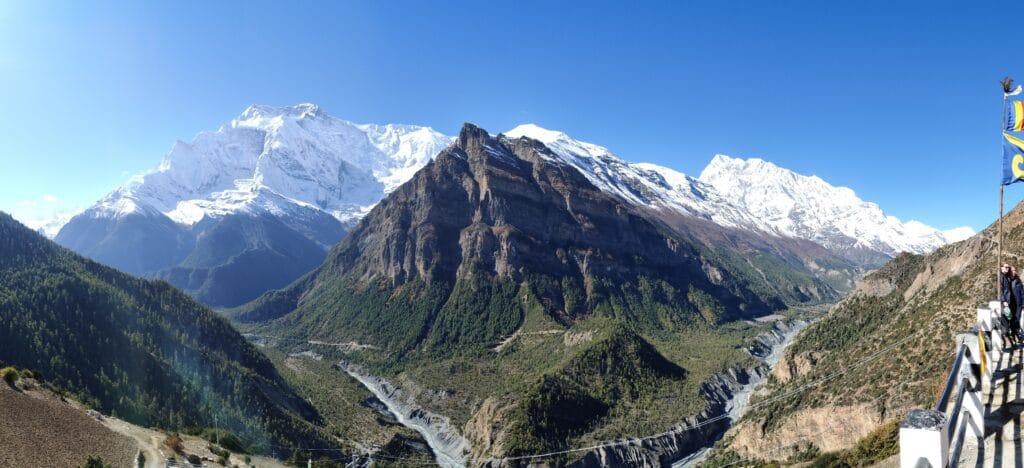
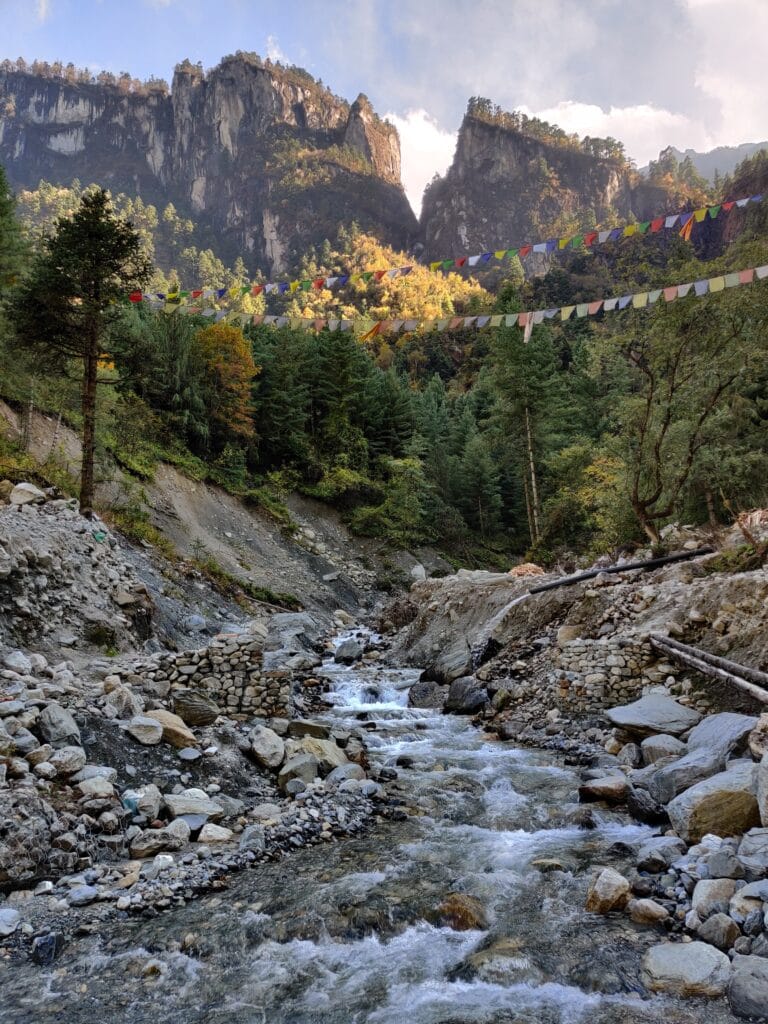
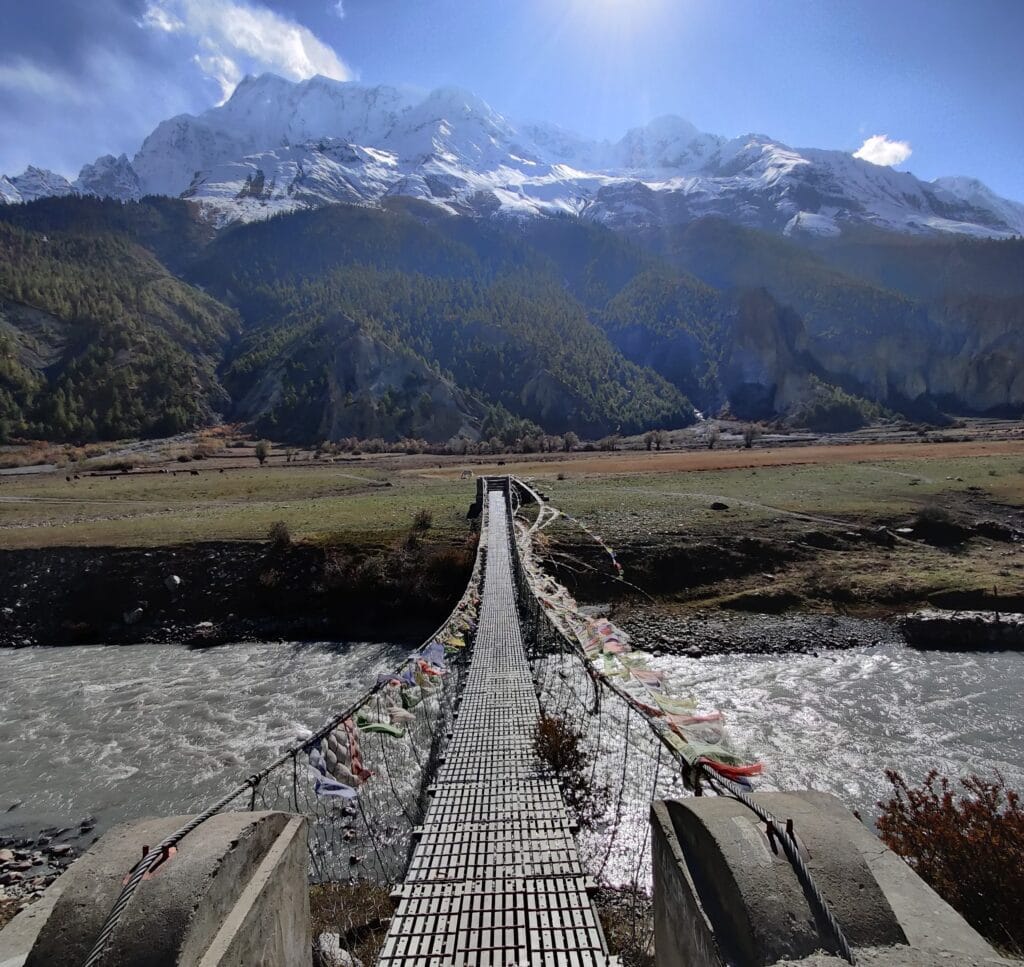
The trail felt busier from Chame towards Pisang, especially with mountain biking tours. The views of Annapurna 2 are some of my favourites from the Circuit! It was fun crossing the Tibetan-style bridges before reaching Heaven’s Gate (Paungda Danda), a gigantic curved smooth wall on the north side. It looms over the Marshyangdi River along with the Annapurna range opposite.
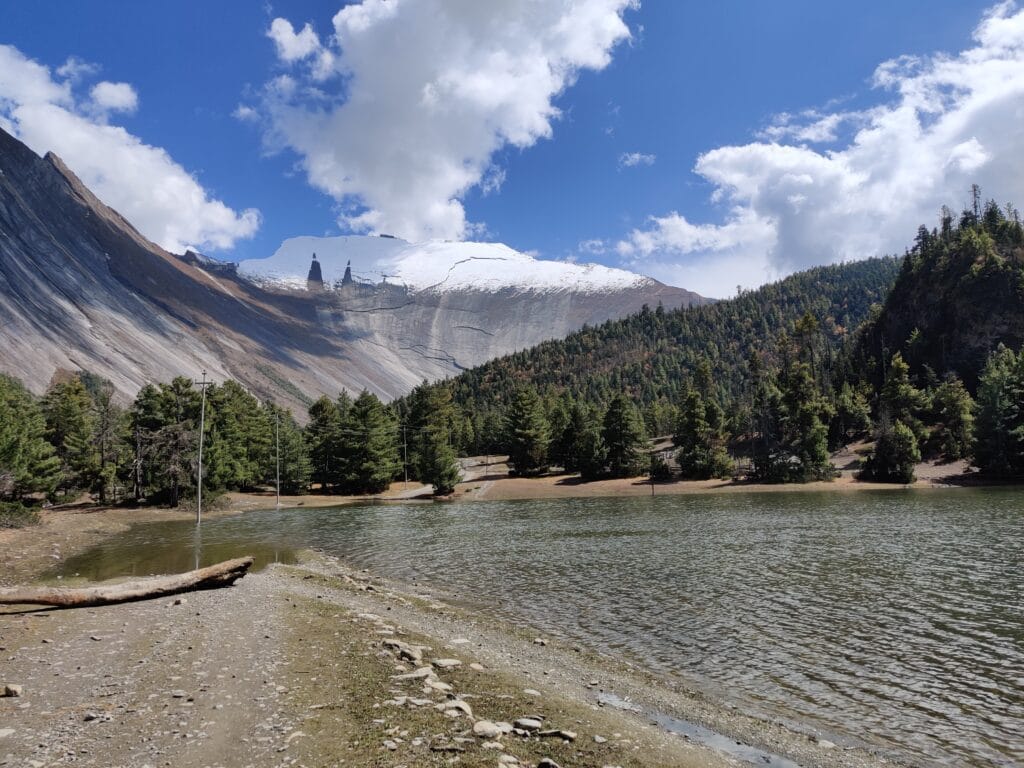
Another day and another Dal Bhat on a roof for lunch! As I hiked along the Circuit, I began to chat more with people and create a trekking bond as we shared that journey. The scenery changed again to be more arid and dusty towards Pisang with a large lake that engulfed football pitches.
We checked into Hotel Mandala and then explored the Gompa (Monastery), which was a definite highlight of the trip! The Stupa, Gompa and views across the valley to Annapurna 2 were spectacular. I fondly remember the evening of excellent Dal Bhat, drinking tea and sharing stories with a group of Dutch girls while playing cards. At night, we stood on the roof and stargazed before warming up by the log fire.
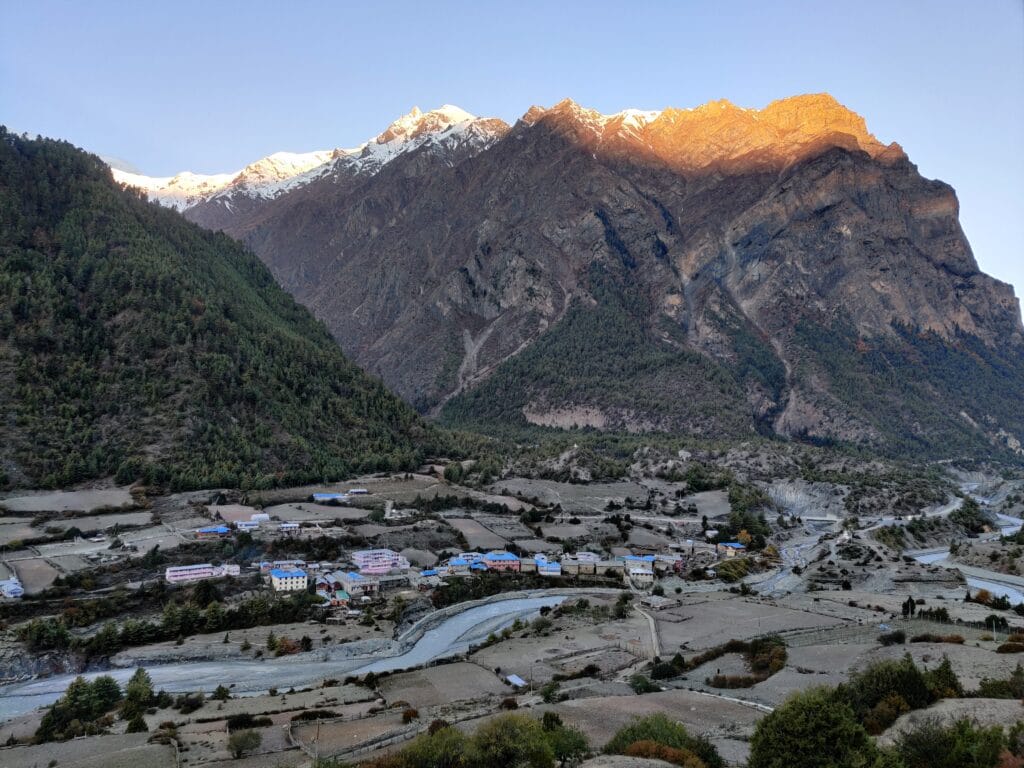
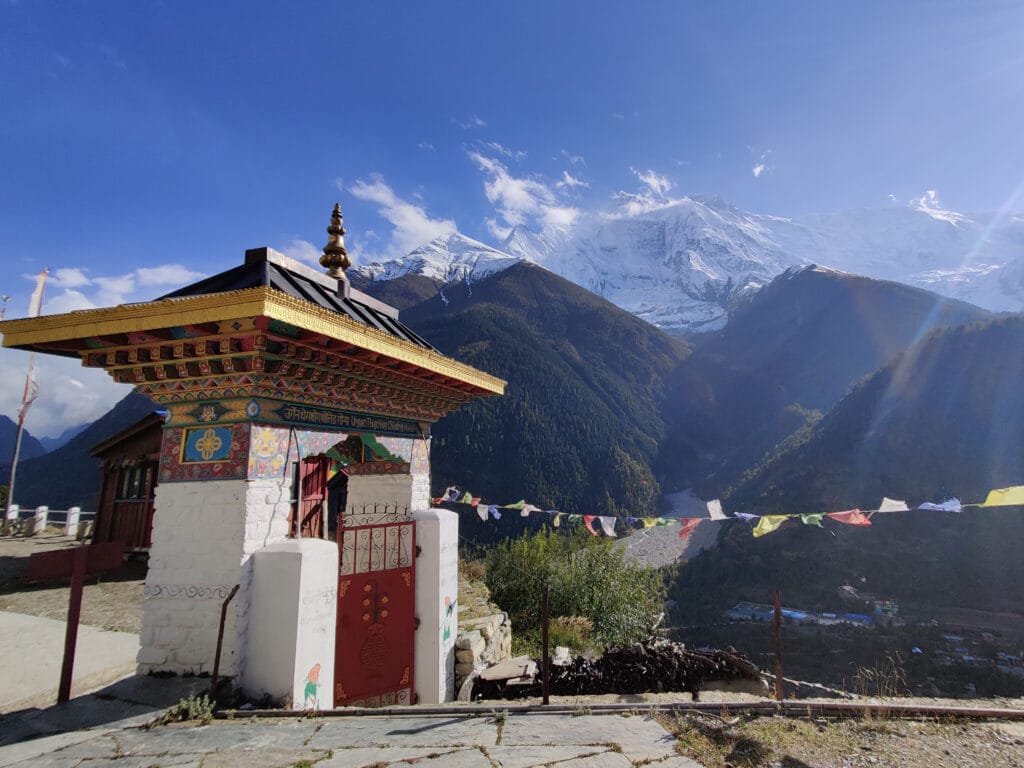
Annapurna Circuit: Day 6- Upper Pisang to Manang
Upper Pisang to Manang
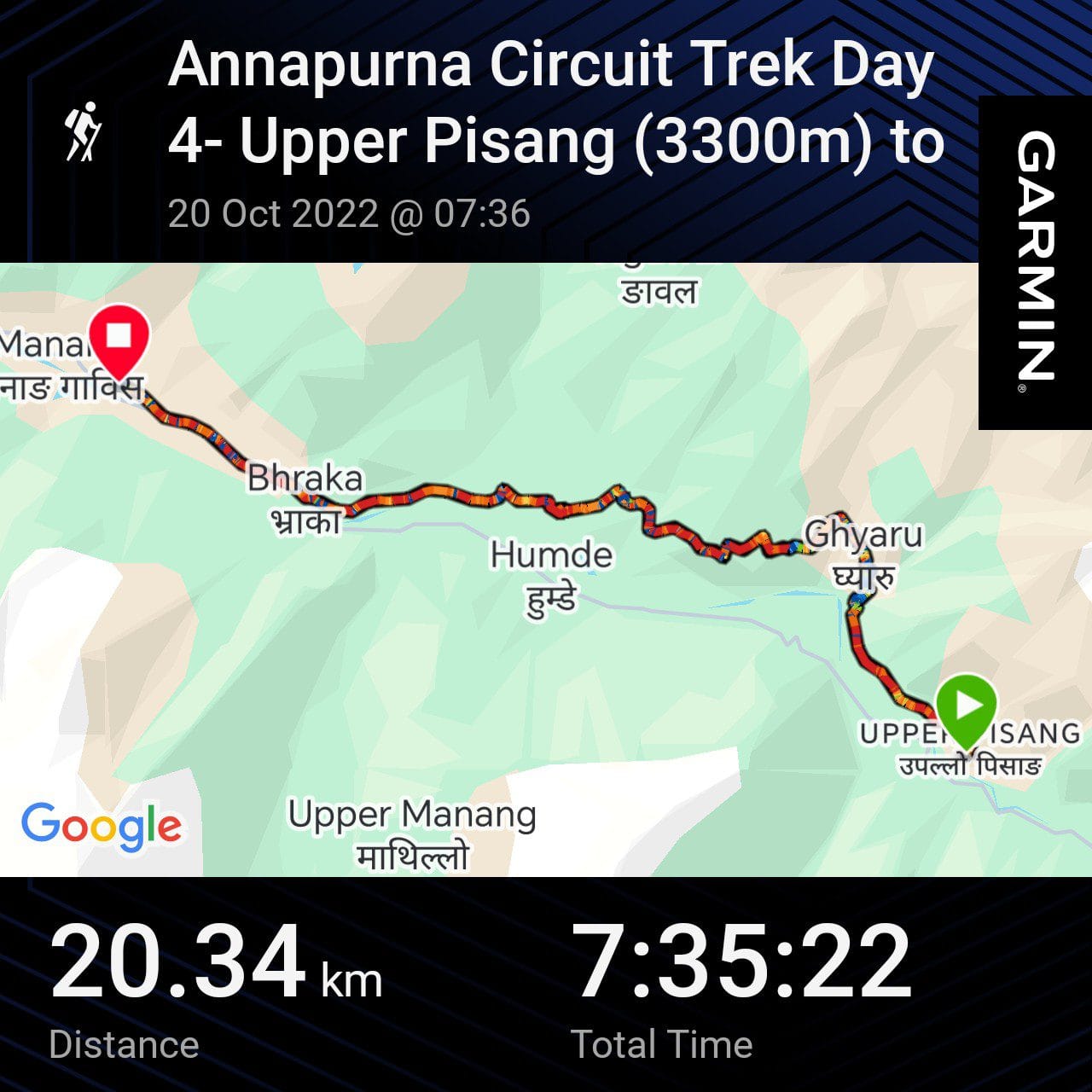
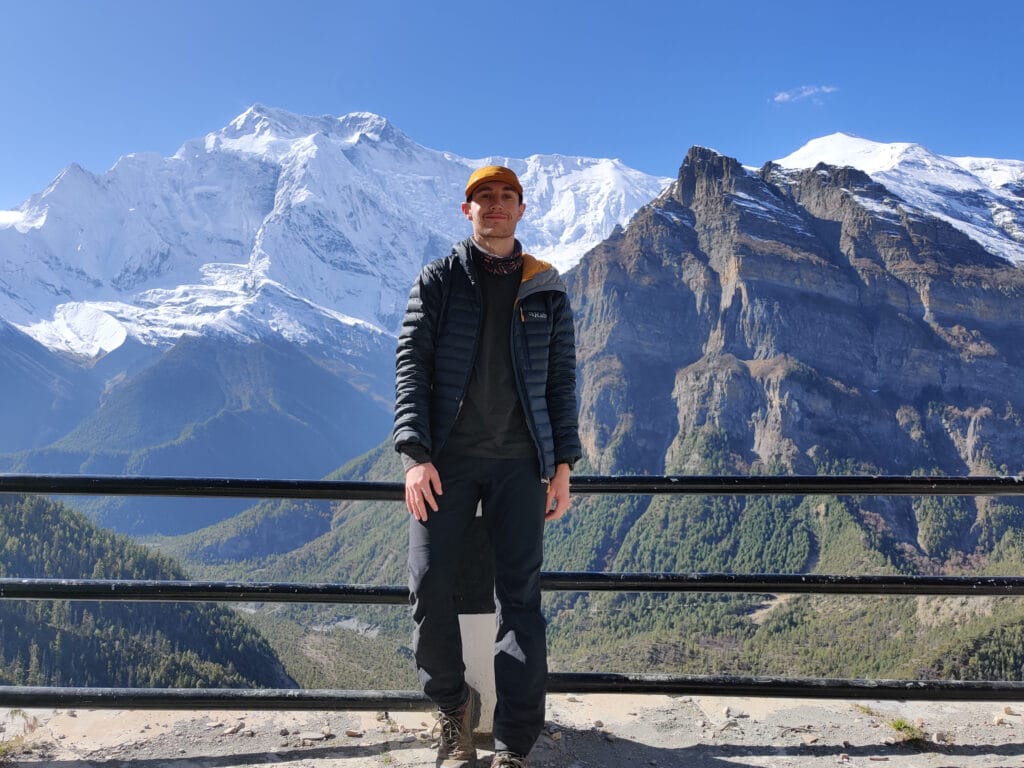
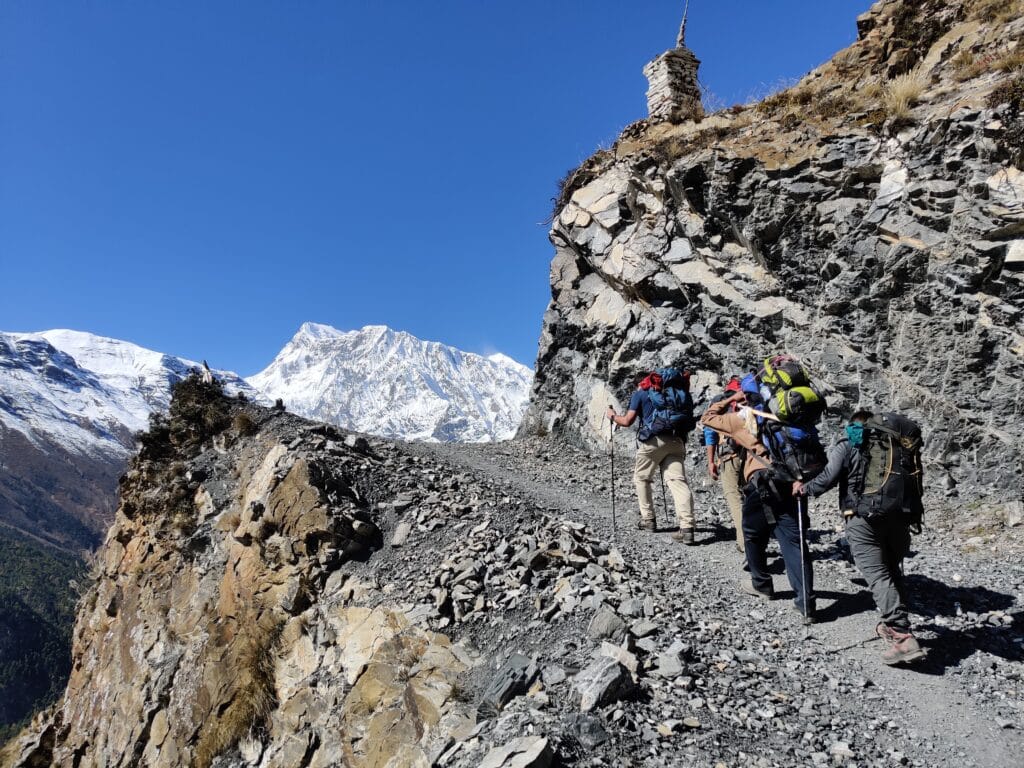
Trekking Day 4 had my absolute favourite viewpoint on the Annapurna Circuit Himalayas! After Upper Pisang, the gruelling climb up 350m to Ghyru is rewarded with a stunning panoramic view. It was tough going up the steep path, and the thin air became apparent. I enjoyed a quick apple pastry before taking pics at the viewpoint. The trail continues through wooden and stone buildings with a medieval look as we climb higher and higher. We stopped at a Stupa with another great panoramic view of the valley already climbed and what was to come.
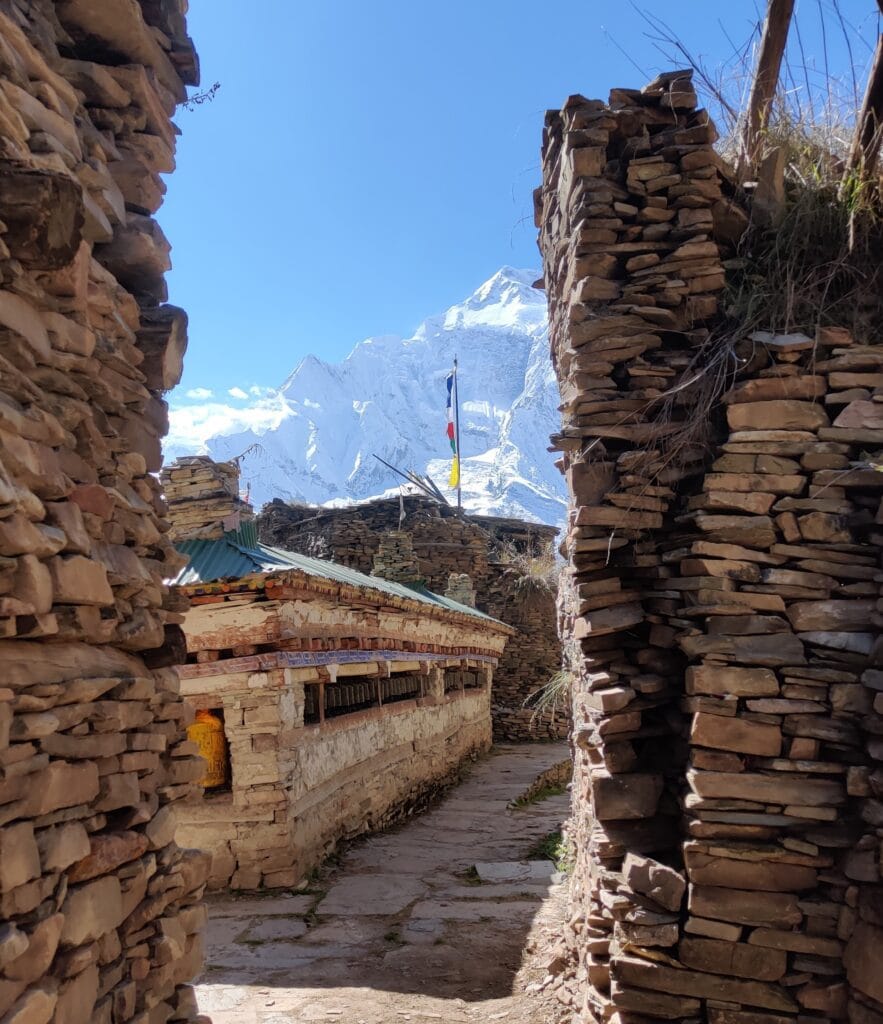
After lunch at Ngawal, we started the long easy descent, observing the jagged rock formations in the valley. We hiked past Brakha (ancient settlement) and the famous suspension bridge over the river, looking towards Annapurna. Finally, arriving in Manang for a 2-night stay, as Day 7 would be an altitude acclimatisation day. Manang is the largest town on the Annapurna Circuit Himalayas Trail, and it is where most Jeeps finish before returning down the valley.
There are plenty of shops selling souvenirs and supplies as the last place before crossing Thorong La. It’s a busy village full of trekkers, guides and porters with lots of teahouses to find food & a bed as well as several bakeries! I tried Nepalese Momos for the 1st time, and they were delicious veggie dumplings – I highly recommend them! A good night’s sleep with a slight lie-in after 4 days of trekking to rest the body was much needed.
Plan smarter
with TrekMind
Most trek planning tools are built for tourists. I built TrekMind because nothing else let me properly compare routes before committing — interactive 3D globe, 100+ routes, full itineraries, and elevation data for the world’s best trails.
How Annapurna Circuit impacted me
Trekking
The physical and mental challenge of carrying your backpack for miles every day, each day for 10 days, was very rewarding. I enjoyed the training to be as fit as possible but had to balance not hiking too fast to avoid poorly acclimatising. I really enjoyed the daily stages, which each had their own character and the simplicity of trekking to the next Teahouse. Life felt easy with no stress in the mountains; I could fully immerse myself in the trek and culture. The multiple days of hiking to create a larger trek made the completion more satisfying than most day hikes.
Natural Beauty
The images don’t do the reality justice, with magnificent Himalayan mountains overhead, clear blue skies and a colourful Buddhist influence along the trail. The climate was changing every few days, which tested the equipment and packing abilities. I learnt to respect the mountains as I felt insignificant in their presence, and you have no control over their power. Trekking can be dangerous, especially at high altitudes, where we heard stories of death at Tilicho Lake and injuries, so I was grateful for no injuries or sickness. The impressive peaks do give you a new perspective on daily stress and what matters.
Religion
My research explained about the religions in Nepal and the Buddhist influence in Annapurna. I have not been religious before but was open-minded and curious about Buddhism. Over the trek, I paid my respects, prayed for safe passage and learnt about the Gompas, Stupas (called Chortens in Tibet) and Prayer flags. With Tibet being so close, the influence is very strong before crossing Thorong La, where a Hindu influence in Muktinath is present. This is due to Muktinath being a holy site for religious pilgrims. Since my travels, I have resonated with some of the Buddhist teachings and practises, which have given me a greater calm and perspective.
Mindfulness
Step after step, day after day. There is beauty in how simple trekking is, and being surrounded by the mountains helps to relax and detox. Buddhism is known for its mindfulness practice, and I could see the similarities to mindful walking. I found the internal monologue quickly dissipated after 2 days of trekking along the Annapurna Circuit. For hours on end, I would happily hike up mountains, along valleys and through villages, being aware and present. I had limited phone and social media usage over the trip, which helped me disconnect from the distractions online. I have remembered these lessons and found similarities on other mountain treks.
Social Confidence
The fellow backpackers are what I remember most fondly, along with the companionship of my guide Dawa. It was difficult to leave the UK on my own, but I returned with a newfound confidence. As a solo traveller, it takes some bravery to spark up new conversations with strangers, but like any skill, it becomes easier with practice. By the time I had crossed Thorong La, I had met with around 15 other trekkers and was more outgoing from my new connections.
Nepalese People & Culture
My Guide, Dawa, was incredible throughout my trip to ensure I had the best time and would be very hospitable. And like other Nepalese, his kind and warming nature was matched with a wicked sense of humour. The happiness of the guides, porters and locals was infectious! But despite the landscapes and people, there is a reminder that Nepal is one of the poorest countries in the world. There is poverty to be seen everywhere, which is very humbling and shows how much we take for granted.
Food & Drink
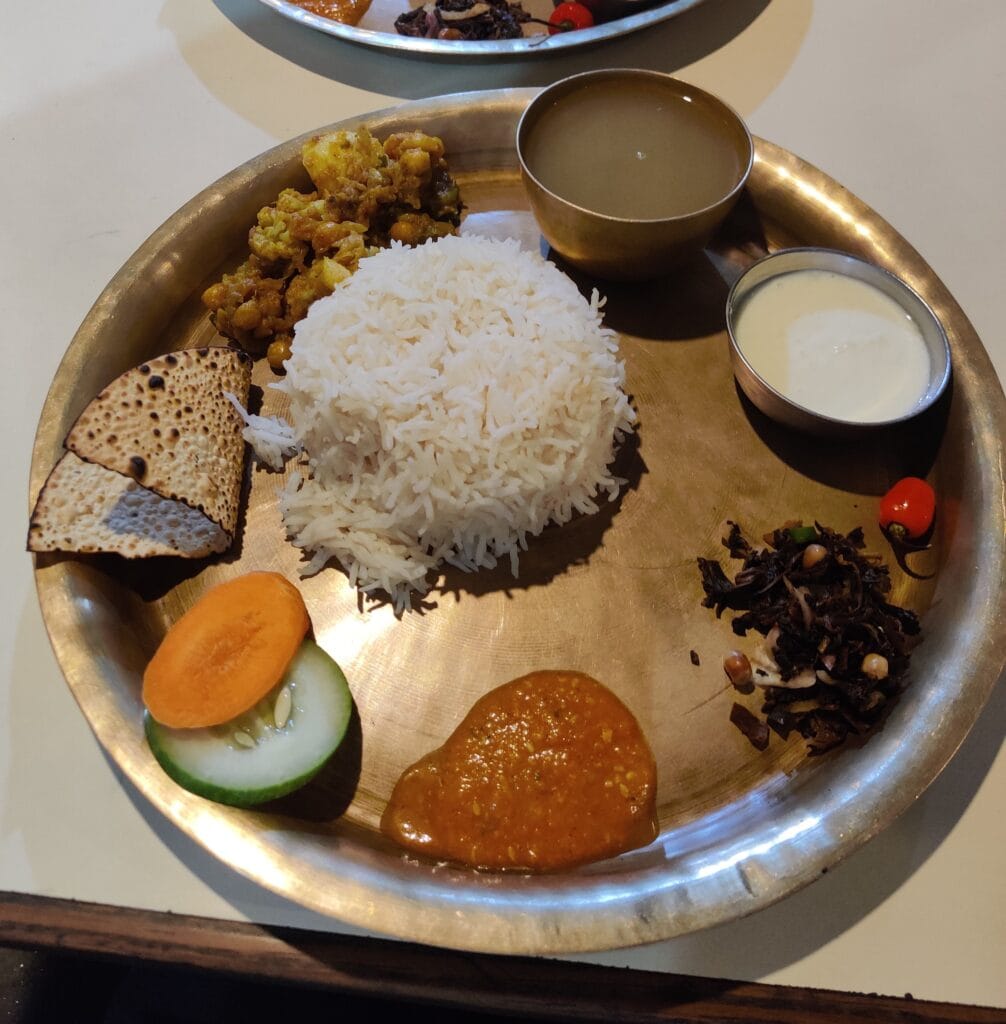
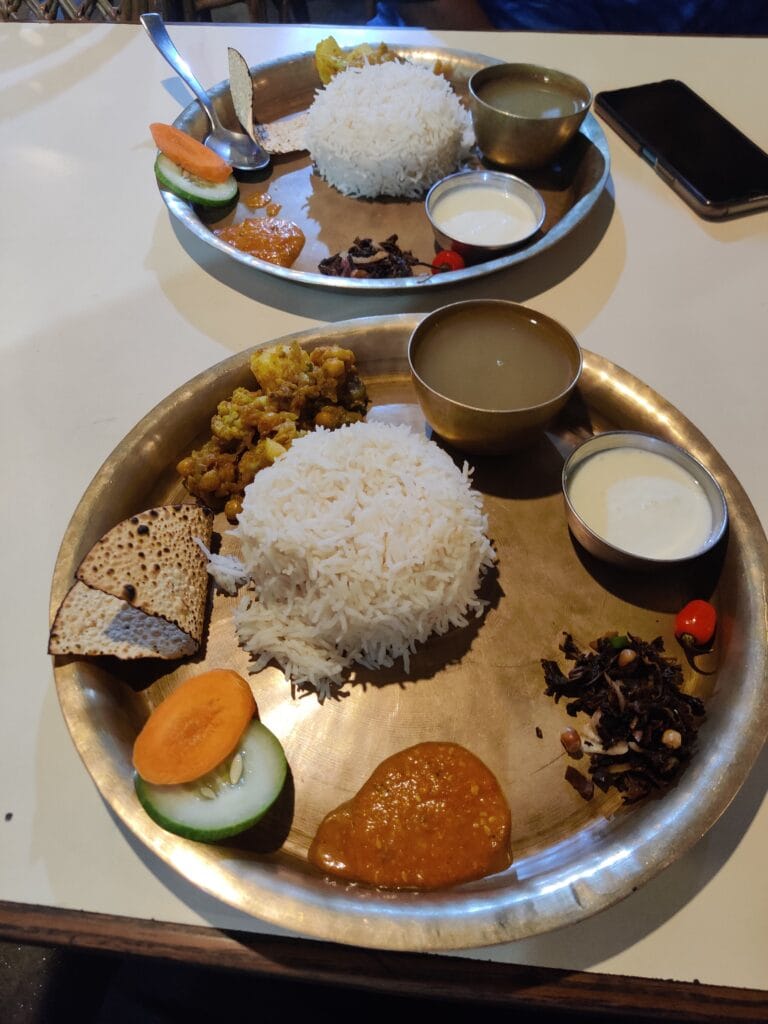
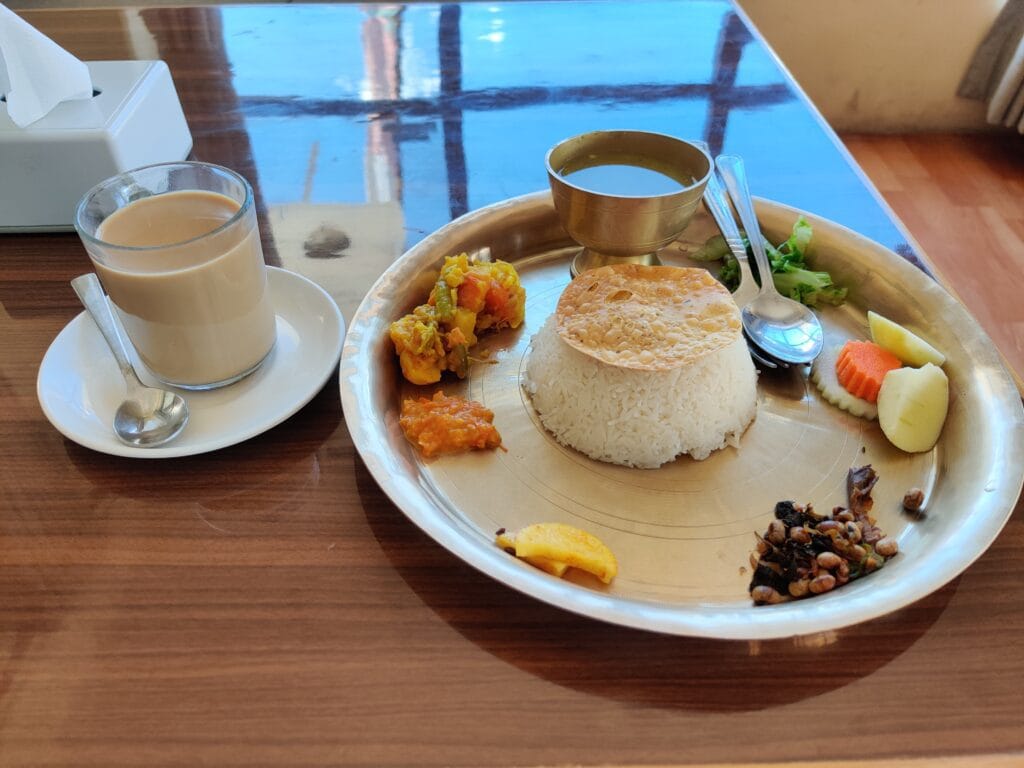
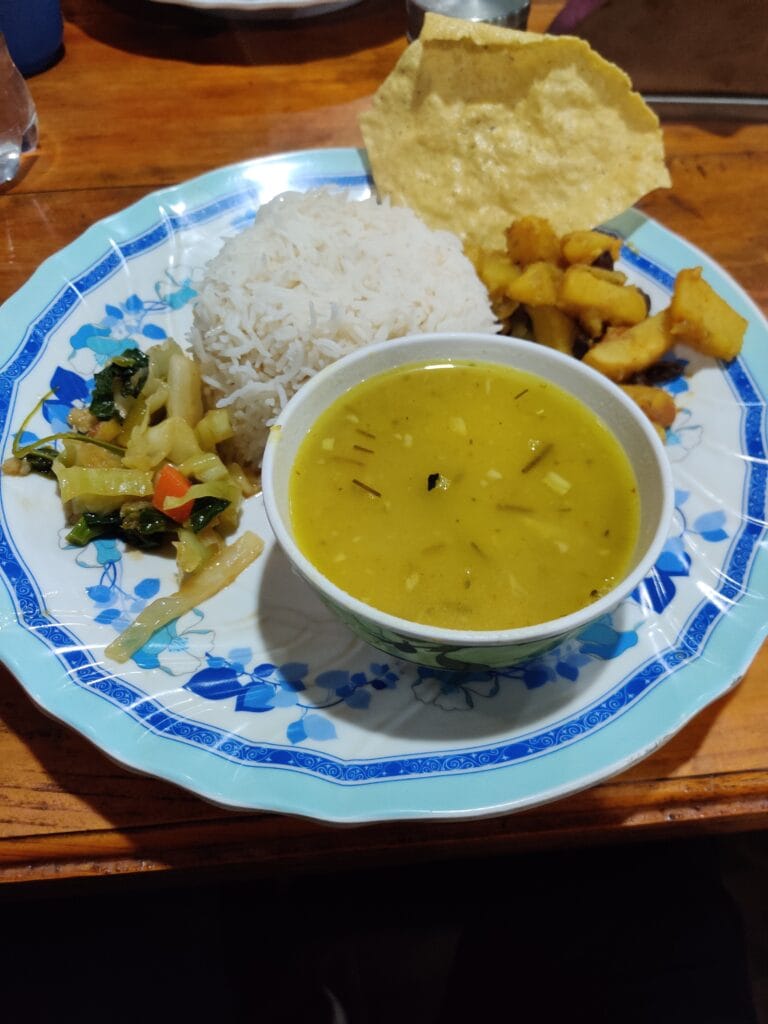
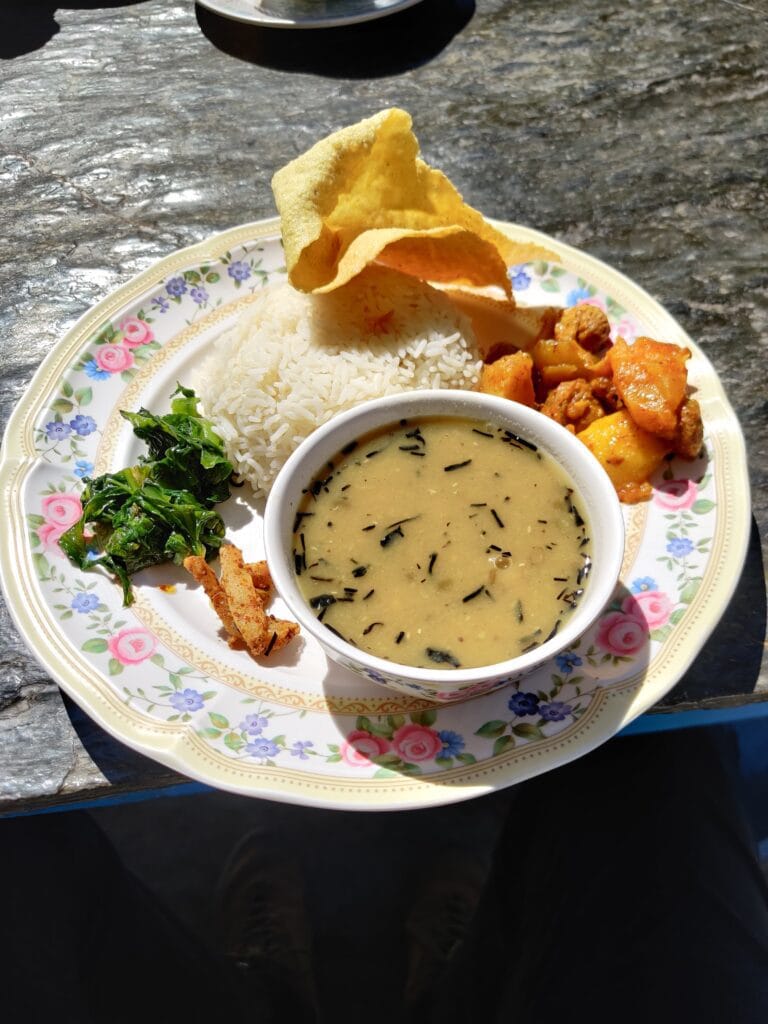
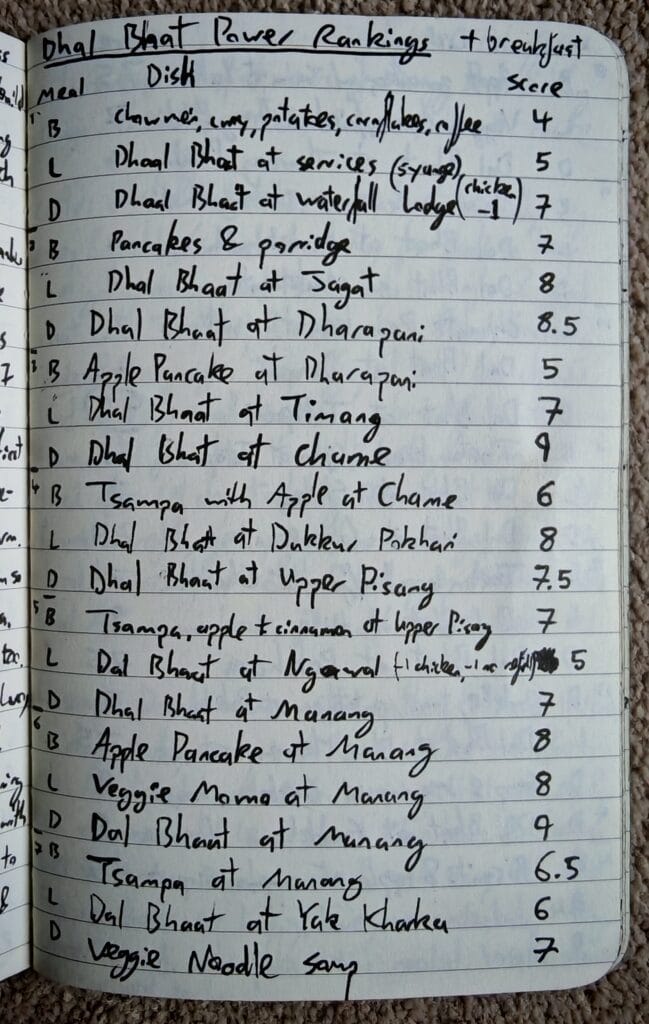
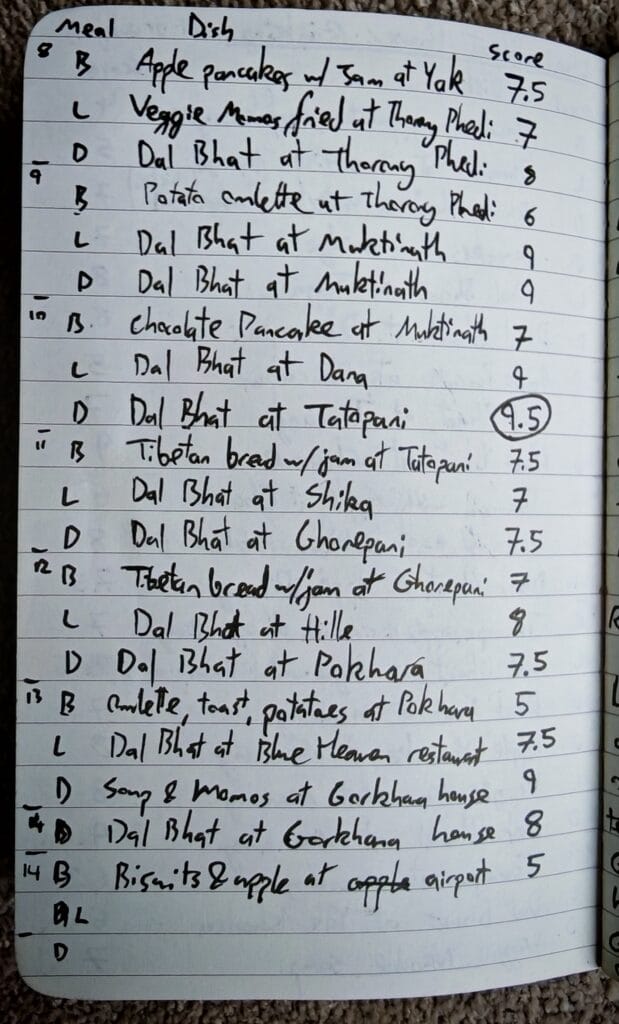
Dal Bhat is the national dish of Nepal and is served literally everywhere! It is a lentil & curry dish usually with salad, popadums, and chutneys served on thalis. My favourite phrase from the Sherpas and Porters was “Dal Bhat Power” because it’s the only meal needed to power the naturally physically gifted locals up at high altitudes. The best part is after you’ve finished, you can get a 2nd serving and even a 3rd serving!
This is a vegetarian dish, and I only saw a meat variant in Kathmandu & Syange. I love Dal Bhat so much I have learnt to make it at home, and it inspired me to create the Dal Bhat Power Rankings of all teahouse versions I tried. The best Dal Bhat I had was in Tatopani thanks to the spicy curry, the deep flavour of lentil soup and the addition of yoghurt.
Accommodation
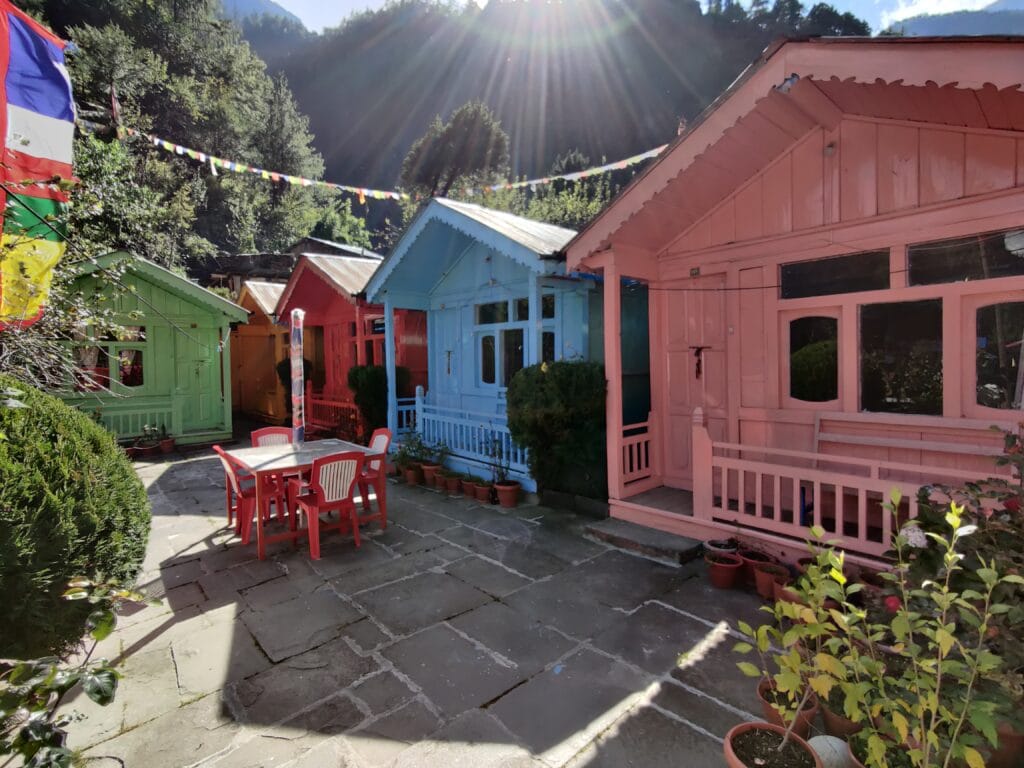
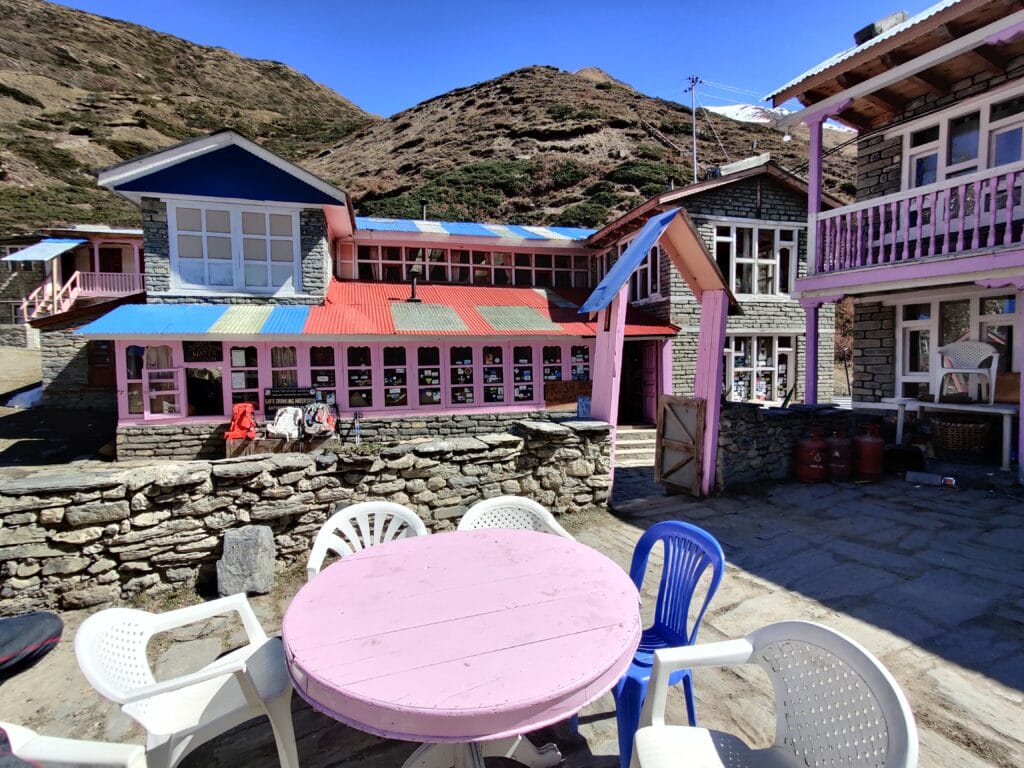
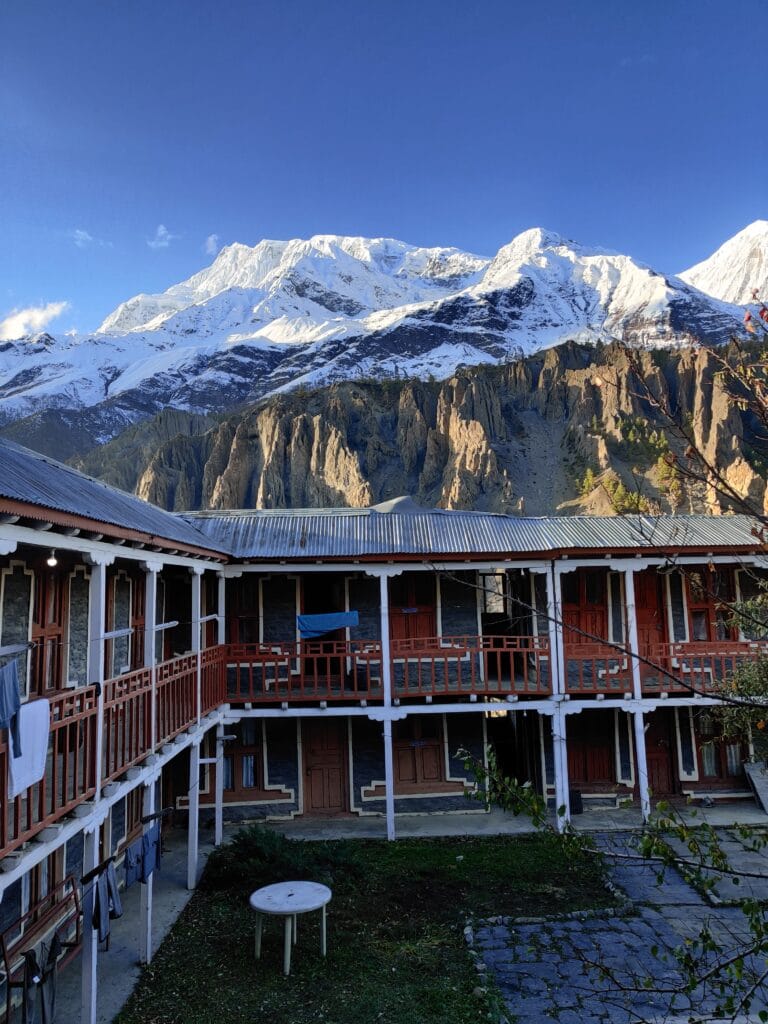
All of the accommodation in Nepal was indoors (No Camping) and varied in quality and facilities. As the tour package included Teahouses and Hotels, I cannot comment on the value of each accommodation. My Guide, Dawa, was a superstar in finding good teahouses along the route, and Ram (owner of Sherpa Trekking) had pre-booked Hotels in Kathmandu and Pokhara. Below is a summary table of the teahouses and hotels I stayed at, with Upper Pisang and Muktinath being my favourites!
Final Thoughts
The first six days in the Annapurna Circuit Himalayas were a complete introduction to Nepal trekking. The journey from Kathmandu to Manang had everything: chaotic roads, long travel days, teahouse stays, endless Dal Bhat, suspension bridges, forest trails, Buddhist villages and the first unforgettable mountain views.
What makes this section so memorable is the gradual build-up. At the start, the Annapurna Circuit feels distant and slightly overwhelming. But with each day on the trail, the rhythm becomes simpler: wake up, eat breakfast, walk, climb, drink tea, reach the next village and repeat. By the time we arrived in Manang, I felt fully immersed in the trek.
This first stage may not include the highest pass or the most famous viewpoint, but it is essential to the experience of trekking the Annapurna Circuit. It allows the body to adjust, the landscape to change slowly, and the scale of the Himalayas to reveal itself day by day. Places like Chame, Upper Pisang and Manang made the route feel more than just a checklist of trekking stops.
For anyone planning the Annapurna Circuit Trek, do not rush this section. The route to Manang is where the journey properly begins, where the culture becomes richer, and where the anticipation for Thorong La Pass starts to build. It was the first part of the trek, but also the part that made me realise this trip would stay with me for life.
Continue to Part 2 for the next stage of the Annapurna Circuit, where the route climbs higher towards Yak Kharka, Thorong Phedi and the legendary Thorong La Pass.
FAQs
Is the Annapurna Circuit Himalayas route worth it?
Yes, the Annapurna Circuit Himalayas route is absolutely worth it if you want a classic Nepal trekking experience with changing landscapes, teahouses, mountain villages, Buddhist culture and huge Himalayan views. The first stage from Kathmandu to Manang gives a brilliant introduction before the route climbs towards Thorong La Pass.
How long does it take to reach Manang on the Annapurna Circuit?
Most trekkers reach Manang around day 5 or 6 of the Annapurna Circuit, depending on transport, starting point and pace. This post covers the first six days from Kathmandu to Manang via Syange, Dharapani, Chame and Upper Pisang.
What is the first part of the Annapurna Circuit Trek like?
The first part of the Annapurna Circuit Trek gradually changes from busy roads and lower valleys into forest trails, mountain villages and high Himalayan scenery. By Upper Pisang and Manang, the views become much more dramatic, and the trek starts to feel properly alpine.
Is Manang important when trekking the Annapurna Circuit?
Yes, Manang is one of the most important villages on the Annapurna Circuit because it is a key acclimatisation stop before the higher route towards Yak Kharka, Thorong Phedi and Thorong La Pass. Many trekkers spend two nights in Manang to help adjust to the altitude.
Is the Annapurna Circuit Trek difficult in the first six days?
The first six days are challenging but manageable for fit hikers. The difficulty comes from repeated trekking days, long hours, rough trails, increasing altitude and basic teahouse conditions rather than technical terrain. The route becomes more demanding after Manang as it climbs towards Thorong La Pass.

Pingback: Thorong La: The Sensational and Famous Highest Trekking Pass - Backpacker's Mentality
Pingback: Poon Hill: The Best Himalayan Mountain Sunrise Hike - Backpacker's Mentality
Pingback: What Are the Best Tips for Backpacking for Beginners - Backpacker's Mentality
Really enjoyed reading this first part of the Annapurna Circuit journey from Kathmandu toward Manang. The transition from the busy Kathmandu Valley into the quieter Himalayan landscapes sounds incredible, and I especially liked the way the journey captures the gradual change in scenery and atmosphere along the route. Manang is such a fascinating section of the circuit, and I’m looking forward to reading the next part of the adventure!