Every Torres del Paine W Trek and O Circuit itinerary begins and ends in Puerto Natales. It’s the gateway town into Chile’s stunning Patagonian mountains. Most trekkers arrive focused on Torres del Paine and leave without giving the town much thought, using it as a base for logistics. After spending several nights here before and after the O Circuit, I realised Puerto Natales is more than just a transport hub and has truly charmed me.
Between the fjord views, excellent restaurants, gear shops and surprisingly good hostels, it’s one of the most enjoyable trail towns in South America. This Puerto Natales Travel Guide covers exactly where to stay, where to eat, how to get here and what to do with an extra day before or after the O Circuit or W Trek.
Why Every O Circuit Hiker Passes Through Puerto Natales
Puerto Natales doesn’t get talked about much, even compared to El Chaltén in Argentina’s Patagonia. Most of the writing on Chilean Patagonia treats it as a logistics stop — the place you pass through on the way to Torres del Paine; use it as a base camp to arrive, eat, sleep and then get the bus to the National Park. That undersells Puerto Natales, which buzzes with backpacker energy, excitement and memories from Torres del Paine. I spent one night here before starting the O Circuit and another night after, which gave me 2 afternoons, evenings and mornings to explore Puerto Natales, which very much grew on me.
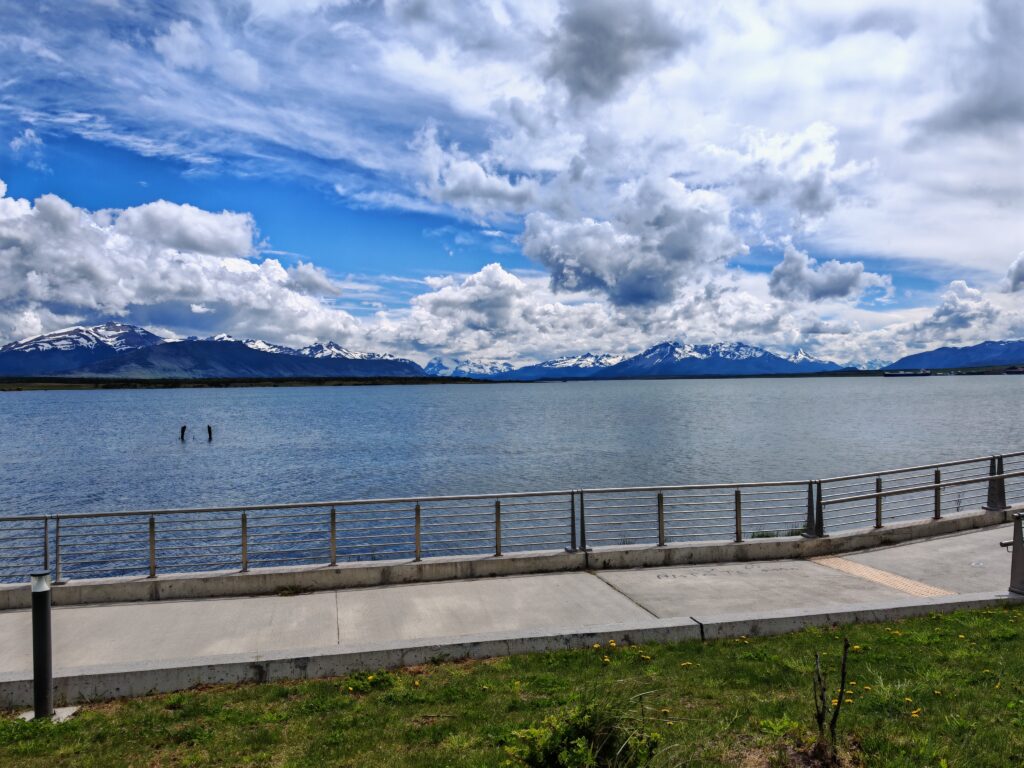
It sits on the shore of the Última Esperanza Sound — Last Hope Sound — a name with more poetry in it than most Patagonian place names, and one that fits the town’s low-key, windswept character. Corrugated-iron houses in faded pastel colours run down toward the water, condors circle over Cerro Dorotea on the edge of town, and the restaurant scene is disproportionately good for a place this size and this remote. There are plenty of shops to get last-minute supplies and souvenirs from Patagonia.
Whilst I’d recommend bringing your own tried and tested kit to Patagonia, it’s easy to rent gear if you’re backpacking in South America. Rental Natales would be the best place to rent backpacks, tents and camping gear for affordable prices. Another key importance for the town is the place to get transport from Terminal Rodoviario (Estación de Autobuses) to Torres del Paine National Park. This is around a 2km walk from Plaza de Armas Arturo Prat in the centre of Puerto Natales. And of course it’s useful to pick up last-minute food supplies from Unimarc, where it’s worth getting there in the morning whilst stock is better.
Finally, Puerto Natales is very useful for finding a comfortable hostel or hotel where valuables such as electronics and heavier luggage can be safely stored whilst visiting the National Park. Puerto Natales is a hub for travellers, which makes it ideal to meet like-minded people and share travel stories. I picked up useful tips before heading to Torres del Paine, such as weather tips and places to visit in Puerto Natales and then shared my experience with other W Trekkers after my O Circuit adventure. It’s a great town to relax after trekking; just be prepared for the vicious winds and unpredictable weather,
Need Help Planning the Patagonia W Trek or O Circuit?
This itinerary focuses on the day-by-day experience of hiking the Patagonia O Circuit, but successful planning starts long before you reach the trailhead. Learn how to book campsites, choose refugios, pack for Patagonia’s unpredictable weather, organise transport, and prepare for one of the world’s greatest trekking adventures.
Read the Complete O Circuit Guide
Tip 1. Getting to Puerto Natales
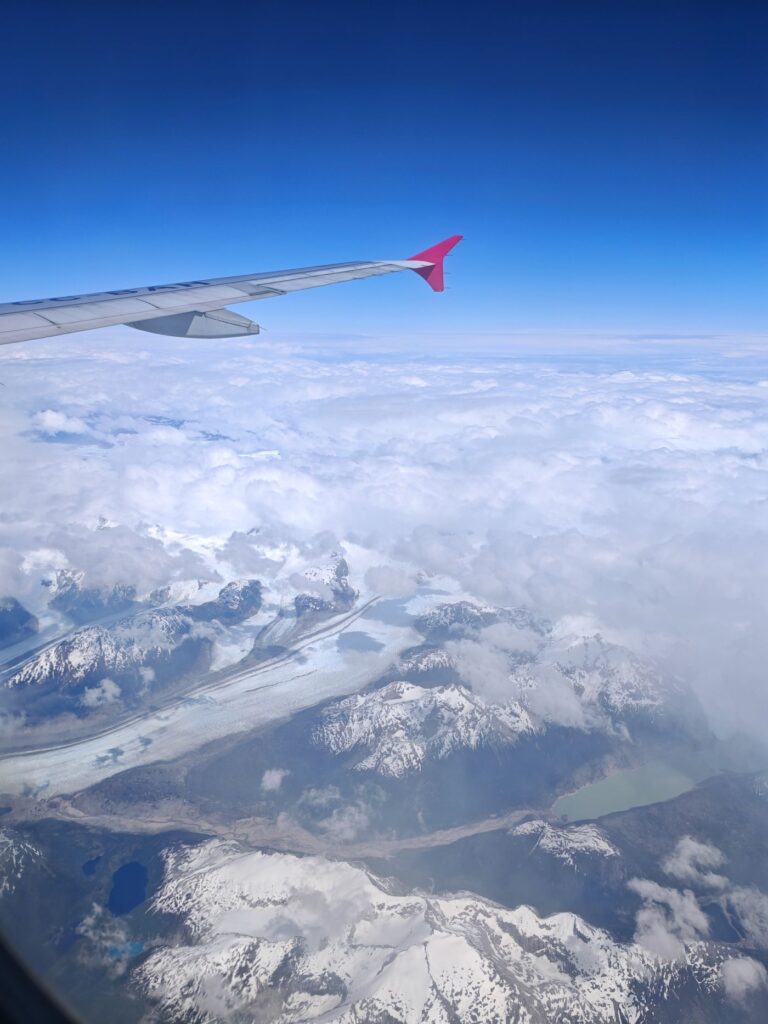
There is no major international airport in Puerto Natales itself. The small Teniente Julio Gallardo Airport (PNT) receives seasonal direct flights from Santiago (roughly 3 hours, LATAM and Sky Airlines, running September through April), which is worth checking if your dates align — it removes an entire transfer leg. When booking my campsites, I had to first check the flight availability and calculate the whole trekking itinerary around the flights, given they’re not daily. The other popular itinerary is travelling from El Calafate in Argentina via a bus or car rental. This allows you to see both Chile and Argentina’s amazing Patagonian mountains in a single epic trip with a long transfer day.
For the rest of the year outside of the trekking season— and for most international travellers arriving via Santiago regardless of season— the standard route is: fly into Punta Arenas (PUQ), Chile’s main Patagonian gateway airport, then take a bus or private transfer roughly 250km north to Puerto Natales.
| Route | Method | Duration | Notes |
| PUQ → Puerto Natales | Bus (Bus Sur / Buses Fernández) | ~3–3.5 hrs | Cheapest option; departs roughly every 2–4 hrs; ~$15–20 USD |
| PUQ → Puerto Natales | Private transfer | ~3 hrs | Door-to-door; priced per group, cheaper per head with 4+ people |
| SCL → PNT (direct) | Flight (LATAM / Sky, seasonal) | ~3 hrs | Sept–Apr only; skips Punta Arenas entirely; taxi 10 min to town centre |
| El Calafate (ARG) → Puerto Natales | Bus (cross-border) | ~5–6 hrs | Popular if combining with Argentine Patagonia / El Chaltén |
| Puerto Montt → Puerto Natales | Navimag Ferry | ~4 days | High season only; scenic but slow — for the journey itself, not efficiency |
The flight from Santiago directly to Puerto Natales is the most straightforward option and the one I’d recommend for most trekkers. It’s better to plan the itinerary carefully around availability, and this saves added stress of flying and then getting a long bus journey. If you choose the bus option from Puerto Arenas (much larger town than Natales), then Bus Sur and Buses Fernández both run frequent daily departures from Punta Arenas Airport, taking around 3 to 3.5 hours through open Patagonian steppe. Keep an eye out the window — sheep, rheas, and if you’re lucky, flamingos are a common sight along the pampas.
If you’re travelling with a group of four or more, a private transfer starts to make financial sense and saves the wait for scheduled departures. Book at least 24 hours ahead in peak season (November–March) as both bus and private transfer capacity gets tight. Coming from Argentina, the El Calafate to Puerto Natales cross-border bus is a popular route if you’re combining a Patagonia trip with El Chaltén or the Perito Moreno Glacier — figure on 5 to 6 hours including the border crossing.
Getting from the Airport to town is a quick journey with many taxi ranks trying to grab your attention. There are shared and private airport shuttles run between Teniente Julio Gallardo Airport (PNT) and accommodations in Puerto Natales. The ride takes about 20 to 30 minutes, and a one-way shared shuttle costs around 4.000 CLP ($5 USD) per person. I chose to do the Shuttle on arrivala nd deoparture, which worked smoothly and could be picked up/dropped off at the hostels. It’s worth noting that Teniente Julio Gallardo Airport is tiny, so there’s not much of a departure lounge with a small coffe/snacks counter and plenty of seats whilst you wait to depart.
2. Where to Stay in Puerto Natales
Puerto Natales has accommodation across every budget, and given its role as the Torres del Paine’s staging town, most places are well set up for trekkers — gear storage, early breakfasts, and laundry service are standard rather than exceptions. You can easily find a backpacking community at a hostel to make friends and explore Puerto Natales or a quiet hotel to relax and recover.
Last Hope Hostel (Before the O Circuit)
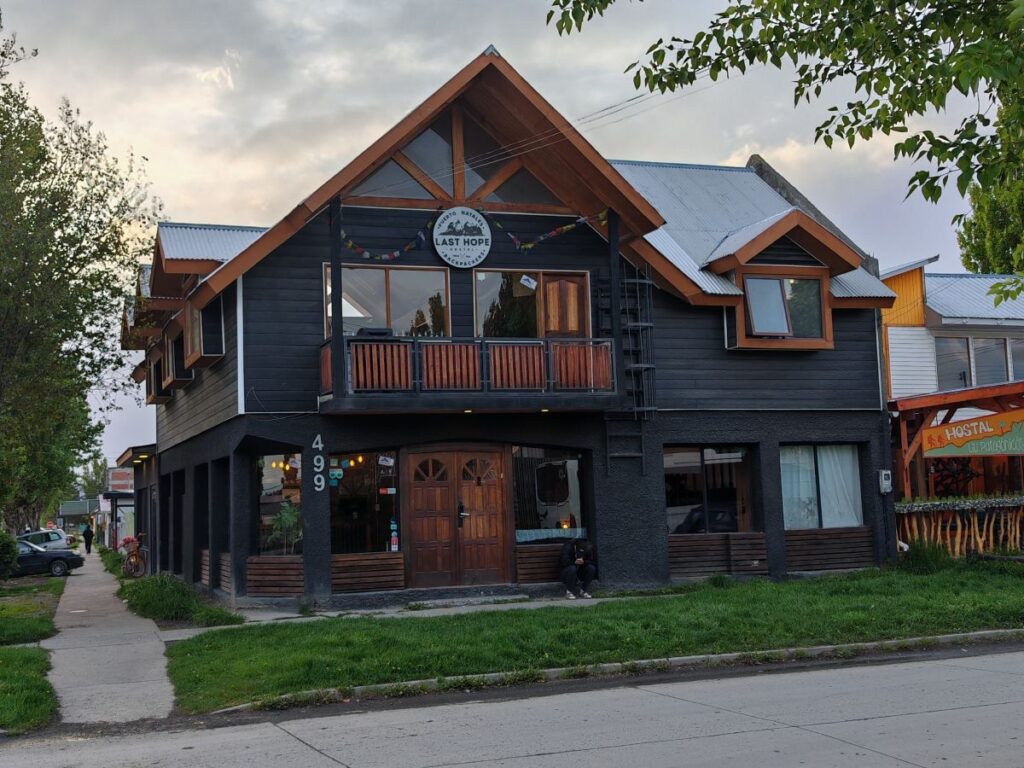
Last Hope Hostel had the highest HostelWorld Rating in Puerto Natales and was perfect for my first night before trekking in the Park. Diego (Hostel Host) was very welcoming and helpful when checking in before settling into the chilled hostel atmosphere. The rooms were clean and had enough space to organise my backpacking gear for the following day. It was very easy to meet other travellers and share stories. Initially, I was bunking with 3 other English trekkers who had all just come back from Torres del Paine. The lounge and kitchen upstairs are spacious, and Diego puts on an early breakfast from 6am, which is ideal to check out and get to the bus terminal.
The hostel is a 10-minute walk into the town centre for restaurants and shops. The bus terminal to get the Bus Sur coach to the park was around 20 minutes. There is also a luggage store available in case you’d like to leave any valuables or larger luggage whilst in the national Parl. Additionally, there is fast and free WiFi and a laundry service for cleaning dirty trekking gear. Overall, this budget hostel, which costs around $9.44 to $11.50 USD (approximately 9,000 to 11,000 Chilean Pesos / CLP), is a great option for solo travellers and backpackers preparing for Torres del Paine W Trek or O Circuit.
Yagan House Hostel (After the O Circuit)
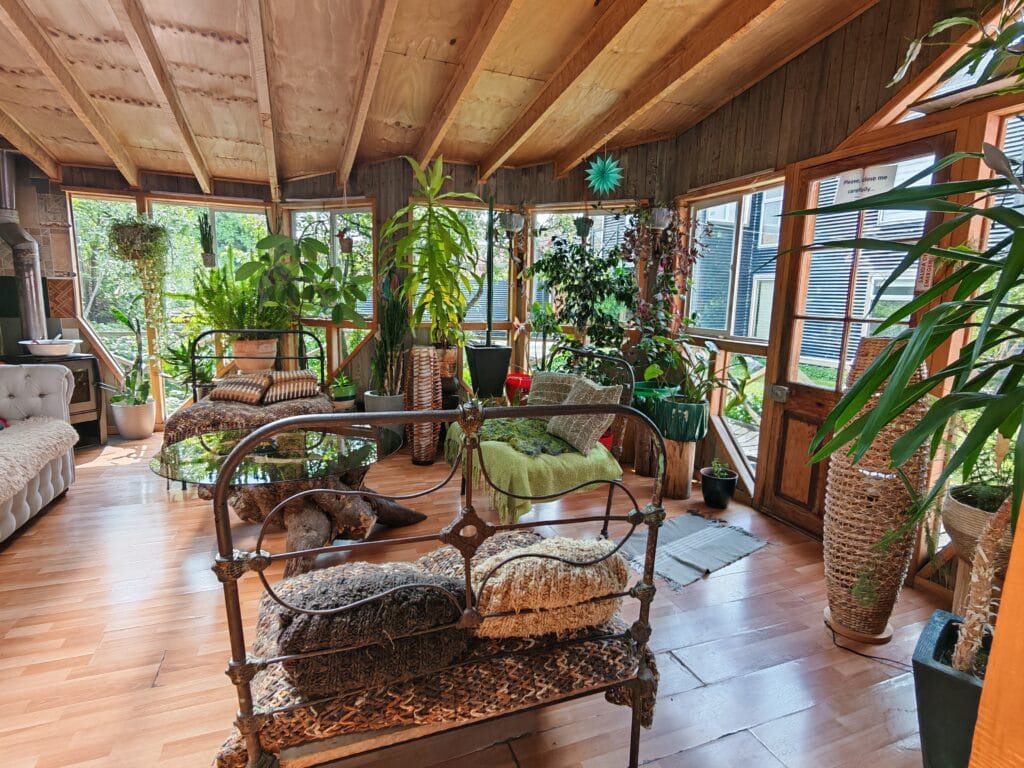
In comparison to Last Hope, this quieter and more relaxing hostel is ideal for psot trek recover. The decoration feels more natural, sustainable and homely, with comfortable dorms and private rooms available. It’s not as busy or popular as other Hostels but has excellent relaxation areas, and it’s easy to organise tours or rentals from Yagan House. What stood out was the incredible homemade breakfast in the morning and the hot shower, which was heavenly after the cold communal showers at the campsites.
Like most other hostels, there is a luggage store which I used before checking in at 2pm and free wifi. YaganHouse, with its more sustainable and attractive cosy style, is more expensive at around osts around $20 USD (approximately 19,000 Chilean Pesos / CLP) for a 4-bedroom dorm and much more for a private double. Yaganhouse is ideal for post-trek recovery and longer stays in Puerto Natales.
| Tier | Pick | Approx. Price/Night | Best For |
| Budget | Hostel Last Hope or Yaganhouse | $10-20 USD | Solo trekkers, dorm or private, communal kitchen |
| Mid-Range | Hotel Simple Patagonia | $150–220 USD | Comfort + fjord views without luxury pricing |
| Luxury | The Singular Patagonia | $370–810 USD | Post-trek recovery; converted 1915 cold-storage plant, spa, sound views, 5* hotel |
Alternatives to Consider
Budget: Hostel Amerindia
Hostel Amerindia is a tidy, modern hostel with individual room heaters, comfortable beds, and communal areas built around a wood-burning stove — useful after a cold day on the trail. The attached café does solid vegetarian and vegan food, handy if your diet runs that way.
Mid-Range: Hotel Simple Patagonia
Simple Patagonia sits right on the waterfront with clean, minimalist rooms and views over the Last Hope Sound that punch well above the price point. It’s the pick if you want comfort and a proper bed to recover in post-trek without paying luxury rates. Good breakfast, functional and quiet — exactly what you want the night before an early Circuit start.
Luxury: The Singular Patagonia
If you’re treating yourself after 8–10 days on the O Circuit, The Singular is the standout. It’s built into a beautifully restored 1915 Frigorífico Bories cold-storage plant — part hotel, part industrial heritage museum, with the original machinery still on display throughout the property. Rooms look out over the fjord, there’s an indoor pool, sauna, and spa, and the on-site restaurant is one of the best in the region in its own right. It’s a genuine reward after a long trek, and worth the splurge if the budget allows.
3. Where to Eat in Puerto Natales
This is the part that surprised me most when visiting Patagonia. For a town of roughly 20,000 people at the edge of the map and of South America, Puerto Natales has a genuinely excellent food scene — built substantially around the region’s signature ingredient: centolla, Patagonian king crab, caught in the cold fjord waters right outside town and accommodating trekkers’ appetites.
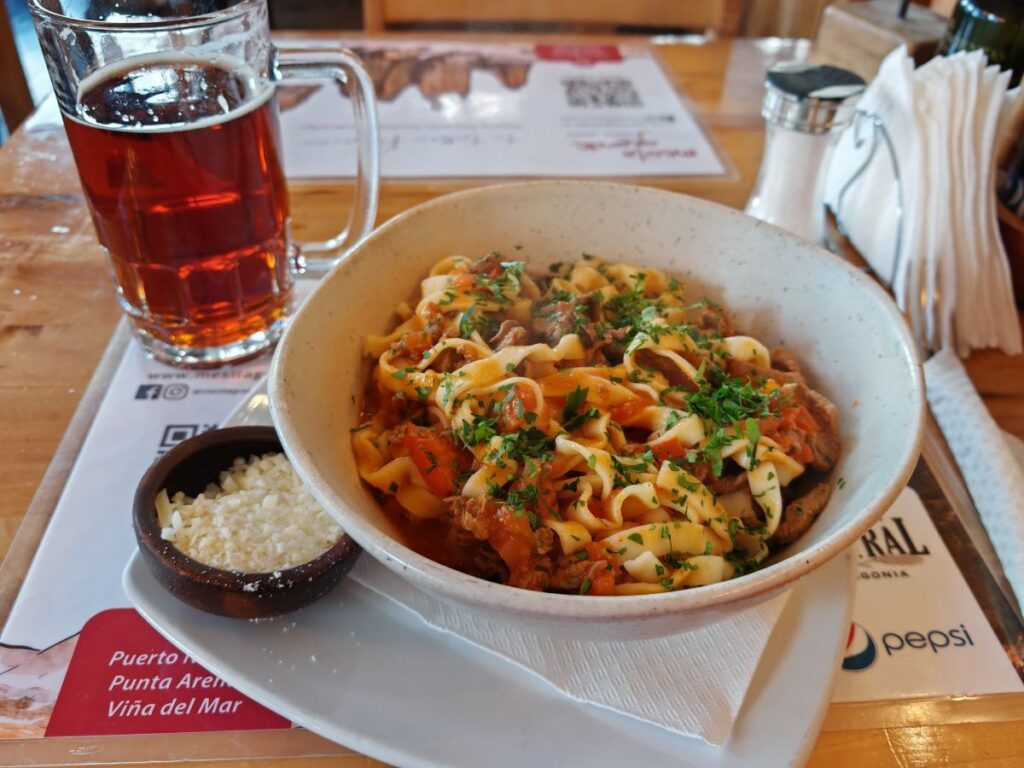
- Mesita Grande – My favourite restaurant was this excellent Italian restaurant located on the square, which served great pizza, pastas and one of the best Tiramisus I’ve had! Every time I walked past, the restaurant was busy, and I was lucky to even get a table. I bumped into multiple trekking friends there, and it made for a great celebratory meal. In particular, the Patagonian Lamb pasta was incredible.
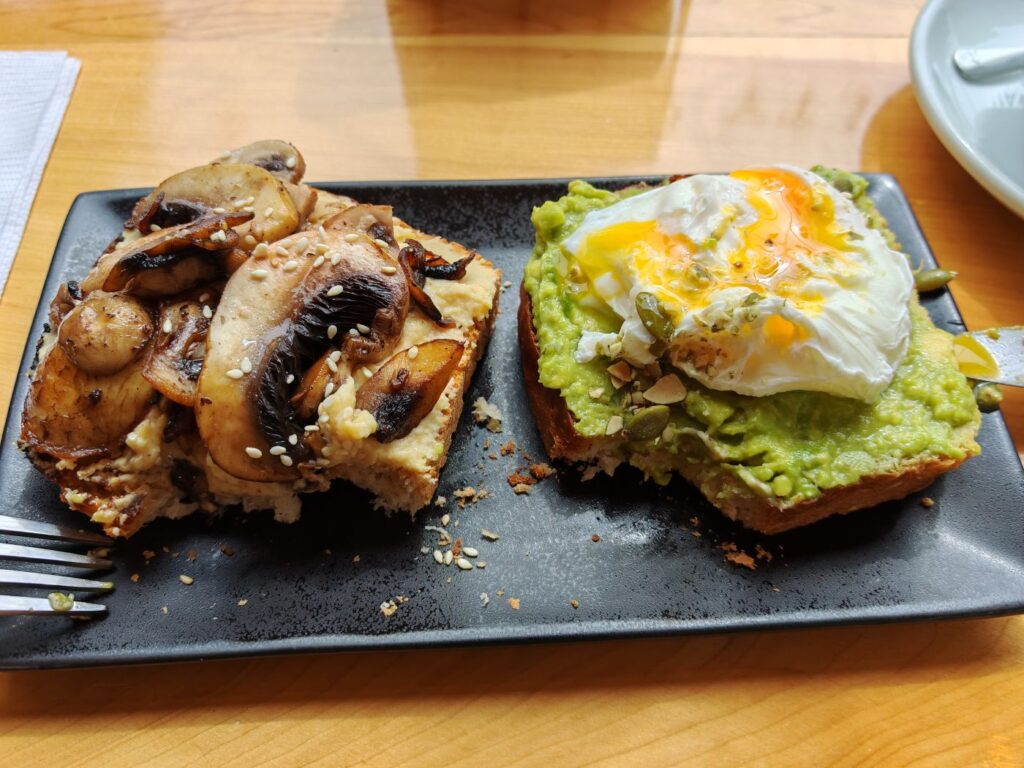
- Holaste! Speciality Coffee – My first stop in Puerto Natales was for coffee and lunch after dropping off my backpack at the hostel. Holaste is a small but charming coffee house with incredible toasts and aromatic coffee. I thoroughly enjoyed my lunch and took my time not to rush the flavours.
- Santolla — The centolla specialist and one of the most authentic and popular in the town. Housed in converted shipping containers with a cosy, industrial-chic interior, the menu is built entirely around king crab — the chupe de centolla (a rich king crab pie with cheese) is the dish to order. Reservations are highly recommended in high season.
- JAU Restaurant — A grill and barbecue spot locals and trekkers rate highly for Patagonian lamb with chimichurri — simple, well-executed, and a good antidote after days of trail food or teahouse dal bhat equivalents. The ceviche also gets consistent praise.
- The Singular Patagonia Restaurant — Fine dining even if you’re not staying at the hotel — open to non-guests and worth the splurge for a final-night dinner. Guanaco and Patagonian hare feature on a menu that leans into the regional ingredients rather than generic “fine dining” fare.
- Last Hope Distillery — The world’s southernmost distillery, and the best bar in town by a distance. They run a small-batch gin and whisky operation using local ingredients — the Calafate Gin, made with the same wild berry found across Patagonian hiking trails, is the one to try. Book the distillery tour if you have an afternoon free; otherwise just show up for a well-made cocktail and a well-stocked bar.
- Helados La Dorotea — A genuinely excellent artisanal gelato shop for a post-trek treat — Patagonia Blend coffee is also on the menu. Portions are generous; a single scoop will likely be plenty.
4. Where to Buy Last-Minute Trekking Supplies & Souvenirs
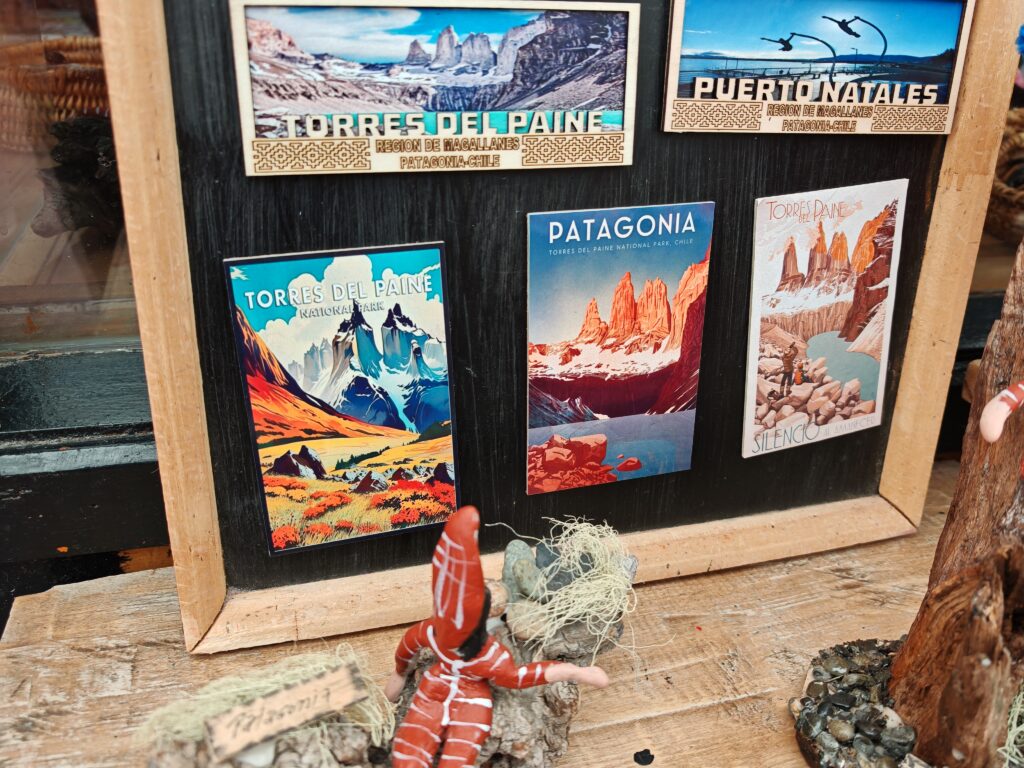
While Puerto Natales is best known as the gateway to Torres del Paine, it’s also the ideal place to stock up on last-minute supplies, outdoor gear, and Patagonia-inspired souvenirs before heading into the park. For groceries and trail food, Unimarc is the most convenient supermarket in town, offering everything from stove fuel and snacks to fresh food for your first few days on the trail. I used Unimarc to grab snacks before leaving the next day but noticed the stock was pretty low in the afternoon.
If you’re after outdoor equipment, you’ll find several trekking outfitters and gear rental shops around the town centre, with Rental Natales being the most popular place to rent backpacks, camping gear and hiking equipment for the treks. If you’re looking to buy outdoor clothing, then One Aco Outdoorshop, Volkanica Outdoors and 0W Shop – Patagonia are the best options I found. I even purchased a Patagonia blue T-shirt from 0W Shop because when iN Patagonia, I had to buy a T-shirt as a souvenir.
If you’re looking for generic souvenirs, then Clerc Souvenirs had all the popular gifts such as magnets, clothing and other small items. I would recommend doing any shopping afterwards to save carrying any unnecessary weight during the hard days trekking. My favourite shop to buy posters and all other assortment of Patagonia-themed gifts was Restaurante Ñandu, which features a cafe/retsurnat on one half and a well-stocked shop on the other half. For more artisan local gifts, then check out Pueblo Artesanal. Artesanías De La Patagonia, where local artists and crafters sell their amazing products. Finally, Wine & Market Patagonia is worth a visit if you’re looking for wine and food produce from the local region.
5. Things to See and Do in Puerto Natales
Most people build in one or two spare days around the Circuit as a weather buffer, or simple recovery. Here’s how to use that time well. I didn’t have an extra day, as I spent my additional day in Santiago and on a day trip to the Andes instead.
Cerro Dorotea
The town’s local mountain and, in my view, the best half-day activity in Natales. A steep but well-marked 4km round-trip trail climbs through lenga forest to a summit viewpoint over the entire Última Esperanza Sound and the surrounding Patagonian range — a genuinely spectacular panorama for around 2–3 hours of effort. The trail crosses private land, so there’s a small access fee (a few thousand CLP) payable at the trailhead. A good pre-Circuit leg-tester if you want to check your fitness and footwear before committing to the full trek. Taxi to the trailhead if you don’t have a rental car, and arrange a pickup time with the driver.
Cueva del Milodón (Milodón Cave)
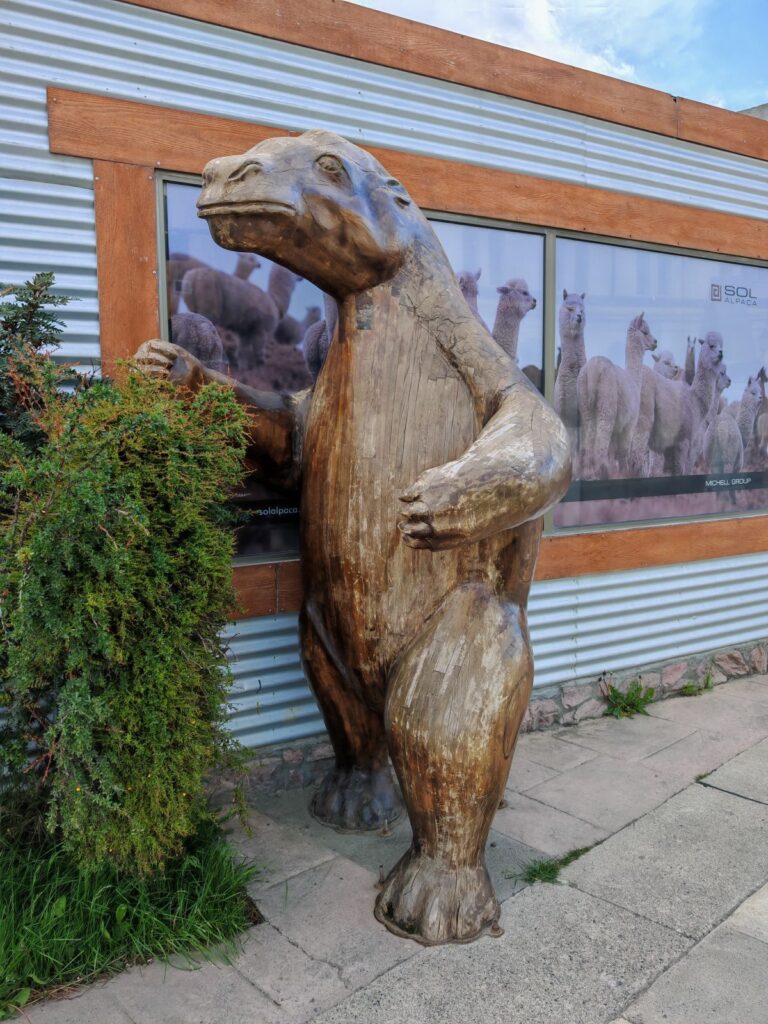
About 25km north of town, this is the site where the remains of the Mylodon — an extinct giant ground sloth — were discovered in 1895. The cave itself is enormous; there’s a life-size replica of the animal for the obligatory photo, and a small visitor centre covers the region’s prehistoric wildlife and geology. It’s touristy but genuinely worth the visit, particularly if you don’t have a car and can combine it with a half-day tour that also covers Laguna Sofía nearby. Admission runs roughly 3,000–5,000 CLP.
Costanera Pedro Montt (The Waterfront)
The simplest and cheapest thing to do in town: walk the waterfront promenade along the Última Esperanza Sound. It’s free, it’s flat (a welcome change after the Circuit), and the views across to the Patagonian Andes are consistently good, especially around sunset. The old historic pier ruins sit along this route as a minor point of interest. I enjoyed spending time along the waterfront even with the winds rushing over the water with distant snow-capped mountains across the water. There is a Tourist Information point along Costanera Pedro Montt with plenty of places to relax.
Balmaceda & Serrano Glaciers Boat Tour
A half-day boat trip through the fjord system to two glaciers, typically including a traditional Patagonian lunch on board. It’s a relaxed, low-effort way to see more of the region’s ice without adding trekking days — a good option if the weather’s poor for hiking or your legs need a genuine rest day.
Last Hope Distillery Tour
Covered above as a bar, but the guided distillery tour itself is worth calling out separately as an activity — a short, well-run walkthrough of the gin-making process with a tasting at the end, run by the Australian couple who founded the southernmost distillery in the world after falling for the region on the W Trek. A genuinely good way to spend a rest-day afternoon.
Municipal Museum of History
A modest but worthwhile stop if the weather turns — covers the region’s indigenous Kawésqar and Aónikenk history, European settlement, and the sheep-ranching economy that built the town. Twenty minutes well spent, free or near-free entry.
Plan smarter
with TrekMind
Most trek planning tools are built for tourists. I built TrekMind because nothing else let me properly compare routes before committing — interactive 3D globe, 100+ routes, full itineraries, and elevation data for the world’s best trails.
6. Before You Head Into the Circuit
Puerto Natales is also your last stop for gear rental and last-minute supplies. Several outfitters in town rent trekking poles, sleeping bags, and stoves if you’re travelling light or missing a specific item. It’s the ideal base if you’ve travelled from a longer backpacking adventure and want to experience the incredible Torres del Paine treks without lugging the trekking gear around all the time. You can stock up on trail snacks here too, as prices inside the park at the refugios are significantly higher. It’s perfect to meet some like-minded people and get excited for the views awaiting in the park or share photos of your recent trip to TdP. Whilst in Puerto Natales it’s worth doing the following:
- Confirm your O Circuit permits and refugio bookings — these sell out months ahead in peak season
- Withdraw cash — ATMs exist in town but are less reliable once you’re inside the park
- Check the weather forecast for Torres del Paine specifically, not just Puerto Natales — conditions inside the park change fast and differ from the coast
- Store any non-trek luggage at your accommodation — most hostels and hotels offer free storage while you’re on the Circuit
- Check where the Bus Terminal is from your accommodation – make sure you have tickets downloaded and arrive early
Final Thoughts
Puerto Natales is more than a gateway to Torres del Paine. It’s where the anticipation of the O Circuit begins, and where the satisfaction of completing it finally sinks in. Whether you’re organising gear at Last Hope Hostel, eating king crab on the waterfront, or celebrating the end of the trail with a beer and a real meal, Puerto Natales deserves a place on the itinerary rather than simply being a transport stop.
Frequently Asked Questions
How do I get to Puerto Natales?
The most common option is flying from Santiago (Chile) with LATAM or Sky Airline to Puerto Natales. LATAM is slightly more, but it’s a direct 3.5-hour flight, whereas Sky Airlines is cheaper and stops at Puerto Arenas. There is a direct bus from Punta Arenas Airport (PUQ) to the Puerto Natales bus terminal, run by operators like Bus Sur and Buses Fernández. The journey takes roughly 3 to 3.5 hours, and departures run every 2–4 hours through the day. Private transfers are also available and make sense for groups of four or more. Another popular route is the bus or renting a car between El Calafate or El Chaltén in Argentina to Puerto Natales in Chile as people do a Patagonian Road Trip.
Can I fly directly to Puerto Natales?
Yes, but only seasonally. Teniente Julio Gallardo Airport (PNT) receives direct flights from Santiago via LATAM and Sky Airlines between September and April. Outside that window, or if those flights don’t suit your dates, the standard route is via Punta Arenas Airport followed by a 3-hour bus or transfer.
How long do you need to spend in Puerto Natales?
One night is the bare minimum for logistics, but two nights before the trek gives you a buffer for delayed flights, last-minute gear rental, and a proper night’s sleep before an early Circuit start. Adding one to two nights after the trek for recovery and a good meal is also worth building into your itinerary. I spent one night either side of the O Circuit trek, and that gave plen ty of time to explore the small trekking town.
Is Puerto Natales worth visiting beyond Torres del Paine?
Yes. Cerro Dorotea offers one of the best short hikes in the region with panoramic views over the Última Esperanza Sound, the Cueva del Milodón is a genuinely interesting prehistoric site, and the town’s restaurant scene — built around locally-caught king crab — is disproportionately good for its size. It’s worth treating as more than a transit stop.
Do I need cash in Puerto Natales?
Yes. While cards are accepted at most restaurants and larger hotels in town, cash is still useful for smaller vendors, trail access fees (like the Cerro Dorotea trailhead), and is essential once you’re inside Torres del Paine National Park, where card payment is far less reliable. So it’s worth having enough pesos, as there are limited ATM/Cash Machines around.
Can I leave luggage in Puerto Natales while hiking the O Circuit?
Yes. Most hostels and hotels in Puerto Natales offer free or low-cost luggage storage for guests while they hike the O Circuit, making it easy to leave behind city clothes, electronics, and other non-essential gear. It’s worth confirming storage policies when booking, but both budget hostels and larger hotels are well set up for trekkers spending 8-10 days in Torres del Paine.
Where should I stay before the O Circuit?
Hostel Last Hope is one of the best budget-friendly options in Puerto Natales, with a social atmosphere, comfortable rooms, gear storage, and plenty of fellow trekkers preparing for Torres del Paine. YaganHouse offers a quieter, more boutique hostel experience, with cosy communal spaces, excellent breakfast options, and a welcoming environment that’s perfect after several days on the trail. Having stayed at both before and after the O Circuit, I’d happily recommend either to backpackers looking for affordable, comfortable accommodation in Puerto Natales.