The Elfin Lakes hike is one of the most popular backpacking trips in Garibaldi Provincial Park, offering an accessible introduction to backcountry camping in British Columbia. Located just outside Squamish, the trail climbs through forest and alpine meadows before reaching the stunning twin lakes and the iconic Elfin Lakes Shelter beneath a backdrop of volcanic peaks and glaciers.
Whether you’re planning your first overnight backpacking adventure or looking for a classic Squamish day hike, Elfin Lakes delivers big mountain scenery without the extreme elevation gain found on nearby routes like Wedgemount Lake. With well-maintained trails, backcountry camping, and options to continue deeper into Garibaldi Park, it’s easy to see why the Elfin Lakes trail has become one of the province’s most sought-after backpacking destinations.
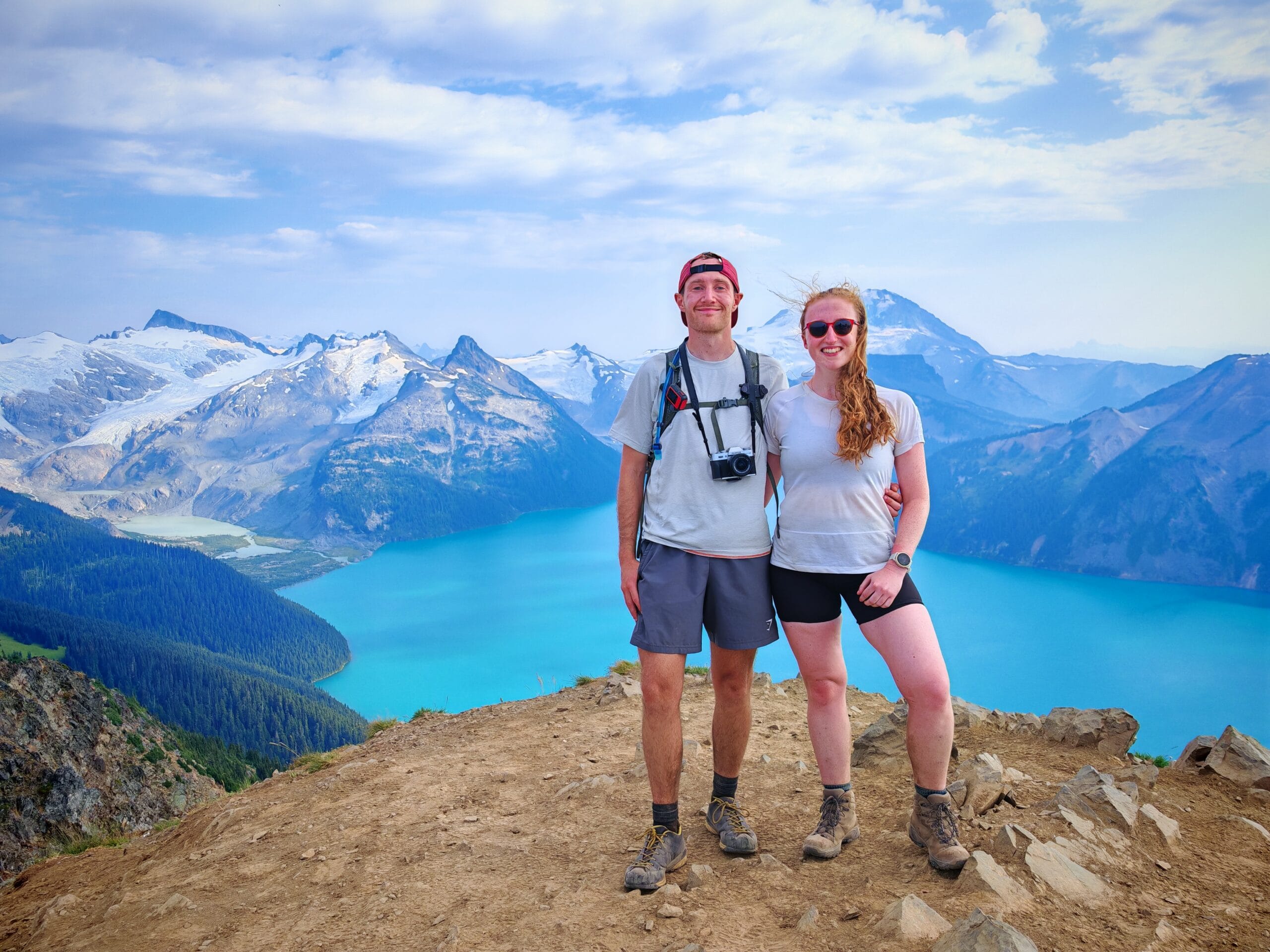
In this guide, I’ll cover everything you need to know about hiking and backpacking to Elfin Lakes, including permits, camping, trail conditions, and tips for making the most of your trip. This hike was the first night as part of a mini BC Backpacking Trip including Panorama Ridge, Garibaldi Lake, Black Tusk, Wedgemount Lake and Whistler Village.
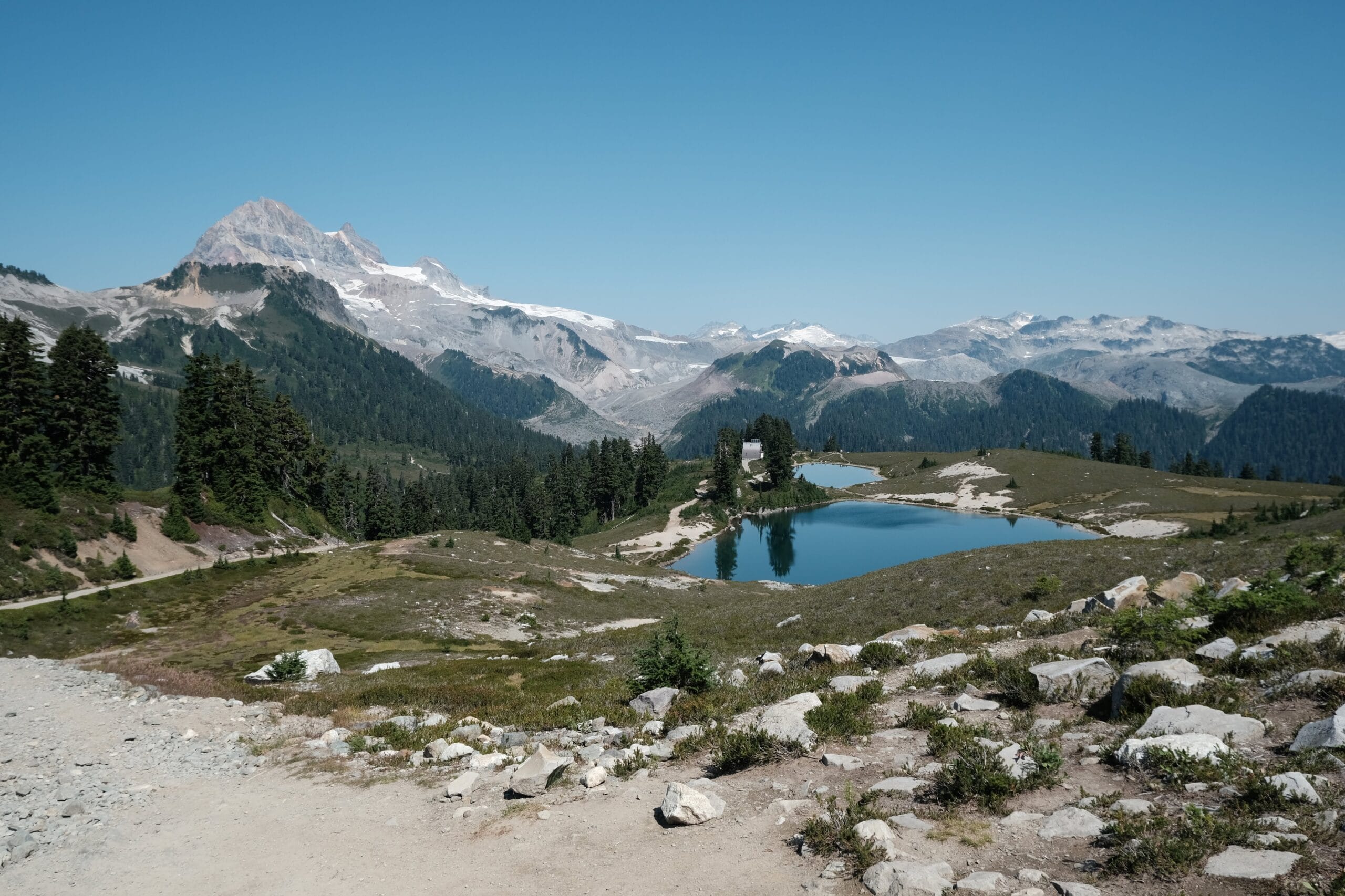
The Elfin Lakes hike is one of the most iconic backpacking trips in Garibaldi Provincial Park. Starting from the Diamond Head Trailhead area near Squamish, the trail steadily climbs into the alpine terrain, passing through forests, along ridgelines, and through volcanic landscapes before reaching the stunning twin lakes that give the hike its name.
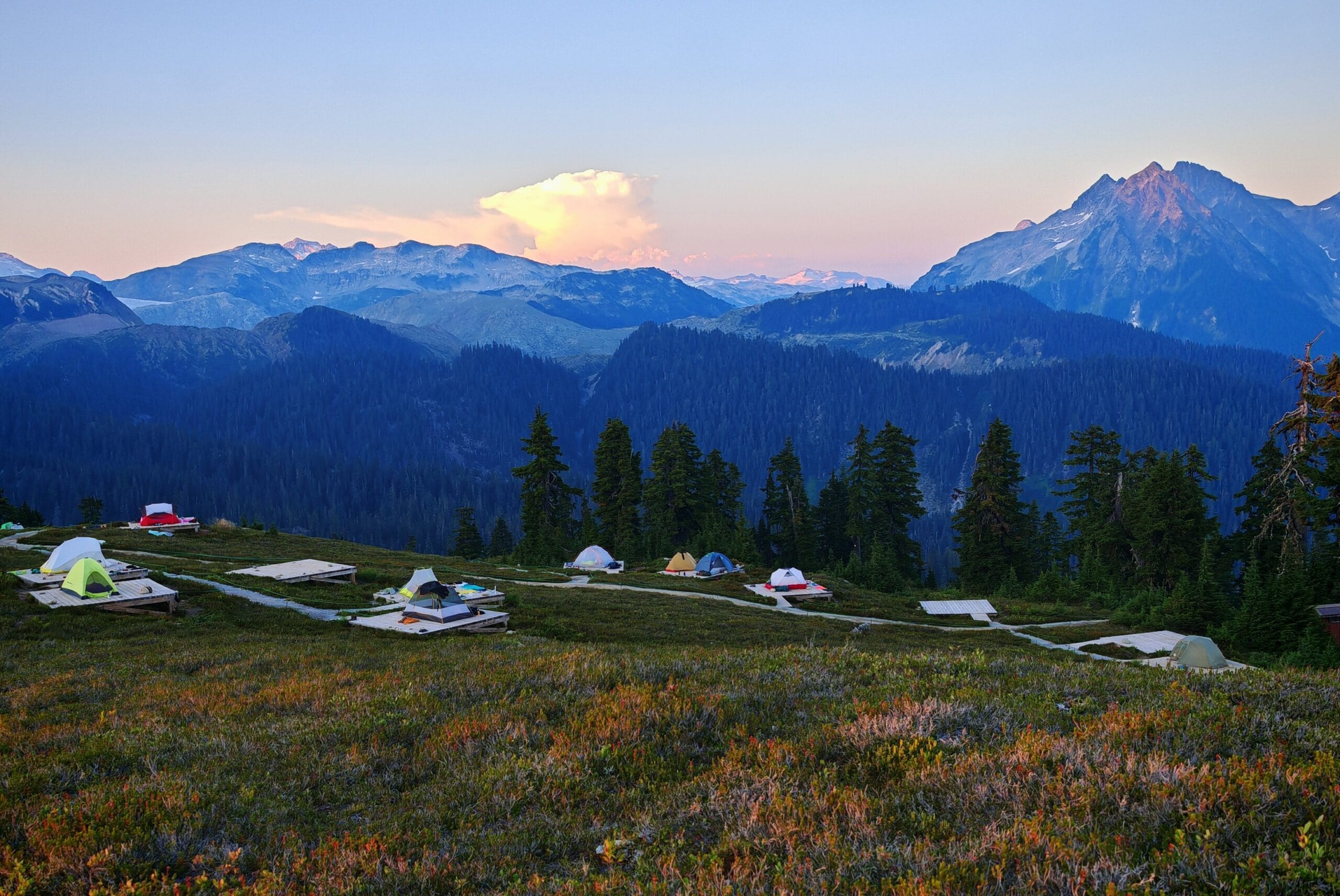
What makes Elfin Lakes special isn’t just the destination—it’s the combination of great backcountry infrastructure, spectacular mountain scenery, and the opportunity to continue deeper into the wilderness. There are 35 camping sites on wooden platforms offering one of the best mountainous views around. The backcountry campground is open year-round, and a permit is required. There is a communal cooking room, toilet facilities, an overnight indoor shelter option and bear safety caches. One of the lakes is dedicated to drinking water and the other for swimming. A perfect spot to cool off after a hike and warmer than the glacial-fed Garibaldi, Cheakamus and Wedgemount lakes.
Elfin Lakes Highlights
- Beautiful alpine lakes surrounded by volcanic peaks
- Overnight camping at one of BC’s most scenic backcountry campgrounds
- The historic Elfin Lakes Shelter and cooking area
- Panoramic views over the Garibaldi and Tantalus mountain ranges
- Access to side trips including Opal Cone and Mamquam Lake
- A beginner-friendly backpacking experience with well-maintained trails
- Incredible sunrise and sunset photography opportunities
Elfin Lakes Hiking & Camping Overview
Everything you need to know about backpacking to Elfin Lakes in Garibaldi Provincial Park, from trail difficulty and camping permits to the best time to visit.
| Stat | Detail |
|---|---|
| Route Name | Elfin Lakes Trail |
| Location | Garibaldi Provincial Park, near Squamish, British Columbia |
| Trail Type | Out-and-back backpacking route |
| Distance | 22 km / 13.7 miles return |
| Elevation Gain | Approximately 600 m / 1,970 ft |
| Hiking Time | 5–7 hours return or 2 days backpacking |
| Trailhead | Elfin Lakes Parking Area via Mamquam Road |
| Campground | Elfin Lakes Campground with tent pads, shelter and food storage |
| Permits Required | BC Parks Backcountry Camping Reservation |
| Difficulty | Moderate — beginner-friendly backpacking with manageable elevation gain |
| Best Season | July to October when snow has mostly cleared from the trail |
| Best Time of Day | Early morning departure for cooler hiking conditions and quieter trails |
| Highlights | Elfin Lakes Shelter, alpine camping, Opal Cone views, volcanic landscapes and Garibaldi wilderness |
| Best For | First-time backpackers, weekend adventures and overnight hiking near Vancouver |
Elfin Lakes Planning
One of the reasons the Elfin Lakes is so popular is how accessible it is from Vancouver. The trailhead sits roughly 90 minutes from downtown Vancouver and only 30 minutes from Squamish, making it an ideal overnight weekend escape.
Getting to the Trailhead
The hike begins at the Diamond Head Trailhead in Garibaldi Provincial Park. The final access road is a gravel forest logging road which is long, steep, and often rough after winter, so check current conditions before visiting. While two-wheel-drive vehicles can usually reach the parking lot during summer, caution is advised after heavy rain or early-season snow.
Reservations & Permits
Camping at Elfin Lakes requires a BC Parks reservation. Summer weekends often book months in advance, particularly between July and September. If you’re planning a weekend trip, reserve as early as possible.
Weather & Seasonal Conditions
Even during summer, mountain weather can change quickly. Warm sunshine in the parking lot can become cold winds, fog, or rain near camp. Always bring extra layers and waterproof gear.
Camping vs Shelter
Most visitors camp in the designated campground, while the nearby shelter provides cooking facilities and emergency refuge during poor weather. The shelter is not a substitute for a campsite reservation, however.
Leave No Trace
This is one of the busiest backcountry destinations in British Columbia. Stay on established trails, use the designated facilities, pack out all waste, and help protect the fragile alpine environment surrounding the area.
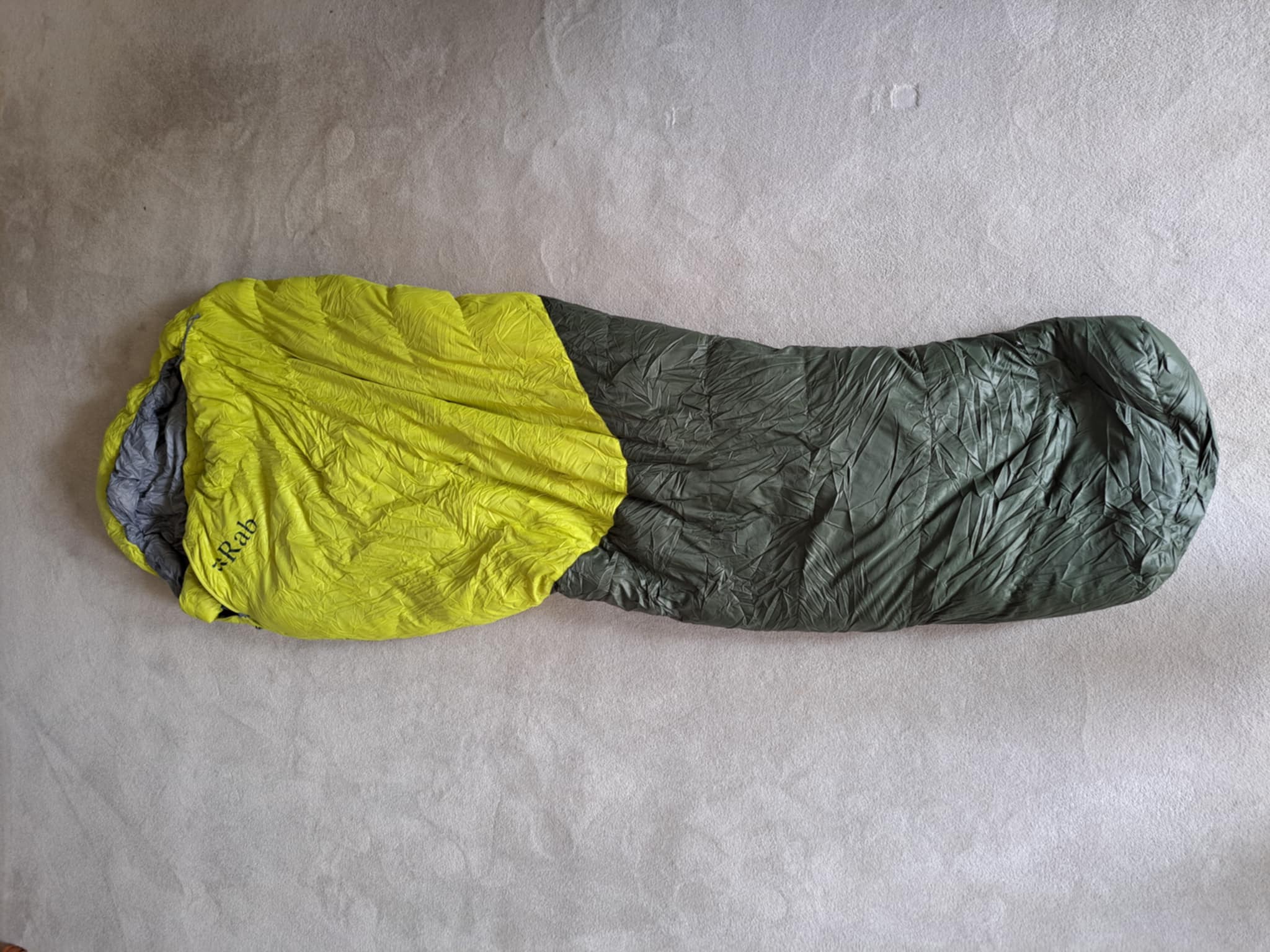
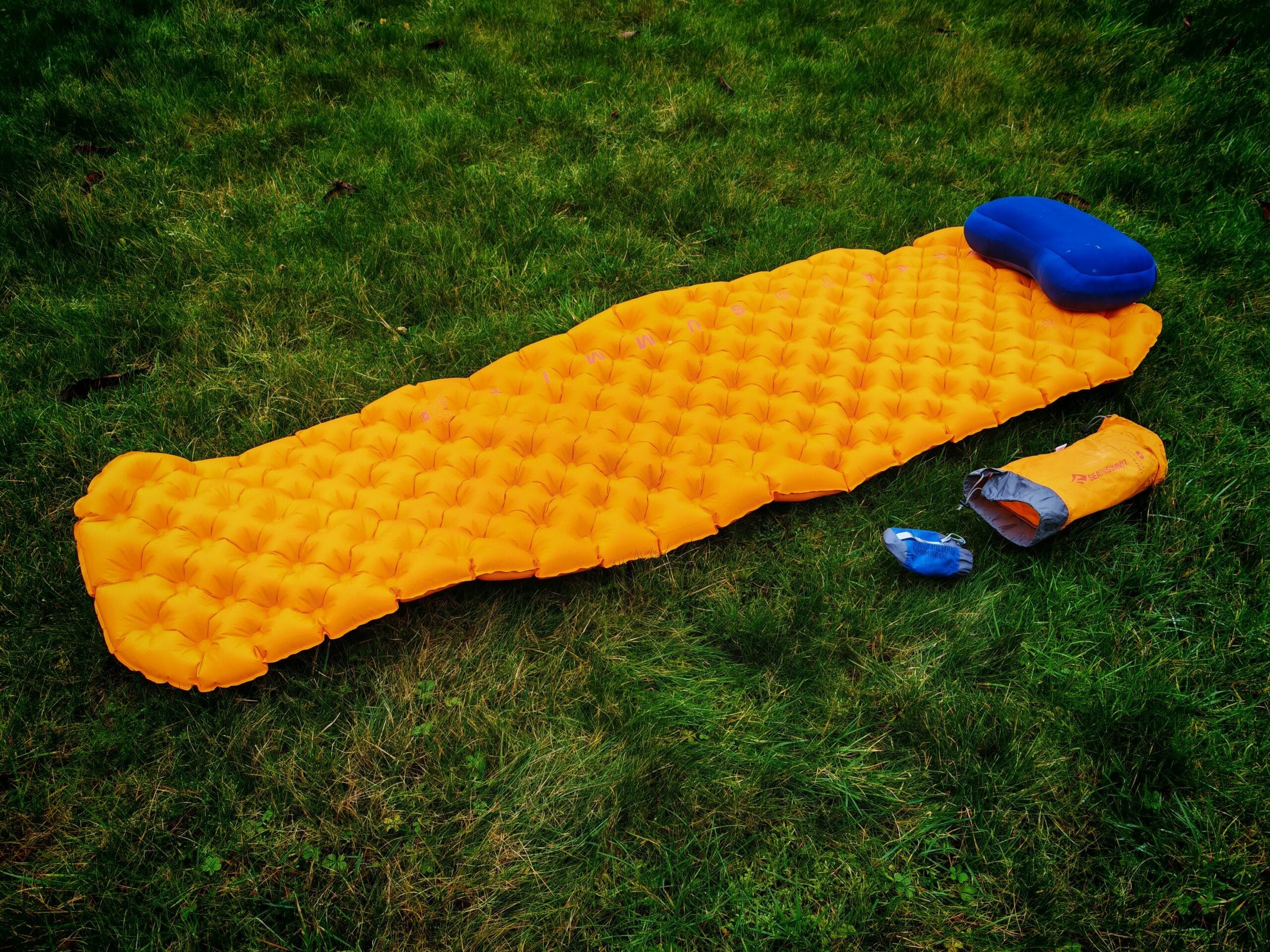
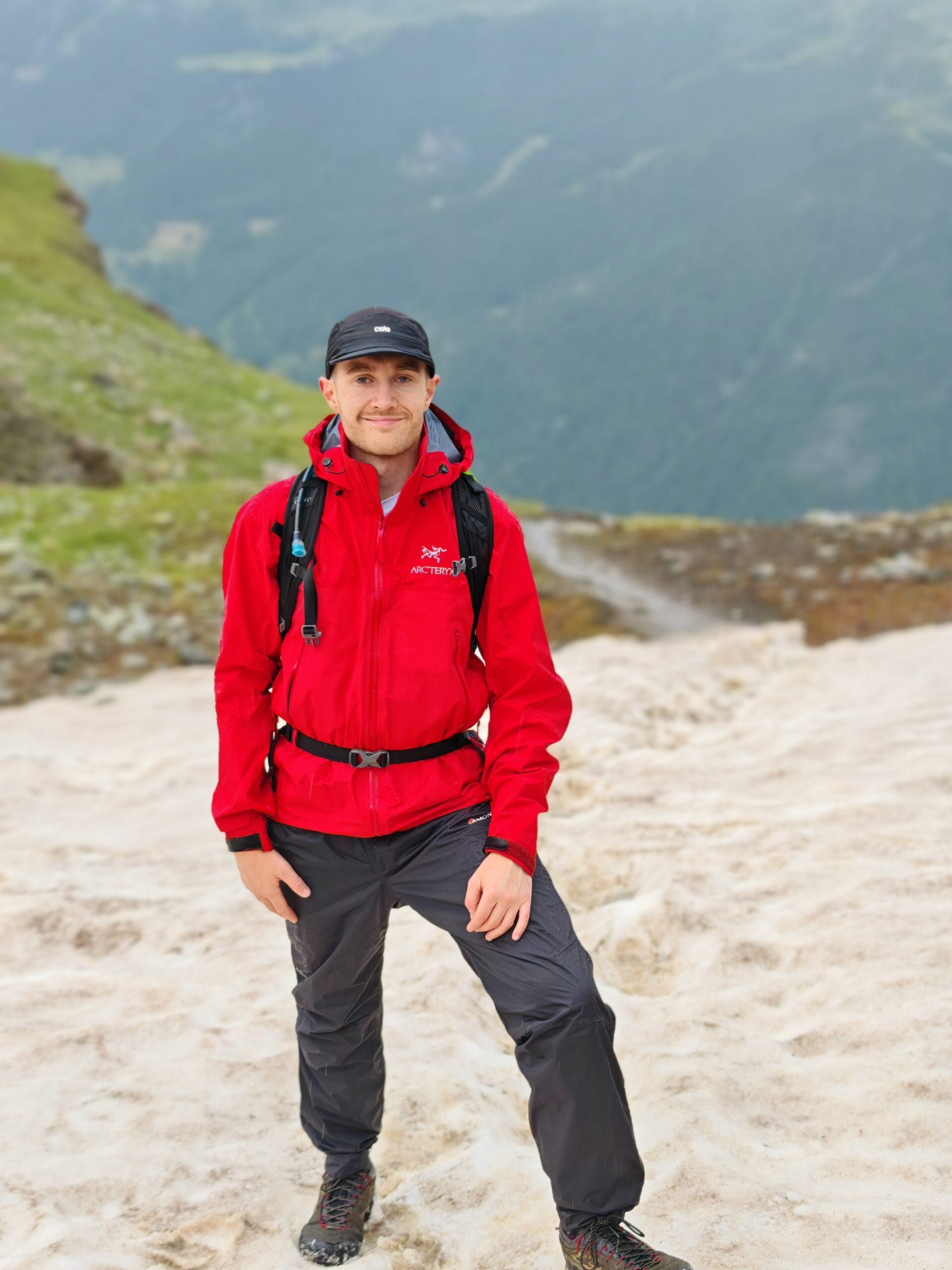
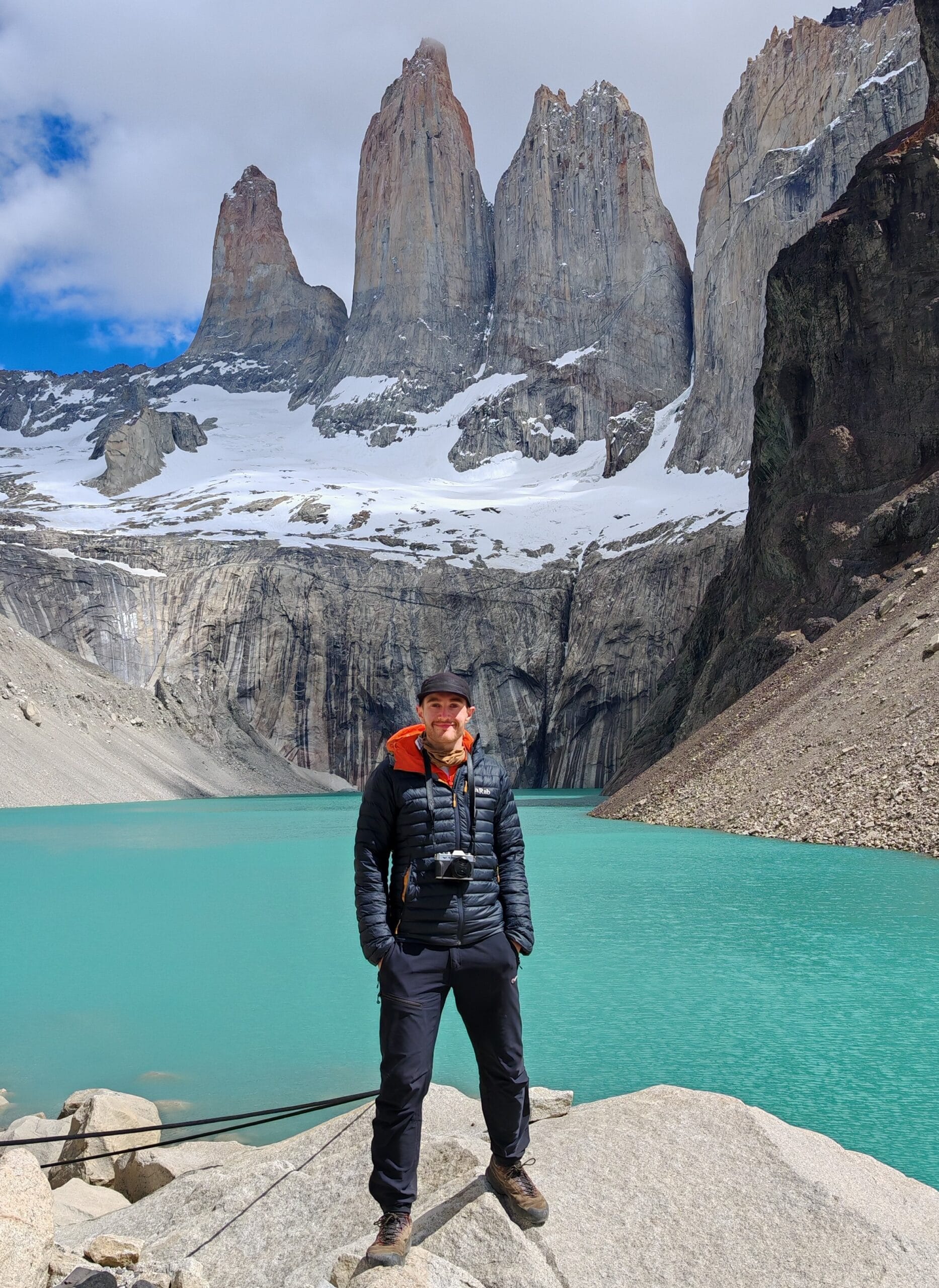
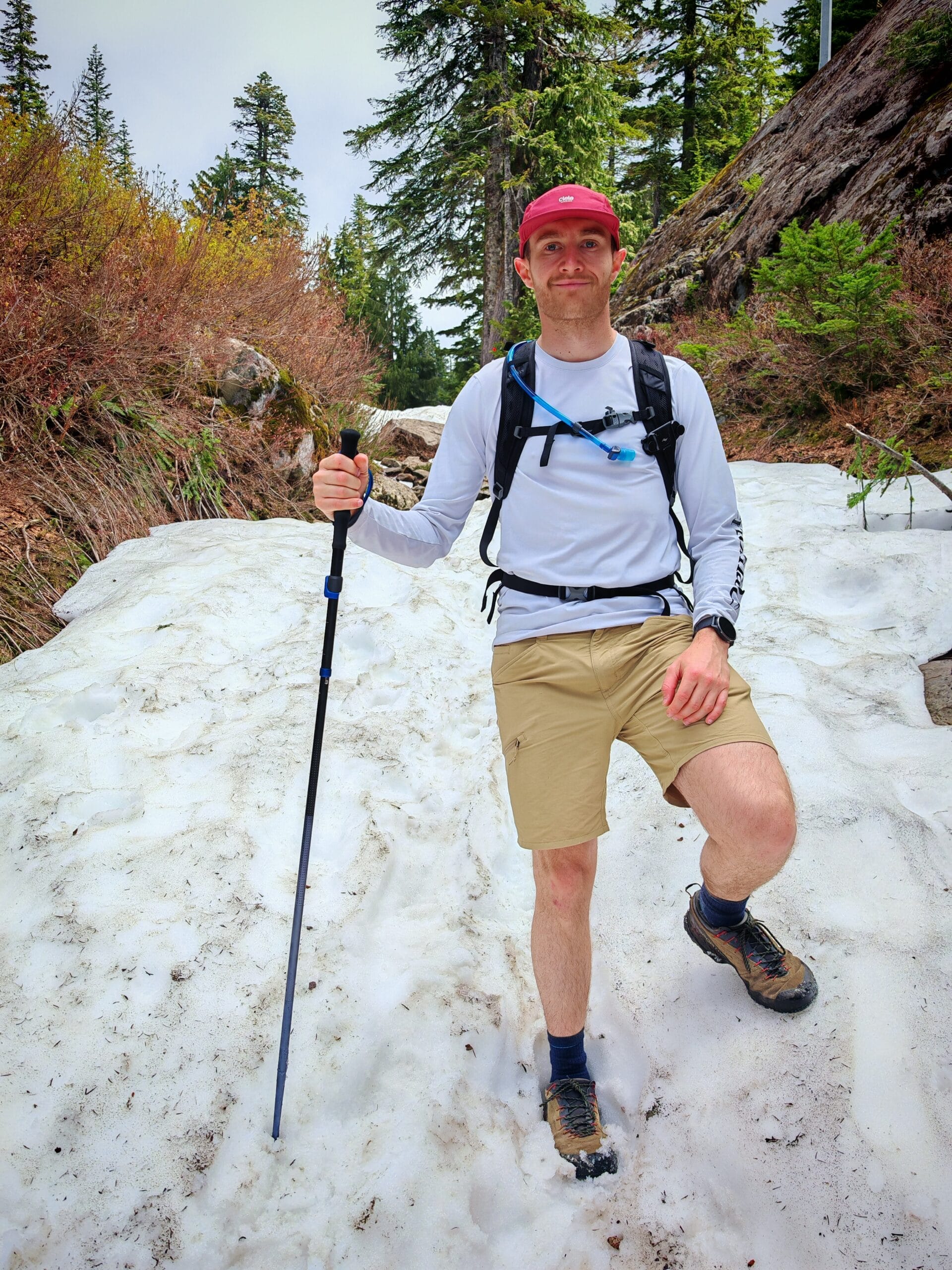
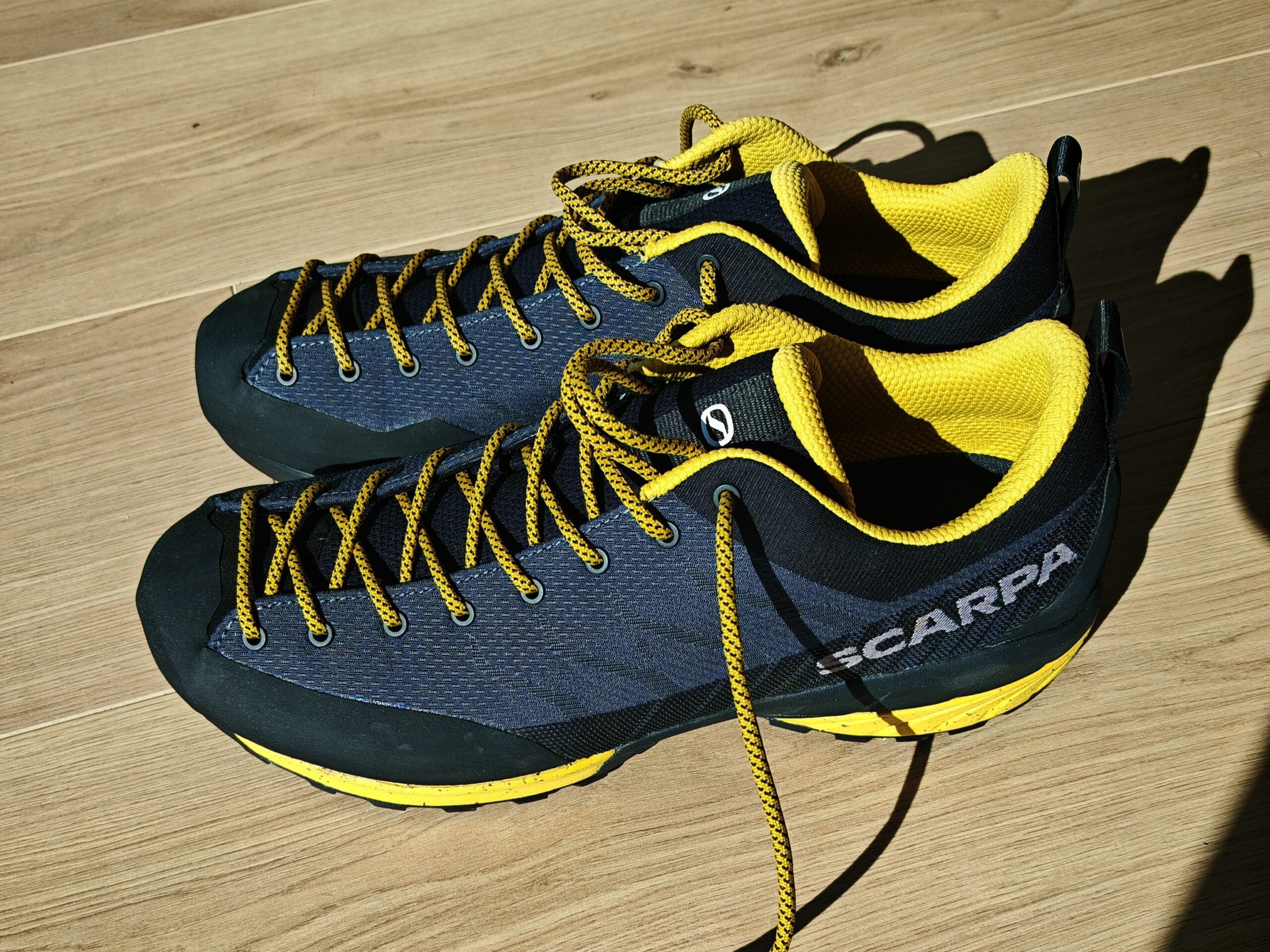
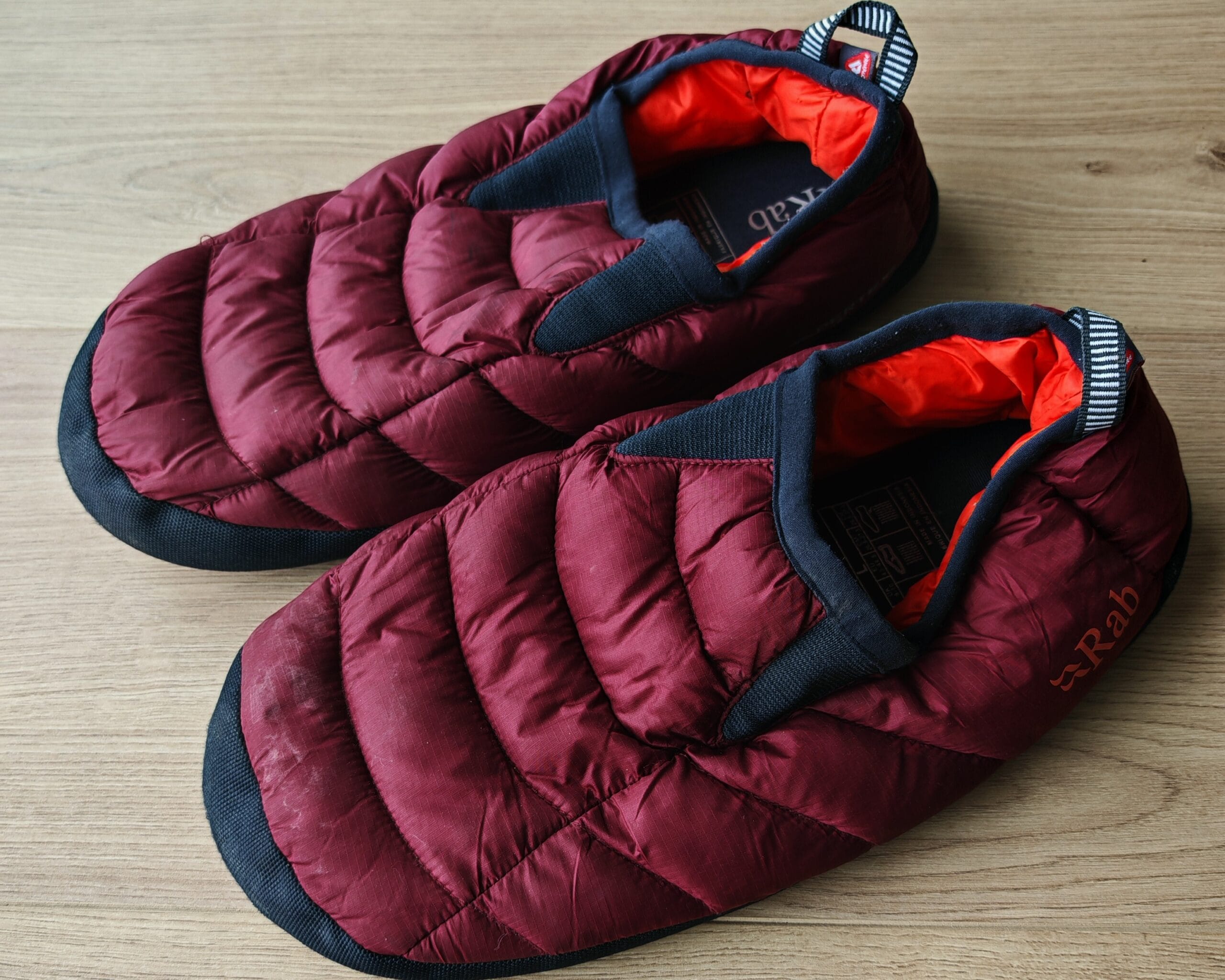
What I Packed for Elfin Lakes
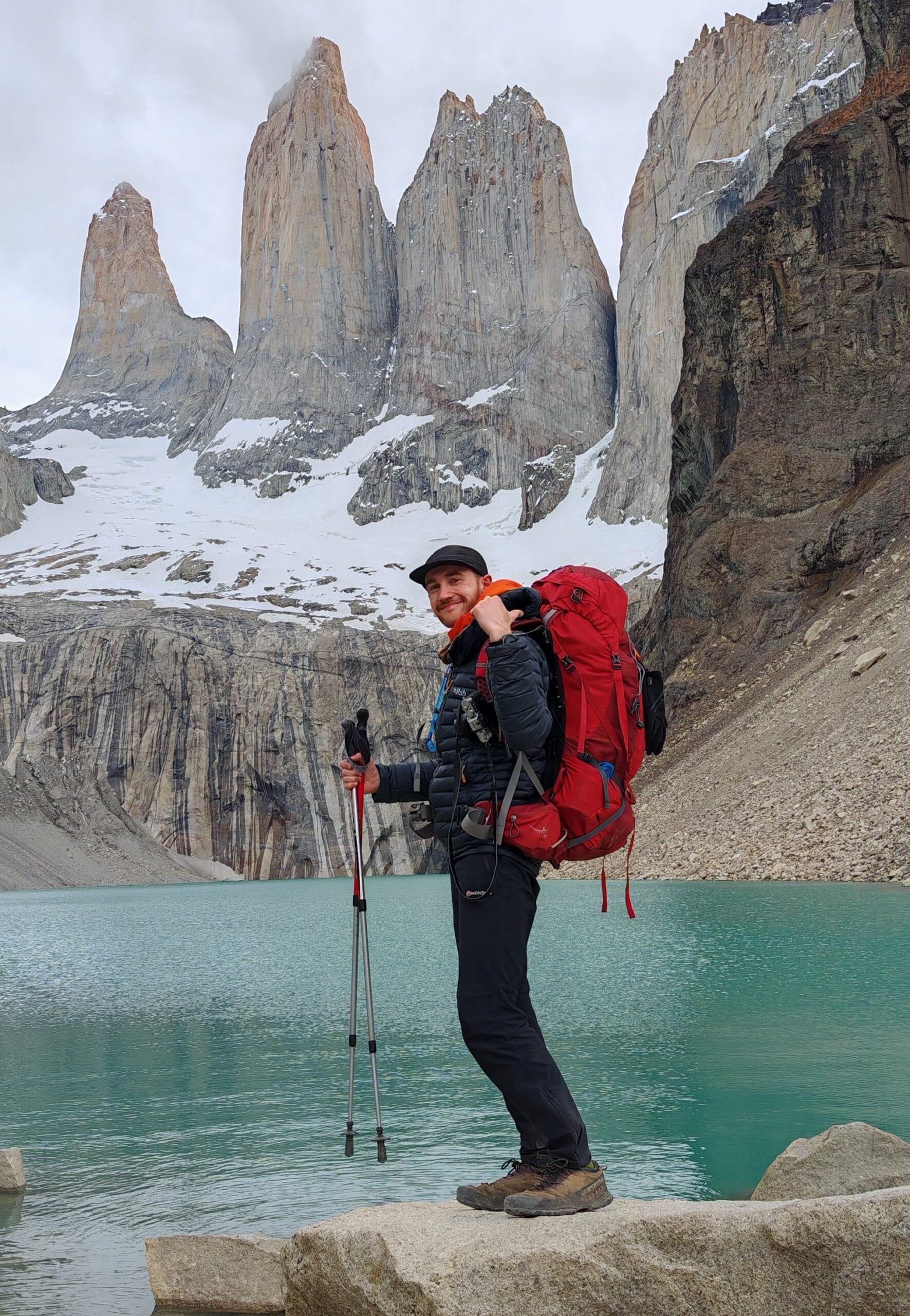
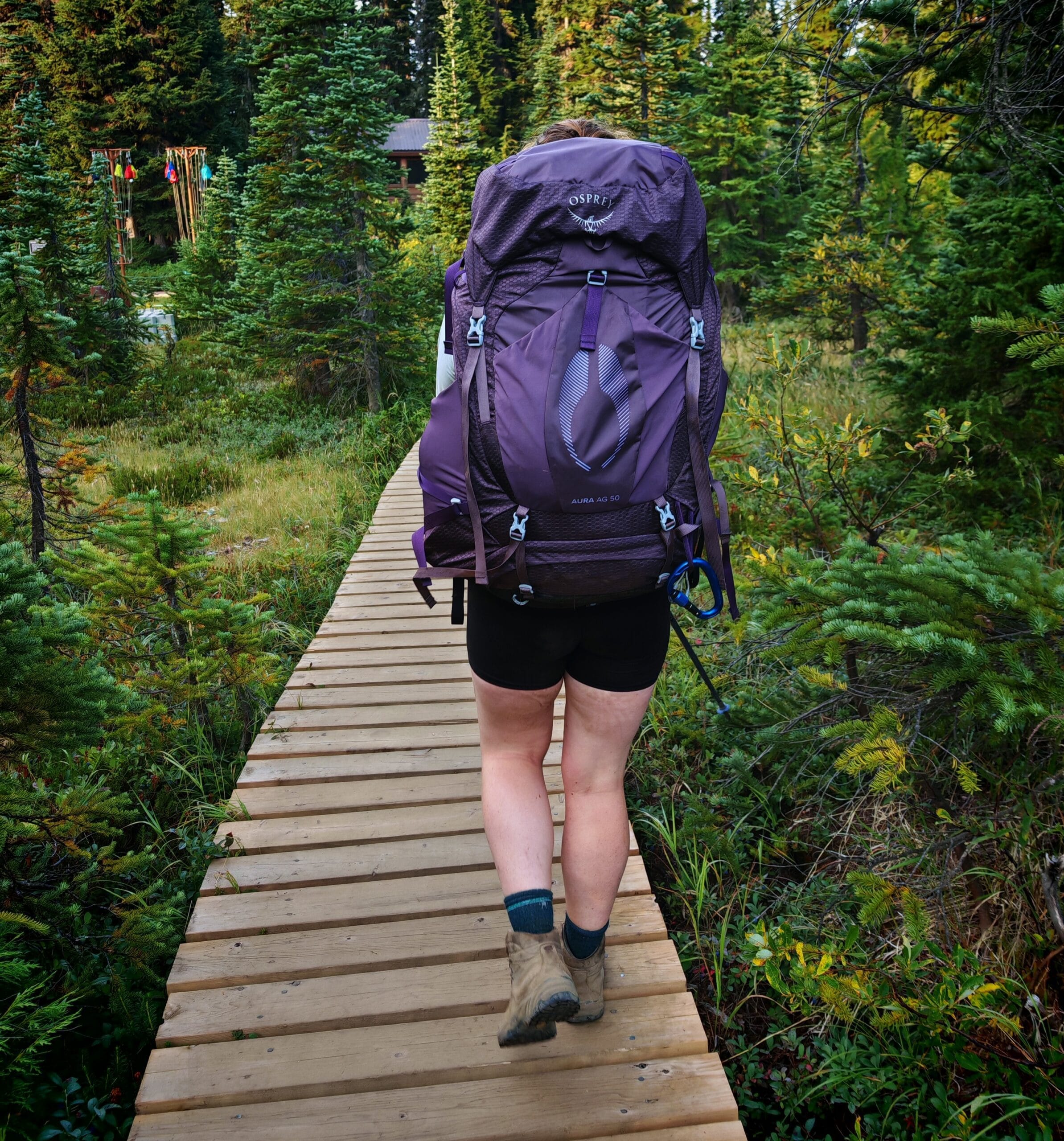
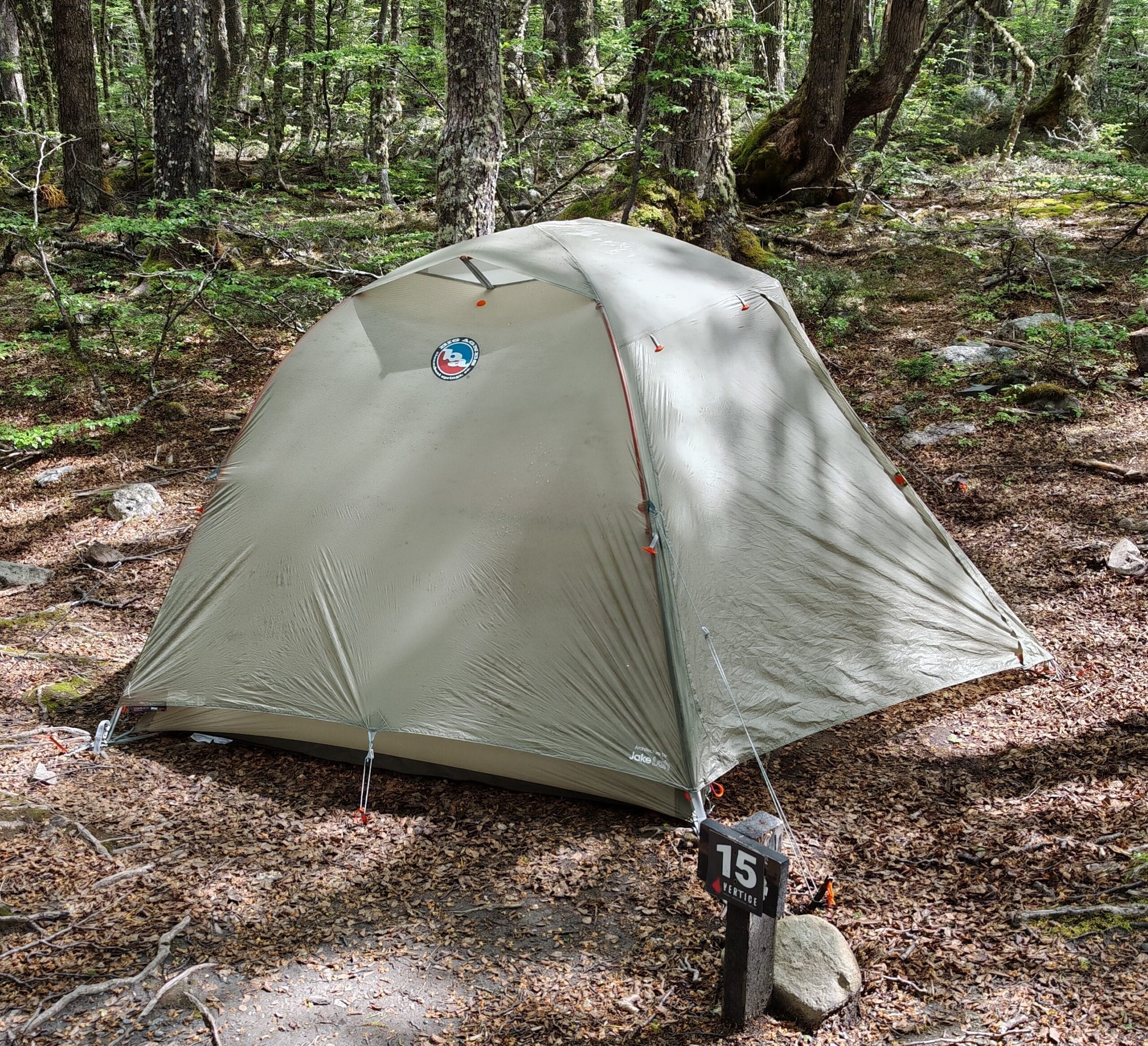
Diamond Head Trailhead
The Diamond Head area forms the southern gateway to Elfin Lakes and is named after the distinctive volcanic peak that dominates the skyline above Squamish. The trailhead, campground, and numerous hiking routes are all accessed via Garibaldi Park Road (also known as the Mamquam FSR), which includes around 10km of gravel dirt forest road from Squamish to the trailhead car park. The car park is pretty large and does not get as packed early compared to Rubble Creek.
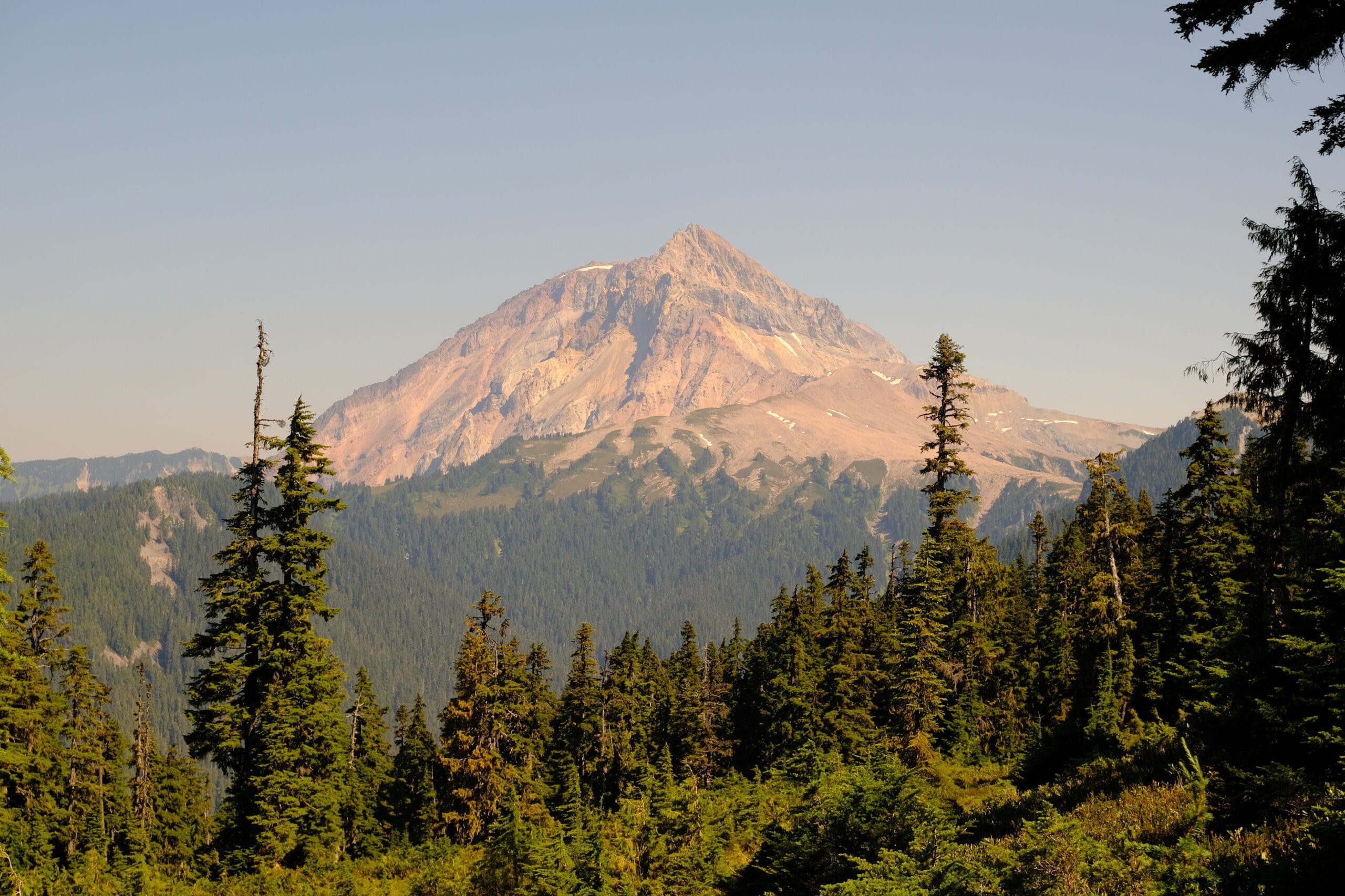
As you gain elevation on the trail, Diamond Head (image below) remains a constant backdrop, providing dramatic views throughout the hike. The area is also steeped in volcanic history, with much of the surrounding landscape shaped by ancient eruptions that created the unique terrain hikers see today.
BC Backpacking Trip Itinerary
To start our Mini BC backpacking trip, we got the hiking shoes on, our supplies ready, and loaded the Osprey Atmos and Aura 50 Backpacks on. The plan was to spend the first night at Elfin Lakes campground, then hike to Opal Cone in the afternoon. Day 2, we would descend early to get to Rubble Creek trailhead to start the popular hike to Garibaldi Lake. The tent and packs would be left at Taylor’s Meadow for us to push onto Black Tusk and Panorama Ridge in a huge 30km day and 2000m climbing.
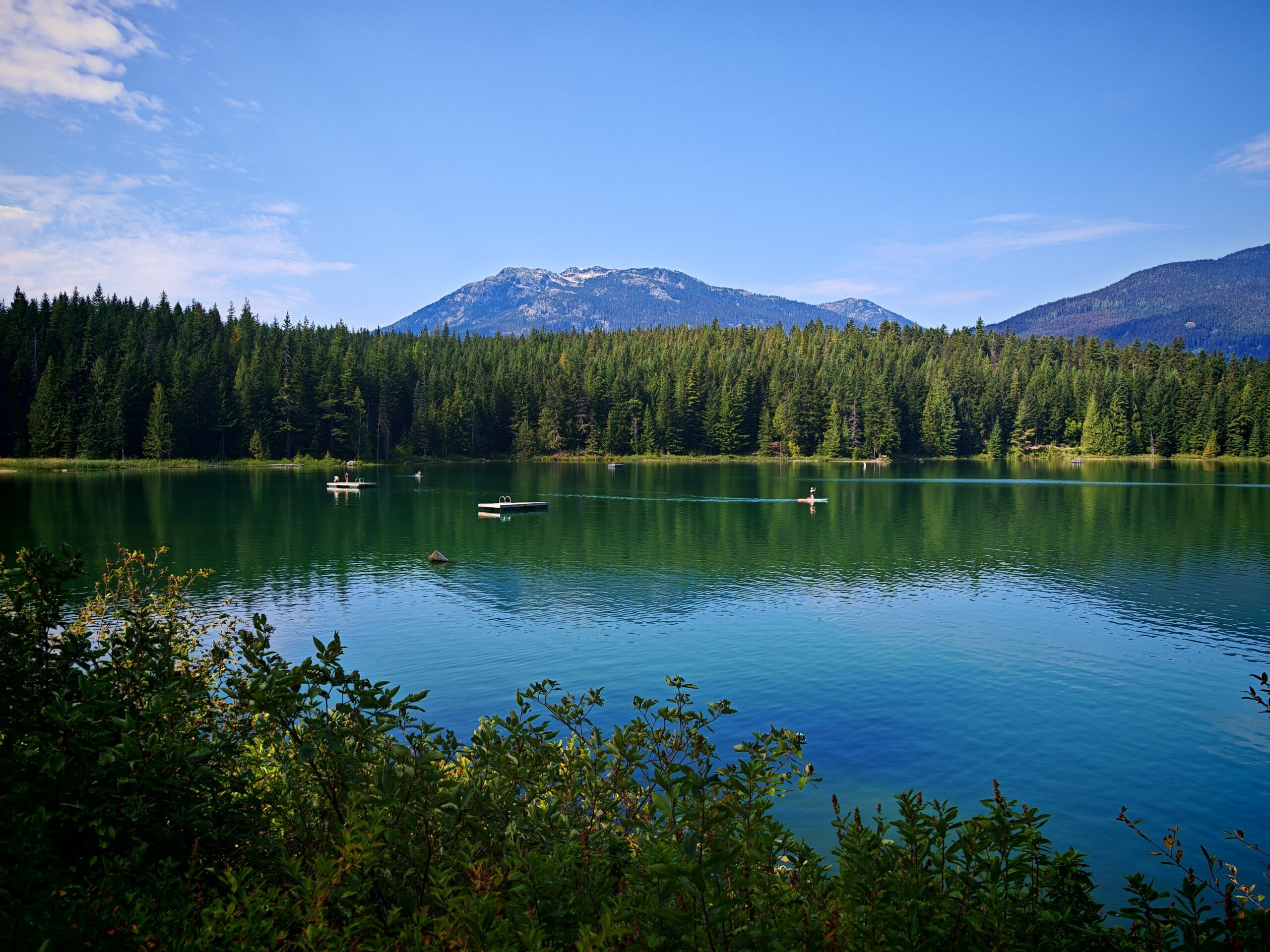
Day 3, we would descend fast and drive past Whistler to Wedgemount Trailhead for the grind to Wedgemount Lake and a glacial dip. On the final day, we would descend from Wedgemount Lake campsite before enjoying a Lost Lake walk and lunch in Whistler before driving to Vancouver.
Build the ultimate Coast Mountains backpacking trip
Looking for a bigger adventure? Combine Elfin Lakes, Panorama Ridge, Black Tusk, and Wedgemount Lake into an unforgettable multi-day journey through Garibaldi Provincial Park and the Coast Mountains. This itinerary links together three of the most iconic backpacking trips near Vancouver.
Elfin Lakes Hike
Once the backpacks were on our backs and the Garmin’s GPS were connected, our Backpacking adventure began. This was Roisin’s first time using her new Osprey Aura AG 50 Backpack and carrying the new sleeping equipment we used camping in Jasper. The hiking trail up to Elfin Lakes is a steady 10.5km trail, mainly on well-trodden trails. There were day hikers and mountain bikers on the trail as we paced ourselves. At the halfway point, there are toilets at Heather Shelter, and the views of the Talanus Range on the other side of the Squamish Valley appear.
The climb up circumnavigating Round Mountain is only around 650m in total and took us a few hours before arriving at camp. The Paul Ridge section offers your first glimpses of the volcanic landscape ahead and deep backcountry mountains. Next en route, the distinctive silhouette of The Gargoyles catches your eye before arriving at the Twin Lakes.
Elfin Lakes Campsite
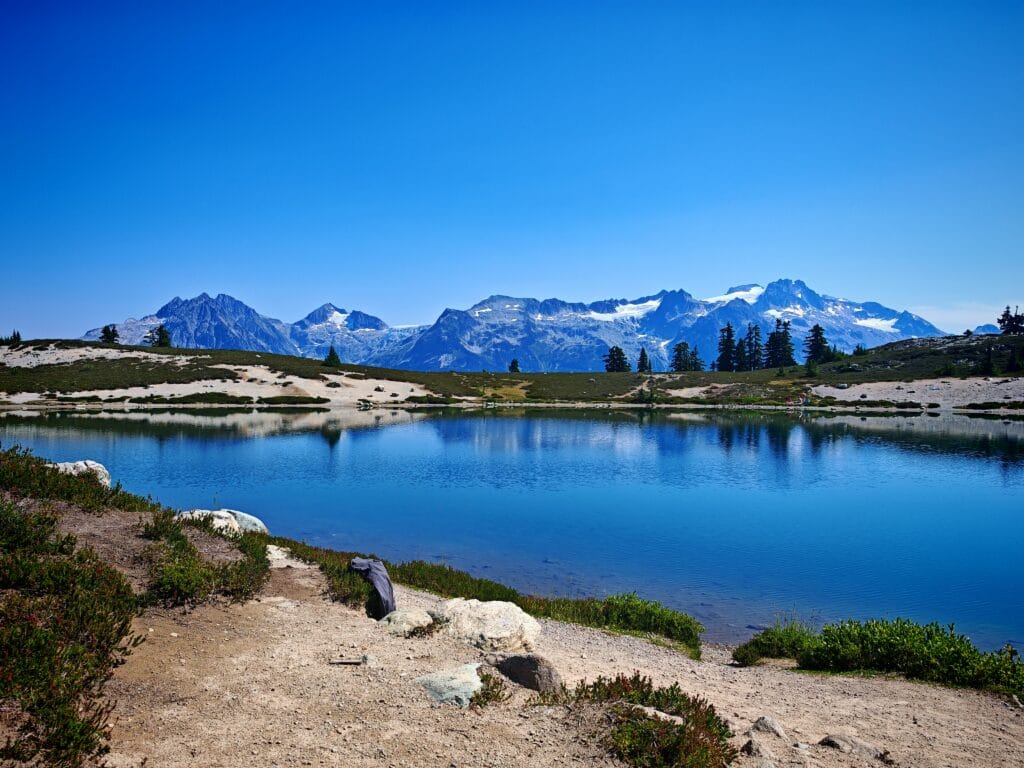
The hiking trail undulates through heather meadows and crosses streams before reaching the campsite, a stunning twin-lake basin sitting at 1,450m elevation. The shelter and designated camping area nestle between the lakes with Little Diamond Head and Columnar Peak providing a dramatic backdrop. On clear evenings, the alpenglow on these formations is nothing short of magical (see for yourself in the images below).
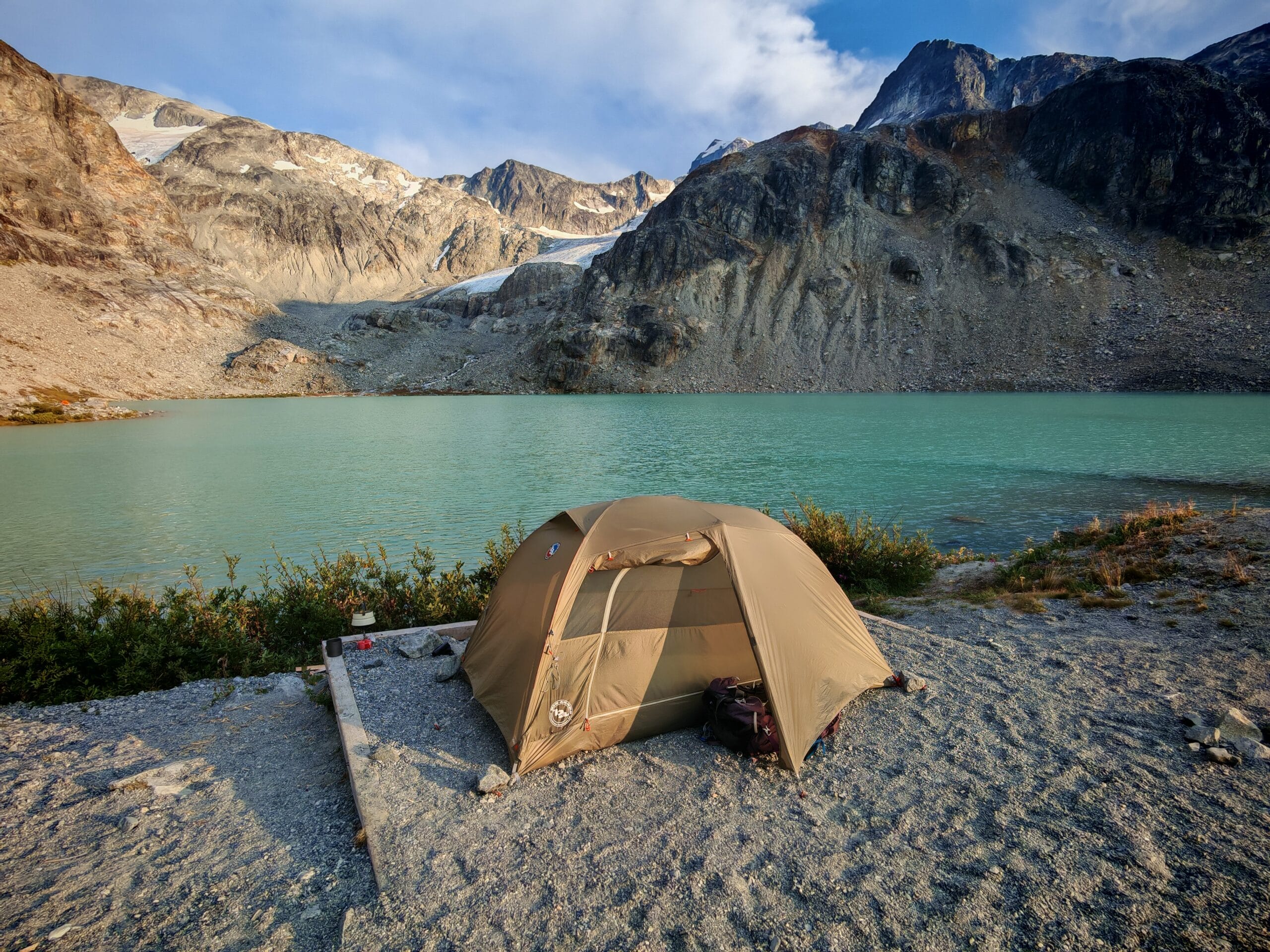
We arrived at camp around lunch and chose an empty wooden tent platform away from the crowds. Our lunch was enjoyed in the baking sun before we pitched the Big Agnes Copper Spur tent and lightened ourselves for the afternoon hike. This is where the Salomon hydration vest and collapsible Osprey Dry Stuff sack came in handy for a hot hike awaiting us. We locked the large 50L backpacks into the tent and put our bear vault away from camp.
Opal Cone Afternoon Hike
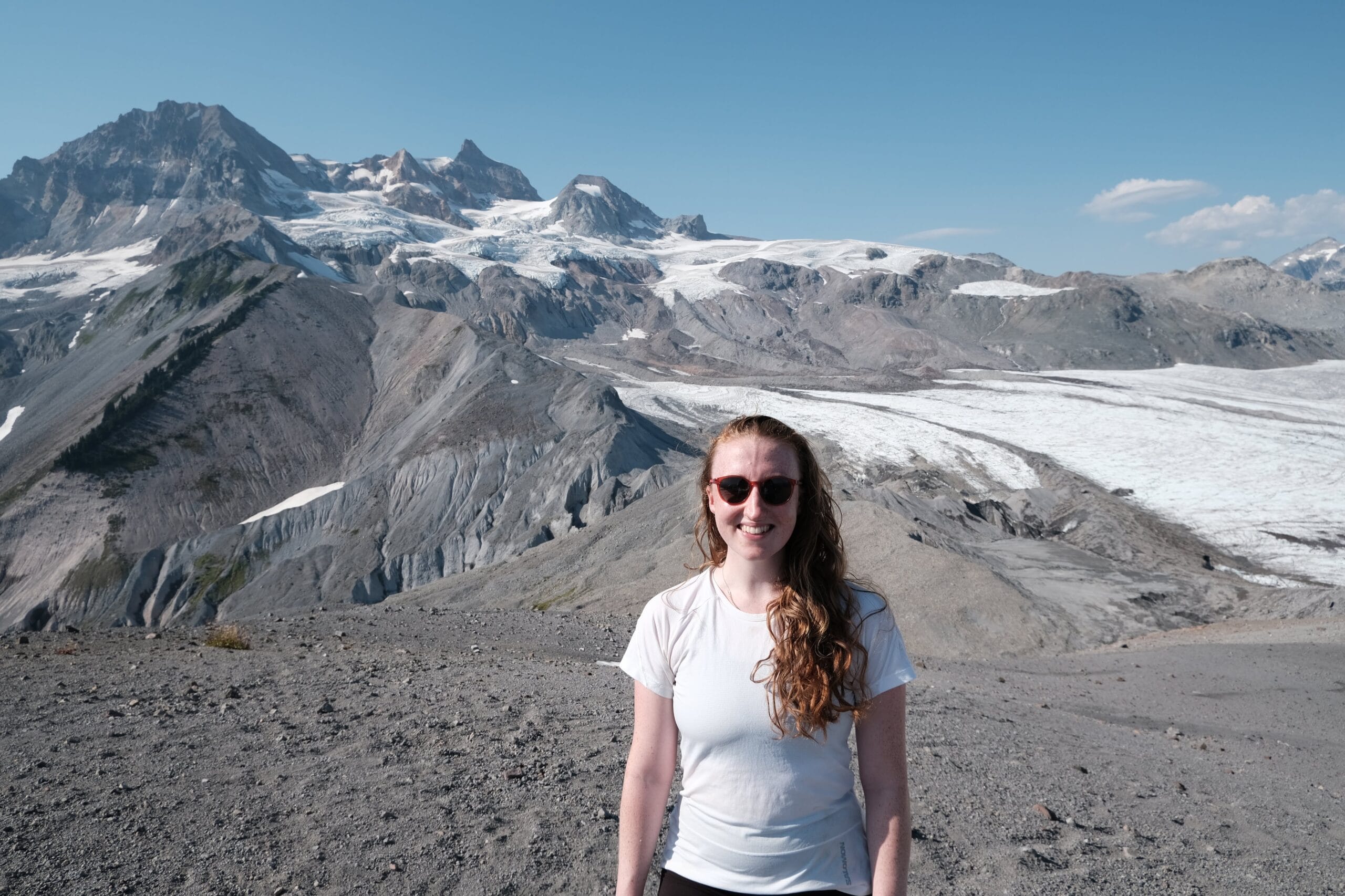
For hikers looking to extend their adventure beyond Elfin Lakes, Opal Cone is the obvious next objective. This dormant volcanic cone sits above the campground and offers one of the most unique landscapes in Garibaldi Provincial Park. The hike is exposed and hot in the summer, but the views from the dormant volcano peak offer spectacular views of Diamond Head and the glaciers below. Adding Opal Cone transforms Elfin Lakes from a leisurely backpacking trip into a much bigger mountain adventure.
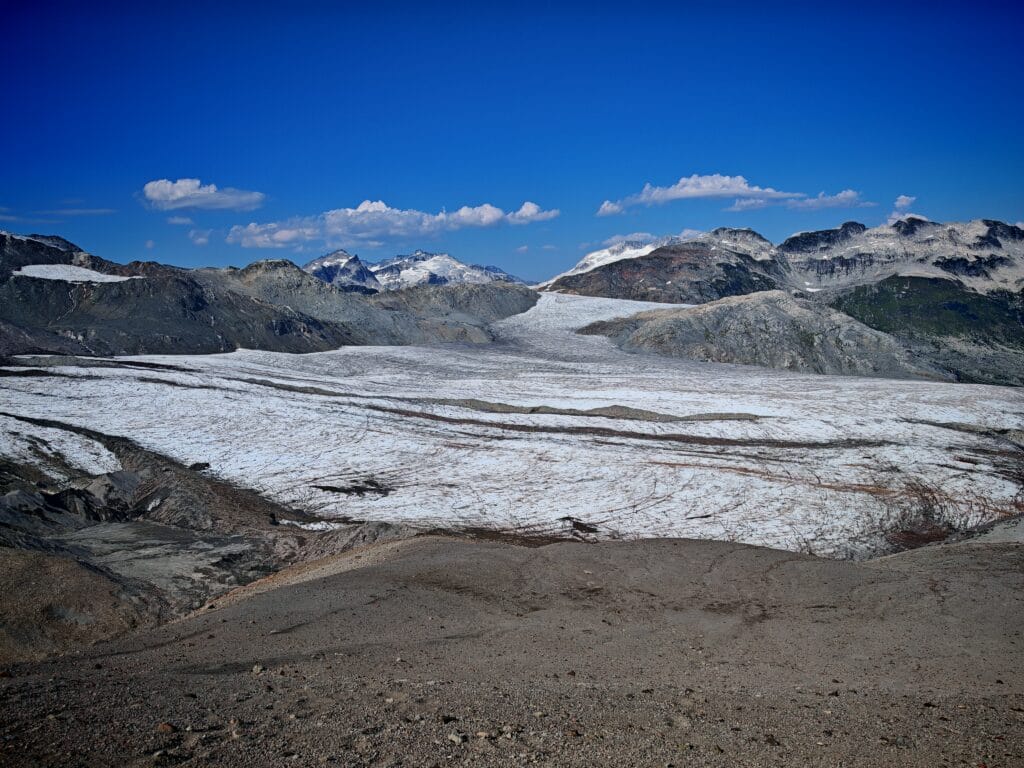
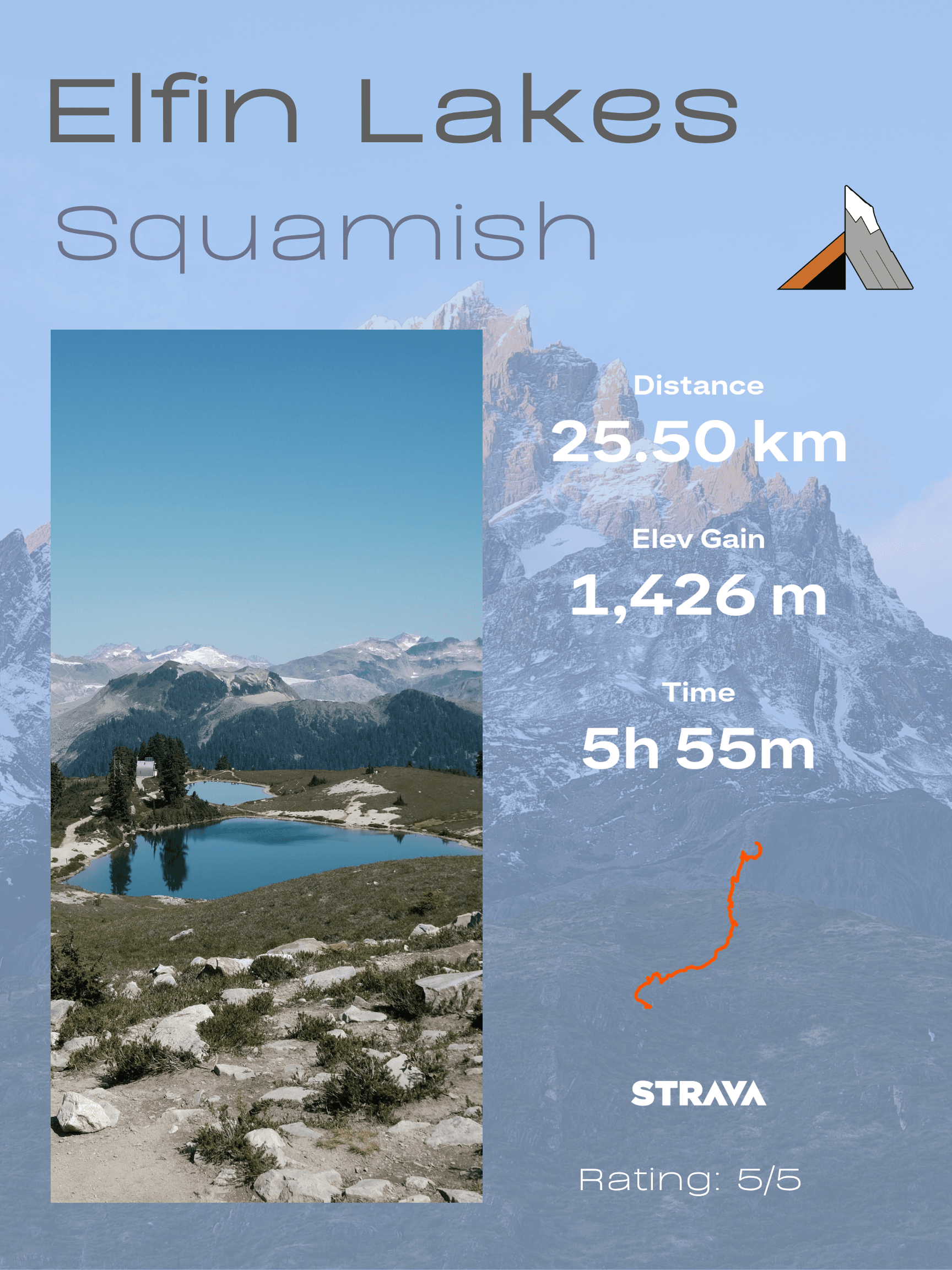
To start the Opal Cone hike, the path descends from the campsite to a Canyon where a bridge crosses the river. We hiked up the barren valley in 28 °C heat, trying to conserve our water. We crossed a narrow ridge before the final climb to the summit, where we scrambled to the furthest viewpoint. The scenery was stunning with a vast glacier below and mountains far into the distance.
We returned fast along the same route with not much water and only a few snacks to power ourselves on. The sun was lowering, and after 25km and 1450m of climbing, we were back at Camp. However, we were dehydrated and thirsty, so we immediately figured out how to purify lake water with the LifeStraw from the drinking lake.
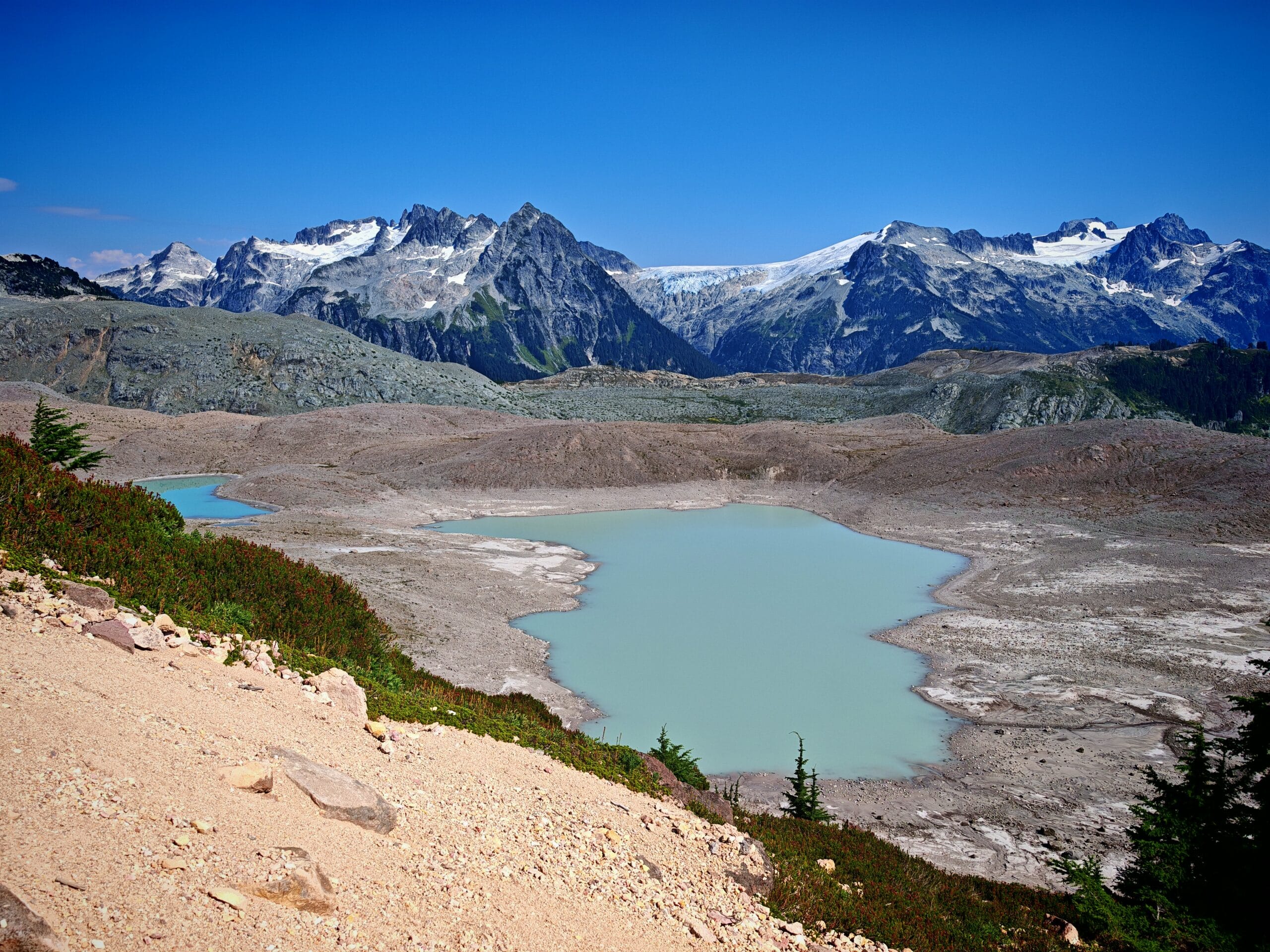
Our headaches were easing, and we paddled in the lake to wash off the dust and sweat from the day. Many other campers were swimming and soaking up the sun around the twin lakes. We brought our pre-made fajitas dinner to the water’s edge and took in the views before sunset with an incredible golden hour. The Fujifilm X-T30 was heavily used to capture the Alpenglow and some incredible photographs.
Finally, we retreated to the Big Agnes Tent to set up the Sleeping Pads and bags. We prepared ourselves for the next day, put away the bear vault from camp and enjoyed the peace and quiet of the backcountry campsite. Despite a long day’s hike, the hot weather had boiled camp and made the tent unbearably hot to sleep in, along with the usual camp noise.
The Descent
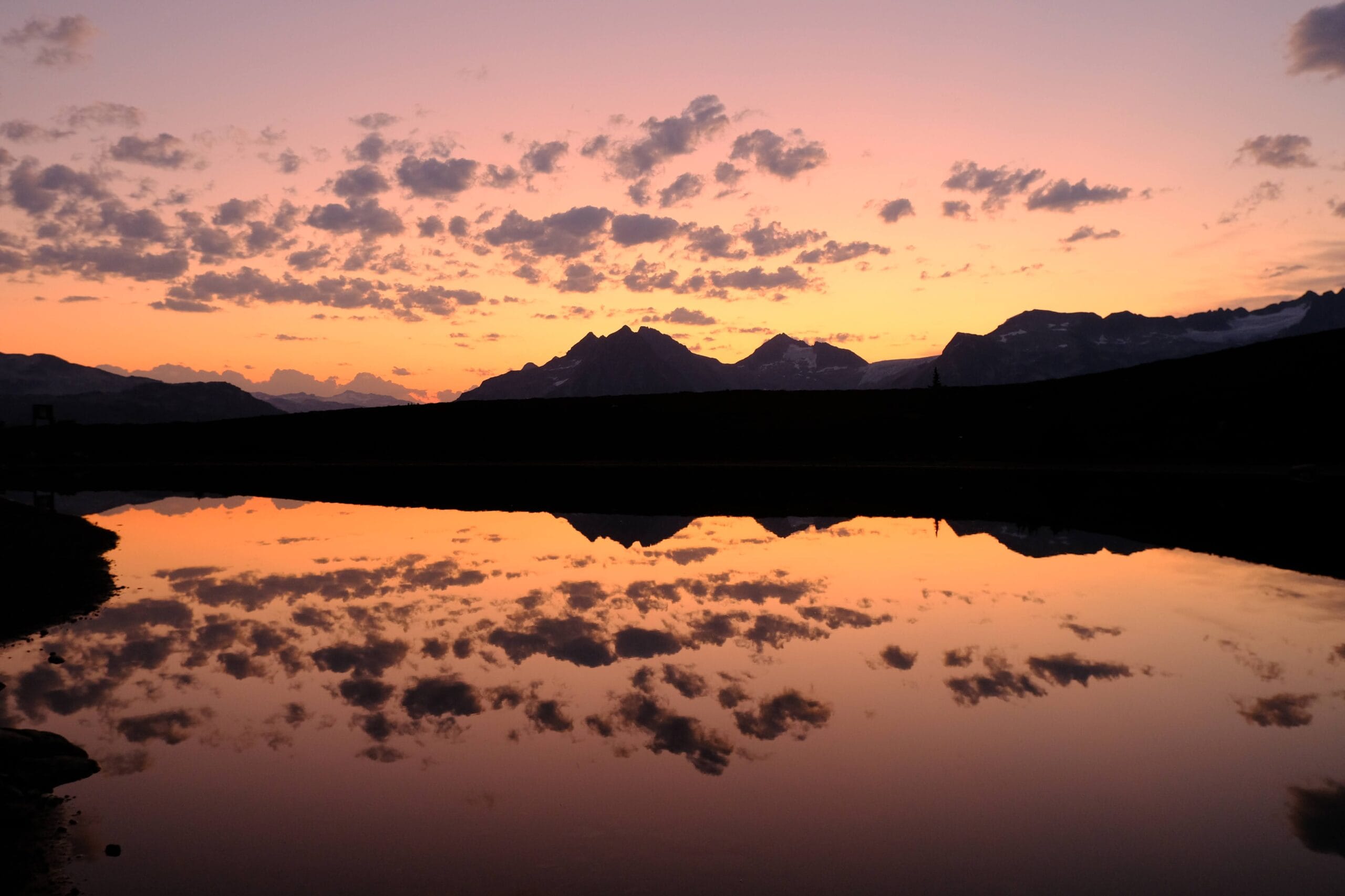
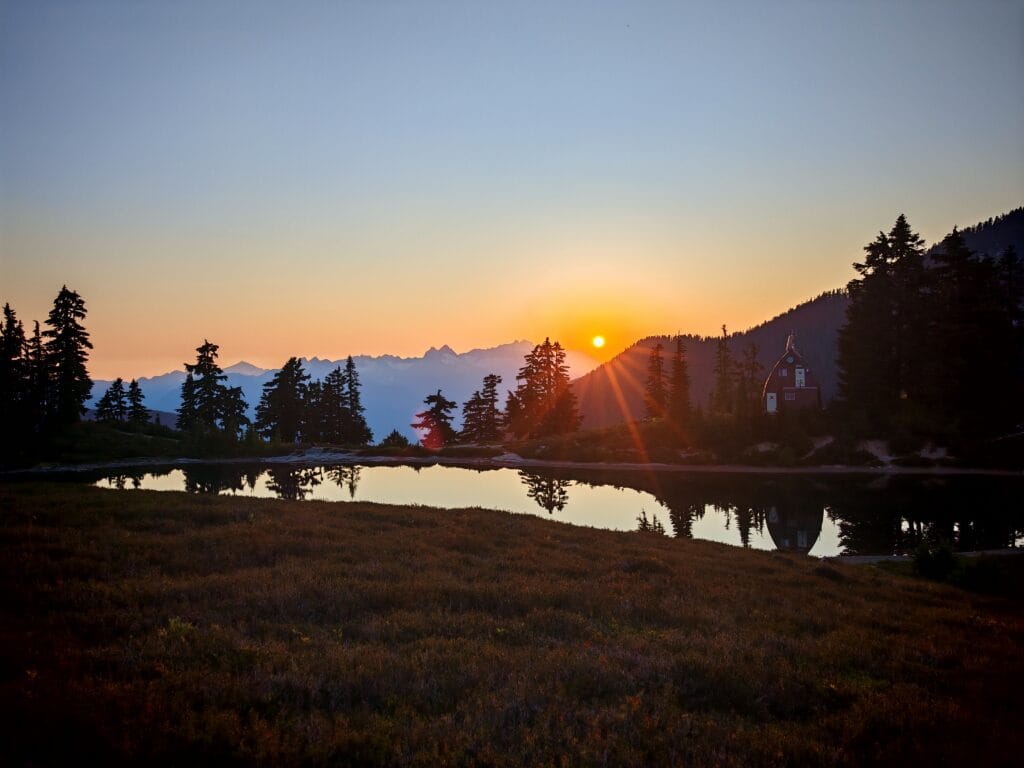
As we had a 2025 bucket-list day ahead, we woke up at 5:30am in darkness to a quiet camp. There were a few people away to enjoy the early dawn sky as we packed up our tent, sleeping equipment and got the backpacks ready for a huge day of hiking. As we left Elfin Lakes, the yellow and pink sunrise reflecting in the lake (top image) was breathtaking and my favourite image I’ve taken on my Fujifilm X-T30.
The legs took a little while to warm up after 1400m of climbing and 25km the previous day, combined with the poor night’s sleep. But the morning views drew our eyes from the trail as we grabbed a bite to eat. We knew that the Rubble Creek trailhead at the start of Garibaldi Lake and Panorama Ridge hikes is incredibly popular; hence, we needed to descend 2 hours, then drive to the trailhead (30mins) in the hope of the car park not being too full (despite having permits). We were making good progress until we were stopped in our tracks.
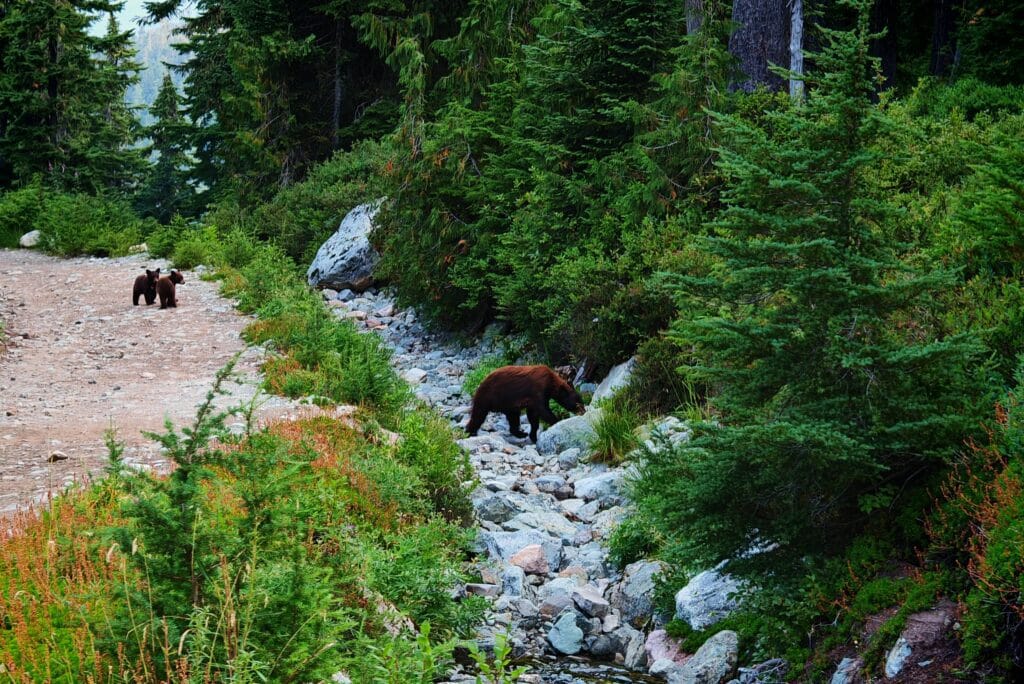
At first I saw a small black object moving before Roisin quickly pointed out it was a Bear cub…. then another one…. and a 3rd one popped up. They looked adorable even from 20 metres away. However, where there are cubs, there is a mother bear. A much scarier and dangerous prospect, so we grabbed the bear spray and rattled a carabiner against it to make our presence known.
We then had a calm face-off where the bears were merely bear hunting and had no interest in us despite blocking our path down. The small cubs struggled to get up the steep embankment and were curious about us still. After what felt like ages, the bears were a safe distance and moving away from us, so we slowly walked down the trail, and the adrenaline wore off. It was our first proper encounter with wild ebarsa nd was uneventful thankfully.
Ready for Garibaldi Lake, Panorama Ridge & Black Tusk?
Elfin Lakes is the perfect introduction to backpacking in Garibaldi Provincial Park, but the adventure doesn’t stop there. Continue to Taylor Meadows and experience turquoise lakes, volcanic peaks, Black Tusk, and the world-famous Panorama Ridge — one of the most spectacular viewpoints in British Columbia.
Read the Garibaldi Guide
When you are completely off the grid, knowing the terrain ahead is everything. Discover epic North American backcountry routes on TrekMind. Spin the globe, analyze punishing elevation profiles, and save your route logistics entirely offline.
Launch TrekMind App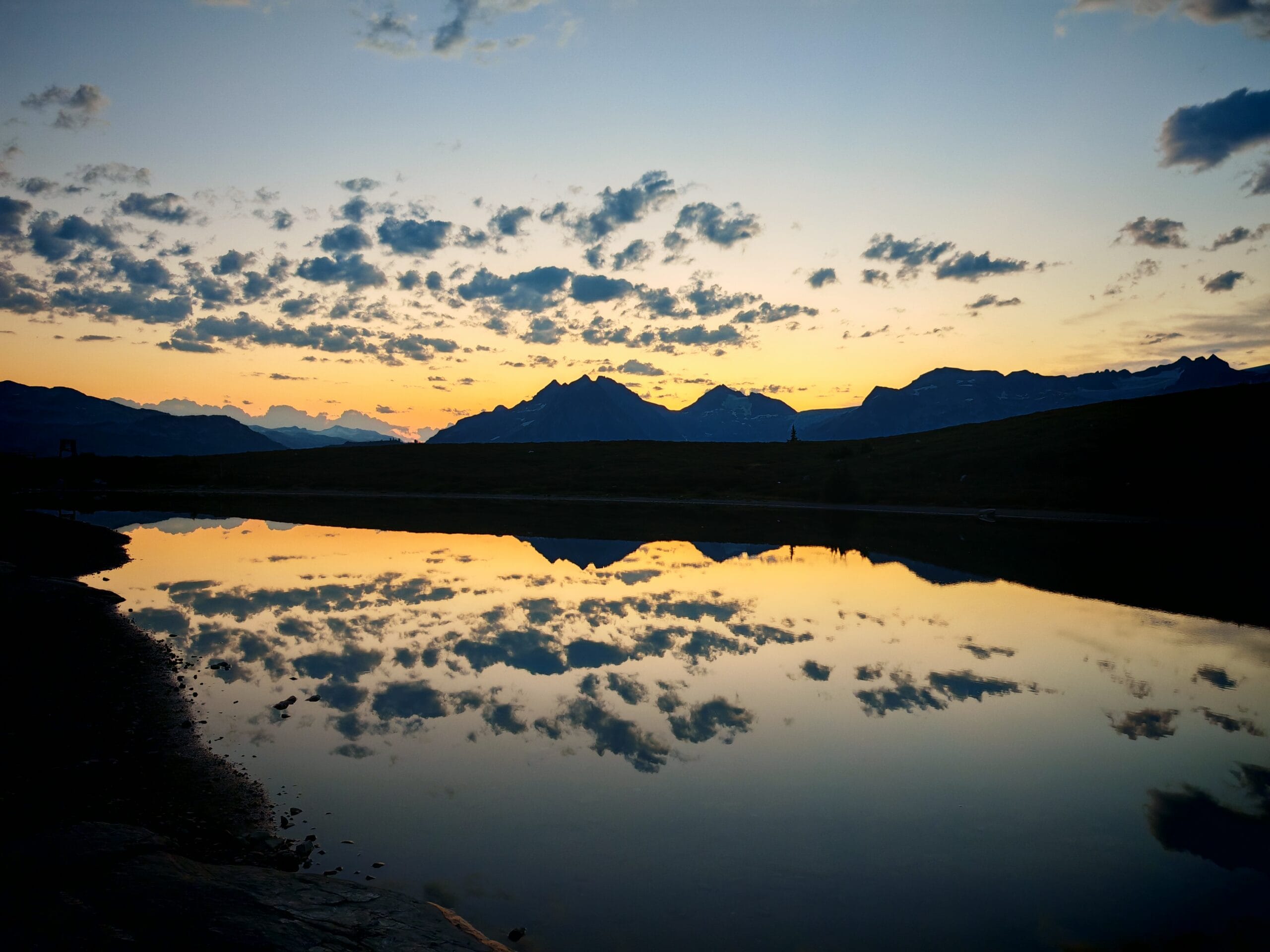
Elfin Lakes Hiking & Camping Trip Summary
The Elfin Lakes Trail is one of the best overnight adventures in Garibaldi Provincial Park, combining accessible backpacking with spectacular alpine scenery. From the forests surrounding the Elfin Lakes Trailhead to the panoramic ridgelines, shelter, and mountain views around camp, every kilometre showcases why this is one of British Columbia’s most iconic hikes.
Whether you’re tackling your first overnight trip or adding another classic Squamish hike to your list, Elfin Lakes offers the perfect balance of challenge and reward. Secure your permits early, pack for changing mountain conditions, and prepare for an unforgettable introduction to backpacking in the Coast Mountains.
Elfin Lakes FAQs
How long is the Elfin Lakes hike?
The hike is approximately 22 km round trip with around 600 metres of elevation gain. Most backpackers complete the hike over two days, although strong hikers can complete it as a long day hike.
Do you need a permit to camp at Elfin Lakes?
Yes. Anyone planning to camp at Elfin Lakes in Garibaldi Provincial Park must reserve a backcountry camping permit through BC Parks. Summer dates often fill months in advance.
Is the Elfin Lakes hike suitable for beginners?
Yes. The hike is widely considered one of the best beginner backpacking trips in British Columbia thanks to its well-maintained trail, established campground, and sheltered overnight facilities.
What is the best time to hike Elfin Lakes?
The best time to hike Elfin Lakes is typically between July and October when snow has largely cleared from the trail. Early-season hikers should be prepared for lingering snow at higher elevations.
Can you stay in the Elfin Lakes Shelter?
Yes. The Elfin Lakes Shelter provides overnight accommodation for hikers and backpackers, although space is limited. Most visitors camp at the nearby Elfin Lakes campground and use the shelter’s cooking area during poor weather.