A long weekend city guide — three days, one capital, an unreasonable number of waffles
Brussels is one of the easiest capital cities in Europe to visit for a long weekend. It is compact, well connected by train, and packed with Art Nouveau architecture, comic-strip murals, world-class beer and some of the best chocolate and frites you will find anywhere. Three nights is enough time to see the Brussels highlights without rushing or killing time.
Most travellers treat Brussels as a quick stop on the way to Paris, Amsterdam or Bruges, and leave with a photo of the Grand Place and not much else. After spending a long weekend here, I think it deserves far more credit. It might not have the uniqueness of Amsterdam or the art culture of Paris; however, Brussels offer comfort in its excellent food, beautiful architecture and a safe city to freely explore and learn about Belgium’s fascinating industry.
This Brussels travel guide covers how to get here, where to stay, where to eat and drink, the sights worth your time, how to get around and a suggested itinerary, plus a quick note on the Bruges day trip. –This post covers Brussels only. Bruges was a separate day trip from here and gets its own write-up — don’t expect it folded in below.
Brussels Overview
| Quick fact | Details |
|---|---|
| Best for | City breaks, food and beer, architecture, comics and art, easy day trips |
| Ideal length | 2 to 3 nights (4 days including a day trip) |
| Getting in | Eurostar to Brussels-Midi, or train from Brussels Airport (BRU) in around 20 minutes |
| Getting around | Walk the centre; metro and tram for the Atomium and European Quarter |
| Best time to visit | April to June and September to October |
| Currency / Language | Euro; French and Dutch, with English widely spoken |
| Rough daily budget | Approx 75 euros each |
Brussels: Trip Brief
Brussels does not get the postcard treatment that Paris, Amsterdam or Bruges do, and that is part of its charm. It is a working capital first, home to the European Union institutions and NATO, and a tourist city second. That means you get a city that feels lived in rather than staged, with locals queuing at the same friteries as visitors and neighbourhood bars that have barely changed in a century. Three nights was the right dose, allowing sufficient time to cover the Grand Place, the museum quarter, and a proper crawl through the beer bars, without ever queuing for anything.
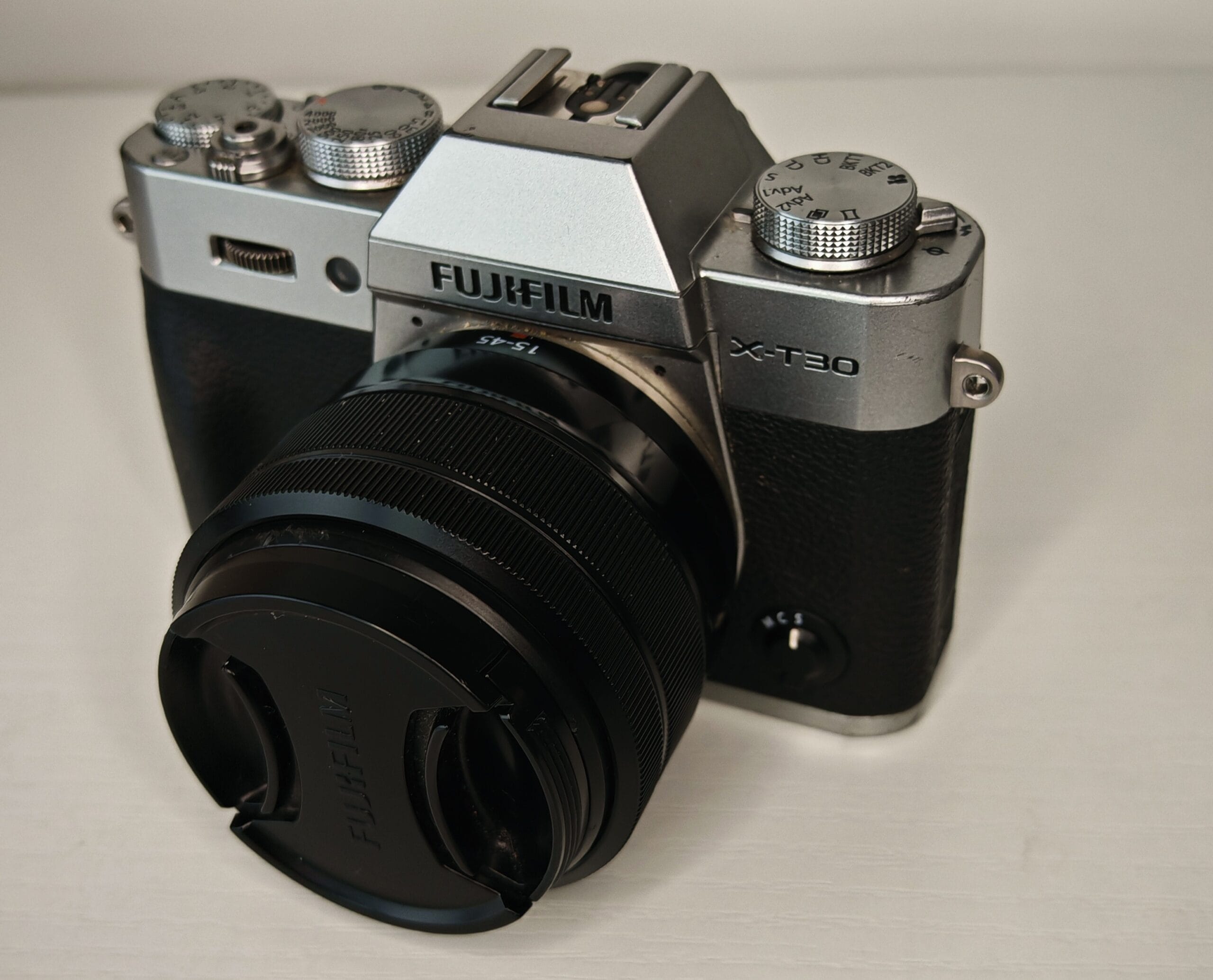
The city is also surprisingly easy to cover. Almost everything in the historic centre sits inside a compact area known as the Pentagon, named after the shape of the old city walls. From the Grand Place you can walk to Manneken Pis, the Royal Galleries, the Mont des Arts and the museum quarter in about 15 minutes. If you are used to my trekking posts, think of this as the opposite end of the spectrum: no permits, no hut bookings, just a good pair of shoes for the cobbles and a camera in hand to capture the charming city,
Brussels is also a brilliant base for exploring the rest of Belgium. Bruges, Ghent, Antwerp and Leuven are all reachable by direct train in around an hour or less, which is why I used it as my base for a separate day trip to Bruges. It’s even possible to go explore the Belgium WW1 Battlefields from Brussels or watch the F1 at Spa-Francorchamps.
Getting There & Getting Around
Getting to Brussels
Brussels is one of the best-connected cities in Western Europe, so there is almost always an easy route in. The main airport, Brussels Airport (BRU) in Zaventem, is only around 20 minutes from the centre by train, and the high-speed rail network drops you right in the middle of the city.
| Route | Method | Duration | Notes |
|---|---|---|---|
| Brussels Airport (BRU) to Brussels-Central | Train | ~20 mins | Frequent departures; buy your ticket before boarding |
| London to Brussels-Midi | Eurostar | ~2 hrs | Book early for the best fares; clear passport control at St Pancras |
| Paris to Brussels-Midi | Eurostar | ~1.5 hrs | Direct from Paris Gare du Nord |
| Amsterdam to Brussels-Midi | Eurostar | ~2 hrs | Direct service; compare against slower, cheaper regional trains |
| Charleroi Airport (CRL) | Shuttle bus | ~1 hr | Where many budget airlines land; bus to Brussels-Midi |
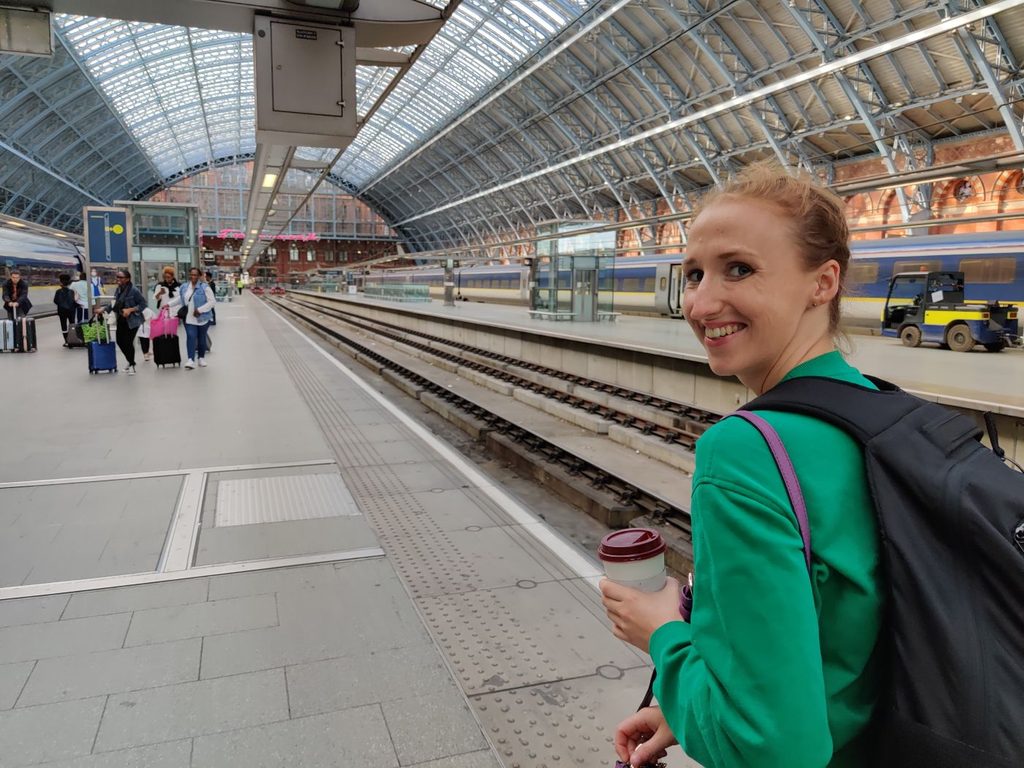
If you are flying in from outside Europe, Brussels Airport is the simplest option because the train drops you at Brussels-Central, a few minutes’ walk from the Grand Place. Budget airlines often fly to Charleroi instead, which is cheaper but adds roughly an hour each way, so factor the shuttle time and cost into your comparison. Coming by Eurostar from London, Paris or Amsterdam is pleasant and fast; you arrive at Brussels-Midi, and from there it is one metro stop or a 20-minute walk to the centre. We travelled from London via Eurostar, taking only 2hours from St Pancras.
One practical note: the area around Brussels-Midi can feel scruffy and busy, and pickpockets work the station. Keep your bag zipped and your phone out of back pockets as you arrive, then relax once you are in the old town. The centre (the Pentagon, bounded by the old city walls) is entirely walkable — I didn’t touch public transport once I’d arrived. Save the metro for Atomium or the EU Quarter, both of which sit well outside comfortable walking range.
2. Where to Stay in Brussels
For a first visit, I would stay inside or right next to the Pentagon so that you can walk everywhere and return to your room mid-afternoon to rest your feet. Brussels cobbles are unforgiving after a full day of sightseeing. Here is how the main areas compare:
- Grand Place and Îlot Sacré – The most central option, with the sights on your doorstep. It is also the most touristy and can be noisy at night, and the restaurants on Rue des Bouchers are priced for visitors.
- Sainte-Catherine and Dansaert – A great mix of restaurants, cocktail bars and independent shops, only 10 minutes from the Grand Place. This is where I would base myself on a return trip. [ADD: where you actually stayed]
- Sablon and Marolles – Quieter and more upmarket, with antique shops, chocolatiers and the daily flea market at Place du Jeu de Balle.
- European Quarter – Business hotels that are often cheaper at weekends, but the area is quiet in the evenings.
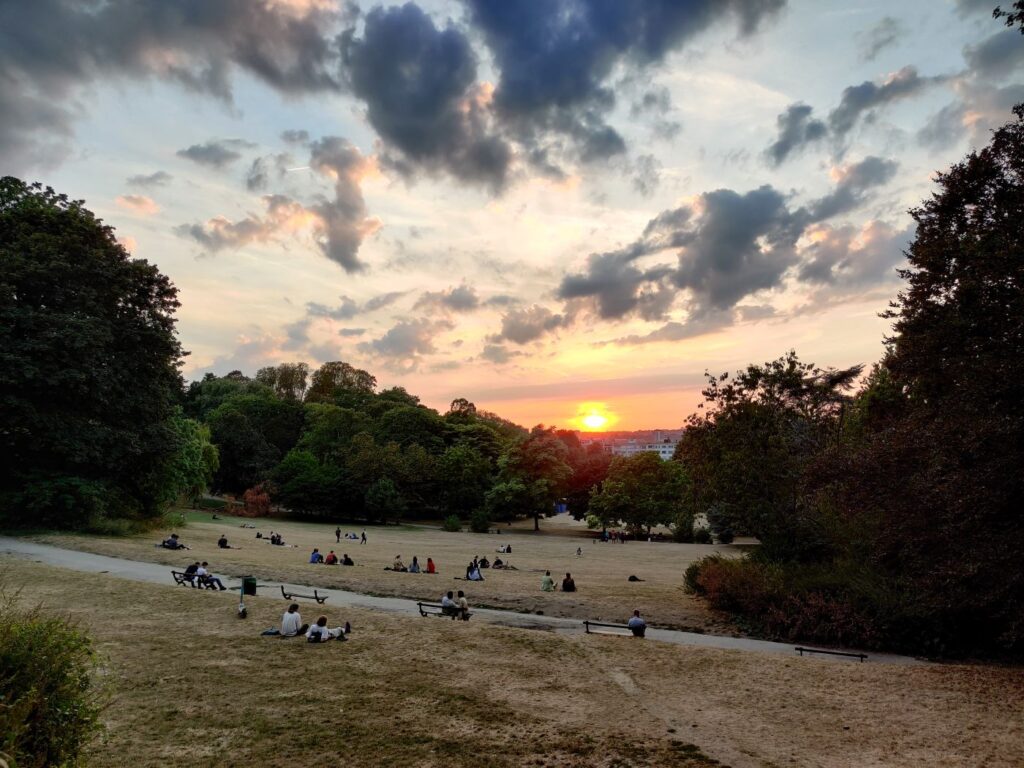
- Saint Giles – A more residential area around a 30-minute walk to the centre with much cheaper Airbnb accommodation. We stayed 3 nights in a studio apartment with a kitchen for us to save money and a cosy set-up. There was the delightful Renard bakery not far away from us, alongside being near Porte de Hal and Parc Forest for exploration.
| Tier | Pick | Approx. price per night | Best for |
|---|---|---|---|
| Budget | MEININGER Bruxelles City Center | €25 EUR per dorm | Solo travellers and backpackers; dorm beds or simple private rooms |
| Mid-range | Saint Giles Airbnb | €150 EUR a night | Comfort and a quiet location within walking distance of the centre |
| Luxury | Hotel Amigo | €350 EUR a night | Historic grandeur right in the centre |
Prices fluctuate with the EU summer calendar, so check dates before booking. Hotels in the European Quarter can spike midweek when meetings are on and drop sharply at weekends.
3. Where to Eat and Drink in Brussels
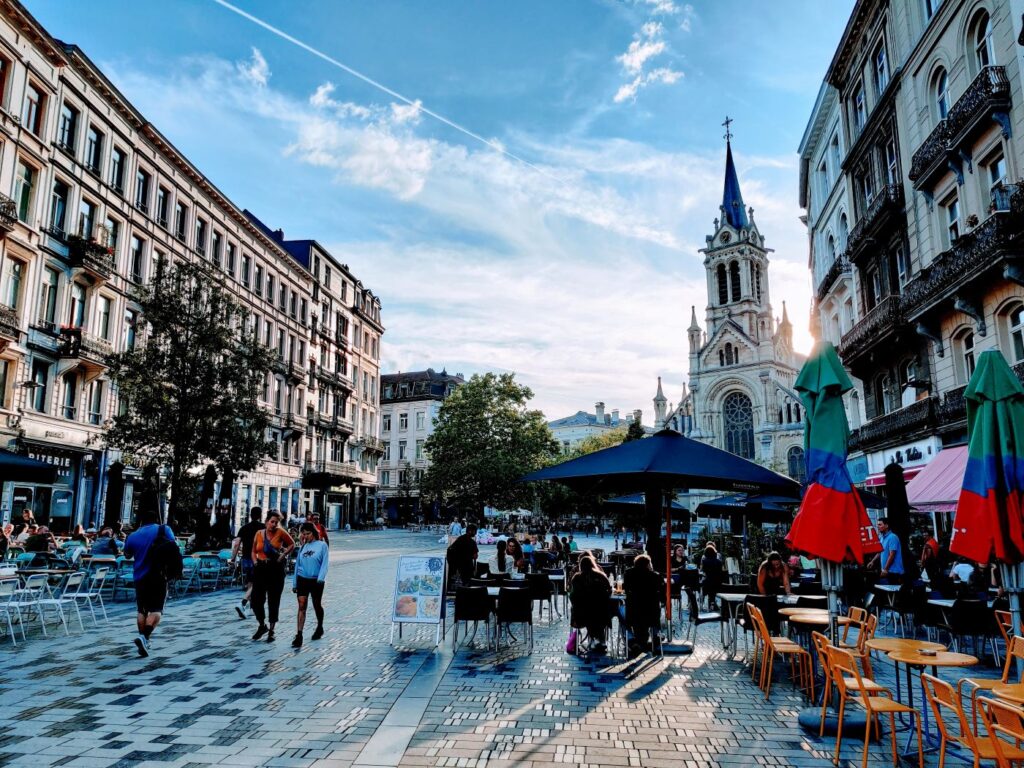
Food is half the reason to come to Brussels. The city has the usual Belgian greatest hits plus a growing independent scene, and you can eat very well without spending much. The trick is to walk a couple of streets away from the Grand Place before choosing a restaurant.
Frites, waffles and chocolate
- Frites – Order from a traditional friterie (fritkot) rather than a restaurant, and try the local default sauce, andalouse. Maison Antoine on Place Jourdan is the one most locals will point you to, and Fritland near the Bourse is a good central alternative. The Café Georgette frites are easily the best I have ever tried!! Try them with Andalouse sauce if you want the local default rather than mayo or ketchup.
- Waffles – There are two styles. Brussels waffles are light, rectangular and built for toppings, while Liege waffles are denser and caramelised and best eaten plain. Maison Dandoy and Mokafe in the Galeries Royales Saint-Hubert are reliable places to try both.
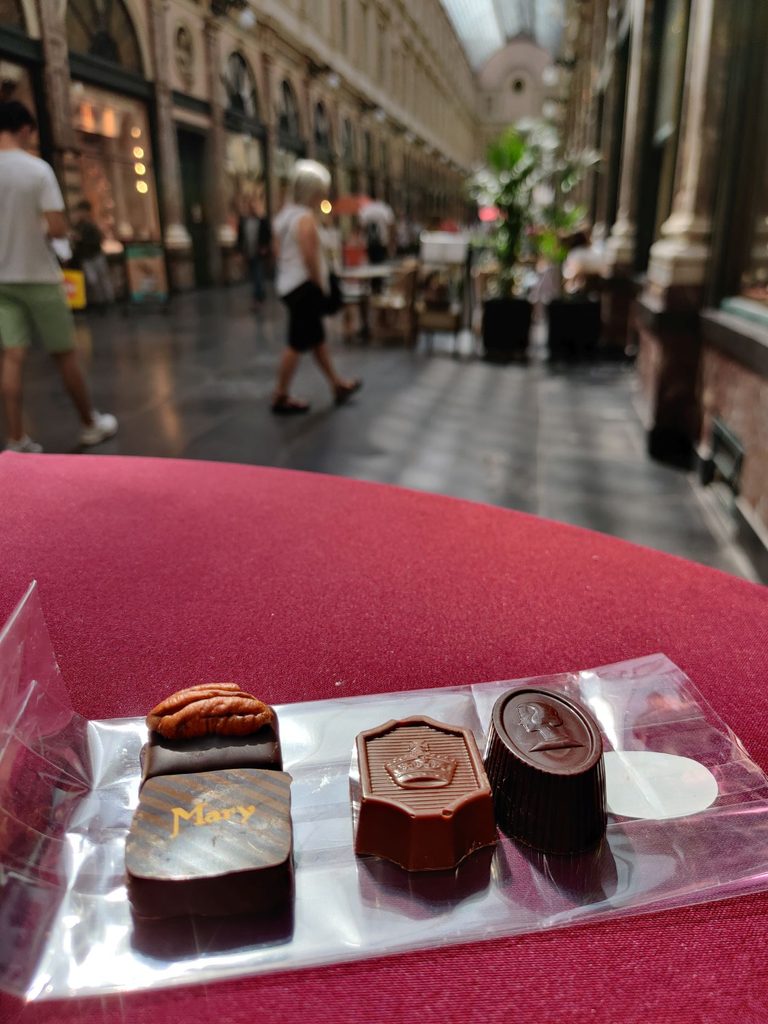
- Chocolate – Neuhaus, which has a shop in the Galeries Royales Saint-Hubert and claims to have invented the praline in 1912, is a classic. Pierre Marcolini near the Sablon is the more modern, high-end option, and Mary and Galler are also well regarded; I personally enjoyed the Mary ones in Galeries Royales Saint-Hubert.
Moules-frites and Belgian classics
Moules-frites is the obvious classic Belgian order and does not disappoint if you pick a place away from the immediate Rue des Bouchers strip — that street is priced for tourists who haven’t walked two minutes further.
- Chez Léon – A Brussels institution since 1893, near the Grand Place. It is touristy but dependable for moules-frites if you want the classic experience.
- Fin de Siècle – A cheaper, more local option serving hearty Belgian dishes such as carbonnade (beef stewed in beer). It does not take bookings, so arrive early.
- Waterzooi and stoemp – If you see these on a menu, order them. Waterzooi is a creamy chicken or fish stew, and stoemp is mashed potato with vegetables, often served with sausage.
- Pasta Divina – A modern Italian restaurant with exceptional fresh pasta. Worth booking ahead, and the outdoor patio in the sun is ideal for summer.
Beer
You cannot visit Belgium and ignore the beer. Rather than choosing by brand, tell the bartender what you like and let them steer you. A good tasting arc is a Trappist beer such as Westmalle or Orval, a classic tripel, and then a lambic or gueuze for something sour and funky that tastes nothing like a typical lager.
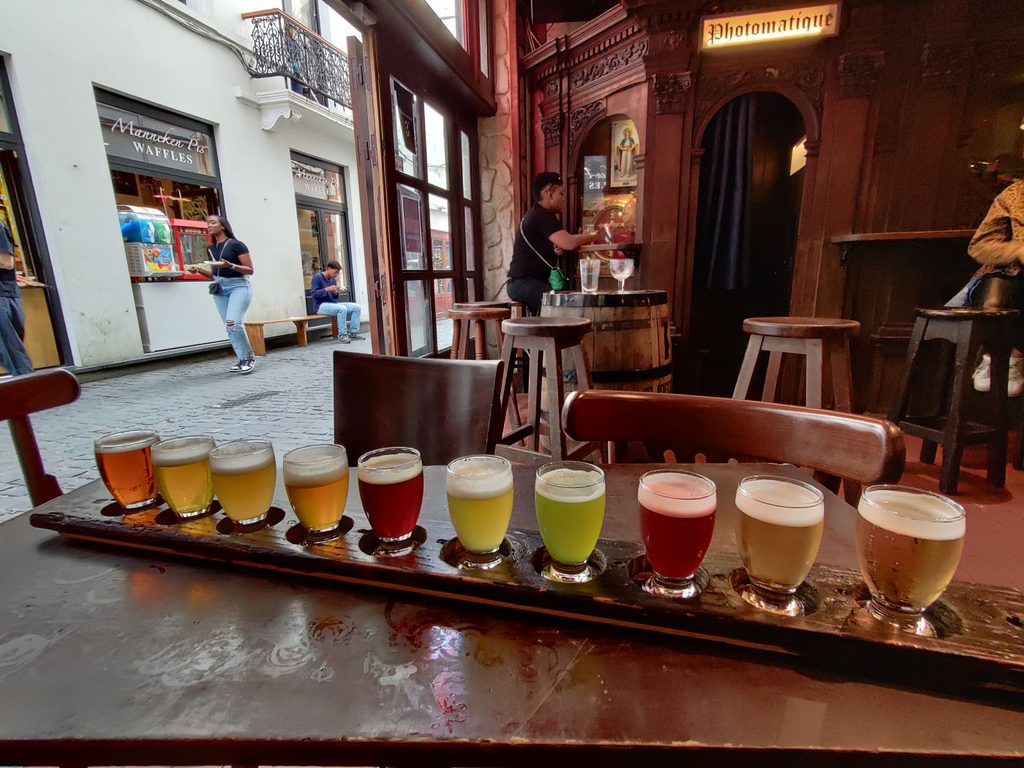
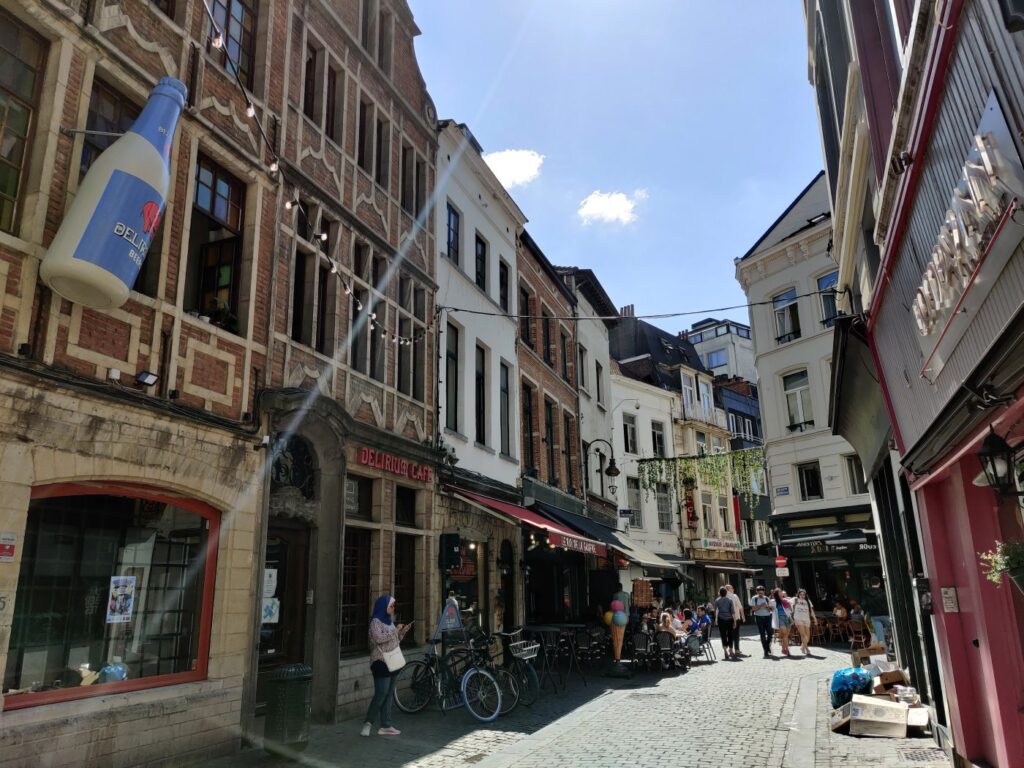
- Delirium Café – Famous for its menu of more than 2,000 beers. It is loud and touristy, but fun for one round. We tried a tasting beer flight of 10 beers and left with a new cuddly pink elephant!
- À la Mort Subite – A traditional 1920s café that serves gueuze and kriek in a beautiful old-school interior.
- Moeder Lambic – A modern craft beer bar with a rotating tap list, good for something more adventurous.
- Cantillon Brewery – A working lambic brewery in Anderlecht with a small museum and tastings. Check opening days before you go.
- HOLY WINES – near to Église Notre-Dame de la Chapelle, this wine and cocktail bar with pavement street seating and a bustling atmosphere was our favourite bar!
- Maison du Peuple de Saint-Gilles – The best bar around Saint Giles with pleasant outdoor seating
Stay Connected Anywhere With Holafly eSIM
One of the easiest travel upgrades I’ve made is switching to an eSIM. Holafly provides unlimited data plans across Europe and many other destinations, allowing you to navigate, book transport, and stay connected without hunting for local SIM cards.
- Unlimited data in many destinations
- No physical SIM card required
- Ideal for Europe backpacking trips
- Activate before you travel
Key Attractions
Grand Place
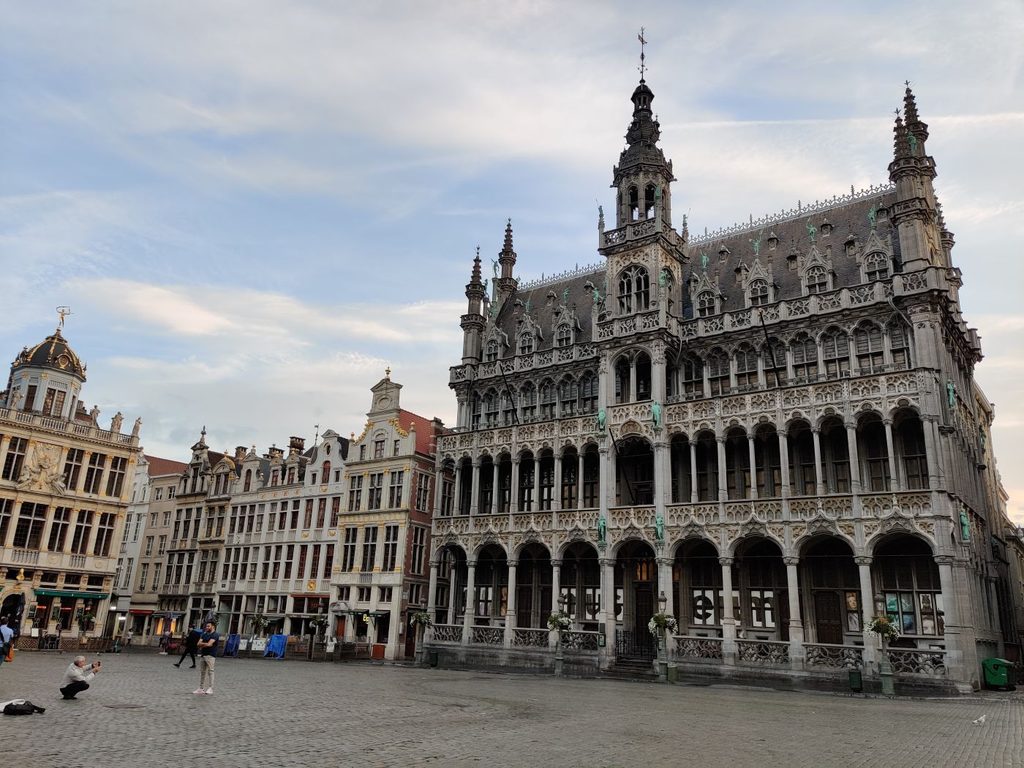
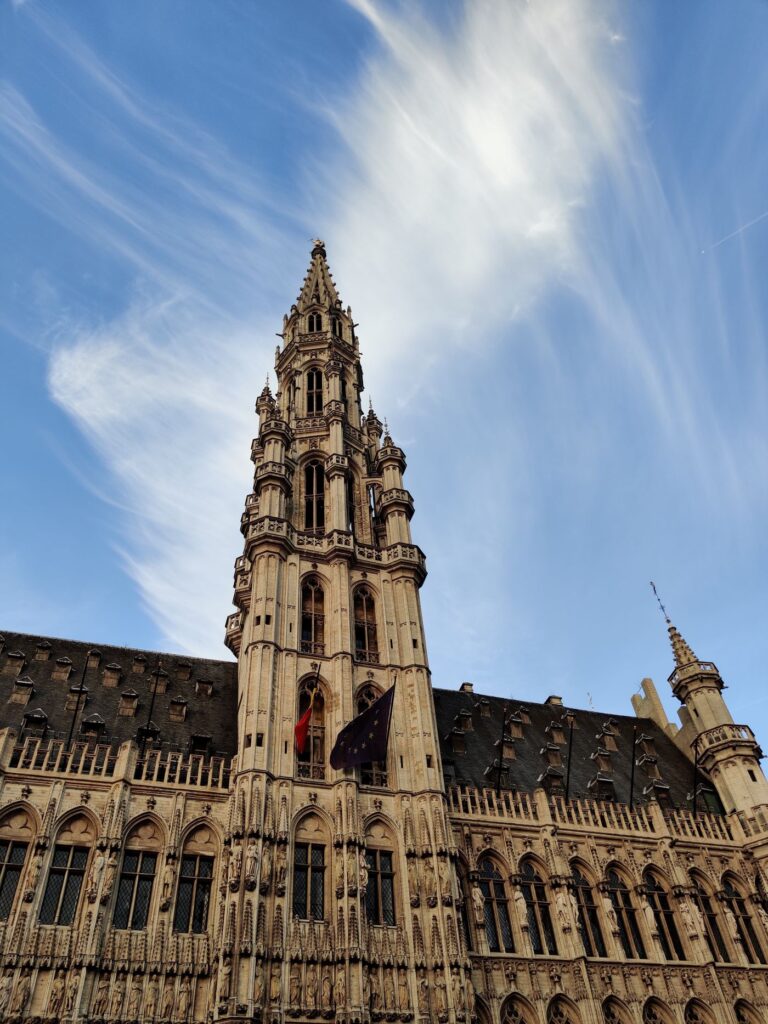
The UNESCO-listed main square is the obvious starting point, and it earns its reputation. Ornate guild houses line three sides, and the Gothic Town Hall with its slender spire dominates the fourth. Visit once in daylight to see the gilded details, then again after dark when the floodlighting really does the work. Early morning is the best time to see it with fewer people, and our favourite visit was at 7am for a morning walk! Note that it is small, so you will end up walking through it several times over a weekend whether you plan to or not.
Manneken Pis and the Royal Galleries
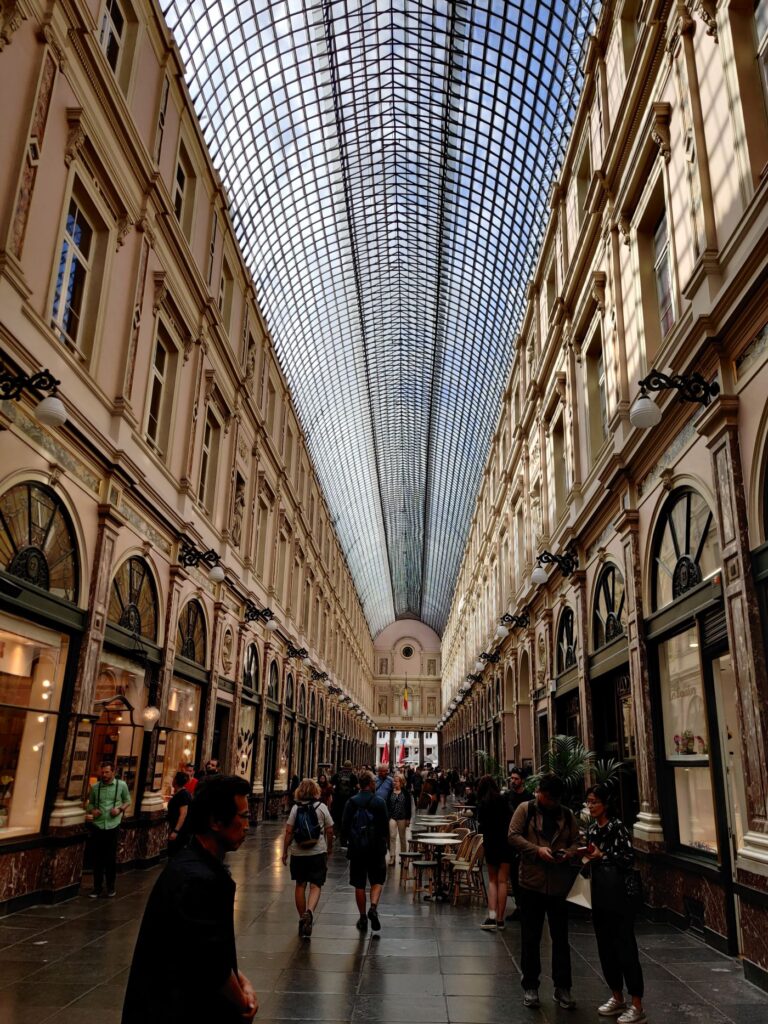
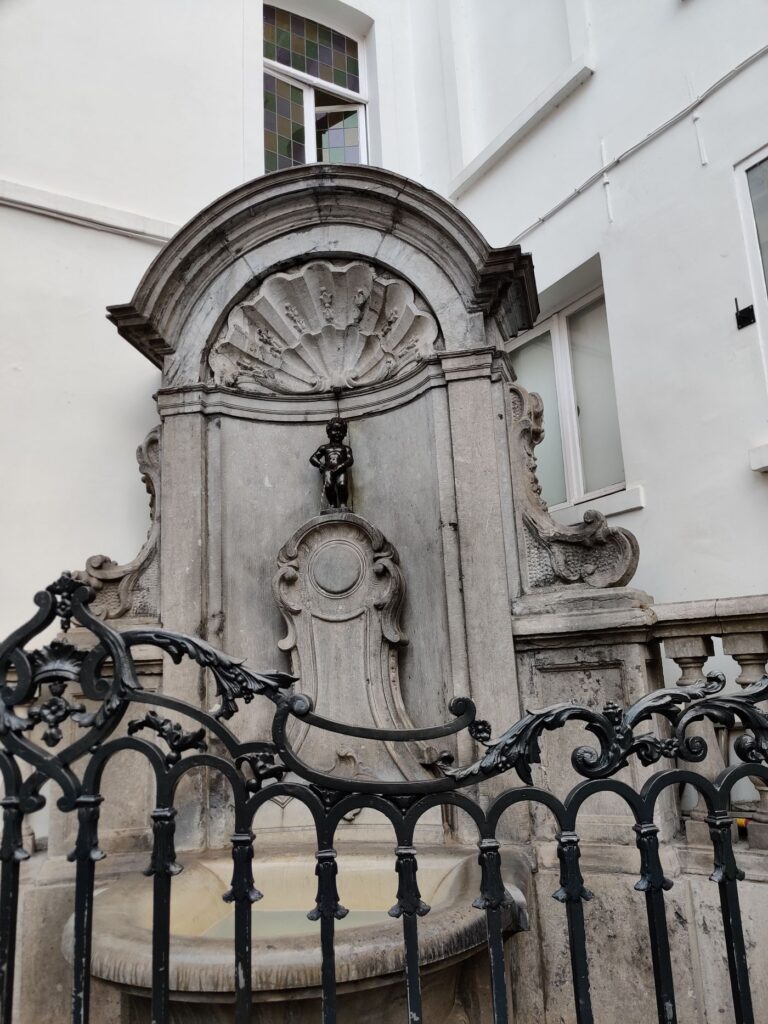
Manneken Pis is smaller than most visitors expect, and the joke is partly on those who go looking for a tiny bronze statue of a boy. It is still worth the two-minute detour from the Grand Place, especially if he is wearing one of his hundreds of costumes. From there, walk through the Galeries Royales Saint-Hubert, one of Europe’s earliest glass-roofed shopping arcades, opened in 1847. It is full of chocolatiers, bookshops and cafés and is a good rainy-day spot. We visited this as part of a Free Walking Tour which covered the main central Brussels attractions.
Mont des Arts and the Royal Museums of Fine Arts
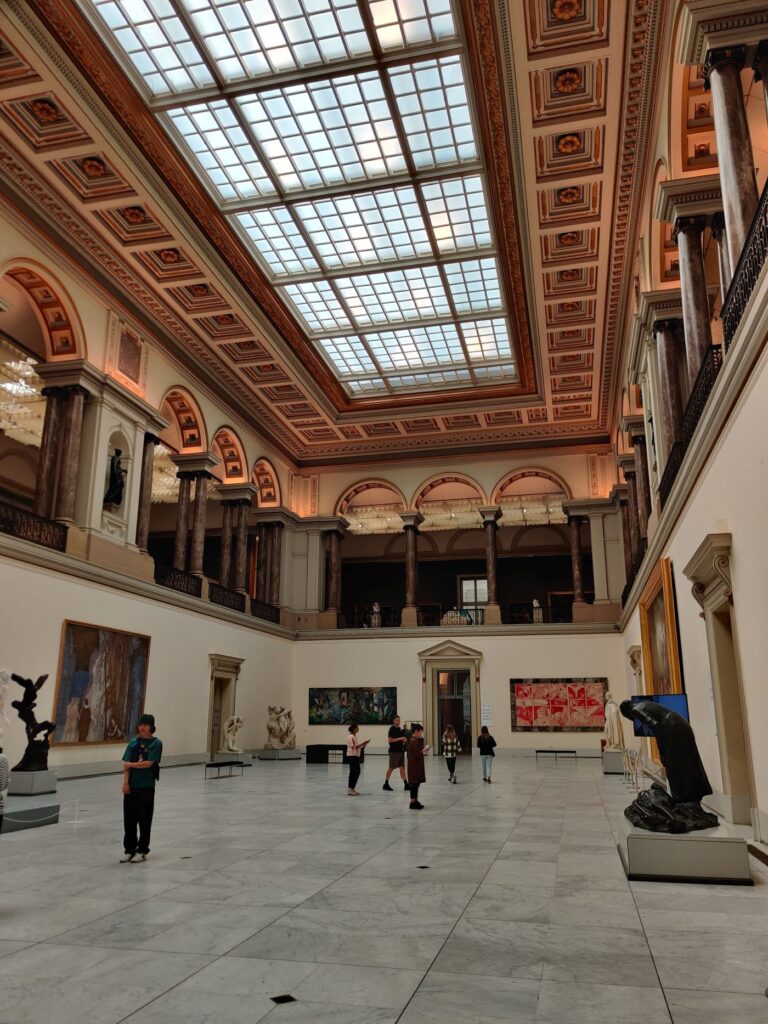
The terraced gardens of the Mont des Arts give one of the best views over the old town, with spires and rooftops stretching out below. The Royal Museums of Fine Arts sit beside it, including the Magritte Museum, which houses the largest collection of the surrealist’s work in the world, and an Old Masters wing with works by Bruegel. If you only have time for one museum, make it the Magritte. Many Brussels museums close on Mondays, so check before you go. We visited the Old Masters due to my love of classical art and will return for the Magritte Museum, which cost us around €15 for a few hours before we left Brussels.
Belgian Comic Strip Centre and the Mural Trail
Tintin and the Smurfs both come from Belgium, and Brussels celebrates comics everywhere. The Comic Strip Centre is housed in a beautiful Art Nouveau building designed by Victor Horta, and the building is almost as impressive as the exhibits. Even if you skip the museum, you can follow the city’s comic mural trail on foot and spot dozens of giant comic characters painted on walls around the centre.
Cathedral of St Michael and St Gudula
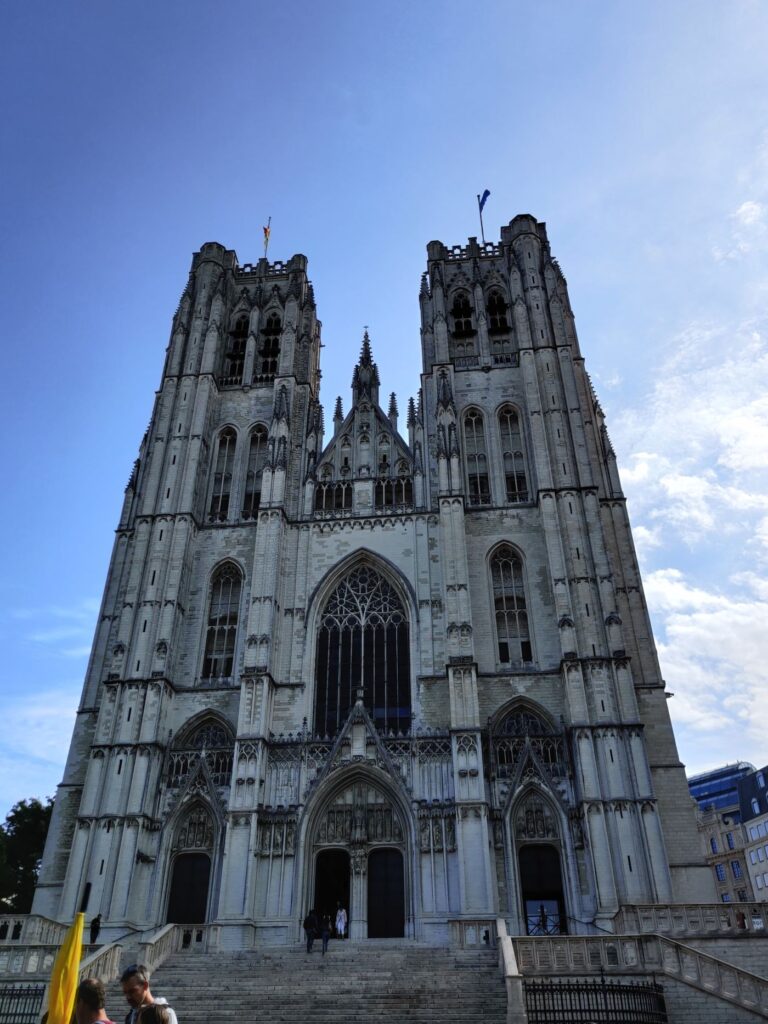
A short walk uphill from the station area, this Gothic cathedral is free to enter and quieter than the main sights. It makes a good stop between the Grand Place and the Mont des Arts. It has a seriously impressive interior and is worth a detour.
Atomium and Mini-Europe
The Atomium was built for the 1958 World’s Fair and represents an iron crystal magnified around 165 billion times. As someone with an engineering background, I enjoyed it as an object even more than as a museum. Nine steel spheres connected by tubes rise to roughly 100 metres, and the top sphere has panoramic views of Brussels. Take the metro to Heysel and book a timed ticket online to avoid queuing. Mini-Europe, a park of miniature European landmarks, is right next door if you have kids or a sense of humour. We didn’t have time unfortunately to go, but it’s high on the list for next time!
Cinquantenaire Park and Autoworld
A triumphal arch flanked by museums sits inside a large, calm park a short metro ride from the centre. If you are a petrolhead, Autoworld inside the park has a large collection of classic cars. If I had 5 days in Brussels, then I would have loved to visit, given my Car design and Engineering background! There are Art & History as well as Royal Military museums next door to complete a day trip out.
Delirium Village / Beer Culture
Belgium’s actual national sport is appreciating great Beer. Delirium Café’s cellar bar list runs into the thousands and was our go-to as I’m a fan of Delirium Beer. There are also smaller specialist bars around Rue des Bouchers and Rue du Marché aux Fromages — order by style rather than brand and let the bartender steer you. A Trappist (Westmalle or Orval if you want the benchmark) and a lambic are the two poles worth tasting back to back to understand the range.
Marolles Flea Market and Sablon
The Marolles flea market at Place du Jeu de Balle runs every morning and is busiest at weekends, with antiques, vintage clothes and bric-a-brac. The Sablon antiques market is on at weekends and is a more polished experience, with high-end chocolatiers on the doorstep.
European Quarter and the Parlamentarium
If you want to understand why Brussels matters, spend an hour in the European Quarter. The Parlamentarium visitor centre is free and explains how the European Parliament works. It is a world away from the medieval centre and makes a good half-day for anyone who likes politics or modern architecture.
Royal Saint-Hubert Galleries
One of Brussels’ most elegant landmarks, this stunning Gallery features a series of glass-roofed shopping arcades filled with luxury boutiques, cafés, chocolatiers, and historic restaurants. Opened in 1847, they remain among the oldest covered shopping galleries in Europe and provide a beautiful link between Brussels’ Grand Place and the city’s cultural quarter. I’d recommend Mary Chocolate inside for a very Belgian experience.
Day trip: Bruges
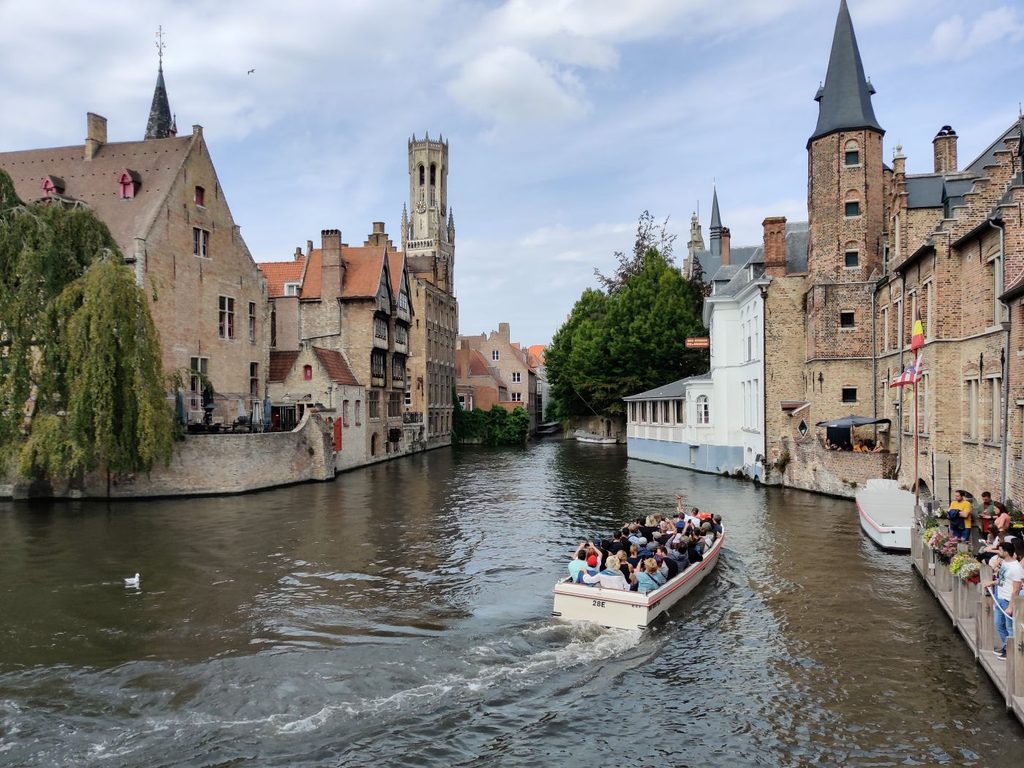
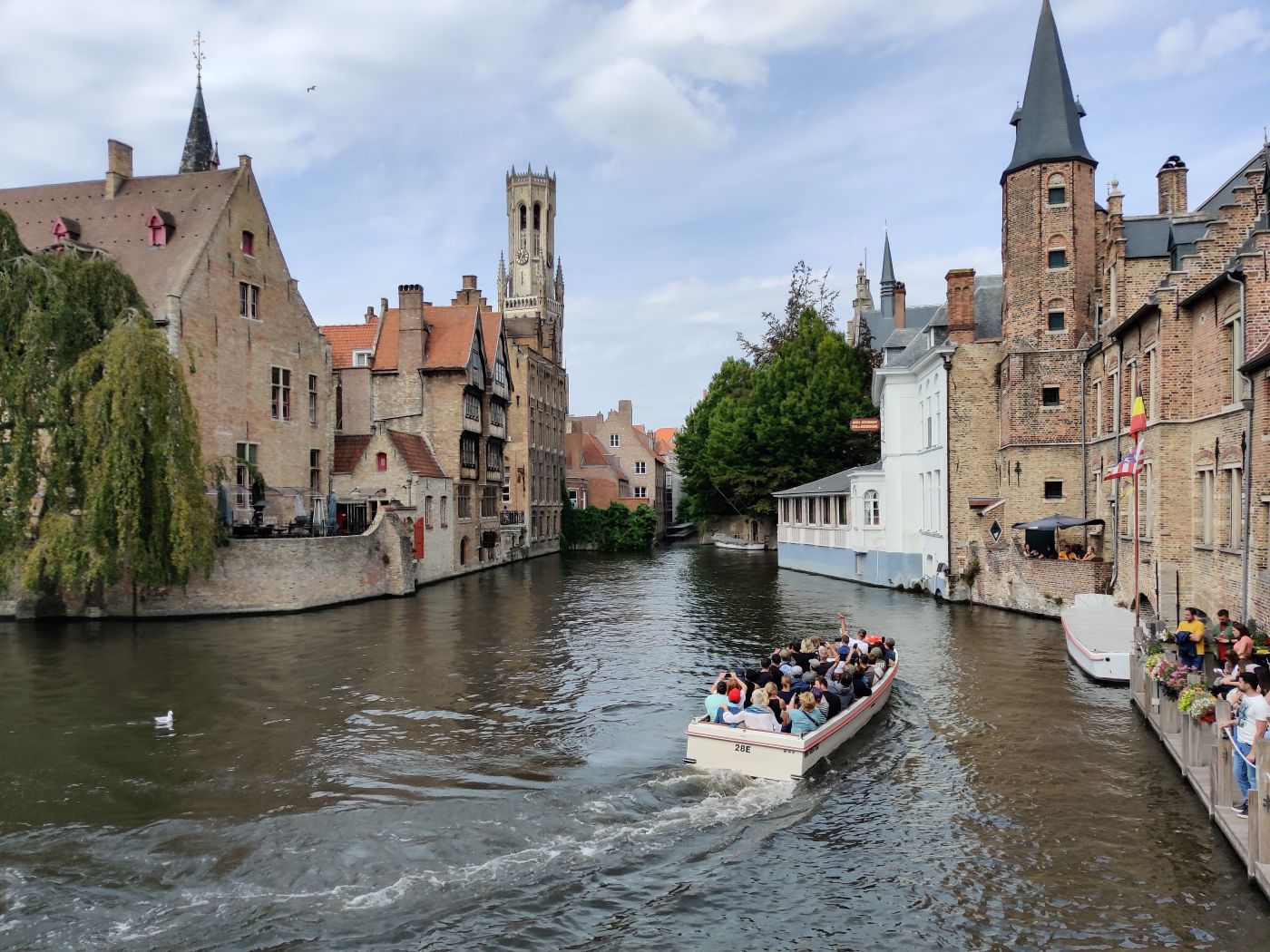
Bruges is only about an hour by direct train from Brussels, and makes an easy day trip. Trains run roughly every 30 minutes, and you can buy tickets at the station or in the SNCB app. I will cover the canals, the Belfry, the chocolate shops and the best timings in a dedicated guide. If you only have a weekend, I would do Brussels on Friday and Sunday and Bruges on Saturday.
Planning Notes
Budget
Brussels Long Weekend Budget
| Item | Typical Cost |
|---|---|
| Eurostar London–Brussels Return | €105–€210 (£90–£180 / $115–$230) |
| Alternative Budget Flight Return | €70–€175 (£60–£150 / $75–$190) |
| 3-Night Airbnb / Apartment | €210–€350 (£180–£300 / $230–$385) |
| Food & Drink (3 Days) | €105–€210 (£90–£180 / $115–$230) |
| Bruges Day Trip Return | €18–€40 (£15–£35 / $20–$45) |
| Museum Entry Allowance | €18–€46 (£15–£40 / $20–$50) |
| Local Transport | €12–€24 (£10–£20 / $13–$26) |
| Coffee, Beer & Spending Money | €60–€140 (£50–£120 / $65–$155) |
| Total Estimated Budget | €600–€1,195 (£510–£1,025 / $655–$1,310) |
What to Pack
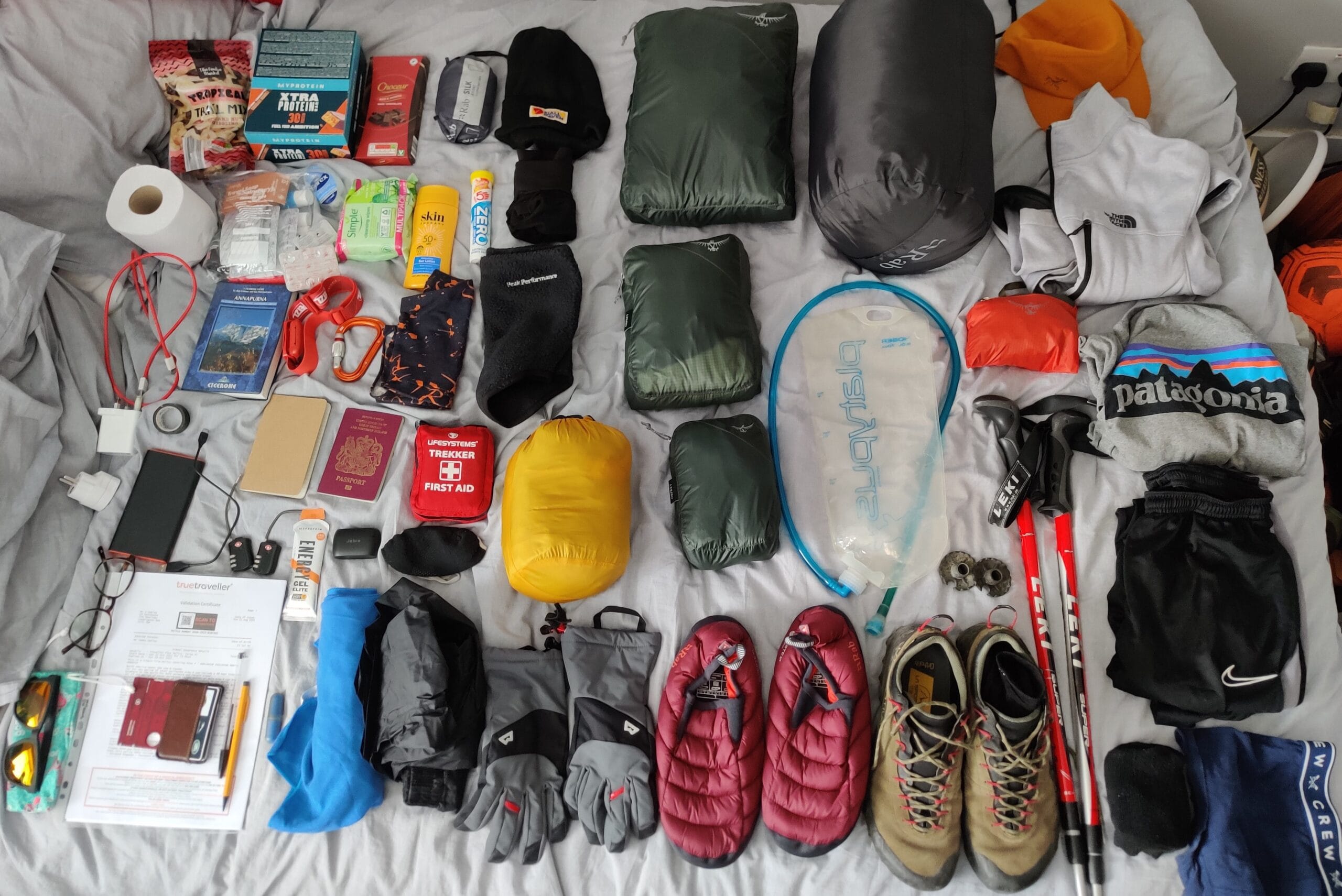
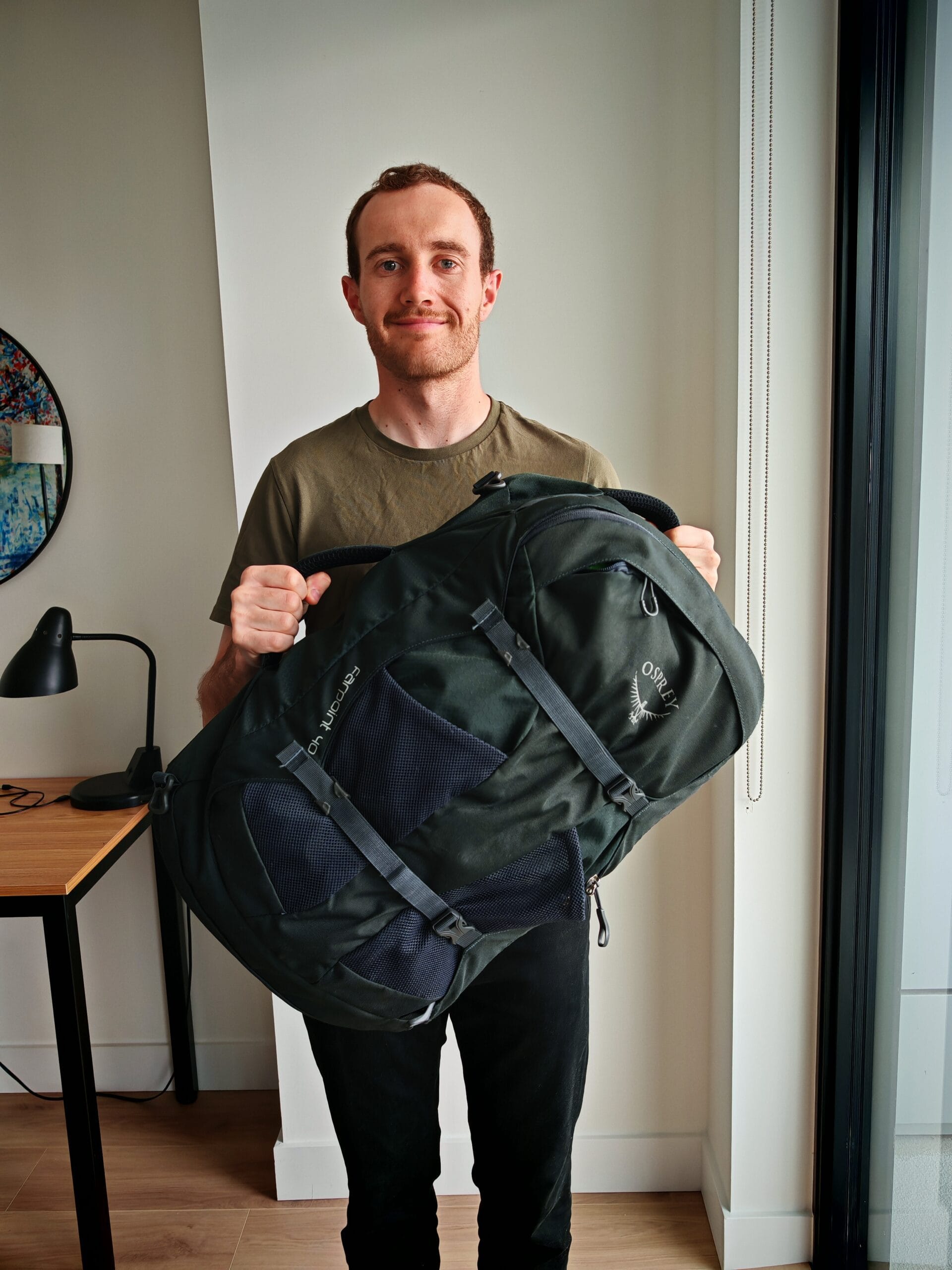
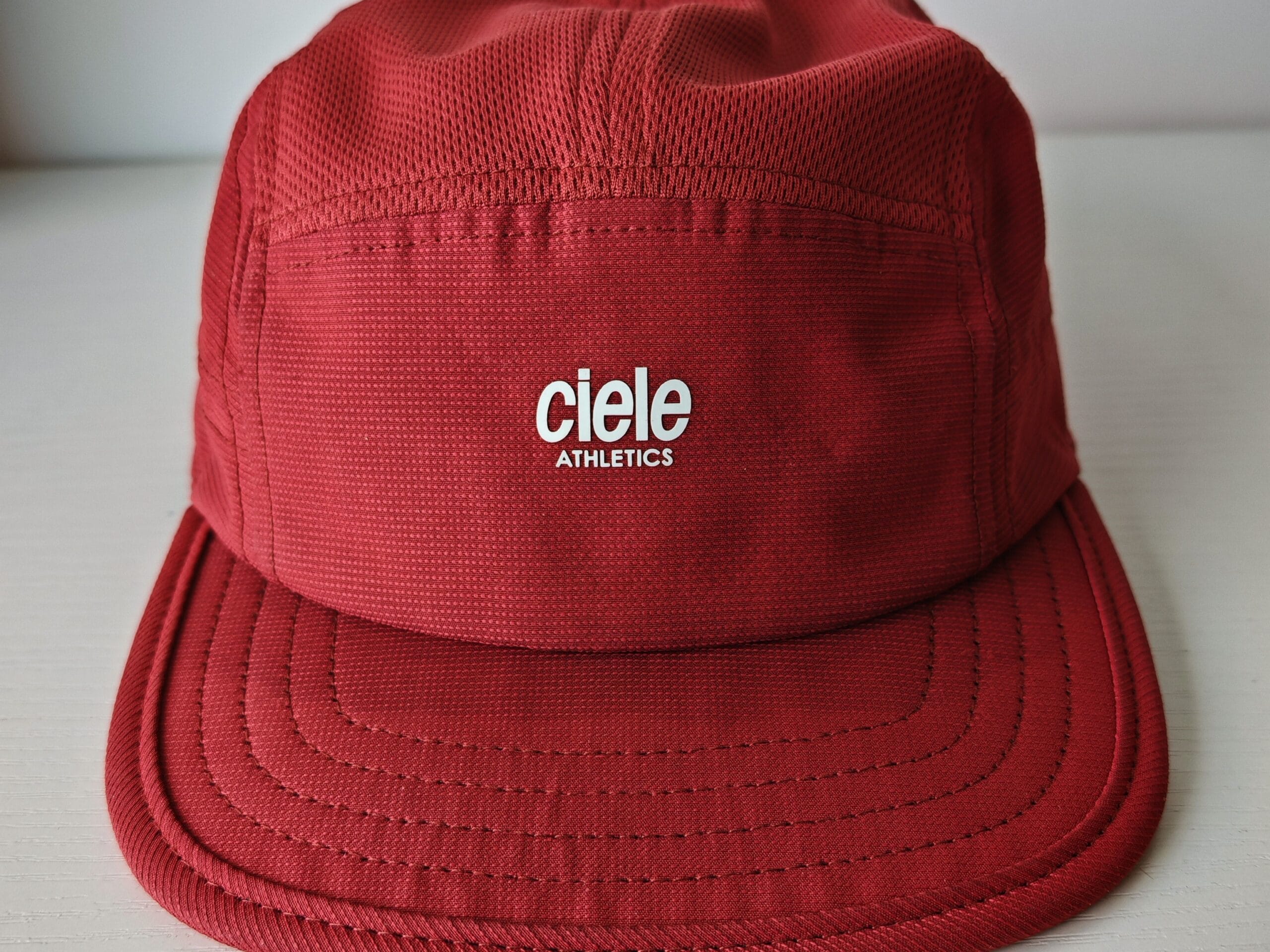
Brussels is like most other Western European cities with great transport links, plenty of food and drink and potentially unpredictable weather. It’s worth bringing a waterproof jacket and comfortable shoes as Brussels is easily walkable. There are cobbles literally everywhere, so bear that in mind when choosing shoes for the trip.
Belgium City Break Essentials

Getting around
You do not need transport inside the historic centre. The Pentagon is flat, compact and best explored on foot, which is also how you will stumble on the best side streets. Wear comfortable shoes with decent grip, as the cobbles are uneven and wet pavements get slippery.
For anything further out, use the STIB-MIVB network of metro, tram and bus. The Atomium, Cinquantenaire Park and the European Quarter are all quick metro rides from the centre. You can buy single tickets and day passes from machines and the STIB app, and many contactless bank cards are accepted at the gates, though it is worth checking the current rules before you travel.
If you plan to visit several museums, look at the Brussels Card, which bundles museum entry and can include public transport. Work out whether it pays for itself against the specific attractions you want to see. Taxis and ride-hailing apps are also available, which is handy late at night or with luggage.
Bruges was the standout day trip from here — that gets its own post. If you’re stringing the two together, Brussels is the better base: better transport links, better food variety, and it doesn’t shut down the moment the day-trippers leave.
Before You Go: Practical Tips
- Best time to visit – Spring and early autumn give the best weather and manageable crowds. Winter is cold and damp, but Christmas markets add charm. It can drizzle in any month, so pack a light waterproof.
- Book ahead – Reserve timed tickets for the Atomium, and check the Magritte Museum on weekends.
- Cash and cards – Cards are accepted almost everywhere, but carry a little cash for friteries, markets and smaller bars.
- Language – French and Dutch are the official languages in Brussels, and English is widely spoken in the centre. A simple greeting in French goes a long way.
- Safety – Brussels is generally safe for tourists, but pickpockets operate around the Grand Place and the main stations. Be careful late at night around Brussels-Midi and Brussels-Nord.
- Rail strikes – Belgian rail strikes happen occasionally, so check the SNCB website before relying on a tight train connection, especially on your departure day.
- Stay connected – An eSIM saves roaming fees across Europe.

A Suggested Long Weekend Itinerary
- Day 1 – The Old Town – Arrive, drop your bags at accommodation, then walk through the Grand Place, Manneken Pis and the Galeries Royales Saint-Hubert. Find a place for a well deanred Belgium Beer!
- Day 2 – Walking Tour – We did a morning walking tour to learn about the main attractions, history and gain some recommendations. Then to the delerium Cafe for beer tasting and back to Saint Giles.
- Day 3 – Bruges – Take the morning train to Bruges and spend the day on the canals and cobbled streets. Return to Brussels for a final dinner at Pasta Divina.
- Day 4 -Museums and Views – Start at the Mont des Arts and the Magritte Museum, then the Comic Strip Centre before heading to get the Eurostar/Flight home.
Final Thoughts
Brussels is more than a stopover between bigger-name cities. It is compact, easy to navigate, great value compared with Paris or London, and rewards anyone willing to walk a few streets off the main square. Three nights give you the Grand Place, a proper food and beer crawl, one or two museums, the Atomium and a day trip to Bruges without feeling rushed.
How many days do you need in Brussels?
Two to three days is enough to cover the main sights in Brussels: the Grand Place, Manneken Pis, the Magritte Museum, the Comic Strip Centre, the Atomium and a proper beer and food crawl. A long weekend of three nights also leaves room for a day trip to Bruges or Ghent.
Is Brussels worth visiting for a long weekend?
Yes. Brussels is compact, easy to reach by Eurostar and train, and packs in Art Nouveau architecture, world-class beer, chocolate, comic-strip culture and excellent museums. It is also an ideal base for day trips to Bruges, Ghent and Antwerp.
How do I get from Brussels Airport to the city centre?
The fastest option is the train from Brussels Airport (Zaventem) to Brussels-Central, which takes around 20 minutes. Trains also serve Brussels-Nord and Brussels-Midi. Buy your ticket before boarding, as the airport journey carries a supplement and is checked.
Is Brussels walkable?
The historic centre inside the Pentagon is very walkable, and the Grand Place, Manneken Pis, the Galeries Royales Saint-Hubert and the Mont des Arts are all within about 15 minutes of each other. Use the metro or tram for the Atomium, Cinquantenaire Park and the European Quarter.
How do I get from Brussels to Bruges?
Direct trains run from Brussels-Midi and Brussels-Central to Bruges roughly every 30 minutes and take about one hour. Tickets can be bought at the station or in the SNCB app, with no need to book ahead.
When is the best time to visit Brussels?
Spring (April to June) and early autumn (September to October) offer the best balance of mild weather and manageable crowds. Winter is cold and damp but brings Christmas markets and lower hotel prices. Pack a waterproof in any season.
Is Brussels expensive?
Brussels is moderately priced for Western Europe. It is usually cheaper than Paris or London for hotels and restaurants, but tourist-strip restaurants near the Grand Place are overpriced. Eating a couple of streets away, using friteries for cheap meals and walking between sights keeps costs down.
What food and drink should I try in Brussels?
Try frites from a traditional friterie, moules-frites, Brussels and Liege waffles, Belgian chocolate and pralines, and carbonnade (beef stewed in beer). For drinks, sample a Trappist beer, a lambic or gueuze, and a classic Belgian blonde or tripel.