A Reykjavík Travel Guide to Iceland’s Capital, Frozen Landscapes & Northern Lights Magic in Winter
Winter in Iceland feels like a Nordic fairytale. Reykjavík glows softly under Christmas lights, steam rises from geothermal pools into icy air, and just beyond the city, frozen waterfalls and snow-covered plains stretch into the distance. With short daylight hours, dramatic winter skies, and peak Northern Lights season in December, Reykjavík and the Golden Circle offer one of Europe’s most atmospheric winter escapes.
This Reykjavík Travel Guide covers everything you need for a winter trip — from city highlights and where to eat, to geothermal lagoons, aurora tips, and the iconic Golden Circle route.
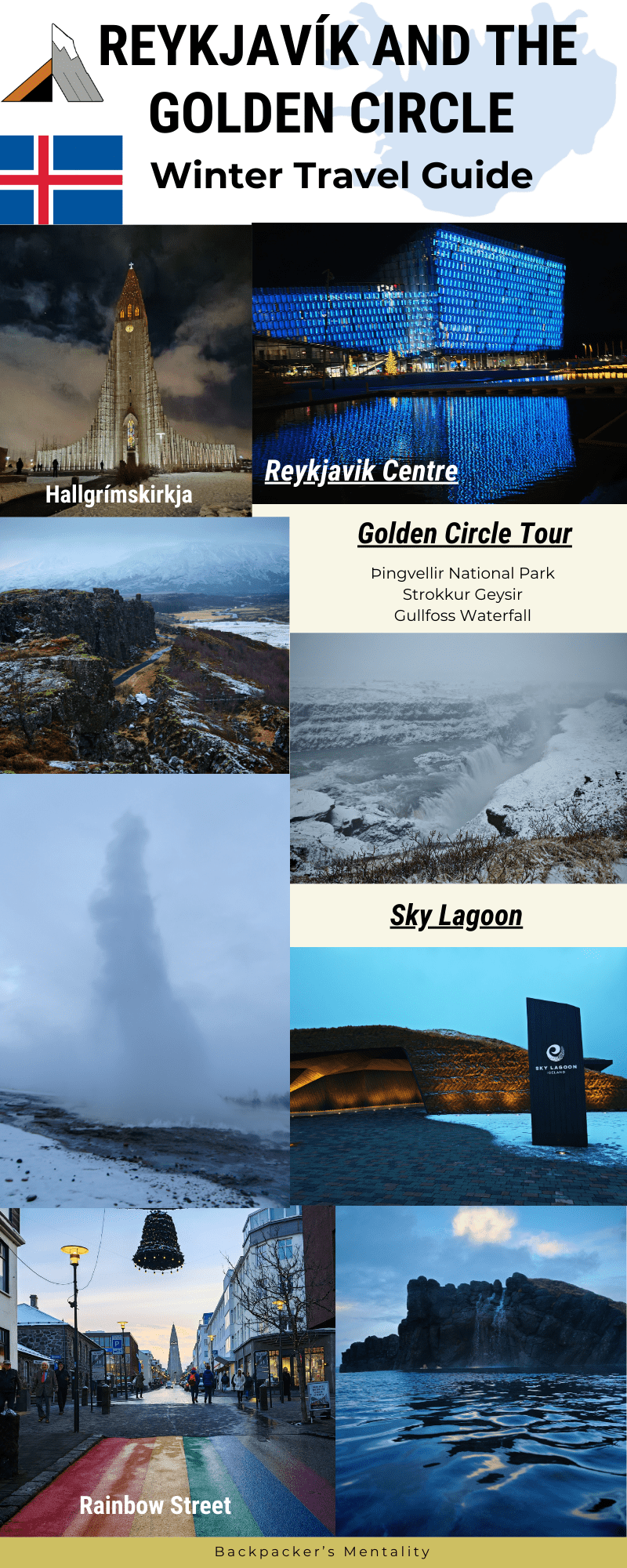
Reykjavík: Winter Charm & Culture
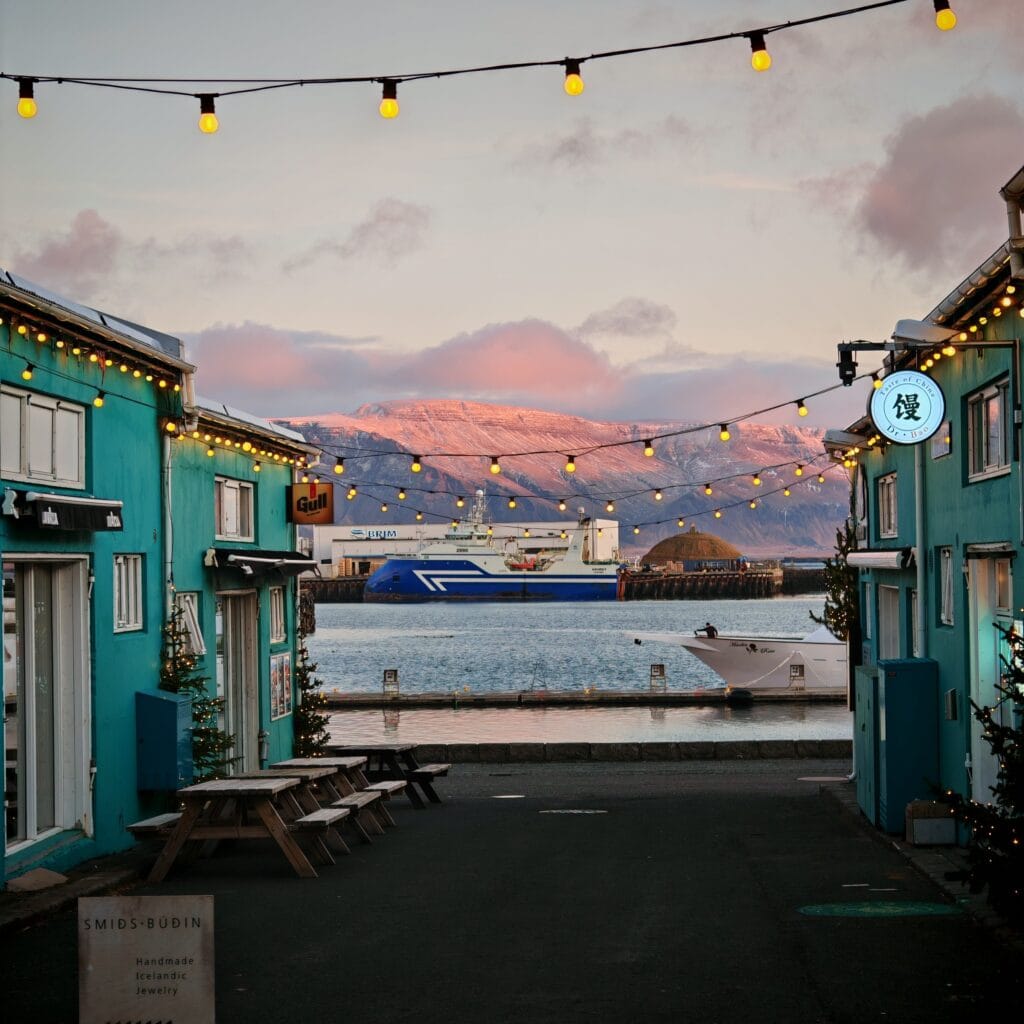
Reykjavík is a small capital with a big personality, set between the North Atlantic and snow-dusted mountains. Colourful houses, bold modern architecture, and a strong creative scene give the city a warm, welcoming feel—especially in winter, when cafés glow with candlelight, and the scent of freshly baked goods fills the crisp air. It’s a place where nature is never far away, culture is woven into everyday life, and adventure begins just beyond the city streets.
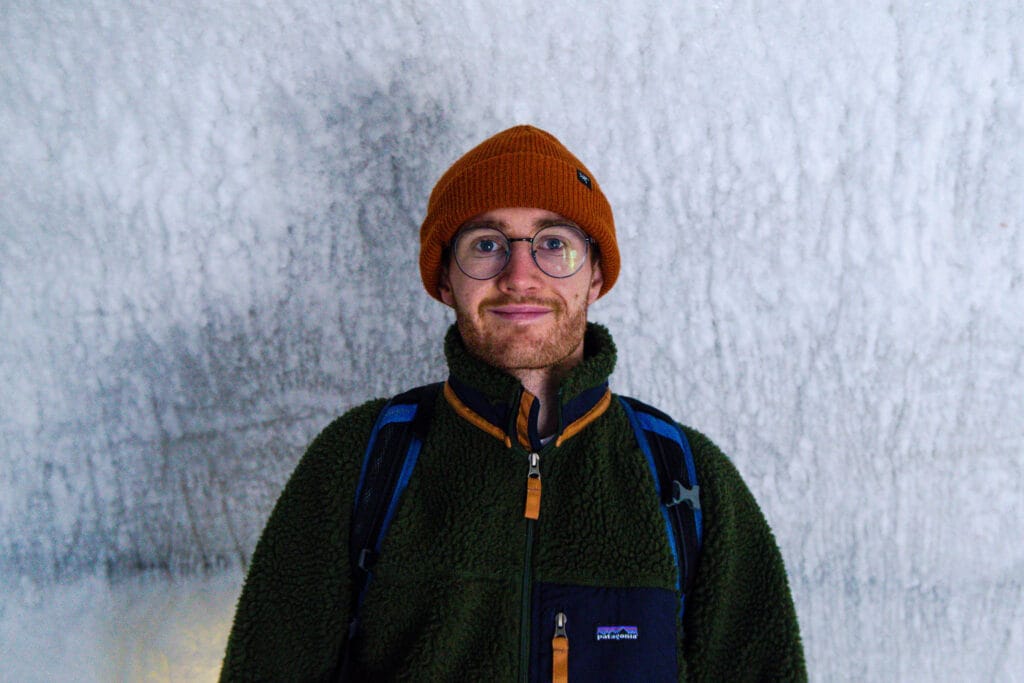
Reykjavík is compact and perfect for winter wandering and experiencing Iceland’s raw natural beauty. Expect around 4–5 hours of daylight, with temperatures hovering between -1°C and 4°C, though wind can make it feel colder. Snowfall adds a magical touch rather than disruption, but be prepared for the cold! If you’re looking for high-quality and reliable cold-weather clothing, then check out theKit Room for Men’s and Women’s reviews. In particular, for Winter Jackets, I would recommend the Patagonia Classic Retro-X, Rab Microlight Alpine Down Jacket for men or the Rab Infinity Alpine Jacket for women
Key Things to Do in Reykjavík
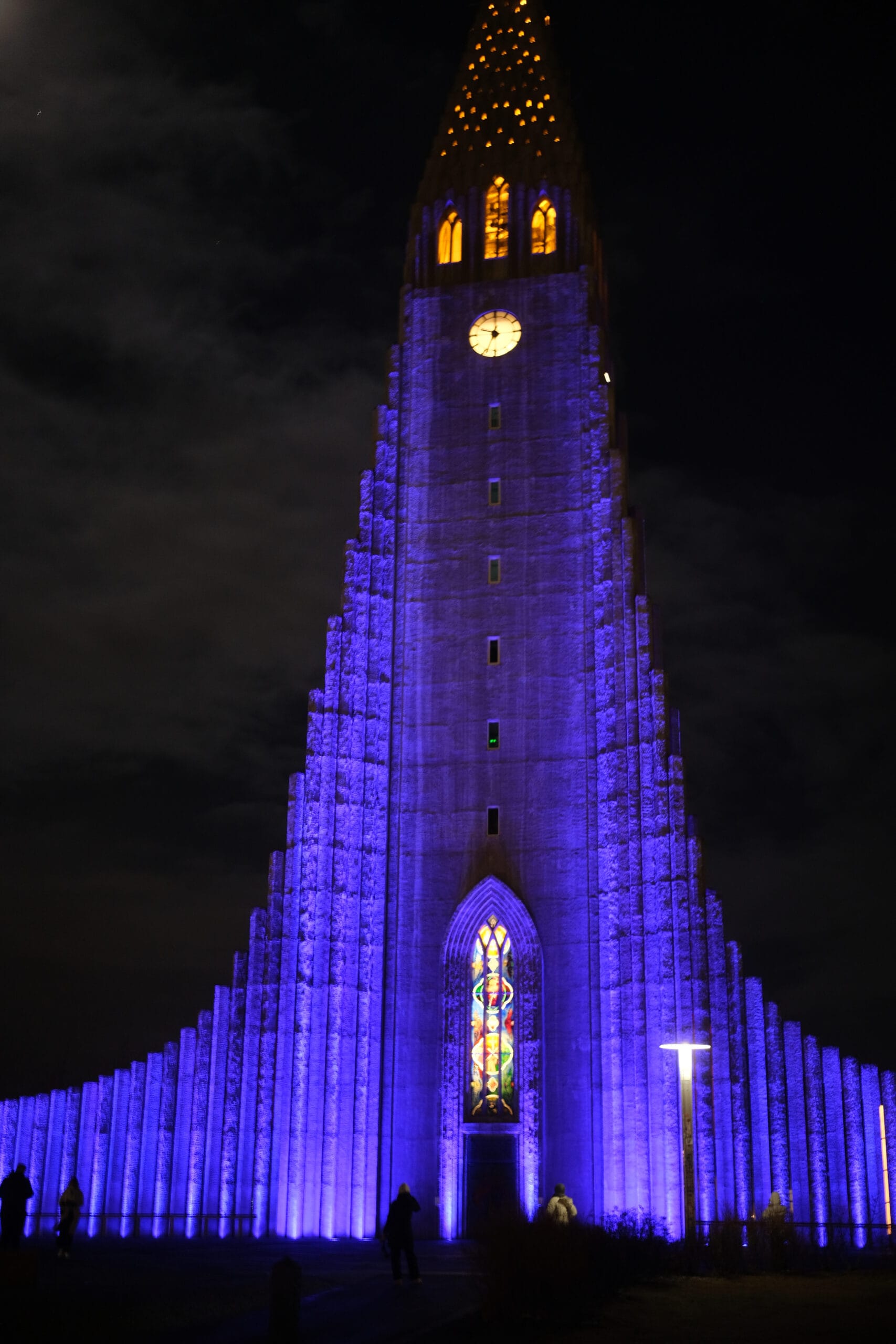
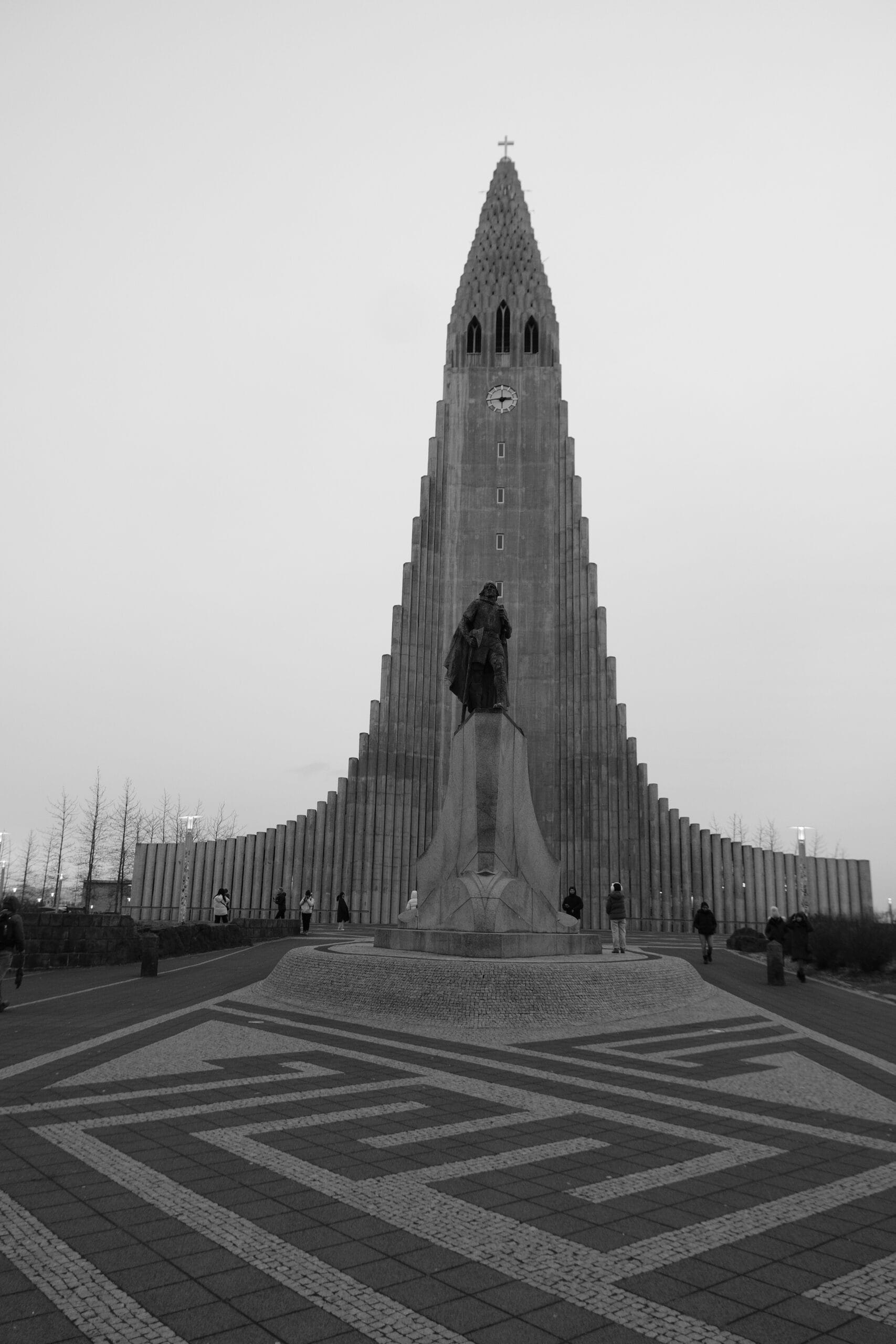
Hallgrímskirkja
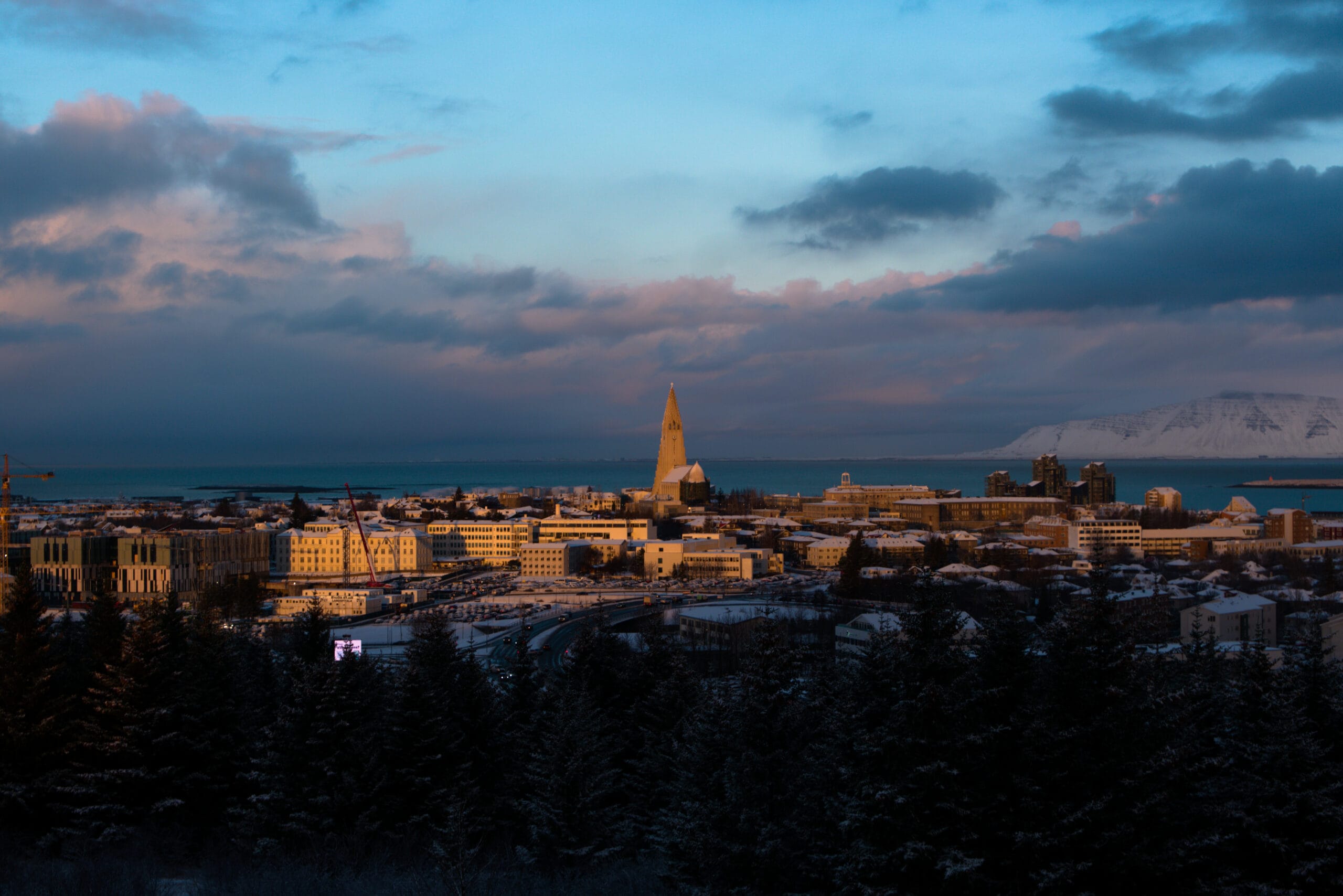
The city’s most recognisable landmark. Take the elevator up the tower for sweeping views over colourful rooftops, snowy streets, and Mount Esja beyond the bay.
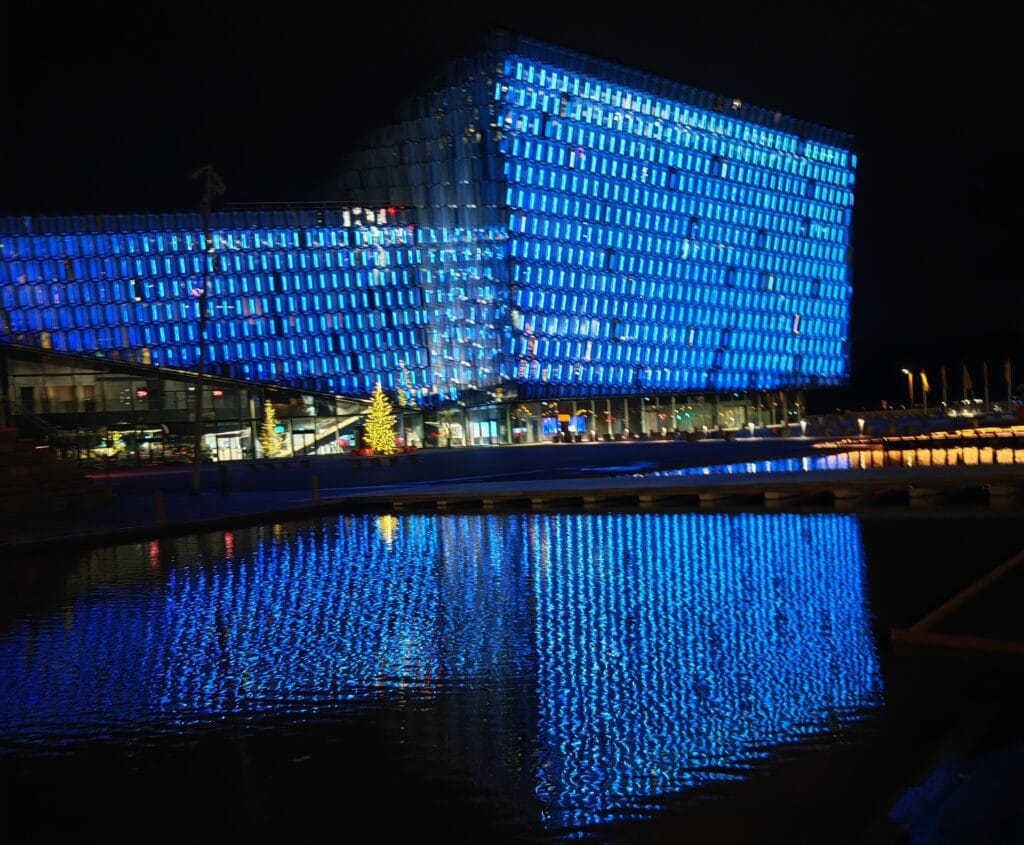
Harpa Concert Hall
A modern architectural icon with a glass façade that reflects Iceland’s winter light beautifully. Worth visiting even just to warm up inside.
Laugavegur & Skólavörðustígur
Reykjavík’s main streets for shopping, cafés, and restaurants — especially festive in December with lights and seasonal displays.
Old Harbour
Great for winter walks, seafood restaurants, and northern lights boat tours on clear nights
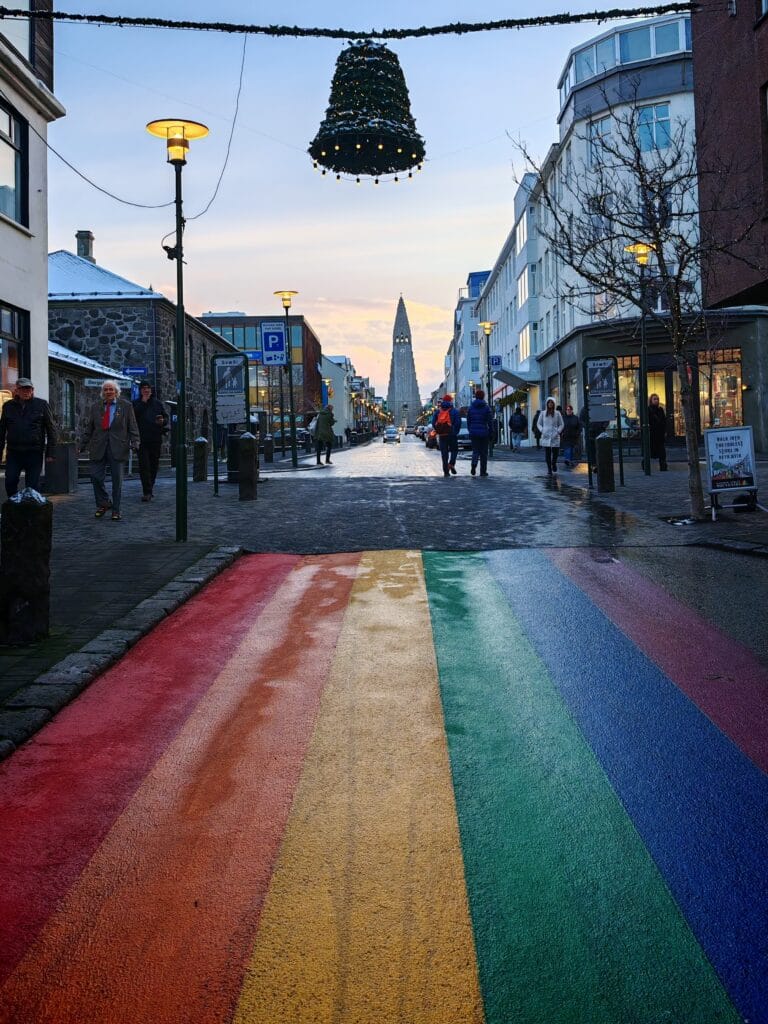
Skólavörðustígur Rainbow Street
This colourful painted road leads from the shopping district all the way up to Hallgrímskirkja.
Reykjavík Travel Guide: Planning
Airport Transport
Keflavík International Airport (KEF) is about 45 minutes from Reykjavík. The easiest options are the Flybus/Airport Direct shuttle (drops near or at hotels), rental cars, or taxis (most expensive). The Flybus runs every hour on average and costs 32.27 USD (4,048.65 Icelandic Króna).
Currency & Payments
Iceland uses the Icelandic króna (ISK). Cards are accepted everywhere — you rarely need cash, even for small purchases. The conversion (at the time of writing) for 1000 Icelandic Króna is $8 USD.
Accommodation
Reykjavík has excellent hotels, guesthouses, and apartments, mainly around downtown, Laugavegur, and the Old Harbour. Book early in winter, especially in December, as availability fills quickly. We stayed in an Airbnb for 3 nights for £450 ($606USD or 76,175.01 Icelandic Króna).
Weather & Winter Conditions
Expect cold, changeable weather with snow, wind, and icy pavements. Daylight is limited (around 4–5 hours in December), so plan outdoor activities for midday.
Sky Lagoon: A Must-Do Winter Experience
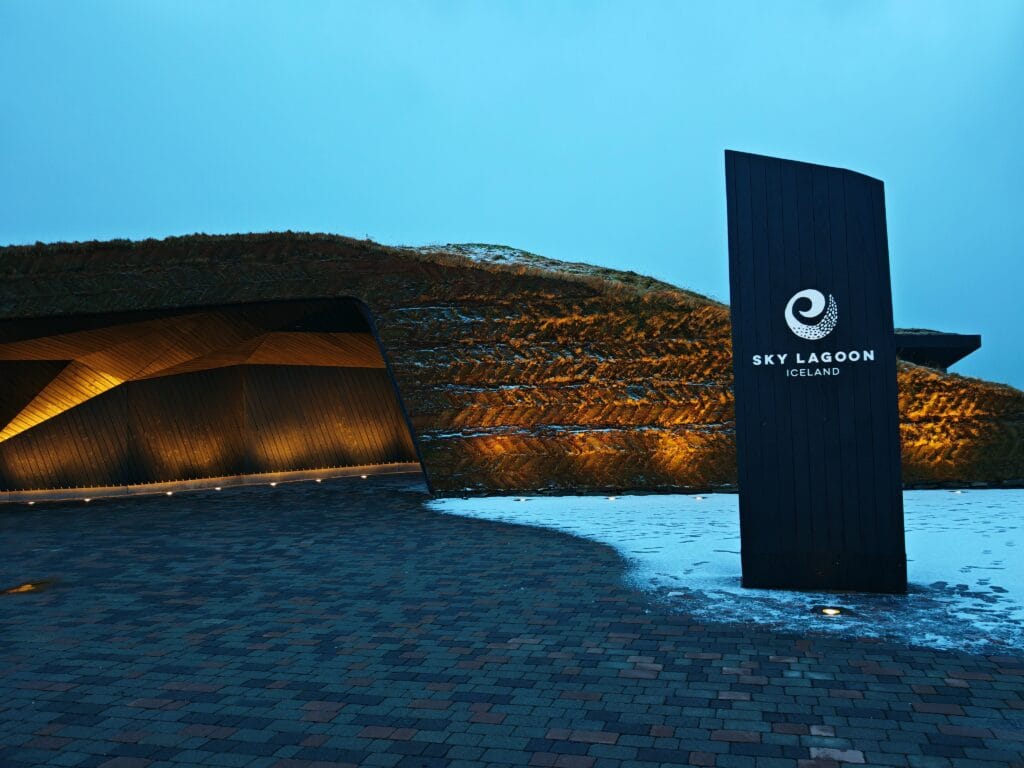
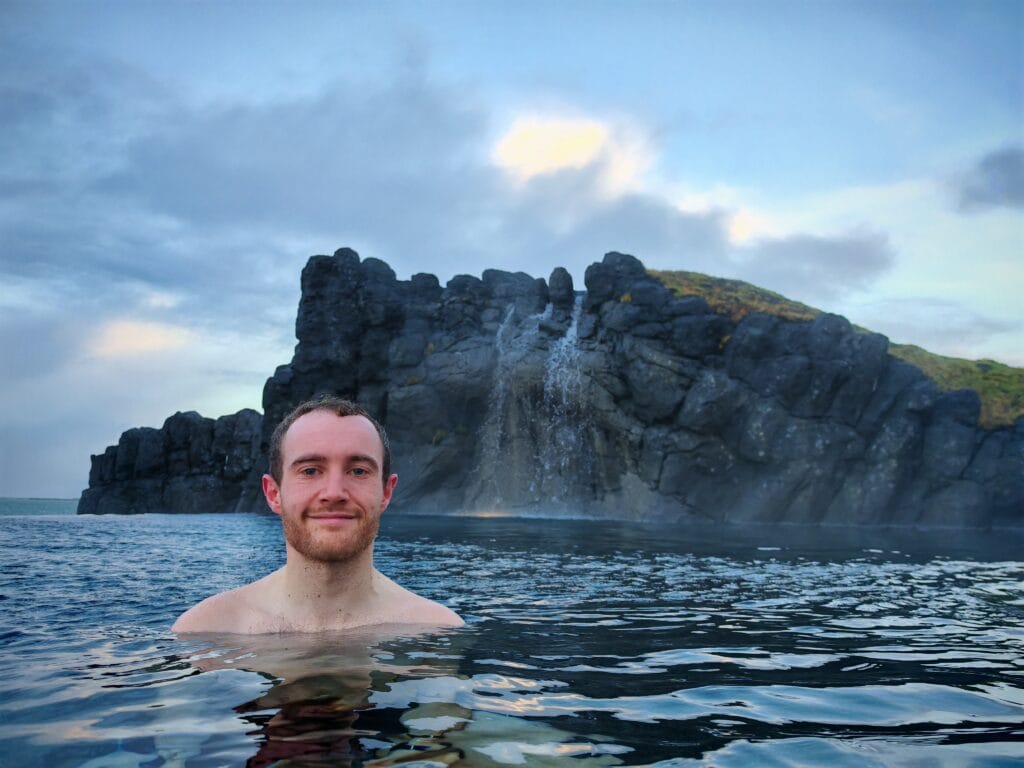
Sky Lagoon is one of the most memorable experiences you can have in Iceland — especially in winter. Located just a 10–15 minute drive from downtown Reykjavík or a 40 minute walk, it’s much closer than Blue Lagoon. This modern geothermal spa sits beside the ocean, blending traditional Icelandic bathing culture with contemporary design. Sky Lagoon offers different tickets depending on what you want to experience. The classic Saman costs ISK 15,990 for adults (ISK 7,995 for youth), which equates to £95 or $127 USD. It’s on the orciey side but was my absolute highlight from the trip with the 7 Step Ritual a must do when in Reykjavik!
Why Sky Lagoon Is Special
- A 75-metre infinity-edge geothermal pool overlooking the North Atlantic
- Water temperatures around 38–40°C, perfect in freezing weather
- Ocean views, steam rising into cold air, and a serene atmosphere
The Skjól Ritual
The highlight of Sky Lagoon is the seven-step wellness ritual. With the entry, you have 1 round of this cleansing and relaxing experience, which takes around 40-60 minutes depending on your tolerance. The Lagoon and Cold Plunge are not time or round-limited.
- Laug: Warm lagoon soak – Enter the infinity pool and embrace the geothermal waters
- Kuldi: Cold plunge – A freezing jolt to the system before entering the Skjól Ritual building. Inspired by Iceland’s ancient Snorralaug pool, the cold therapy stimulates your immune system and reduces inflammation, while also providing a natural endorphin rush.
- Ylur: Sauna with panoramic ocean views – My favourite part was the hot sauna with stunning views. There are 2 sauna rooms, one without technology and the busier one with phones allowed. The heat helps to open your pores, removes toxins and cleanses your skin.
- Súld: Cold Mist – This freezing outdoor mist room revitalises your skin after the Sauna and allows the cold crisp winds to re-energise you.
- Mýkt: Body Scrub – It’s time for gentle invigoration. Exfoliate your skin by applying our signature Sky Body Scrub. Slowly, you’ll feel the enlivening effects. Wear the scrub into the steam for the best results.
- Gufa: Steam Room – The steam will open your pores once more, allowing your skin to absorb the key therapeutic elements of the Skjól ritual and maximise the hydrating benefits of the Sky Body Scrub.
- Saft: Elixir – aste the essence of krækiber — the crowberries that dot our lava fields. This wholesome shot stimulates the palate with a profile that embodies the spirit of our land.
It takes about 1.5–2 hours and leaves you deeply relaxed. There’s also an in-water bar, plus café and dining options on site. Book in advance — December is busy, and you don’t want to miss out. Many people bought waterproof pouches for their phones for images. My only complaint was that people spent more time drinking and on their phones filming or taking pics than relaxing. We decided to use my phone (waterproof already) for 10 mins only, then put it back in the changing room lockers.
The Golden Circle

The Golden Circle is Iceland’s most famous day trip and looks especially dramatic in winter. Snowy landscapes, fewer crowds, and moody lighting make it unforgettable. We used a BusTravel Iceland booked via Get Your Guide for £115 for 2 Adult Tickets. This included a full-day 8-hour tour of the Golden Circle with a guide and bus transport. The pick-up spot was in the centre of Reykjavik and had multiple drop-off options around the city for convenience.
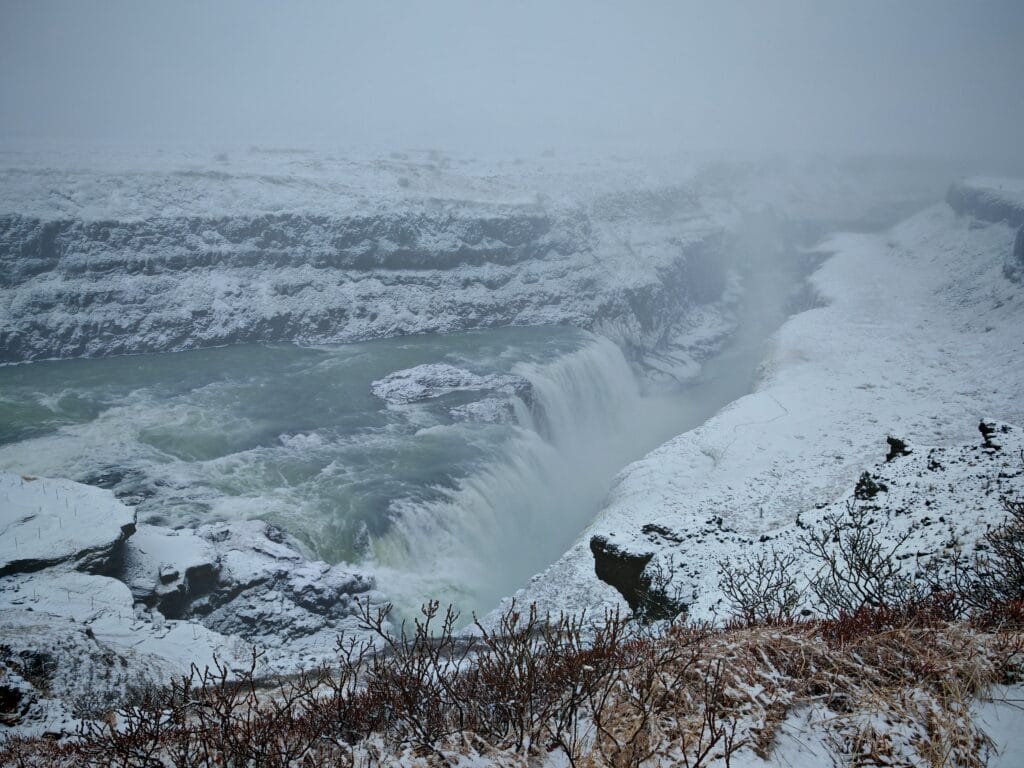
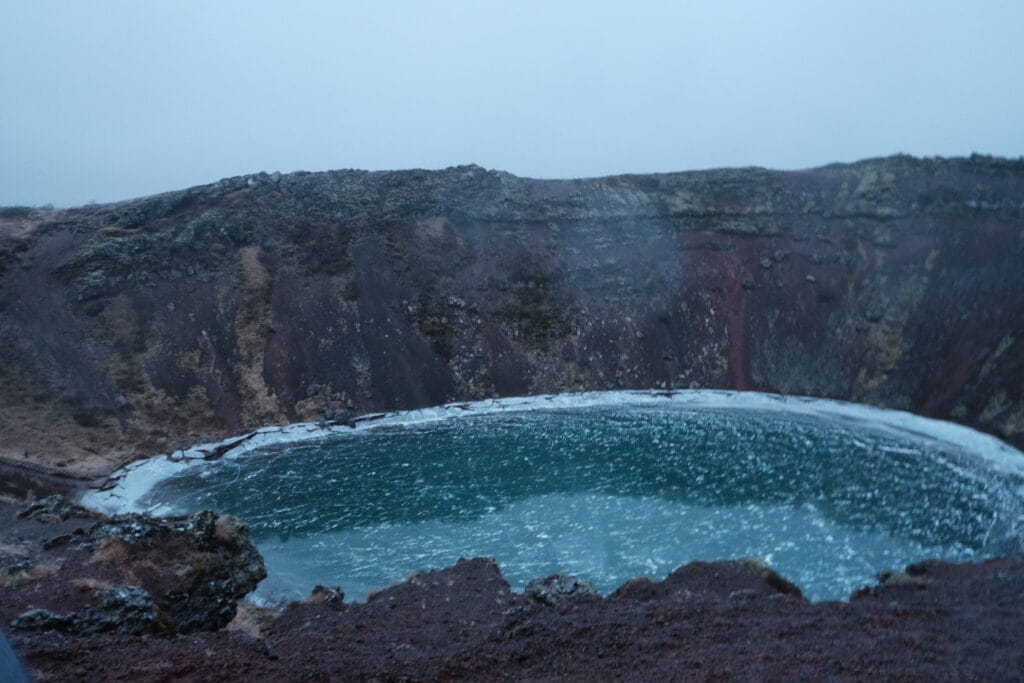
The main highlights are the spectacular Geysir area, the cascades of Gullfoss Waterfall and Þingvellir National Park, where the North American and Eurasian tectonic plates meet. The tour (winter weather dependent) travels out of the city and has a short break en route for toilets and refreshments. Our first stop was the volcanic crater at Lake Kerið, which was very dark and icy. Next, we visited one of Iceland’s most iconic features at the Gullfoss Waterfall (“Golden Falls“). The waters of the glacial River Hvítá as it plummets down into a 32-meter deep crevice with multiple epic viewpoints.
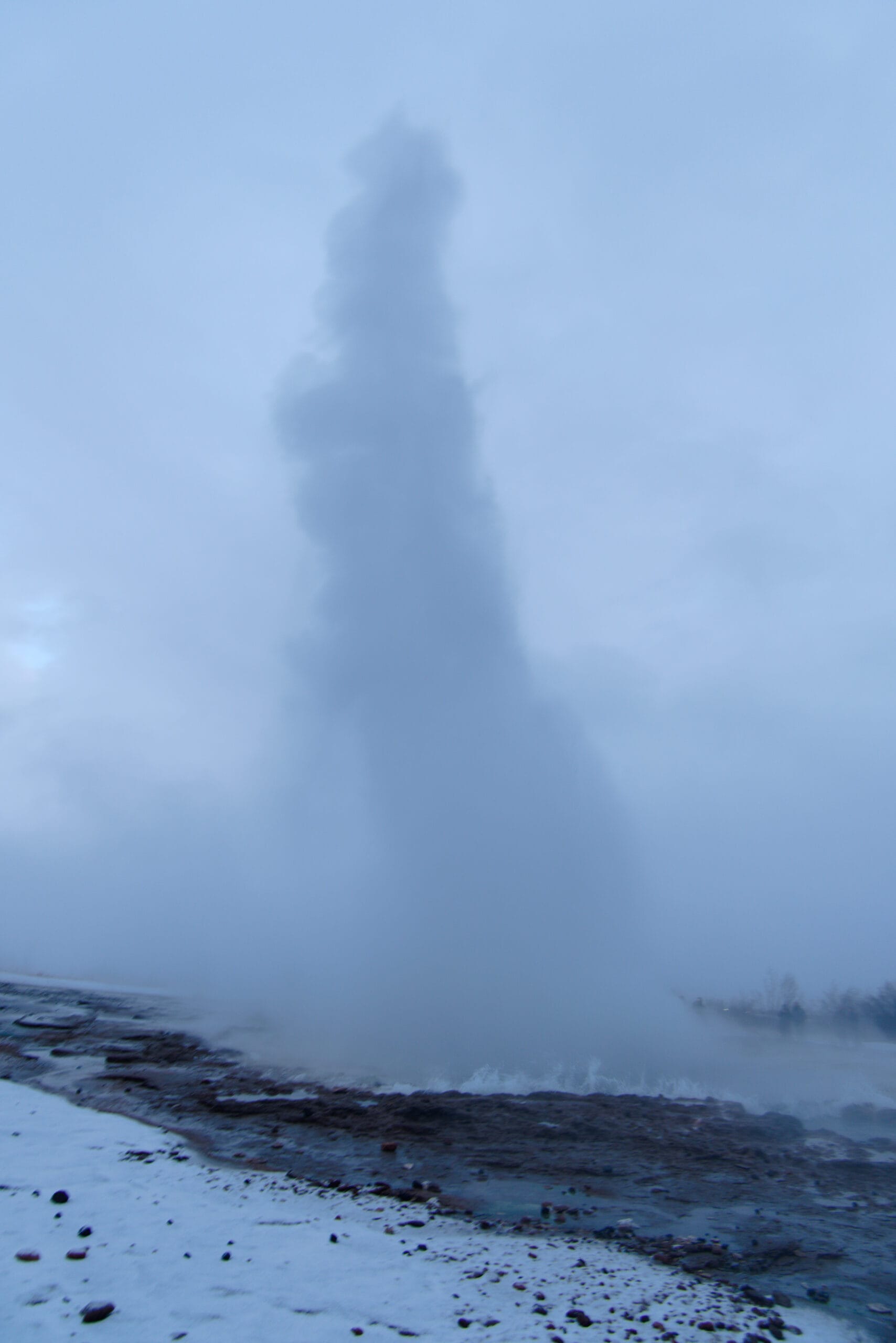
Afterwards, we travelled to the geothermal area of Geysir, where the active hot spring of Strokkur spouts steaming water 30 meters into the air every 8 minutes. The final stop is the UNESCO World Heritage Site of Þingvellir National Park. The stunning rift where the North American and Eurasian tectonic plates are pulling apart, along with the historical significance of the Viking Parliament, makes this a fascinating final stop on the Golden Circle Tour.
1. Gullfoss Waterfall
Gullfoss is one of Iceland’s most powerful waterfalls, plunging in two tiers into a rugged canyon below. In winter, ice forms along the edges while meltwater thunders through the gorge, creating a dramatic contrast of fire and ice. On clear days, the low winter sun casts a golden glow across the frozen landscape.
2. Geysir Geothermal Area
The Geysir area is a bubbling, steaming reminder of Iceland’s volcanic heart. While the original Geysir rarely erupts today, nearby Strokkur reliably blasts hot water into the air every 5–10 minutes, even in freezing temperatures. In winter, rising steam against icy air makes this stop especially atmospheric.
3. Þingvellir National Park
Þingvellir is a UNESCO World Heritage Site where Iceland’s history and geology collide. This dramatic rift valley marks the meeting point of the North American and Eurasian tectonic plates, with lava fields, frozen lakes, and snow-covered cliffs creating an otherworldly winter landscape. It’s also the birthplace of Iceland’s first parliament, adding cultural depth to its natural beauty.

4. Kerið Crater (Bonus Sight)
Kerið is a striking volcanic crater known for its vivid red slopes and turquoise lake at the bottom. In winter, snow-dusted crater walls and a partially frozen lake create a stark, beautiful contrast of colours. A short, easy walk around the rim offers excellent views, while a path allows you to descend to the water’s edge.
Tip: Winter roads can be icy. Many travellers choose guided tours for safety and flexibility.
Perlan: Reykjavík’s Best Indoor Attraction
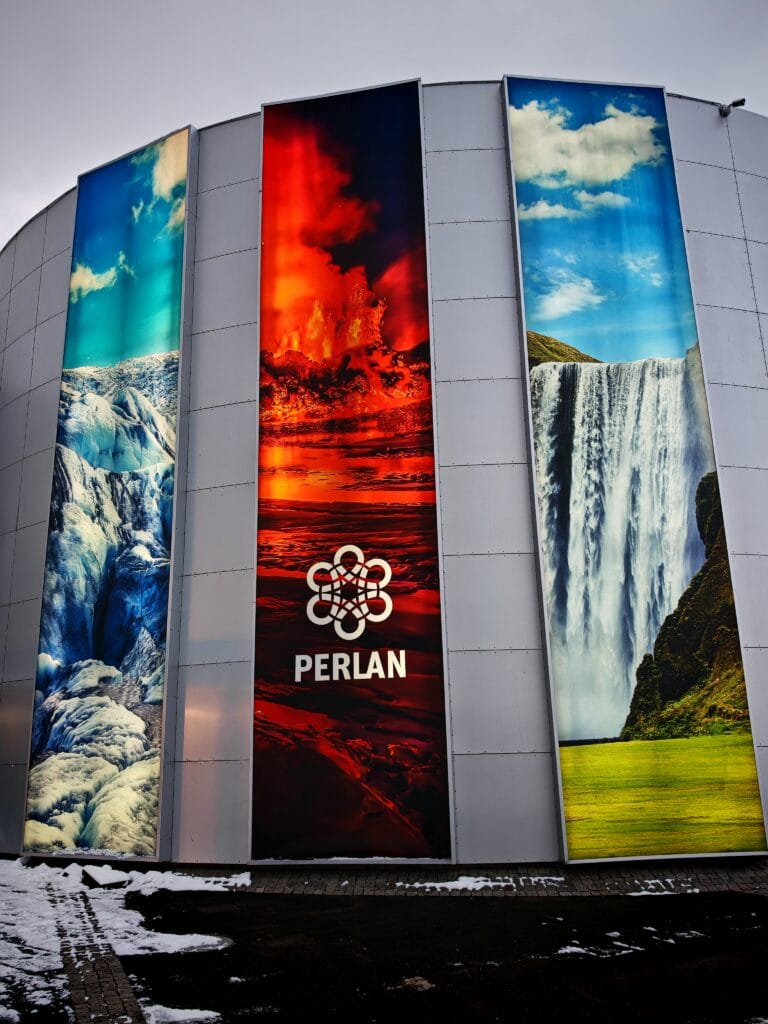
Perlan (“The Pearl”) sits atop Öskjuhlíð Hill and is ideal for winter days when you want warmth, views, and insight into Iceland’s natural wonders. Adult tickets cost 6.890 kr. per ticket ($54.72 USD or £40.50), which feels on the pricey side, yet Iceland is not a cheap country to start with. Perlan offers a great way to learn about Iceland’s history, geography and visit immersive experiences. I would recommend spending 2-3 hours to enjoy the Ice Exhibition, Observation Deck, exhibits, as well as watch the Aurora Planetarium show and Volcano Cinema show.
Why Visit Perlan in December
360° Observation Deck
One of the best viewpoints in Reykjavík — perfect for sunsets, snowy cityscapes, and even northern lights spotting.
Ice Cave Exhibition
Walk through a real, temperature-controlled ice cave and learn about Iceland’s glaciers.
Wonders of Iceland Museum
Interactive exhibits covering volcanoes, earthquakes, glaciers, and geothermal energy.
Áróra Northern Lights Planetarium Show
A stunning immersive film explaining auroras — a great backup if clouds block the real thing.
Aurora Borealis Tips
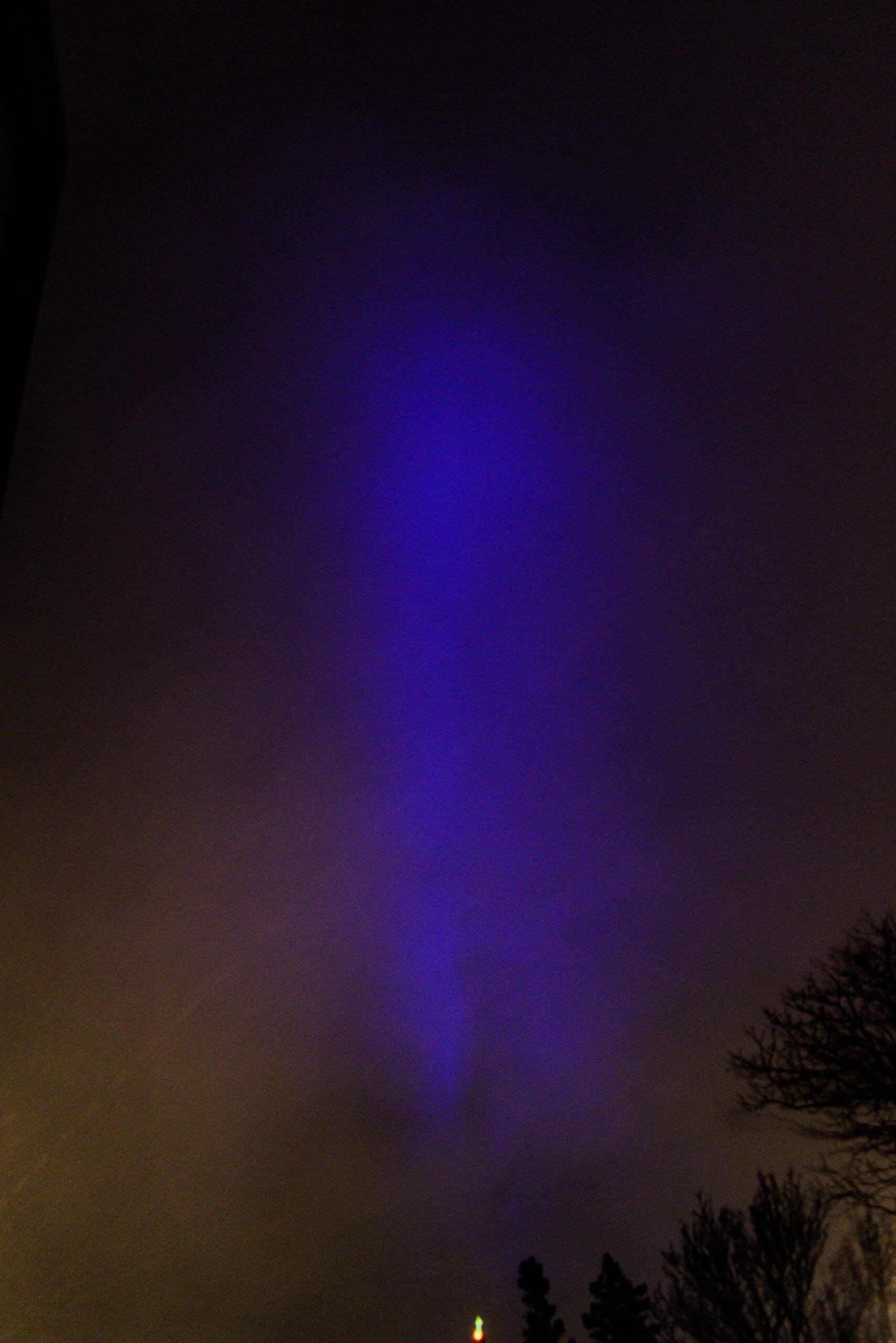
December is peak Northern Lights season and one of the main reasons we chose to visit. Despite the better odds, the winter weather makes writing a Reykjavik Travel Guide tricky. It takes planning, tracking and patience to hopefully see them. Ideally, clear skies with high Aurora activity will give good chances and even better to leave the city to escape light pollution. One way to increase the odds is to join a paid Guided Tour, which will take you to clear skies away from the city lights. Wherever you are in Iceland in winter, be sure to wear insulated layers, as you will still be watching the spectacle.
Camera Basics
Whilst phones can capture the Aurora Borealis, using a DSLR or Mirrorless Camera, such as the Fujifilm X-T30, allows better long exposure control. To get the best photographs, using a tripod is advised to minimise vibrtions especially in freezing tempratures causing blurry images. The best ISO is between 800-3200 with an aperture of f/2.8-f/4. Finally, use a shutter speed of 3-10 seconds for the long exposure to capture the colours with a manual focus on the far distance.
Where to Eat in Reykjavík
Despite its size, Reykjavík punches well above its weight for food. With fresh seafood of the highest quality available daily, and many traditional Icelandic restaurants to try.
Pósthús Food Hall is a modern, stylish food hall set inside Reykjavík’s former main post office, bringing together multiple kitchens under one roof. With a mix of Icelandic flavours and international street food, plus a central bar, it’s a great choice for casual dining, groups, or when you want variety without sacrificing quality.
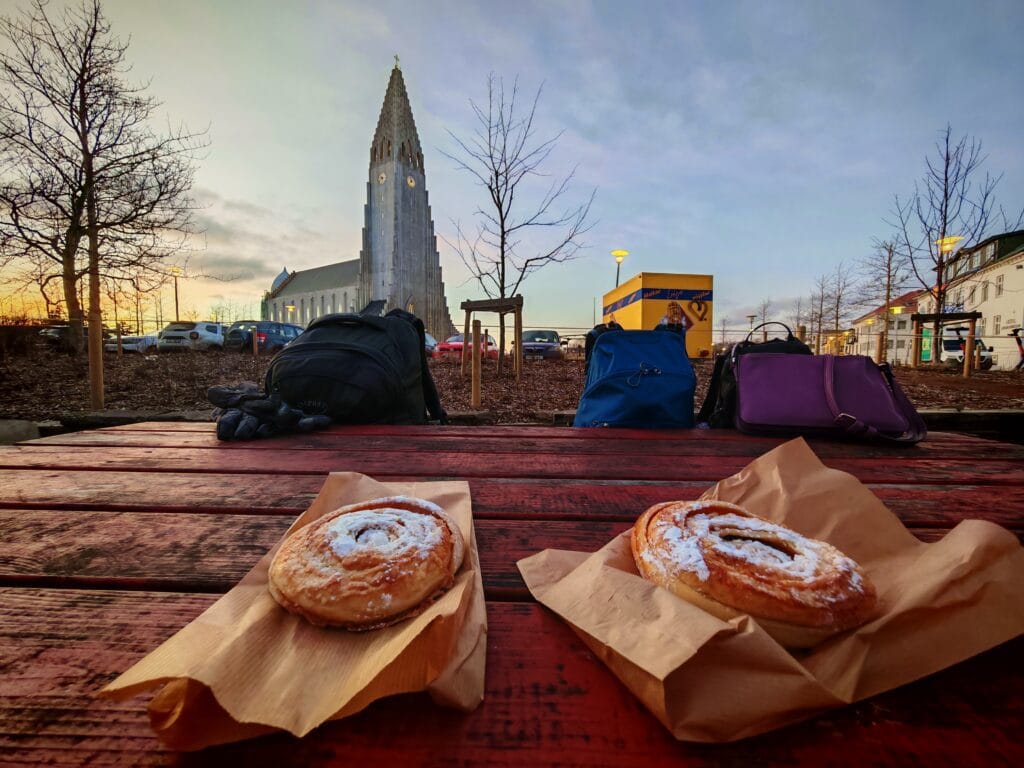
Brauð & Co is Reykjavík’s most famous bakery, instantly recognisable by its colourful façade and the irresistible smell of freshly baked bread drifting down the street. Known for flaky cinnamon buns and cardamom twists, it’s the ideal stop for breakfast or a warm pastry on a cold winter morning.
Sjávargrillið is a refined yet relaxed seafood restaurant that showcases Iceland’s ocean-to-table philosophy. Expect beautifully prepared fish, shellfish, and tasting menus that highlight local ingredients, making it a great choice for a memorable dinner in Reykjavík.
Kaldi Bar / Café is a cosy, laid-back spot loved for its welcoming atmosphere and excellent selection of Icelandic craft beers. It’s the perfect place to escape the cold, unwind after sightseeing, and experience Reykjavík’s relaxed bar culture.
Kokteilbarinn is a sleek, stylish cocktail bar where expert bartenders serve inventive drinks alongside refined small plates. Ideal for a sophisticated evening out, it’s a favourite for pre-dinner cocktails or a late-night drink in the city centre.
Jungle Cocktail Bar brings a bold, tropical twist to Reykjavík’s nightlife, with vibrant décor and creative, flavour-packed cocktails. It’s fun, energetic, and a great contrast to Iceland’s winter chill — perfect for ending the night on a high note.
Alcohol Tip- The cheapest place to buy Alcohol, especially wines, is in duty free in the Airport as you won’t need to pay the higher taxes.
Budget
First of all, Iceland is known for being an expensive destination, from accommodation, food & drink to things to do. We planned to do it on a budget as much as possible by catering for ourselves in an Airbnb, then enjoying a fancy meal out at Sjávargrillið. We planned the trip a few months in advance and stayed in a cosy basement suite not far from Hallgrímskirkja. Then chose to enjoy the Golden Circle Tour, Sky Lagoon and Perlan. Overall, we spent £800 or just over $1000USD per person.
| Item | Cost (Kr) | Cost (£) | Cost ($ USD) |
| Flights | 32210 | 190 | 254.73 |
| Airbnb | 38142 | 225 | 301.66 |
| Sky Lagoon | 12990 | 76.60 | 102.70 |
| Golden Circle Tour | 11443 | 67.50 | 90.50 |
| Perlan Tickets | 5390 | 31.80 | 42.63 |
| Food & Drink | 30,000 | 177 | 237.30 |
| Other | 5000 | 29.50 | 39.55 |
| Sub Total | 135,175ISK | £797.43 | $1069.11 |
Final Thoughts
Reykjavík and the Golden Circle in December deliver an experience that’s equal parts adventure and comfort — icy landscapes balanced by warm geothermal pools, dramatic nature softened by cosy cafés and glowing city lights. Whether you’re soaking in Sky Lagoon, standing beneath frozen waterfalls, or watching green auroras ripple across the sky, winter in Iceland feels unforgettable.