
Touching down in Canada with an approved visa in hand is an incredibly exciting feeling. Having successfully navigated the application process, packed your life into backpacks, and finally arrived in one of the most spectacularly beautiful cities on earth, it’s time to start a new life. Moving to Canada is an excellent opportunity, whether you’re arriving on a Working Holiday Canada visa, pursuing a long-term move, or simply looking for a fresh start abroad.
Like many newcomers, I chose Vancouver as my first home in Canada, drawn by the incredible access to mountains, beaches, hiking trails, and the outdoor lifestyle that makes British Columbia unique. Vancouver is notoriously expensive, the rental market is fiercely competitive, and Canadian bureaucracy can be incredibly confusing if you don’t know exactly where to start. Getting the IEC Visa sorted is half the battle in moving to Canada and settling into Vancouver. To save you time, money, and massive amounts of stress, I have built this complete “settling in” guide.
From securing your SIN number in the first 48 hours to finding an apartment and landing a job, here is exactly how to build your life in Vancouver and understand the true cost of living in Vancouver. This guide shares my experience of living in Vancouver, including the essential steps I wish I’d known before arriving, how to settle in quickly, and what to realistically expect when starting your new life in Canada.
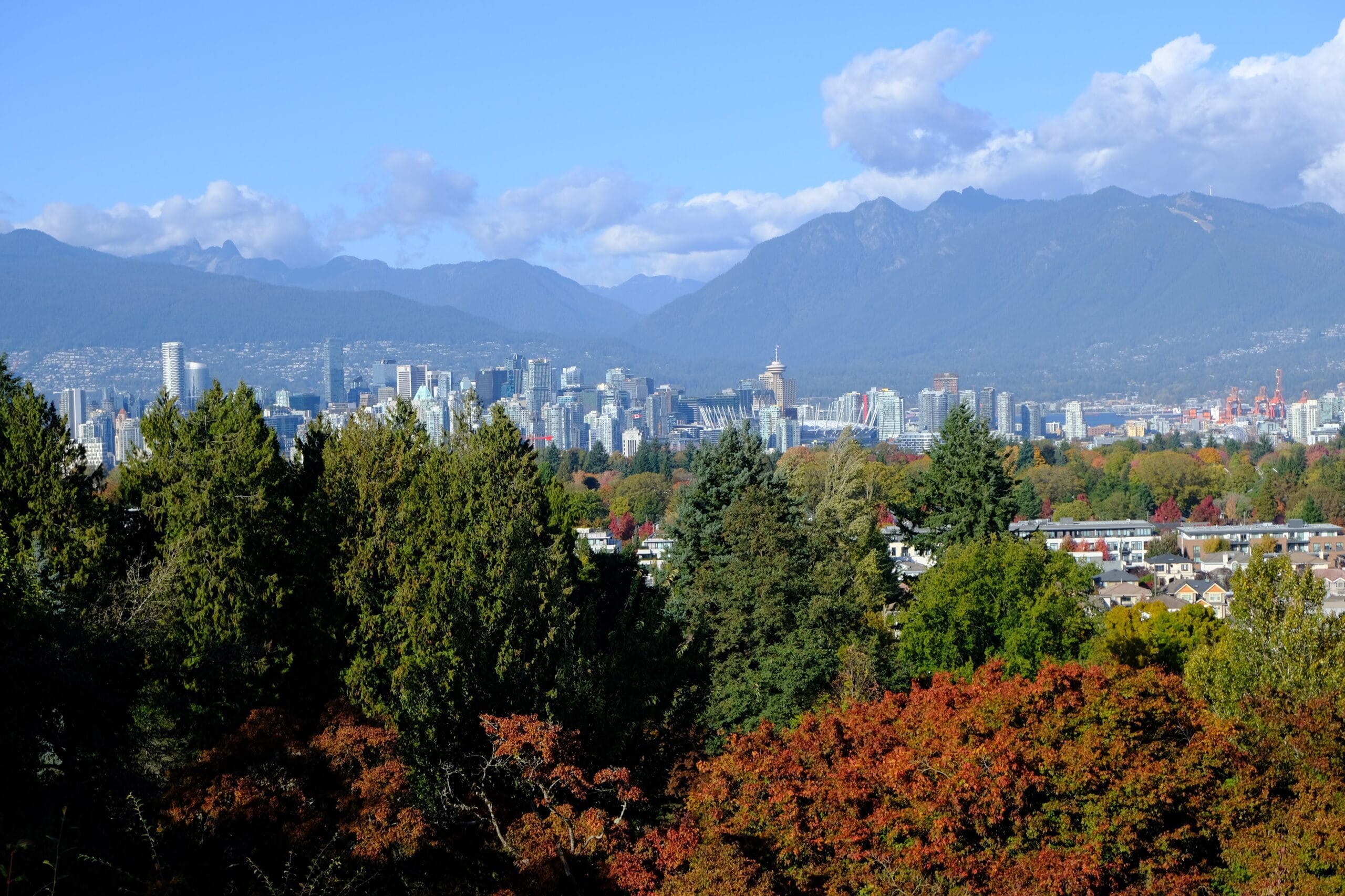
Why move to Canada?
For many people, moving to Canada offers something increasingly difficult to find elsewhere: a high quality of life, incredible outdoor access, and genuine opportunities for personal and professional growth. Canada consistently attracts newcomers from around the world thanks to its stable economy, multicultural society, and abundance of natural spaces. Whether you’re arriving on a Working Holiday Canada visa or planning a longer-term move, there are plenty of reasons why so many people decide to call Canada home.
World-Class Outdoor Lifestyle
Canada is an outdoor playground. From the Rocky Mountains and Pacific coastline to thousands of lakes, ski resorts, and national parks, adventure is never far away. Hiking, skiing, mountain biking, camping, climbing and road trips become part of everyday life rather than occasional holidays. If you love the great outdoors, there are few better countries to establish an active lifestyle.
Excellent Work-Life Balance
Compared with many countries, Canadians generally place a strong emphasis on maintaining a healthy balance between work and personal time. The culture is often more relaxed, helping newcomers moving to Canada enjoy both career opportunities and leisure activities. This balance was very important and a key reason for Roisin and me moving to Vancouver to unlock the lifestyle we dreamt about.
Cultural Diversity
One of Canada’s biggest strengths is its multicultural population. Major cities are incredibly diverse, making it easier for newcomers to integrate, build friendships, and feel welcome regardless of where they come from. Additionally, this means so many amazing cuisines to explore and test!
Strong Economy & Employment Opportunities
Canada continues to attract skilled workers across industries ranging from technology and healthcare to hospitality, construction, and tourism. Many newcomers arrive on temporary visas and eventually progress towards longer-term opportunities such as Permanent Residency and then citizenship.
Safety & Quality of Life
Canada consistently ranks among the safest countries in the world, with clean cities, excellent public services, and easy access to nature contributing to a high overall quality of life.
Why choose Vancouver?
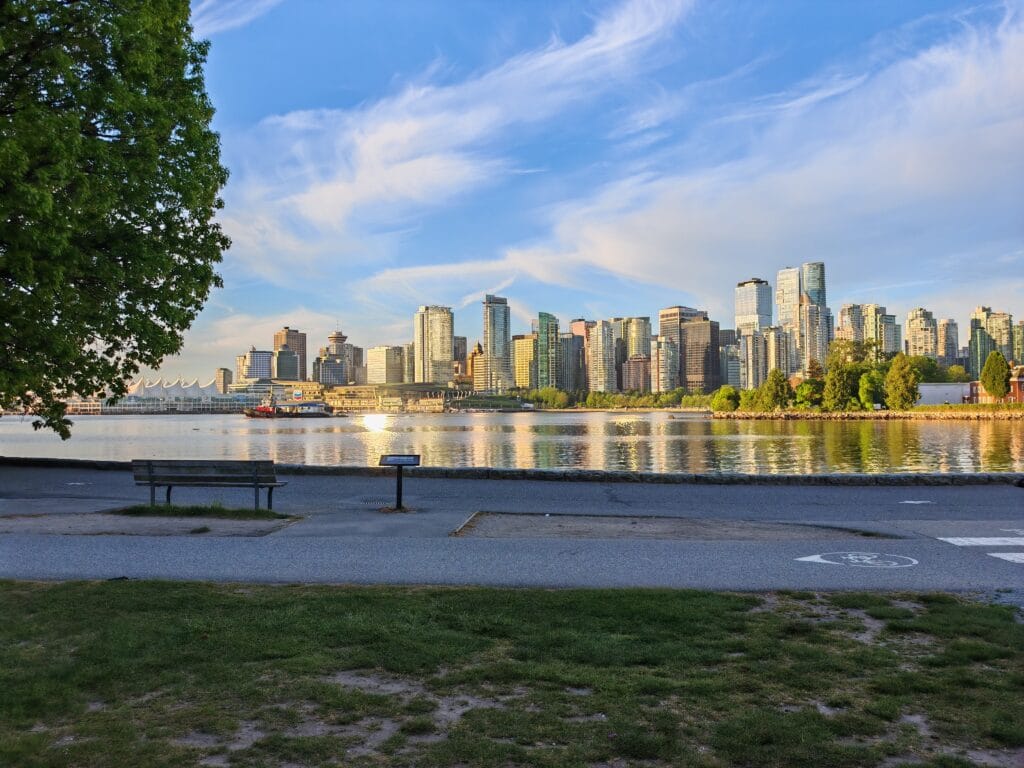
There are a few cities in the world where you can leave your apartment in the morning, hike a mountain before lunch, paddle in the afternoon or enjoy a museum, and finish the day watching the sunset from the beach. That combination is what makes living in Vancouver so appealing to newcomers from around the world.
Vancouver is surrounded by nature. The city sits between the Strait of Georgia and the Coast Mountains, creating an outdoor playground that remains accessible year-round. Whether it’s skiing on Grouse Mountain, hiking the North Shore trails, cycling around Stanley Park, kayaking in Deep Cove, or taking weekend road trips to Whistler, adventure becomes part of everyday life rather than something reserved for annual holidays.
The city also offers a unique balance between urban living and outdoor accessibility. Downtown Vancouver provides all the amenities of a major international city, including excellent restaurants, diverse neighbourhoods, sporting events, and cultural attractions, while remaining only minutes from forests, beaches, and mountains. Few places make it so easy to combine career opportunities with an active lifestyle.

Another major attraction is Vancouver’s international community. The city is home to people from all over the world, creating a welcoming environment for those arriving on a Working Holiday visa or making a longer-term move to Canada. Newcomers often find it easier to build friendships and establish themselves thanks to the large expat and traveller population.
For outdoor enthusiasts, Vancouver is particularly hard to beat. Within a few hours’ drive, you can explore Garibaldi Provincial Park, Whistler, Vancouver Island, the Sunshine Coast, Manning Park, and countless mountain ranges, lakes, and backcountry trails. The sheer variety of day trips and weekend adventures available is one of the biggest reasons so many people fall in love with life in British Columbia.
While the cost of living in Vancouver is undeniably high, many residents feel the lifestyle more than justifies the expense. The city’s natural beauty, outdoor opportunities, mild climate, and strong sense of adventure create a quality of life that is difficult to replicate elsewhere. For people moving to Canada in search of a better balance between work, travel, and the outdoors, Vancouver often delivers exactly what they were looking for.

Pre-Arrival for Moving to Canada
- Book Temporary Accommodation: Secure at least 1–2 weeks of accommodation before moving to Canada. Airbnb, hostels, hotels, and serviced apartments are all popular options while you search for long-term housing. Avoid committing to an apartment sight unseen. We used an Airbnb in North Vancouver when moving to Canada to set up base before finding a long-term rental.
- Arrange an eSIM or Temporary Phone Plan: Having mobile data immediately upon landing makes navigating Vancouver, contacting landlords, and accessing banking apps much easier. Consider an eSIM, such as Airalo or a temporary roaming package, before switching to a Canadian provider. We found a pre-arrival sim-only deal with Rogers, so you can save money before even moving to Canada.
- Prepare Proof of Funds: IEC and Working Holiday participants are typically asked to show proof that they can support themselves financially upon arrival. Keep digital and printed copies easily accessible when talking to a border agent.
- Purchase Travel & Health Insurance: This is a mandatory requirement for most IEC participants. Your insurance should cover the entire duration of your intended stay to avoid receiving a shortened work permit at the border. Ensure that the minimum medical insurance aspects are covered to avoid any issues gaining a Visa.
- Convert Your CV to a Canadian Résumé Format: Canadian résumés are generally shorter and less detailed than UK CVs. Updating yours before arrival can save valuable time when applying for jobs, which itself is a minefield to cross later on.
- Research Vancouver Neighbourhoods: Familiarise yourself with areas such as Downtown, Mount Pleasant, Kitsilano, North Vancouver, Commercial Drive, and Burnaby. Knowing where you’d like to live will make your housing search much more efficient. I’d recommend spending some time in each place in the 1st week whilst exploring Vancouver and sorting essential appointments out.
- Bring Digital & Physical Copies of Important Documents: Keep copies of your Passport, Port of Entry Letter, IEC approval documents, Insurance policy, Driver’s licence, Proof of funds and Accommodation bookings for moving to Canada.
- Open a Wise/Revolut or International Banking Account: Services such as Wise/Revolut/Chase/Monzo can make transferring money to Canada considerably cheaper while you get your Canadian bank account set up. I still use my Revolut account for moving UK money across without needing a wire transfer or waiting days to access money for deposits.
- Have a Realistic Arrival Budget: Vancouver is expensive. Many newcomers underestimate accommodation costs, transport expenses, and the time it takes to find work. Arriving with a financial buffer will make the transition far less stressful when looking to put deposits down, paying fees and travelling around.
First 48 hours in Canada
- Getting From YVR Into the City – After landing at Vancouver International Airport (YVR), the easiest way to reach downtown is via the Canada Line SkyTrain. The journey takes around 25 minutes, runs frequently throughout the day, and is considerably cheaper than taking a taxi or rideshare. Better yet, you’ll avoid the traffic bottlenecks that regularly affect Vancouver’s roads and bridges. For most newcomers arriving with luggage, it’s the quickest and most stress-free way to get from the airport straight into the city centre, depending on where your accommodation is.
- Apply for Your SIN Number Immediately – One of the first things you should do after arriving in Canada is obtain your Social Insurance Number (SIN) from a Service Canada office. Your SIN is essential because you’ll need it to work legally in Canada, receive wages from an employer, File taxes, access government services and contribute to the Canada Pension Plan
Without a SIN, most employers cannot complete your hiring paperwork, meaning delays in obtaining one could delay your first pay cheque. Make this a priority during your first few days in Vancouver. - Open a Canadian Bank Account – A Canadian bank account and local phone number will make almost every aspect of settling in Vancouver easier, from applying for jobs to securing accommodation. Most newcomers choose one of Canada’s major banks, such as RBC, TD, Scotiabank, CIBC or BMO, with many offering newcomer programmes designed specifically for people moving to Canada.
- Get a Phone Plan sorted: For mobile service, you’ll find two main categories, such as the Premium Providers (Rogers, Bell, Telus) and budget ones (Fido, Koodo, etc.). Unless you need the very best network coverage, many newcomers find that the budget providers offer significantly better value during their first year in Canada.
- Get a Compass Card – The TransLink Compass Card is the easiest way to travel around Vancouver and the Metro Vancouver area. It provides access to the SkyTrain, SeaBus, and TransLink buses. Whether you’re travelling between Downtown Vancouver, Burnaby, Richmond, Surrey, North Vancouver, or other Metro Vancouver communities, a Compass Card makes commuting simple and affordable. If you’re planning to rely on public transport while searching for accommodation or work, picking up a Compass Card during your first few days is highly recommended, and a monthly pass or day pass can be loaded onto the card.
The First 48 Hours Checklist
Secure your SIN (Social Insurance Number)
Head to the nearest Service Canada building the morning after you land. You cannot legally start working or get paid without this 9-digit number.
Get a Canadian Phone Number
Skip the expensive airport kiosks. Head downtown and visit Fido, Rogers, Koodo, or Virgin Plus to secure a cheaper “Bring Your Own Device” monthly plan.
Open a Local Bank Account
Book an appointment with RBC, CIBC, Scotiabank, or TD.
Buy a Compass Card
Walk into any SkyTrain station or London Drugs to buy a physical Compass Card. Load it with $20 immediately so you can tap onto buses and trains seamlessly.
Need help securing your IEC Working Holiday Visa?
Before finding an apartment, getting a SIN number or settling into life in Vancouver, you’ll need to secure your IEC Working Holiday permit. Follow our complete step-by-step guide covering the IEC pools, invitation process, biometrics, insurance requirements and everything you need before moving to Canada.
Read the IEC Guide
Finding Accommodation
Finding accommodation will likely become your biggest challenge during the first few weeks of living in Vancouver. Rental demand is high, particularly during summer when many Working Holiday and IEC participants arrive. Before starting your search, it helps to understand the city’s neighbourhoods. The West End is one of the most popular choices for newcomers thanks to its walkability, proximity to downtown, and easy access to Stanley Park.
Kitsilano offers a more relaxed beach lifestyle with cafés, fitness studios, and ocean views, while Mount Pleasant has become one of Vancouver’s trendiest neighbourhoods with craft breweries, coffee shops, and a younger professional crowd. If mountain access is your priority, North Vancouver provides a quieter lifestyle with incredible hiking trails, ski resorts, and outdoor recreation right on your doorstep.
Most people moving to Canada find accommodation through Facebook Marketplace nowadays, although it does require caution. Rental scams do exist, so never transfer money without viewing a property and confirming the landlord’s legitimacy. When you do find a place, consider purchasing tenant insurance, which is relatively inexpensive and often required by landlords. It can provide valuable protection for your belongings and liability coverage during your stay in Canada.
Driving Licenses
If you do plan to drive, one of the first tasks should be understanding how your home licence transfers to British Columbia. Depending on your country of origin, you may be able to exchange your licence directly through ICBC without having to complete additional testing. Some visitors also choose to carry an International Driving Permit (IDP) while getting settled.
Even if you don’t want the expense of owning a car, services such as Evo and Modo are excellent alternatives for weekend trips and errands. Eventually, many newcomers decide to purchase a vehicle, particularly if they regularly explore destinations such as Whistler, Vancouver Island, the Sunshine Coast, or the Canadian Rockies. However, it’s worth remembering that fuel, maintenance, parking, and ICBC insurance can quickly add up.
Employment & Job Hunting
Once you’ve found somewhere to live, the next priority is building a routine. The Vancouver job market offers opportunities across a range of industries, with hospitality, tourism, retail, and seasonal work often providing the quickest route to employment for newcomers. Those arriving with professional experience may find opportunities in technology, construction, healthcare, marketing, and various corporate sectors.
Regardless of your background, networking remains incredibly important in Canada, and many jobs are secured through connections rather than online applications alone. As we found when moving to Canada, patience is needed, and it’s not uncommon to wait 2-3 months to find a professional job. It’s easier to get part-time and temporary jobs, but to continue a career in a new industry is much more difficult for someone who has transitioned from Automotive to shipbuilding.
A Vancouver Social Life
Outside of work, building a social network can take time after moving to Canada. Vancouver has a reputation for being slightly difficult to break into socially at first, but joining running clubs, sports leagues, climbing gyms, hiking groups, and local Facebook communities can make a huge difference. The outdoor culture is one of the city’s biggest strengths, and many lifelong friendships begin on a trail, ski slope, or weekend camping trip. The sooner you put yourself out there, the sooner Vancouver starts to feel like home. We found joining a running club was the best way, but it still took time to get to know people.
Apply for BC MSP Healthcare
At the same time, don’t forget to register for BC’s Medical Services Plan (MSP) if you’re eligible. This usually takes 6 months of BC residency to be eligible to apply. Many newcomers focus on finding work and accommodation while forgetting about healthcare, especially coming from the NHS in the UK. MSP provides access to doctors, walk-in clinics, and hospital services throughout British Columbia, making it an important step in your long-term settlement process when moving to Canada.
Cost of Living in Vancouver
Typical Monthly Cost of Living in Vancouver
These are realistic monthly costs for someone arriving on an IEC or Working Holiday visa and renting in Vancouver.
| Rent (shared accommodation) | $1,000–1,600 CAD |
| Rent (one-bedroom apartment) | $2,200–3,000+ CAD |
| Groceries | $300–600 CAD |
| Mobile Phone | $40–80 CAD |
| Public Transport | $110–200 CAD |
| Gym Membership | $40–100 CAD |
| Eating Out & Socialising | $200–600 CAD |
| Estimated Monthly Total | $1,800–3,500+ CAD |
What Does It Cost to Move to Vancouver?
Most people underestimate how much cash they’ll need during their first month in Canada. Here’s a realistic starting budget.

Common Mistakes to Avoid When Moving to Canada
Moving to Canada is exciting, but the first few weeks can be overwhelming. Most newcomers make the same mistakes, often because they underestimate how much preparation is required before settling into life in Vancouver. Learning from these common pitfalls can save you both time and money.
Arriving Without Enough Savings
One of the biggest mistakes people make is assuming they’ll find a job and accommodation immediately. Vancouver is an expensive city, and upfront costs add up quickly. Between temporary accommodation, rental deposits, groceries, transport, and everyday essentials, your first month can be significantly more expensive than expected. Try to arrive with a financial buffer that allows you to focus on settling in rather than desperately searching for work.
Waiting Too Long to Find Accommodation
The Vancouver rental market moves fast. Good rooms and apartments can disappear within hours of being listed, particularly in popular neighbourhoods. Many newcomers spend too much time researching and not enough time viewing properties. If you find suitable accommodation in a good location at a reasonable price, it’s often worth acting quickly.
Delaying Your SIN Application
Your Social Insurance Number (SIN) is essential for working legally in Canada. Without it, employers cannot properly process your employment paperwork. Applying for a SIN should be one of the very first tasks on your arrival checklist.
Not Setting Up a Canadian Phone Number Immediately
Many employers, landlords, and service providers prefer to contact applicants using a Canadian phone number. A local number not only makes communication easier but can also make you appear more established when applying for jobs or accommodation.
Underestimating the Cost of Living in Vancouver
Many newcomers focus solely on rent and forget about additional expenses such as groceries, transport, mobile phone plans, gym memberships, insurance, and social activities. Vancouver offers an incredible lifestyle, but budgeting realistically is essential if you want to enjoy it without constantly worrying about money.
Ignoring Healthcare Registration
Many people assume their travel insurance is enough and forget about provincial healthcare. If you’re eligible, make sure you register for BC’s Medical Services Plan (MSP) as soon as possible. Understanding your healthcare coverage early can prevent complications later.
Failing to Build a Canadian Credit History
Credit scores matter more than many newcomers expect. A good credit history can help with renting accommodation, obtaining credit cards, applying for loans and future mortgage applications. Opening a Canadian bank account and using a credit card responsibly can help establish your financial history early.
Living Too Far From Work or Transit
It’s tempting to choose the cheapest accommodation available, but a low rent isn’t always a good deal if you’re spending hours commuting every day. Neighbourhoods with good access to the SkyTrain, SeaBus, or major bus routes often provide a much better quality of life, especially during your first few months. Whilst Burnaby, Surrey, and Richmond are much more affordable, the commute takes away valuable leisure time to enjoy the Vancouver lifestyle.
Only Spending Time With Other Expats
It’s natural to gravitate toward people from your home country, but doing so exclusively can limit your experience. One of the best things about moving to Canada is meeting people from different backgrounds. Join hiking groups, sports clubs, volunteering opportunities, or local events to build a broader social network.
Forgetting Why You Moved
Many newcomers become so focused on paperwork, rent, and finding work that they forget to actually enjoy Canada. Take time to explore. Visit Stanley Park, hike in North Vancouver, spend weekends in Whistler, take road trips through British Columbia, and embrace the outdoor lifestyle that attracts so many people to Canada in the first place. The administration and logistics eventually become routine—but the mountains, lakes, forests, and adventures that inspired your move are what make the experience truly worthwhile.
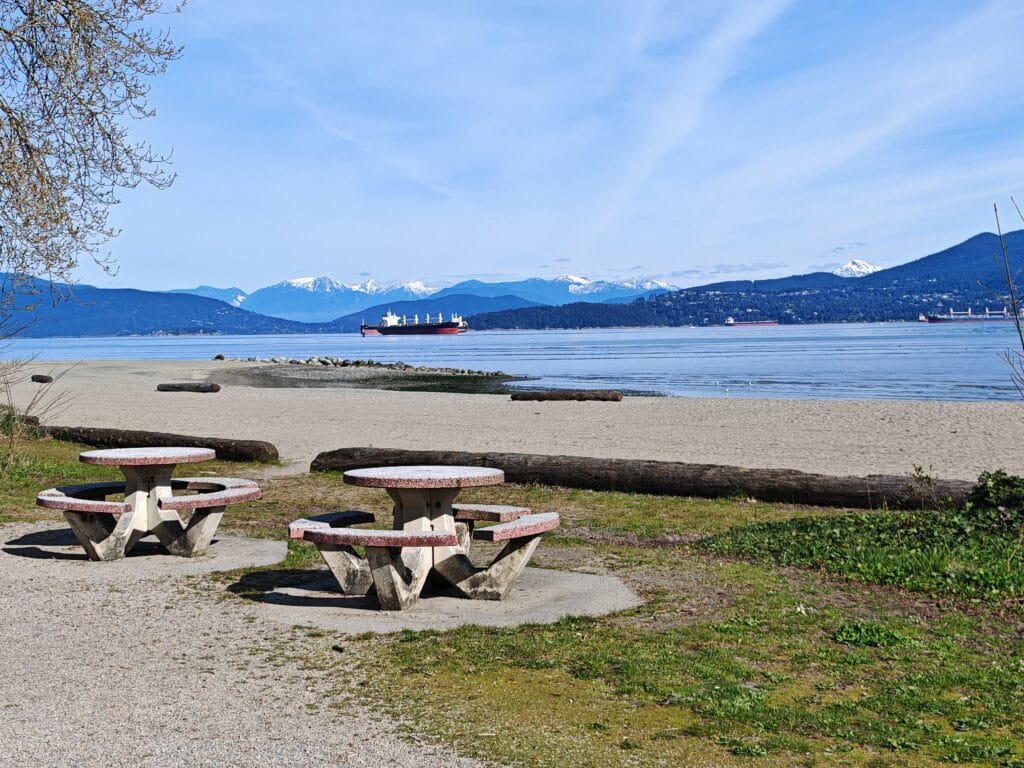
Moving to Canada Summary
For many people, moving to Canada is more than just a visa or career decision—it’s a lifestyle change. Vancouver offers one of the most spectacular combinations of city living and outdoor adventure anywhere in the world, which is why it remains one of the most popular destinations for newcomers arriving through the Working Holiday Canada programme.
While housing costs and everyday expenses can initially seem daunting, understanding the practical realities of living in Vancouver makes the transition significantly easier. With the right preparation, realistic budgeting, and a willingness to embrace a new way of life, settling into Canada can become one of the most rewarding experiences you’ll ever undertake.
Moving to Canada FAQs
Is moving to Canada worth it?
For many people, yes. Canada offers excellent access to nature, strong employment opportunities, high living standards, and a welcoming multicultural society. For outdoor enthusiasts, few cities combine urban living and adventure quite like Vancouver.
How much money do you need when moving to Canada?
Most newcomers should aim to arrive with enough savings to cover accommodation, rent deposits, transport, food, and initial living expenses. For Vancouver, a starting budget of $4,000–$7,000 CAD is often recommended.
Is Vancouver expensive to live in?
Yes. Vancouver is one of the most expensive cities in Canada, particularly for housing. Rent is typically the largest monthly expense, although many newcomers reduce costs by living in shared accommodation.
What should I do after arriving in Canada?
Most newcomers should prioritise obtaining a Social Insurance Number (SIN), opening a bank account, securing accommodation, setting up a phone plan, and beginning their job search.
Is it easy to find a job in Vancouver?
The answer depends on experience and industry. Hospitality, tourism, construction, retail, and healthcare often have opportunities available, while professional roles can be more competitive.
What is the biggest challenge when living in Vancouver?
For most people, housing is the biggest challenge. Rental competition can be intense, and securing long-term accommodation often takes longer than newcomers expect.
What is the average cost of living in Vancouver?
A single person sharing accommodation can expect monthly costs of approximately $1,800–$3,000 CAD depending on lifestyle, while those renting their own apartment should budget significantly more. This can be a lot more expensive moving to Canada from UK
How long does it take to settle into life in Vancouver?
Most newcomers feel settled after several months, once accommodation, employment, banking, and social connections are established. The first month is usually the most challenging, but Vancouver’s large international community makes the transition easier.