Mountain weather is notoriously fickle, and if you regularly hike the steep, rain-soaked trails of Canada or the Alps, having a tried-and-tested waterproof jacket isn’t just a luxury—it is an absolute necessity. The Arc’teryx Beta AR stands out as a high-performance, lightweight, and packable hardshell designed to tackle exactly these unpredictable elements. Built with expedition-grade GORE-TEX Pro construction, it delivers unparalleled weather resistance and durability, alongside a host of innovative features. In my experience, it has become the ultimate companion for serious mountain adventures and high-output activities. In this comprehensive Arc’teryx Beta AR review, I will explain exactly why this premium shell is worth the investment.
Field Note: This guide contains affiliate links. If you purchase gear through these links, I may earn a small commission at no extra cost to you. I only recommend equipment I have personally mountain-tested and trust.

Introducing the Arc’teryx Beta AR
Beta Range
Arc’teryx has exploded in popularity over the last decade! The Canadian company produces high-performance outdoor gear and a matching high price tag. Products such as the Alpha SV jacket, the Atom Hoody or Proton LT, Gamma LT trousers and the Beta AR Jacket are essentials for the cult-like following. The Beta range was designed for Mountain performance in diverse conditions. If you are looking for ultimate protection, then check out the Alpha range with the best durability-to-weight ratio.
Key aspects for high-end waterproof jackets are complete weather protection, robustness and versatility. And the Arc’teryx Beta AR Stormhood has built up a reputation for being one of the best on the market for that. The Beta AR (All-Round) is an All-in-One jacket designed to maximise your movement and protection for technical alpine challenges.
Arc’teryx Beta AR

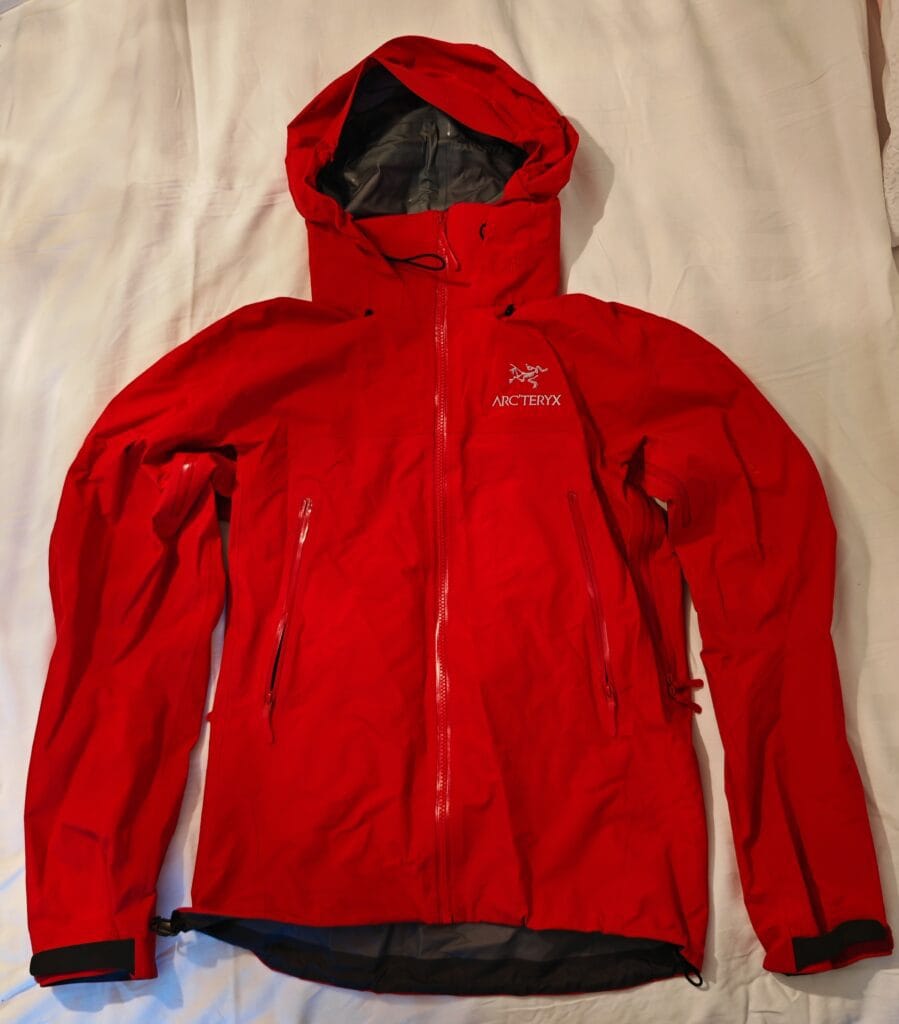
The Arc’teryx Beta AR is available in Men’s and Women’s versions, with the ladies Beta AR offering sizes from XXS to XXL. The Men’s and Women’s colour schemes vary but give a nice range from Dark Blues to vibrant Reds and natural colours. The version I bought is the Stormhood Jacket, which is helmet-compatible to give full coverage without impacting vision. The colours available for Stormhood are Heritage (Red in this review), Phantasm / Int, Black and Black Sapphire.
The Stormhood version is identical to the standard AR apart from the hood. The difference between the Beta AR and Beta is the body construction ( GORE-TEX Pro with Most Rugged Technology vs GORE‑TEX ePE membrane with GORE C-KNIT™ backer), so more durability vs more comfort. The Beta SL is the lightweight jacket of the family and offers the same construction as the Beta Jacket but lighter (340g vs 375g).
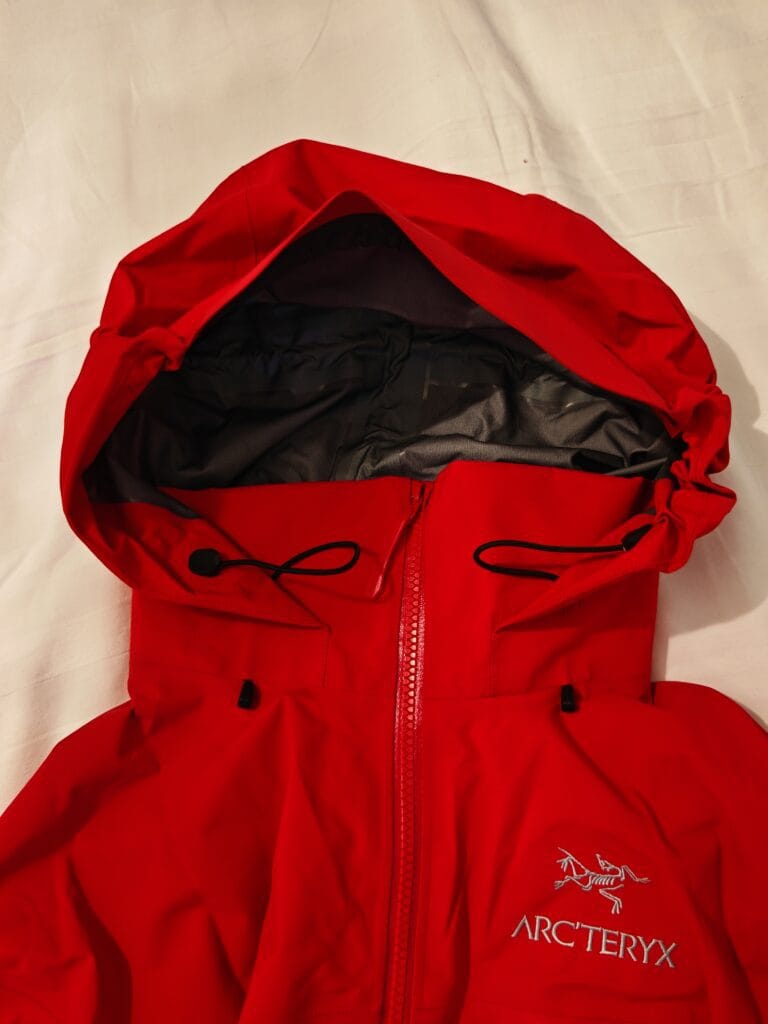
My Experience
I chose the Arc’teryx Beta AR Jacket over the competition due to the highly rated reviews, weather protection and durability. I tried the Mountain Equipment Makalu jacket, but it did not give the movement across shoulders for scrambling. The GORE-TEX PRO materials developed with Gore give impressive waterproofness and is hard wearing so should last for years of adventures.
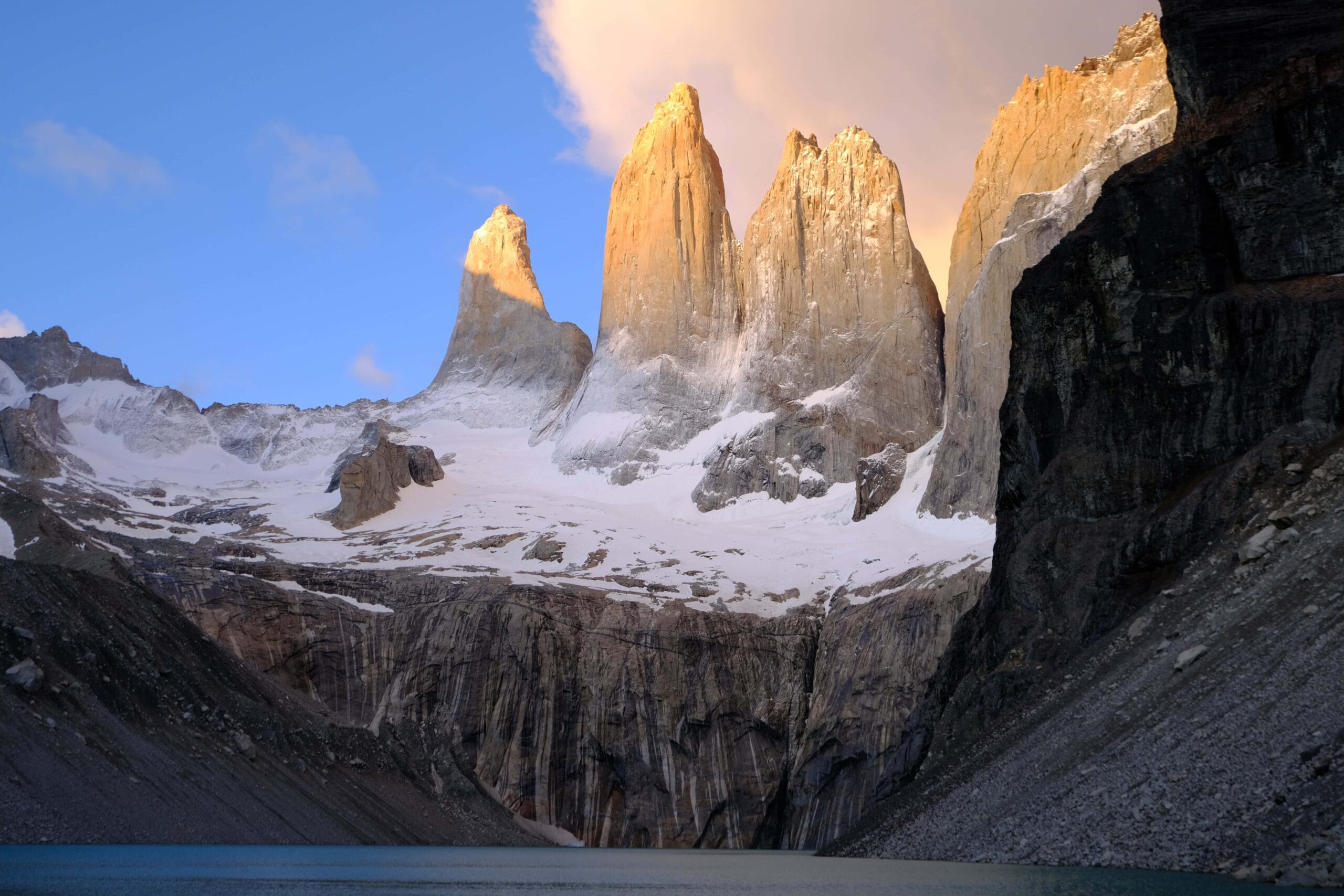
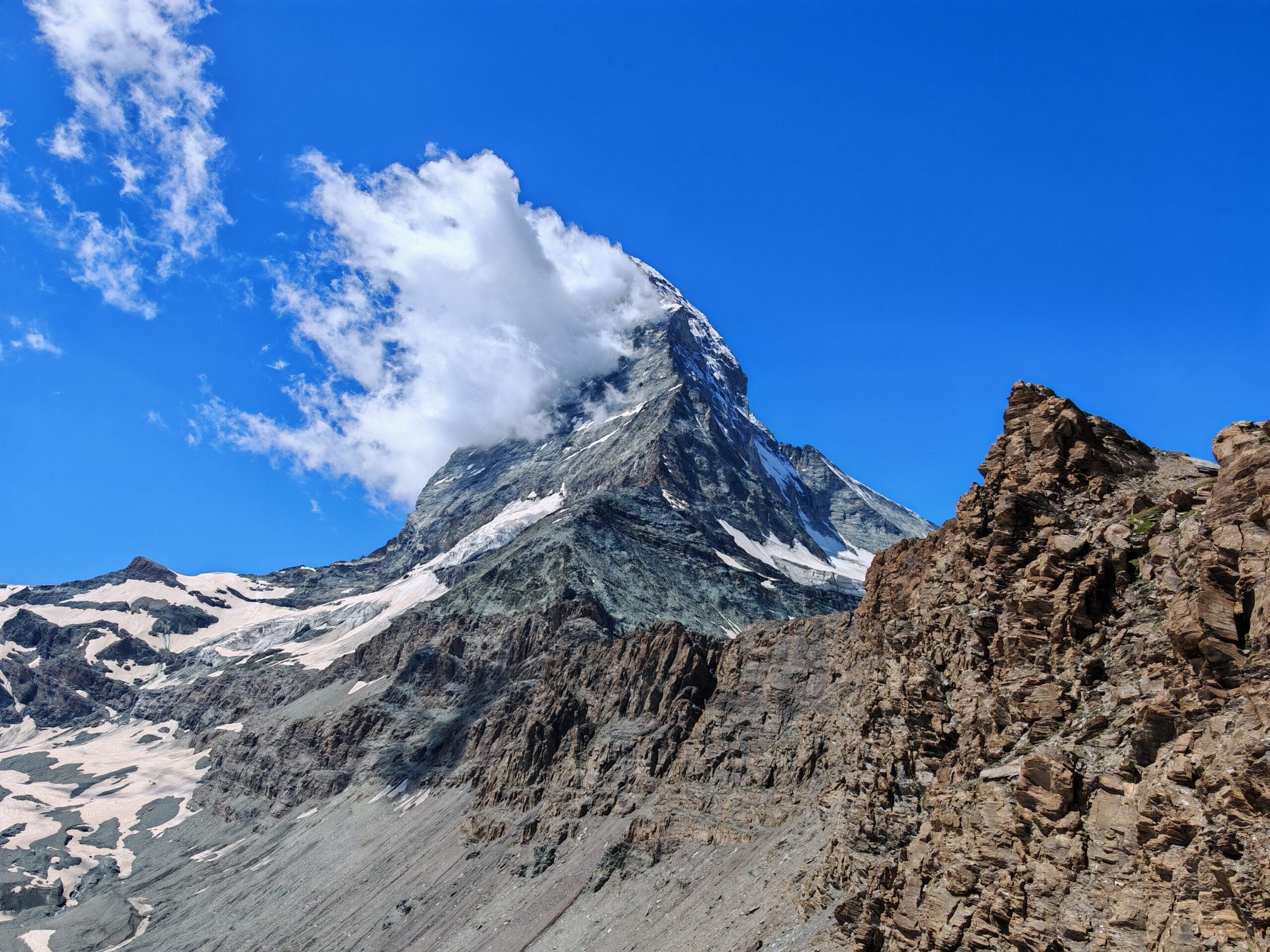
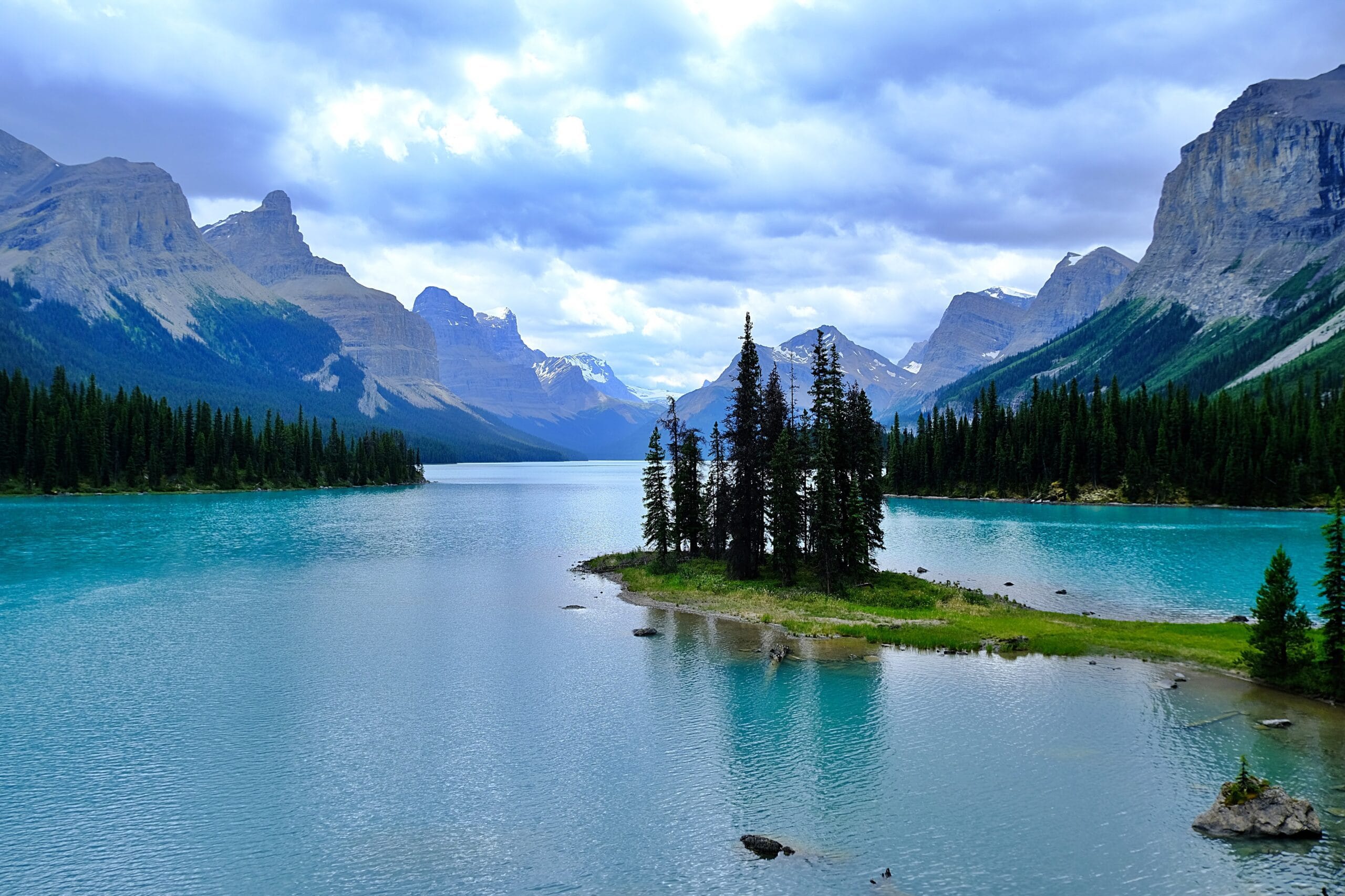
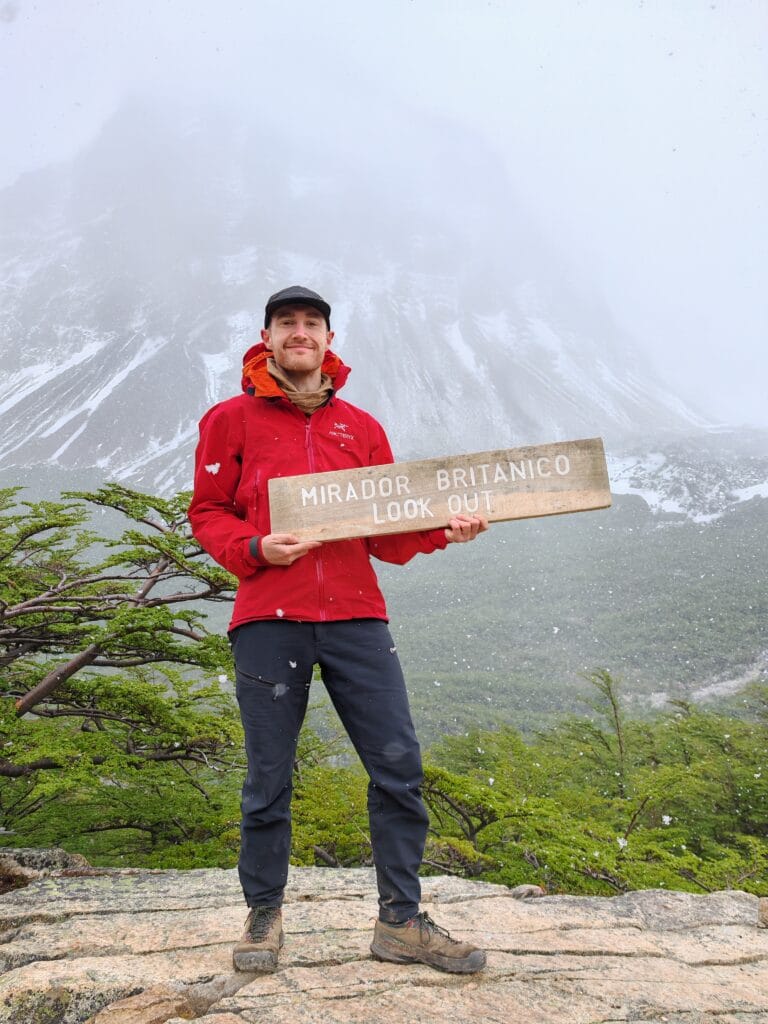
Since buying in summer 2024, I have tested the jacket in the Lake District, Zermatt, Switzerland and a vigorous test while trekking in Patagonia. The jacket feels high quality as soon as you touch it, with the small attention to detail on zips and adjustments. The Heritage red really stands out and would be hard to miss on a mountainside in case of an emergency. It has replaced my well-worn North Face Apex Flex Gore-Tex Jacket and become the main waterproof in my Hiking and Trekking Kit Lists.
Where this jacket earned its keep
I don’t review gear out of a box. Read the full destination guides where the Arc’teryx Beta AR survived the world’s most unpredictable alpine weather.
Arc’teryx Beta AR: Selling Points
- Weather performance – A main selling point is the incredible weather protection thanks to the Gore-Tex Pro membrane. I’ve tested this jacket in snow blizzards and gale-force winds in Patagonia and torrential water in the Alps. The Arc’teryx Beta AR passed with flying colours and left my body bone dry! The collar and chin guard are a brilliant barrier, along with the Hood adjustment, to keep the elements out. The outer layer has a DWR coating to help wick moisture away, and the zips have taped seams to increase waterproofness. Overall, the weather resistance is very impressive from my experience.
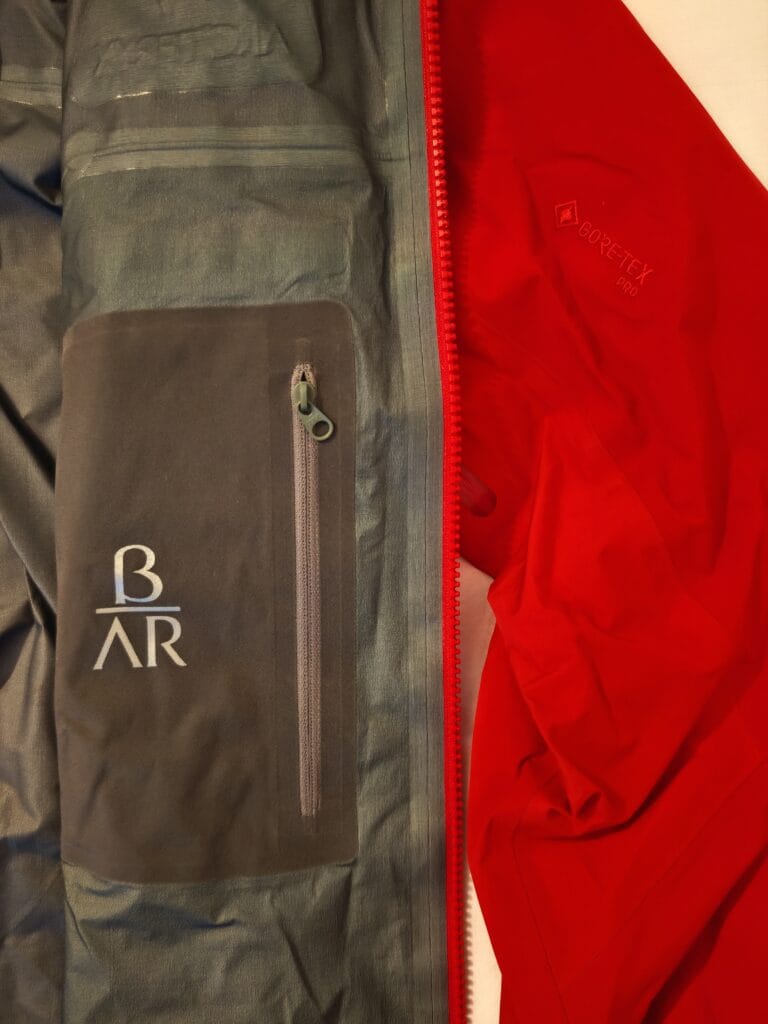
- Packed with Features – The Stormhood feature is designed for helmet compatibility, which is worth having over the standard AR if you are using your jacket for climbing or mountaineering. There is an embedded RECCO® reflector which helps for search and rescue in an emergency. The Beta AR is cosy and comfortable all day thanks to the fleece-lined Storm Collar which keeps the elements away. The jacket has 2 hand-warmer pockets on the sides which are higher up to avoid a backpack hip belt or climbing harness. And while there is no external chest pocket, there is an internal pocket big enough for a large phone.
- Durability & Weight – Arc’teryx and Gore collaborated on the GORE-TEX PRO with Most Rugged Technology to maximise longevity. The combination of 80D and 40D fabrics with the waterproof membrane enables you to scale rugged terrain with no worries. And the Pro membrane helps reduce the weight to 423g, so it is easier to pack away.
- Versatility – The Beta range is designed for almost anyone from Mountain explorers to winter Skiers to Sunday walkers and trendy city folk. The jacket can really do a diverse range of activities in nearly any weather! There are multiple adjustment points around the bottom to ensure a good fit depending on your activity, and the Stormhood has 4 adjustment points to tweak the hood fit.

Arc’teryx Beta AR: Worth Knowing
- Price – The most glaring thing about the Arc’teryx Beta AR is the price tag. Arc’teryx’s popularity means you’re paying a premium for the brand. It is very difficult to justify spending over £500 on a jacket, but there are deals (I paid £475). There are cheaper jackets I considered, like the Mountain Equipment Makalu (£300), the Rab Firewall (£255) and Montane Solution (£250). However, the fit or performance were not comparable to the Arc’teryx Beta AR personally.
- Warmth – The Arc’teryx Beta AR is a hard-shell outer jacket instead of an insulated waterproof. So there is no additional lining or option to zip in a fleece. It works best when layering with a mid-layer such as the Arc’teryx Proton LT or over a Down Jacket. As a stand-alone layer, it’s best for high-output activities (hiking and skiing) but is not designed for cold weather conditions independently.
- Fit – Compared to other jackets, I feel great when wearing the Arc’teryx Beta AR, but it’s not an athletic or trimmed fit. Its length adds coverage and is spacious to add layers, but some would consider it bulky. I found spending all day in this jacket was comfortable, but it’s worth trying on before spending that much money. A more athletic cut jacket would be better for very technical climbing or skiing, for reference.
Best Use Cases: Where the Beta AR Excels
When you invest in a hardshell of this calibre, you need to know it can handle everything you throw at it. The Arc’teryx Beta AR truly earns its “All Round” designation. It is the ultimate protective layer for deep backcountry mountaineering and high-altitude trekking, where a sudden snowstorm or biting alpine wind can be genuinely dangerous. It’s even been used as a basic Ski and snowboarding outer layer!
Whether pushing up to exposed high camps in the Himalayas or navigating the notoriously wet, coastal downpours right here on the North Shore trails, the rugged 80D reinforcements shrug off abrasive granite and heavy backpack straps without flinching. It is also incredibly versatile for winter hiking and snowshoeing; the generous “Regular Fit” easily accommodates a heavy down mid-layer, making it an impenetrable barrier when the temperature plummets and the weather turns nasty.
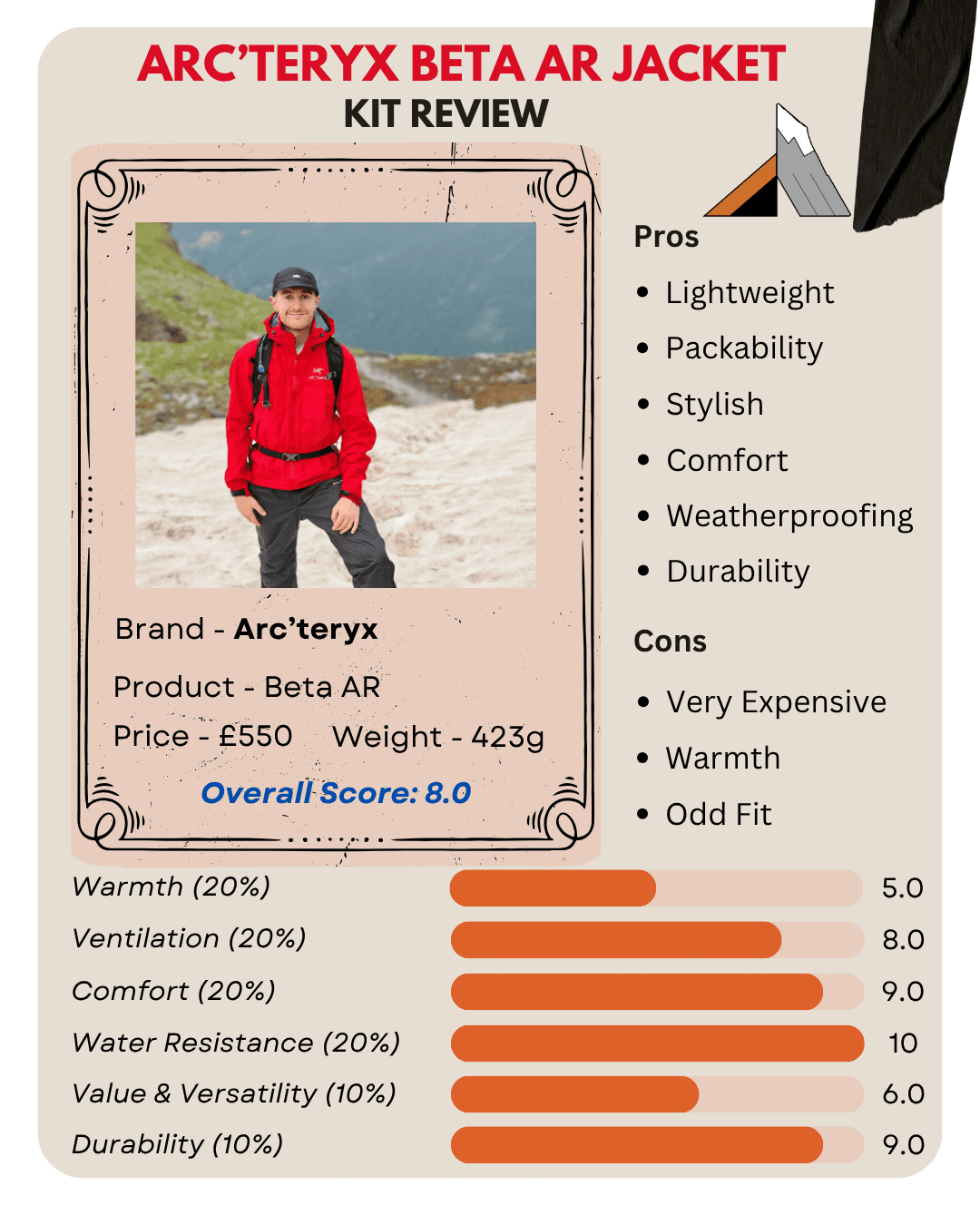
Kit Ratings
Competitors Comparison
While the Arc’teryx Beta AR is widely considered the gold standard, the premium hardshell market is fiercely competitive. Depending on your budget, breathability needs, and brand preference, here is how the Beta AR stacks up against four other heavy-hitters:
1. Rab Kangri GTX
- The Verdict: The classic hill-walking workhorse.
- The Details: Built with robust 70D 3-layer GORE-TEX, the Kangri is a remarkably reliable jacket designed specifically for all-weather hikers. It lacks some of the extreme alpine-specific articulation (like climbing helmet compatibility) of the Beta AR, but it excels at relentless, wet-weather trekking. If your primary focus is staying completely dry on long, rainy days with a heavy pack rather than technical ice climbing, the Kangri is a fantastic, slightly more affordable option.
2. Mountain Equipment Makalu
- The Verdict: The sustainable, high-value mountaineer.
- The Details: The Makalu uses the newer, eco-friendly GORE-TEX ePE membrane paired with a burly 75D recycled face fabric. It provides almost the exact same level of expedition-grade protection as the Beta AR but comes in at a significantly lower price point. It features an excellent “Alpine Fit” that accommodates layers without feeling boxy. If you want top-tier durability but are deterred by the Arc’teryx price tag, the Makalu is one of the best value-for-money jackets on the market.
3. The North Face Summit Series Torre Egger
- The Verdict: The ultra-breathable alpine specialist.
- The Details: Designed specifically for high-energy ice and alpine climbing, the Torre Egger swaps traditional GORE-TEX for The North Face’s proprietary FUTURELIGHT™ 3L membrane. It is noticeably softer, quieter, and breathes significantly better than the stiff GORE-TEX Pro used in the Beta AR. However, it trades away a fraction of that impenetrable, bomb-proof durability to achieve that breathability. If you run hot and sweat heavily during steep ascents, this is the shell for you.
4. Patagonia Triolet
- The Verdict: The versatile, eco-conscious 4-season shell.
- The Details: Like the Makalu, the Triolet has shifted to the highly sustainable GORE-TEX ePE membrane. It utilises a very tough 75D face fabric that easily withstands sharp ski edges and abrasive rock. It is a true 4-season workhorse that crosses over beautifully between winter mountaineering and resort skiing. While it doesn’t vent quite as well as the Beta AR during high-output summer hikes, Patagonia’s ironclad warranty and exceptional sustainability practices make it a standout alternative.
Final Thoughts
The real question every hiker asks when looking at that price tag is: Is the Arc’teryx Beta AR actually worth it? Since adding it to my gear room, it has proven its value time and time again. When battling fierce, sideways rain in Patagonia or navigating a sudden deluge back home in North Vancouver, I have been incredibly thankful to have invested in the Beta AR StormHood as my outer layer.
There is a very good reason this jacket has been continuously refined over the last 20-plus years and remains as popular as ever among serious alpinists. The rugged GORE-TEX Pro materials and bomb-proof construction guarantee maximum weather protection and durability that will easily withstand years of heavy abuse on the trail. The combination of meticulous craftsmanship, dialled-in features, and peak alpine performance makes it an undeniable winner. Overall, it is a fantastic, best-in-class waterproof hardshell, and I cannot recommend it enough if it falls within your budget.
What is your favourite waterproof jacket to ride out a storm? Please share this post with fellow hikers researching a new hardshell for their upcoming adventures!
FAQs
What is the difference between the Arc’teryx Beta AR and Beta LT?
The Beta AR (All Round) is a heavier-duty jacket built with ultra-rugged GORE-TEX Pro and features 80D fabric reinforcements on the shoulders and arms. It also features a DropHood™, meaning the collar and hood are separate. The Beta LT (Lightweight) uses a lighter standard GORE-TEX fabric, is more streamlined, and utilises a StormHood™ where the collar and hood are one continuous piece. The AR is best for harsh, abrasive alpine conditions, while the LT is better for fast-and-light summer backpacking.
Is the Arc’teryx Beta AR worth the price?
Yes, if you regularly spend time in extreme, punishing weather. At roughly $600 USD, it is a massive investment. However, its use of 3L GORE-TEX Pro with “Most Rugged Technology” means it will easily outlast cheaper rain jackets by several years. It is an expedition-grade tool designed for mountaineering, skiing, and heavy trekking, not just walking the dog in a light drizzle.
How does the Arc’teryx Beta AR fit?
The Beta AR features Arc’teryx’s “Regular Fit,” which is intentionally designed to be roomy enough to accommodate heavy winter layers underneath. If you are wearing it with just a t-shirt, it will feel slightly baggy. However, it perfectly accommodates a thick fleece or a puffy down mid-layer without restricting your arm mobility when reaching for climbing holds.
What is the DropHood™ on the Beta AR?
Unlike most technical shells, the Beta AR features a DropHood™. This means there is a standalone, tall collar that wraps entirely around your neck to block wind, with the hood attached to the back of it. This design is incredibly comfortable and allows you to zip the jacket all the way up to protect your face even when the hood is down.
Does the Arc’teryx Beta AR use GORE-TEX Pro?
Yes. The Arc’teryx Beta AR uses premium 3-layer GORE-TEX Pro with “Most Rugged Technology,” making it one of the most durable waterproof shells in Arc’teryx’s lineup. This construction provides exceptional resistance to abrasion, prolonged rain, heavy snow, and harsh alpine conditions while remaining highly breathable during strenuous activities such as mountaineering, trekking, and ski touring.
Is the Arc’teryx Beta AR good for hiking and backpacking?
Absolutely. While the Beta AR is designed primarily as an alpine shell, it also performs exceptionally well for hiking and backpacking in unpredictable weather. The durable GORE-TEX Pro fabric offers excellent protection against sustained rain and strong winds, while large pit zips help regulate temperature when climbing steep trails or carrying a heavy backpack. It may be overkill for occasional summer hikes, but it excels on multi-day mountain adventures.
How long does the Arc’teryx Beta AR last?
With proper care, the Arc’teryx Beta AR can easily last 8 to 10 years or longer. The jacket is built with premium materials, reinforced high-wear areas, and Arc’teryx’s excellent construction quality, making it one of the most durable waterproof shells available. Regular washing and reapplying a DWR treatment will help maintain waterproof performance and extend the lifespan of the jacket even further.
Pingback: The Best Outdoor & Hiking Gear of 2024 - Backpacker's Mentality
Pingback: Arc'teryx Proton LT Hoody: Better than the Atom? - Backpacker's Mentality