
The London I Grew Up In
I grew up in Teddington and spent much of my youth around Twickenham, Kingston and Richmond. This is the part of London I still know better than any guidebook does. 18 years of childhood days out, adolescent exploration and then adult outings when visiting home from University: there’s something for all aspects of life in Richmond upon Thames. It’s a different pace to the bustle of Central London, with the leafy suburbs a pleasant contrast to the concrete city centre. Richmond upon Thames offers green spaces, riverside walks, historical houses, and is built around a stretch of the Thames that runs from Hampton Court to Kingston down through Teddington, Twickenham, Richmond, and finally to Kew.
This is a deliberately local guide rather than a highlights reel. Alongside the big names — Richmond Park, Kew Gardens, Hampton Court — I’ve included the spots that don’t always make it into visitor guides: Bushy Park’s wilder, quieter deer herds, the National Physical Laboratory’s rare open days, Strawberry Hill House’s Gothic eccentricity, and Ham House’s curated gardens on the towpath.
I’ve also added a proper food and drink section at the end, including all my favourite haunts that I miss. A day exploring this part of London deserves a good riverside pub or a decent coffee stop to go with it, and it’s the part visitors most often get wrong by defaulting to whatever’s nearest the station.

Shot on the Fujifilm X-T30
Town Centres Worth Exploring
- Richmond — Independent shops around George Street and Hill Street, a theatre, Richmond Green and direct towpath access. Richmond Hill above the town gives you the Turner-painted river view that gave the whole area its reputation.
- Kingston upon Thames — A proper town centre with the historic market, the Bentall Centre for more conventional shopping, and a lively riverside with good bars and restaurants, particularly around Charter Quay.
- Twickenham — Quieter and more residential, centred around the stadium and the river — Eel Pie Island, a small Thames island with an interesting musical history (The Rolling Stones and The Who both played the island’s old hotel venue in the 1960s), is worth knowing about even though public access is limited.
- Teddington — A quieter, villagey high street with easy towpath access and Teddington Lock at its edge. Teddington Studios, once a significant British film and TV production base, adds a small layer of screen history to the area.
Find more planning info on the Richmond Website.
Parks & Green Space
Richmond Park
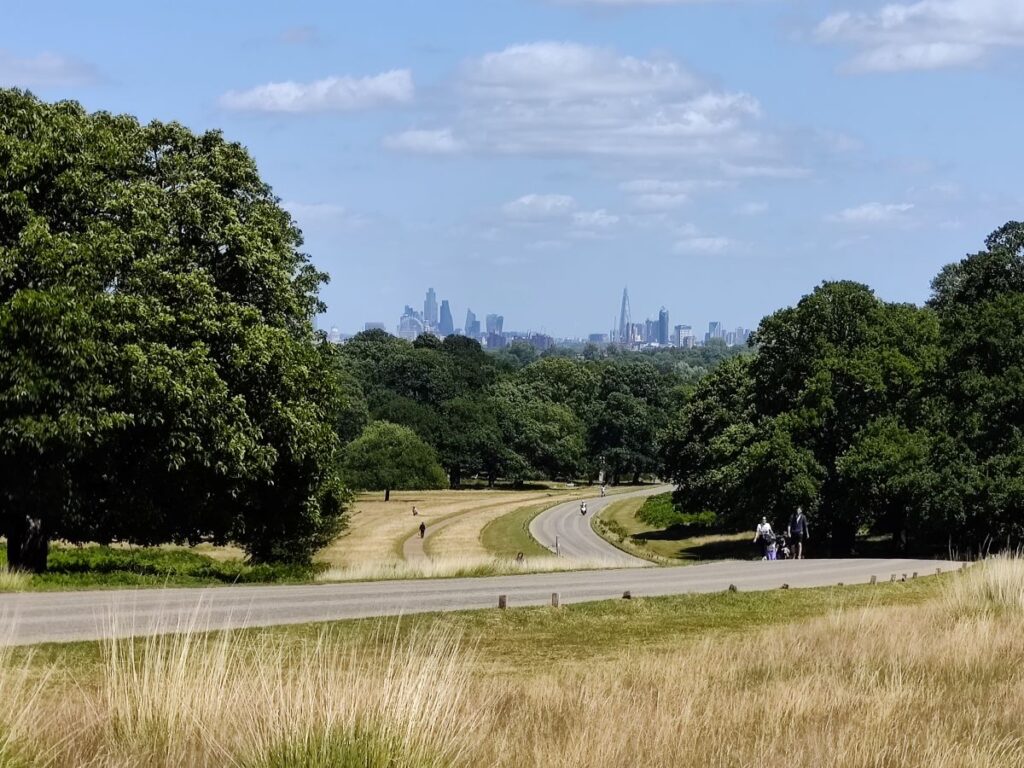
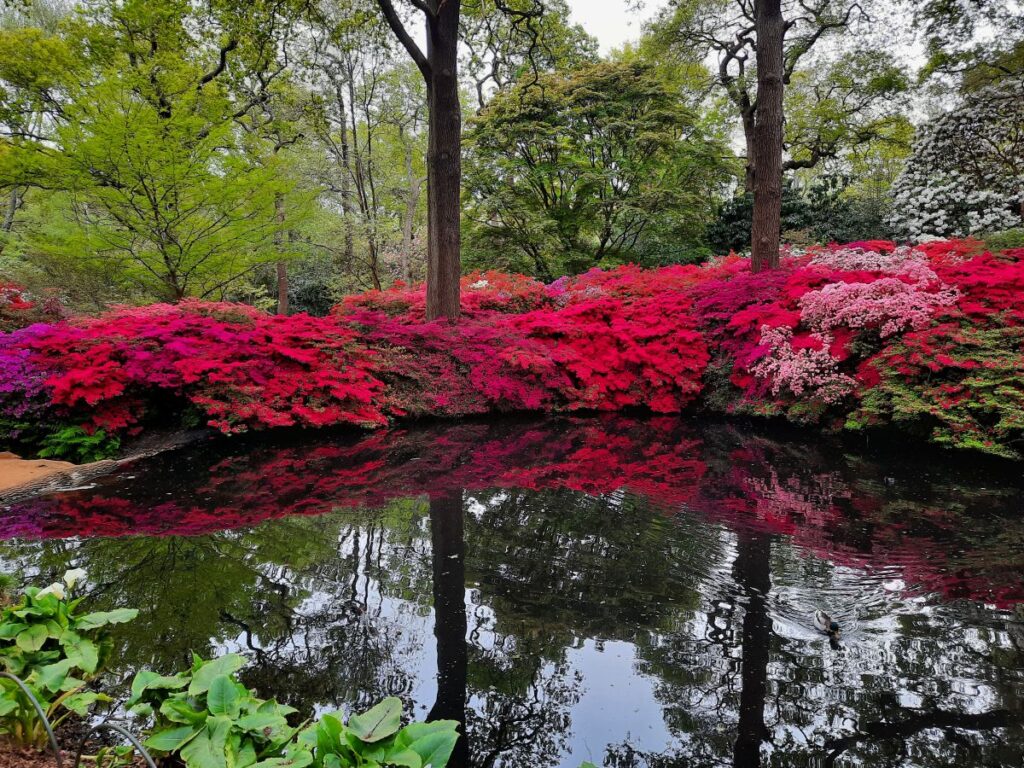
The largest of London’s Royal Parks at roughly 2,500 acres — bigger than Central Park in New York — and home to around 630 red and fallow deer that have roamed here since Charles I enclosed the land in 1637. Isabella Plantation, a woodland garden inside the park, is spectacular in late April and May when the azaleas and rhododendrons peak. Pen Ponds makes a good central anchor for a walk, and King Henry’s Mound offers a protected sightline — protected by law since the 18th century — all the way to St Paul’s Cathedral, over 10 miles away.

Richmond Hill Viewpoint
Richmond Hill is one of London’s most famous views and remains the only vista in England protected by an Act of Parliament. Looking west across Petersham Meadows toward a sweeping bend in the Thames, the landscape appears remarkably unchanged from the scene painted by artists such as J.M.W. Turner and Sir Joshua Reynolds over two centuries ago (my only photos are of New Year’s fireworks here).
The viewpoint sits beside The Roebuck, a historic pub whose terrace arguably offers one of the finest pub views in the capital. I enjoyed a New Year’s evening at the Roebuck before watching the wide range of fireworks over the Thames, Twickenham, Kingston and Teddington. Next to Richmond Park stands the iconic Star and Garter, an imposing building originally constructed as a hotel in 1738 before being rebuilt following a fire and later serving as a rehabilitation hospital for wounded servicemen after both World Wars. Today it remains one of Richmond’s most recognisable landmarks and a reminder of the area’s long history as a retreat from central London.
Bushy Park
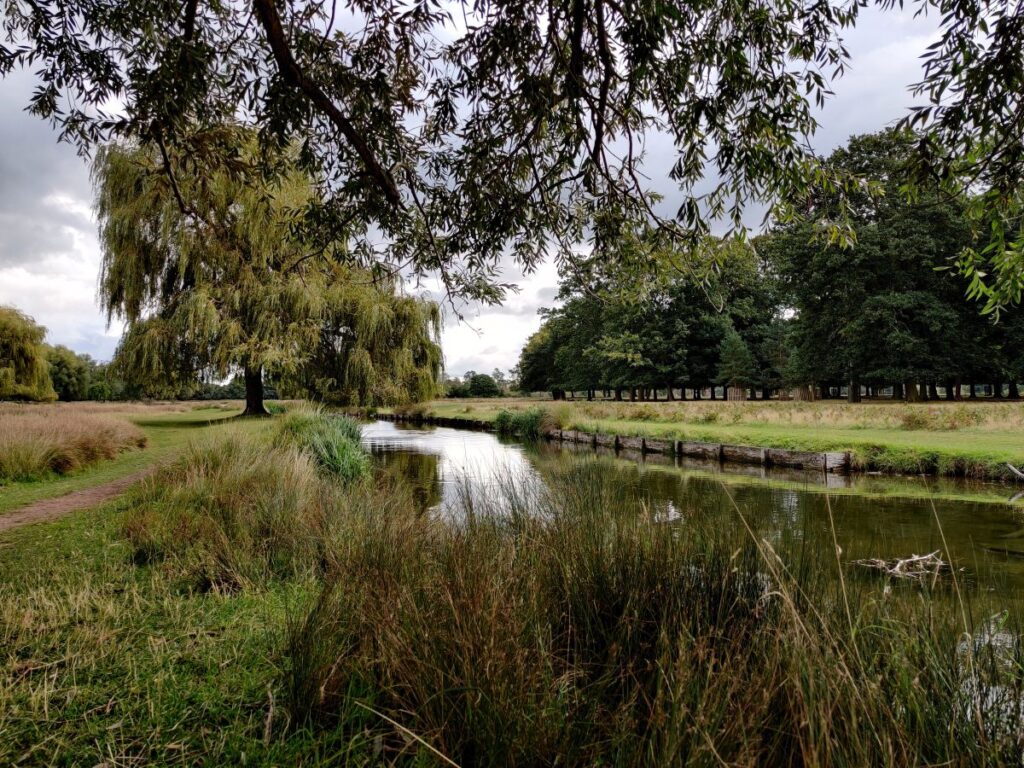
The second-largest Royal Park and, in my view, underrated next to its more famous neighbour. Bushy Park has its own wild deer herds — both red and fallow — and tends to be noticeably quieter than Richmond Park even in peak season. The Chestnut Avenue, a mile-long avenue of horse chestnut trees leading to the Diana Fountain, is spectacular when the chestnuts bloom in May. The park is also home to Bushy House, a 17th-century building that’s been the residence of the National Physical Laboratory since 1900 — more on that below. Woodland Gardens, in the park’s northwest corner, is a popular walk with a cafe for refreshments.
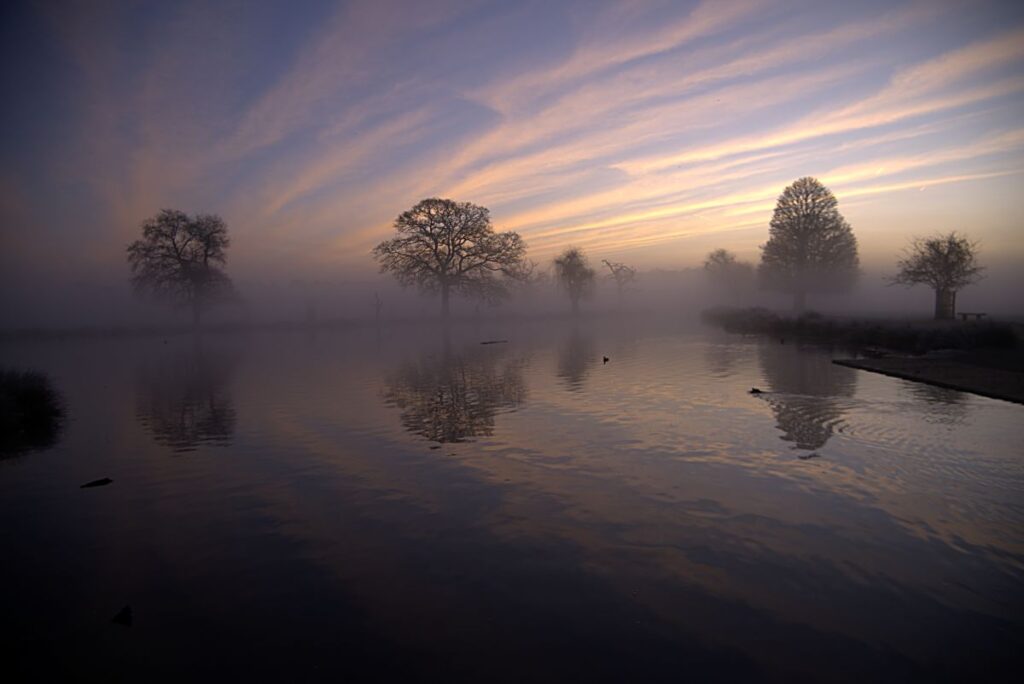
During the Second World War, Bushy Park served as the headquarters of General Dwight D. Eisenhower and Supreme Headquarters Allied Expeditionary Force (SHAEF), where key elements of the D-Day invasion were planned. Today, a memorial near the Diana Fountain commemorates the role the park played in one of the most significant military operations in history.
Home Park
Often overshadowed by Hampton Court Palace itself, Home Park is one of the borough’s quietest green spaces and one of my favourite spots for escaping the crowds. Stretching behind the palace along the Thames, the park offers open meadows, tree-lined avenues, and excellent views back towards Henry VIII’s former residence. Unlike Richmond Park or Bushy Park, there’s a more relaxed and secluded atmosphere here, making it ideal for riverside walks, picnics, or simply enjoying one of the most historic landscapes in South West London along with a vast Golf Course.
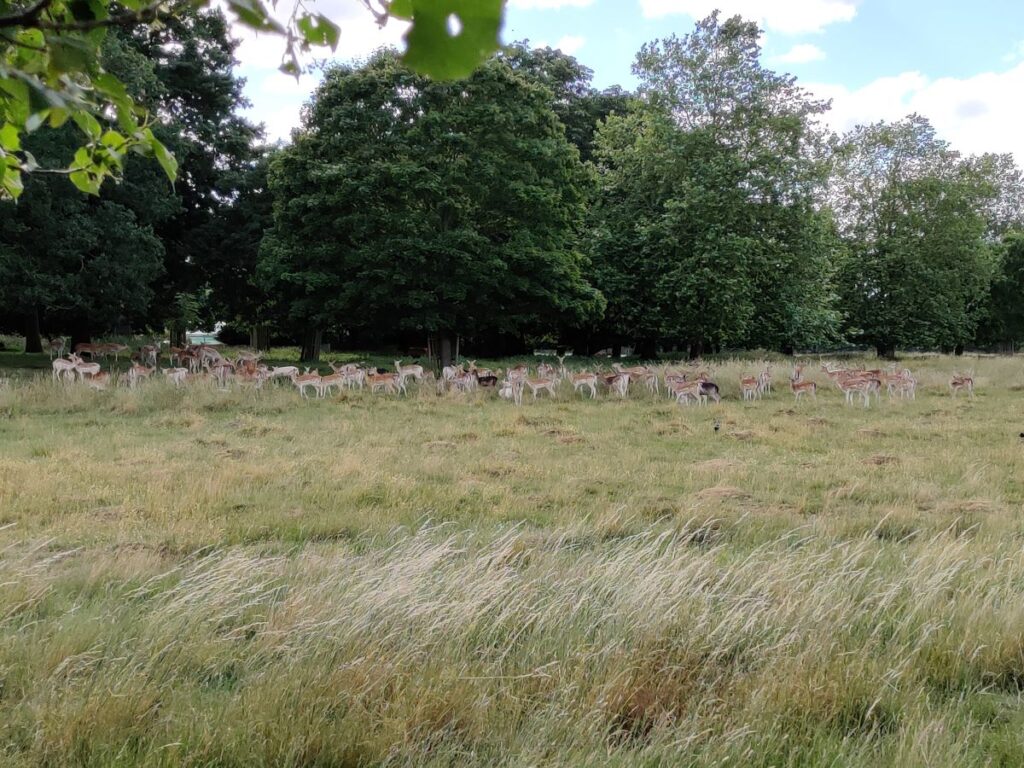
Ham Common & Petersham
Nestled between Richmond and Kingston, Ham Common and Petersham feel more like a rural English village than a corner of London. The area is characterised by beautiful Georgian houses, ancient woodland, winding lanes, and the prettiest stretches of the Thames Path in my opinion. Petersham Meadows, in particular, offers classic riverside views across grazing cattle and open fields with Ham House close by. Nearby Richmond Park and Petersham Nurseries add to the area’s reputation as one of the most picturesque and peaceful parts of the borough.
The River: Bridges, Locks & Towpath
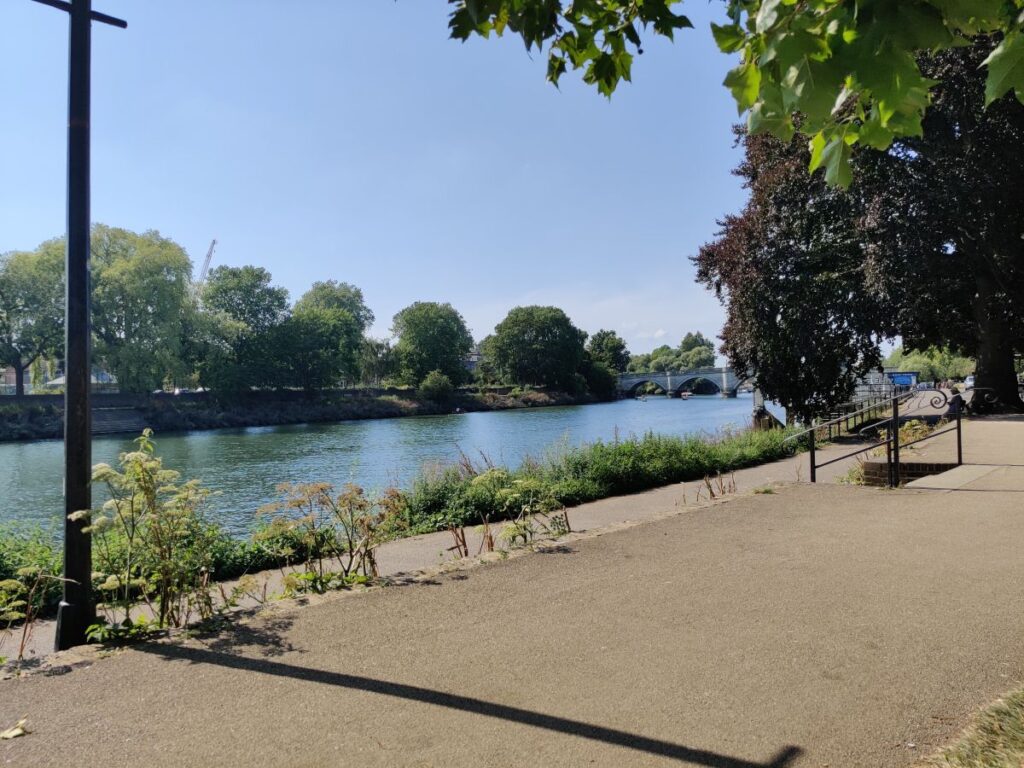
The Thames Towpath
If you only do one thing in South West London, make it a walk along the towpath. It runs more or less unbroken from Hampton Court around Home Park, over to Kingston past Teddington, Ham, Twickenham to Richmond, and Kew. It’s flat, well-signposted, and pleasant walking or cycling in any season. Richmond to Kingston is a solid half-day walk with plenty of pub stops and one of my favourite running routes. Richmond to Kew is a shorter hour or so connecting two of the area’s best-known attractions on foot and skirts around Kew Gardens.
Richmond Bridge & Riverside
The oldest surviving bridge over the Thames in London, dating to 1777, and still an elegant piece of Georgian engineering — five graceful stone arches that have outlasted almost every other Thames crossing in the city. It’s worth pausing on rather than just walking straight over; the view up and down the river from the middle span is one of the better free vantage points in the area. Stop off in Richmond for one of many pubs and cafes along the waterfront to soak up the views and watch boats pass by.

Teddington Lock
An interesting bit of river geography: this is the point where the Thames transitions from tidal to non-tidal, making it the technical starting point of the tidal river all the way to the sea. The lock complex itself — a skiff lock, a launch lock, and a large barge lock — is worth a few minutes if you’re into how rivers actually work, and the towpath crossing here is a good rest stop with a couple of nearby pubs (see food & drink below, including one I used to work at!).
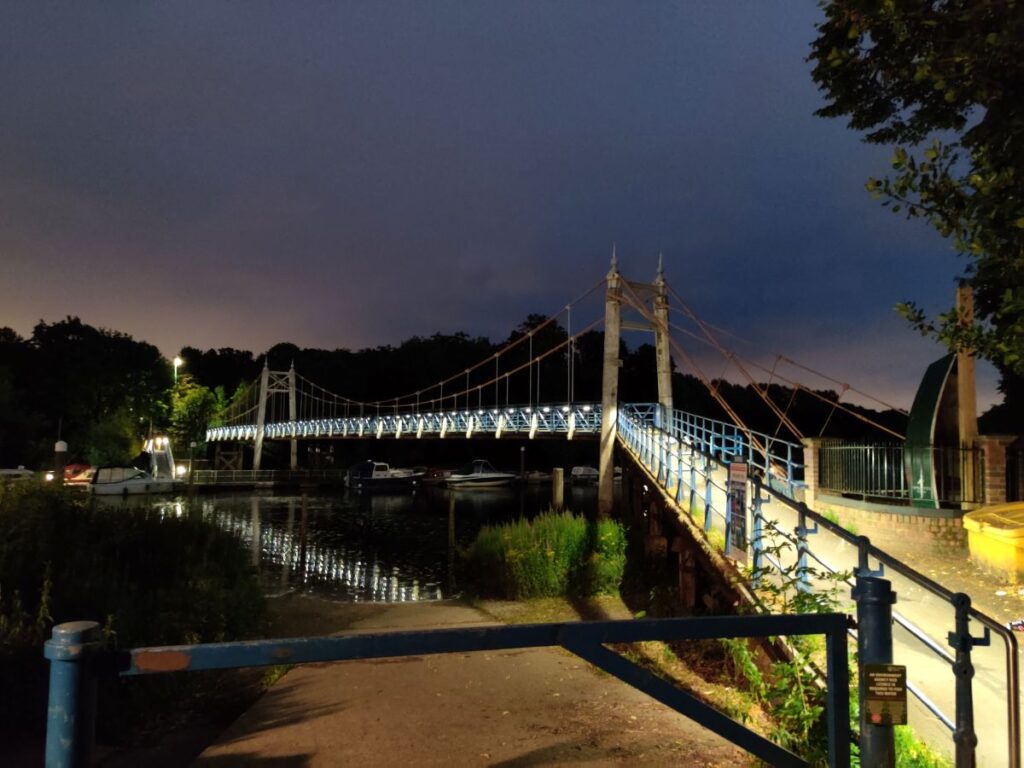
Less well known is Teddington’s connection to the 1940 Dunkirk evacuation, where 100 small river craft, motorboats, and private yachts from the upper Thames joined the fleet of “Little Ships” that crossed the English Channel to help rescue Allied soldiers trapped on the beaches of northern France. The boating heritage remains strong today, with rowing clubs, launches, and pleasure craft constantly moving through the lock. It’s also an excellent stopping point on the Thames Path, with several riverside cafés and pubs close by.
Richmond Lock & Footbridge
Less well known than Teddington Lock but worth a mention — a combined lock, sluice, and footbridge structure completed in 1894 to maintain a consistent water level upstream of Richmond at low tide. The footbridge itself gives you another good river crossing with decent views, and it’s a quieter alternative to Richmond Bridge if you want to avoid the crowds on a busy weekend.
Twickenham Riverside & Eel Pie Island
Twickenham’s riverside is one of the prettiest stretches of the Thames anywhere in London, with broad towpaths, rowing clubs, historic pubs, and constant river activity. At its heart lies Eel Pie Island, a private island accessible via a footbridge that gained legendary status during the 1960s when the Eel Pie Island Hotel became one of Britain’s most influential live music venues. Bands including The Rolling Stones, The Who, David Bowie, Pink Floyd, and Rod Stewart all performed here before the venue was destroyed by fire in 1971.
Today, the island has reinvented itself as an artists’ community, occasionally opening its studios to the public. Nearby, The Barmy Arms offers one of the best riverside pub gardens in the borough and is a firm favourite of mine after watching rugby at Twickenham Stadium. The White Swan is famous for appearing to float at high tide when the Thames regularly floods its terrace. Together they make Twickenham Riverside one of the best places in London for an afternoon beside the river.
Historic Houses & Palaces
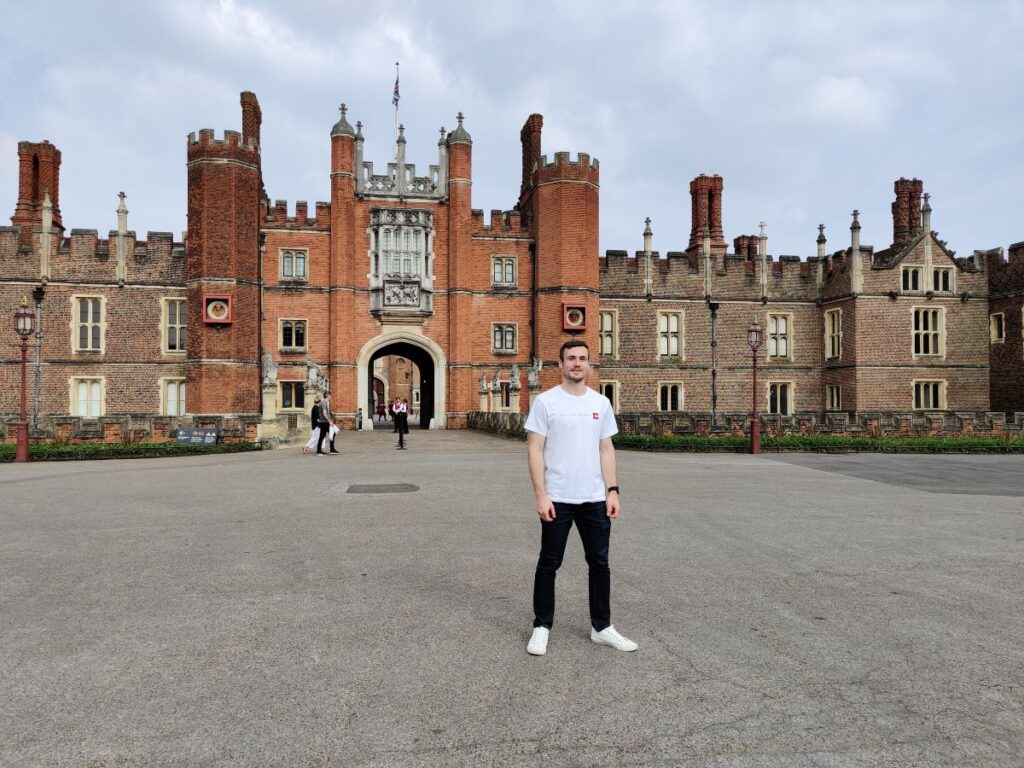
Hampton Court Palace
Henry VIII’s primary residence for the second half of his reign, and an unusual building in that Hampton Court Palace visibly straddles two very different eras — the Tudor half, with Henry’s Great Hall and original tapestries, and the Baroque half redesigned by Christopher Wren for William III and Mary II two centuries later. The Hampton Court Maze, planted in the 1690s, is the oldest surviving hedge maze in the UK. Allow a minimum of three hours for the palace and gardens. Hampton Court has its own railway station, a five-minute walk from the entrance, with trains from London Waterloo taking around 30 minutes.
Strawberry Hill House
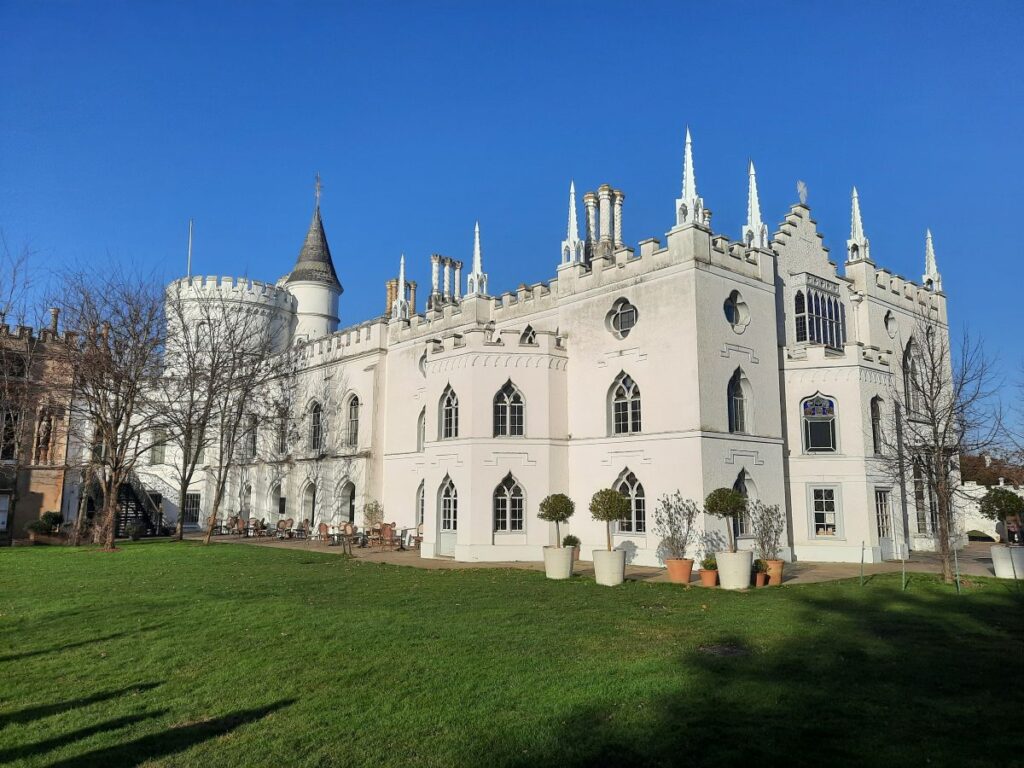
An under-the-radar gem in Twickenham, and one of the more quirky buildings in South West London. Built by Horace Walpole in the mid-18th century, Strawberry Hill House is considered one of Britain’s finest examples of Georgian Gothic Revival architecture. Meaning it features an eccentric, playful riot of pointed arches, fan vaulting, and stained glass that essentially kickstarted the entire Gothic Revival movement in British architecture. It’s smaller and far less crowded than Hampton Court, making it a good half-day option if you want something a bit different and considerably more personal in scale. With St Mary’s University next door, I have played rugby next to this impressive architectural masterpiece.
Kew Gardens & Kew Palace
The Royal Botanic Gardens at Kew is a UNESCO World Heritage Site with the largest and most diverse botanical collection in the world — over 50,000 species across 300 acres. The Palm House and Temperate House glasshouses are worth the visit alone; the Treetop Walkway lifts you 18 metres into the canopy. Kew Palace, the smallest of the royal palaces, sits within the gardens and is included with some ticket types. Budget at least half a day, and there are plenty of places to buy refreshments. The shop sells Kew Gardens Distillery Gin and other spirits too.
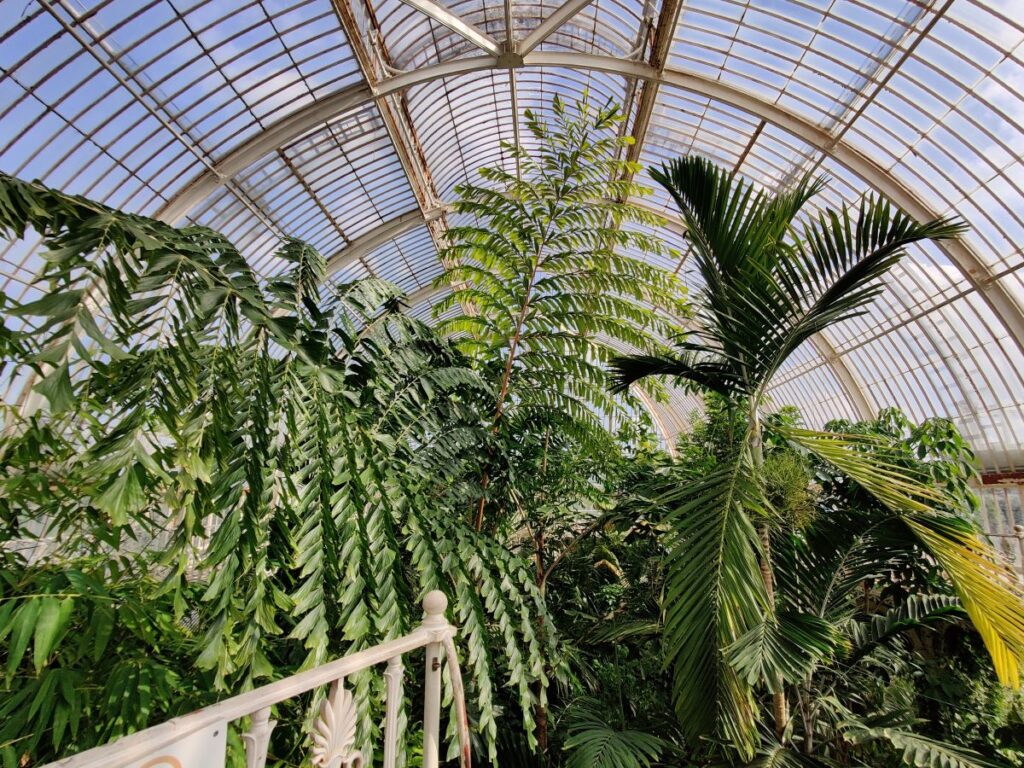
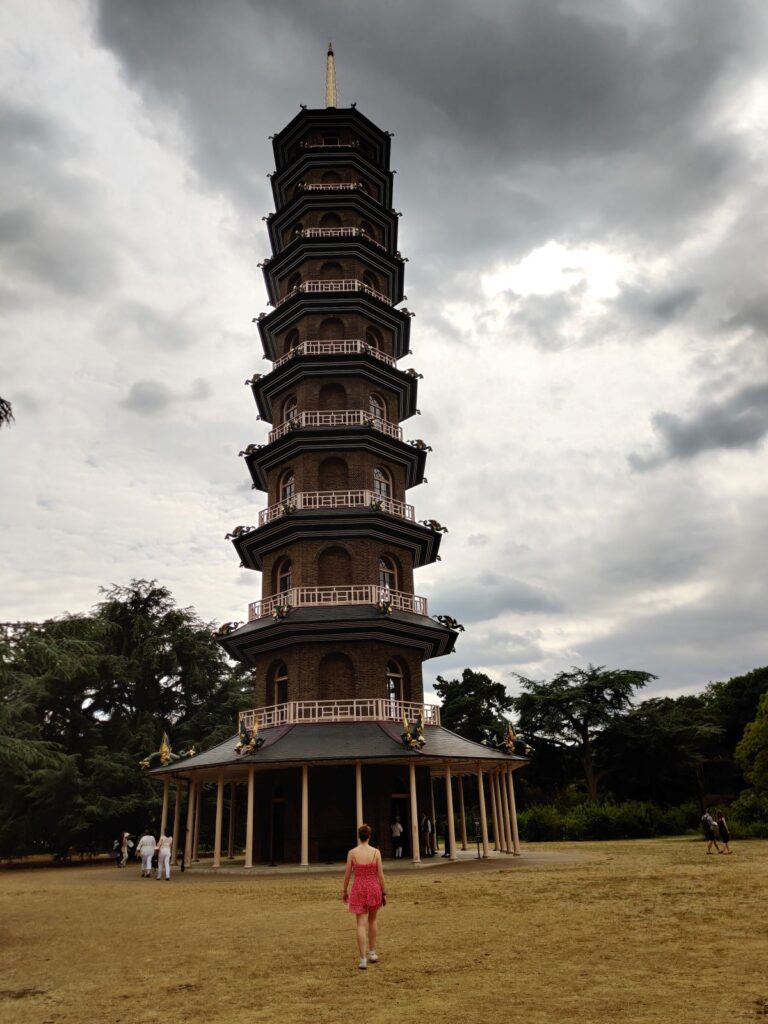
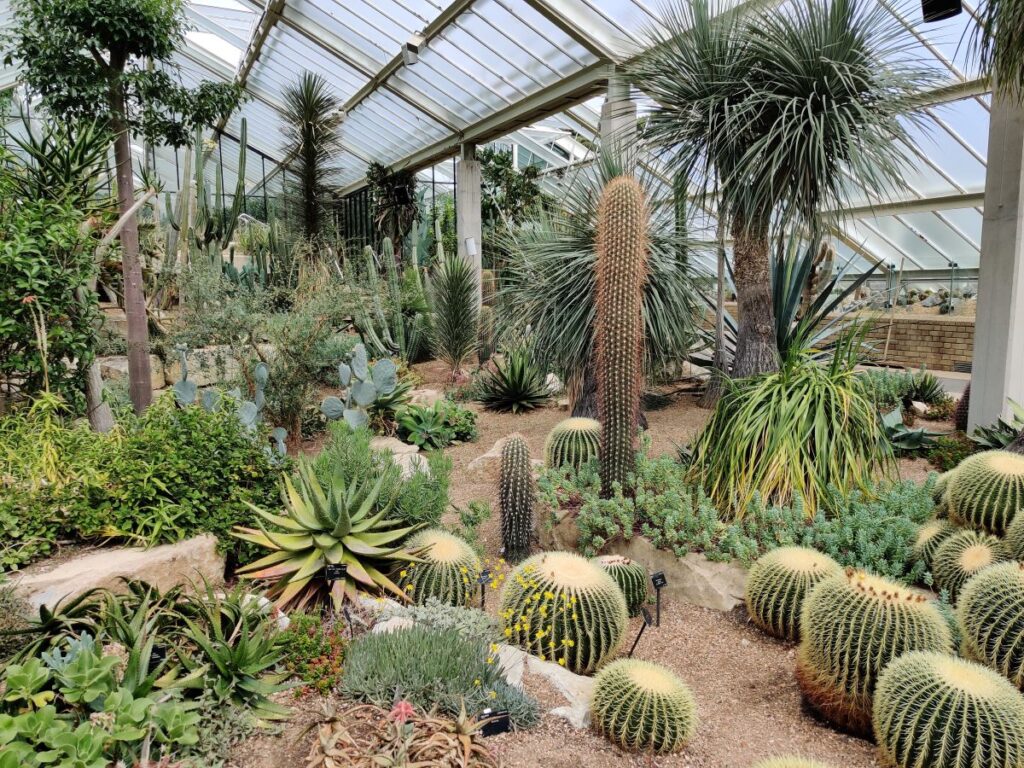
I consistently visit most years as there is always something new and different to see in Kew Gardens, with the Japanese Garden and Glasshouses being my favourite areas to roam around. Kew Gardens tickets aren’t the cheapest, considering many of London’s museums and Galleries are free; however, there aren’t any better botanical gardens, and the special Light Walks are a must-see!
Ham House
One of London’s finest surviving 17th-century houses, Ham House offers a completely different experience from the grand spectacle of Hampton Court Palace. Managed by the National Trust, the house retains many of its original interiors, furnishings, and formal gardens, creating the feeling of stepping back into Stuart England. Set beside the Thames between Richmond and Kingston, it’s an easy stop when exploring Ham Common and Petersham, and its beautifully preserved gardens are particularly impressive during spring and summer.
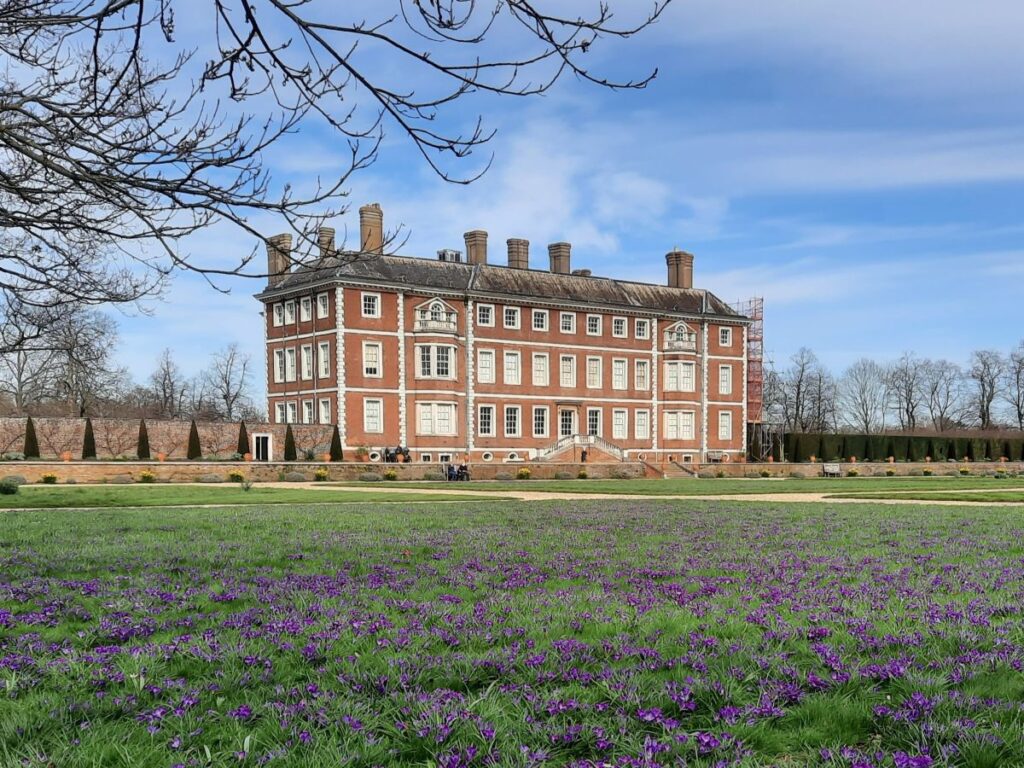
Marble Hill House
One of West London’s most elegant hidden gems, Marble Hill House was built in the 1720s for Henrietta Howard, the influential mistress of King George II. Set within open riverside parkland on the Twickenham side of the Thames, the Grade I-listed Palladian villa offers a fascinating glimpse into Georgian society and architecture. Following a major restoration, visitors can now explore the beautifully restored interiors and expansive grounds free of charge, making it one of the borough’s best-value historic attractions. Its peaceful setting beside the river feels a world away from central London, despite being only a short train journey from Waterloo.
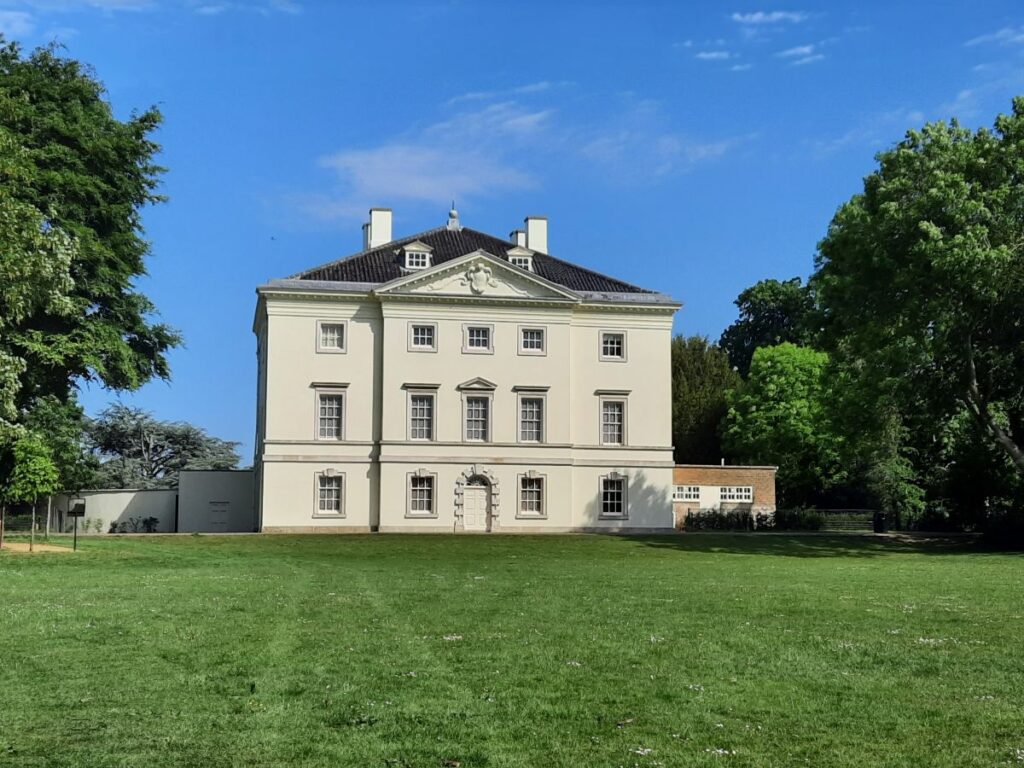
Orleans House & Gardens
Overlooking the Thames in Twickenham, Orleans House Gallery is one of the borough’s hidden gems and often overlooked by visitors heading straight to Richmond or Hampton Court. The gallery occupies part of a former 18th-century riverside villa and is best known for its spectacular Octagon Room, widely regarded as one of the finest surviving Rococo interiors in Britain. Alongside a rotating programme of exhibitions, the site includes peaceful riverside gardens, woodland walks, and a café that makes for a relaxing break from the busier tourist attractions nearby. The combination of art, architecture, and river views gives Orleans House a distinctly local feel and makes it one of the most rewarding free attractions in Richmond upon Thames.
Turner’s House
Hidden away in Twickenham is Turner’s House, a riverside retreat of the celebrated British artist J.M.W. Turner and one of my favourite Painters. He designed and lived in the property between 1813 and 1826. Beautifully restored and now open to visitors, the house offers a fascinating insight into Turner’s life, work, and connection to the Thames landscape that inspired many of his paintings. Art lovers will enjoy exploring the intimate galleries, original architectural features, and learning more about one of Britain’s greatest artists in the very place he once called home.
Sport, Science & Local Institutions
Twickenham Stadium & the World Rugby Museum
The home of English rugby, and the World Rugby Museum on-site is worth a stop even outside match days. Catching an international rugby match at Twickenham is one of the best British sporting days out available in this part of London. The famous Cabbage Patch is a must-visit to build up the atmosphere and enjoy a drink alongside fellow rugby fans. Be warned, Twickenham Stadium is an 82,000-seater stadium, so public transport is chaotic, the pubs and restaurants before and after the games are always packed, and parking is a nightmare too. In return, you get to experience a roaring crowd, exciting sport and a true spectacle.
As a lifelong rugby fan, I’ve watched many games here as well as been lucky enough to be a Ballboy and run microphones for Sky Sports on the pitch. Oh, and worked in a bar in the stadium, which was slightly less glamorous! If you fancy something more accessible (International tickets can be expensive and hard to get for 6 Nations Games), then watching Harlequins at the Stoop a short walk from the England Stadium, is a fantastic alternative. Premiership Rugby games are more frequent yet still as entertaining! Tickets are much cheaper, and it makes for a great family day out in a London Borough with a strong connection to rugby instead of football.
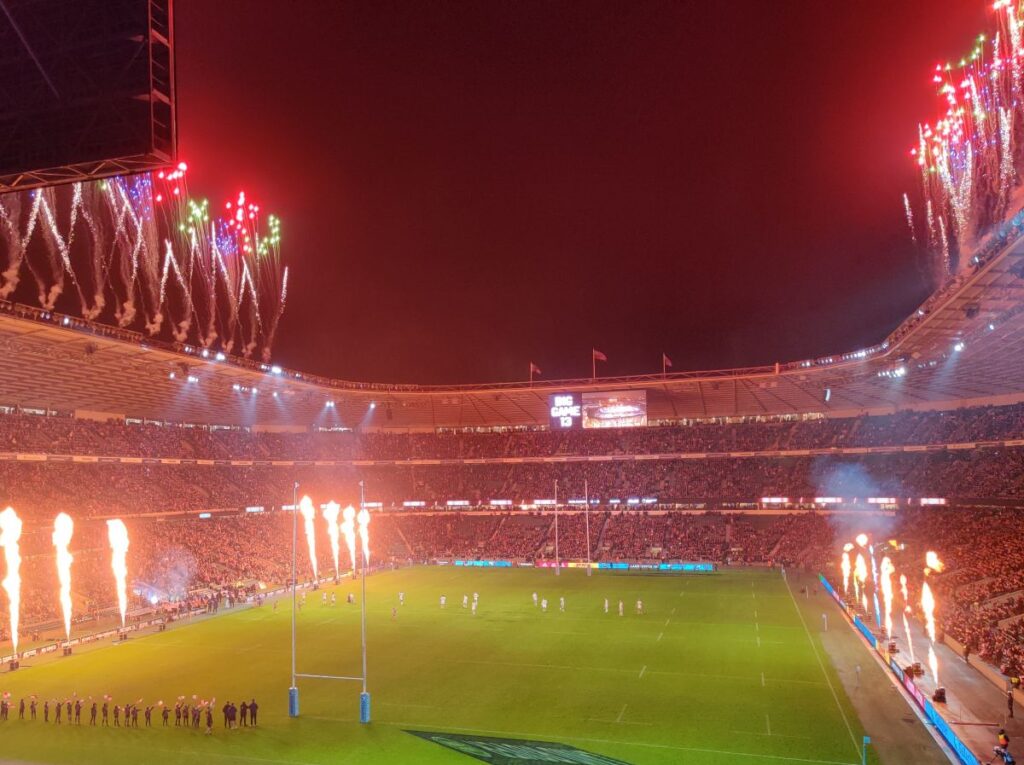
The World Rugby Museum located inside Twickenham Stadium tells the story of rugby from its origins at Rugby School through to the modern professional game. With historic jerseys, match-worn memorabilia, interactive exhibits, and a Stadium Tour including access to the England changing room and players’ tunnel, it’s a worthwhile stop for both dedicated rugby fans and anyone interested in one of Twickenham’s most important cultural landmarks. You can book tickets here for £32.00 for an Adult ticket including the Stadium Tour & Museum.
National Physical Laboratory (Bushy House)
The National Physical Laboratory is the UK’s national measurement standards laboratory, founded in 1900 and housed next to it is Bushy House, a 17th-century building inside Bushy Park that was once the residence of William IV. It’s not a walk-in attraction — NPL runs occasional public open days, historically around World Metrology Day in May, where you can tour NPL itself and see demonstrations from the scientists working across the site’s measurement laboratories. I have visited the Open days once, and it really was inspiring that I almost chose Physics over Engineering at University!
One of Teddington’s most fascinating historical connections is its role in the development of the famous “bouncing bomb” used during the RAF’s Dambusters Raid of 1943. During the Second World War, engineer Barnes Wallis worked closely with scientists at the NPL, using its specialist water tanks and research facilities to test the physics behind his revolutionary design. The resulting Operation Chastise became one of the most famous RAF missions of the war, and Teddington’s National Physical Laboratory played a small but important role in turning Wallis’s unconventional idea into reality.
After the war, Alan Turing worked at the National Physical Laboratory (NPL) in Teddington, where he developed the design for the Automatic Computing Engine (ACE), one of the world’s earliest modern computers. His work at NPL helped lay the foundations for modern computing and secured Teddington’s place in technological history.
Kingston Market
One of the oldest street markets in the country, with a Royal Charter dating back to the 13th century, still running today in the historic Ancient Market Place in the centre of Kingston upon Thames. It’s a proper working market rather than a tourist-oriented one, with fresh produce, flowers, and general goods. Kingston is known for its wide variety of shops, featuring the impressive Bentall Centre, the Rotunda complex and such a range of restaurants & cafes too. I spent much of my youth walking along the towpath to Kingston, where it was easy to browse clothing, sports, outdoor gear, tech and many other shops.
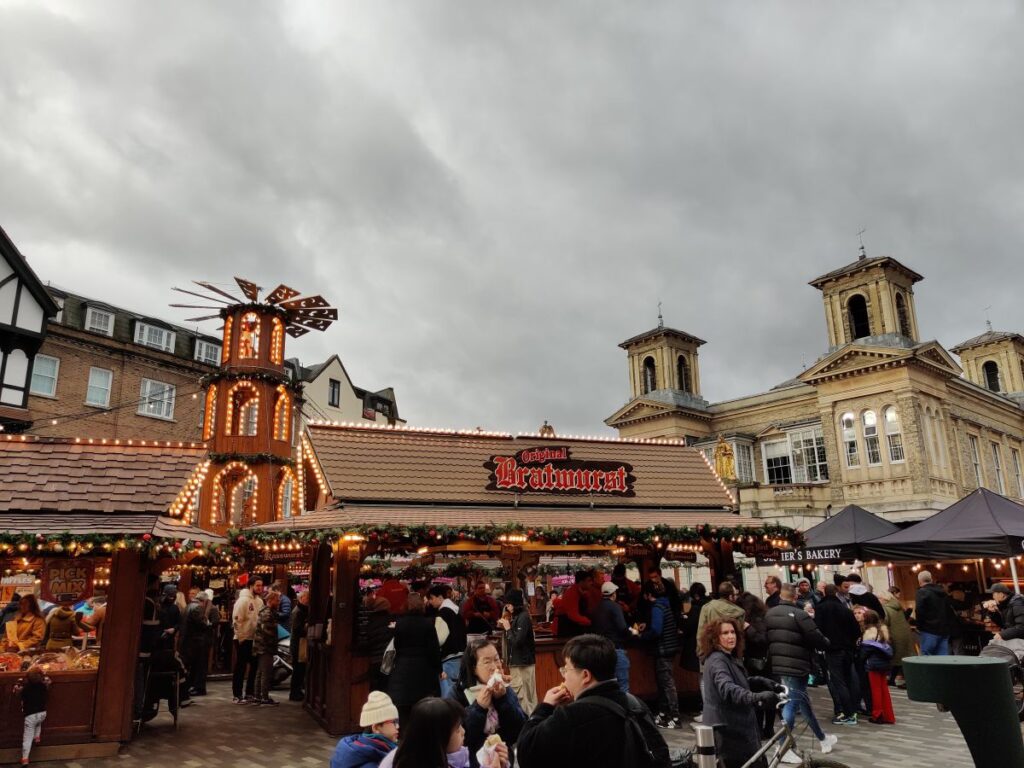
At Kingston’s heart sits the famous Coronation Stone, traditionally associated with the coronation of several Saxon kings and a symbol of Kingston’s importance as one of England’s earliest royal settlements.
Beyond its riverside charm, Kingston upon Thames has a surprisingly rich history. Once an important Saxon royal settlement where several English kings were crowned, and the famous Coronation Stone sits near the Rose Theatre. The town later became home to one of the world’s first public railways and played a significant role in British aviation through the production of the famous Hawker Hurricane fighter aircraft. Combined with its historic market square and attractive Thames frontage, Kingston offers far more than just shopping and cafés, even if you could spend an entire day just shopping!
Petersham Nurseries
Part garden centre, part restaurant, and part lifestyle destination, Petersham Nurseries has become one of the most distinctive places in Richmond upon Thames. Hidden down a quiet lane near Petersham Meadows, the site combines beautiful greenhouses, seasonal planting, antiques, homewares, and one of the borough’s most celebrated cafés. Even if you aren’t planning to buy anything, it’s worth visiting simply for the atmosphere. The combination of flowers, glasshouses, and rustic charm feels worlds away from central London and perfectly captures the relaxed character of this part of the borough.
Food & Drink
South West London does riverside pubs better than almost anywhere else in the city — the combination of Thames frontage, historic buildings, and decent beer gardens is hard to beat on a good day. Here are the ones actually worth seeking out.
Riverside Pubs
- The White Swan, Twickenham — A traditional free house dating to the 17th century, right on the riverbank with a terrace-balcony and garden. At high tide the garden occasionally floods briefly — part of the charm rather than a flaw — and there’s a 17th-century fireplace for colder months.
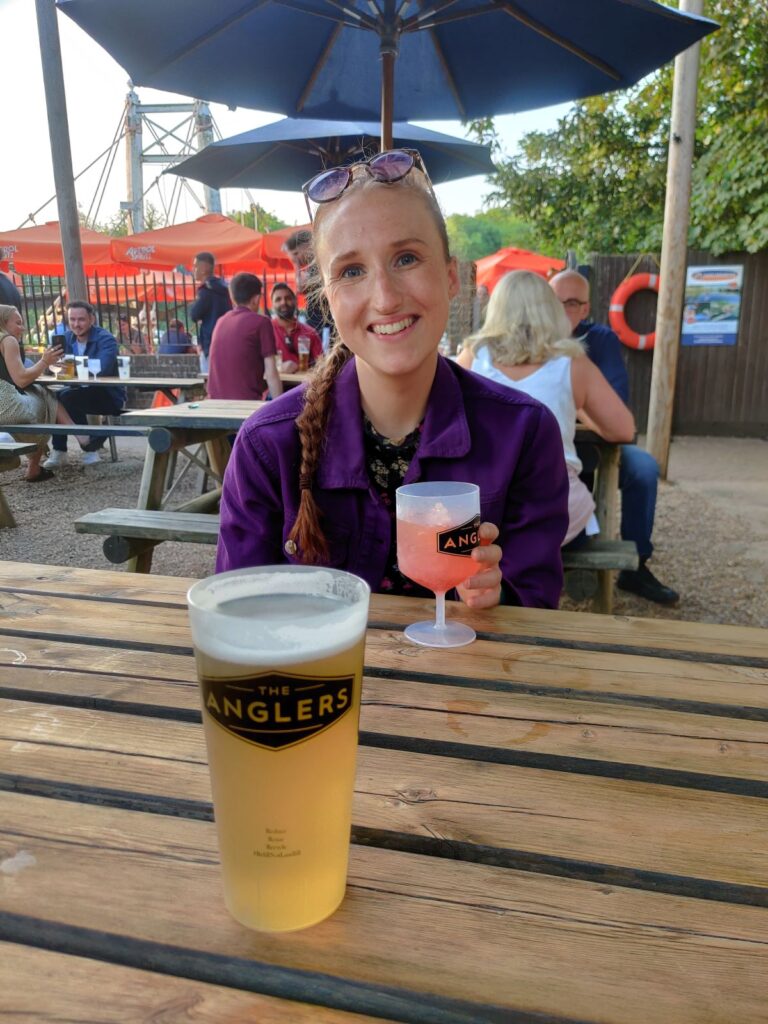
- The Anglers, Teddington — A spacious riverside pub right by Teddington Lock, with a large garden, bike racks for towpath cyclists, and a popular Sunday roast. A natural stop if you’re walking the lock and towpath section, and where I worked for 6 months over a summer university break.
- The Roebuck, Richmond Hill — Arguably the best view of any pub in the area — perched right at the top of Richmond Hill looking out over the Thames below. No beer garden of its own, but public benches across the road are fair game, and there’s a fireplace and armchairs for winter visits. I spent a wonderful New Year’s Eve here and watched Fireworks across the Thames & horizon
- Sussex Arms, Twickenham: An award-winning local pub celebrated for its lively beer garden, excellent selection of real ales, and a dedicated play area for kids. One of my favourite beer gardens and a go-to in Twickenham for my mates and me.
- The Railway, Teddington: A much-loved, family-run pub in Teddington located near Bushy Park that serves up seasonal food, warm hospitality, and a fantastic Sunday roast that my parents swear by!
- King’s Head, Teddington: A charming, award-winning Teddington pub featuring an elegant brasserie, cosy snug areas, and a hidden al fresco courtyard. There’s a pop-up Farmer’s Market in the car park on weekends too!
- Stein’s Richmond: A vibrant Bavarian beer garden located directly beside the Thames. You need to order food to have a beer as well, which is the only downside.
- The Eel Pie, Twickenham: A classic Twickenham high street pub with a rich connection to the area’s famous rock ‘n’ roll history. I’ve had a few friends work here and love the busy atmosphere.
- No 1a Duke Street, Twickenham: A stylish, modern neighbourhood pub in Richmond serving up relaxed brunches and great cocktails in a bright, airy setting.
- The Old Ship, Richmond: A traditional, historic pub offering a dark and welcoming atmosphere and a classic pint right near the bustling Richmond town centre.
- The Cricketers, Richmond: A historic Greene King pub situated right on Richmond Green, making it the perfect spot for a sunny pint while watching weekend cricket matches.
- The Orange Tree, Richmond: Near to Richmond Station, The Orange Tree combines the atmosphere of a traditional Victorian pub with high-quality gastropub dining and is widely regarded as one of the best places for a meal or Sunday roast in Richmond.
- Barmy Arms, Twickenham: Located directly beside the Thames in Twickenham, The Barmy Arms is one of the borough’s best riverside pubs, offering excellent river views, a large outdoor terrace, and a prime location along the Thames Path close to Eel Pie Island.
- The Cabbage Patch: Twickenham’s legendary rugby pub that is perfect for getting amped up to watch Rugby with fellow fans.
Restaurants & Cafés
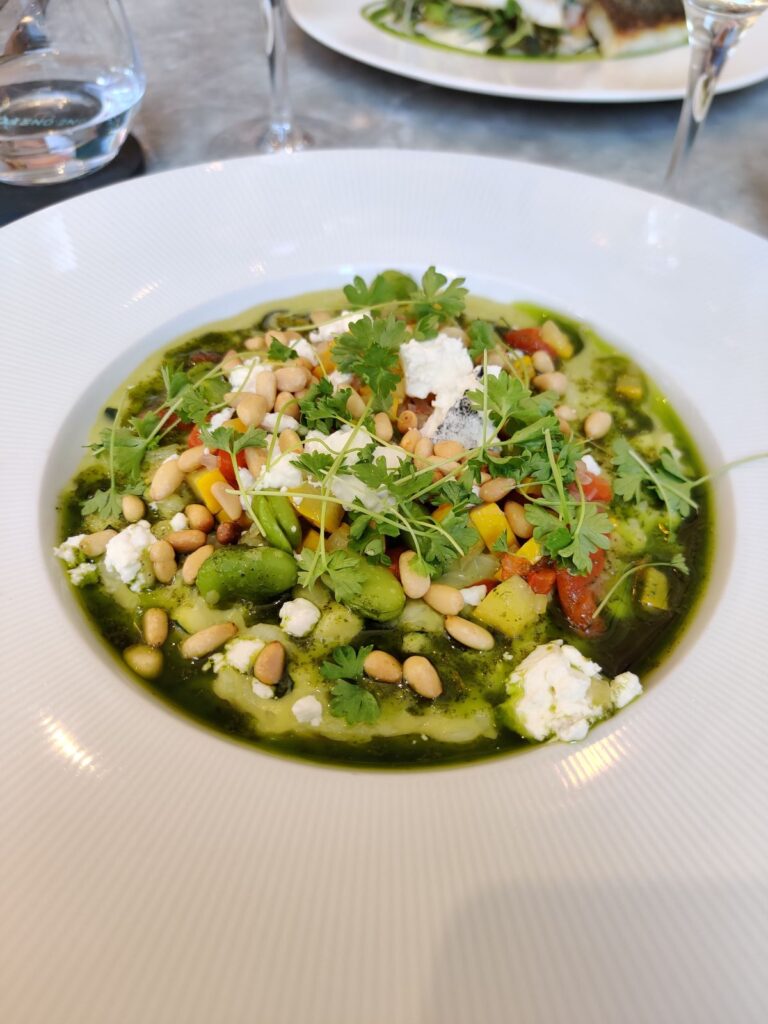
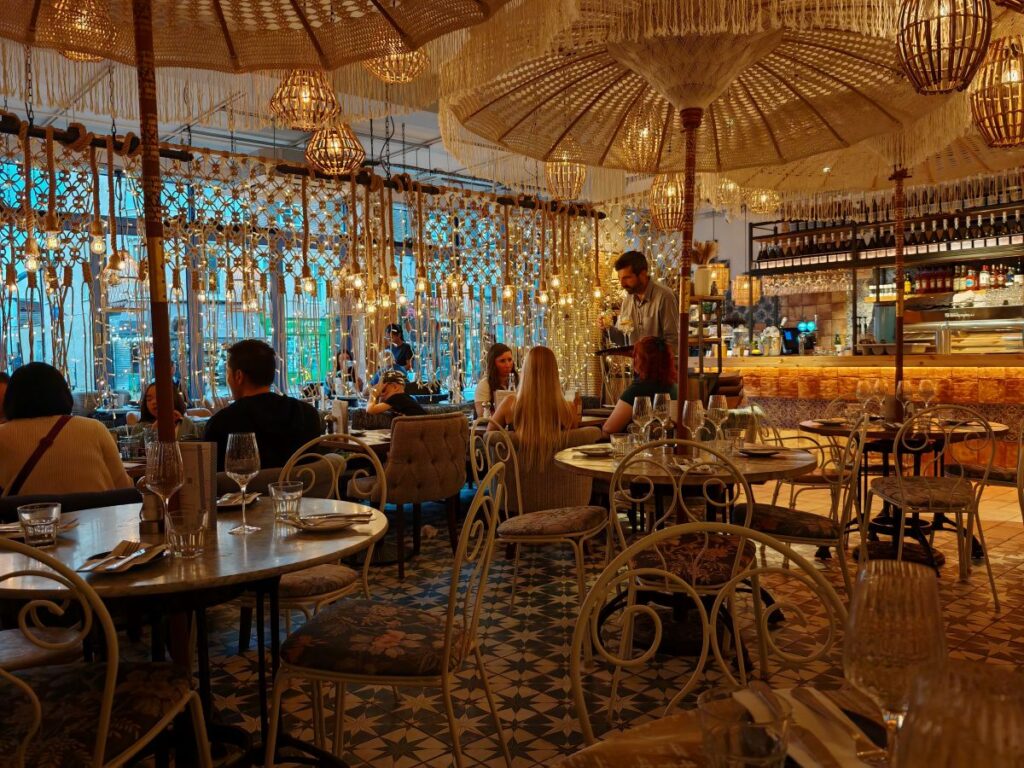
- Tapas Brindisa, Richmond: A relaxed, dog-friendly Spanish tapas spot, good for a mid-week catch-up or a lazy weekend lunch just off Richmond town centre.
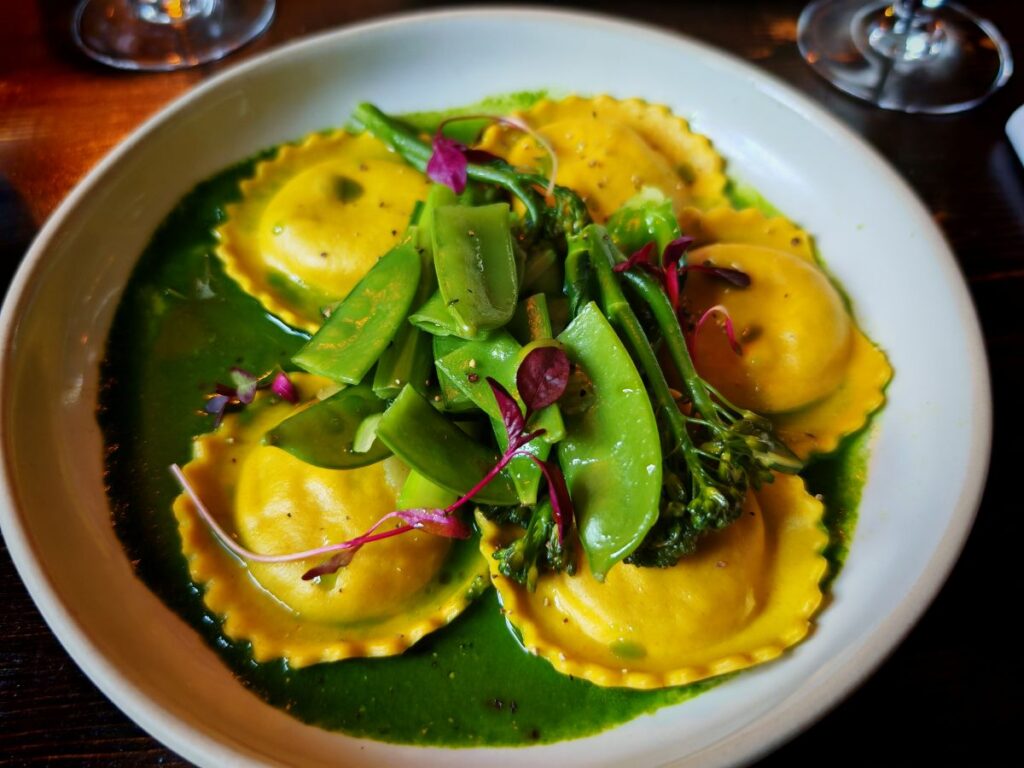
- Osteria Pulcinella, Twickenham: Established in 1994 and still going strong — authentic regional Italian cooking with an excellent wine list, in a warm, rustic setting.
- Ruba Lebanese Cuisine, Teddington: An authentic Lebanese restaurant on Teddington High Street, a fantastic option if you want something different from the standard pub/Italian rotation in the area. My top restaurant in Teddington and highly recommended!
- The Bingham, Richmond: A chic riverside restaurant overlooking the Thames — a good choice for a more special occasion meal, particularly if you can get a table with a river view.
- The Dysart, Petersham: This Michelin-starred restaurant serves modern British food with a focus on seasonal ingredients and refined presentation. It’s the sort of place worth building an evening around and remains one of South West London’s standout dining destinations.
- Benedicts, Teddington: A local favourite and one of the best independent restaurants in Teddington, Benedicts delivers creative modern European cooking in an intimate setting. The menu changes regularly and strikes a nice balance between neighbourhood bistro and destination restaurant.
- Megan’s on King Street, Twickenham: A stylish, dog-friendly neighbourhood spot offering delicious Mediterranean-inspired dishes and incredibly popular bottomless brunches.
- Peggy Jean, Richmond: A unique dining experience aboard a restored barge docked on the Thames in Richmond, serving up wood-fired pizzas alongside stunning riverside views.
- The Shambles, Teddington: A cherished, family-run Italian restaurant in Teddington with a beautiful garden that serves authentic pastas and seasonal dishes.
- Côte Petite, Teddington: A reliable, elegant French brasserie offering classic dishes and a relaxed dining atmosphere. Another friend of mine worked here, and I’ve never been disappointed.
- The Wharf, Teddington: A fantastic riverside restaurant offering fresh seafood and modern British dining right alongside Teddington Lock.
- Pizza Firenze, Teddington: A cosy neighbourhood pizzeria in Teddington turning out excellent, authentic stone-baked pizzas and my favourite Pizza spot in the town.
- La Dolce Vita, Teddington: A charming, traditional Italian eatery loved by locals for its warm hospitality and classic pasta dishes. It’s very highly rated, but I preferred Pizza Firenze personally.
- Da Alfredo Twickenham: Twickenham’s favourite traditional Italian restaurant and takeaway, serving up generous portions of homemade pasta right on The Green.
- The Lensbury Club Terrace, Teddington: A lovely dining spot offering superb river views and relaxed alfresco dining when open to the public.
- One One Four / Baccaro Teddington: A sophisticated neighbourhood restaurant and bar that unfortunately closed down, but it was by far my favourite place when it was open. Now replaced by Baccaro, which serves small plates and drinks.
Cafés
- Benedicts, Teddington: A local favourite and one of the best independent restaurants in Teddington, Benedicts delivers creative modern European cooking in an intimate setting. The menu changes regularly and strikes a nice balance between neighbourhood bistro and destination restaurant: it’s best to go early as it gets very busy!
- Gosia’s Cafe & Deli: A delightful local spot in Teddington serving up great coffee, fresh pastries, and delicious homemade treats. The pastries are by far the best in Teddington, in my opinion!
- The Fallow Deer: A quirky, vibrant independent cafe famous for its fantastic brunch menus, craft coffee, and lively atmosphere.
- Ole & Steen, Richmond & Kingston: An acclaimed Danish bakery offering delicious artisanal sourdough breads, open sandwiches, and their famous cinnamon social pastries.
- The Press Room, Twickenham: A modern-looking cafe in Twickenham with excellent hot chocolate and a wide selection of hot drinks! I had a friend who worked here, and it became my fav cafe in Twick.


Getting There & Around
One of the biggest advantages of Richmond upon Thames is how easy it is to reach from central London while still feeling completely removed from the city. Richmond, Twickenham, Teddington, and Hampton Court are all served by regular South Western Railway services from London Waterloo, with journey times ranging from around 20 to 40 minutes.
The London Underground also reaches Richmond via the District Line, making it one of the easiest outer-London destinations to visit without a car.
Once you’re in the borough, many of the highlights are best explored on foot. The Thames Path connects Richmond, Twickenham, Teddington, and Hampton Court with scenic riverside walks, while Richmond Park and Bushy Park are large enough to justify half a day each. Cycling is another excellent option, particularly for linking Richmond, Teddington, Kingston, and Hampton Court into a single day exploring some of London’s most attractive green spaces and riverside neighbourhoods.
Richmond Upon Thames Summary
This is more than a weekend’s worth of exploring, and it rewards slowing down rather than rushing between landmarks. My honest suggestion: pick a stretch of the towpath, anchor your day around one or two of the bigger names — Richmond Park and Kew, or Hampton Court and Bushy Park — and leave room to wander into whichever pub looks best when you get hungry.
It’s the London I grew up in, and it consistently surprises people who assumed the city meant nothing but Tube crowds and traffic. Slow down, walk the river, and let this part of London show you a different side of the city.
Richmond Upon Thames FAQs
Is Richmond upon Thames worth visiting?
Absolutely. Richmond upon Thames is one of London’s most attractive boroughs, combining royal parks, riverside walks, historic houses, excellent restaurants, and village-style neighbourhoods such as Richmond, Teddington, and Twickenham. It offers a completely different experience from central London while remaining less than an hour from the city centre.
What are the best things to do in Richmond upon Thames?
The most popular attractions include Richmond Park, Richmond Hill Viewpoint, Hampton Court Palace, Bushy Park, Petersham Nurseries, Teddington Lock, and walks along the Thames Path. Visitors can easily fill a weekend exploring the borough’s parks, historic sites, cafés, and riverside pubs.
How do I get to Richmond upon Thames from Central London?
Richmond is easily reached by South Western Railway services from London Waterloo in around 20 minutes. The District Line and London Overground also serve Richmond Station, making it one of the most accessible boroughs outside central London.
Which is better: Richmond Park or Bushy Park?
Both are excellent, but they offer slightly different experiences. Richmond Park is larger and more famous, with expansive landscapes and iconic views from Richmond Hill. Bushy Park is generally quieter, equally rich in deer wildlife, and home to the beautiful Chestnut Avenue and Diana Fountain. My preference will always be Bushy Park due to my childhood and proximity. Richmond Park is much larger, with Isabella Plantation, the views of London and better cycling!
Is Teddington worth visiting?
Yes. Teddington is one of the borough’s hidden gems, known for Teddington Lock, the riverside section of the Thames Path, independent cafés, excellent restaurants, and its connection to the historic Dunkirk Little Ships. It has a relaxed, village-like atmosphere that feels far removed from central London. My home town has a great location to Kingston, Twickenham, Hampton Court and with Bushy Park on its doorstep.
What is the best pub in Richmond upon Thames?
There are several excellent options depending on what you’re looking for. The White Swan in Twickenham is famous for its riverside location, The Anglers in Teddington overlooks Teddington Lock, and The Roebuck in Richmond enjoys one of the finest views in London from Richmond Hill.
How do I get from Richmond to Hampton Court Palace?
By car, it’s roughly a 25–30 minute drive via the A310. By train, take a South Western Railway service to Hampton Court station via a change, or walk/cycle the Thames Path towpath from Kingston, which runs close to the river most of the way and makes for a scenic if longer route.
What’s the best way to explore South West London’s riverside?
Walk or cycle the Thames Path towpath, which runs largely unbroken from Kingston through Teddington, Twickenham, Richmond, and Kew. It’s flat, well-signposted, and passes several of the area’s best riverside pubs, making it easy to break the walk into stages with food and drink stops along the way.